
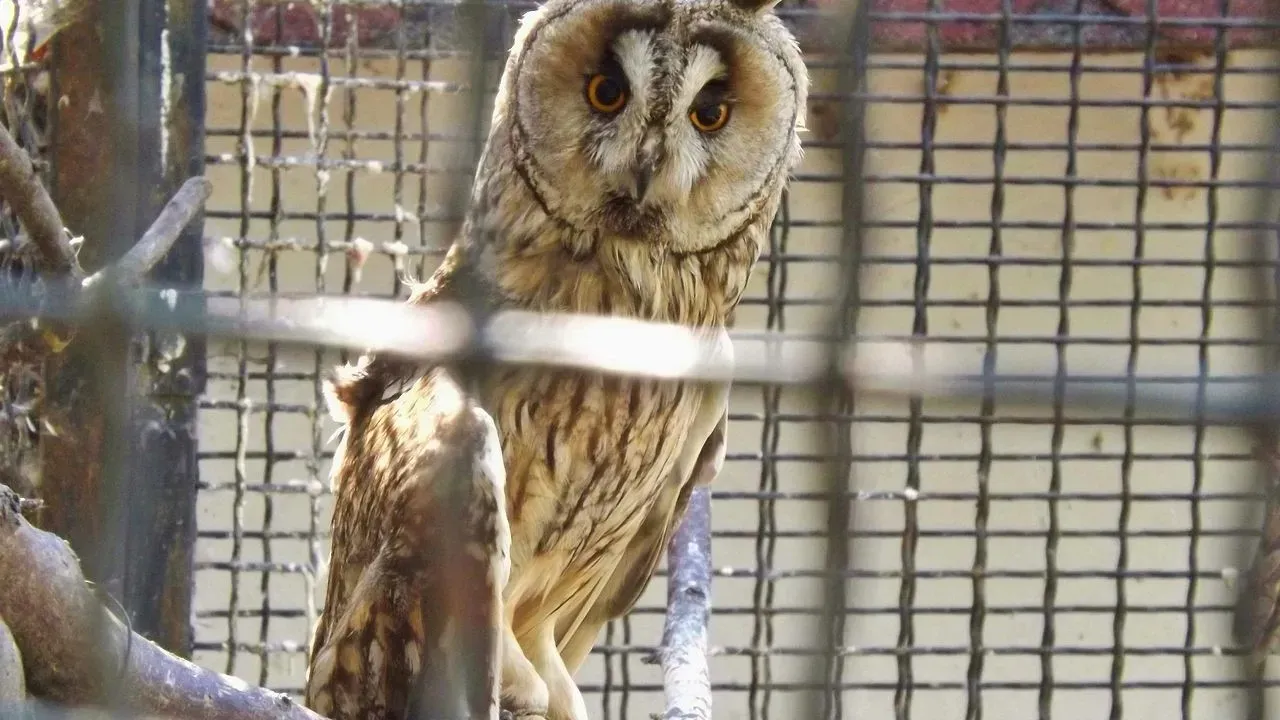

Van Horn, Texas – A Texas Department of Public Safety trooper came upon an injured owl along Interstate 10 and took measured steps to ensure the bird received professional care. The officer contacted Texas Parks and Wildlife, which arranged transfer to the El Paso Zoo for treatment. The episode highlights a straightforward model for travelers who encounter wildlife in distress along remote stretches of West Texas highway. ([1])
A Routine Patrol Turns Into a Wildlife Rescue
Interstate 10 cuts through the high desert of West Texas, where long distances separate towns and traffic can feel sparse. Troopers on these routes often handle everything from vehicle breakdowns to weather-related incidents. In this case, the officer spotted the owl and recognized that immediate intervention by trained specialists offered the best outcome.
The decision to involve Texas Parks and Wildlife rather than attempt direct handling kept both the bird and the responder safe. Such coordination reflects standard protocol for wildlife encounters on state highways. The handoff ensured the owl moved quickly into the care of experts equipped for assessment and rehabilitation.
Why Professional Handoffs Matter on Remote Roads
West Texas landscapes support a range of raptors and other species that occasionally appear near roadways. Travelers who stop to assist an injured animal without proper training risk further harm to the creature or themselves. Contacting the appropriate agency allows for safe capture, transport, and medical evaluation by licensed rehabilitators.
Texas Parks and Wildlife maintains networks that connect field officers with facilities such as the El Paso Zoo. This system supports both animal welfare and public safety. Road travelers benefit from knowing these resources exist before they set out on long drives through the region.
Traveling Responsibly Through West Texas
Drivers on Interstate 10 pass through wide-open country where wildlife crossings remain common. Maintaining awareness of surroundings, especially at dawn and dusk, reduces the chance of collisions. When an animal is already injured, the most constructive action is often to note the location and alert authorities rather than approach directly.
Planning ahead includes carrying contact information for Texas Parks and Wildlife or local game wardens. Many cell phones retain signal along the interstate, though coverage can vary in side canyons. Simple preparation turns a potential moment of uncertainty into a clear, helpful response.
Continued Care at the El Paso Zoo
The El Paso Zoo serves as a regional hub for wildlife rehabilitation in far West Texas. Staff there evaluate incoming animals, provide veterinary attention, and determine whether release back into suitable habitat is possible. The process underscores the value of established facilities that operate under state and federal guidelines.
For visitors and residents alike, learning about these programs deepens appreciation for the ecosystems that border major travel corridors. A single roadside encounter can connect travelers to broader conservation efforts without requiring specialized knowledge on the spot.
AI Disclaimer: This article was created with the assistance of AI tools and reviewed by a human editor.