
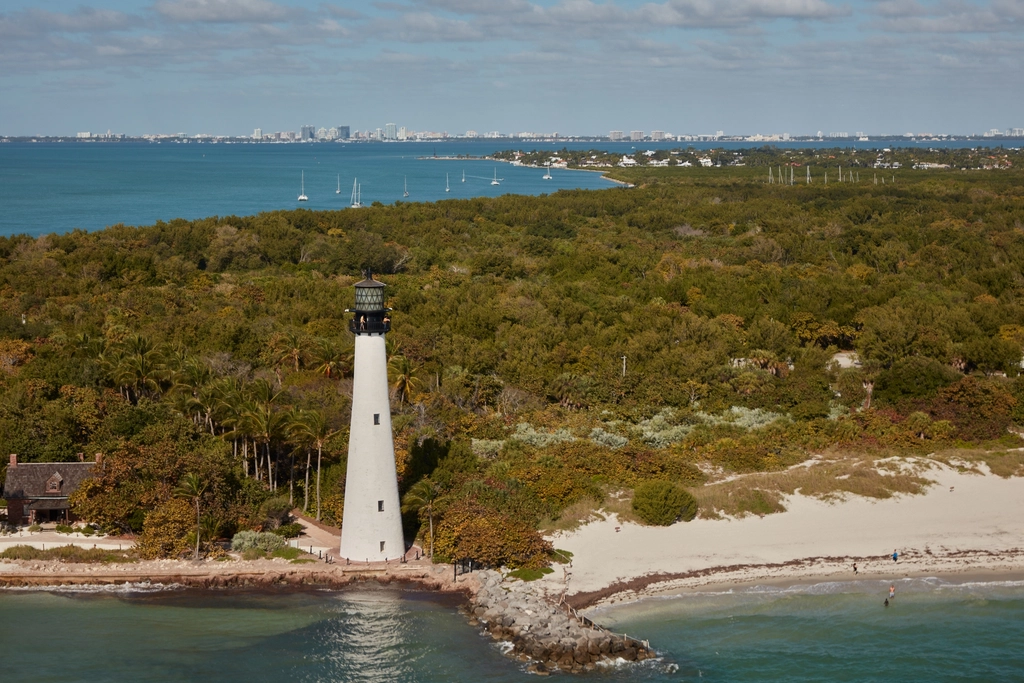

A Beacon Since 1825
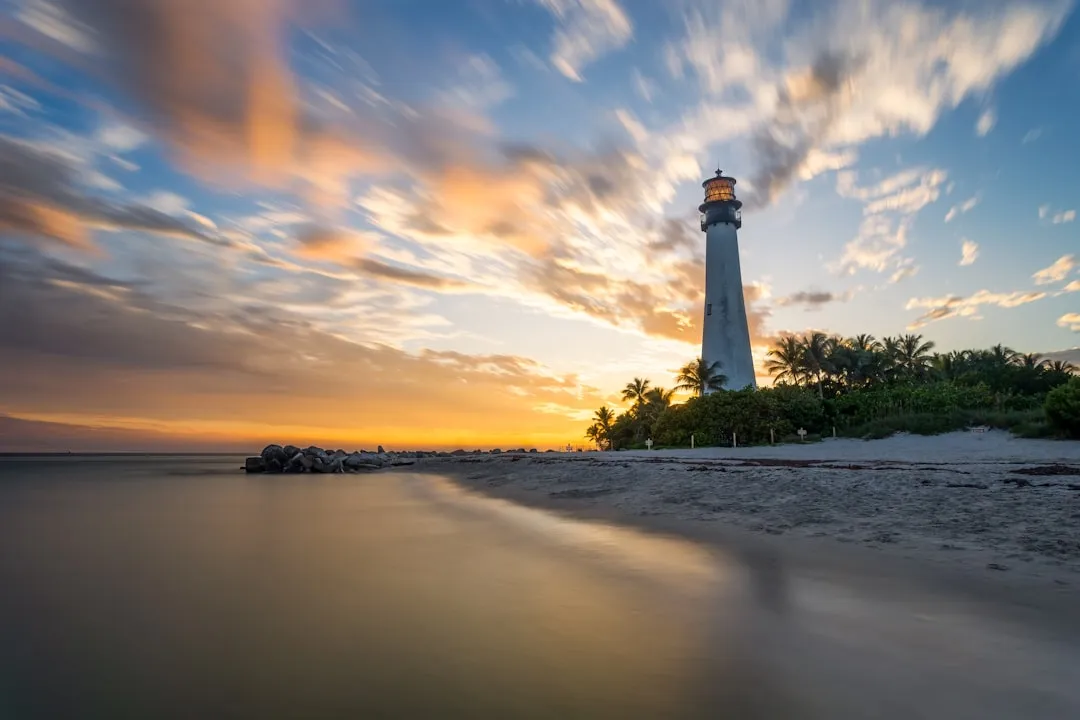
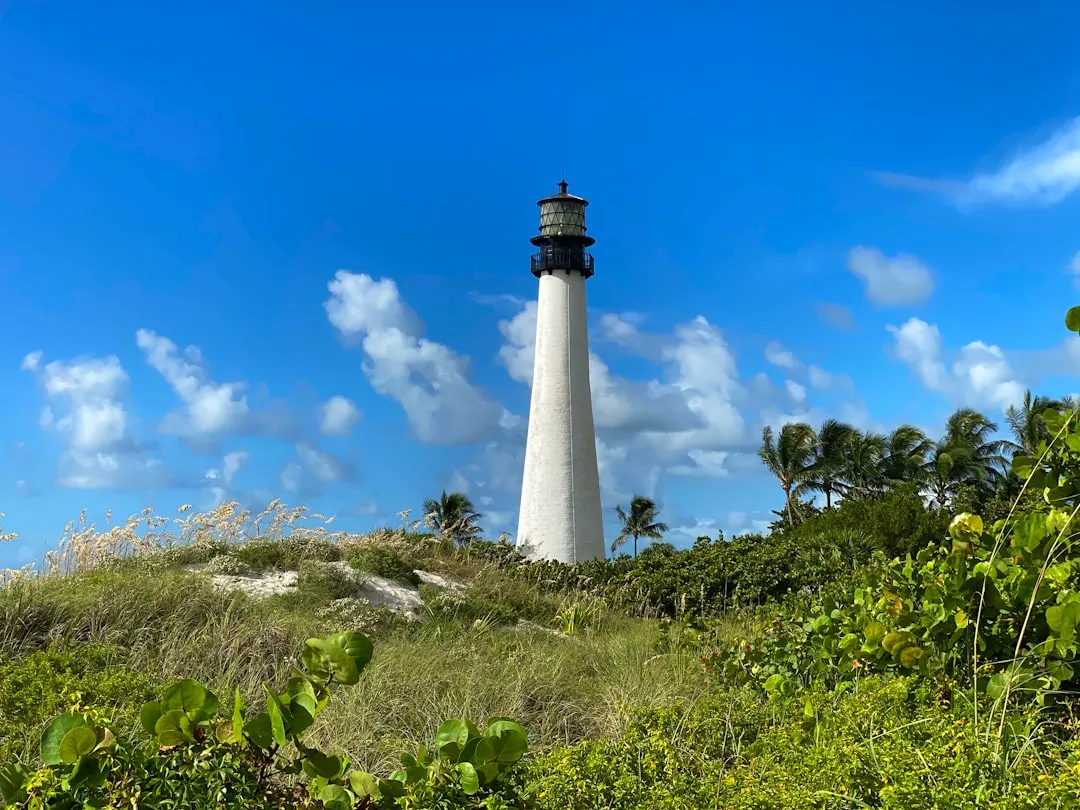
Bill Baggs Cape Florida State Park offers visitors breathtaking views of the Atlantic Ocean and Biscayne Bay from atop its historic 1825 lighthouse. That single fact anchors everything else about the place. The Cape Florida Lighthouse has been standing on this same spit of sand since the year Florida had only just become part of the United States, and it remains open to the public today, in 2026, as one of the few genuinely two-century-old towers you can still climb from the inside.
The Quiet Tip of Key Biscayne
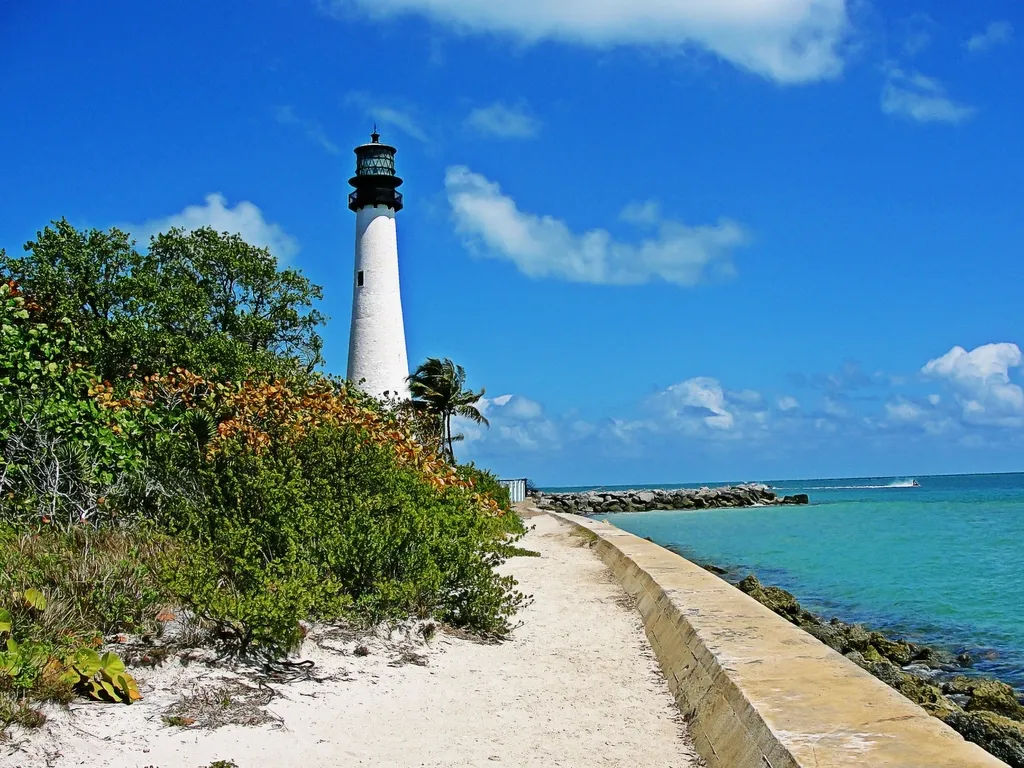
Most visitors to Miami never make it this far south. Just a 15-minute drive from Downtown Miami, Bill Baggs Cape Florida State Park is a natural paradise at the southern tip of Key Biscayne, and this quiet beach is a welcomed alternative for those seeking a quieter, more relaxed beach day. The park stretches across roughly 400 acres of barrier island, with the lighthouse rising above palms and sea grape trees rather than condominiums. It’s the kind of contrast that makes the drive worthwhile: glass towers behind you, open water and mangroves ahead.
Built to Tame a Treacherous Reef
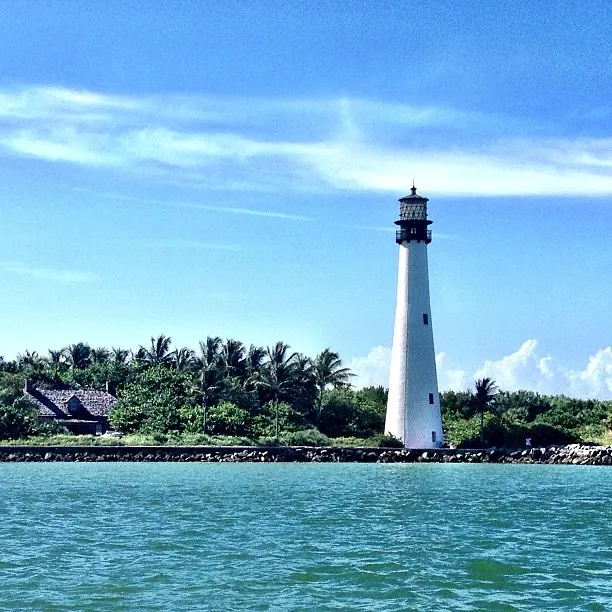
The lighthouse wasn’t built for scenery. When Ponce de Leon led the first Spanish expedition in 1513 to the land he called Florida, he named this area the Cape of Florida, an area of ferocious storms and uncharted waters where hidden sandbars and submerged reefs caused hundreds of shipwrecks, prompting the federal government to plan a network of lighthouses along Florida’s east coast after it became a U.S. Territory in 1821, with Cape Florida Lighthouse built in 1825 as part of that network. At the time, it stood a modest sixty-five feet tall, a simple brick sentinel meant to keep ships off the Florida reef rather than to impress anyone.
The Seminole War Attack of 1836

The tower’s early history was far from peaceful. By July of 1836, the threat of attack during the Second Seminole War had caused settlers to flee the mainland, and late in the afternoon of July 23, 1836, the Cape Florida Lighthouse was attacked and severely damaged by fire, with the assistant lighthouse keeper miraculously surviving while his helper was killed. Some accounts, drawing on the same historical record, describe the wounded keeper making the desperate choice to throw a keg of gunpowder down the tower’s shaft to drive off the attackers rather than be burned alive. The lighthouse remained out of service for the balance of the Second Seminole War, which ended in 1842.
Rebuilt and Relit
It took another decade before the light shone again. By 1846, Congress had appropriated twenty three thousand dollars for reconstruction of the lighthouse, and on April 30, 1847, the Cape Florida Lighthouse was relit for the first time. In 1855, the height of the structure was increased from sixty five to ninety five feet, and a second order Fresnel lens was installed, giving the beam far greater reach across the Straits of Florida. That taller profile, built in the 1850s, is essentially the tower visitors still climb today.
A Civil War Silence
Peace didn’t last long even after reconstruction. In 1861, Confederate sympathizers removed the lamps and burners and smashed the crucial center prism so the light could not be used as an aid to Union sailors who controlled the surrounding waters. The lighthouse sat dark through much of the war, a small but telling episode in the larger story of a coastline caught between competing loyalties. It’s a reminder that even a quiet, decorative looking structure often carries a far more complicated past than its current calm setting suggests.
Climbing the 109 Steps Today
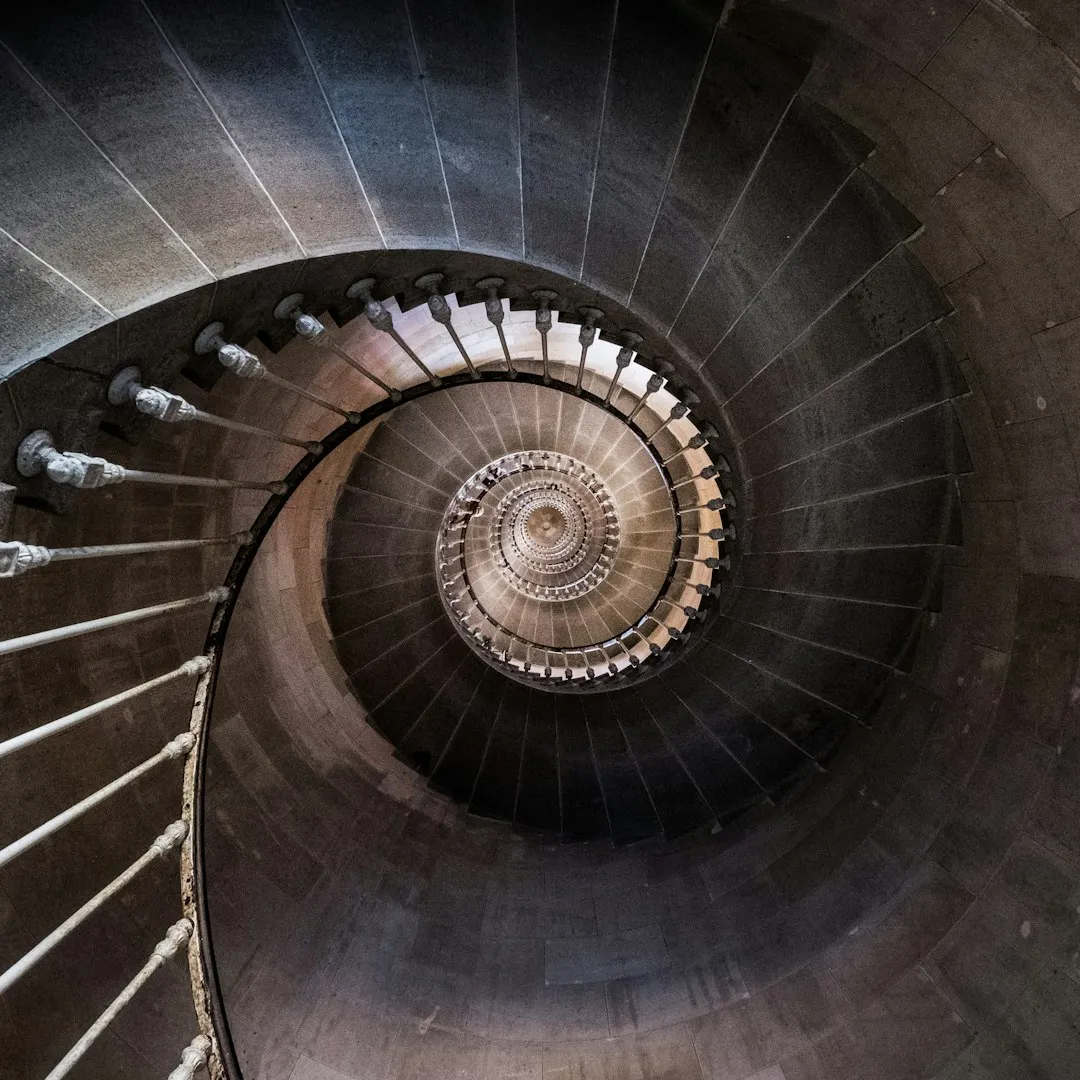
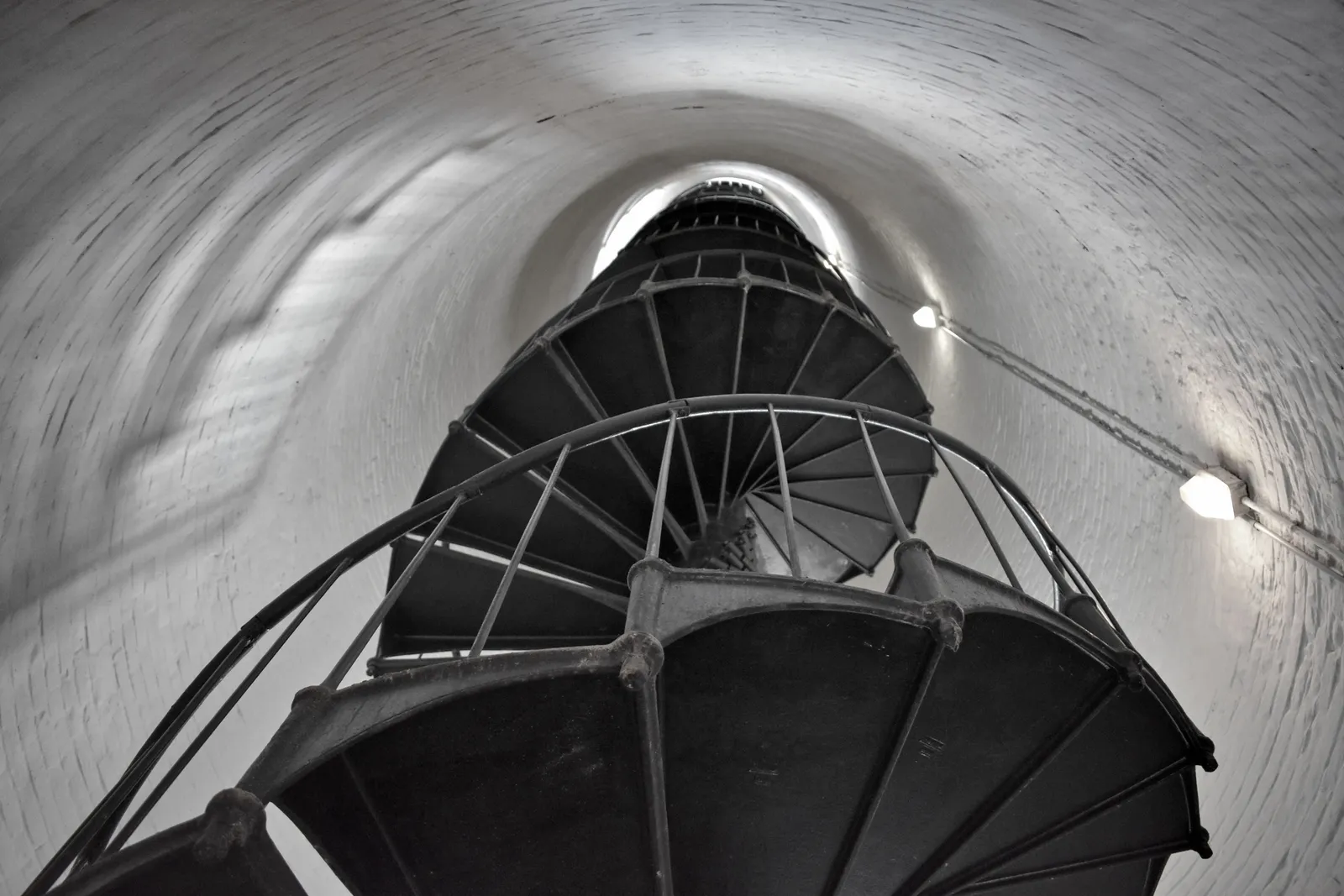
The climb itself hasn’t changed much in over a century and a half. Free guided tours that include climbing the 109 iron spiral steps are offered Thursday through Monday at 10:00 AM and 1:00 PM, and children must be at least 42 inches tall to climb. The staircase is narrow and the iron treads ring underfoot, which somehow makes the whole experience feel more authentic than a modern museum reconstruction. It’s a ten-story climb, and the cast-iron balcony is surprisingly narrow, causing those with a fear of heights to cling to the doorway rather than venture out.
The View From the Gallery
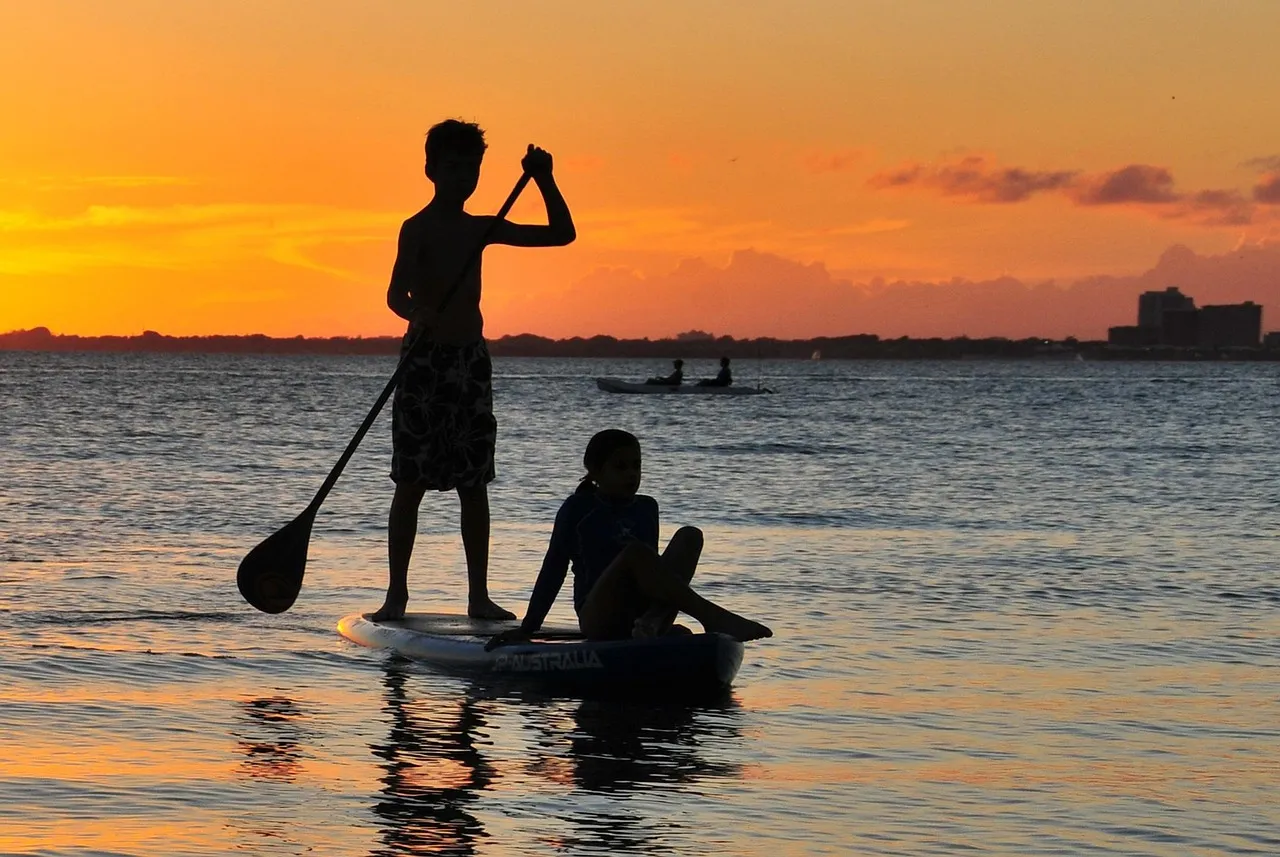
Whatever nerves the climb stirs up, the payoff at the top tends to settle them quickly. From the top, a wrap-around balcony supplies a legendary view over Key Biscayne, with world-famous Miami Beach visible to the north, the Atlantic Ocean swirling to the east, and the floating homes of Stiltsville still visible standing over the water to the south. On a clear morning, the water shifts through bands of turquoise and deep blue, and the Miami skyline looks almost small from this distance. It’s a genuinely rare vantage point, one that most day-trippers to South Florida never think to look for.
Beyond the Lighthouse: Beach, Trails, and Bay
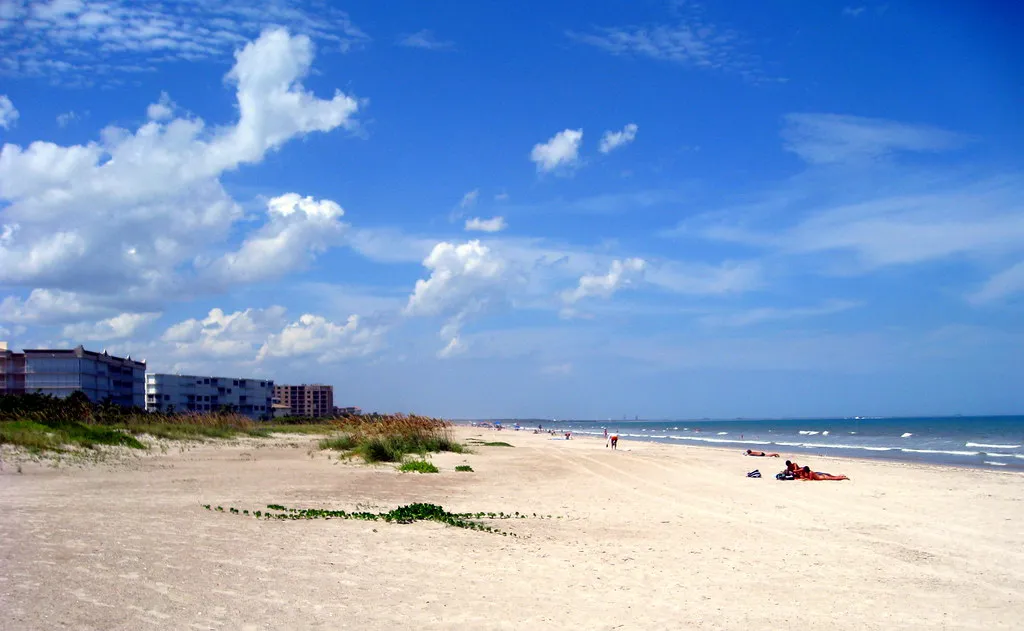
The lighthouse is the anchor of the park, but it’s far from the only reason to visit. The park’s 1.5-mile paved bike path is smooth and makes for an easy ride, and a stroll on the unpaved service roads often turns up colorful birds flitting in the trees or wading in the mangroves, especially during spring and fall migrations. The park offers birdwatching opportunities with over 170 species recorded, including migratory birds, which draws a steady stream of quiet, binoculars-in-hand visitors alongside the beachgoers. There’s also boat access, with overnight anchoring available in No Name Harbor for a fee, so the lighthouse can be approached from land or from the water itself.
Visiting Responsibly Today
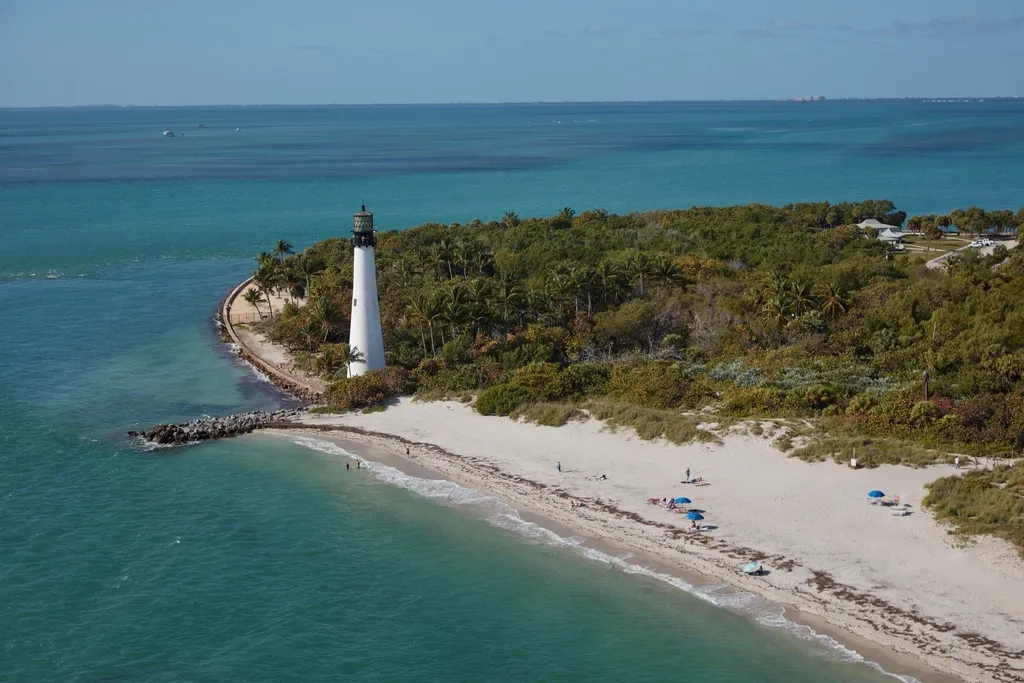
Practical details matter here, since tours run on a fixed schedule rather than being available all day. Access to the lighthouse tower and keeper’s cottage is only available during tour times, with no additional fees or reservations needed. The park charges eight dollars per car, plus a toll on the Rickenbacker Causeway on the way out, and arriving early is genuinely worth it, since the park can and does close temporarily once it reaches capacity on busy weekends. Visitors who plan around the tour times rather than showing up whenever they please tend to have the smoother, less crowded experience the lighthouse deserves.
Two centuries is a long time for anything to stay standing on a stretch of coast that has weathered hurricanes, wartime attacks, and the slow crawl of erosion. What makes the Cape Florida Lighthouse worth the trip isn’t just its age, though that alone is remarkable. It’s that the climb, the narrow iron stairs, the wind at the top, still feels like something earned rather than packaged, a small quiet corner of history that hasn’t been smoothed over for the sake of convenience.
AI Disclaimer: This article was created with the assistance of AI tools and reviewed by a human editor.