
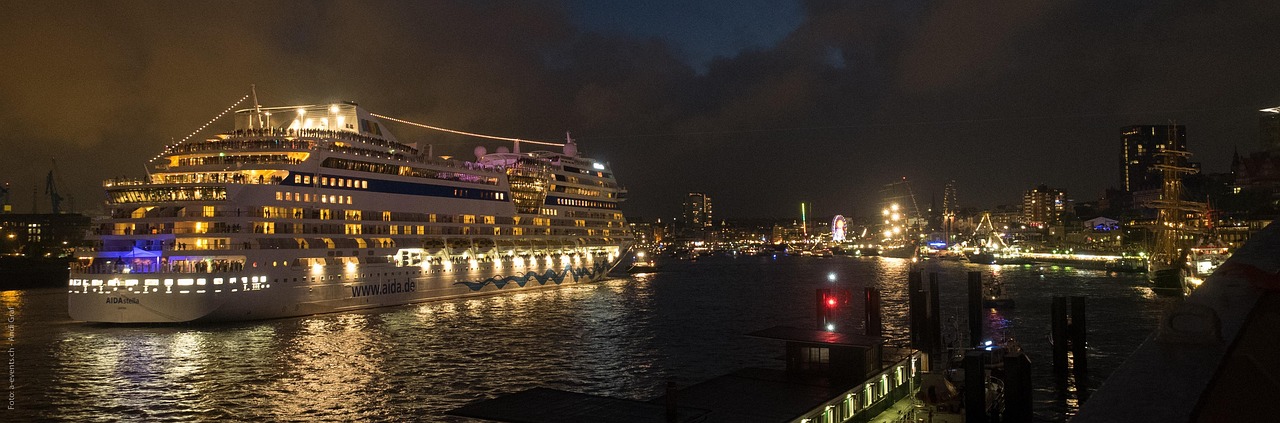
Cruising has quietly become one of the most practical and rewarding ways for travelers with disabilities to see the world. No constant repacking, no navigating unfamiliar transit systems, and no checking in to a new hotel every few nights. The ship becomes a familiar, controlled environment where independence can feel genuinely attainable.
Still, a surprising number of travelers with mobility, hearing, or vision needs board their ships without knowing the full menu of cabin features they can request in advance. Some of those features are life-changing in the most practical sense, and they are rarely marketed loudly. This guide walks through ten of the most important ones, from the widely known to the genuinely overlooked.
The Vibrating Bed Alert System: The Feature Almost Nobody Asks For
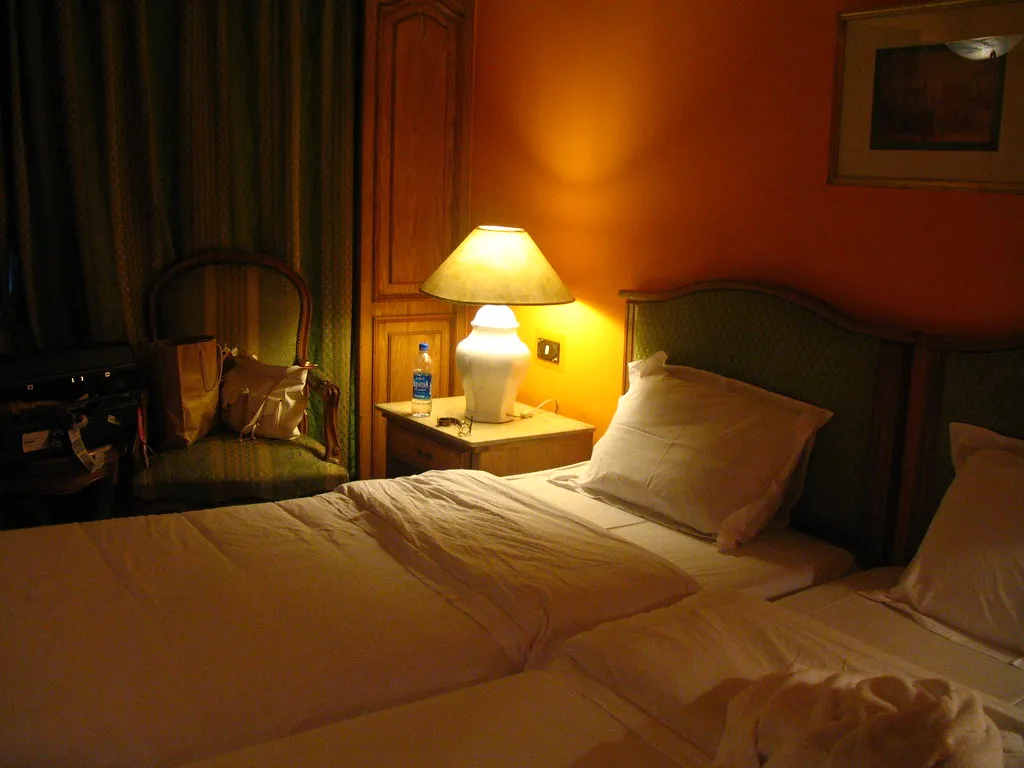
Some accessible cabins have safety features like emergency call alarms, or for people who are hearing or visually impaired, beds that will vibrate to alert passengers in the event of an emergency. This is, without question, one of the least-known and most essential cabin upgrades available. Most hearing-impaired travelers spend their whole voyage unaware the option ever existed.
LISA, a hearing assistance device offered on certain ships, amplifies sound and provides visual indication, and features a wireless doorbell, vibrating pillow shaker, and a pager with charger. P&O Cruises makes this system available on select vessels, but you have to ask for it. To request a visual alert system, travelers must complete the onboard needs questionnaire, and these systems are available on a first-come, first-served basis.
Roll-in Showers with Fold-Down Benches
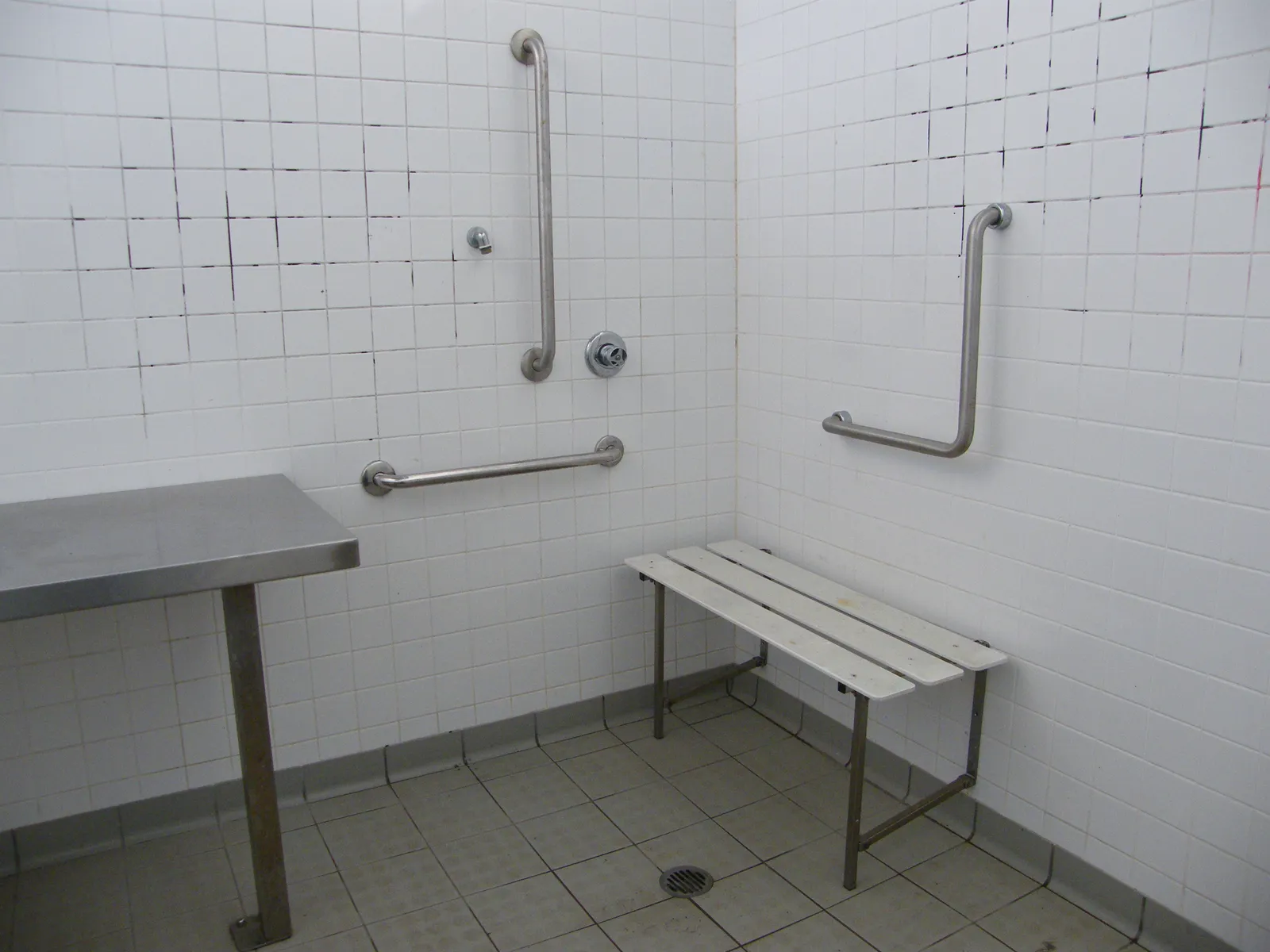
Accessible cabin bathrooms on Celebrity Cruises, for example, offer ramped thresholds, grab bars, lowered sinks and vanities, higher toilets, roll-in showers with fold-down benches, and hand-held showerheads. The fold-down bench is the detail that frequently gets overlooked when travelers scan a cabin description online. It makes an enormous practical difference for anyone who cannot stand for extended periods.
These shower configurations are not automatically assigned to every passenger who books an accessible cabin. Confirming the specific bathroom layout when booking, not just the category of cabin, is what actually guarantees you get what you need. Call the cruise line directly and document the confirmation.
The Ambulatory Accessible Cabin: A Lesser-Known Category
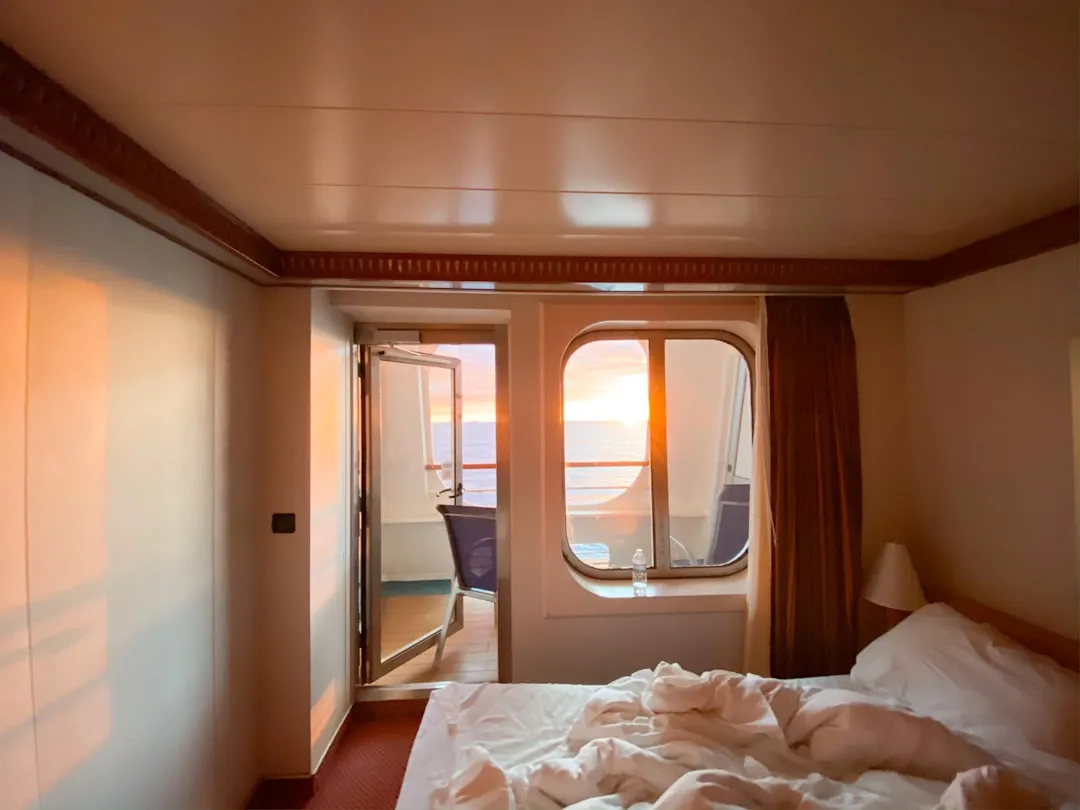
A type of cabin known as an “ambulatory accessible cabin” has grab bars and other features designed to help passengers who rely on walkers or canes maintain their balance. Many travelers who use canes or walkers assume they either need a fully wheelchair-accessible cabin or nothing at all. That assumption means they are often booking the wrong room entirely.
ADA-compliant cabins come in several categories: some are designed to allow a full-sized wheelchair or mobility device to roll through the doorway and maneuver on one or both sides of the bed, while others, known as ambulatory accessible cabins, have grab bars for passengers who rely on walkers or canes. Knowing which category actually fits your needs can be the difference between a frustrating trip and a genuinely comfortable one.
Five-Foot Turning Radius in Sleeping and Bathroom Areas
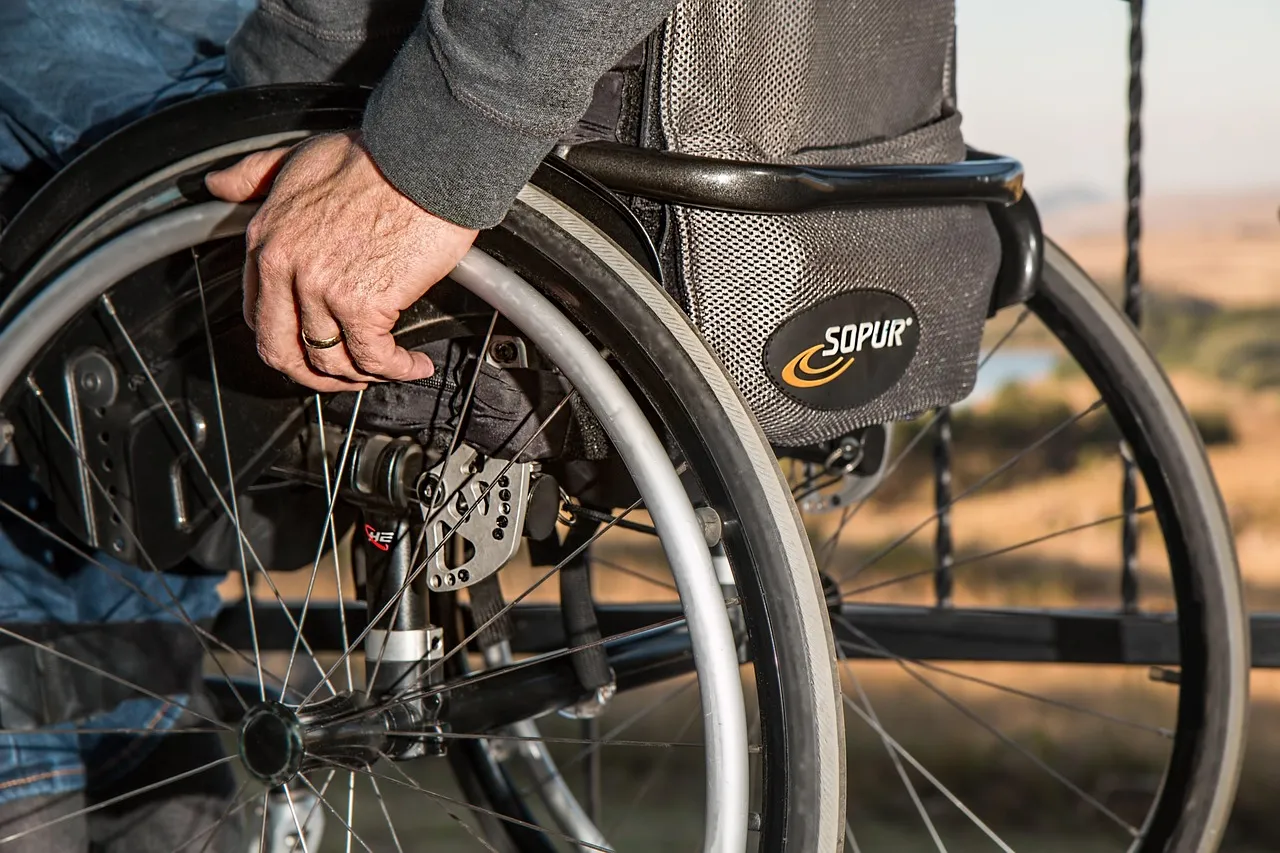
Accessible staterooms ranging from 159 to 298 square feet offer a five-foot turning radius in sleeping areas, bathrooms, and sitting areas. That specific measurement is the standard that allows a full-sized wheelchair or power scooter to complete a full turn without getting stuck. It sounds technical, but it matters enormously in practice, especially in smaller inside cabins.
Not every cabin labeled “accessible” on a booking platform actually meets this specification. Guidance based on real-world cruise cabin usability, rather than marketing descriptions alone, often reveals the difference. Before confirming any reservation, it’s worth asking the cruise line to verify the exact turning radius documented for that specific cabin number.
Visual Doorbell and Telephone Signaling Devices
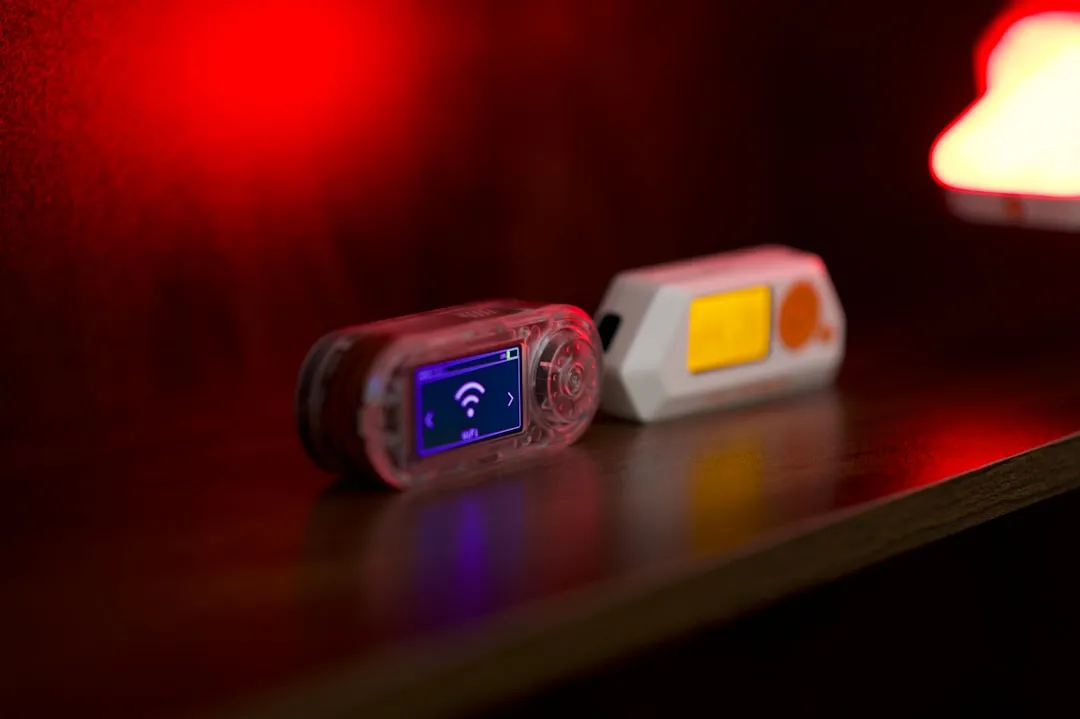
Visual alert systems provide vital notifications through flashing lights or vibrating devices for deaf and hard of hearing travelers, and deaf-friendly cruise ships ensure safety and convenience by offering visual signaling devices for doorbells, telephones, and smoke alarms. A missed knock on the door might seem like a small inconvenience, but on a cruise where stewards, medical staff, and shore excursion coordinators often deliver information in person, it can have real consequences.
Carnival Cruise Line, for instance, provides a portable room kit including a visual-tactile alert system and a teletypewriter for guests who are deaf or hard of hearing. The key word there is “request.” These kits are not automatically placed in every cabin. You have to flag your need before sailing, ideally at the time of booking.
Closed-Caption Televisions in the Cabin

Closed-caption televisions allow guests to enjoy in-cabin entertainment with subtitles. It is one of the simplest accommodations imaginable, yet it is frequently missing from cabins unless specifically requested or confirmed in advance. For a hard of hearing traveler spending a sea day in their room, it changes the entire experience of that day.
Many deaf-friendly cruises are equipped with hotel room features for hearing impaired guests, and these may include visual fire alarms, vibrating alarm clocks, and closed-captioned televisions. Asking about all three as a bundle, rather than one at a time, tends to speed up the pre-boarding logistics considerably.
Lowered Beds and Accessible Bathroom Sinks
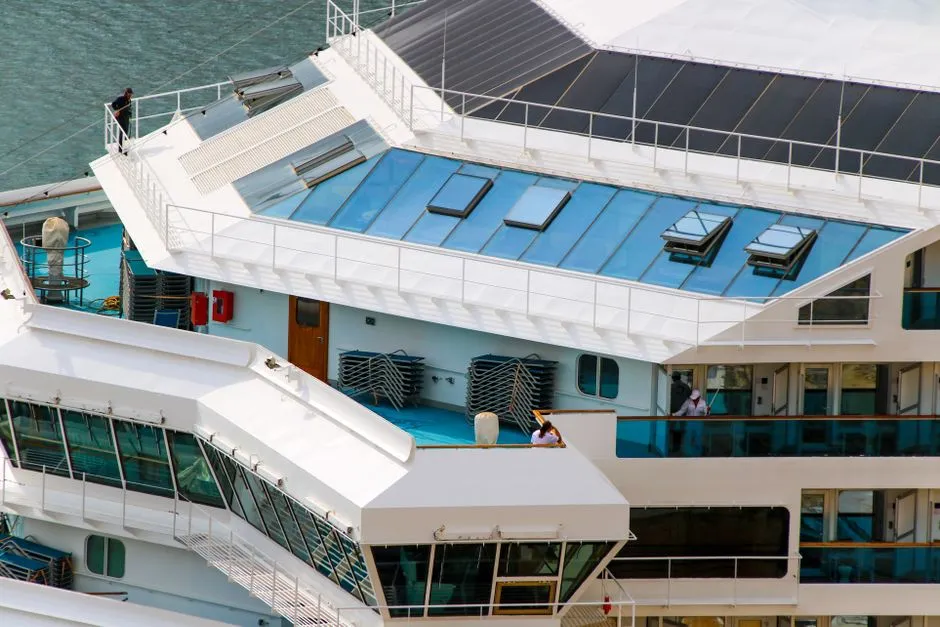
Features that accessibility-focused travelers look for include cabin doors that open automatically with the swipe of a keycard, as well as low-set beds and bathroom sinks. A low-set bed matters enormously for someone who transfers from a wheelchair independently. The height of the mattress from the floor can determine whether that transfer is safe or risky.
Lowered bathroom sinks, similarly, allow wheelchair users to approach the sink directly rather than reaching awkwardly from the side. These are structural features that vary by ship, by cabin category, and sometimes even by specific cabin number. Asking your cruise line to confirm the exact bed height in writing before sailing is a reasonable and increasingly common request.
Wider Doorways and the 32-Inch Standard
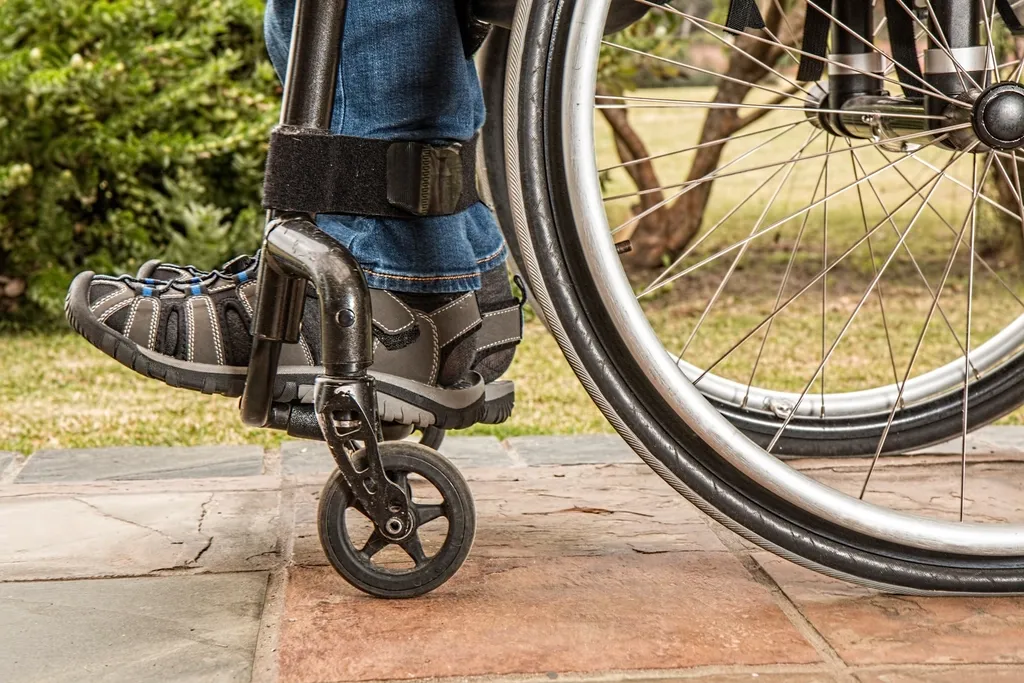
Accessible cabin accommodations on ships like those in Celebrity Cruises’ fleet include wider doorways of 32 inches, a five-foot turning radius, lowered closet bars, and accessible balconies in select cabins. The 32-inch doorway minimum is the ADA threshold for wheelchair passage, but not every cruise line hits this number uniformly across all cabins. Older ships in particular may fall short.
While all cruise ships sailing in U.S. waters should be compliant with the Americans with Disabilities Act, there aren’t standards specifically addressing cruise ships, which means some lines do more than others. Travelers who use power wheelchairs wider than the standard manual chair should measure their device before sailing and compare it directly against the doorway specifications for their assigned cabin.
Pool Hoists and the 24-Hour Advance Request Rule
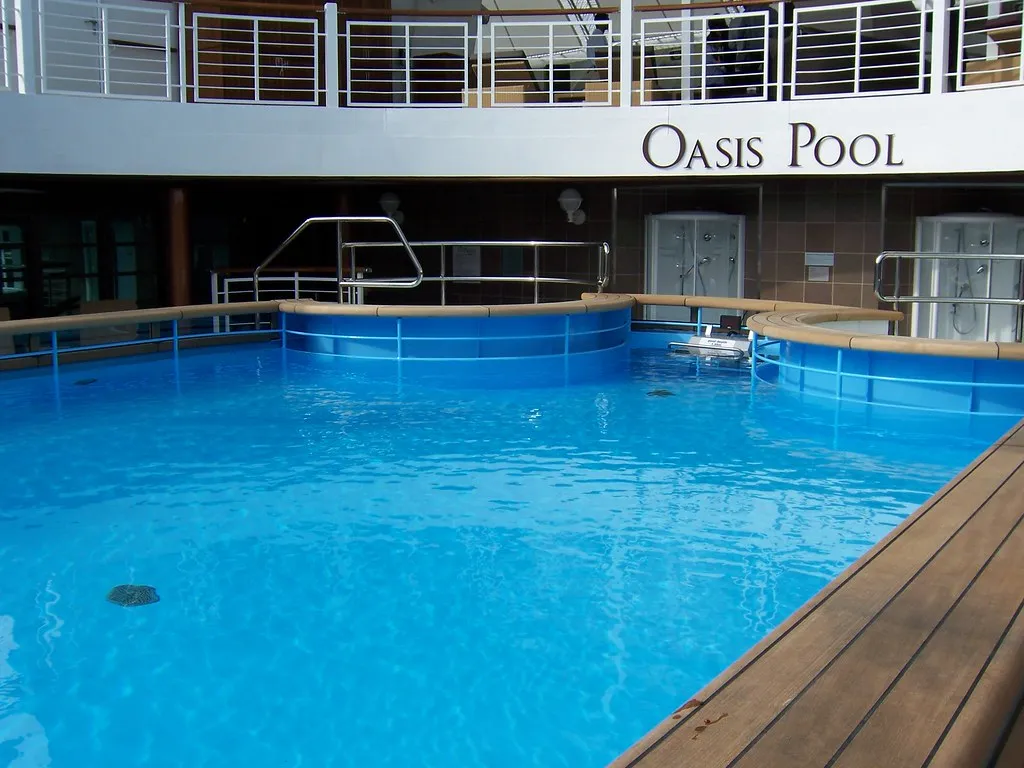
All Cunard ships have a pool hoist with chair, subject to a weight limit, and must be booked 24 hours in advance at the purser’s desk. This is the kind of detail that vanishes between the booking page and the actual deck. Many travelers with mobility needs simply assume that because a pool hoist exists on a ship, they can use it whenever they like. The 24-hour advance request window changes that reality entirely.
Royal Caribbean, for example, provides pool and whirlpool lifts in addition to lowered gaming tables and a lowered Guest Relations desk. The amenity exists, but coordinating access to it before you need it, rather than on the spot, is the practical move that separates a smooth sailing from a frustrating one.
Early Booking and Accessible Cabin Scarcity
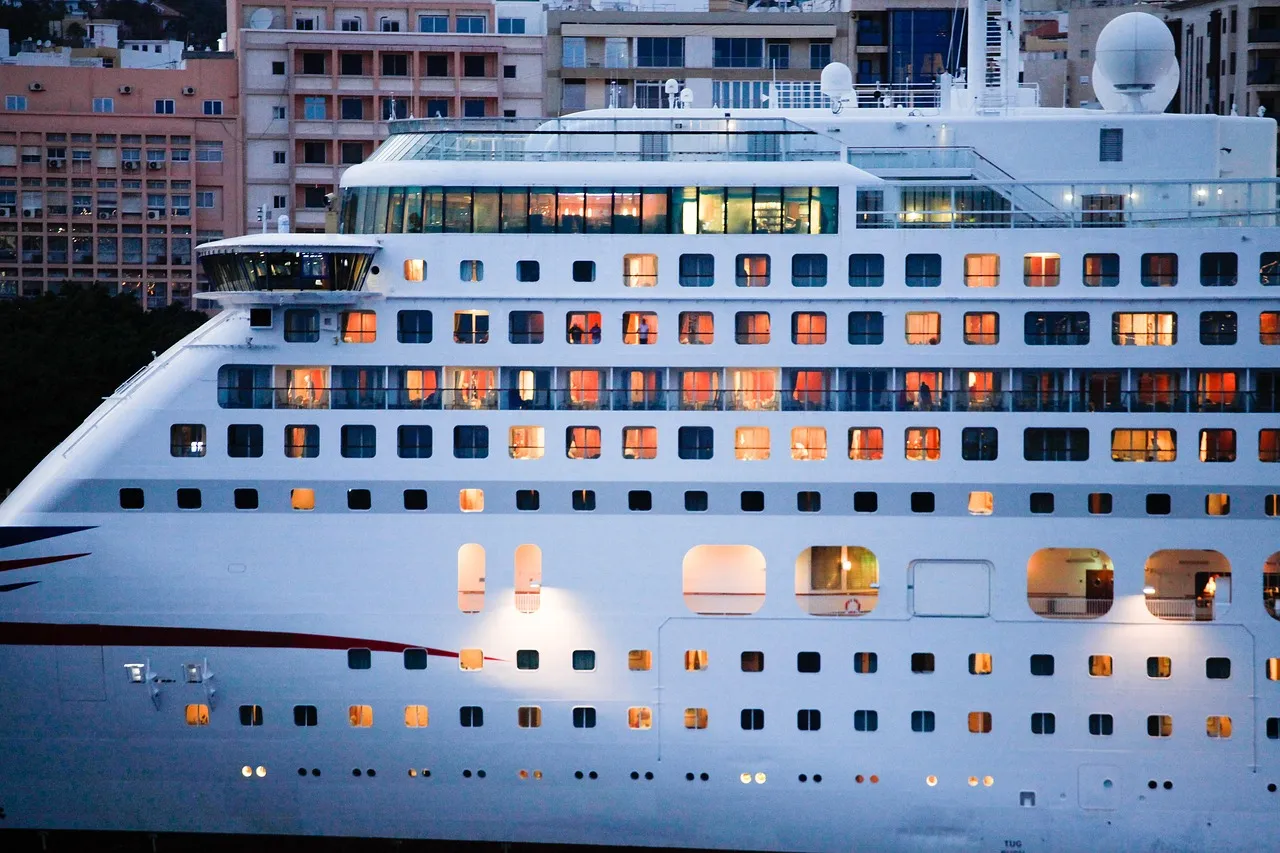
Approximately three percent of ships’ cabins, along with all public spaces such as dining rooms, entertainment venues, lounges, and pools, must meet ADA requirements, according to the Open Doors Organization. Three percent is a small number on a ship carrying three or four thousand passengers. When demand is high, those cabins go fast.
Holland America and Princess both book accessible accommodations quickly, so starting planning early is critical for travelers needing those cabins. The same is broadly true across the industry. Cruise lines may reassign accessible cabins if travelers without documented accessibility needs reserved them originally, which can create last-minute booking complications. The safest approach is to book early, document your specific needs in writing, and follow up with the cruise line’s accessibility department at least 60 days before departure.
The Takeaway
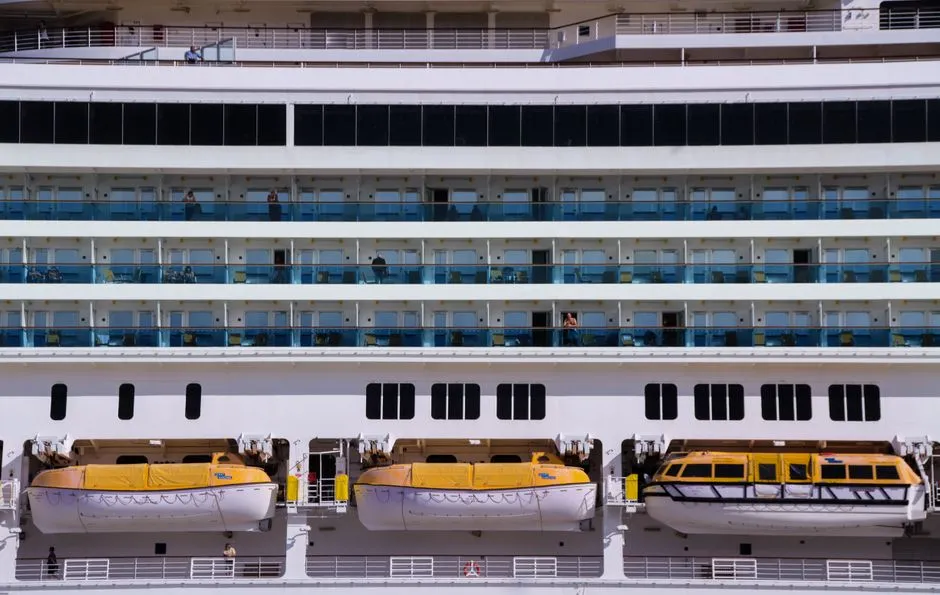
Accessible cruising has come a long way, and the range of cabin features now available to travelers with disabilities is genuinely impressive. The gap is rarely in what ships offer. More often, it is in what passengers know to ask for and how early they ask for it.
The features covered here, from vibrating bed alert systems to pool hoist reservations, exist on many ships right now. They are simply quiet, unannounced, and available only to those who seek them out before embarkation day. That shift from passive booking to active, specific requesting is the single most useful thing a traveler with accessibility needs can do before any sailing.
Responsible, purposeful travel begins with knowing your options. On a cruise ship, those options are often richer than the brochure suggests.
AI Disclaimer: This article was created with the assistance of AI tools and reviewed by a human editor.