
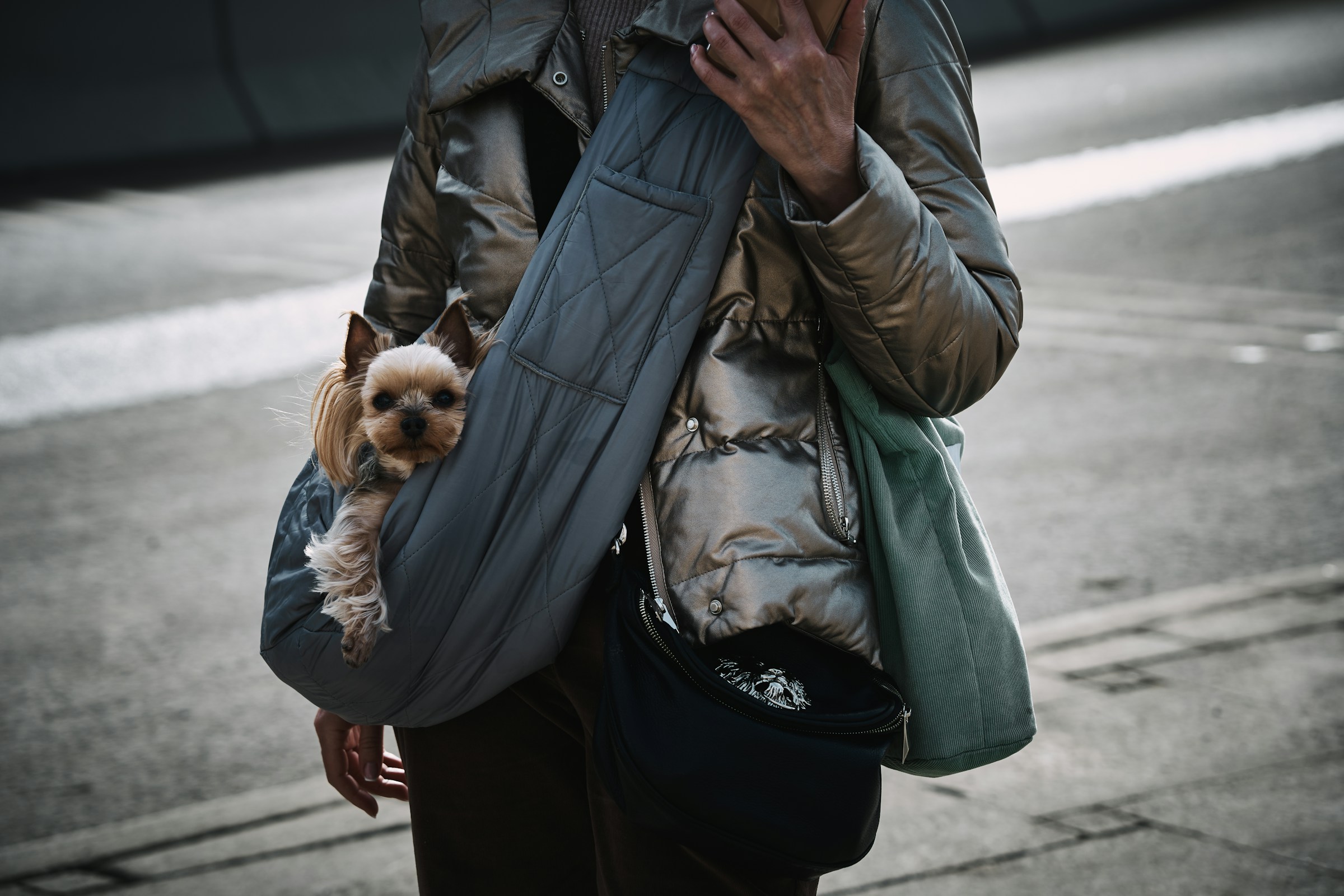

Every year, thousands of pet owners pack their bags, pay their pet fees, and walk confidently to the gate – only to discover their carrier is an inch too tall, or one dimension off, and their trip is suddenly in jeopardy. It’s one of the most avoidable travel stresses there is, yet it keeps happening. The rule itself isn’t hidden. It’s posted on every airline website. The problem is that what sounds simple on paper gets complicated fast once you factor in different aircraft, seat configurations, and gate agents with the authority to say no.
With over four million animals flying globally each year, the guidelines around carrier sizing have become central to safe and orderly air travel. Understanding the fine print before you leave the house is far less painful than learning it at the boarding door.
The “Fits Under the Seat” Rule Is the Only Rule That Matters
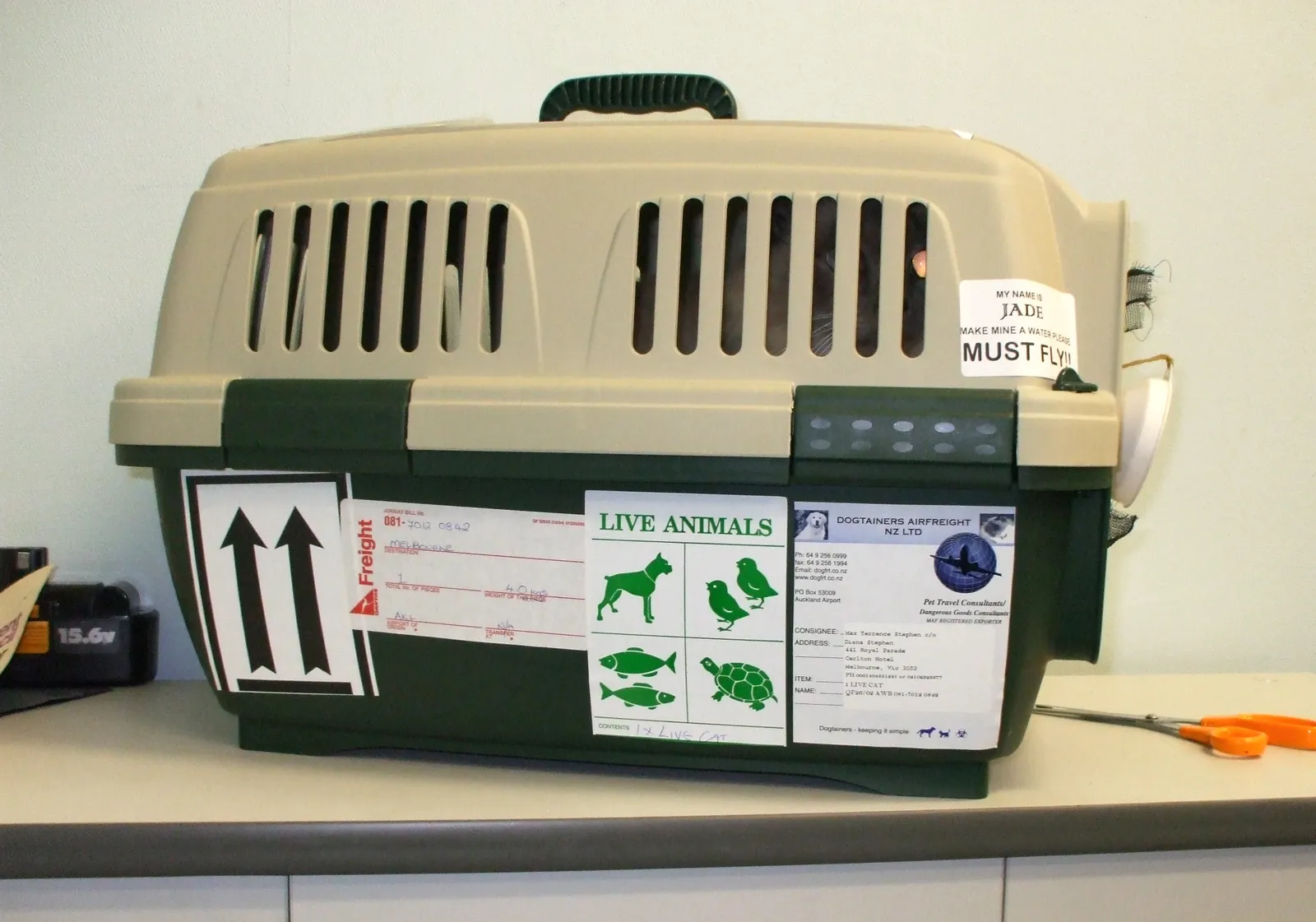
Arriving with a carrier that’s too big is the top reason travelers are denied boarding with their pets. The core rule is simple: the carrier must fit completely under the airplane seat. Everything else – brand, style, material – is secondary to that one physical test.
That space is surprisingly small and can vary between aircraft. Airlines enforce this strictly because a carrier that doesn’t fit becomes a safety hazard during takeoff and landing. Gate agents aren’t being difficult when they turn someone away – they’re enforcing a genuine aviation safety requirement.
The carrier must allow the pet to stand, turn around, and lie down comfortably inside it – which means the carrier has to satisfy two opposing demands at once: small enough for the under-seat space, roomy enough for the animal inside.
The Industry Standard Dimensions (and Why They Differ by Airline)
Airline-specific rules generally align with a global standard of 18x11x11 inches for in-cabin carriers. This dimension is based on IATA guidelines and is designed to fit under a standard passenger seat.
Delta uses 18x11x11 inches for soft carriers, suitable for pets up to 20 pounds. Southwest allows 18.5×13.5×9.5 inches but strictly enforces the under-seat fit. United and American Airlines recommend 18x11x11 inches for soft carriers. The numbers look similar at a glance, but those small differences can determine whether your carrier slides in or gets sent back.
The industry baseline for soft-sided in-cabin carriers is 18 inches long, 11 inches wide, and 11 inches tall – a size that works on American, Delta, and United. Alaska, Southwest, and JetBlue each use their own limits, and hard-sided carriers face stricter rules everywhere. Always check the specific airline policy, not the general rule of thumb.
Regional Jets Are Where Carriers Often Fail
Under-seat dimensions vary by aircraft type. Mainline jets like the Boeing 737, Airbus A321, and Boeing 767 generally accommodate the standard 18x11x11 inch carrier. Regional jets – including the CRJ-200, CRJ-900, and Embraer E170/E175 – often have smaller under-seat spaces that may not fit the standard carrier.
Regional jets are the most common problem area for pet carriers. Many travelers purchase a carrier that fits mainline aircraft perfectly but is rejected on the regional jet segment of their itinerary. A multi-leg trip where the first flight is a Boeing 737 and the second is a CRJ-900 can catch even well-prepared owners off guard.
Aircraft design plays a major role in how much space you truly have beneath the seat. Narrow-body jets such as Boeing 737s and Airbus A320s offer moderate under-seat space, though aisle seats often provide less height due to support rails. Seat selection is not just a comfort decision – it’s a logistical one when you’re traveling with a pet.
Gate Agents Have the Final Word – and They Use It
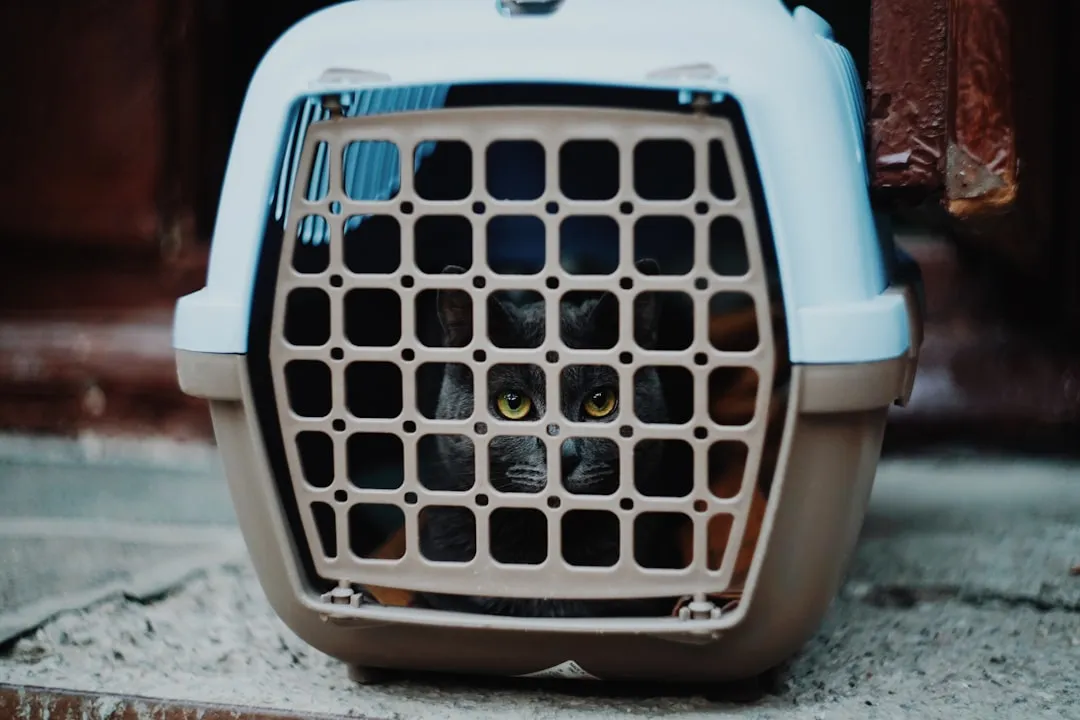
It’s a significant gamble to assume an inch or two won’t matter. While a soft-sided carrier offers some flexibility, gate agents have the authority to deny boarding if your carrier does not fit their sizer. That authority is real and exercised regularly.
You may be denied boarding with your pet if your carrier doesn’t fit. Gate rejections cannot be resolved on the spot – the carrier must fit under the seat. There’s no negotiating your way through once the gate agent has made a determination.
The airline has the right to deny boarding. While soft-sided carriers offer some flexibility and an agent might allow it if it can be compressed to fit without stressing your pet, this is never guaranteed. Counting on a lenient agent is not a travel strategy.
Soft-Sided vs. Hard-Sided Carriers: Why It Changes Everything
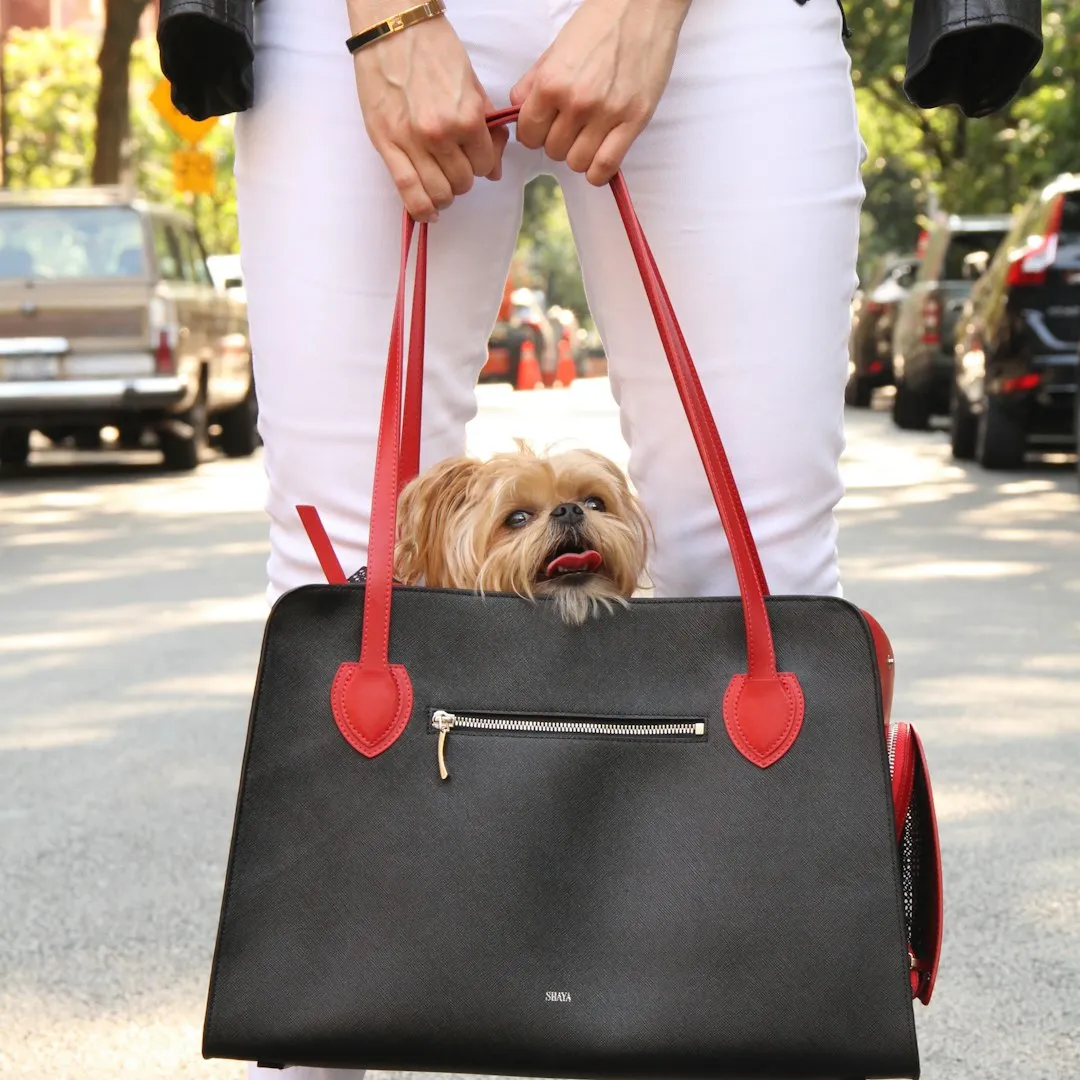
Most airlines allow soft-sided carriers that are slightly flexible and fit under the seat in front of you. That slight give is exactly what makes them the safer bet. A carrier that can compress half an inch under gentle pressure can mean the difference between boarding and being turned away.
American Airlines lists a typical in-cabin soft carrier size of 18 x 11 x 11 inches, while hard-sided size limits vary by aircraft. Hard-sided carriers offer more structural protection, but their rigidity works against you in tighter under-seat spaces, particularly on regional jets or planes with footrest brackets and IFE boxes.
Soft-shell bags offer more flexibility, slightly compressing to fit under tighter seats. For anyone flying routes with mixed aircraft types – which is most domestic itineraries – a quality soft-sided carrier is consistently the more practical and lower-risk choice.
The Weight Limit Is a Separate Rule Most Owners Miss

Airlines divide pet travel into two main categories: in-cabin and cargo. Each has its own expectations for design, material, and strength. In-cabin pets remain with their owners under the seat. A soft carrier works best, and the combined weight of pet and bag must usually stay under 20 pounds.
Up to two pets of the same species may share a carrier if both fit comfortably within the airline’s dimension limits and the combined weight stays at or under 20 pounds. Some airlines restrict this to one pet per carrier, so confirm your carrier’s policy before you book.
It’s worth measuring and weighing everything together before travel day, not just checking whether your carrier looks like the right size. A carrier that passes the visual test at home can still fail at the gate if the combined weight tips over the threshold the airline has set.
Your Seat Choice on the Plane Actually Affects Your Pet’s Carrier
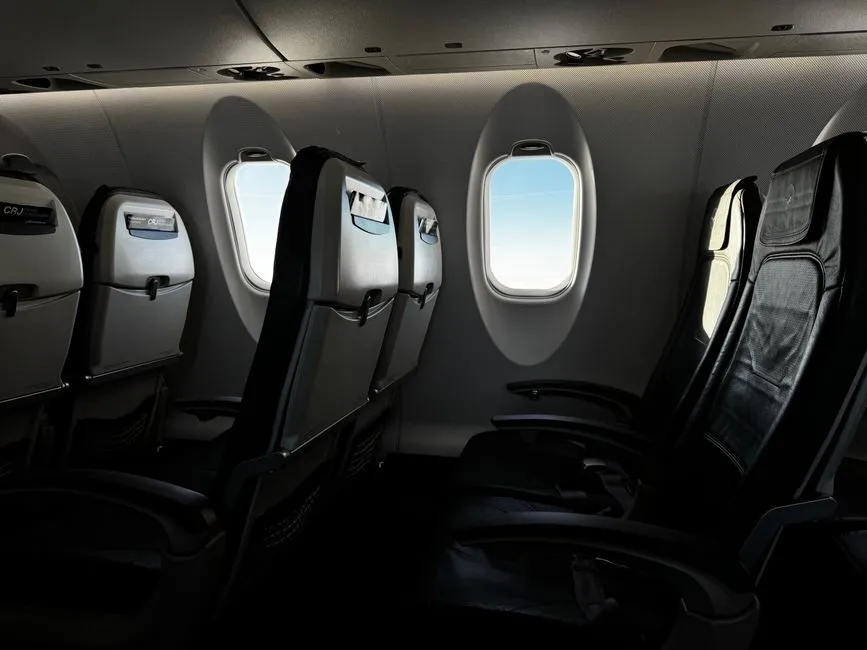
Passengers with pets may not sit in the exit row or the bulkhead. Due to foot space limitations, pet carriers are prohibited in aisle seats on Boeing aircraft. If an aisle seat has been selected, the passenger will be relocated. These restrictions aren’t always clearly communicated during booking.
Wiring, support beams, and life vest compartments all occupy space beneath the seat, limiting how much room is left. The seat pitch – the distance between rows – also varies across airlines and aircraft types. As airlines have compressed seat spacing over the past decade, that under-seat clearance has gotten measurably tighter on many routes.
Every plane behaves differently: seat frames, footrests, and pitch can eat into measurable space. Choosing your seat thoughtfully – and confirming what aircraft type you’ll be flying – is a step worth taking before you finalize your booking.
The “Airline Approved” Label on Carriers Is Not Official Certification
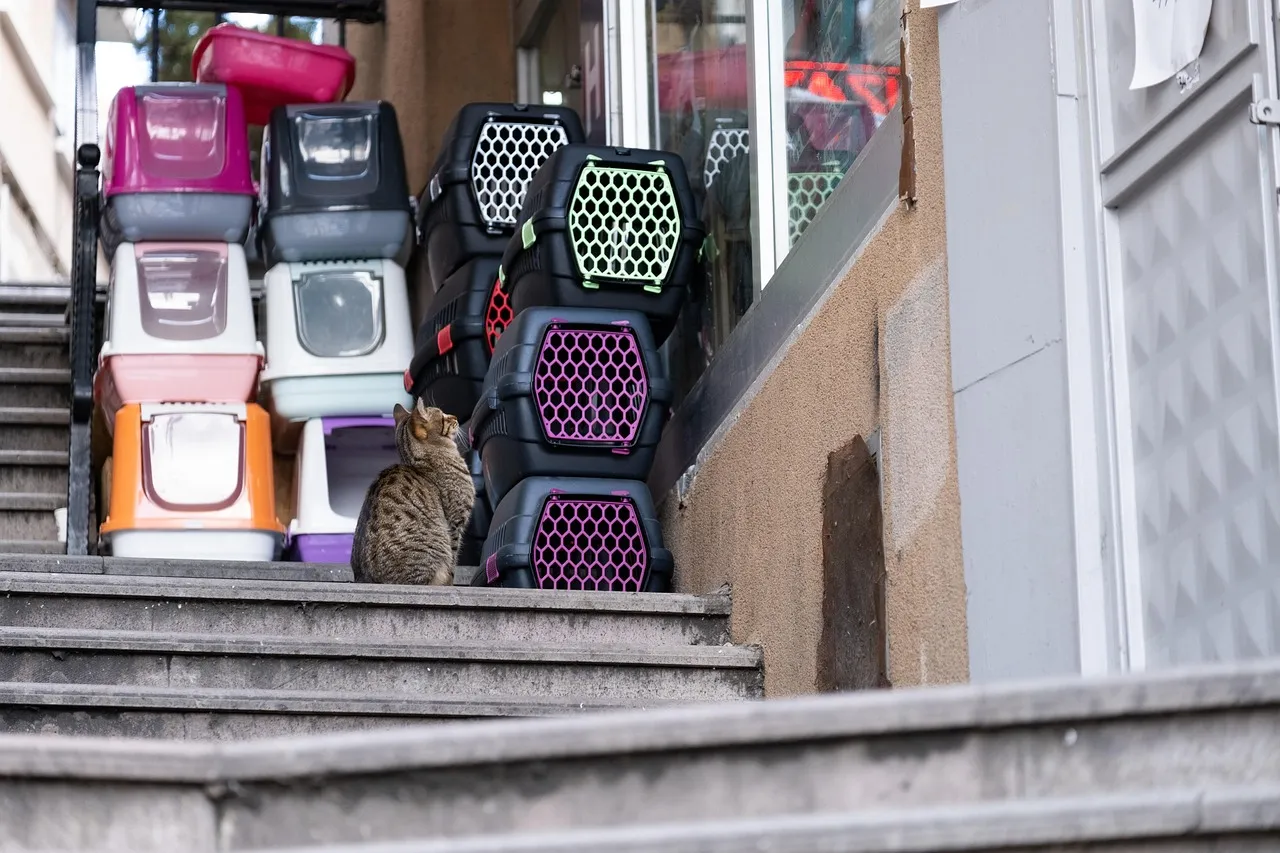
Don’t let the term “airline approved” confuse you. It’s not an official certification. Instead, think of it as a practical checklist of safety and comfort features every airline requires. A carrier marketed as “airline approved” simply means its manufacturer designed it to meet common size and construction guidelines – not that any regulator has verified it.
Always confirm airline rules before traveling. A carrier purchased three years ago may have been approved for a policy that has since changed. Airline pet policies are updated more frequently than most travelers realize, and what was accepted last year may have a slightly different standard today.
Getting the dimensions right is only half the battle. To be flight-ready, your carrier must have several other crucial features designed for your pet’s security and comfort. A compliant carrier is the complete package – size is just the starting point. To get a green light at the gate, your carrier must have proper ventilation, with mesh windows on at least three sides. A leak-proof bottom and secure zippers are also standard requirements across most major carriers.
Health Certificates and Documentation Can Also Ground Your Pet
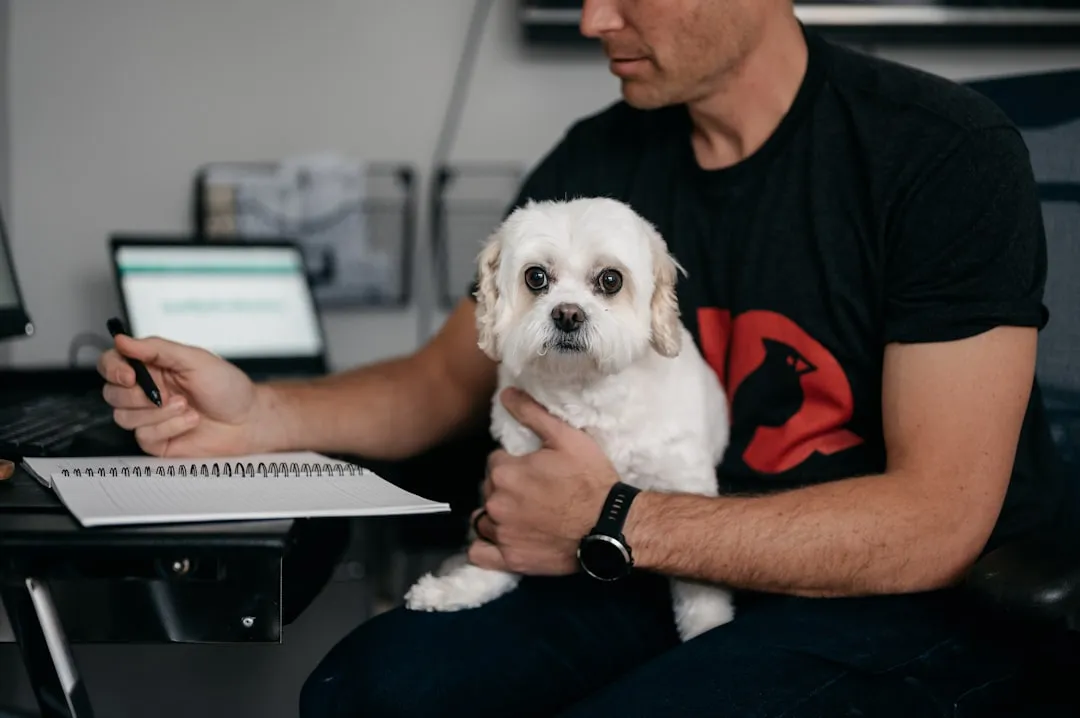
Most airlines require a recent health certificate issued within ten days of travel from a licensed veterinarian stating your pet is fit to fly. You may need to provide additional documentation if you’re flying with a snub-nosed breed. Brachycephalic breeds like Pugs, French Bulldogs, and Persian cats face additional scrutiny because of their respiratory vulnerabilities at altitude.
Pets that have been given sedatives or tranquilizers are at a higher risk of respiratory and cardiovascular problems at high altitudes. Most airlines strongly discourage or outright prohibit sedating pets before travel, despite the intuitive appeal of keeping an anxious animal calm.
Airlines may deny pet boarding, regardless of breed, if the weather at the departure or arrival city is outside a temperature window of 45 to 85 degrees Fahrenheit. Exceptions may be possible with a certificate of acclimation from your vet, but that’s not guaranteed. It’s another variable that surprises owners who assumed they’d cleared all the hurdles.
How to Measure and Prepare Your Carrier Before Travel Day
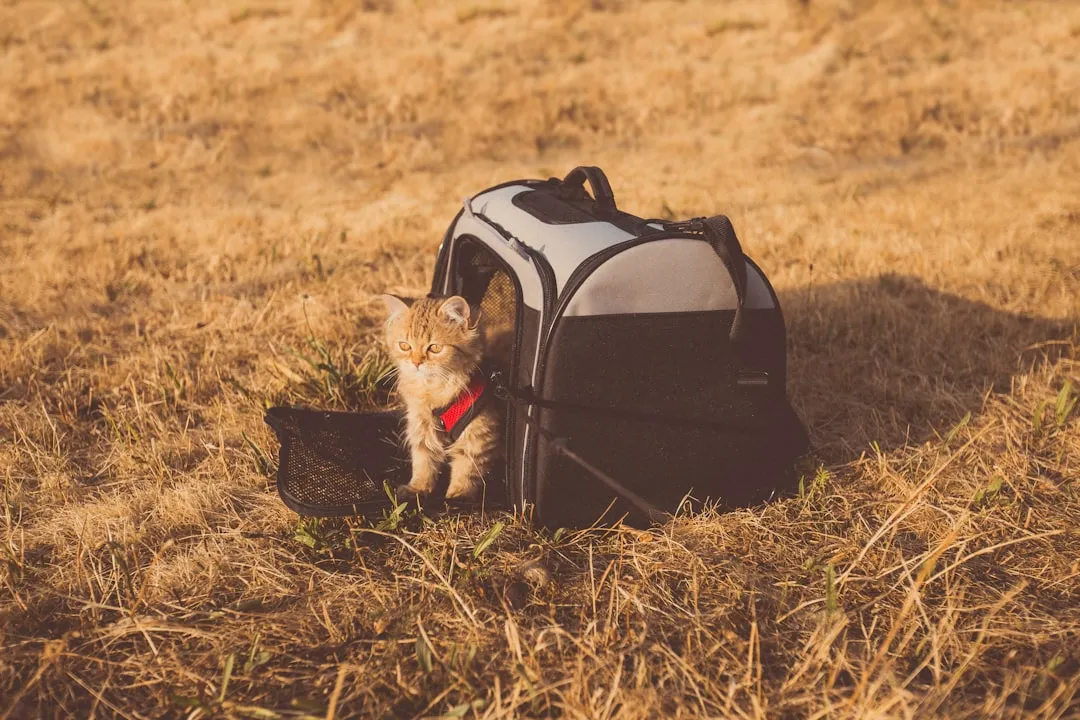
Use a tape measure. Measure your pet from nose to tail base for length, and from the floor to the ear tip while standing for height. Add two inches for comfort. Record the outside dimensions, since airlines judge by exterior size. Those external measurements – including pockets, straps, and handles – are what the gate agent sees, not the roomy interior.
Place the carrier under a chair at home. If it fits without compressing too much, it will likely fit under an airplane seat. It’s a low-tech test, but it works and takes about thirty seconds. Do it before you leave, not when you’re standing at a crowded gate.
Check your flight’s exact aircraft type on the airline’s website or app. Measure your carrier’s length, width, and height – including straps and pockets – then compare those numbers to the airline’s published envelope. If anything feels ambiguous, a quick call to the airline’s customer service line can prevent a very bad day at the airport.
The Broader Picture: Why This Rule Keeps Surprising People
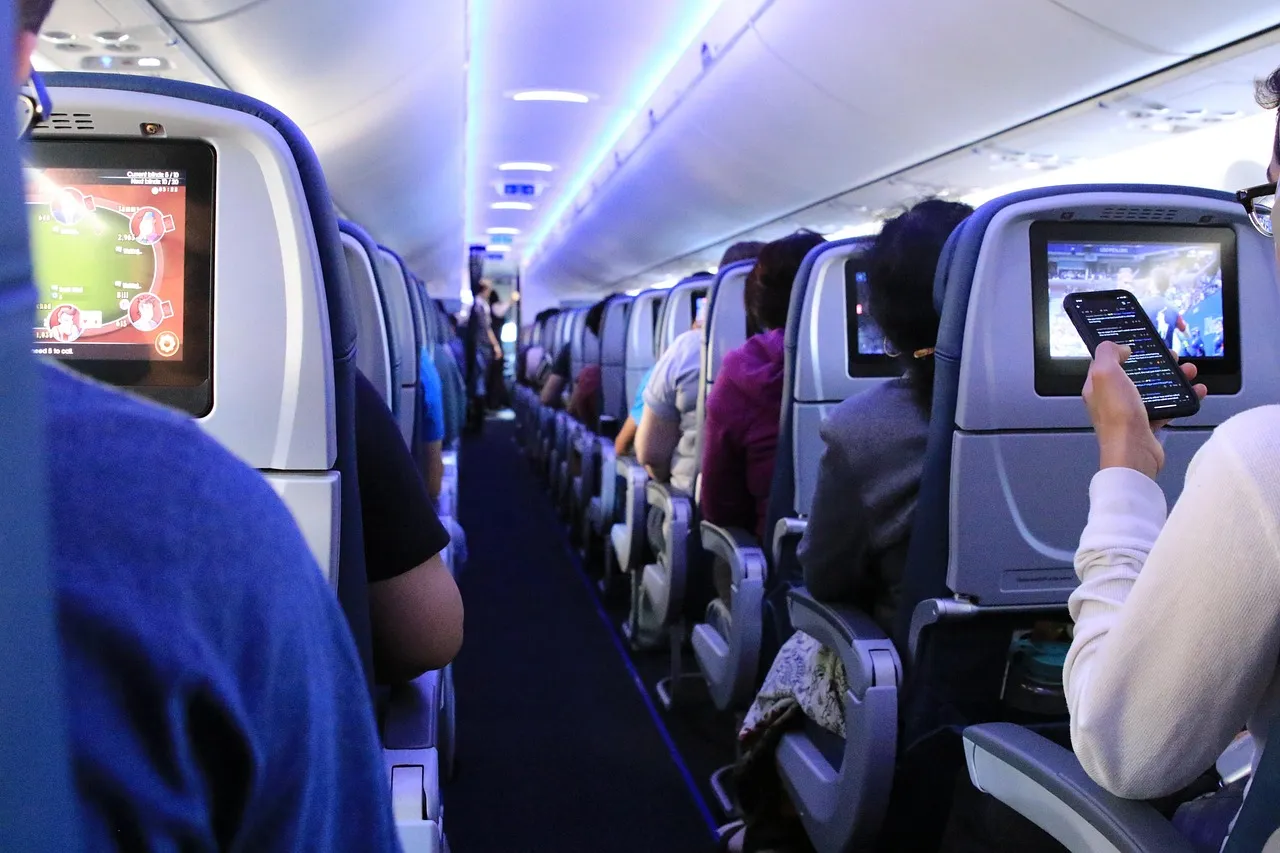
More pet parents than ever are traveling with their animals. Whether jet-setting to a faraway destination or flying domestically, there’s been a notable increase in pets joining their humans on flights. Thankfully, most U.S. airlines now allow pets on board – but each has its own pet policy. That proliferation of individual policies is itself part of the problem.
Traveling with a dog or cat in the cabin requires an airline-compliant pet carrier that fits underneath the airplane seat. Each airline publishes slightly different size limits for in-cabin pet carriers. There’s no single federal standard that harmonizes these rules across all carriers, which means what worked on your last trip may not work on your next one if you’re flying a different airline.
Data from 2024 shows that over 85 percent of in-cabin pet approvals depend on meeting precise measurements. That figure underscores how little margin there is for approximation. The gate is not the place to discover your carrier is borderline.
The Takeaway

The pet carrier size rule isn’t complicated, but it requires real attention in the weeks before travel – not the morning of. Measure twice, verify the aircraft type, check the specific airline policy, and if anything is unclear, call ahead.
Traveling with a pet is genuinely wonderful when the logistics are settled. The animals that board smoothly and settle under the seat for a quiet flight aren’t there by luck. They’re there because their owners did the unglamorous work of reading the fine print ahead of time. A tape measure and fifteen minutes of research is all it takes to make sure that story is yours.
AI Disclaimer: This article was created with the assistance of AI tools and reviewed by a human editor.