


Every year, thousands of pet owners arrive at the airport only to discover their dog or cat can’t board the flight. Not because of something dramatic or unforeseen, but because of a policy detail tucked into a carrier’s fine print that never got read. The rules governing pet travel are more layered and more specific than most people expect, and they shift constantly across airlines, seasons, and aircraft types.
More pet parents than ever are traveling with their four-legged companions, and there’s been a notable increase in pets joining their humans on flights. That surge in demand has not simplified the rules. If anything, policies have become more precise, more carrier-specific, and in some cases more restrictive. Here are the ten details that catch owners off guard most often.
Carrier Dimensions Are Not Universal, and “Small” Is Not Enough

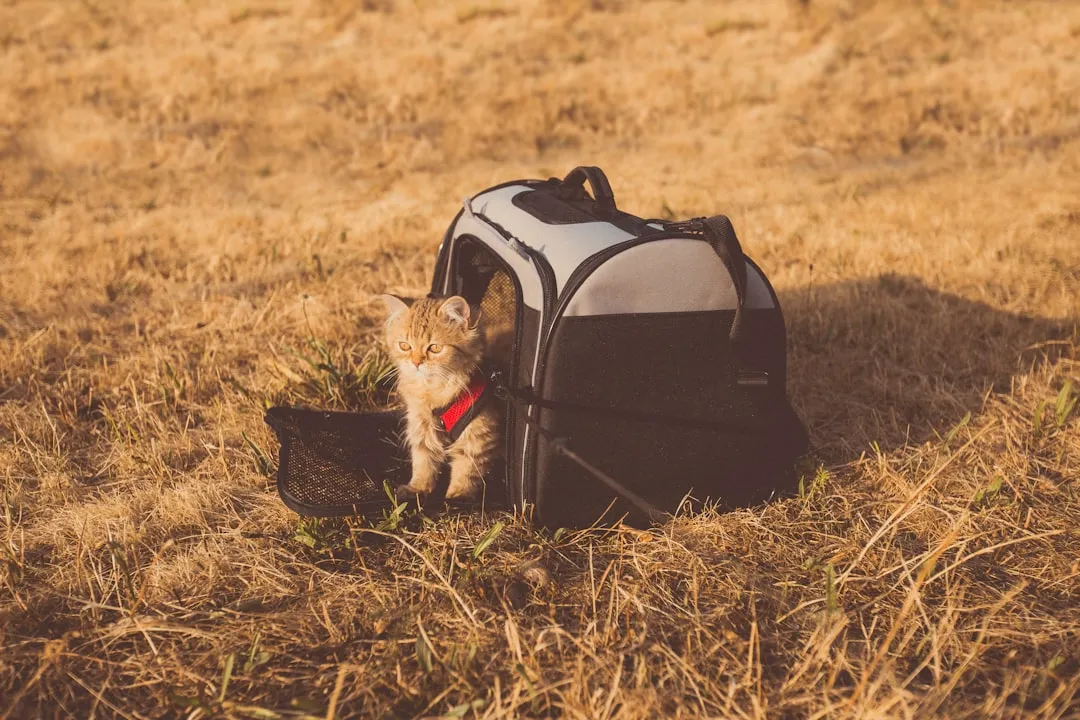
Traveling with your dog or cat in the cabin requires an airline-compliant pet carrier that fits underneath the airplane seat, and each airline publishes slightly different size limits for in-cabin pet carriers. Buying a carrier labeled “airline approved” at a pet store is not the same as confirming it meets the specs for your specific carrier on your specific aircraft.
Your pet flies in the cabin only if it fits comfortably standing and turning around inside a carrier that slides under the seat in front of you. The deciding factor is almost never your pet’s “type” but the carrier dimensions of your specific airline, and these differ by carrier and even by aircraft.
Being even slightly over is one of the most common reasons pets are refused at the gate. Measure carefully, check the airline’s exact published dimensions, and consider that under-seat depth can vary depending on the seat row and aircraft model.
The Weight Limit Includes the Carrier Itself

Most airlines cap in-cabin pet-plus-carrier weight around 8 kg, though some allow 6 or 9. Weight is secondary to fit: a long-bodied cat can be under the weight limit and still fail the height check. Measure your pet’s height at the shoulder and length and compare to the airline’s stated carrier maximums, not to a generic “small pet” label.
When traveling with a pet in the cabin, Air Canada strictly enforces the 22-pound combined weight limit. If you have a 19-pound dog and a 4-pound carrier, Air Canada will deny cabin boarding because the total weight is 23 pounds. Many owners weigh their pet alone and assume they’re compliant, not realizing the carrier adds meaningful weight to the calculation.
Snub-Nosed Breeds Face Outright Bans or Severe Restrictions

Many airlines restrict or completely ban brachycephalic (snub-nosed) dogs from cargo travel because these breeds face significantly higher respiratory risks during air transport. These breeds have shortened nasal passages and compressed airways that make breathing more difficult under stress. Air travel can worsen these issues because of temperature fluctuations, altitude pressure changes, anxiety, and prolonged confinement.
The landscape of airline policies concerning flying with a snub-nosed dog continues its definitive trend toward stringent restrictions and outright bans for sensitive breeds in 2026. The increasing emphasis on animal welfare standards consistently prioritizes the life and well-being of pets over mere transport efficiency.
According to the DOT’s monthly air travel consumer reports, 14 of the 22 dogs that passed away in the cargo hold since January 2020 were brachycephalic, six of which were bulldogs, specifically. Owners of Pugs, Bulldogs, French Bulldogs, Boston Terriers, Boxers, and Shih Tzus need to check restrictions before booking any flight, not after.
Many Major Airlines No Longer Accept Pets as Cargo for the General Public
United is primarily an in-cabin-only airline for the general public in 2025 and 2026. This surprises owners of medium and large dogs who assume cargo is a universal fallback option. It isn’t, and the gap between expectation and reality here is wide.
Delta is also primarily in-cabin-only for the general public right now. As of November 2024, Delta has a temporary embargo on pets through Delta Cargo, including pets flying on their owner’s ticket as excess baggage. The only exception is for active U.S. military or U.S. diplomats with travel orders.
If you have a medium or large dog and were assuming United cargo is an option, this is one of the most common planning mistakes pet travel specialists see. Confirming cargo availability for your specific airline, route, and pet profile is a step that must happen before any other booking decision.
Health Certificates Have a Very Short Validity Window
For domestic flights, the requirements are relatively straightforward: you’ll need a current rabies vaccination certificate and a health certificate issued within 10 days of travel. That 10-day window is tighter than most owners anticipate when planning a trip weeks or months in advance.
Documentation is a critical component of pet travel. Most countries require a health certificate issued by a veterinarian within a specific time period before travel, and some destinations, especially high-risk countries, require a USDA endorsement on your paperwork.
If your travel dates shift, you may need to reissue your pet’s health certificate, which can add unexpected costs. A simple flight change of even a few days can invalidate a certificate you’ve already paid for and render your pet ineligible to travel without a second vet visit.
Seasonal Temperature Embargoes Can Ground Your Pet Without Warning
Airlines enforce seasonal embargoes to protect animals from extreme weather. During summer, many will refuse to fly pets in cargo to or from airports where temperatures regularly exceed 85°F. In winter, they may restrict travel if temperatures drop below 45°F, though a veterinarian’s letter of acclimation can sometimes provide an exception for cold weather.
Summer pet travel restrictions in 2026 are largely driven by extreme heat and animal safety risks. Many airlines enforce seasonal pet embargoes that limit when and where pets can fly. These embargoes are typically not announced with advance notice to ticketed passengers. They apply based on forecast temperatures on the day of travel, meaning a booking made weeks ago may still be denied at the gate.
Summer pet travel restrictions depend on multiple moving parts: airline, destination, aircraft type, pet size, breed, and timing. Airline policies can change seasonally or by aircraft type, so always confirm with the airline before booking.
Snub-Nosed Breeds Face Even Tighter Temperature Rules

Even on airlines that do accept brachycephalic breeds in cargo, these dogs face a more restrictive temperature embargo than other breeds. Standard airline cargo embargoes kick in when ground temperatures exceed approximately 85°F or drop below 20°F. For brachycephalic breeds, the heat embargo threshold is tighter: British Airways, for example, applies a 75°F limit for snub-nosed breeds. This creates a narrower seasonal travel window for these breeds.
A standard dog might travel safely in May or September when temperatures are moderate. A brachycephalic dog on the same route might already be within embargo range at those temperatures. If you have a restricted breed and a strict move date, your options narrow significantly.
Pet Fees Are Per Trip, Per Pet, and Often Non-Refundable
Every airline has a unique pet policy for in-cabin and cargo travel. Rules vary by carrier for crate size, breed restrictions, and pet travel fees. Those fees are generally collected at check-in or booking and are not included in ticket costs, so families traveling with multiple pets can face fees that significantly exceed what they budgeted for.
Southwest charges around $95 each way per pet for in-cabin travel, while United charges approximately $150 each way. Some airlines charge between $150 and $200 each way. What most owners don’t notice until it’s too late is that these fees are typically non-refundable if the booking is changed or if the pet is denied boarding due to a policy violation.
The Number of Pets Per Cabin Is Capped, and Space Fills Fast
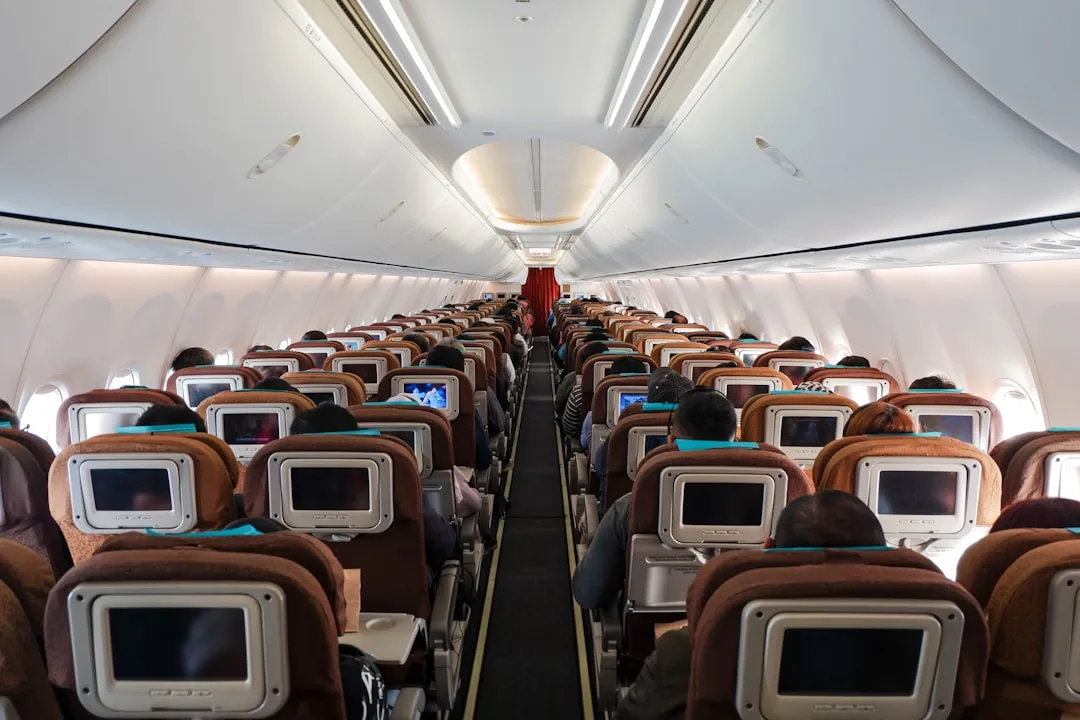
Most airlines limit bookings to one pet per passenger, and some aircraft have limits on total pets per cabin. That total cabin cap is the detail that catches people off guard. Even if your pet meets every size and breed requirement, if the cabin is already at its pet limit, your animal cannot board.
Space is limited, especially in the first-class cabin, so book your pets well before you get to the ticket counter. Calling the airline directly, rather than booking online, is often the only way to confirm that a pet spot is actually reserved, not just assumed to be available.
The Safety Record for Air Pet Travel Is Better Than Headlines Suggest
In 2025, U.S. airlines reported 8 pet-related air travel incidents, down roughly a third from the 12 recorded the prior year. The year’s incidents spanned four carriers: Alaska Airlines led with 3 incidents, followed by American Airlines with 3, while Delta and United each recorded 1.
Between 2015 and 2020, carriers reported 197 incidents out of more than 2.7 million animals transported, an incident rate of roughly 0.007%. The picture is far from perfect, but it’s considerably better than fear-driven news coverage implies. The result of high-profile incidents is a public perception of cargo as inherently dangerous that does not match what the data actually shows.
Animals are unable to understand the purpose of airline transportation and can’t comprehend why they’ve been put into a dark and unfamiliar space for hours. This may be why many animal incident reports cite heart failure or anxiety-related incidents as causes of death. Knowing the real risk profile helps owners make informed, level-headed decisions rather than reactive ones.
The Takeaway: Read the Policy Before You Book the Ticket
The common thread in almost every avoidable pet travel problem is timing. Owners check the policy too late, after the ticket is bought, after the vet visit is scheduled, or worse, at the check-in counter. Treat your airline’s official pet policy page as your primary source of information. Rules vary significantly between carriers. Never assume one airline’s policy is the same as another’s.
The good news is that careful preparation genuinely works. Traveling with your pet requires thorough preparation and adherence to airline policies to ensure a safe and comfortable journey. By consulting with your veterinarian, acclimating your pet to its carrier, and familiarizing yourself with specific airline regulations, you can minimize stress and potential complications during travel.
None of the rules described here are unreasonable when you understand why they exist. They are designed to protect animals, not to frustrate owners. The difference between a smooth journey and a gate-day nightmare almost always comes down to one thing: reading before booking, not after.
AI Disclaimer: This article was created with the assistance of AI tools and reviewed by a human editor.