

How It All Started: Practicality Becomes Prestige
In the early days of commercial aviation, personal items needed during a flight were separated from checked luggage to be carried on board, as suitcases were too large for smaller aircraft cabins and were carefully weighed for load balance. This practical necessity opened the door for something far more interesting. Airlines such as Pan American Airways, United Air Lines, and TWA began offering small bags for carry-on items emblazoned with their logos, and luggage manufacturers responded with dedicated lines of travel bags and cases.
Foreseeing a great potential market in the mid-1950s, manufacturers secured rights to produce airline branded bags in large numbers, which were sold through mail-order catalogs, airport stores, and sometimes given to first-class passengers or used as promotional items at travel agencies. The bag was no longer just a container. It was a statement.
The Jet Age Moment: When a Bag Signaled You’d Seen the World
By the late 1950s, the “flight bag” was featured in airline advertising, and this new type of hand luggage, with its vivid graphics, became a chic and desirable status symbol that identified its user as a member of the new globe-trotting jet set. Flying internationally at that time was still rare, expensive, and aspirational. Carrying the bag of a major airline told everyone around you, wordlessly, that you were one of the few who’d actually done it.
During the golden age of air travel, iconic airlines like Pan Am, TWA, and United competed to impress passengers with onboard cocktail lounges, designer flight attendant uniforms, custom dinnerware, five-star menus, and branded swag like luggage tags and bags. The branded bag was the souvenir you wore home.
Pan Am: The Bag That Defined an Era
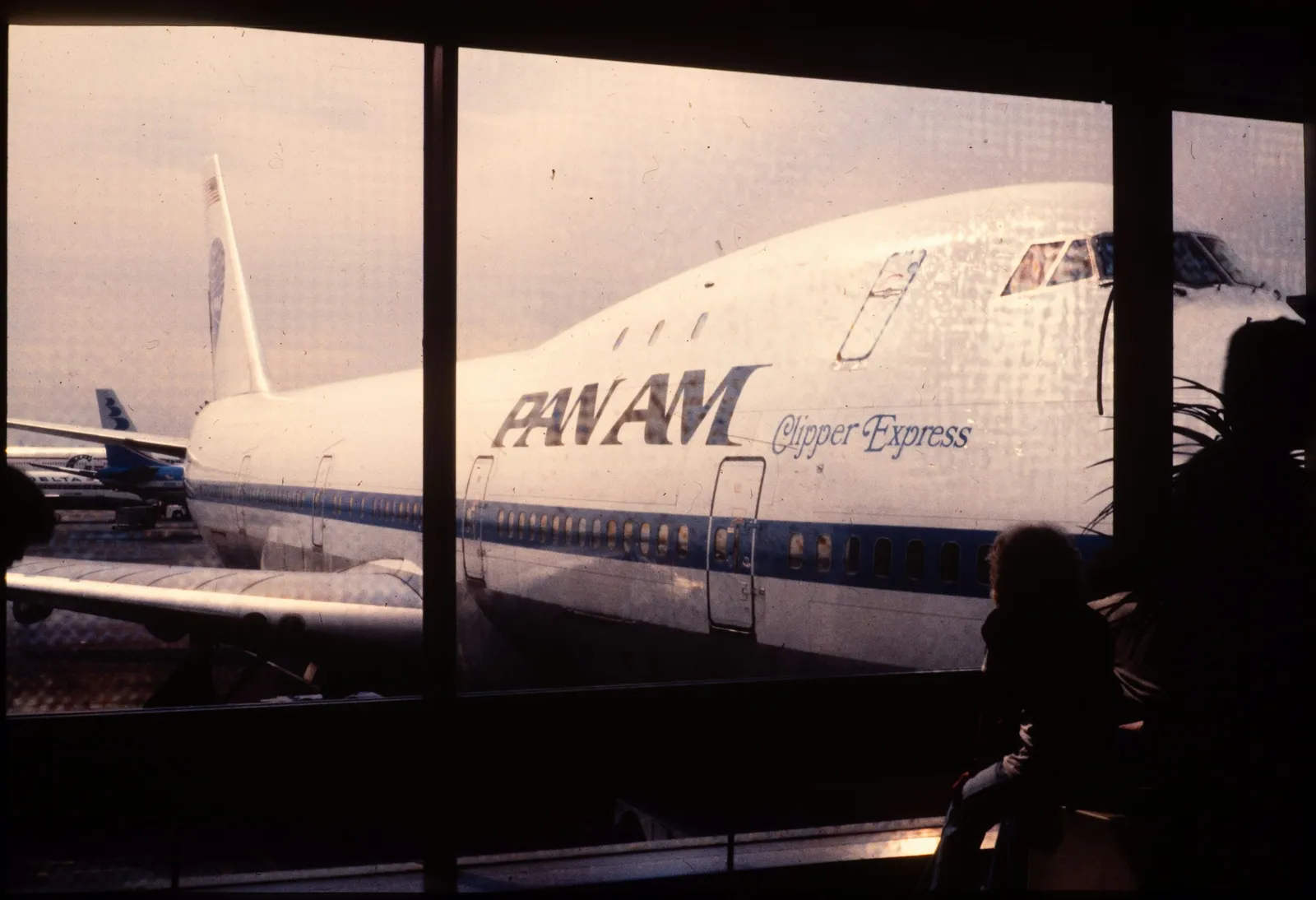
Of all the once-thriving commercial airlines, Pan American World Airways is undeniably the most legendary. Despite shuttering permanently in 1991, Pan Am maintains its place as one of the most iconic brands in aviation history, long associated with glitzy international travel, celebrity passengers, and the sheer style of the Jet Age.
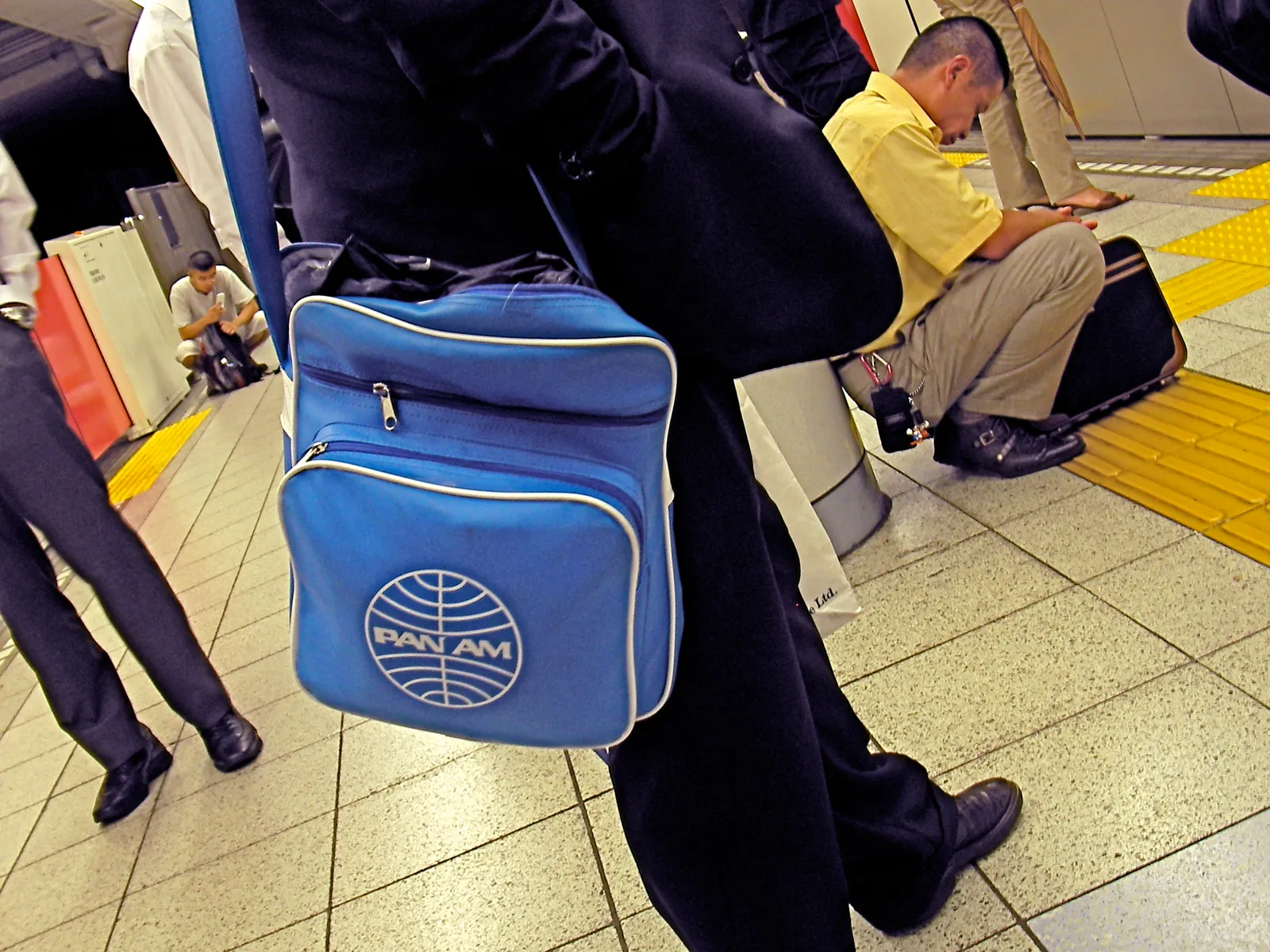
By the mid-1960s, carrying a Pan Am travel bag was the ultimate international status symbol. The airline’s classic blue-and-white shoulder bags and duffels were originally designed as practical luggage for crew members, and were even gifted to certain celebrities, including The Beatles. When the Beatles made their historic first trip to the United States in February 1964, arriving at New York’s JFK Airport, the Fab Four proudly posed with their zip-top blue Pan Am flight bags, instantly cementing the carrier as the official wings of the global cultural elite.
The SFO Museum: Official Recognition of a Cultural Object
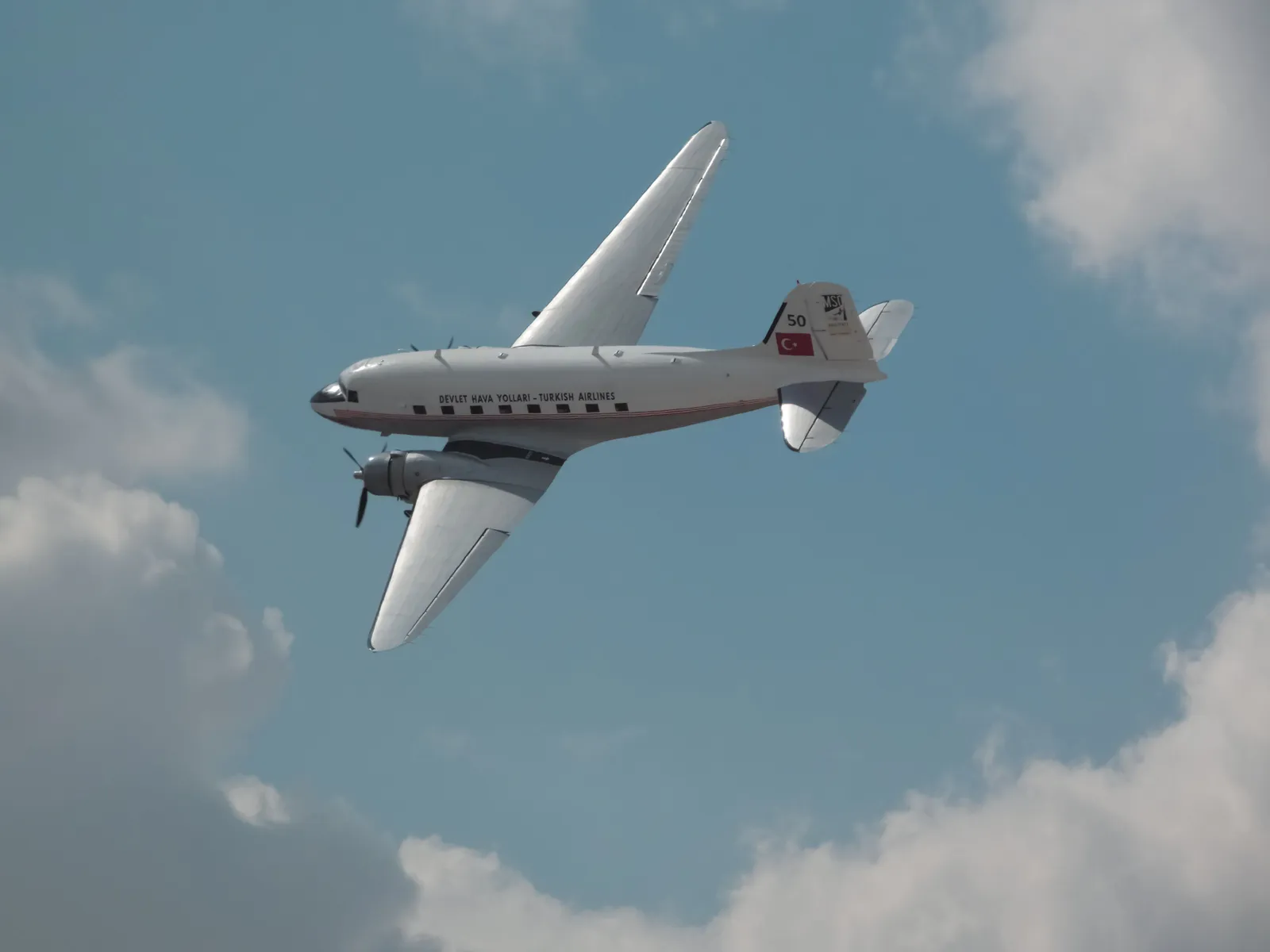
The fact that airline flight bags made it into a museum exhibition is itself telling. The San Francisco Airport Museum dedicated an entire exhibition, titled “Jet Set Carry-On,” to the design, branding, and cultural appeal of the airline flight bag. It’s one thing for collectors to prize these objects. It’s another for a public institution to do so.
In the 1980s, demand for flight bags declined, and by the 1990s many carriers no longer offered them. Recently, however, flight bags have had a great resurgence in popularity due to their retro appeal, and many companies and carriers have offered a wide array of historic reproductions. The nostalgia cycle runs deep with these objects.
The Resale Market: Collectors and Cash
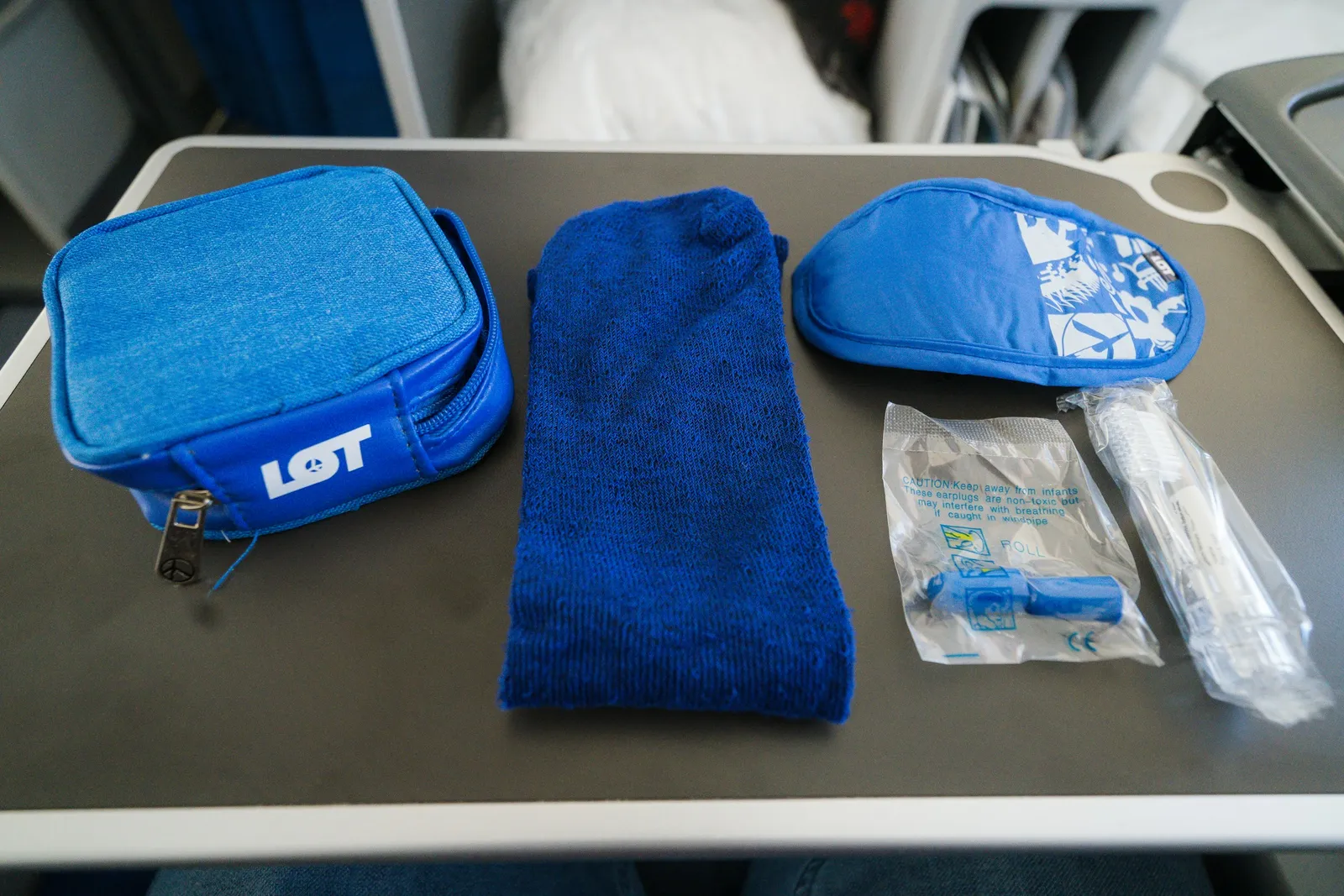
Airline amenity kits may not seem all that special since many airlines still give them out as freebies today, but vintage examples have become surprisingly valuable among aviation collectors. The same logic applies to the bags themselves. Vintage aviation memorabilia has become a niche interest for people passionate about fashion, commercial flight history, and mid-century design, with vintage Pan Am flight bags regularly listed for a couple of hundred dollars apiece.
A 1940s or 1950s KLM amenity kit containing tweezers, scissors, a nail file, and other grooming tools is listed on Etsy for over $174, despite the case not being in mint condition. A rare Rimowa Continental Airlines First Class amenity collectible hard case has appeared on resale platforms priced at $89. The market for these objects is real, active, and growing.
Modern Amenity Kits: Luxury in a Pouch

For many frequent flyers, the small pouch waiting at their seat has become part of the premium travel ritual, and these amenity kits aren’t only about toothbrushes and socks – they’ve turned into showcases for design, luxury brands, and, more recently, sustainability. Airlines now treat the kit as a brand expression, a collaboration opportunity, and even a social impact vehicle.
In 2025, American Airlines launched a limited-edition kit with designer Brandon Blackwood. Beyond being stylish, the kit supports a cause, with part of the proceeds going to Stand Up to Cancer, an example of airlines using amenity kits not just as perks, but as tools for social impact. Emirates, meanwhile, launched reusable amenity bags and eco-friendly Premium Economy kits made from kraft paper fabric in 2025.
Airline Bag Tags as Status Credentials
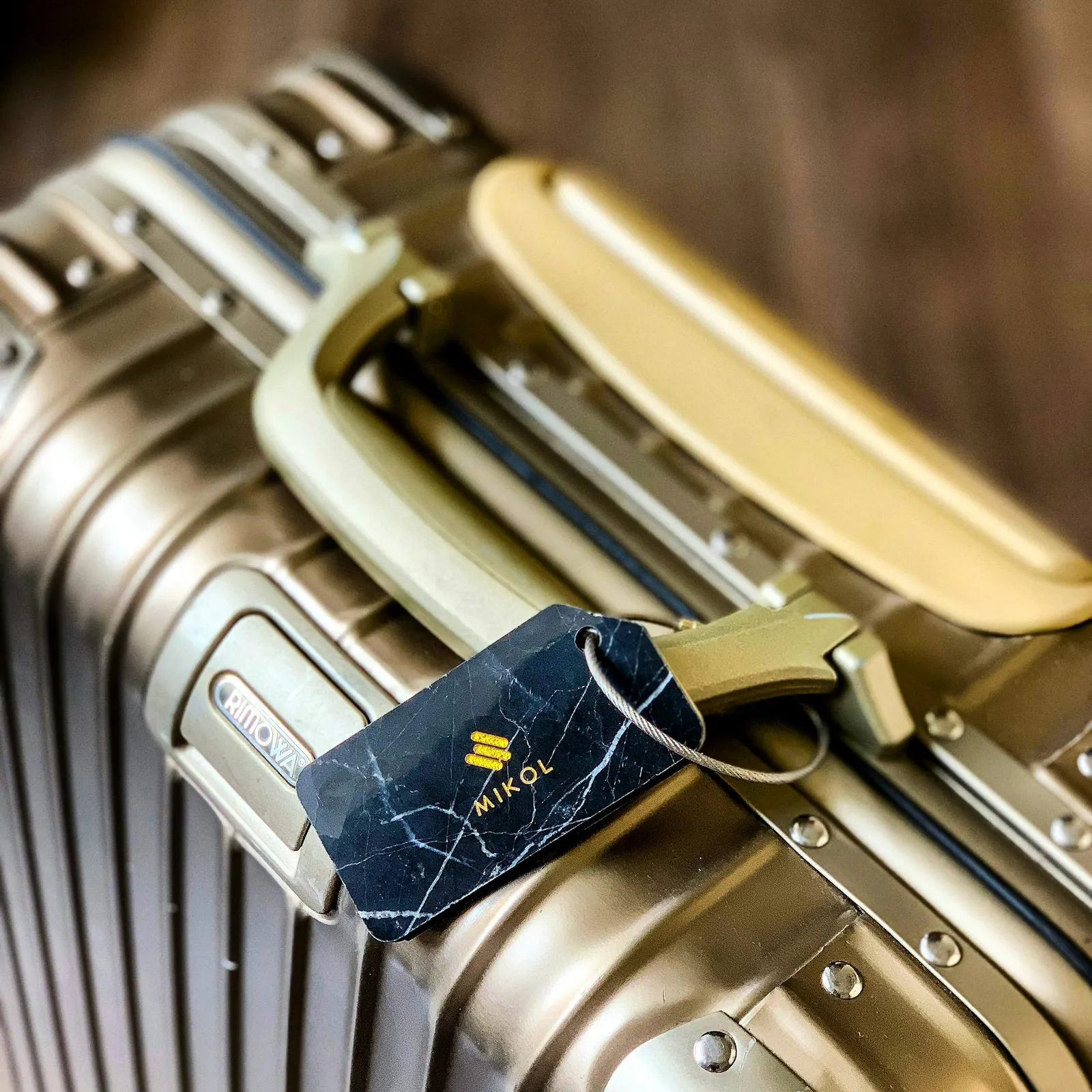
There’s a quieter but equally telling version of the airline status symbol playing out today, not in the form of a shoulder bag, but a metal tag. Delta began notifying Medallion elite status holders that they could order their annual bag tags, and rather than simply mailing them out en masse as in years past, the airline started allowing Medallion members to customize their tags with a name or nickname.
Flyers still wear their Medallion status like a metaphorical badge of honor, and with these metal luggage tags, they can wear it as a physical badge of honor too. It’s a small object with a clear social function: communicating frequent flyer credibility before a single word is spoken.
The Broader Luggage Status Shift
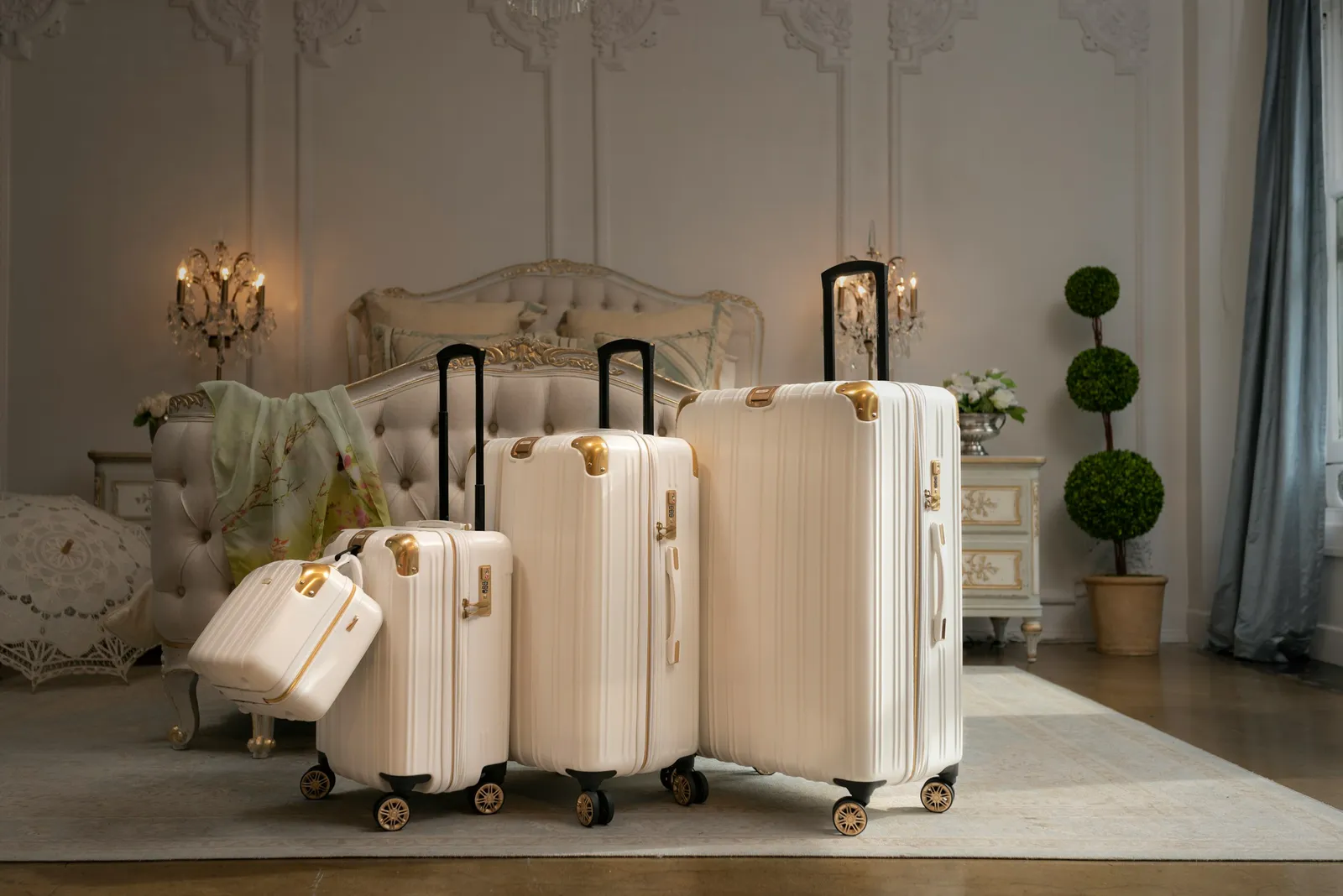
Increasingly, well-designed, eye-catching carry-ons and checked cases signal more about you than about your destination, and luggage has become a luxury status symbol, even for commercial jet-setters. This shift extends naturally to airline-branded pieces, which carry an additional layer of meaning: proof of access, not just taste.
The prevalence of high-end bags on the market tracks with a dramatic shift in how frequently the well-heeled travel. According to recent research from Resonance, nearly one-third of the wealthiest one percent of U.S. households took between six and eleven leisure trips in 2025, up from roughly fifteen percent in 2022. More travel naturally means more attachment to the objects that represent it.
Vintage Reproductions and the Nostalgia Economy
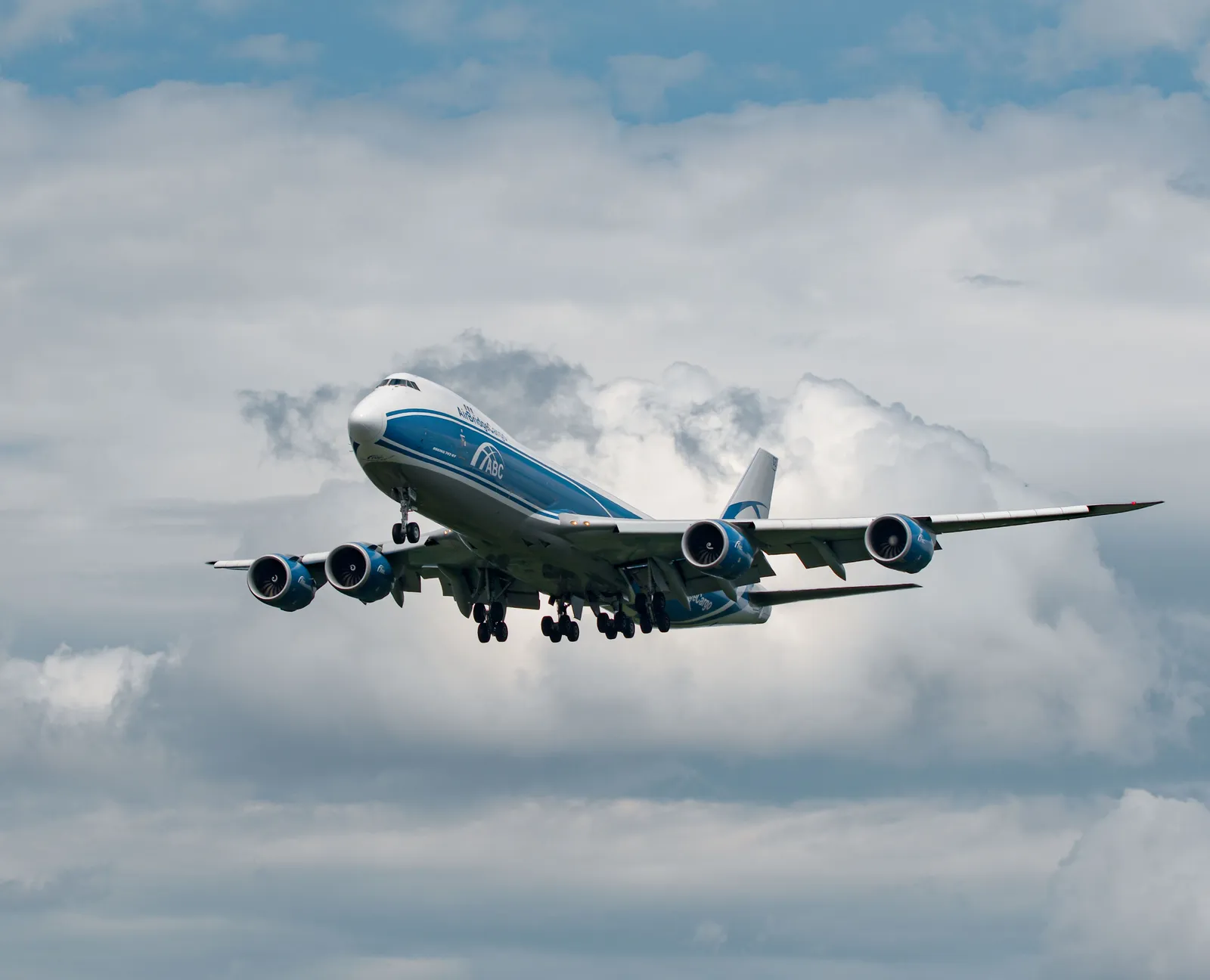
Airlines and licensees have taken notice of collector demand and moved accordingly. The Pan Am Museum in Garden City, New York, sells official reproductions of the iconic 1960s-era flight bags, the same bags used by The Beatles in their famous February 1964 trip to America. The demand for reproductions is itself a measure of how powerfully these objects connect to a certain romantic idea of travel.
More than three decades after the last Pan Am flight, the airline’s blue globe logo remains one of the most recognized symbols in aviation, and collectors pursue everything from vintage timetables and flight bags to china and flatware from the Clipper-era dining service. That a defunct airline’s bag can still generate this level of interest says something meaningful about the emotional weight these objects carry.
What the Bag Actually Represents
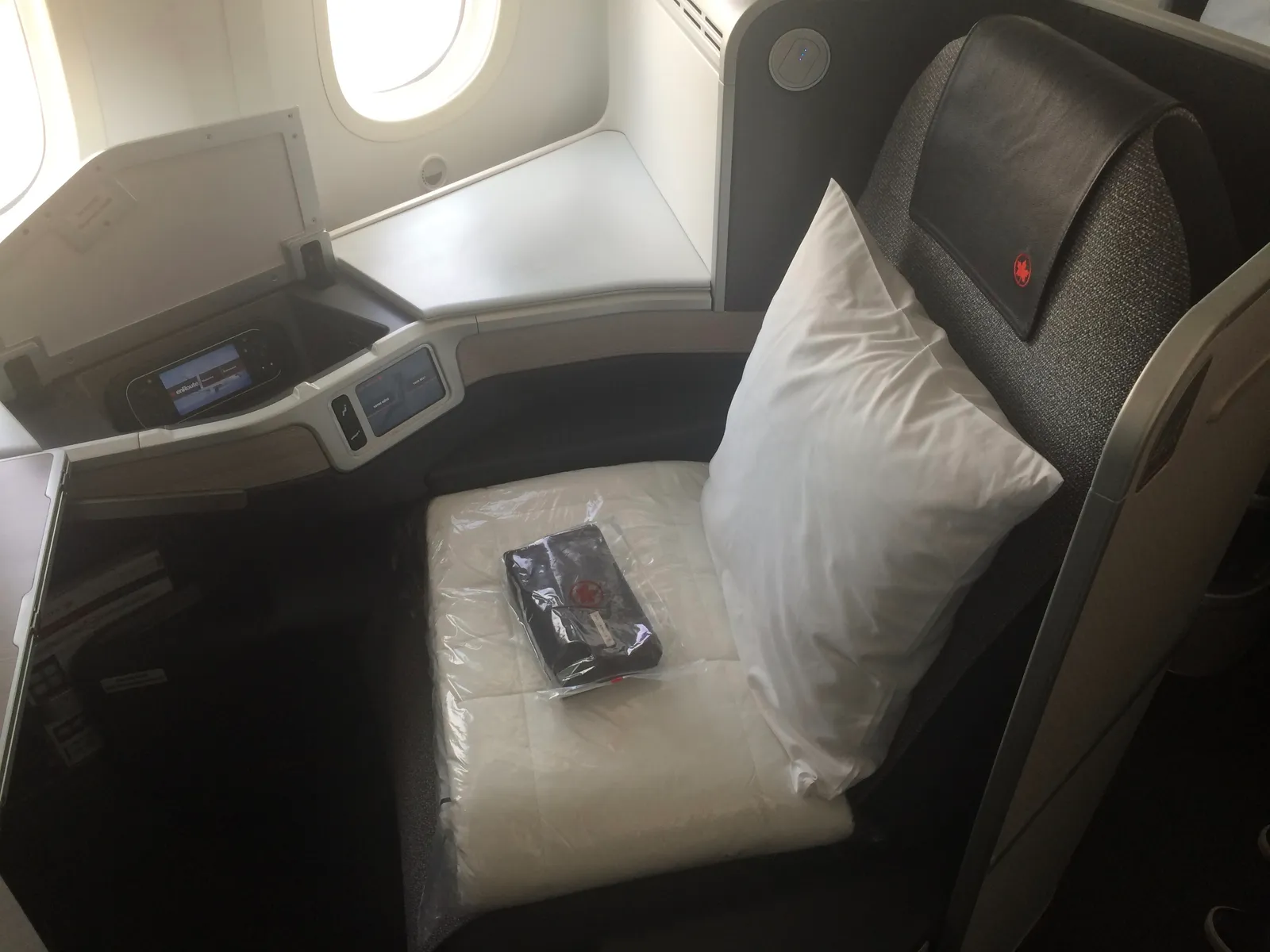
Amenity kits are often presented as a thoughtful gift to passengers, and many travelers view them as part of a personal collection, having become a recognizable symbol of modern premium air travel. The airline shoulder bag, in all its forms, functions similarly. It’s a quiet shorthand for experience, access, and a particular relationship with the world.
There’s also something egalitarian about the older examples. A Pan Am flight bag didn’t require spending thousands on a designer label. It required having flown. That distinction mattered enormously in the mid-twentieth century, when the percentage of people who had traveled internationally was genuinely small. The bag announced membership in a world that most people hadn’t yet seen.
The Takeaway
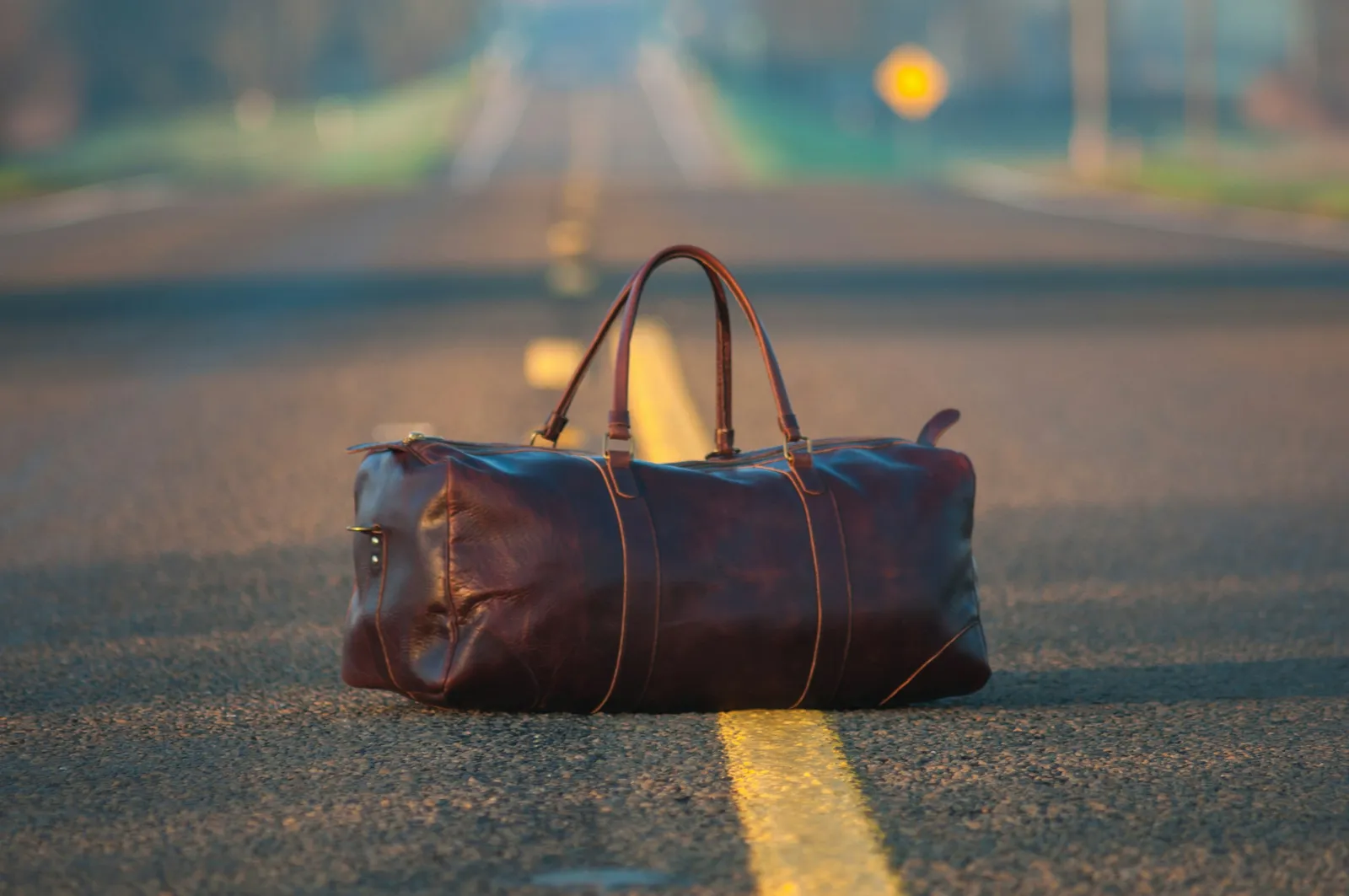
Airline shoulder bags became status symbols not because marketers planned it that way, but because travel itself has always carried social weight. The bags were, and remain, physical evidence of having gone somewhere. Whether it’s a 1960s Pan Am canvas duffel sold at auction, a Rimowa hard-shell amenity kit traded between collectors, or a freshly customized Delta Medallion tag clipped to a carry-on handle, the underlying logic is the same.
Objects that connect us to motion, discovery, and the wider world tend to hold their value in ways that purely functional items rarely do. The airline bag understood this long before the rest of the luggage industry caught up.
AI Disclaimer: This article was created with the assistance of AI tools and reviewed by a human editor.