
The Cabin Is Drier Than You Think
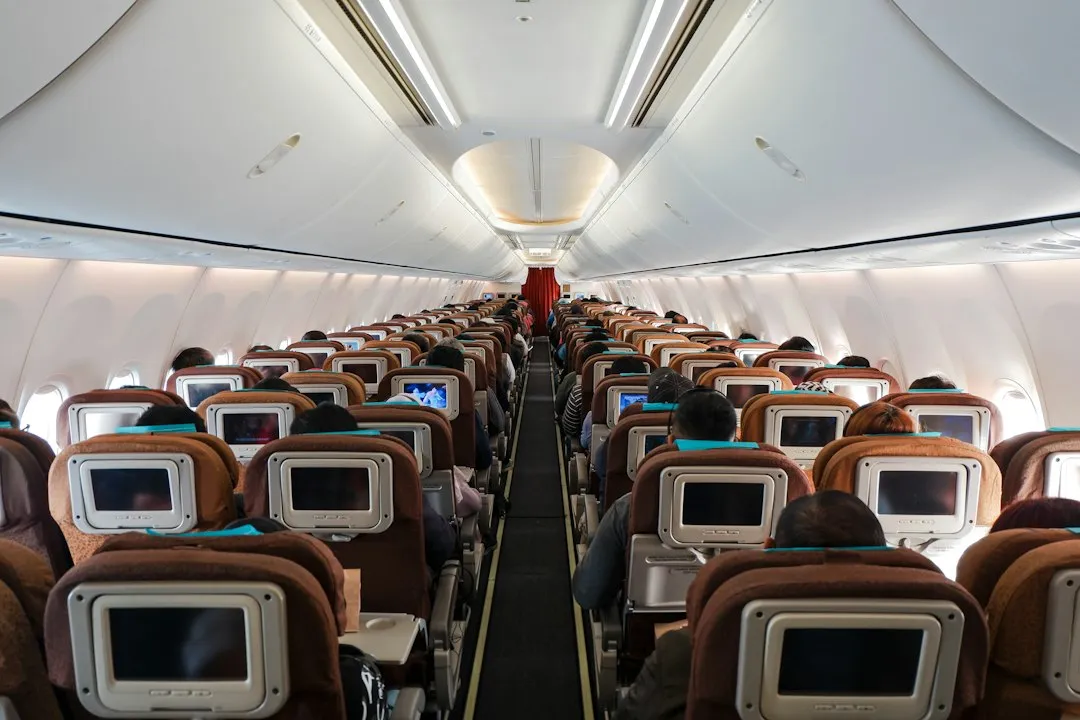
The humidity levels in the aircraft cabin are typically in the range of 10 to 20 percent, compared to that found in most buildings, which sits in the order of 40 to 50 percent. That gap is significant. Your body is accustomed to breathing in air with roughly twice that moisture content, and it starts compensating the moment you board.
That dry, recycled air accelerates transepidermal water loss, meaning your body is constantly losing moisture simply by breathing and existing at altitude. Most passengers don’t feel it dramatically at first, which is part of the problem. The loss is gradual, quiet, and cumulative over a long flight.
Airlines don’t add humidity because the water weight would reduce fuel efficiency. A Boeing 747 would need to carry an extra 300 gallons of water per flight to properly humidify the cabin. So the dryness isn’t an oversight. It’s a structural, built-in feature of commercial aviation.
How Fluid Loss Compounds Jet Lag Symptoms

Dehydration at even mild levels, as little as one to two percent of body weight in fluid loss, can impair cognitive function, worsen fatigue, and disrupt your circadian rhythm. A dehydrated body struggles to regulate melatonin production and adapt to new time zones efficiently.
Dehydration and jet lag create a vicious cycle. When you’re dehydrated, your body produces more stress hormones like cortisol, which can further disrupt your sleep-wake cycle. Additionally, proper hydration is essential for the production and regulation of melatonin, the hormone that helps control your circadian rhythm.
According to SOS Hydration, in-flight dehydration also contributes to headaches, muscle fatigue, and sluggish digestion, all symptoms frequently mistaken for jet lag alone. That distinction matters. Travelers often assume they’re suffering purely from time zone disruption when part of what they’re feeling is simply a dehydrated body under stress.
Why Water Alone May Not Be Enough
Plain water helps, but it’s often not enough when traveling on long-haul flights. Because of low humidity, pressurized air, and extra fluid loss from breathing, temperature, and movement, you also lose electrolytes. Without replacing those, water alone may pass through your system too quickly.
Electrolyte imbalance occurs when the loss of essential minerals like sodium, potassium, and magnesium affects cellular function and energy metabolism. These minerals play crucial roles in nerve transmission, muscle function, and maintaining proper fluid balance throughout your body.
Travel hydration with electrolytes means combining water with minerals like sodium, potassium, and magnesium to help your body retain fluids and restore balance. Electrolytes help your body absorb water more efficiently, reduce jet lag symptoms like fatigue and headaches, and support overall recovery. That’s a meaningful distinction between simply drinking water and actually hydrating.
The Pre-Flight Window Matters More Than Most People Know
Beginning electrolyte supplementation 24 to 48 hours before your flight helps ensure your body is properly hydrated and mineral levels are optimized. This preparation helps your body better handle the stress of travel and time zone changes. Arriving already depleted is one of the most common and preventable mistakes long-haul travelers make.
Pre-flight hydration isn’t just about drinking a glass of water at the gate. It’s a deliberate process that begins well in advance of departure. Think of it less as a single action and more as a 24-hour runway leading into your flight.
Good hydration should be an everyday practice. Be sure to start travel in an optimally hydrated state. That sounds simple, but most travelers focus entirely on what to do once they’re in the air, missing the most controllable window they have.
How Much to Drink During the Flight
During long-haul flights, fluid intake should be between 100 and 300 milliliters per hour, including fluids derived from food. These values are based on estimated fluid losses and from preliminary research findings. That range gives you a practical rhythm without overloading your system or requiring constant trips to the lavatory.
Mixing electrolyte powder or tablets with water and sipping consistently throughout your flight is more effective than drinking large amounts at once. Aiming for six to eight ounces every hour rather than consuming large amounts sporadically keeps absorption steadier.
Adapting your fluid intake timing to avoid disruption during sleep is highly recommended. Waking repeatedly to use the bathroom undoes much of the benefit you’re trying to gain. A steady, measured rhythm of sipping works better than bursts of drinking.
The Alcohol and Caffeine Problem
Sleep in-flight can be maximized by minimizing alcohol consumption, which tends to reduce sleep latency but increase sleep fragmentation. Alcohol and caffeine can also both cause dehydration, which can further exacerbate jet lag. This is one of those cases where what feels like a shortcut actively makes recovery harder.
Alcohol fragments sleep architecture, suppresses restorative REM stages, and accelerates dehydration. You land feeling demonstrably worse. The appeal of a glass of wine at altitude is understandable. The cost, though, shows up directly in how long it takes your body to reset.
Caffeine and alcohol also disrupt your sleep, so even if you are able to grab some rest on your flight, it likely won’t be high quality. Staying hydrated has been shown to promote better rest. That connection between hydration and sleep quality is easy to underestimate, especially when sleep feels like the more obvious lever.
What the Research Actually Says About Hydration and Jet Lag
Despite the lack of studies directly investigating how modulating hydration status may prevent or reduce jet lag symptoms, some recommendations may be proposed based on preliminary findings and translating results of other research in this field. Honesty about the evidence matters here. Hydration is not a silver bullet, and the research is still developing.
Hydration does not reset your circadian clock. The most established strategies for adjusting to a new time zone involve controlling light exposure, darkness, and sleep timing. That’s an important caveat. No amount of water overrides the biological mechanics of circadian disruption.
Clinical studies on hydration and travel fatigue have demonstrated that travelers who maintain better hydration status experience less severe jet lag symptoms and recover more quickly. The relationship is real, even if it’s not the whole story. Hydration works best as part of a broader travel wellness approach rather than a standalone fix.
Newer Aircraft and Humidity Improvements
Next-generation aircraft like the Boeing 787 and Airbus A350 feature improved cabin pressure equivalent to 6,000 feet versus 8,000 feet, as well as enhanced humidity control of up to 25 percent compared to the traditional 10 to 20 percent, plus LED lighting systems that simulate natural daylight cycles. These improvements are meaningful, though they don’t eliminate the hydration challenge entirely.
Even with those engineering advances, cabin humidity in modern aircraft still falls well below the range your body considers comfortable. The improvements reduce the deficit. They don’t close it. So regardless of which aircraft you’re flying, a consistent hydration strategy still gives you a genuine edge.
The Melatonin and Hydration Connection
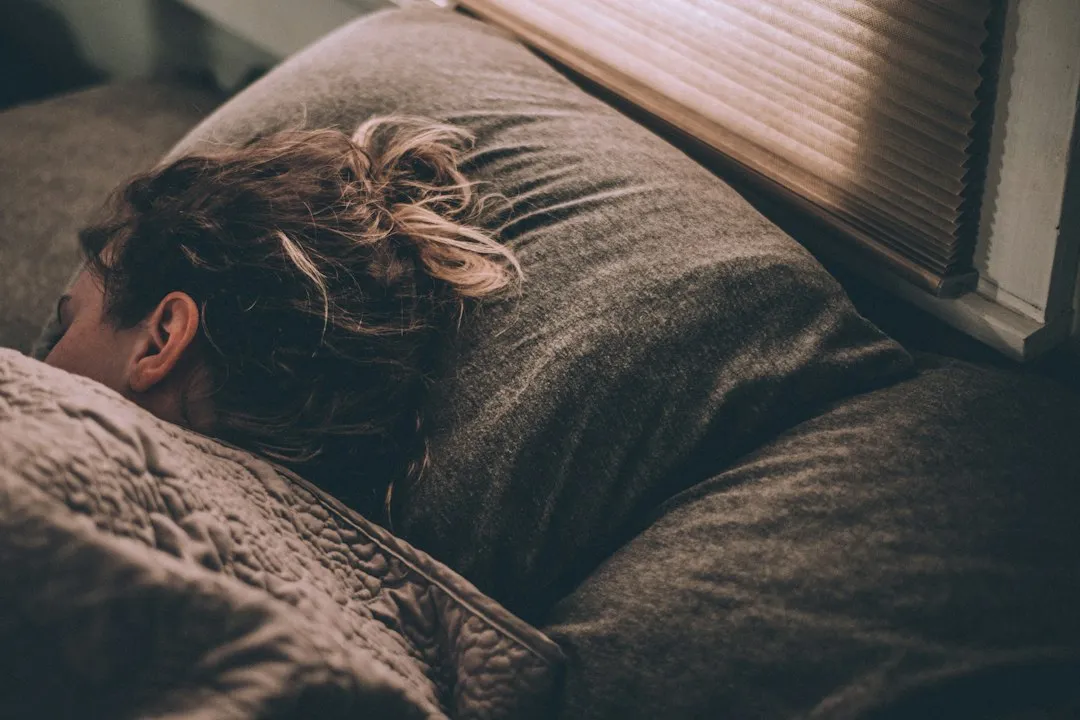
A dehydrated body struggles to regulate melatonin production and adapt to new time zones efficiently. This is one of the less-discussed links between hydration and jet lag recovery. Most people reach for melatonin supplements without considering whether their body even has the baseline conditions to use it effectively.
Proper hydration is essential for the production and regulation of melatonin, the hormone that helps control your circadian rhythm. Melatonin supplements can help, but they work better when your body is well-hydrated and operating without the additional stress of fluid depletion.
It’s a compound effect. Good hydration doesn’t replace circadian reset strategies. It creates the physiological conditions that allow those strategies to work better, which is exactly why frequent travelers who prioritize it tend to recover faster.
Practical Tips You Can Use on Your Next Flight
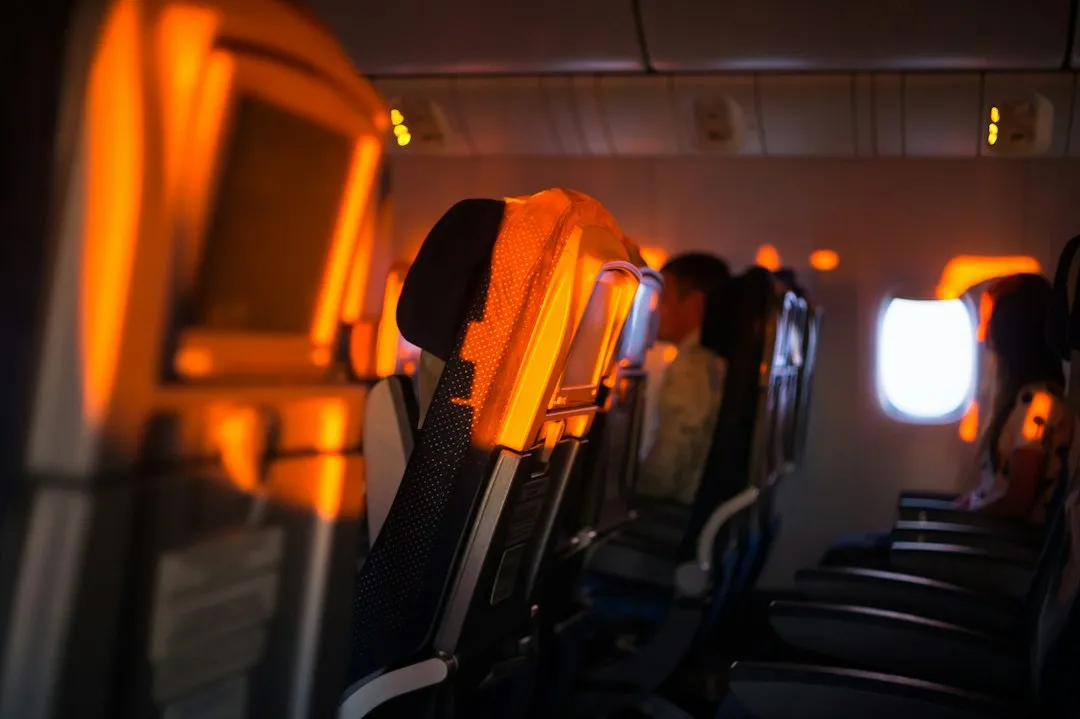
Starting electrolyte use ideally 24 hours before departure allows your body’s electrolyte stores to build up so you begin the journey with more balance. Continuing to sip electrolyte-enhanced water during the flight and after landing further supports recovery.
Choosing products without excessive sugar or caffeine is important, as both can disrupt sleep. Read ingredient labels before you pack anything. Many commercial hydration products marketed at travelers include sugar levels that undermine the very recovery they promise.
Consistency matters more than volume. Sipping steadily throughout a flight outperforms drinking large amounts sporadically. Hydration supports sleep quality, circulation, and cognitive recovery, all systems directly disrupted by time zone shifts. Carry a refillable bottle past security, ask the crew for water regularly, and treat hydration as a practice rather than a one-time gesture. The results show up in how you feel on day two.
The Takeaway
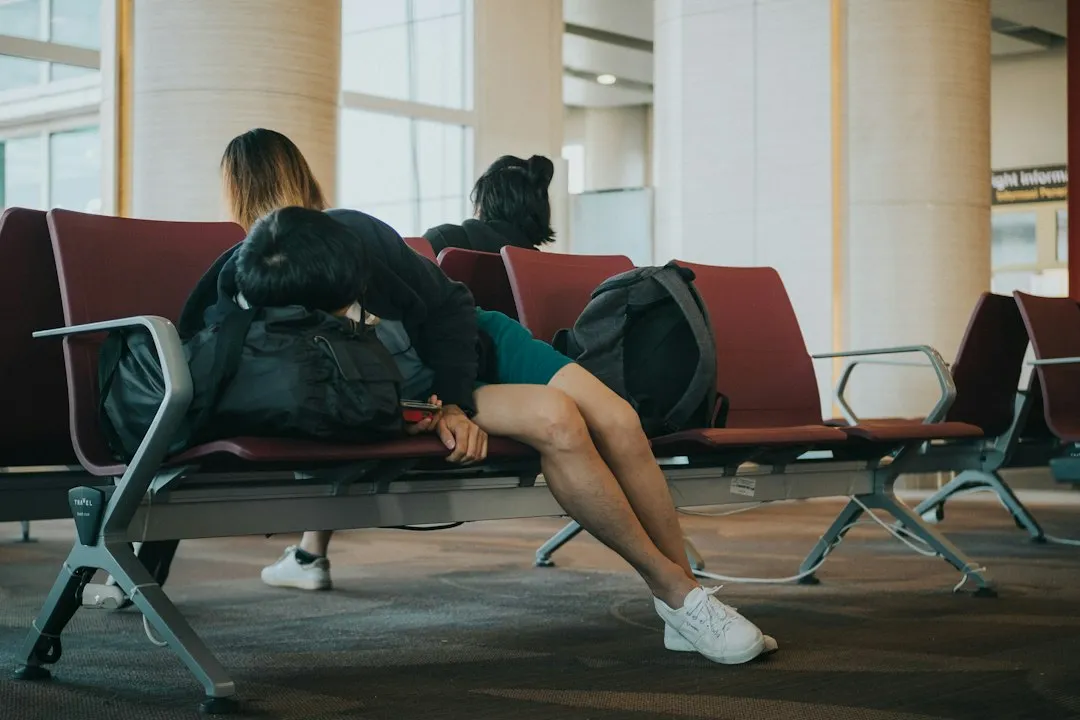
Jet lag is a real, complex physiological event. No single habit eliminates it. Sleep timing, light exposure, and melatonin management all play genuine roles. But hydration sits underneath all of those strategies as the foundation your body needs to run them effectively.
The dry, pressurized cabin is working against you from the moment you board. Knowing that, and responding with a steady, consistent approach to fluid intake, keeps your body in a state where recovery is faster, cognition stays sharper, and the worst of that post-flight fog becomes something you move through rather than something that defines your first two days at a destination.
A good hydration habit costs almost nothing and requires no prescription. It’s the kind of travel insight that tends to quietly separate the travelers who land ready for the world from the ones who spend their first morning staring at the ceiling at 3 a.m.
AI Disclaimer: This article was created with the assistance of AI tools and reviewed by a human editor.