
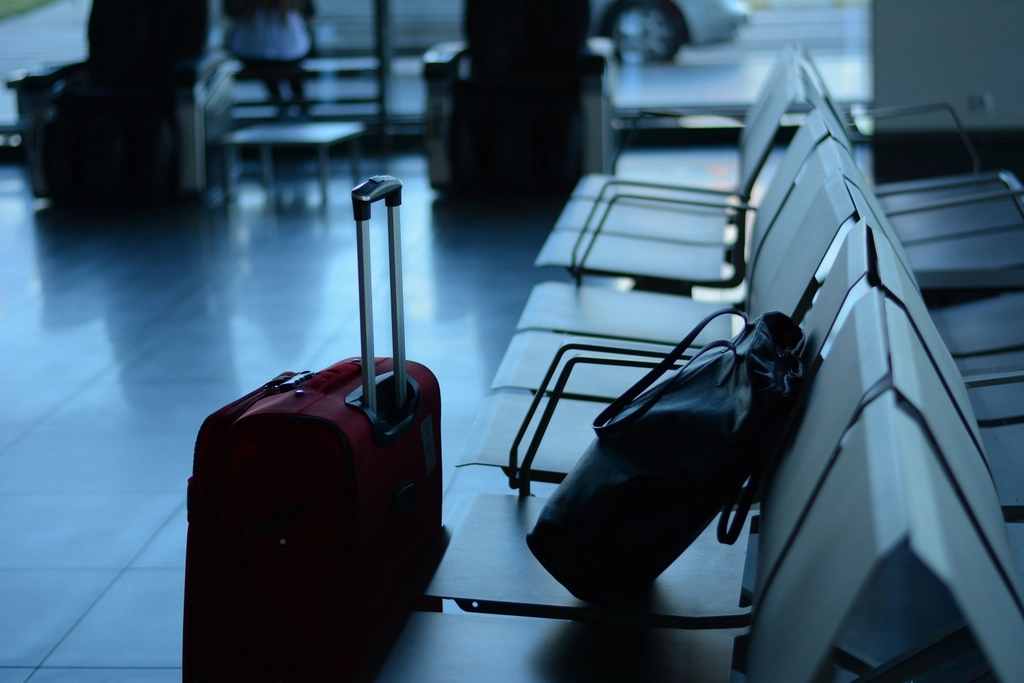

Most travelers walk straight through the terminal doors, drag their bags to the check-in counter, and join whatever queue they find. It works, but it’s rarely quick or comfortable. There’s a smarter path that starts before you even enter the building.
Curbside check-in has been quietly available at American airports for decades, yet a surprisingly large number of frequent flyers have never tried it. That’s starting to change, and once you understand how it works and why it matters, it’s hard to go back to the old way.
What Curbside Check-In Actually Is
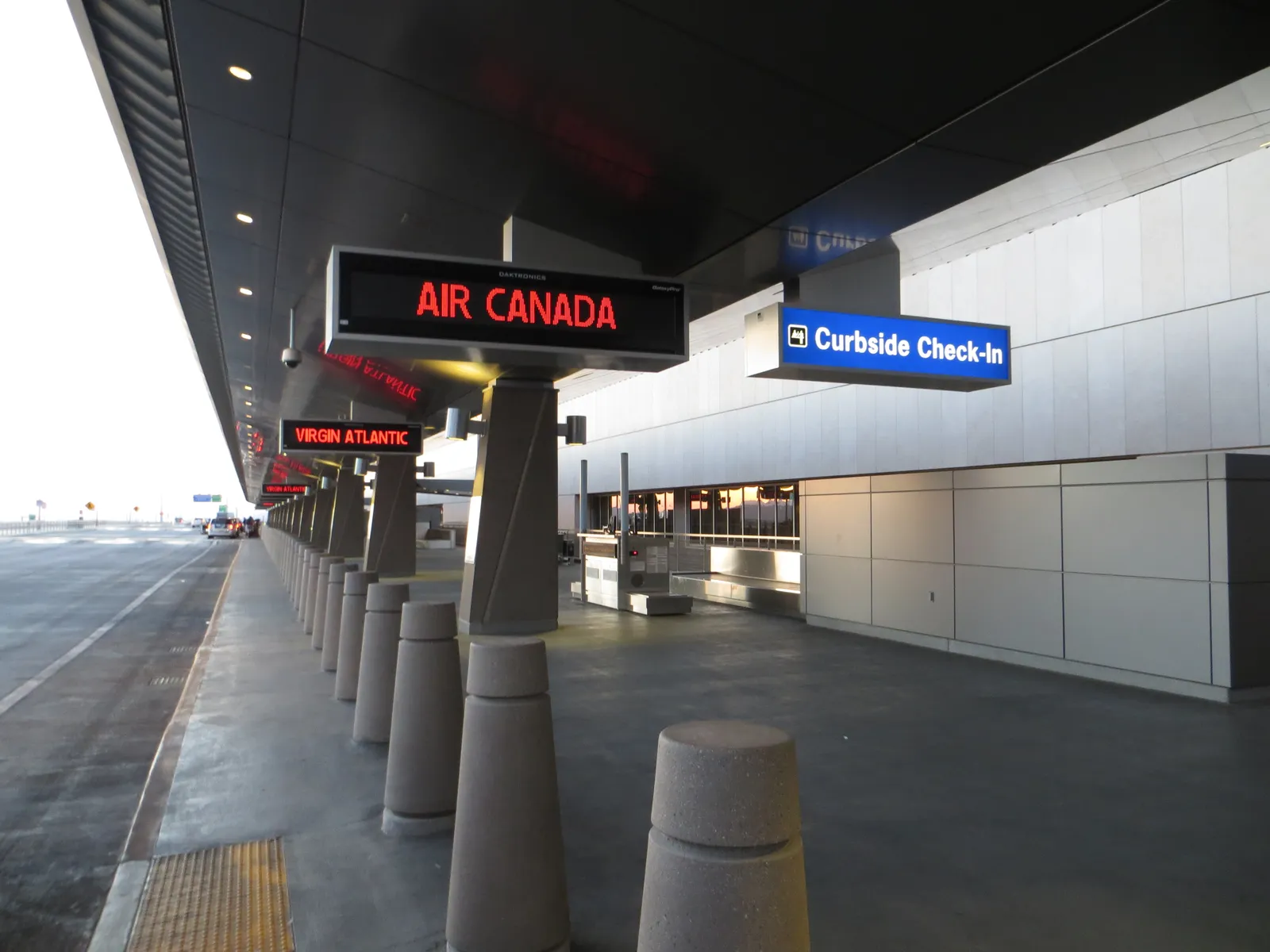
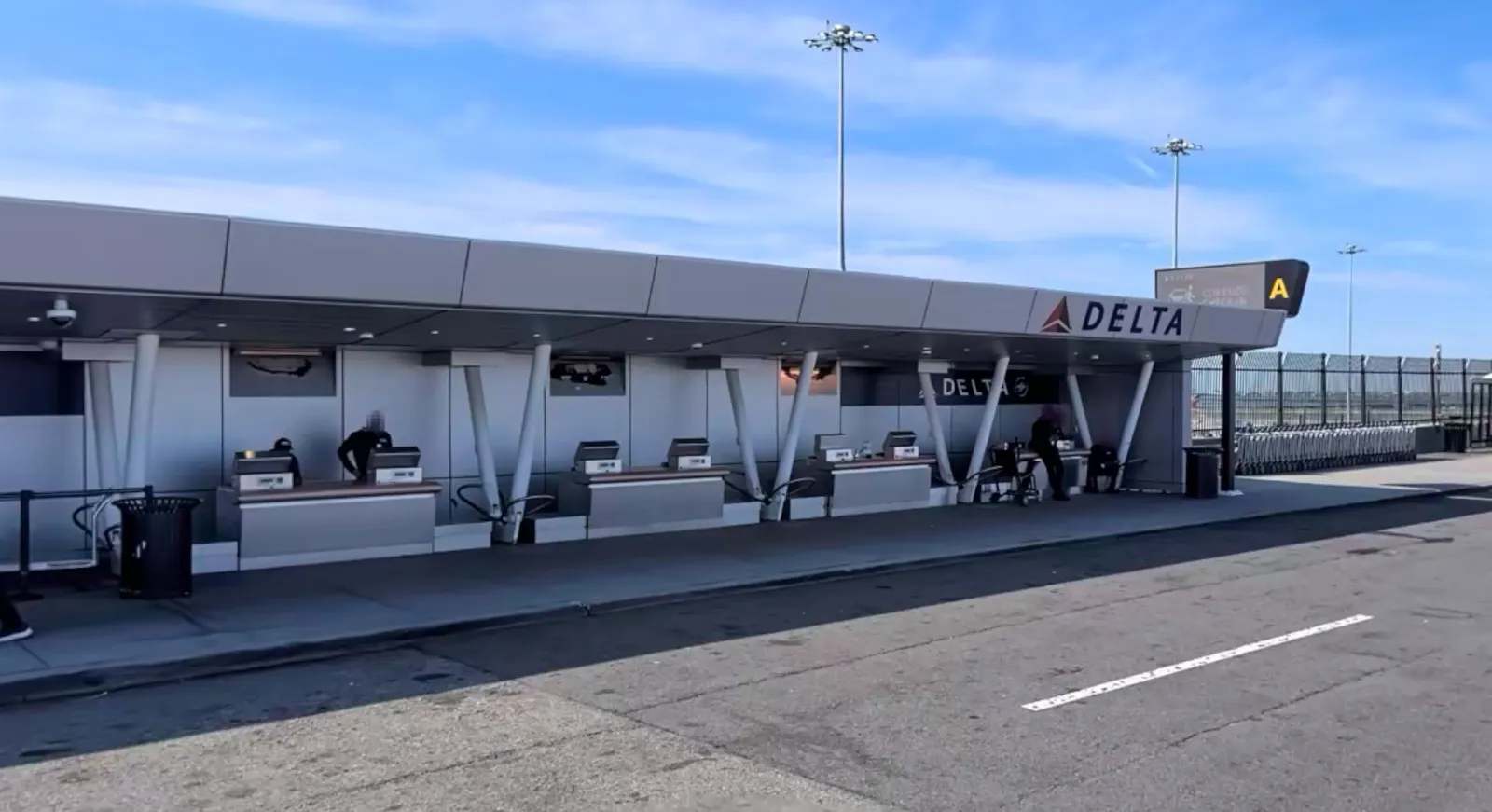
Curbside check-in allows you to check in for your flight and drop your bags right at the airport’s drop-off zone, before stepping foot inside the terminal. Dedicated airport staff, commonly called “skycaps,” handle the process so you’re not hauling luggage through crowded lobbies or standing in indoor counter lines. The whole exchange typically happens within minutes, right beside your vehicle.
A skycap is a uniformed airport porter stationed at the departure curb who weighs and tags your luggage, prints boarding passes, assists passengers with disabilities, and answers questions about check-in procedures – all from the curb, without requiring you to enter the main check-in hall. It’s a genuinely full-service option, not just a bag drop.
A Service With a Long History
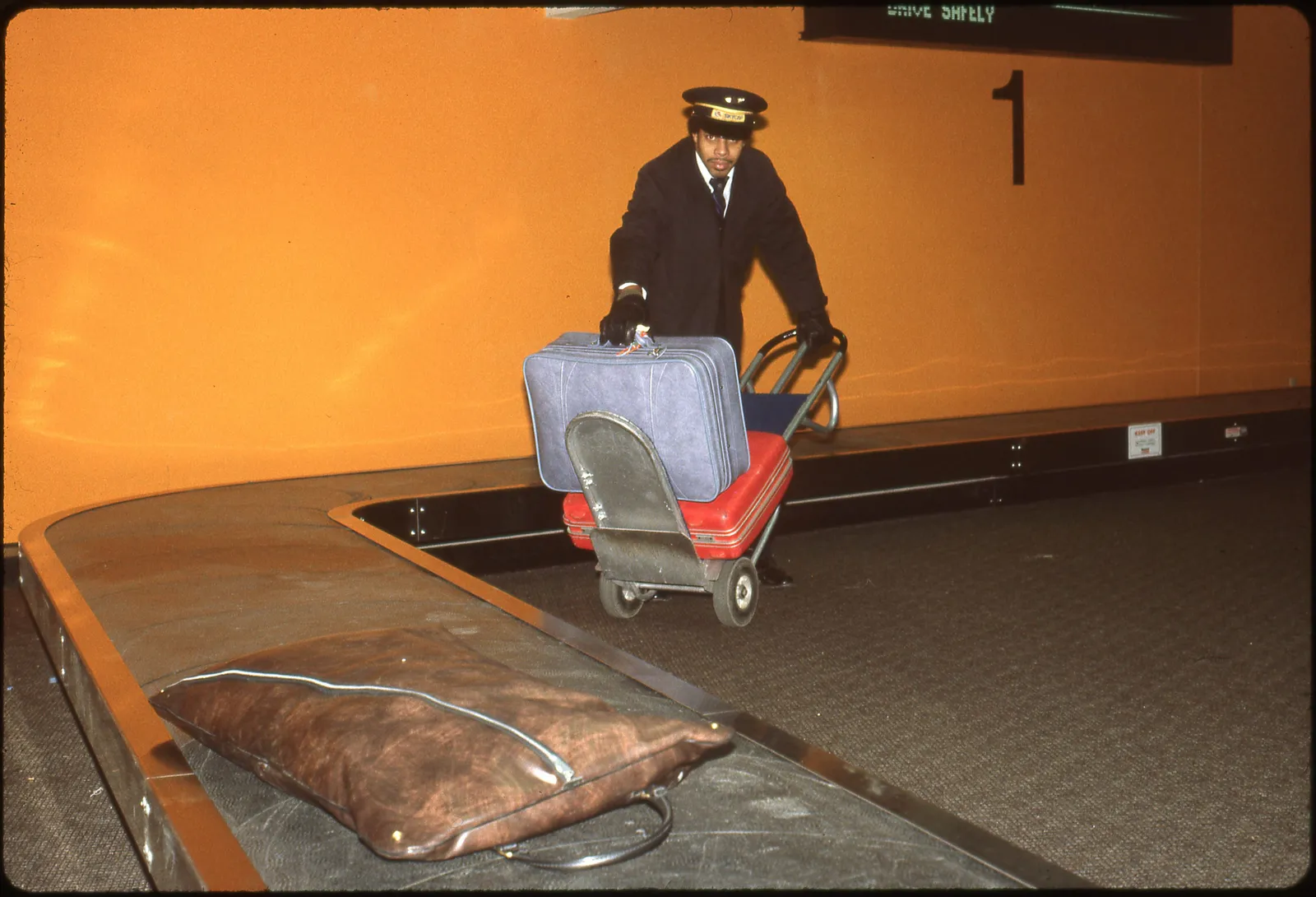
The term “skycap” emerged in the early 1940s as commercial air travel expanded. Airlines adapted the concept from railway “redcaps,” the porters stationed at train stations who handled luggage in exchange for tips. The word “skycap” combined “sky” with “redcap” and entered common use between 1940 and 1945.
The service has outlasted enormous changes to air travel, including the post-9/11 security overhaul, the rise of self-check kiosks, and the smartphone boarding pass era. The fact that it’s still here says something about how well it works for a certain kind of traveler.
Why Airport Lines Are Getting Longer
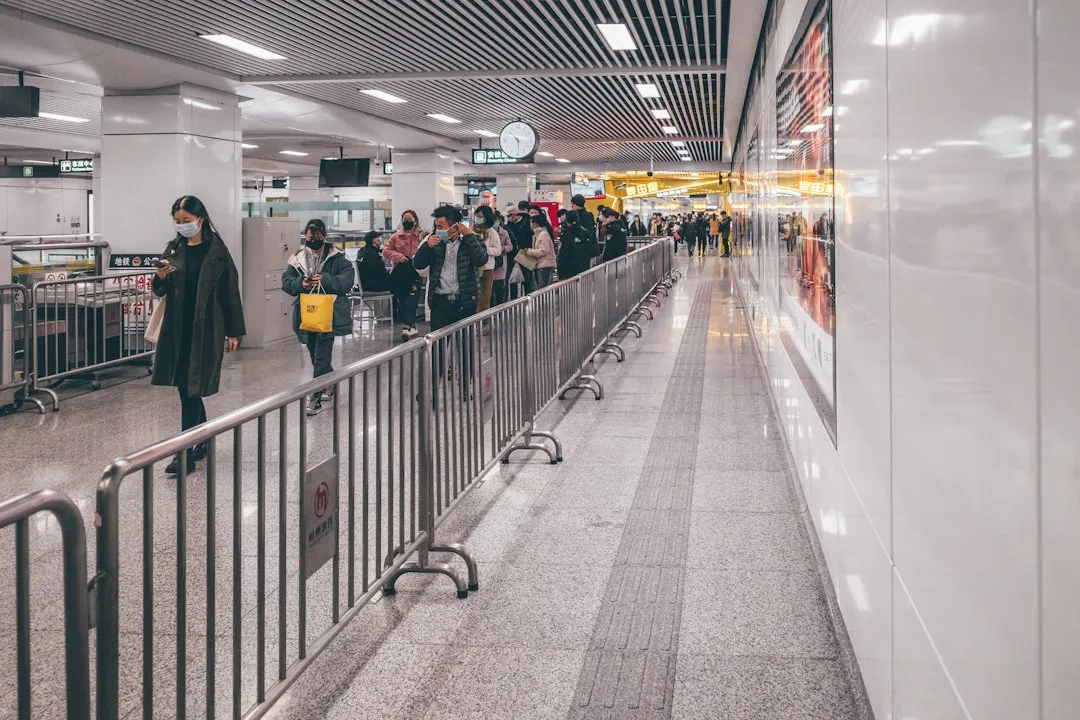
TSA PreCheck has passed 20 million members, part of more than 40 million people enrolled across all DHS Trusted Traveler programs. PreCheck lanes are designed to keep waits under 10 minutes, versus a 20-minute target for standard lanes. Even with those programs in place, crowding at major hubs remains a genuine issue.
JFK, New York’s busiest airport, has among the longest wait times in 2024, with travelers spending an average of nearly 40 minutes clearing security and passport control. Newark Liberty International saw its combined average wait time climb to over 32 minutes in the same period, a significant jump from the prior year. Shaving time anywhere in the pre-security process matters more than it used to.
Which Airlines Offer It
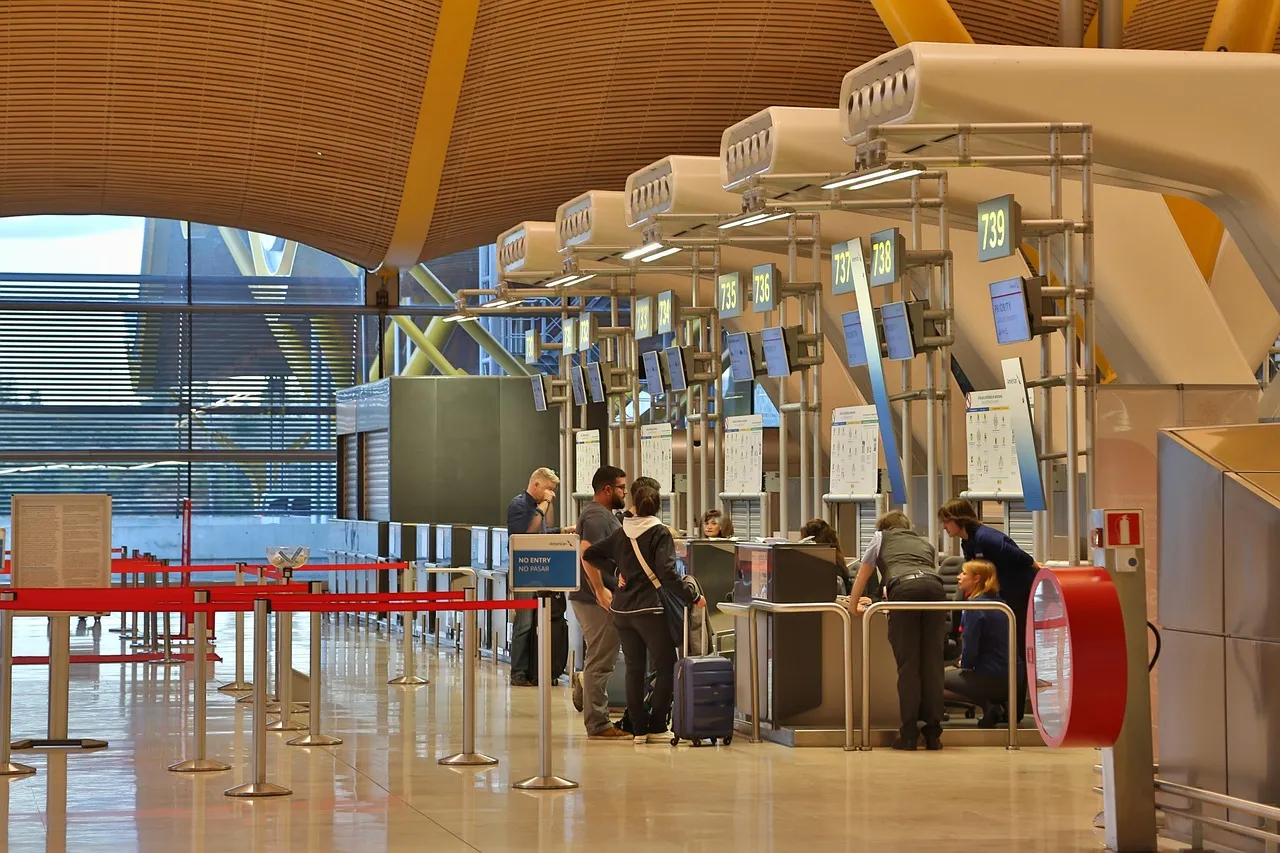
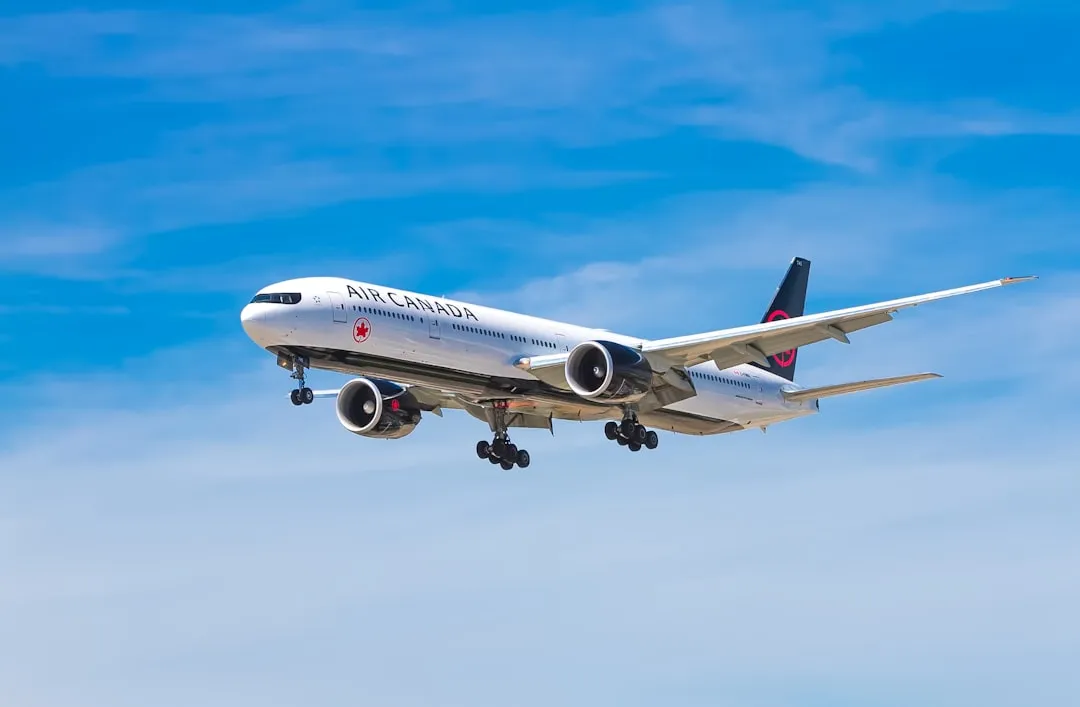
Many major airlines, including American Airlines, Delta, JetBlue, United, and Southwest, offer curbside check-in. The coverage isn’t uniform across all airports, so verifying before you leave home is genuinely important.
American offers curbside check-in at nearly 20 airports, with no additional fees beyond standard baggage charges, though tipping is encouraged. Delta has curbside check-in at around 100 locations and charges no added fee. JetBlue offers the service at roughly two dozen U.S. airports and charges three dollars per bag. United provides curbside check-in at no additional cost at airports with skycaps.
Where You’re Most Likely to Find It
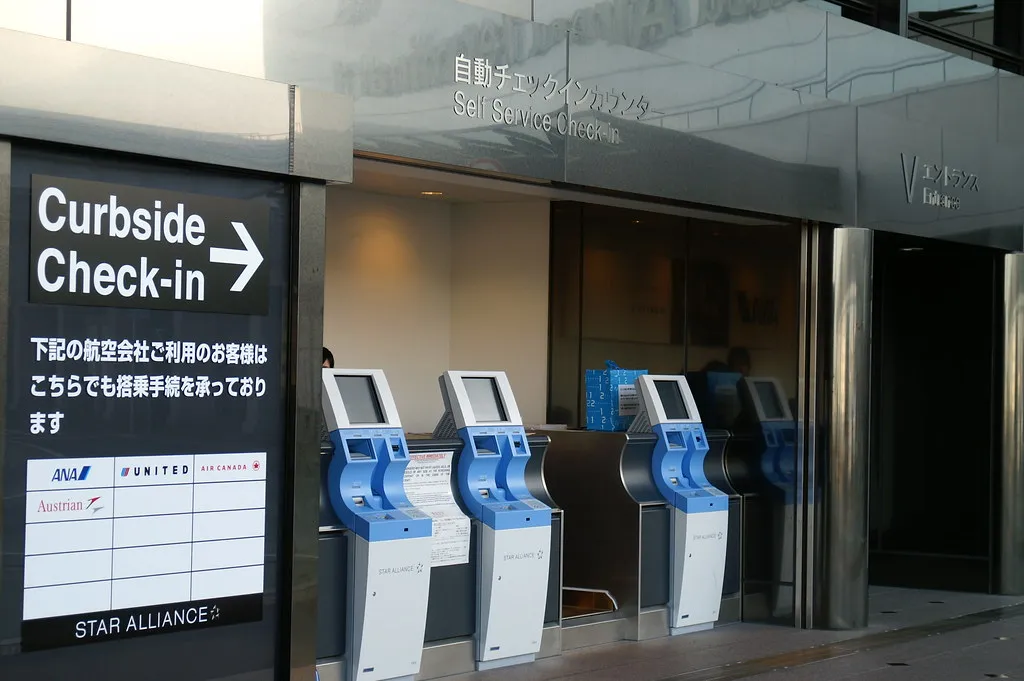
Large domestic hubs including Atlanta Hartsfield-Jackson, Dallas/Fort Worth, Denver International, Los Angeles International, and New York JFK offer curbside check-in across most terminals. These are also the airports where indoor check-in lines tend to run longest, which makes the option especially valuable there.
Smaller regional airports and international-only terminals often lack dedicated skycap stations. Additional airports with noted curbside availability include Baltimore/Washington International, Chicago Midway, Las Vegas, Houston Hobby, Nashville, Oakland, and Phoenix Sky Harbor. Checking your departure airport directly on your airline’s website takes under a minute and removes any guesswork.
How the Check-In Process Actually Works
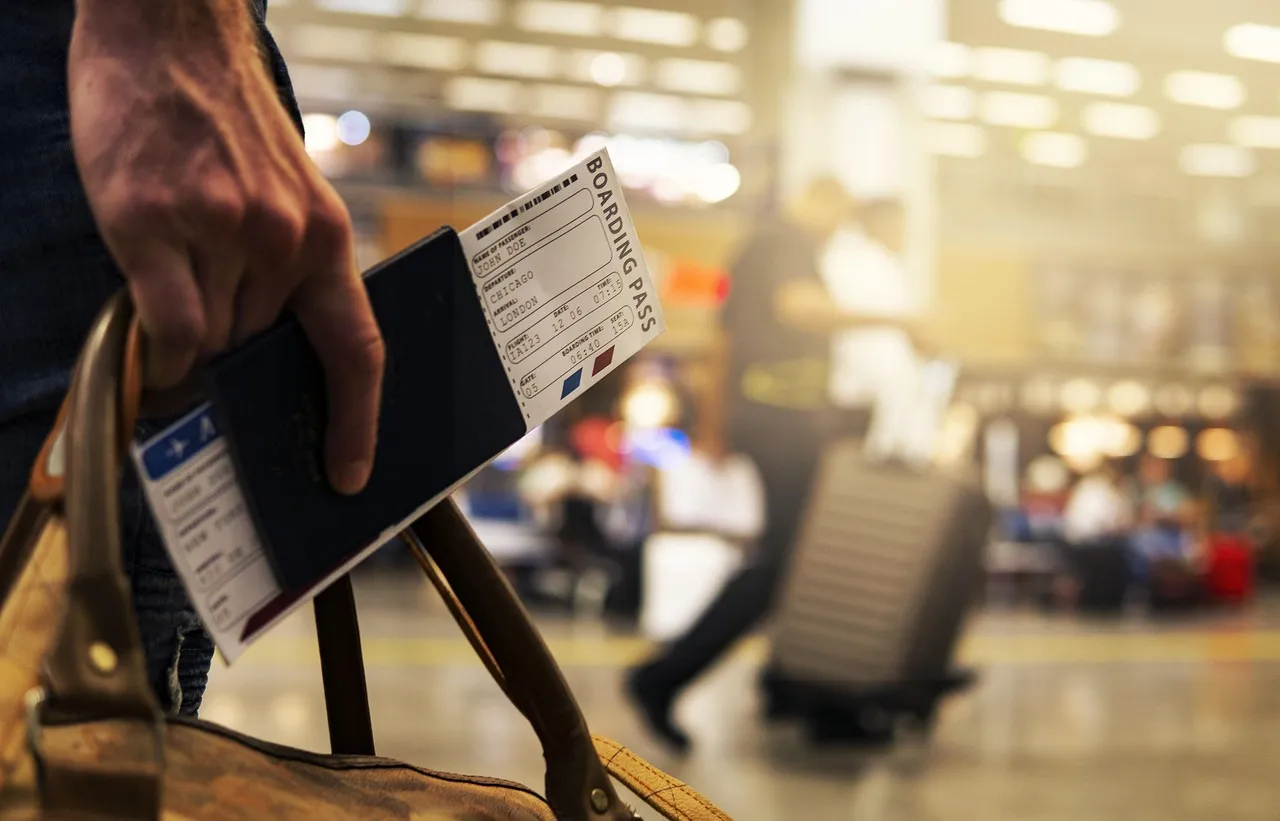
The skycap check-in process is built for speed. Travelers pull up to the curbside stand, present a government-issued ID and their flight details, and hand over their bags. You can use curbside check-in if you have an electronic ticket, including one you scan from your phone. The skycap handles tagging, weighing, and routing the bags from that point forward.
You can often choose your seat, specify dietary requirements, and pay for upgrades or baggage fees at the curbside stand, so it’s not a stripped-down version of counter service. After the exchange, you can avoid crowded terminals, skip the indoor queues, and head straight to security.
What It Costs and How Tipping Works
The service itself is usually free, though you’ll need a credit card to pay for any standard baggage fees. Some airports charge a small convenience fee, often around three to four dollars per bag. That fee is separate from and in addition to your airline’s normal checked bag charge.
The cash you give at the end goes directly to the person who handled your bags. If a stand charges a small service fee per bag, that is a vendor charge, not a gratuity. Etiquette guides list skycaps alongside porters; the Emily Post guide suggests two dollars for the first bag, with small additions for each after that. Most skycaps work outdoors for hours, through heat, rain, or cold, which is worth keeping in mind when deciding how to tip.
Who Benefits Most From Using It
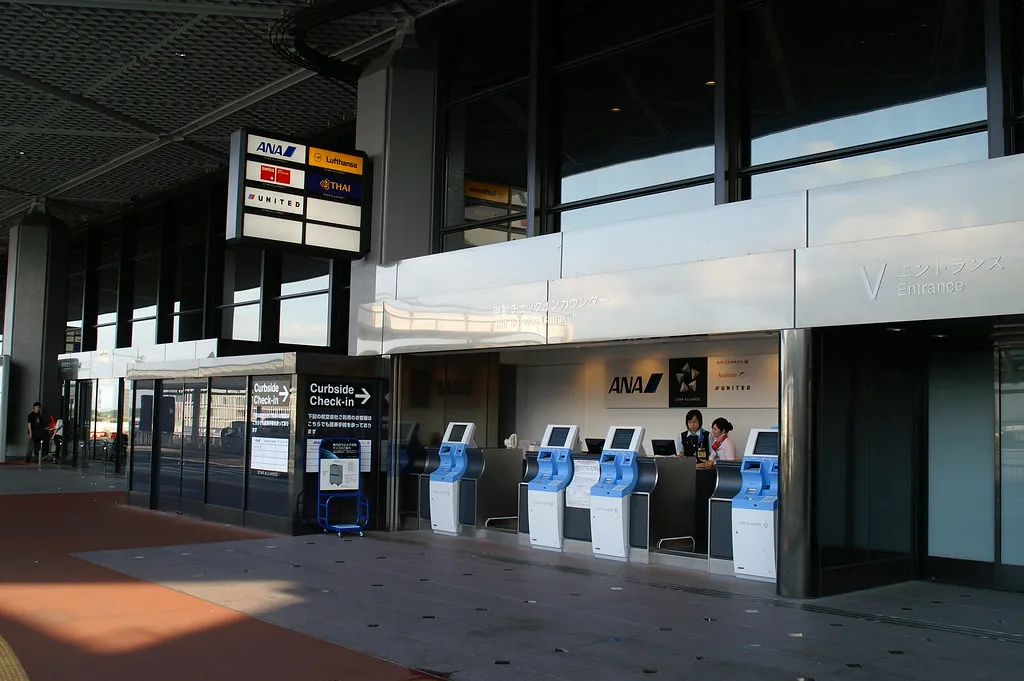
Curbside check-in is particularly well-suited for those with mobility limitations or large families who might find navigating through the airport a substantial challenge. Rolling two large suitcases, a car seat, and a carry-on through a packed terminal is a very different experience than handing everything over at the curb.
The biggest advantage is the convenience it offers. Being able to hand over luggage right at the curb not only saves time but also reduces the stress of navigating crowded terminals with heavy bags. Frequent business travelers with tight connection windows also tend to find real value in it, since the time recovered at check-in can make an otherwise tight morning feel manageable.
A Shifting Landscape Worth Watching
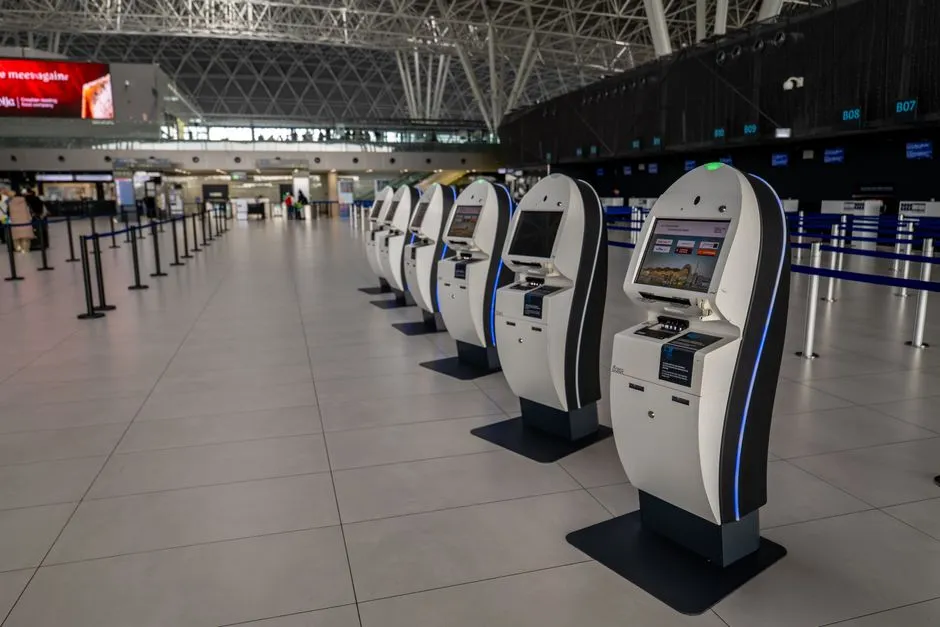
The staffing landscape is shifting at some carriers. Several major U.S. airlines have transitioned in-house skycap staff to third-party vendors and self-service kiosks at select locations as part of cost-reduction efforts. This is a meaningful change for travelers who rely on the service at specific airports.
Southwest, for instance, changed a key part of its skycap service in 2025, replacing some skycap positions with kiosks and confirming that it was laying off skycaps at San Diego International and nine other locations. Travelers who rely on curbside check-in at specific airports should confirm service availability before departure, particularly at airports where a single carrier historically staffed the curbside area.
How to Use It Without Any Surprises
Before heading to the airport, check online with your airline to confirm whether curbside check-in is available at your departure airport. Have your government-issued ID and boarding confirmation ready, whether on paper or on your phone. Online or app check-in typically opens 24 hours before a domestic flight, so completing that step first makes the curbside process even faster.
Arriving with enough time is still essential. Curbside check-in accelerates the process, but it doesn’t replace the need to account for traffic, parking, and security. Think of it as a head start, not a shortcut that changes the fundamentals of air travel timing. Used correctly, it’s one of the most practical habits any regular traveler can adopt.
The Takeaway
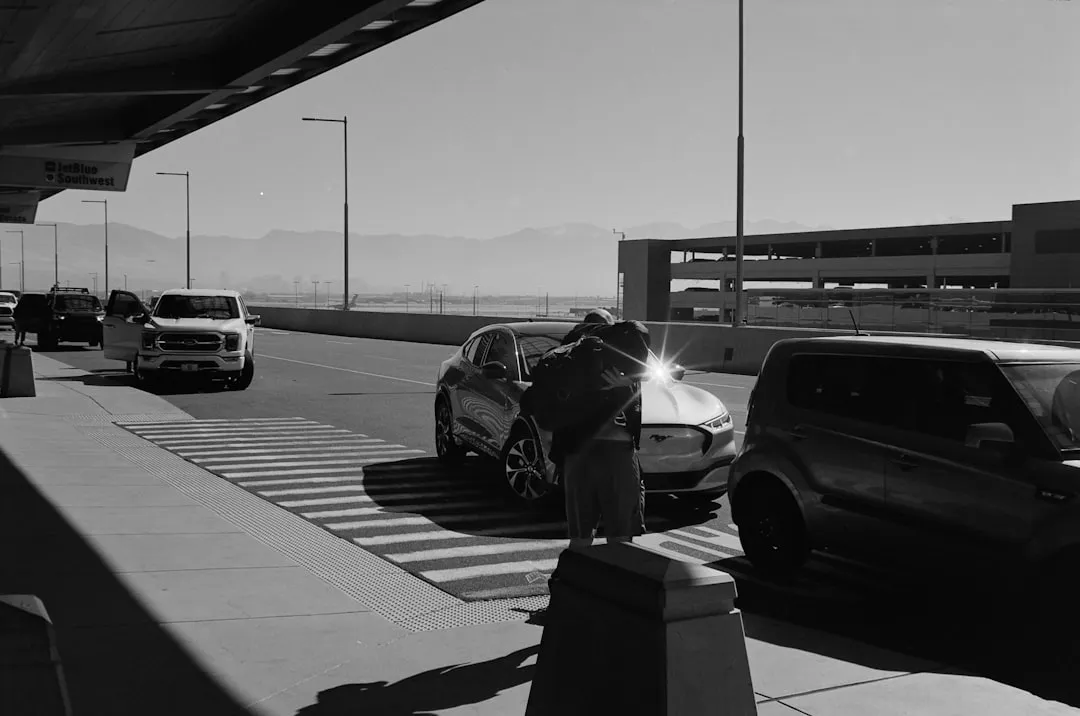
Curbside check-in isn’t new, and it isn’t complicated. It’s simply a well-designed service that most travelers overlook because they assume the counter line is the only option. The counter has its place, but so does the curb.
At a time when airport traffic keeps climbing and TSA now runs more than 430 commercial airports with a workforce of over 61,000 people, its largest screening force ever, every minute saved before security is genuinely worth something. The next time you pull up to a departure terminal with bags in the trunk, it’s worth looking for the skycap station before you reach for the door handle.
AI Disclaimer: This article was created with the assistance of AI tools and reviewed by a human editor.