
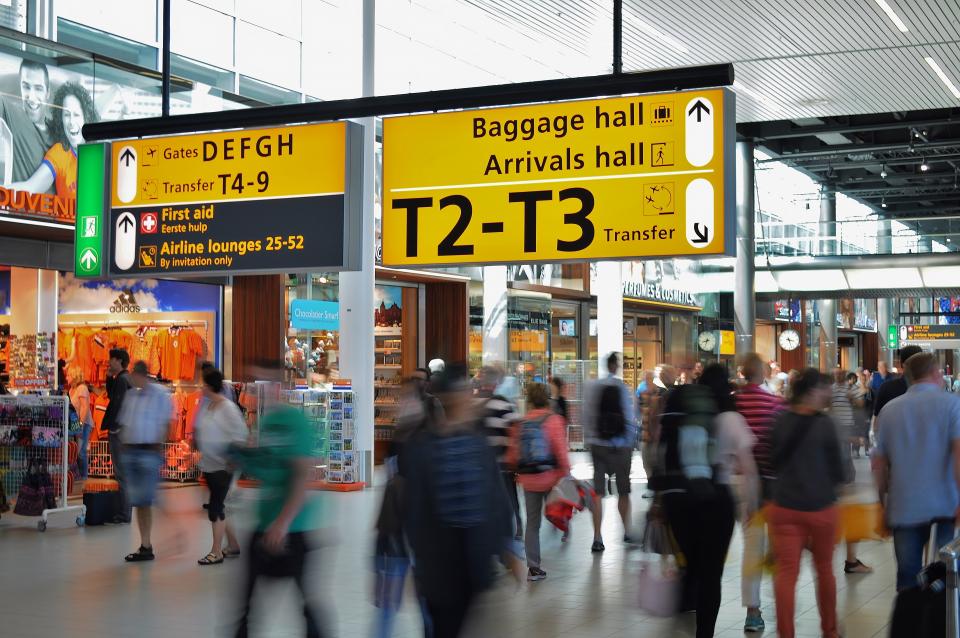

Walk into almost any busy airport gate area on a peak travel day and you’ll notice it almost immediately. Bags on seats. Feet stretched across two chairs. A jacket draped over the armrest of an otherwise empty row. The plane hasn’t boarded yet, delays are stacking up, and there isn’t a free chair in sight – because one person decided their carry-on needed its own place to sit.
It sounds like a minor annoyance, and in isolation it probably is. But at a time when terminals are genuinely more crowded than ever before, this quiet, selfish habit has real consequences for tired, stressed, and sometimes physically struggling travelers who simply need somewhere to rest. The behavior is common enough to have sparked widespread conversations about passenger etiquette – conversations that, as of 2026, show no sign of slowing down.
Terminals Are More Crowded Than They’ve Ever Been
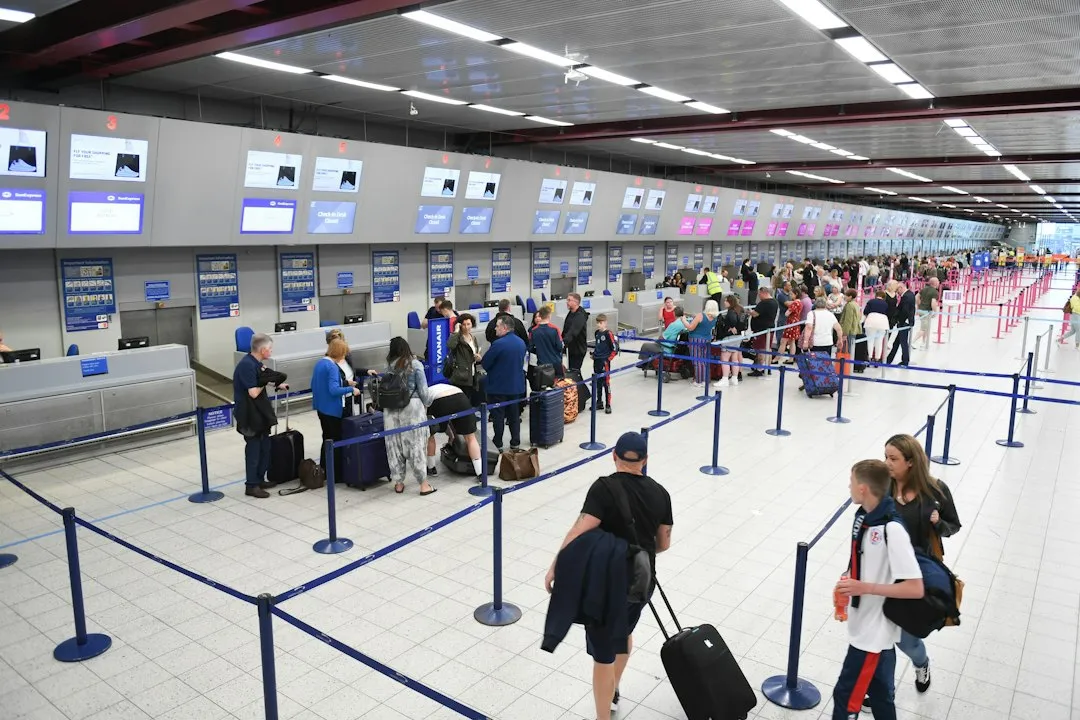
Checkpoint lines, crowded gates, and scarce overhead-bin space are not new features of air travel, but recent traffic patterns have intensified every pressure point. Federal data indicate that U.S. airports saw some of their busiest days on record in 2024, with the TSA screening more than 3 million travelers in a single day and summer volumes rising roughly 6 percent from the previous year.
Seattle-Tacoma International Airport reported that 2024 passenger volumes surpassed its previous record year of 2019, with nine of the ten busiest checkpoint days in the airport’s history occurring in that single year alone.
TSA figures compiled by the U.S. Travel Association indicate that during the peak 2024 summer season from Memorial Day through Labor Day, security checkpoints screened almost 279 million travelers, a nearly 6 percent increase on the previous year. More passengers in the same physical spaces means fewer seats per person – and that’s before a single bag gets placed on a chair.
Delays Are Keeping People at the Gate Far Longer
More than 58 million seats scheduled to depart from U.S. airports were affected by significant disruptions in 2025, up from 50 million in 2019. When flights are delayed, travelers don’t vanish – they stay at the gate, extending the time everyone needs a seat.
Industry analyses show that airlines are still struggling to absorb disruptions quickly, so modest thunderstorms or computer outages can ripple through the system for days. For travelers, the result is more time waiting at gates and in customer service queues, and more opportunities for tensions to rise.
FAA data indicate that in the 2024 fiscal year, departure delays of 15 minutes or more at the country’s 30 busiest airports increased by double digits compared with the previous year, with more than 170,000 such delays logged. Every one of those delays means more people waiting, for longer, in the same gated spaces with the same fixed number of chairs.
The Bag-on-Seat Problem Has a Name
Placing luggage on a seat beside you to “save space” or “keep things accessible” is the most common version of this habit. It’s also the most visible. Travelers encounter it dozens of times during any busy travel day, usually right when they’re exhausted, stressed, and just need to sit down.
Passengers are behaving badly, and many Americans think airline etiquette is getting worse. Roughly two-fifths of Americans said airline passenger etiquette has worsened over the past five years, while just about one in ten believe it has improved.
There’s no single rule passengers are breaking when they place a bag on a seat – airports don’t have a formal policy about it in waiting areas. That lack of a clear rule is part of what makes the behavior so persistent. Without an official consequence, most people simply don’t think twice about it.
The Blame Falls Squarely on Fellow Passengers
A nationally representative survey of more than 2,500 U.S. adults found that many think passenger behavior is getting worse, but most don’t blame the airlines – they blame other passengers instead.
When asked who is most responsible for poor behavior in travel settings, a majority pointed squarely at passengers themselves. Only about 8 percent blamed airlines and their policies, while another 8 percent blamed social media and influencers.
That finding matters for this specific issue. The bag-on-a-seat habit is not a policy failure, an airport design flaw, or an airline miscalculation. It’s a social choice that individual travelers make, and other travelers notice it clearly. That gap between awareness and behavior is frustrating precisely because it feels so avoidable.
Crowded Gate Areas Breed Broader Tension
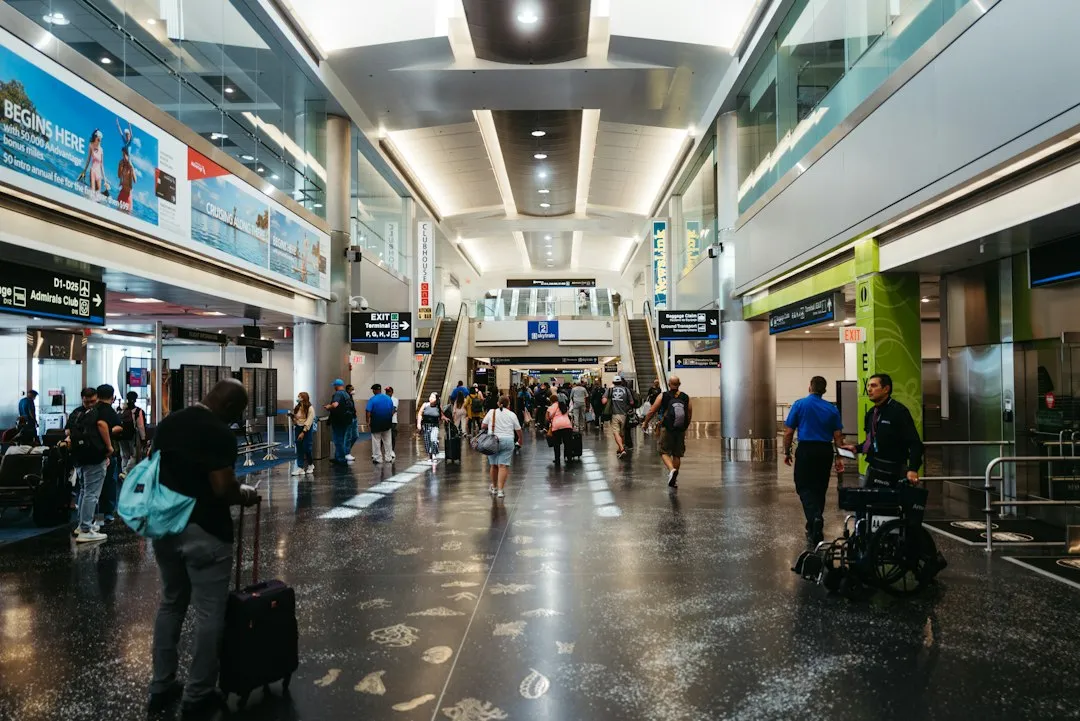
Frustration with flight delays often triggers conflicts, especially when passengers feel their time is being wasted. Travel stress naturally builds anxiety and tension, which can quickly escalate into aggressive behavior.
Airlines increasingly argue that incidents rarely start in the air – they often begin with the tension and crowding that builds at the gate. A passenger who can’t find a seat is already starting their journey from a place of physical discomfort and low-grade irritation. Encounters that might otherwise pass by unnoticed become friction points.
Official consumer reports point to growing frustration, and according to published summaries of U.S. Department of Transportation complaint data, service issues, refunds, and delays remain significant drivers of consumer grievances. When travelers feel they have no place to rest, no clear information, and no recourse, small behaviors like seat-blocking feel far more significant than they might otherwise.
Gate Crowding Has Its Own Terminology
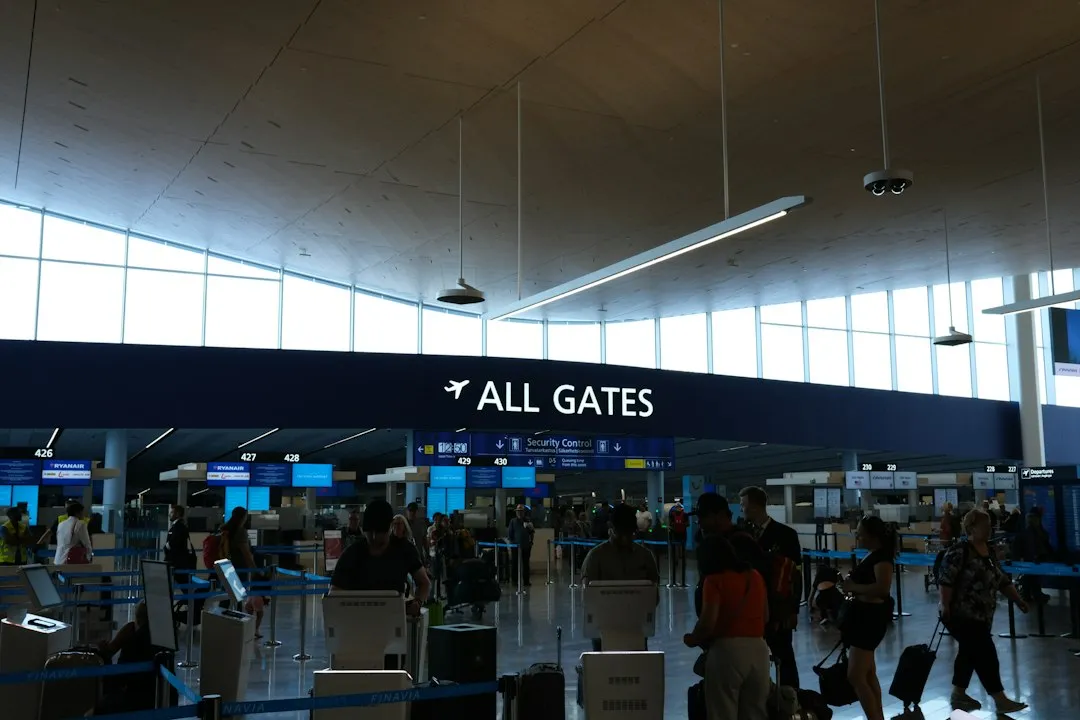
“Gate lice” is a pejorative term used to describe a phenomenon where passengers gather in front of boarding gates before their designated boarding time. The term has gained recognition within the community of frequent flyers, particularly on platforms such as FlyerTalk.
This phenomenon can make the boarding process more cumbersome, leading to congestion, longer wait times for those who have prioritized boarding, and general confusion. While “gate lice” technically refers to people crowding the boarding lane rather than occupying seats, it reflects the same core dynamic: using shared space in a way that inconveniences everyone else.
The fact that this behavior has earned its own widely used slang term says something real about how common and visible it has become. Frequent travelers didn’t invent that vocabulary out of nowhere. They coined it because the behavior happens on nearly every flight.
Airlines Are Trying to Change the Gate Dynamic
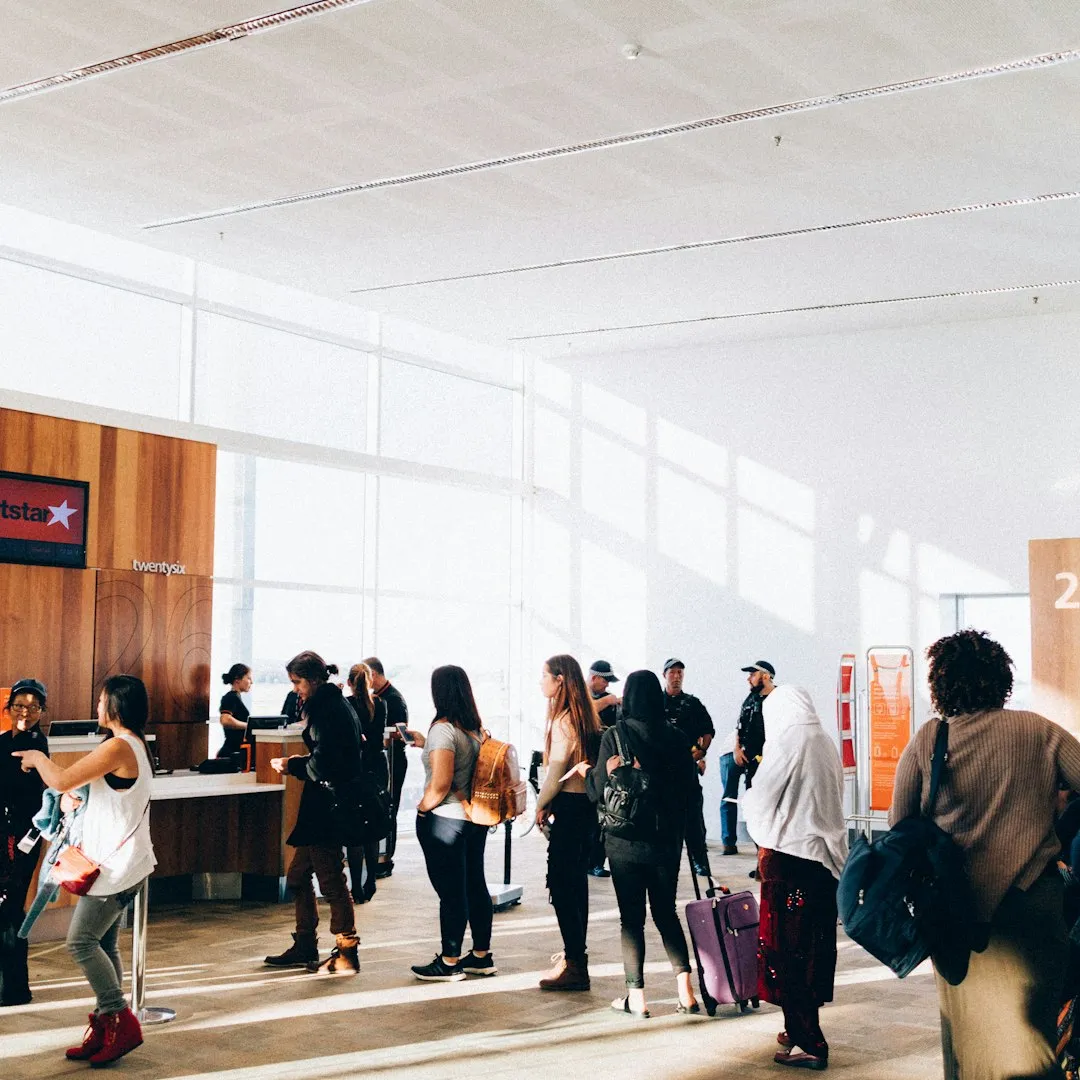
United texts customers when it’s time to board, provides a countdown-to-boarding clock via its iOS app, and has digital signs showing which boarding group has been called. The logic is straightforward: if travelers know exactly when their group will be summoned, there’s less incentive to camp out by the jet bridge just in case.
When passengers aren’t crowding the boarding lane out of anxiety, they tend to stay in their seats longer – which means gate seating stays available longer for people who genuinely need it. That’s a small but meaningful shift. Better communication reduces the urge to physically claim space prematurely.
Airports and airlines are increasingly turning to technology to ease pressure on physical processes, with IATA’s passenger research pointing to strong interest in biometric identification, mobile boarding passes, and the ability to complete formalities before arriving at the terminal. The less anxious and uninformed passengers feel, the less likely they are to use a seat, or a bag, as a territorial marker.
The Problem Is Worse at Specific Airports
John F. Kennedy International Airport in New York is notorious for long queues, delays at security, and outdated terminals. While it handles a high volume of passengers, the airport’s infrastructure struggles to keep up, leading to long waits and poor passenger flow.
Newark Liberty International Airport often deals with overcrowding, inefficiency, and frequent delays. London Heathrow Airport, despite being one of the busiest airports in the world, frequently suffers from overcrowding and delays as well. At airports like these, where the physical infrastructure hasn’t kept pace with passenger volumes, seating shortages are a structural reality – not just an etiquette problem.
When terminals are genuinely under-provisioned, the bag-on-seat habit tips from being a minor nuisance to something more serious. An elderly traveler, a parent with young children, or someone with a physical limitation may have no alternative if every available seat is claimed by someone’s roller bag.
The Social Media Effect on Passenger Behavior
Passenger shaming is a real thing on social media. Photos of bags on airport chairs, feet stretched across rows, or entire family groups sprawled across gate seating areas circulate widely, often generating strong reactions. The visibility of the behavior online hasn’t eliminated it, but it has made travelers more aware that others are watching and judging.
Many travelers feel it’s not their imagination – passengers are behaving badly, and etiquette is getting worse. Social platforms have given frustrated travelers a way to document and share these moments, which has its own complicated effect. It creates accountability in some cases, but can also escalate minor conflicts into public confrontations.
The broader conversation on social media has also surfaced the quiet counterpoint: some travelers place bags on seats out of genuine necessity, not selfishness. A traveler with a connecting flight who just ran across a terminal, for example, may need a moment to reorganize. Context matters, even if the outcome looks the same from across the gate area.
What Responsible Travelers Actually Do
To avoid contributing to gate congestion, it is recommended that travelers remain in their seats until their boarding group is called. The same principle applies to seating: bags go on the floor or in overhead storage areas, not on chairs that someone else might need.
It costs nothing to place a carry-on under the seat in front of you or between your feet while waiting at the gate. It takes almost no effort. The people who do this instinctively are often experienced travelers who have, at some point, been the person standing desperately looking for somewhere to sit.
Empathy is a simple but underrated travel skill. The gate area is shared space. Treating it that way – by keeping one seat per person free and moving bags without being asked – doesn’t require any policy, signage, or airline enforcement. It just requires a basic awareness of the people around you.
The Quiet Takeaway
Airports are not getting smaller. Passenger volumes are not coming down. Delays are, if anything, becoming more routine rather than exceptional. Travelers no longer see disruptions as a rare inconvenience but a baseline expectation. In that environment, the gate waiting area is where a lot of travel stress lands – and how people behave in that space matters more than it used to.
No law governs where someone places their bag at an airport gate. No airline employee is likely to intervene. The only thing that actually changes the behavior is a shift in how travelers think about the space they occupy and the people around them who might need it. That’s a harder fix than any policy, but it’s also the only one that actually works.
The bag on the seat is a small thing. The person left standing for an hour because of it might not find it quite so small. That gap – between the ease of the habit and the cost it passes on to someone else – is worth thinking about the next time you reach for that overhead bin and decide to skip it.
AI Disclaimer: This article was created with the assistance of AI tools and reviewed by a human editor.