

Airport parking quietly drains more travel budgets than most people realize. You plan your flights, book your hotel, compare prices on everything from carry-on bags to travel insurance, and then hand over a shocking amount of cash at the parking garage without thinking twice. It happens every trip.
For frequent flyers, this is not a minor inconvenience. It is a recurring, compounding expense that adds up across a full year of travel. The good news is that one consistent behavioral shift can cut those costs dramatically. Here is exactly what experienced travelers are doing differently.
The Real Cost of On-Airport Parking in 2026
The numbers have moved substantially in recent years. Nationwide, travelers are paying between nine and forty percent more at major hubs in 2026 compared with 2025, according to multiple rate adjustment notices issued by airport authorities. That is not a rounding error.
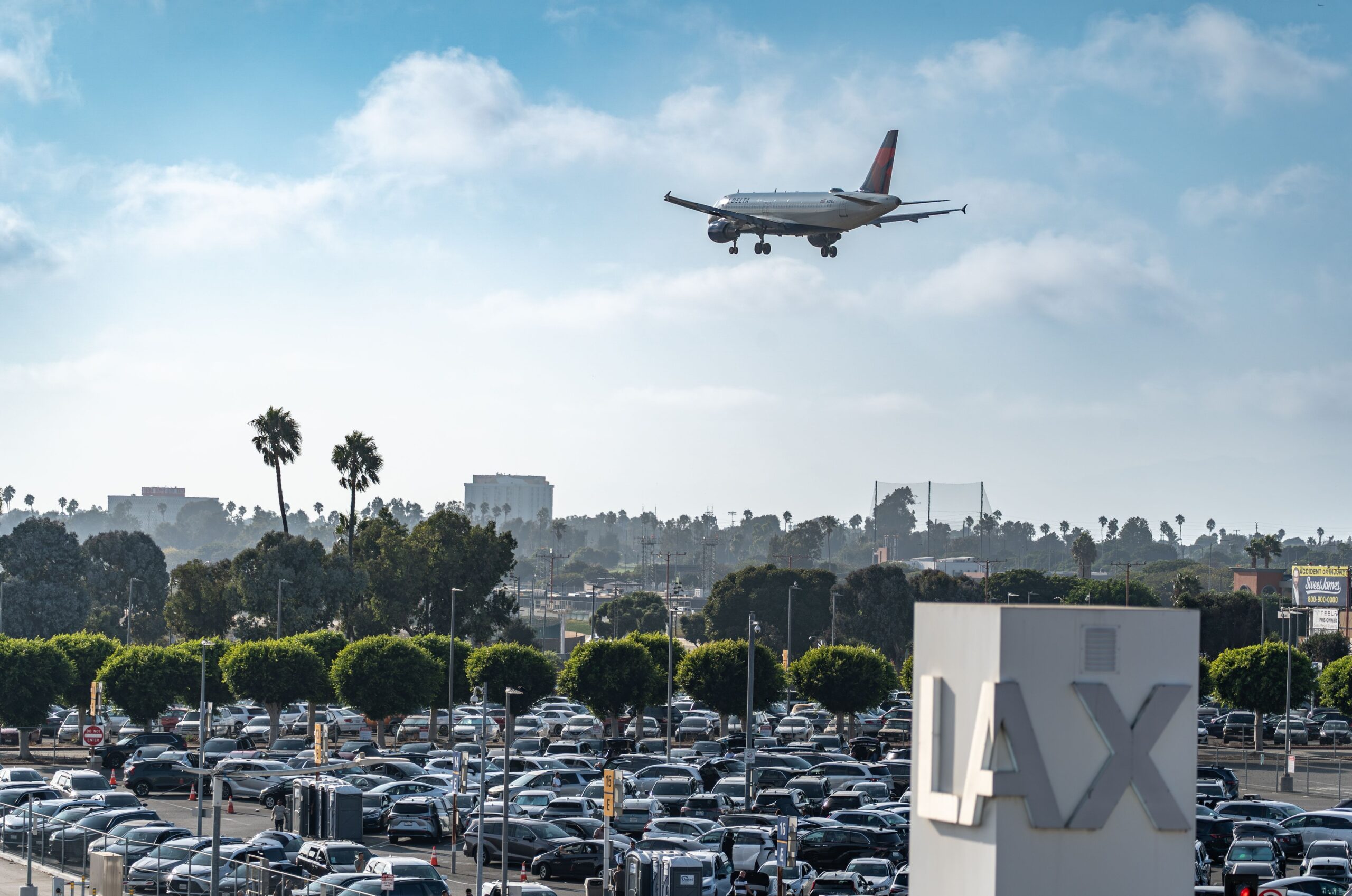
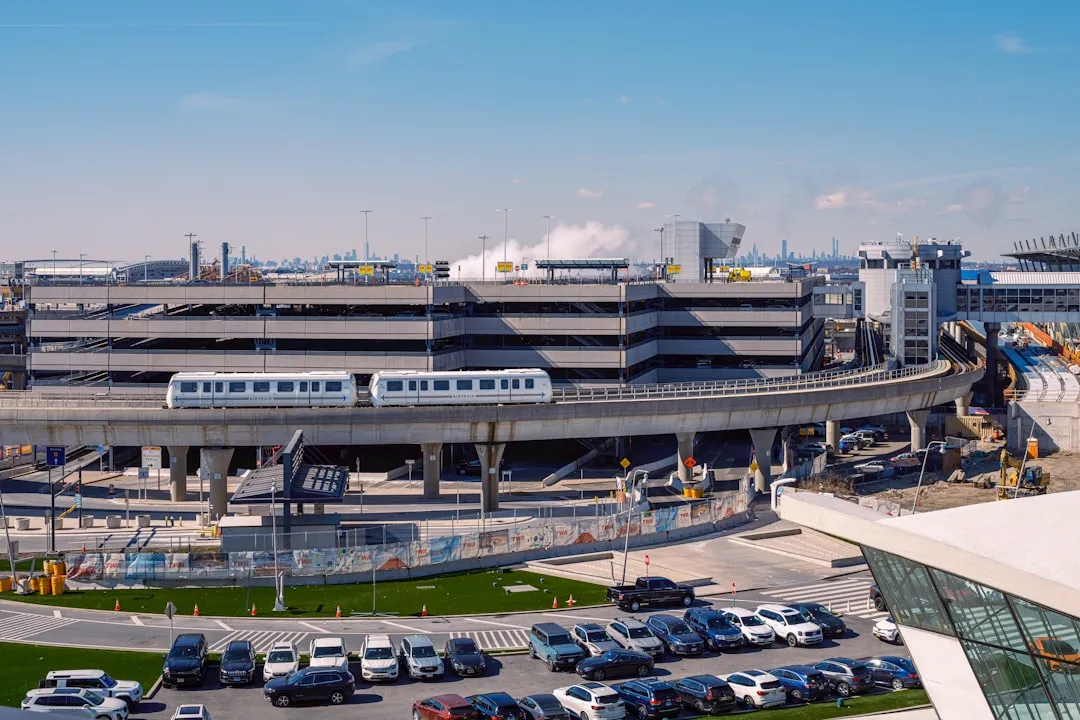
As of mid-2026, JFK and LaGuardia charge up to $70 per day, LAX runs $60 per day, SFO sits at $45 per day, and Boston Logan ranges between $40 and $60 per day. These are walk-up rates at terminal garages, which is exactly what most travelers pay when they show up without a plan.
The airport parking market was valued at $9.8 billion in 2025 and is projected to reach $14.9 billion by 2034. Much of that growth is being funded directly by travelers who have not yet changed their habits.
Why On-Site Parking Keeps Getting More Expensive
Airport parking rate increases are rarely random. At Hartsfield-Jackson in Atlanta, rates increased on May 1, 2025, the first hike since 2017, with hourly deck rates tripling from $3 per hour to $10 per hour. A single short pickup run that once cost less than ten dollars now costs thirty.
ATL raised parking rates to fund the ATLNext capital improvement program, a multi-billion dollar modernization effort that includes a $1.4 billion Concourse D widening, an International Terminal expansion, and upgrades including 275 new EV charging stations. Denver followed a similar trajectory. Airport management and shuttle operating costs at DEN rose by approximately 44.5% over three years, making rate adjustments unavoidable.
At Dallas/Fort Worth, the rate changes were tied to a $500 million plan for roadway and parking upgrades, with daily terminal parking rising from $27 to $32. The pattern holds across the country: airports are using parking revenue to fund infrastructure, and frequent travelers bear the load.
The Habit That Changes Everything: Booking Off-Site in Advance
The single most effective parking habit among experienced travelers is simple. They choose off-site lots and book them in advance, every time. On average, off-site parking can be between 30 and 60 percent lower in price than on-site options, depending on whether the lot is indoors or outdoors and what security features it includes.
Off-site lots sit a few minutes outside the airport perimeter and run free shuttles to the terminals. Because the operators do not pay airport rents or revenue share, the daily rate is dramatically lower, often 30 to 60 percent less than the on-airport equivalent. That difference is meaningful for a single trip. Across a full year of frequent travel, it becomes genuinely significant.
Companies separate from the airport only have to cover the costs of running a parking lot, which is why they can pass on significant savings while still providing convenient services. The shuttle ride, not the price, is often the only real difference.
What the Savings Actually Look Like in Real Numbers
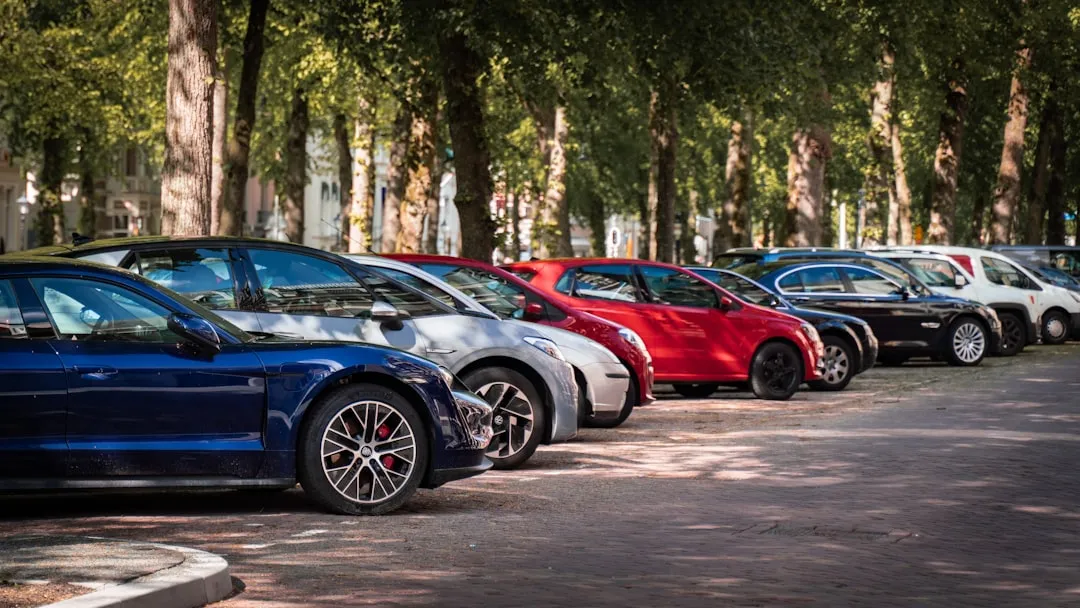
The gap between on-site and off-site parking is not theoretical. At JFK, long-term parking rates range from $10.62 per day at off-site lots to $80 per day at on-airport garages. For a seven-day international trip, off-site options cost as little as $74.34 total, while on-airport garages run $252 to $336 or more. Most international travelers save 60 to 85 percent using off-site lots with free 24/7 shuttles.
At Boston Logan, the math is similarly striking. A seven-day stay costs $322 on-site versus approximately $120 at a reputable off-site lot, a savings of over $200 for that single trip. Multiply that across ten or twelve annual trips and the annual savings become comparable to a discounted flight.
At Denver after the 2025 rate increases, a seven-day stay at the on-airport East/West Garage runs $196 total, while verified off-site alternatives like WallyPark Premier or The Parking Spot come in at $52 to $63, saving between $133 and $144 per trip.
Why Pre-Booking Multiplies the Savings Further
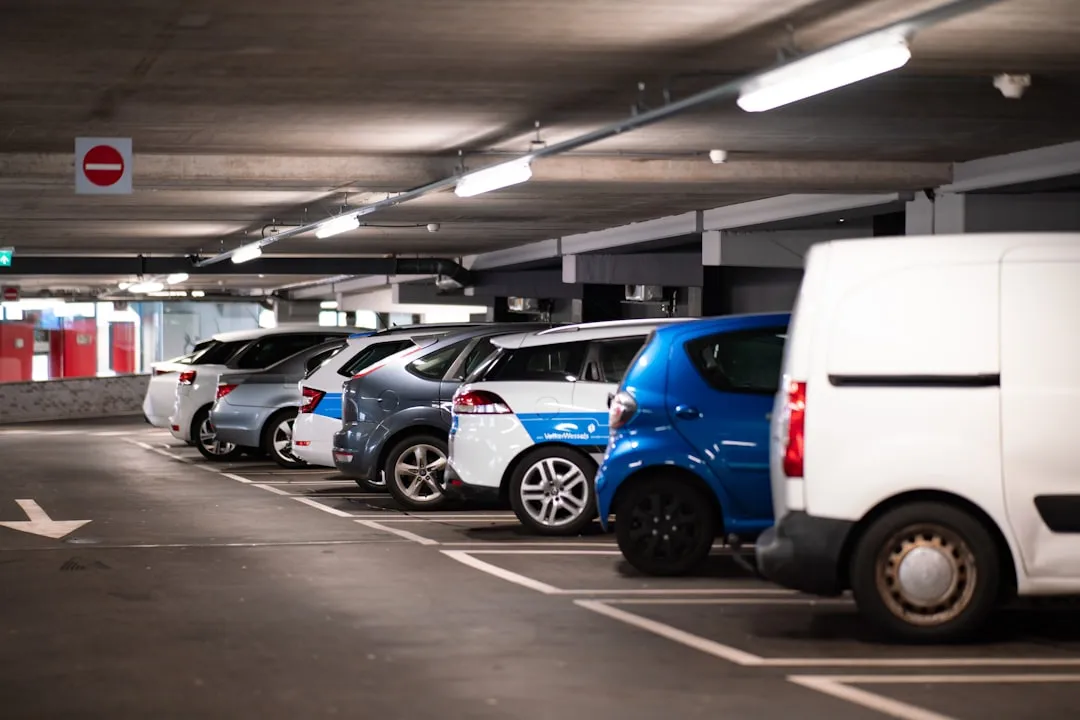
Choosing off-site is already a strong move. Pre-booking that off-site spot makes it even smarter. Booking in advance is almost always the cheapest option. Many airports offer 10 to 20 percent online discounts, and off-airport lots reserve their lowest rates for pre-booked customers. Drive-up rates can be twice as high.
Booking at least seven days in advance consistently unlocks the lowest pre-paid rates at off-site lots. Same-day or walk-up rates are often 20 to 30 percent higher, and during peak travel periods, lots can sell out entirely. That last point matters as much as the price itself. Running late to a sold-out lot is a stressful situation that advance booking eliminates completely.
Online pre-booking typically saves between 15 and 30 percent at off-site lots, and choosing an off-site lot over a covered on-airport garage saves 46 to 68 percent before any additional discounts are applied. Combining both strategies delivers the best result.
The Shuttle Equation: Is the Trade-Off Worth It?
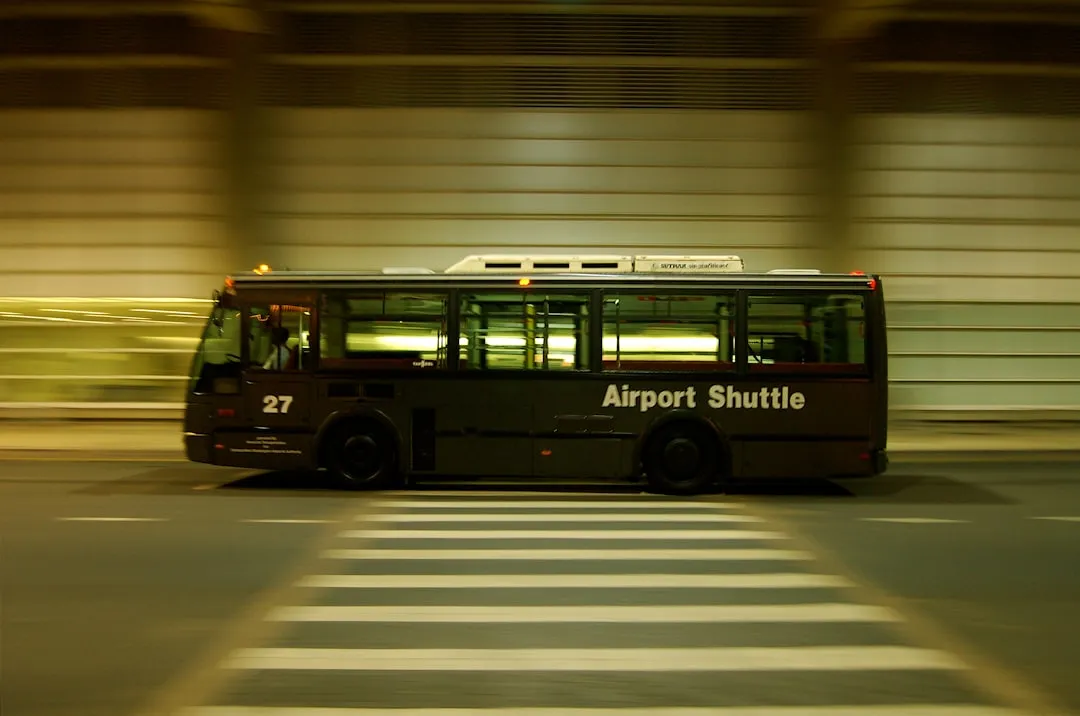
The most common hesitation about off-site parking is the shuttle. It feels like added friction, and for a very short or urgent trip, it genuinely can be. For trips of two or more days, off-site parking is usually the cheapest option that still gets you to the terminal in 10 to 15 minutes.
The shuttle ride adds 10 to 15 minutes on each end, which is trivial against the cost savings on stays of three or more days, and still a clear win on two-day trips at most airports. Most frequent flyers who make the switch report that the shuttle quickly becomes routine rather than burdensome.
Off-site lots near the airport often offer shuttles that run every 5 to 10 minutes, and they can be 30 to 50 percent cheaper than official airport garages. At that frequency, the shuttle wait barely registers against the time already spent at check-in or security.
How Dynamic Pricing Is Reshaping the Calculation

Airport parking is no longer a static pricing environment. U.S. airports are increasingly adopting dynamic pricing algorithms that maximize occupancy rates while responding to real-time demand fluctuations. This means walk-up rates at popular on-site garages can spike significantly during peak periods, holidays, and major events.
Technology adoption is particularly high in short-term parking segments, with roughly seven in ten bookings now occurring through mobile platforms. That shift benefits travelers who engage with these tools early. Pre-booking locks in a rate before demand drives prices up.
The same dynamic pricing logic that hurts last-minute on-site parkers actually works in favor of those who reserve off-site spots well ahead of their travel dates. Locking in a rate seven to fourteen days out protects against surge pricing at both on-site garages and off-site competitors during busy seasons.
Loyalty Programs and Stacking Discounts
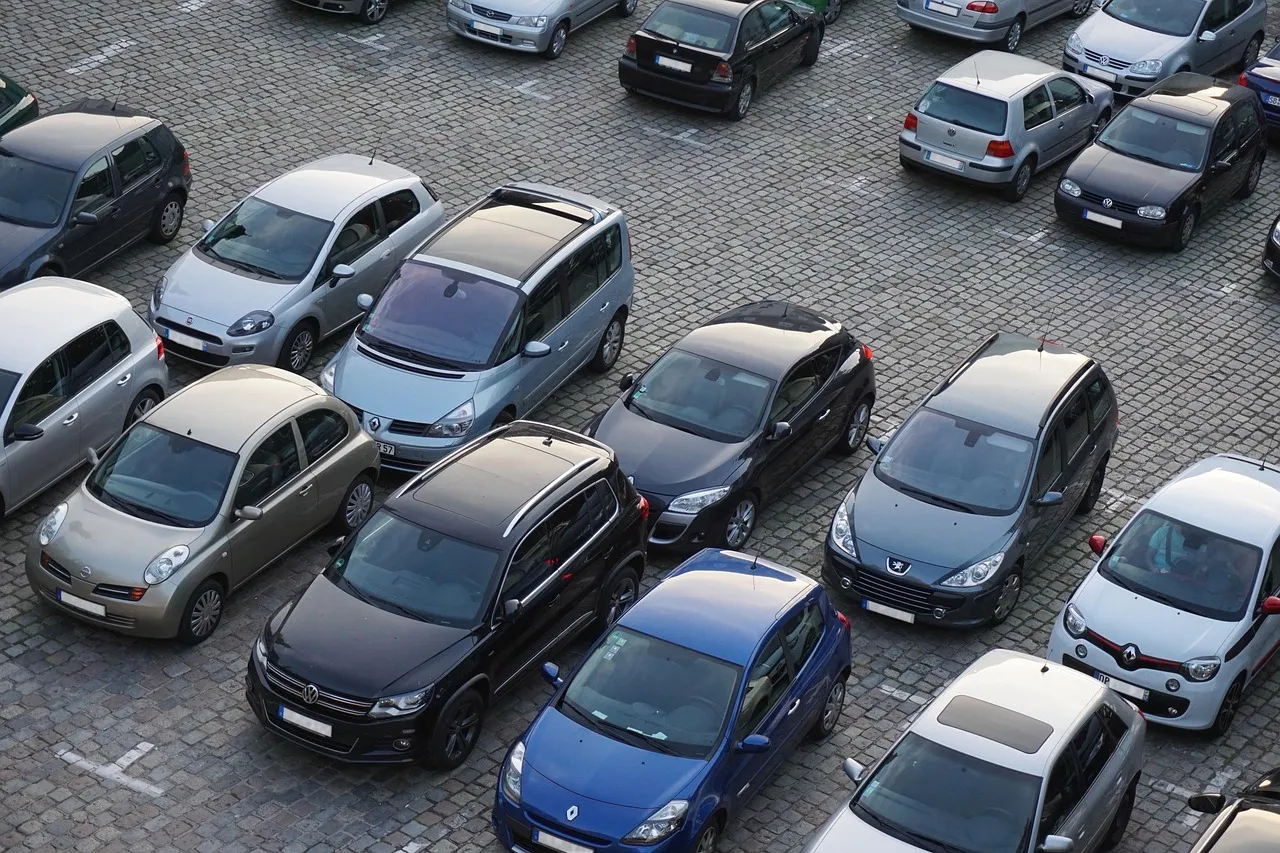
Frequent flyers are well acquainted with loyalty points on airlines and hotels. The same logic applies to parking, though far fewer travelers take advantage of it. The integration of mobile payment systems and loyalty programs is enhancing customer retention, with repeat parkers representing well over half of total bookings at many facilities.
From pre-booking discounts to loyalty rewards, AAA savings, and military rates, there are multiple ways to reduce an airport parking bill at a single location. Stacking these is where regular travelers gain an edge that occasional visitors simply do not have access to.
Stacking discounts, combining a promo code with early booking and loyalty points, is the fastest way to maximize savings. For someone parking twice a month, that stacking habit compounds into a meaningful annual sum.
What the Airports With the Highest Rates Tell Us
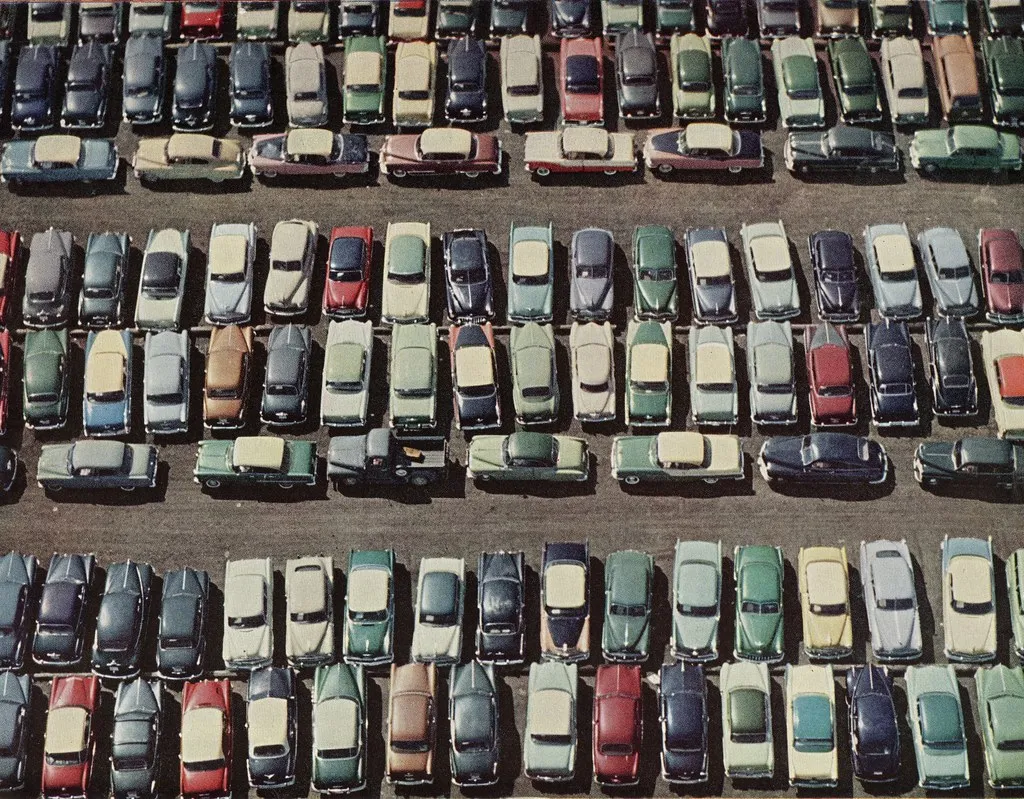
The most expensive airports also happen to be the ones where off-site savings are largest in absolute dollar terms. A week at JFK on-site costs between $350 and $560. The same week at an off-site lot runs $56 to $105. That is over $250 back in a traveler’s pocket from a single trip.
At Chicago O’Hare, daily garage rates reach $42 per day on-site, while off-site options start considerably lower, with typical savings of 50 to 70 percent. LAX follows a similar pattern. By choosing off-airport parking, booking in advance, and using a trusted comparison tool, travelers can consistently pay 60 to 80 percent less than drive-up on-airport rates.
The cities with the highest on-site parking costs, New York, Los Angeles, San Francisco, Chicago, are also where the habit of booking off-site in advance pays off the most. The higher the baseline rate, the greater the savings from switching.
Making the Habit Stick: Practical Steps for Every Trip
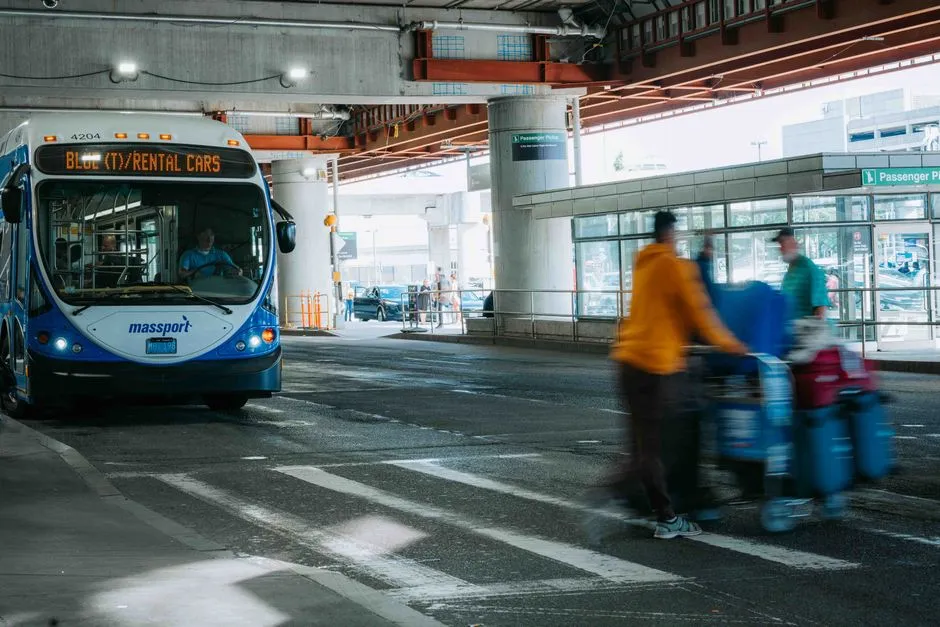
Habits form when the behavior is easy and the reward is consistent. For airport parking, the practical routine is straightforward. Strategies that reduce daily airport parking costs include booking in advance, using off-site lots with a shuttle, and comparing weekly or bundled rates. Running that comparison takes a few minutes and pays off immediately.
Off-site lots are more likely to have available spaces, even during busy travel periods. That availability is a practical advantage beyond just cost, particularly for travelers who book flights at short notice. Knowing a confirmed spot is waiting removes an entire category of pre-travel stress.
All major off-site lots include free 24/7 shuttles, so the only real trade-off is a 10 to 20 minute shuttle ride each way. For most trips, that trade-off is reasonable. The travelers who build this into every booking process, treating it as automatic rather than optional, are the ones who accumulate the most meaningful savings over time.
The Bigger Picture: What You Actually Save in a Year
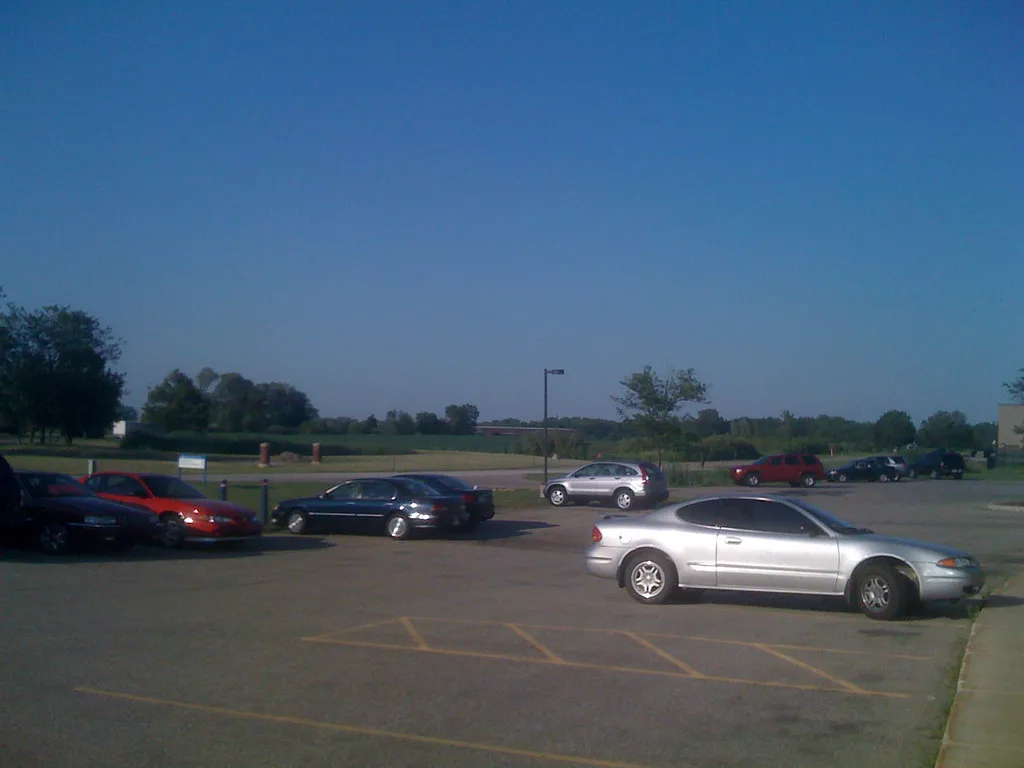
Consider a traveler flying out of a major hub ten times a year for trips averaging five to seven days. At a mid-tier on-site garage, they might spend $150 to $250 per trip on parking alone. That is a potential annual parking spend of $1,500 to $2,500 before any other travel costs.
Shifting to pre-booked off-site parking at the same airports cuts that figure by half or more based on current verified rates. Rates at off-site facilities are typically 50 to 70 percent lower than on-site garages. Over a full year, the compounding effect of that consistent choice can fund an entire additional trip.
For a family heading on a two-week vacation, the cost savings from an off-site lot or a smart alternative could fund an extra day of activities. That framing applies equally to solo frequent flyers. Every trip where you park smarter is money redirected toward the travel itself.
One Small Decision, Repeated Consistently
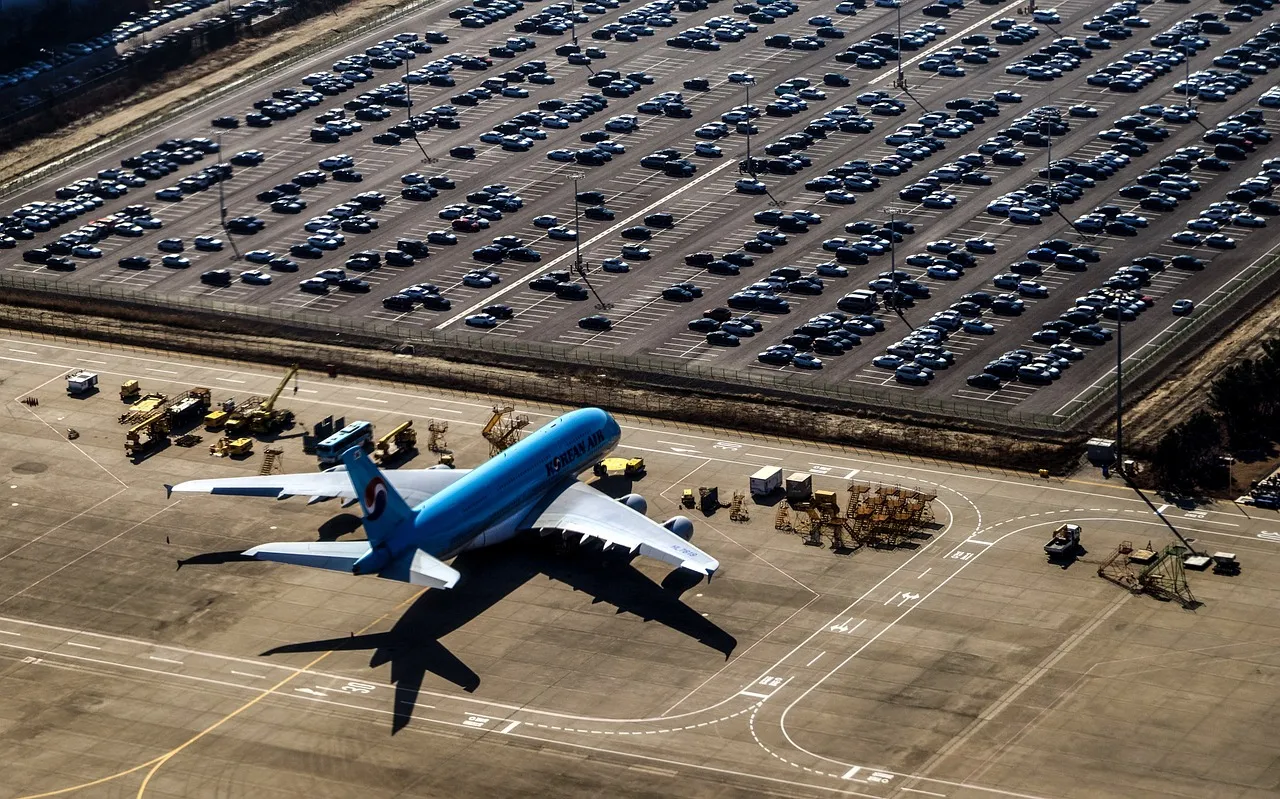
The habit that saves frequent flyers real money is not a secret hack or a complicated system. It is one decision, made the same way every time: book off-site, book early, and do not pay the walk-up rate.
The travelers who do this consistently do not think of it as saving money anymore. They just think of it as how parking works. The on-site garage becomes the option you use when you genuinely have no time to plan, not the default.
In a travel environment where nearly every cost is rising, airport parking is one of the few categories where a simple behavioral shift delivers immediate, measurable, and repeatable savings. That is a rare thing. It is worth keeping the habit.
AI Disclaimer: This article was created with the assistance of AI tools and reviewed by a human editor.