
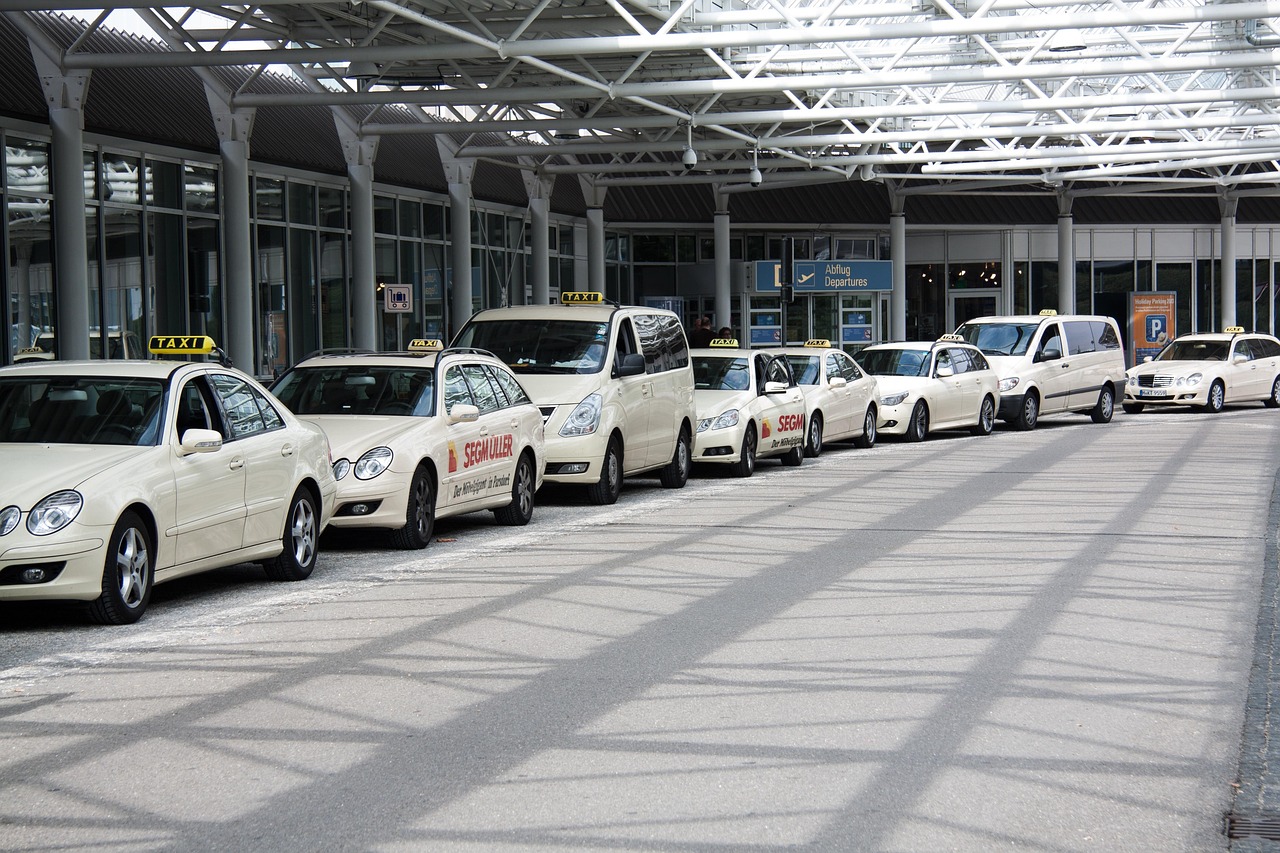

Airports are designed to feel orderly. The uniformed staff, the official signage, the layered security checkpoints – all of it projects a sense of controlled authority. That structure, ironically, is exactly what con artists exploit. The uniforms, the signage, the security checkpoints – everything is designed to project order and authority. That sense of structure is exactly what scammers exploit.
The Federal Trade Commission reports Americans still lost over $274 million to travel-related scams in a recent year, with the average victim losing nearly $1,000. That’s not a rounding error. It’s a deliberate, highly organized problem that has grown more sophisticated with every passing travel season. Here’s what’s actually happening, scam by scam.
The Fake Taxi Driver – An Old Trick That Still Works
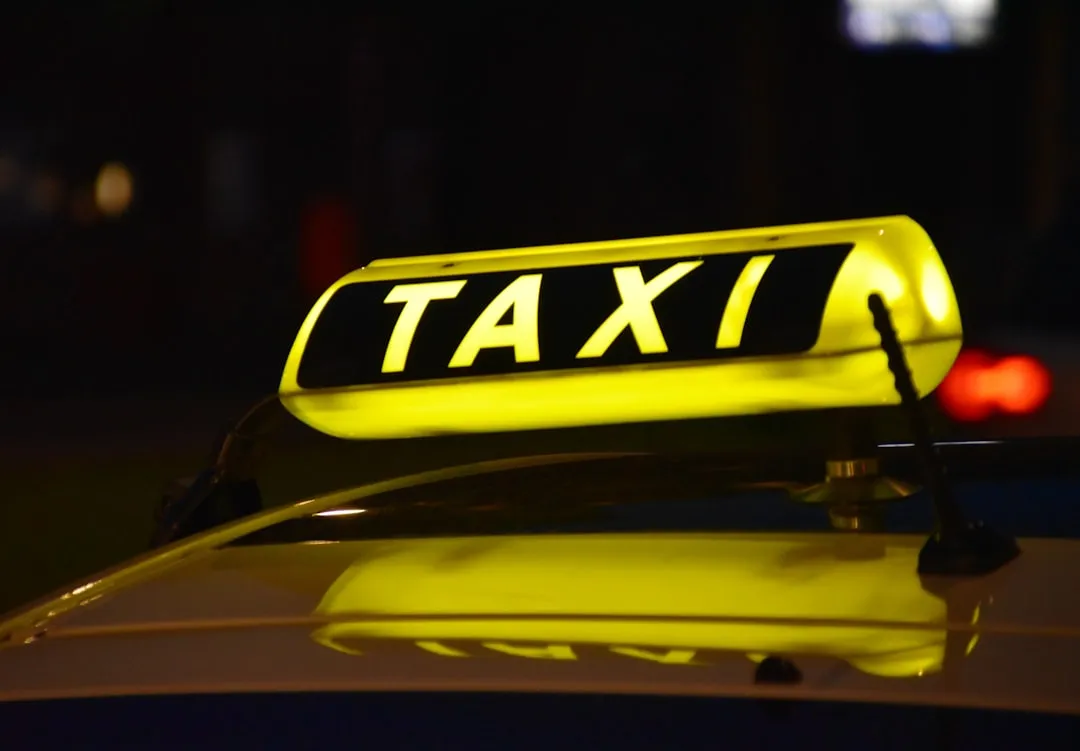
You land, you’re exhausted, you collect your bags, and a friendly person approaches holding a sign with your name on it. It feels completely normal. Unlicensed drivers approach travelers in the airport and often cost victims far more than legitimate services. These scammers prey on jet-lagged passengers who don’t know local taxi rates or haven’t researched transportation options.
At Paris Charles de Gaulle Airport, one traveler was charged 360 euros for a ride that should have cost only 55 to 60 euros flat rate. That’s more than six times the legitimate fare. At airports, train stations, or popular tourist hubs, fake taxi drivers approach travelers directly, often with convincing IDs or uniforms. They either demand inflated fares mid-ride or take deliberately long routes.
In global hotspots like Jakarta, Bangkok, and London, a significant share of travel scam cases involve taxi overcharging or fake ride shares. The fix is straightforward: use official taxi stands or pre-booked ride-hailing apps, and always confirm the fare before you get in the car.
The “Broken Meter” Con – Where the Fare Doubles Without Warning
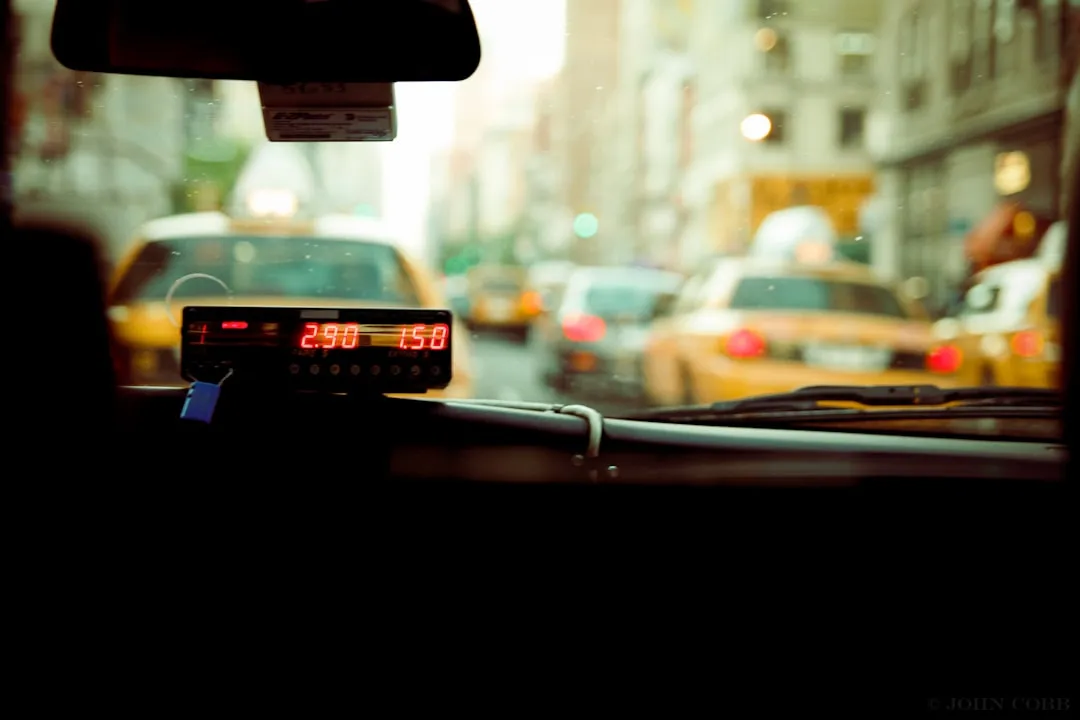
This is one of the oldest tricks in the book. A driver claims the meter isn’t working and suggests a flat fare instead. That fare is usually two to three times the standard rate. Because you’re unfamiliar with local pricing, it sounds almost reasonable – until you arrive and realize what just happened.
Suddenly, there’s a “luggage fee,” “night fee,” or “airport pick-up surcharge” added at the end of the ride. Most are fabricated and not regulated. These invented charges are presented with total confidence, and most tired travelers don’t push back. Most travelers avoid causing a scene in a foreign country. If they suspect something amiss mid-ride, they often stay quiet to avoid making a mistake or appearing rude. Scammers rely on this silence to complete their ploy.
The Fake Hotel Redirection – When Your Accommodation “Disappears”
The driver claims your hotel is shut down, full, or unsafe, then offers to take you to a “friend’s” place. It’s usually an overpriced hotel where they receive a commission. It’s a remarkably well-constructed con because it exploits a traveler’s genuine fear of being stranded in an unfamiliar city.
Some taxi drivers might be working on commission for a hotel in resorts and cities and may try to convince you that your hotel has closed or changed location. They may also try to give you another option, which is likely to be a dingy backstreet, inflated, or middle-of-nowhere operation.
The defense is simple but worth remembering: show the driver proof of your confirmed reservation, or better still, call your hotel directly the moment the story sounds off. Never rely on a driver for accommodation advice.
The Evil Twin WiFi Network – Your Data, Gone in Minutes
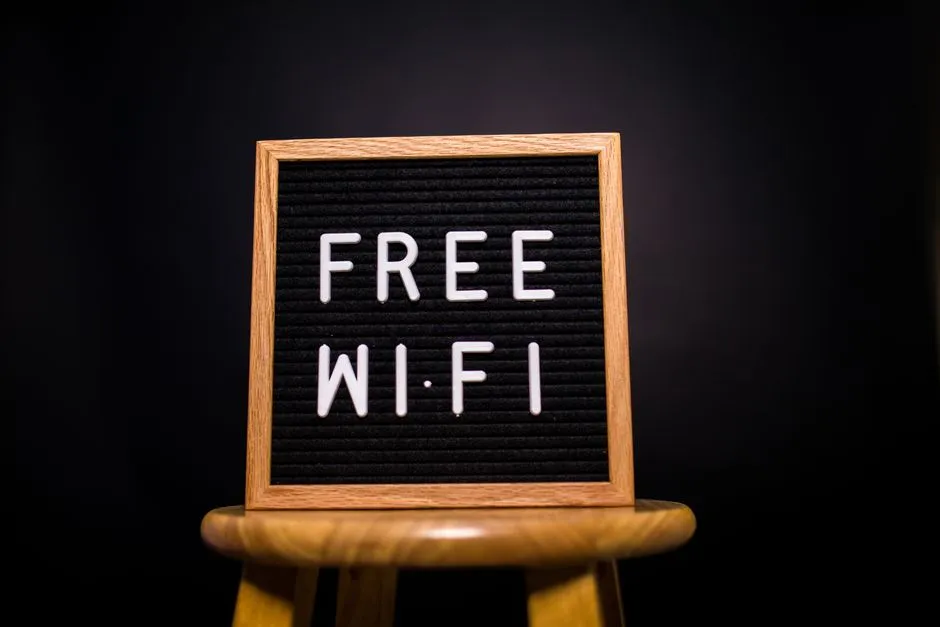
Most travelers connect to airport WiFi without a second thought. One of the most dangerous digital airport scams involves fake free WiFi connections. Scammers create look-alike networks that resemble official airport WiFi. Once connected, your personal details, passwords, or payment information can be exposed.
The US Transportation Security Administration (TSA) has issued an urgent warning over fears scammers are using fake airport WiFi networks to steal from travelers. The mechanics are alarming. Scammers will set up networks which appear legitimate, often named after an airline or the airport. Once the victim connects, the attacker can carry out a “man-in-the-middle” attack, intercepting all data a phone user submits, including sensitive credit card information.
An Australian man was sentenced to over seven years in prison after operating evil twin WiFi networks on domestic flights and in major airports to steal travelers’ social media credentials. The safest move is to use your personal mobile data hotspot and avoid public airport WiFi entirely when accessing anything sensitive.
Juice Jacking – The Danger Hiding in USB Charging Ports
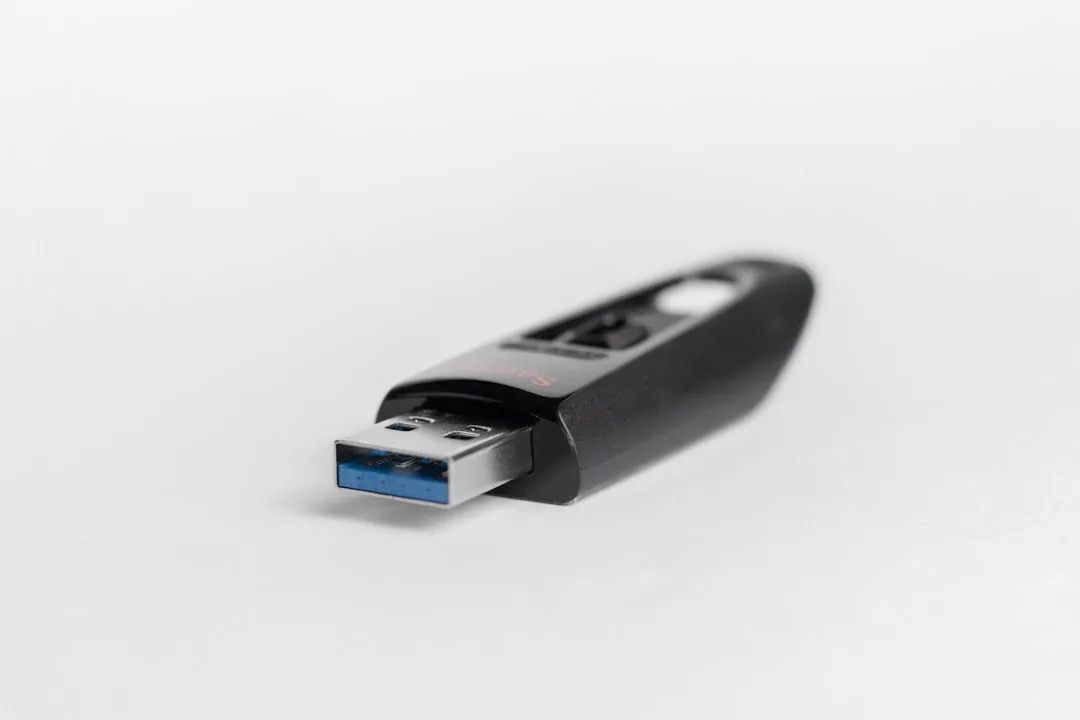
Your phone battery is at four percent, your gate is boarding in twenty minutes, and you spot a free USB charging station. Known as “juice jacking,” criminals install malware on public USB charging stations, and once a user plugs in their phone, the compromised port can silently send malware or extract data from the device.
The TSA warning also extended to USB charging stations in airports which can be tampered with to steal the user’s information. The risk is real enough that federal agencies have publicly flagged it. TSA advises travelers to use their own wall adapters or power banks when traveling to avoid using an untrusted USB connection. A small portable power bank costs very little and removes this risk entirely.
QR Code Phishing (“Quishing”) – One Scan Can Cost You Everything
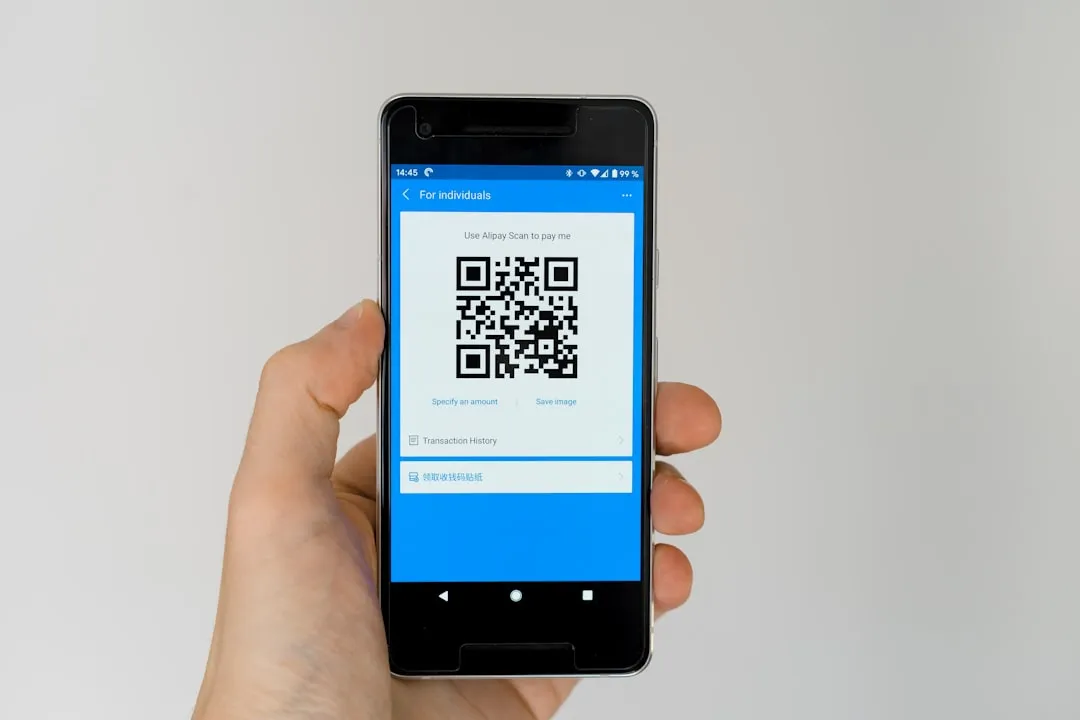
QR codes are everywhere in modern airports: parking payment kiosks, restaurant menus, departure information boards. In airport scams such as QR code phishing, also known as “quishing,” thieves place malicious QR codes in public places or send them through email, text, or mail. When scanned, these fake codes direct you to fraudulent websites that can steal your personal information, install malware, or redirect payments.
Airports love QR codes for quick access to flight info, menus, or maps. If a scammer replaces an official QR code with their own, it could redirect you to a scam site. One quick scan and you may unknowingly hand over your booking number, passport info, or banking credentials.
Scammers often cover legitimate QR codes with fake stickers. These can be detected by touch, according to James Lee, chief operating officer of the Identity Theft Resource Centre. He advises running your finger over the code; if it feels raised or out of place, it might be a scam.
The Airport Currency Exchange Trap – “No Commission” Means Something Else
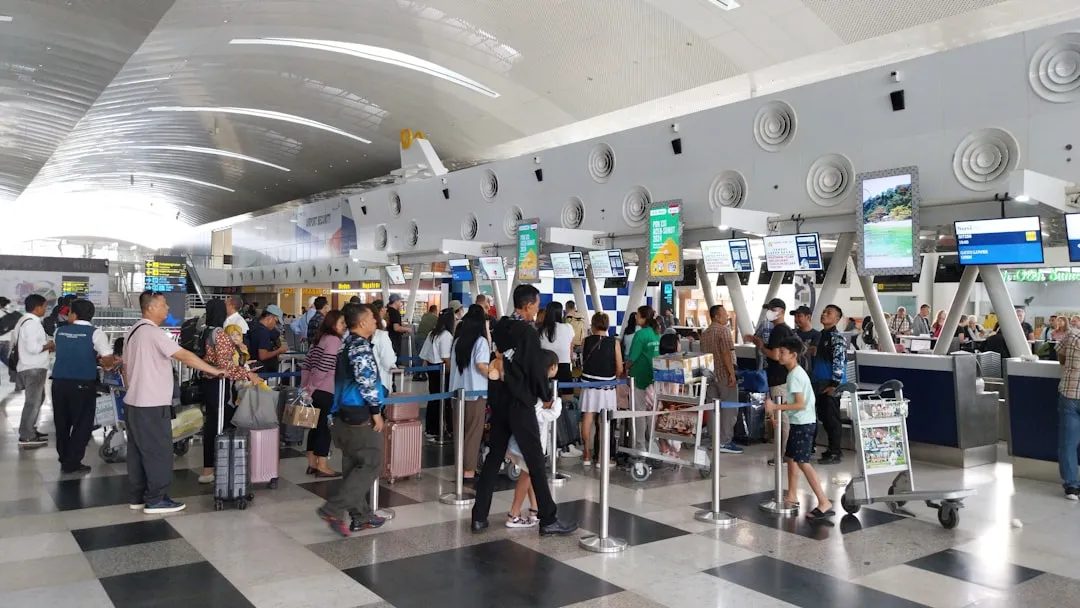
Landing in a new country and needing local cash immediately is one of the most predictable moments of any trip. Scammers and exploitative exchange booths alike know this. Currency exchange kiosks in airports advertise “no commission” but offer terrible exchange rates, sometimes far above the market rate.
NerdWallet’s review of airport exchange counters found that these booths commonly charge around 14% above the International Monetary Fund reference rate, with some premiums exceeding 17%. On a significant currency exchange, that margin translates to a very real loss. In major tourist destinations, fake currency exchange counters offer special rates to attract unsuspecting travelers. Victims often receive counterfeit bills, get shortchanged, or face hidden fees that weren’t disclosed upfront.
The practical advice: exchange only a small amount at the airport for immediate needs, then use a local bank ATM for the rest. Always check the live mid-market rate on your phone before handing over any cash.
Fake Airline Customer Service Scams – Losing Thousands on a Phone Call

This one is growing fast and it’s particularly cruel because it targets travelers at their most stressed. The Federal Trade Commission has warned travelers about airline impersonators, especially on social media. In those scams, impostors monitor public complaints from stranded travelers, then they impersonate airline customer service representatives and request personal information or payment details.
A higher-profile United case was reported by ABC News in 2025. In that case, Denver traveler Dan Smoker said he lost $17,000 while trying to rebook a United trip after a cancellation. Smoker said he called what he believed was United’s real customer service number, was put on hold, and then spoke with someone he later said was a scammer.
The Washington Post reported in 2025 that a traveler looking for a customer service number through Google’s AI Overviews reached an impostor posing as Royal Caribbean. The story described how fake numbers can spread through online posts, business listings, and AI-generated answers that appear credible even when they aren’t. The lesson: always navigate directly to an airline’s official app or verified website before calling anyone.
Frequent Flyer Miles Theft – Years of Points, Gone Overnight
Most travelers guard their bank accounts closely but barely glance at their airline loyalty balances. Most people check their bank accounts daily but their airline miles balance once or twice a year. A thief can drain an account months before the victim notices.
According to the Loyalty Security Association, nearly three quarters of loyalty program managers have experienced issues related to fraud. Research from the LSA found that roughly one percent of redeemed frequent flyer miles are fraudulent, representing a $3.1 billion problem globally. That’s a staggering number for something most people treat as an afterthought.
Loyalty fraud is on the rise, costing over $1 billion annually for large travel and hospitality companies. One of the many challenges is that nearly half of loyalty program accounts are inactive or infrequently used, and this opens the door for fraudsters to take over accounts and redeem points. Setting up two-factor authentication on your frequent flyer account and checking your balance regularly are among the most effective protections available.
The Boarding Pass and Luggage Barcode Scam – Your Data Is on That Tag
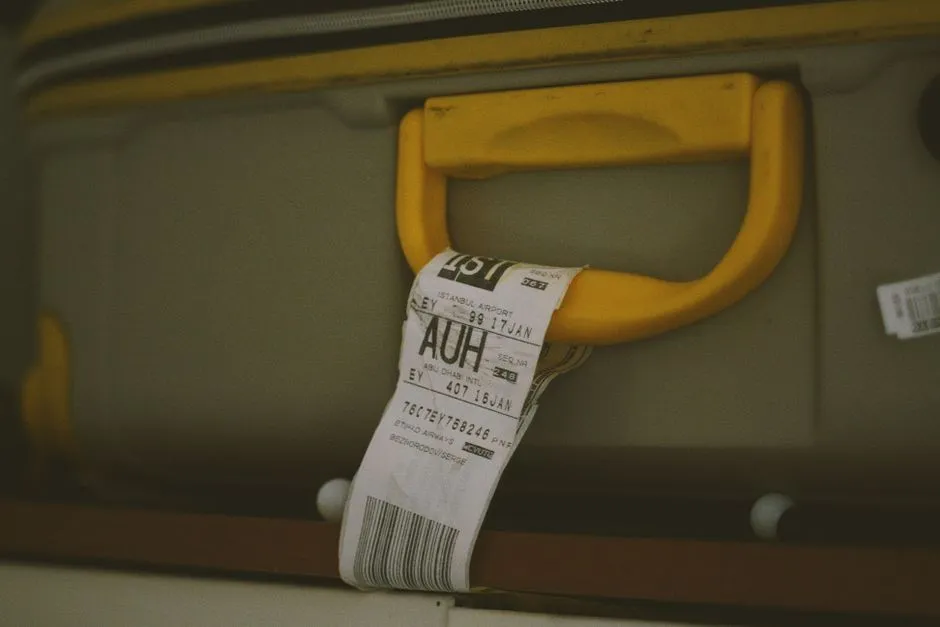
That boarding pass photo you casually posted on social media before your flight? It may carry more information than you realize. Scammers scan luggage barcodes or boarding pass QR codes to pull names, itineraries, or frequent flyer info, then send fake “lost bag” texts that lead to phishing links.
QR codes offer quick access to online resources such as parking payment and restaurant menus. In airport scams such as QR code phishing, thieves place malicious QR codes in public places or send them through email, text, or mail. When scanned, these fake codes direct you to fraudulent websites that can steal your personal information, install malware, or redirect payments.
Criminals can use your shared details to create counterfeit documents. Experts advise travelers to keep travel documents secure, avoid oversharing on social media, and dispose of used documents at home rather than at the airport. A used luggage tag tossed in an airport bin still carries your full itinerary. That’s worth remembering next time.
The Scale of It All – Why This Keeps Getting Worse

According to an analysis of 1,500 reported travel scams, Americans lost $2.6 million between April 2024 and April 2025. The most common scam category is airline and flights, occurring 580 times in that twelve-month period alone. Those are only the reported cases. The true figure is likely considerably higher.
It is projected that approximately 13.5 million travelers could fall victim to scams in 2025. Financial losses due to travel scams are predicted to reach approximately $11.5 billion in 2024 and $13 billion in 2025. Meanwhile, scammers have gotten smarter, using everything from counterfeit badges to AI-generated phishing texts to separate travelers from their money.
Peak travel seasons make it worse, with fraud surging up to 28% during holidays and the summer rush. The environment itself works against travelers: noise, fatigue, unfamiliar surroundings, and the pressure of catching a connection create exactly the conditions scammers need to operate.
What to Actually Do – Practical Protection Before You Land
Awareness is genuinely the most powerful defense here. The Federal Trade Commission reports Americans lost over $274 million to travel-related scams in a recent year, with the average victim losing nearly $1,000. What makes airport scams so effective is timing – you’re tired, disoriented, and operating on autopilot. Knowing that in advance changes how you respond.
A few concrete habits reduce risk significantly. Pre-book all airport transfers before departure. Always use official taxi stands, ride-hailing apps like Uber, Grab, or Bolt, or pre-book airport transfers. Confirm the fare before entering the car and insist on the meter. For digital safety, use your mobile hotspot instead of public WiFi, carry your own USB wall adapter, and never call a phone number you found through a search engine when you’re trying to reach an airline.
Visa has observed an uptick in sophisticated, travel-related scams where well-known travel providers are convincingly impersonated, and according to a McAfee Travel Report, one in five Americans has fallen victim to a travel scam. Artificial intelligence has made it easier to be duped by fake websites, calls, emails, and texts. The technology behind these scams is advancing quickly, which means the old advice – “just be careful” – no longer covers it. Specific habits, rehearsed in advance, are what actually work.
The Takeaway
Airport scams succeed not because travelers are naive, but because they are deliberately targeted at the moments of greatest vulnerability: the last stretch of a long overnight flight, the frantic scramble to rebook a canceled connection, the simple need to find a taxi in an unfamiliar terminal. These are universal experiences, not personal failings.
The scams documented here are well-established, well-funded, and increasingly technology-driven. The International Air Transport Association estimates that airlines lose at least one billion dollars annually to payment fraud alone. The individual human cost, measured in thousands of dollars per victim, is just as significant.
The gap between a traveler who gets scammed and one who doesn’t often comes down to a single moment of preparation made before leaving home. Research your destination’s official taxi services. Lock down your loyalty accounts. Never plug into a public USB port. It takes minutes, and those minutes are the difference between a smooth arrival and a very expensive lesson.
AI Disclaimer: This article was created with the assistance of AI tools and reviewed by a human editor.