

The Crisis That Started It All: Nome’s Diphtheria Epidemic of 1925

In January 1925, an outbreak of diphtheria threatened to wipe out the town of Nome, Alaska, sparking fears that an epidemic would spread and kill thousands if antitoxin medicine was not supplied. The town was icebound and unreachable by sea, and the nearest supply of serum sat roughly 674 miles away in Nenana.
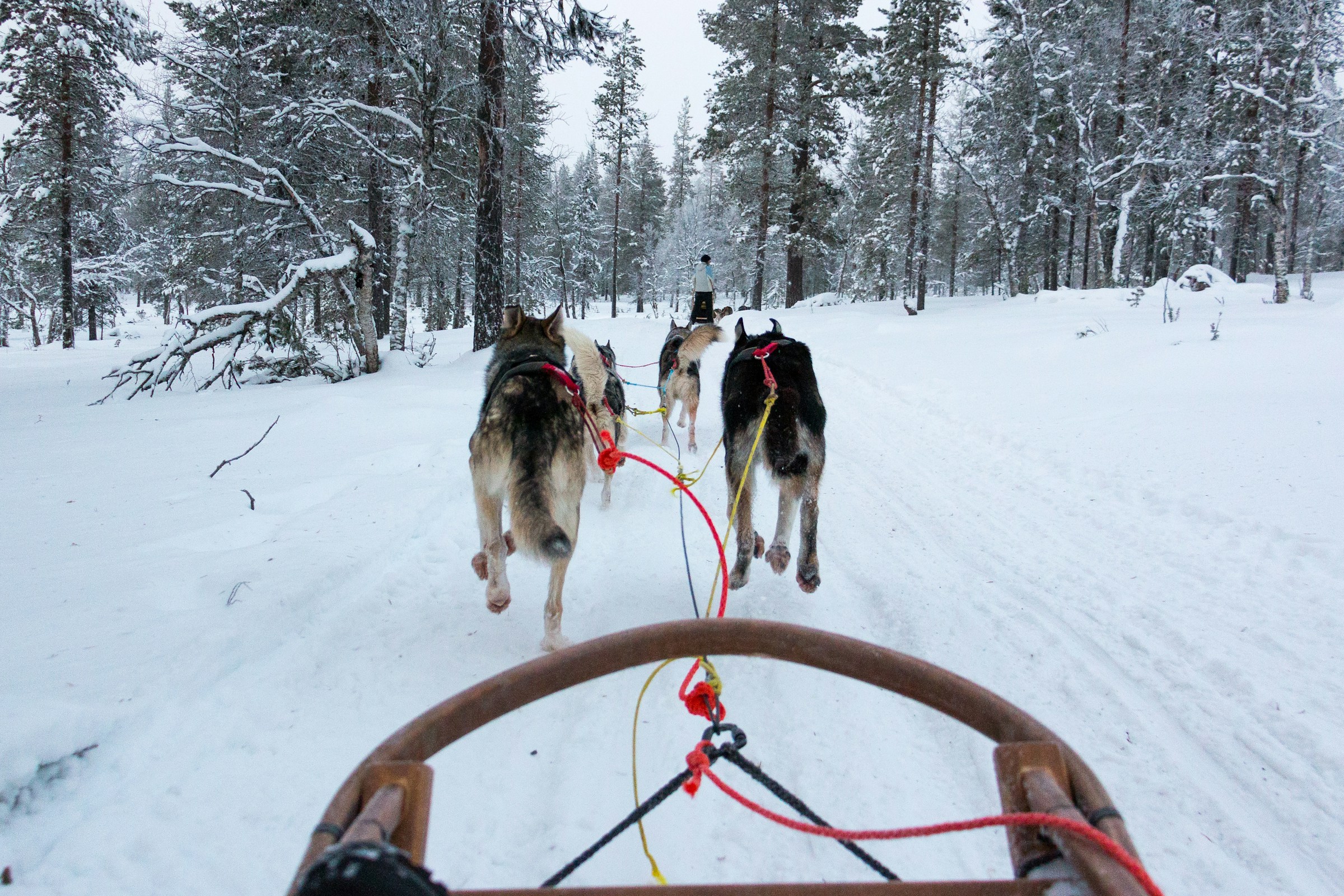
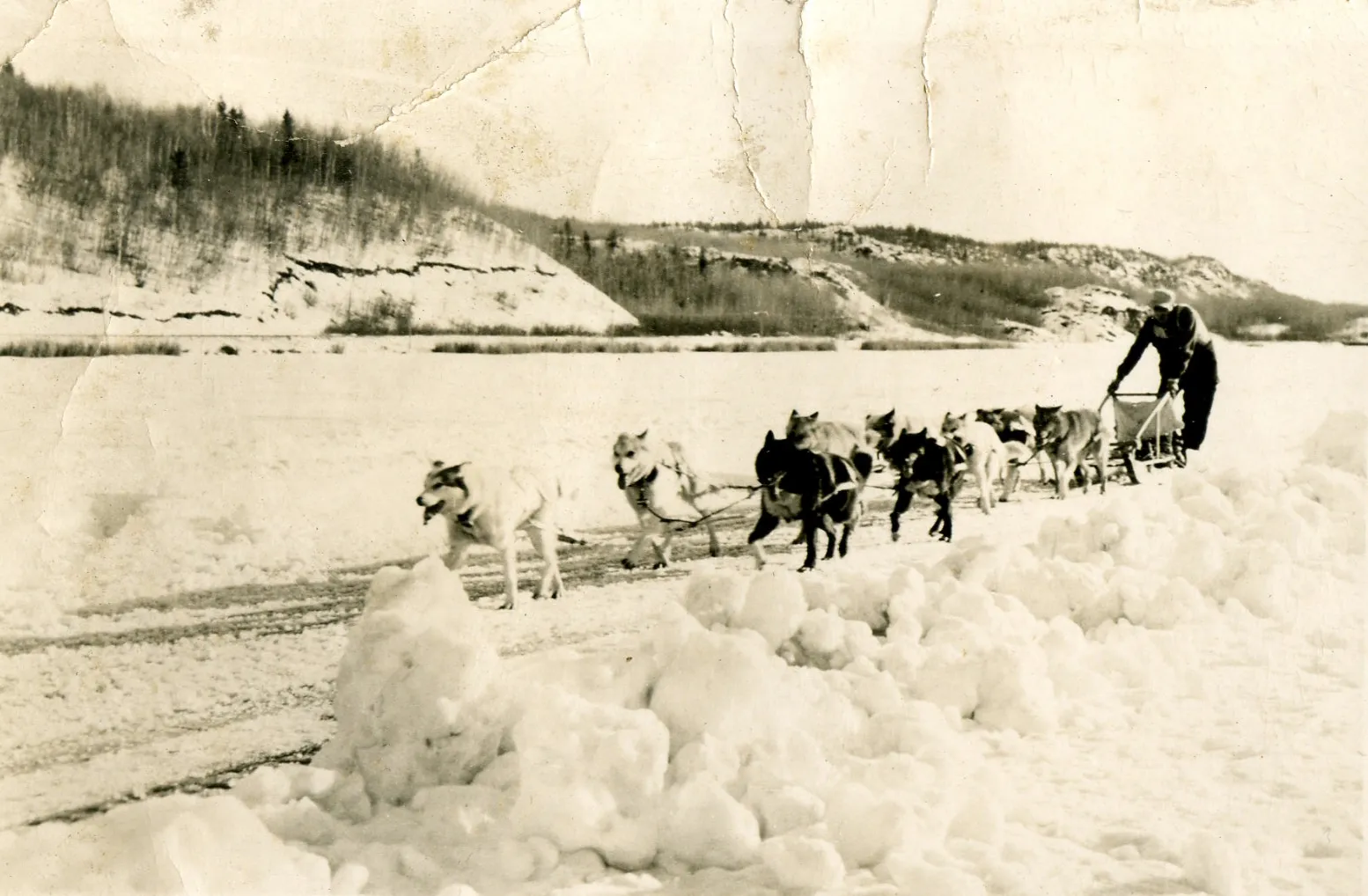
It was too cold for planes, which were open cockpits in those days, to travel to Nome with the serum. Sled dogs were brought out of near retirement when all other transportation routes failed to deliver the much-needed serum to Nome’s sick and dying children, including air transport and railway.
The scale of the emergency forced Alaska’s leaders to mobilize a relay system almost overnight. What they set in motion would become one of the most celebrated rescue missions in North American history.
The Relay: 20 Mushers, 150 Dogs, 127 Hours
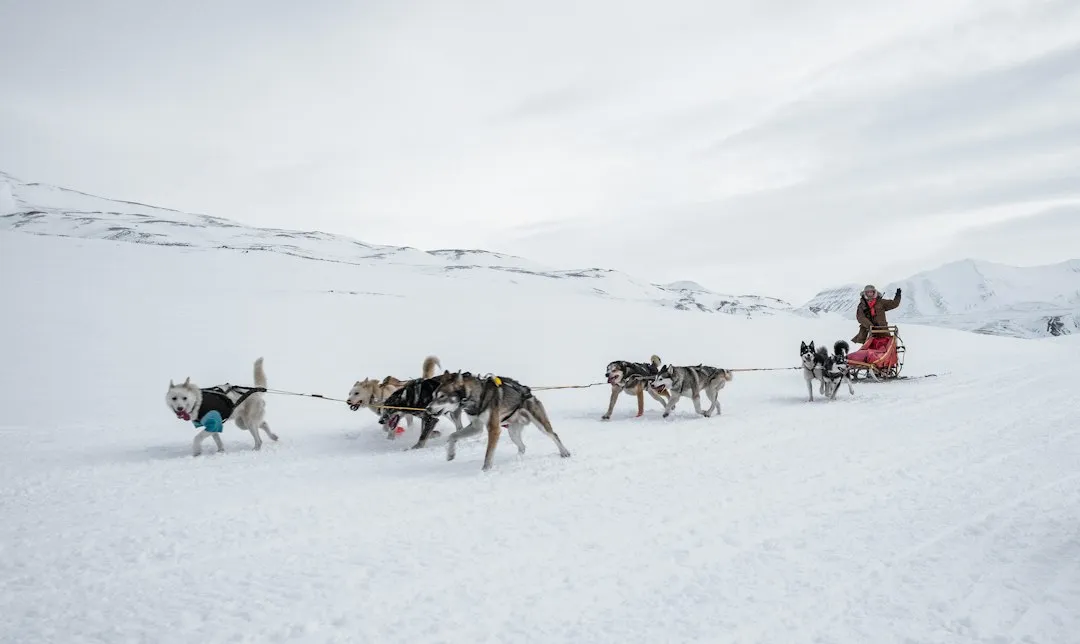
Mushers and sled dogs endured temperatures circling -80 degrees Fahrenheit, with complete whiteout conditions and unstable ice crossings. Against all odds, and through the work of 20 mushers, two-thirds of them Indigenous Peoples, and 150 sled dogs, the Serum Run was successful in delivering antitoxins to treat the sick children of the 10,000-person town.
A heroic relay of dog teams transported the antitoxin across the 674-mile trail from Nenana to Nome, braving gale force winds, -85 degree temperatures, and whiteout conditions across the remote Alaskan interior. The life-saving serum was delivered to Nome in a record-breaking 127.5 hours, without a single broken vial.
The medicine arrived safely, and it is believed the serum run saved as many as 1,000 lives. That number, modest by modern disaster standards, carried enormous weight in a small and isolated community where every life was deeply connected to every other.
Togo and Balto: Two Dogs, One Legend
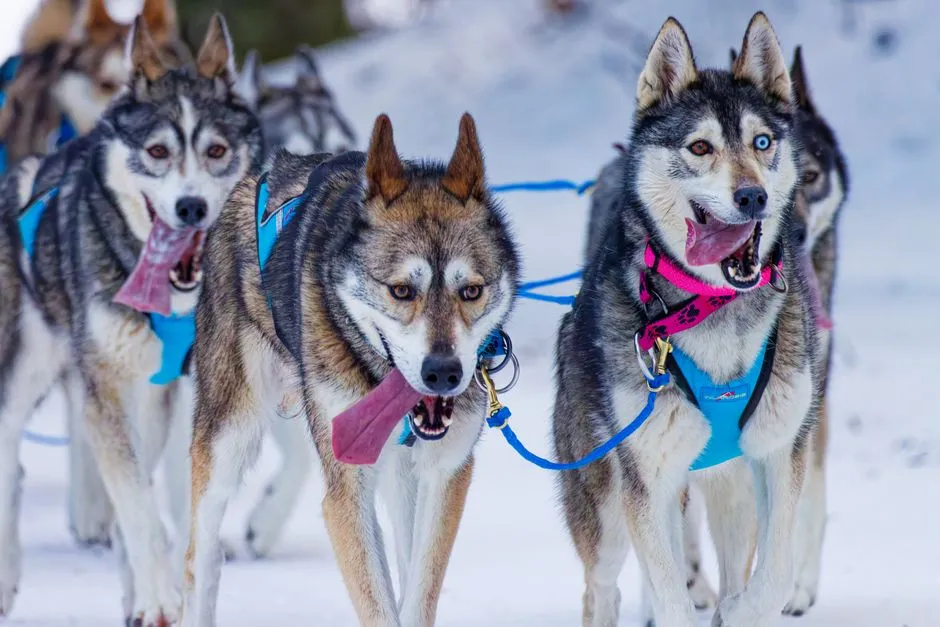
While many have heard the story of musher Gunnar Kaasen and his team, led by sled dog Balto, it was actually musher Leonhard Seppala and his team of dogs led by Togo that ran the longest and most dangerous part of the 700-mile relay to save lives. Balto ran the final 55 miles of the medicine run, while Seppala and Togo ran a total of 264 miles.
In what became known as the 1925 Nome Serum Run, dog racing legend Seppala harnessed the sled team led by Togo and trekked the longest distance, about 260 miles, through the harsh Alaska terrain. Togo crossed the most treacherous stretch, including the wind-blasted ice of Norton Sound.
As for the two heroic dogs who led the 1925 serum run, Balto got the Disney movie deal and a statue in New York’s Central Park, although Togo got his due from Disney in a 2019 movie. Togo is honored in Alaska and at the Iditarod Museum, and his preserved mount is displayed at the Iditarod Trail Headquarters.
The Birth of the Modern Iditarod Race
Joe Redington Sr., known as the “Father of the Iditarod” and Dorothy Page, Chair of the Wasilla-Knik Centennial Committee, started advocating for an Iditarod Trail race in the late 1960s to preserve the trail, which historically connected remote Alaskan villages and served as their main supply route in winter. They also wanted to keep mushing and sled dog culture alive.
The first official Iditarod Trail Sled Dog Race was held in 1973, founded by Joe Redington Sr. and Dorothy Page to preserve Alaska’s sled dog culture and honor the historic Iditarod Trail. In memory of the serum run’s principal musher, Leonhard Seppala, the Iditarod was originally called the Iditarod Trail Seppala Memorial Race.
Using old gold rush trails and trails from the 1925 Serum Run, the race began in 1967 and was just 25 miles. While this race originally commemorated Alaska Day, the Iditarod became official in 1973. From those modest origins, it grew into an internationally recognized endurance event.
The Route: Mountains, Rivers, and Frozen Tundra
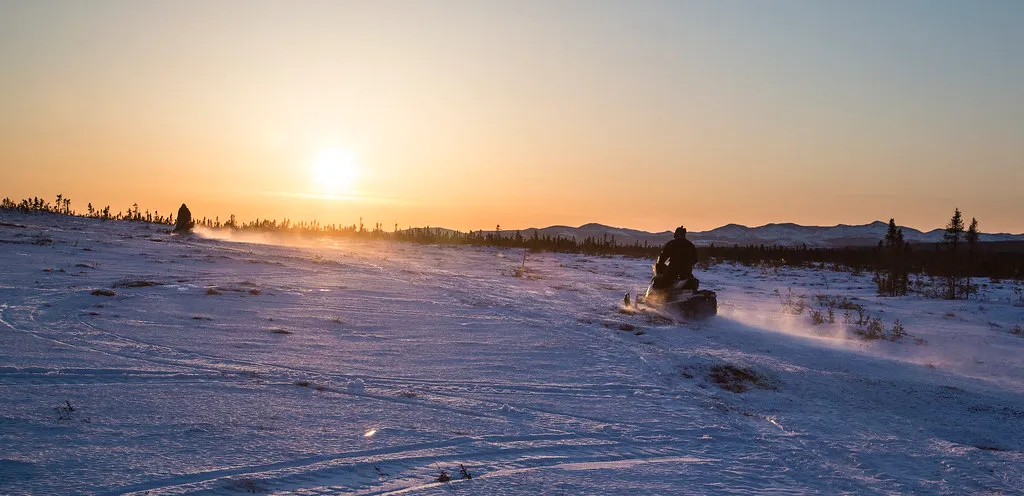
The course of the race, roughly 1,100 miles long, partially follows the old Iditarod Trail dogsled mail route blazed from the coastal towns of Seward and Knik to the goldfields and mining camps of northwestern Alaska in the early 1900s. The trail winds through two mountain ranges and some of the most geographically severe terrain in the world.
The race spans the Alaska and Kuskokwim Mountain ranges and follows the Yukon River for 150 miles. Teams pass through remote villages, dense spruce forests, and open coastal windswept flats before reaching Nome’s famous Burled Arch finish line.
The route alternates between a northern and southern path each year, depending on trail and snow conditions. That flexibility keeps the race grounded in the same practicality that defined the original serum relay: you go the way that actually works.
How the Race Works: Teams, Checkpoints, and Rules
Each team of 12 to 16 dogs must go from Anchorage all the way to Nome. Mushers with dogs that are injured or otherwise not performing well in the race can “drop” them at checkpoints. Veterinarians at the checkpoints are supposed to take a look at each dropped dog before the race ultimately flies them back to Anchorage or on to Nome.
A team needs to have at least five dogs when arriving at the finish line in Nome. In addition to a 24-hour layover, mushers must take two eight-hour stops at designated checkpoints. These mandatory rest periods are built not just for the mushers, but to give the dogs real recovery time.
Mushers are required to carry specific gear at all times during the race, including a sleeping bag rated for -20 degrees Fahrenheit, an ax, a pair of snowshoes, musher food, veterinary booklets, and a cooker with pot and fuel. Every piece of that kit is checked. Nothing is taken on faith.
Dog Welfare: The Center of the Race’s Rules
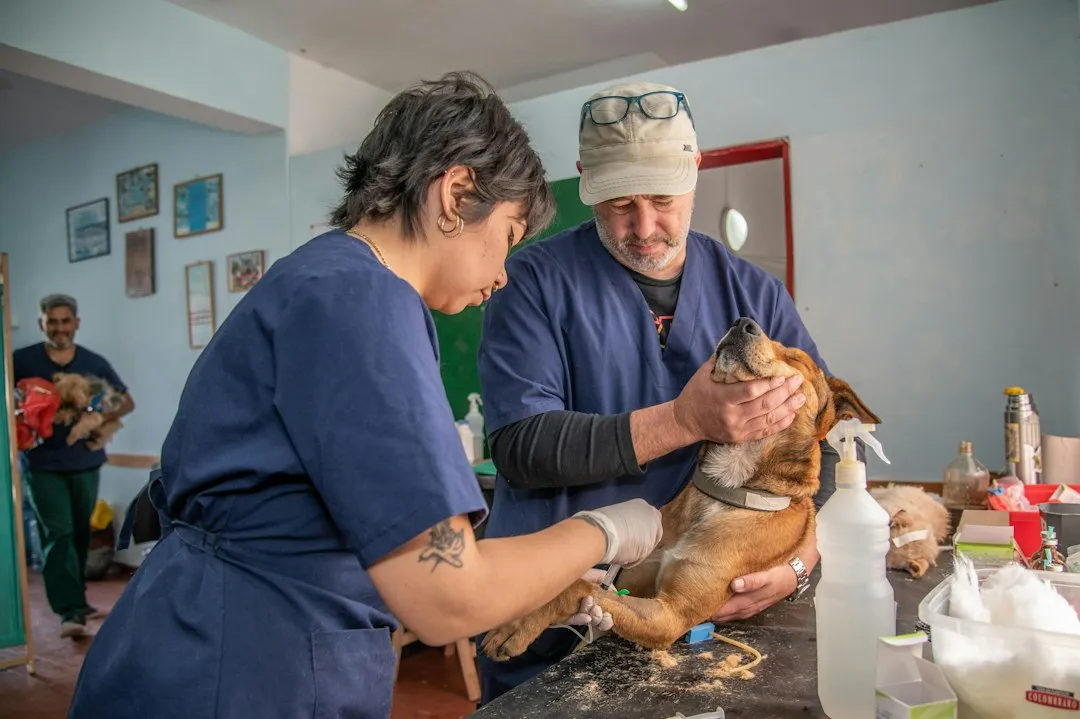
The well-being of the dogs is paramount in the Iditarod. Each dog must pass a pre-race veterinary examination, and they are examined by veterinarians at every checkpoint along the trail. Mushers are required to carry dog food and provide adequate nutrition and care for their team throughout the race.
Each musher carries a veterinarian notebook signed at every checkpoint after thorough team assessments. Mandatory gear includes cold-weather sleeping bags, axes, dog booties, cooking supplies, and jackets for each dog. Cruel and inhumane treatment, defined as any treatment that causes preventable pain or suffering to the dog, is forbidden.
The race does carry ongoing scrutiny from animal welfare advocates, and that tension has pushed organizers to improve their protocols over time. Though the Iditarod has faced criticism from animal rights activists, organizers have increased protections for the dogs, including mandatory rest stops and veterinary checkups.
The Indigenous Roots That Often Go Unmentioned
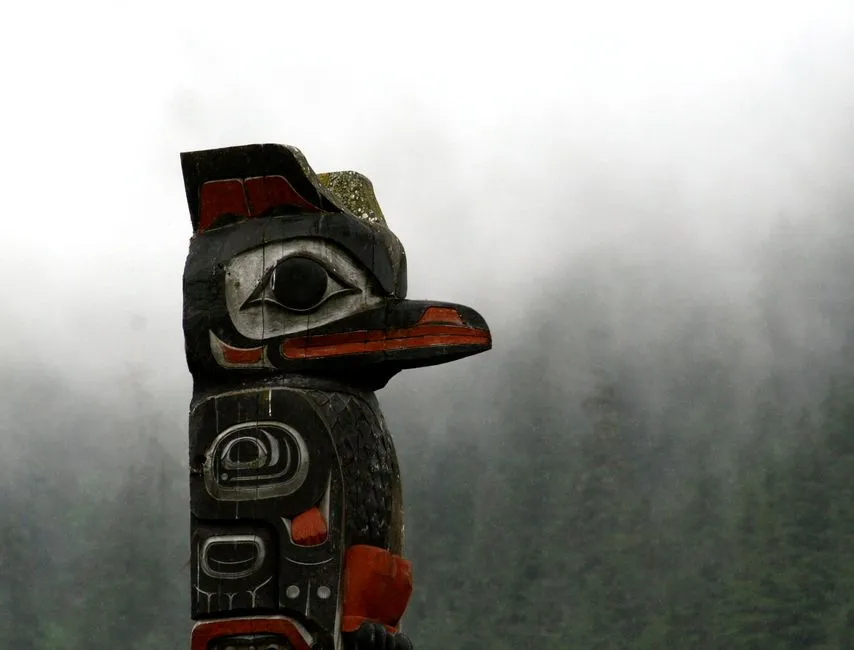
Two-thirds of the mushers involved in the original 1925 Serum Run were Indigenous Peoples. Their knowledge of the land, the dogs, and the weather made the mission possible in ways that outside expertise alone never could have achieved. This is a part of the story that deserves far more attention than it typically receives.
The history of the Iditarod extends far beyond the modern day, into a rich history and tradition of Alaska Native and other Indigenous Peoples. Dog mushing as a practice was not invented for sport. It was a form of survival, transportation, and community connection developed over generations across the Arctic and sub-Arctic.
When the Iditarod is watched each year, what many viewers are seeing, without always realizing it, is a tradition rooted deeply in Indigenous knowledge and endurance. That context matters, and the race’s organizers have increasingly acknowledged it in recent years.
The 2025 and 2026 Races: A Back-to-Back Champion Emerges
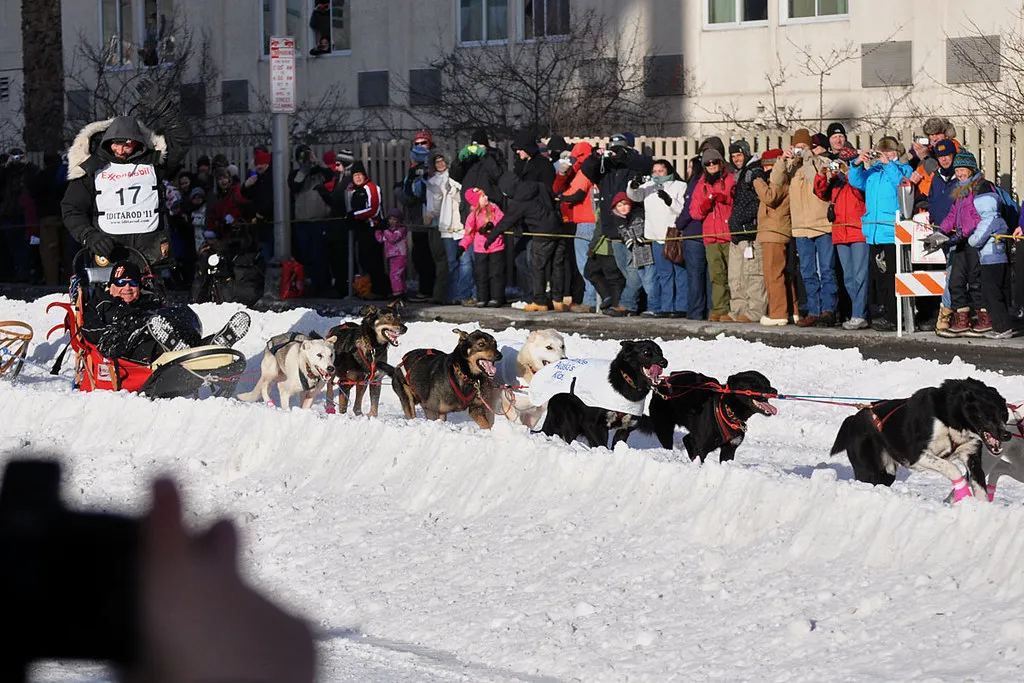
In the 2025 Iditarod, Jessie Holmes of Brushkana, Alaska, won the race, completing the record-long 1,128-mile course in 10 days, 14 hours, 55 minutes, and 41 seconds, taking home $57,300. It was an impressive debut victory, but what came next made it historic.
In the end, it was Brushkana’s Jessie Holmes who was crowned the 2026 race winner, defending his inaugural title from a year earlier to repeat as Iditarod champion. Holmes is the first repeat champion the Iditarod Trail Sled Dog Race has seen in a decade, and he is the sixth musher to win the race consecutively since it started in 1973, doing so on two different courses: a 1,130-mile reroute out of Fairbanks due to a lack of snow in 2025 and the normal 1,000-mile northern route out of Willow in 2026.
Twenty-nine mushers finished the 2026 race, splitting a purse worth $650,000. Holmes won the 2026 event with a finishing time of 9 days, 7 hours, 32 minutes, and 51 seconds, earning $80,700. Travis Beals of Seward finished second, with Jeff Deeter of Fairbanks in third.
Why the Race Still Matters a Century Later
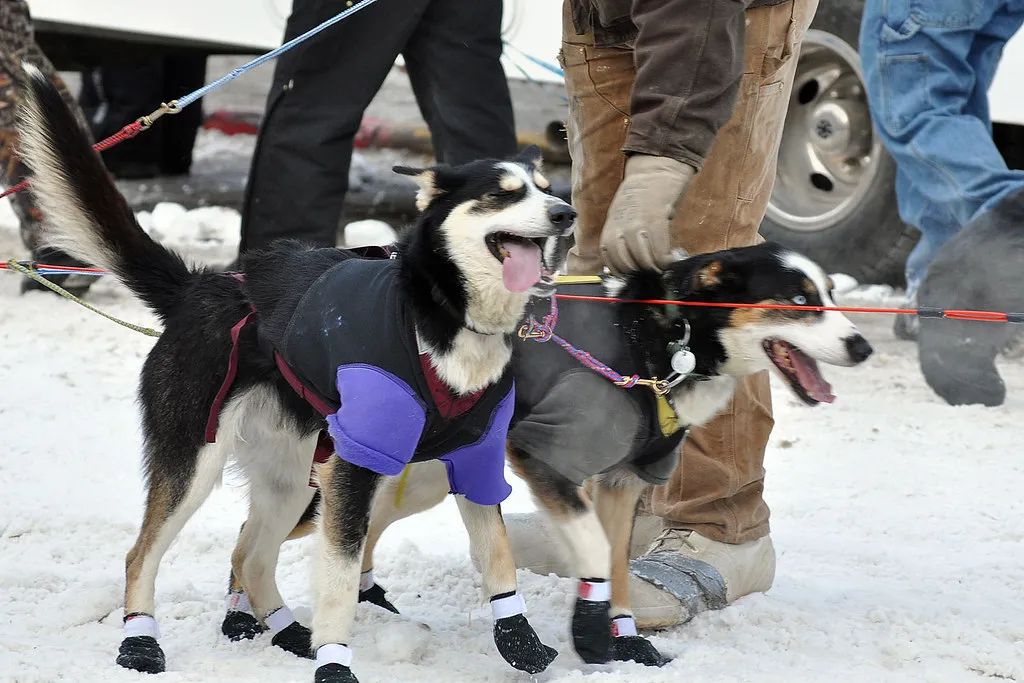
Rooted in the historic Iditarod Trail used for mail and supply delivery during Alaska’s gold rush era, and inspired by the 1925 serum run to Nome, the modern race has become known as “The Last Great Race on Earth,” celebrating Alaska’s mushing heritage and the enduring partnership between mushers and their dog teams.
The race preserves something that might otherwise have disappeared. Without the Iditarod, the culture of dog mushing in Alaska faced a genuine threat of fading away entirely, particularly as snowmobiles replaced working dog teams through the mid-twentieth century. According to the book chronicling his life, Joe Redington Sr.’s first goal was to get the Iditarod Trail recognized as a national historic trail, and second, to help continue and promote the use of sled dogs throughout Alaska.
What began as a race against death in 1925 evolved, through the determination of a few believers, into an annual act of collective memory. Every team that crosses under Nome’s Burled Arch carries that history forward, one stride at a time, across a frozen landscape that has changed far less than the world surrounding it.
A Race Worth Watching With Eyes Wide Open
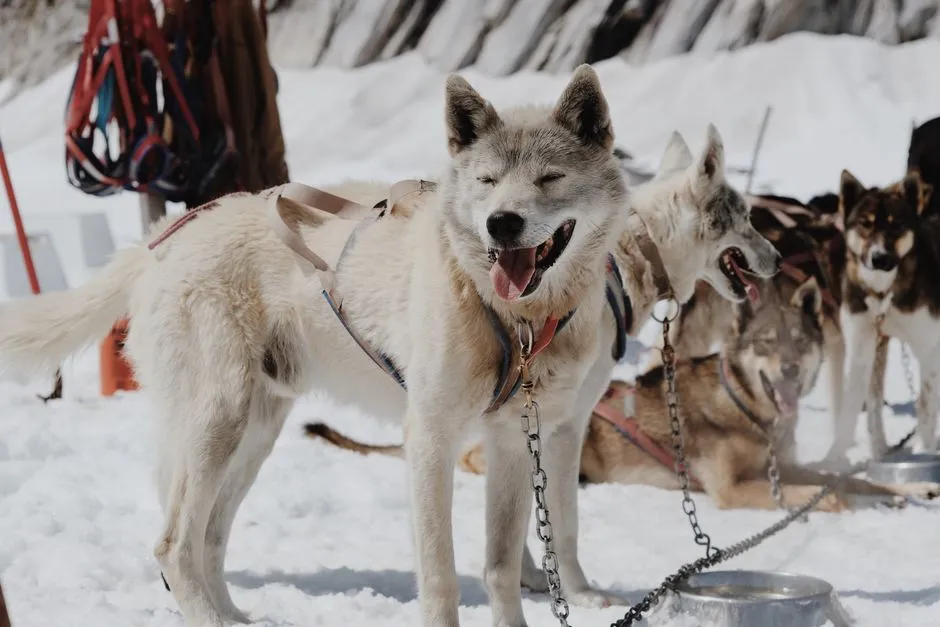
The Iditarod is not a simple story. It carries complexity: the tension between sport and animal welfare, between celebration and historical reckoning, between modern competition and ancient tradition. None of that complexity diminishes the event. If anything, it makes it richer.
What the 1925 serum run proved is that when survival demanded it, humans and dogs could accomplish something extraordinary together. The race that grew from that moment is an attempt to keep that truth alive, not in a museum, but out on the trail, in real weather, with real animals and real people pushing through the dark.
The next race is scheduled for March 2027. Whether you watch from Anchorage, follow a GPS tracker from across the world, or simply know the story, there is something worth pausing for in what happens each year on that trail. It started as an act of desperation. It became a tradition. That is not nothing.
AI Disclaimer: This article was created with the assistance of AI tools and reviewed by a human editor.