
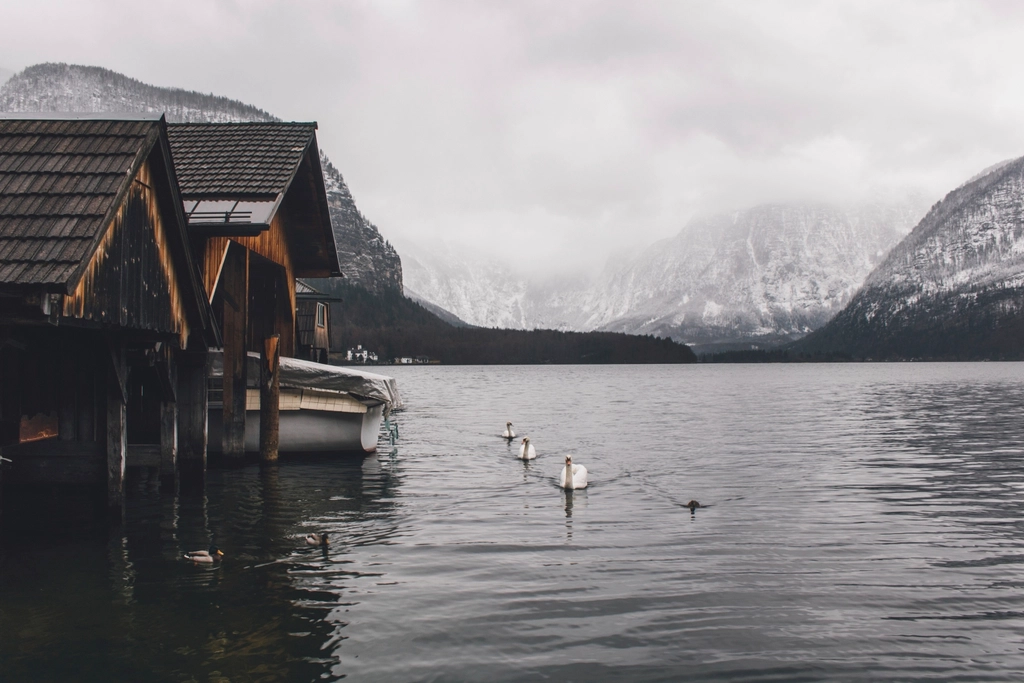
There is something particular about the way light falls over Hallstatt in the early morning, before the first ferry crosses the lake. The pastel facades catch the mountain glow, the water turns pale gold, and for a few minutes the village of fewer than 800 people looks exactly like the idea of a perfect place rather than an actual one. That contradiction, between Hallstatt’s dreamlike appearance and its very real, very lived-in soul, is precisely what draws travelers back again and again.
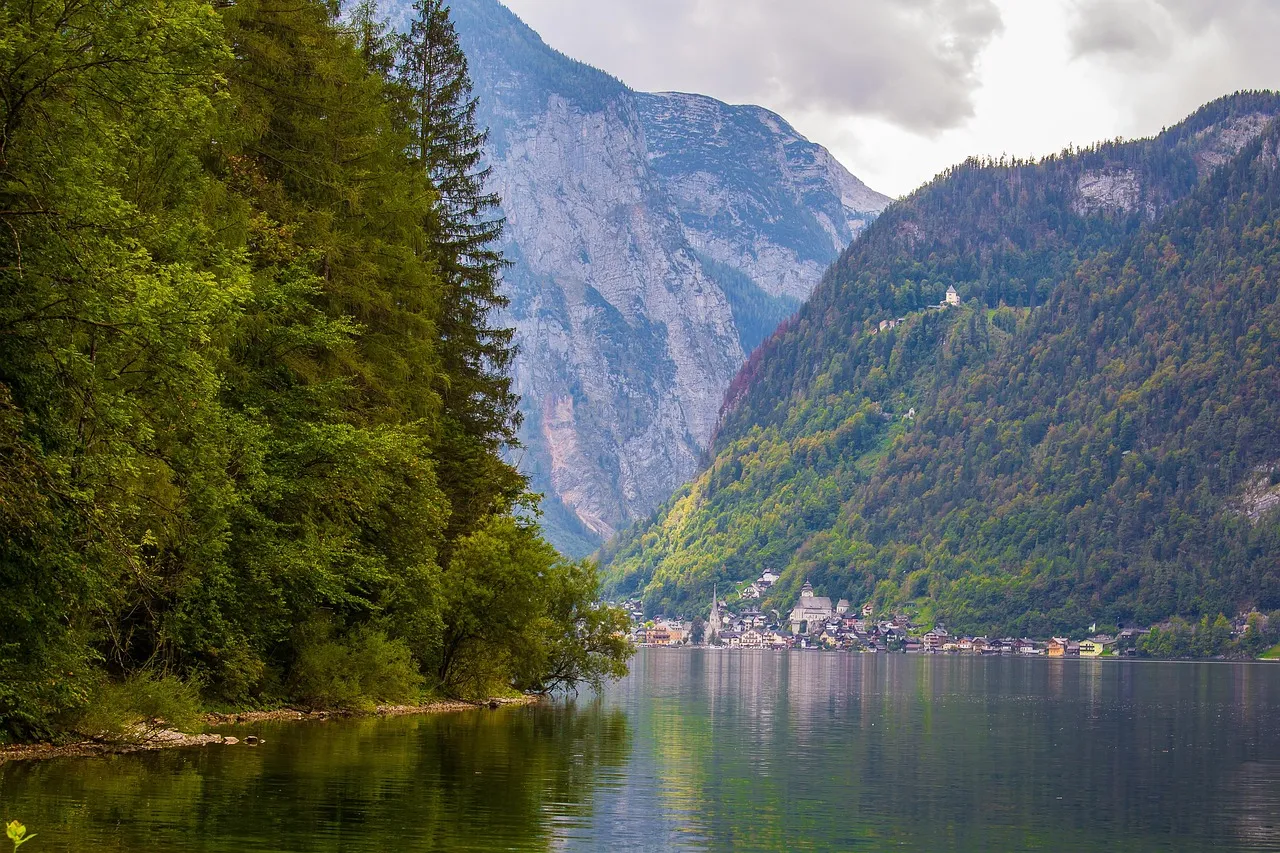
Nestled between the pristine Hallstätter See and the towering Dachstein mountains, Hallstatt is often described as the most beautiful lakeside village in the world. This UNESCO World Heritage Site carries a history of salt mining stretching back roughly 7,000 years, paired with charming pastel-colored houses and breathtaking alpine scenery. It is, in almost every measurable way, the definition of cozy.
A Village That Barely Fits Its Own Fame
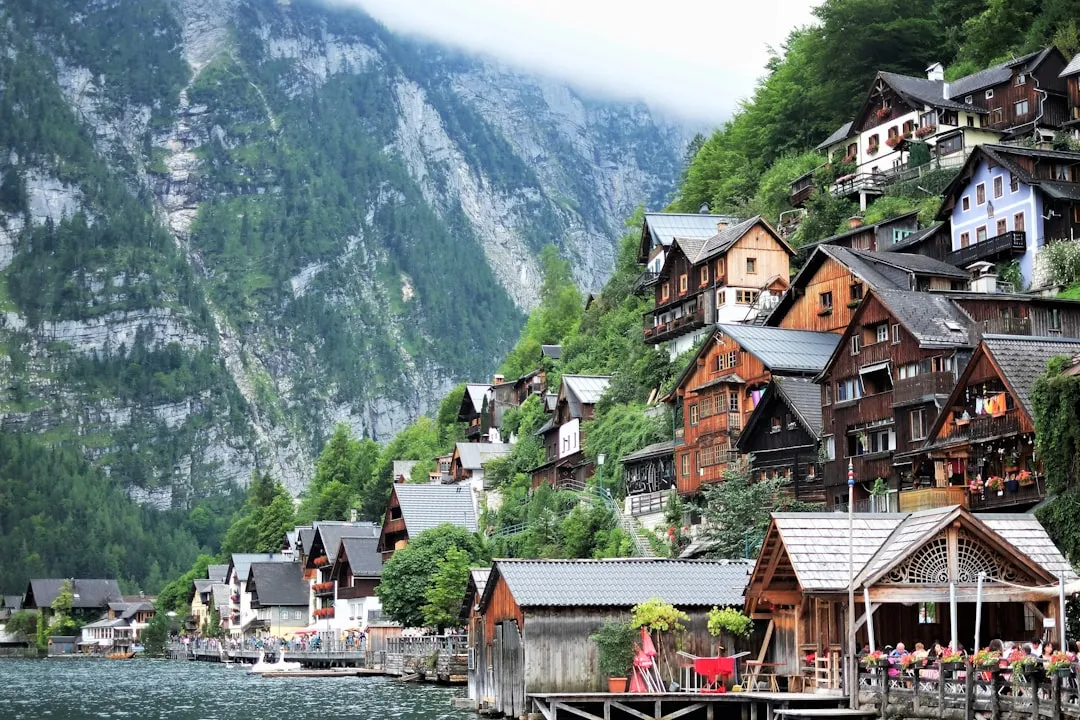
Hallstatt receives over one million visitors per year, yet only about 780 people live there permanently. That ratio defines the entire experience: breathtaking scenery, real logistical challenges, and zero margin for poor planning.
On peak days, up to 10,000 people pour into the small lakeside village. Statistically, that means over 1,300 visitors per resident per year, a figure unmatched by almost any other place in Austria.
Most visitors come from Asia, particularly from China, South Korea, and Japan. Hallstatt also attracts many European guests, especially from Germany, Italy, and the Netherlands. The village’s gravitational pull is global, which makes its quiet winter mornings feel all the more precious.
The UNESCO Recognition That Changed Everything
The village was inscribed as a UNESCO World Heritage Site in 1997 as part of the Hallstatt-Dachstein/Salzkammergut Cultural Landscape. That listing, combined with viral social media imagery, created the modern tourism wave.
Hallstatt’s UNESCO title brings not only honor but also great responsibility: protecting its historic architecture, preserving the cultural landscape, and maintaining the delicate balance between tourism and daily life.
The village didn’t seek celebrity. It earned a heritage listing for its ancient salt trade and its remarkable architecture, and the world simply followed. That distinction matters when you visit: you’re standing inside living history, not a theme park.
The Salt Mine That Predates Written History
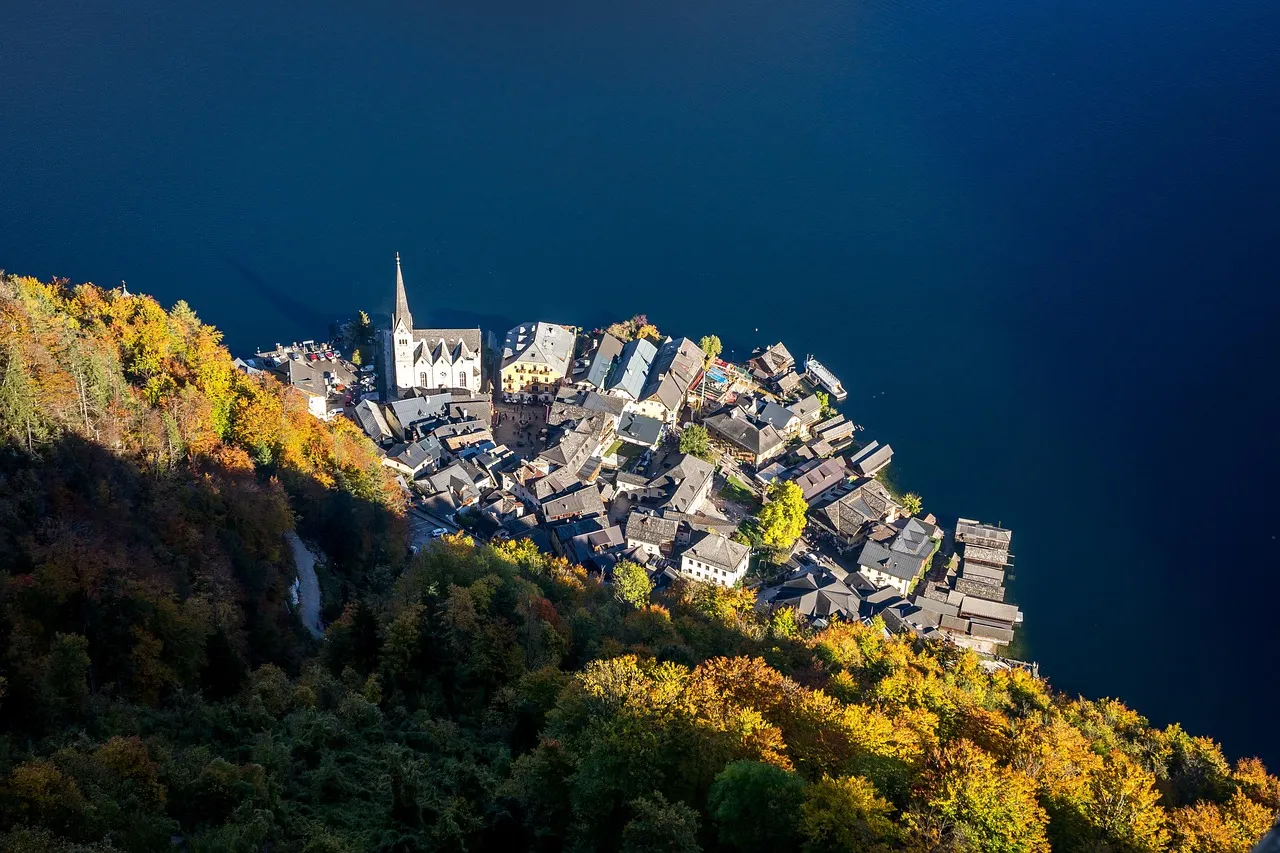
Hallstatt’s reason for existing at all is salt. The surrounding mountains contain one of the oldest known salt mines in the world, and the village grew up entirely around that industry. Archaeologists have found artifacts here dating back thousands of years, making Hallstatt one of the oldest continuously settled communities in all of Europe.
Salt mine tours cost €32 per adult, with the mine recognized as the world’s oldest working salt mine, operating for roughly 7,000 years. That underground journey is genuinely extraordinary: narrow passages, ancient timber supports, and a sense that the mountain itself has memory.
The mine even includes a wooden slide used to move between levels, which has delighted visitors young and old for generations. It’s one of those rare attractions where the history and the experience arrive together, without either one diminishing the other.
The Architecture That Inspired a Disney Film
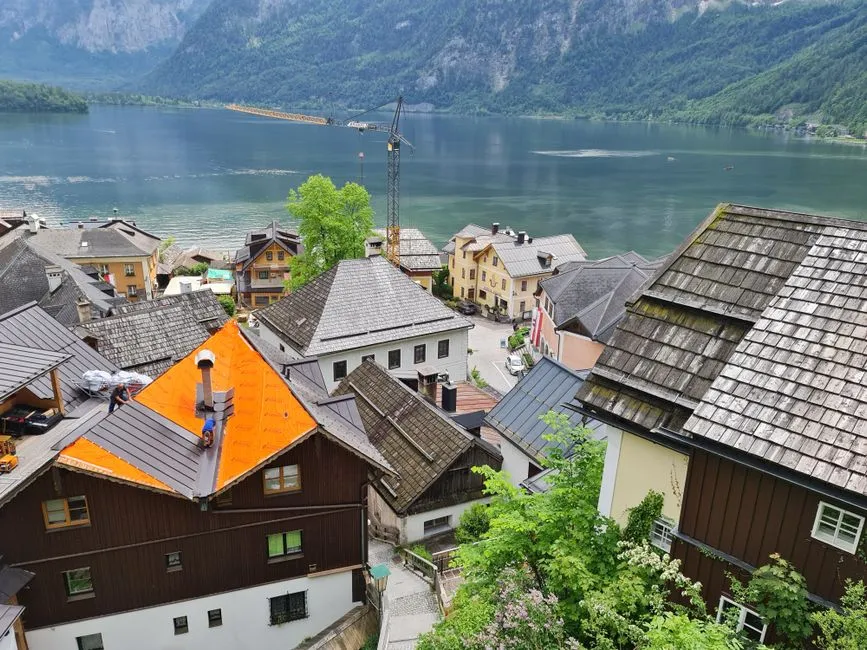
A makeshift wall was famously erected at Hallstatt’s top selfie spot after residents decided to push back against overtourism. The village’s charming character is widely said to have inspired the Disney film Frozen.
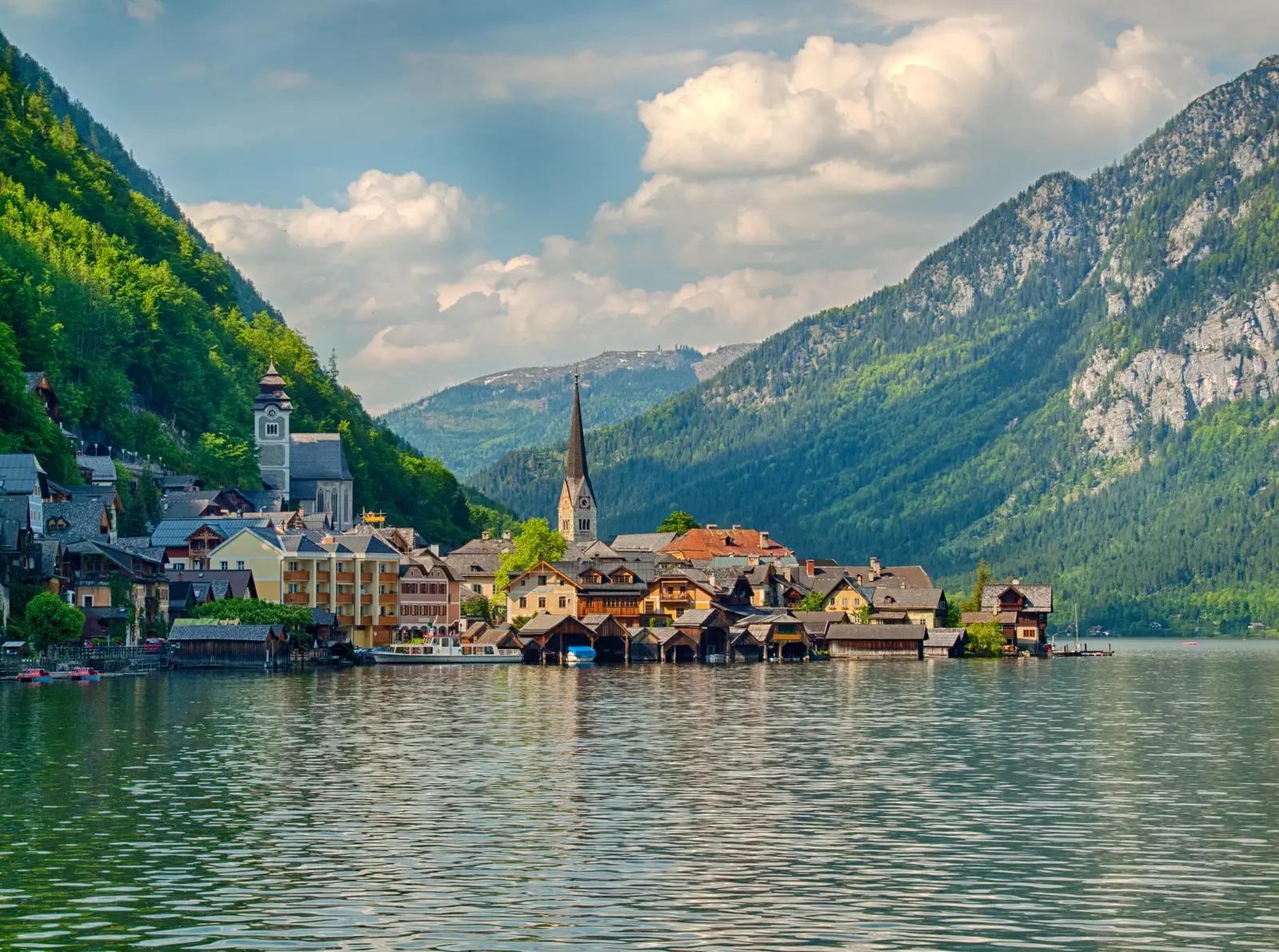
Whether or not the Disney connection is precisely accurate, the visual resemblance is hard to dismiss. The narrow lakeside lane, the Gothic church spire rising above rooftops, the mountain wall looming directly behind the last house, Hallstatt looks composed rather than accidental.
The architecture reflects centuries of practical mountain thinking: buildings stacked tightly along the shore because there simply was nowhere else to build. That constraint produced something beautiful. The village is narrow enough to walk from end to end in about fifteen minutes, yet somehow never feels small.
What “Cozy” Actually Looks Like Here
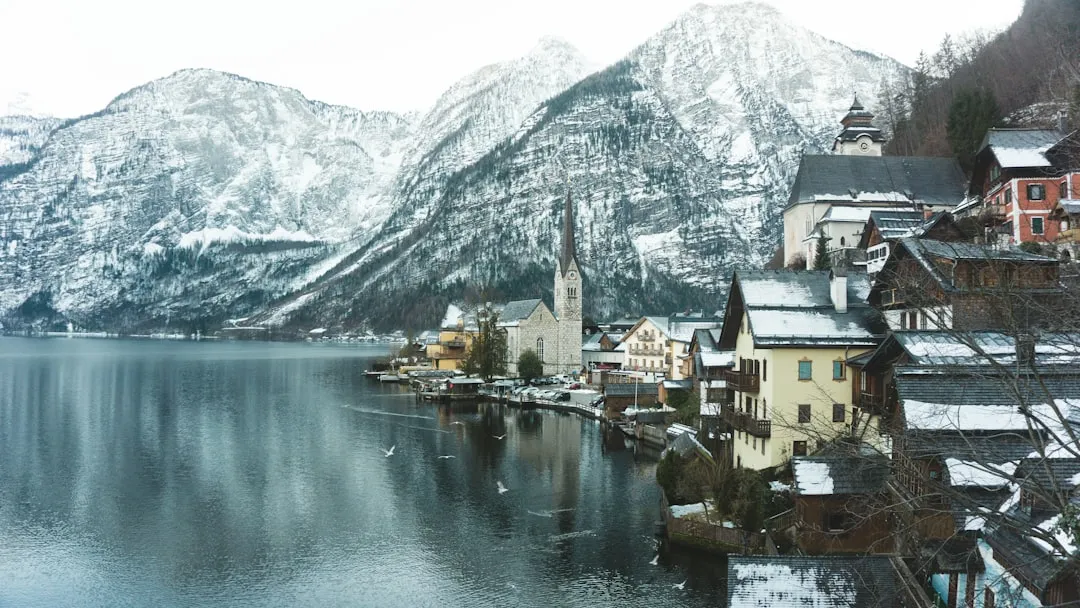
Coziness in Hallstatt isn’t a marketing phrase. It’s structural. The village has no room to sprawl, no wide avenues, and no chain stores disrupting the streetscape. Accommodation is genuinely intimate, with guesthouses often family-run across multiple generations.
For the ideal balance of good weather and manageable crowds, the shoulder seasons of late May through early June or September are ideal. These periods offer pleasant temperatures, open attractions, and far fewer tourists than peak summer.
In the off-season, particularly in early winter before Christmas markets open, Hallstatt regains something close to its natural rhythm. The fog sits low over the lake. The village smells of woodsmoke. That version of Hallstatt, quieter and unhurried, is arguably its best.
Getting There: The Ferry Arrival Is Part of the Experience
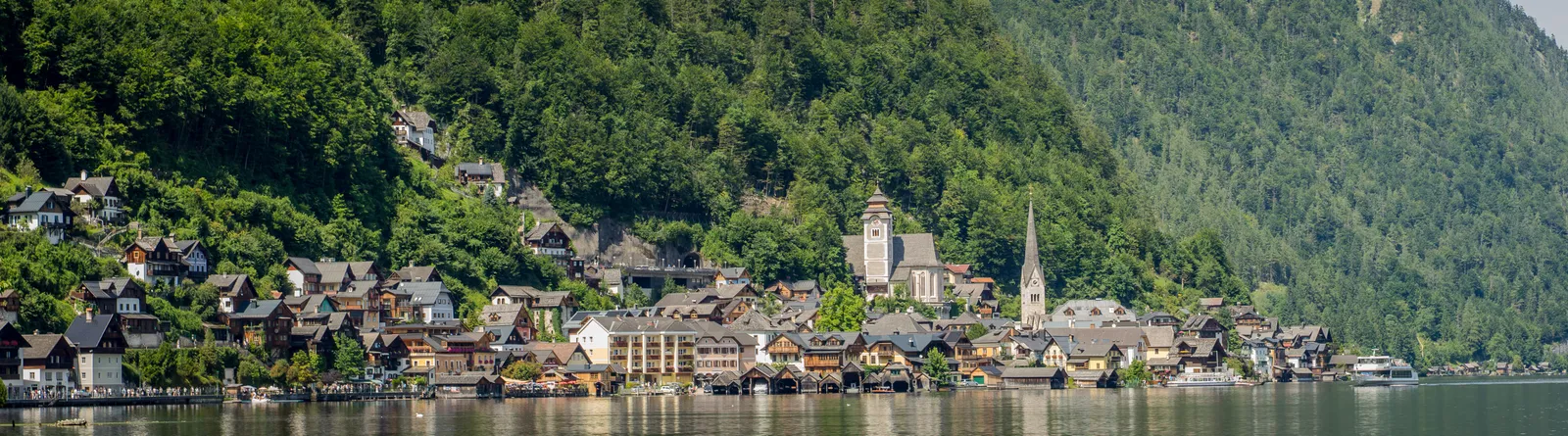
By train, visitors take an ÖBB service to Attnang-Puchheim, then transfer to the regional train to Hallstatt station. From there, a ferry crosses the lake, timed to synchronize with train arrivals.
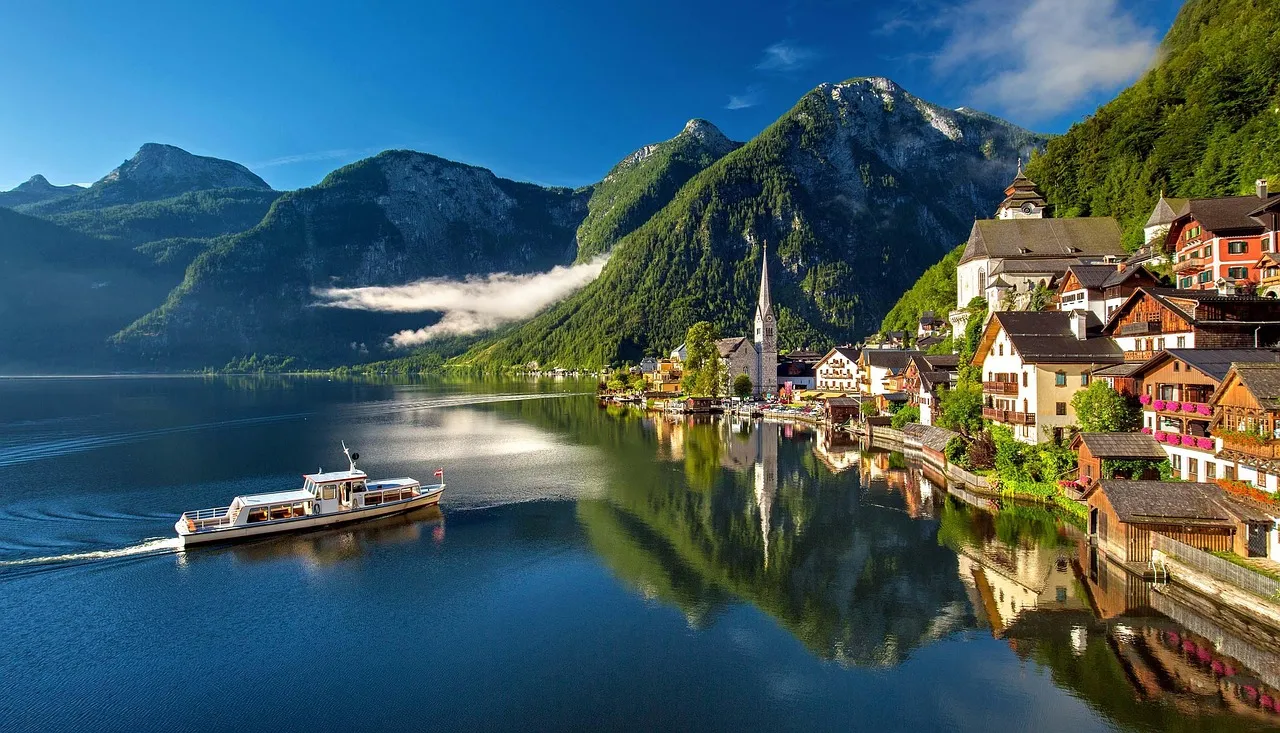
That ferry crossing is genuinely one of the best arrivals in European travel. The village reveals itself slowly across the water, the church tower first, then the colored facades, then the mountain behind. Nothing about the approach feels rushed.
By car, parking is extremely limited. The main parking area costs €10 per day and requires a short shuttle or walk into the village center. Arriving by train and ferry is not just more sustainable, it is simply the better experience.
The Overtourism Conversation Happening in Real Time
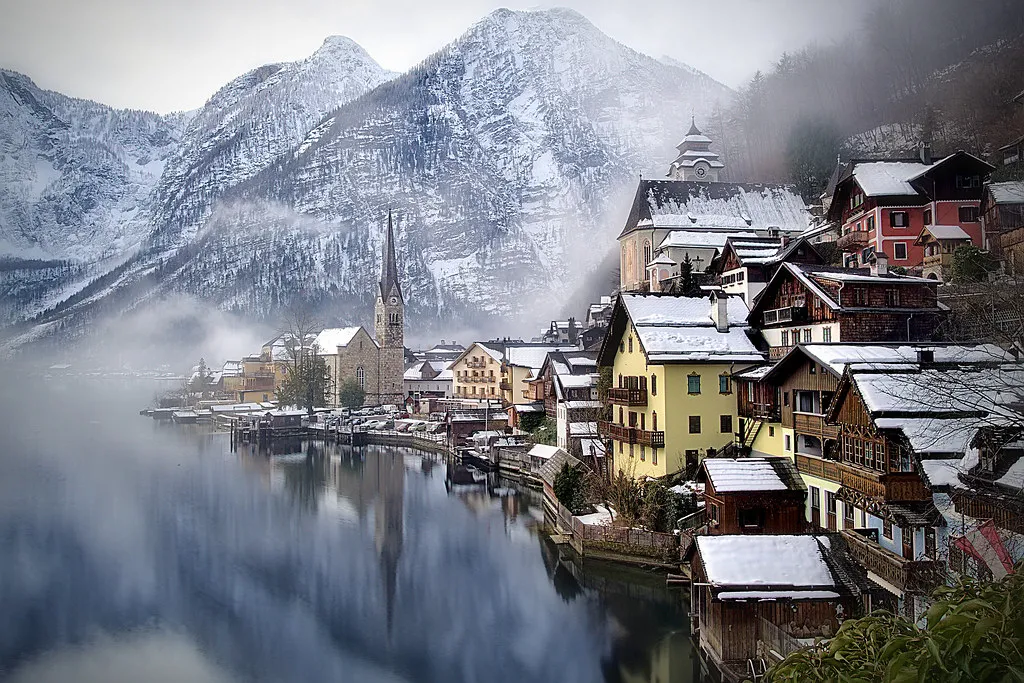
Hallstatt is at the center of Austria’s overtourism debate. The picturesque lakeside village has become renowned worldwide for its alpine charm and postcard-perfect views. For the roughly 750 locals who live there, the price of that fame is steep.
The town has long called for a daily cap on visitors, proposing a limit of around 5,000 to 5,500 tourists per day. That’s still a significant number, but it would cut current peak-day figures nearly in half. Local officials have made clear they support a digital slot system if it were legally and logistically feasible.
The village has experimented with limiting the number of bus entries per day and requiring operators to reserve slots. Regional development documents from 2024 outline a long-term visitor management project that includes stricter time windows for coaches and new guidance for walking routes through the village. These are real, active efforts to protect what makes the place worth visiting in the first place.
How to Visit Responsibly

Responsible travel here comes down to timing, pace, and intention. Arriving midweek in shoulder season, staying overnight rather than day-tripping, and spending money locally rather than arriving on a coach for a single photograph: these choices genuinely matter in a village this size.
Visitors are encouraged to be respectful when taking photographs, particularly of private homes, as many residents feel their privacy is invaded by tourists. Drones are prohibited in most areas of the village.
Local leadership has been vocal about the need for Hallstatt to stop being perceived as just a photo spot. The aim is to reduce visitor numbers by roughly a third to preserve the town’s charm and authenticity. Visiting slowly, and with genuine curiosity, is the most direct way a traveler can support that goal.
The Natural Landscape Surrounding the Village
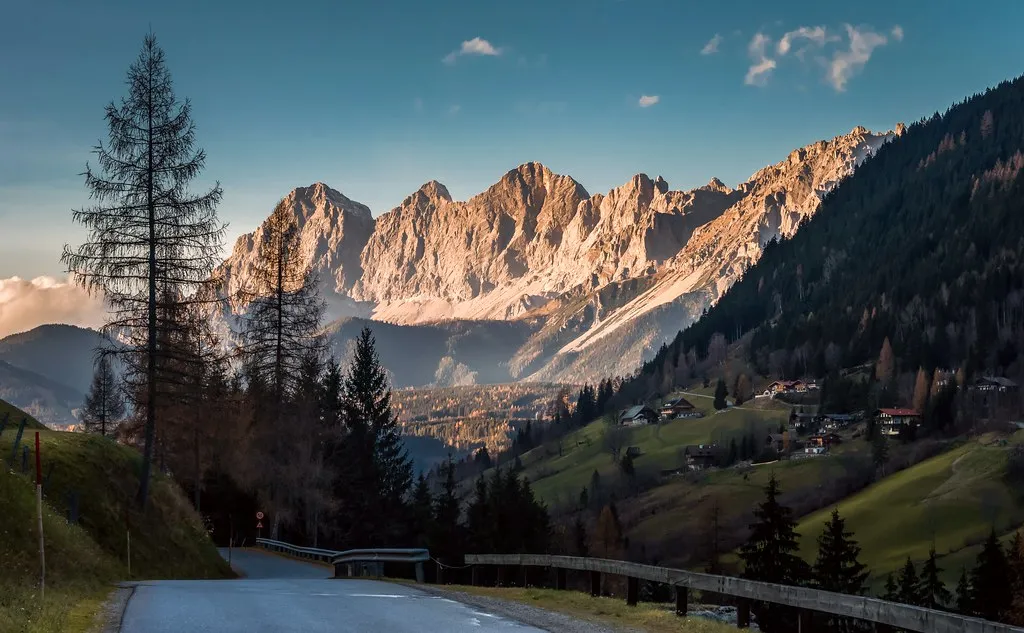
Hallstatt sits inside a broader landscape of extraordinary scale. The Dachstein massif rises directly above the village, with glacier terrain, alpine meadows, and long hiking routes accessible by cable car from the valley floor. The lake itself, cold and clear, reflects the mountains with mirror precision on calm days.
Travel in 2026 is shaping up to be less about distance and more about smarter choices, with global interest surging in destinations that balance popularity and purpose, places ready to welcome visitors while protecting what makes them special. Hallstatt’s surrounding Salzkammergut region fits that description exactly.
Beyond the famous village view, the lake region includes quieter hamlets, forest trails, and cycling routes that most day-trippers never discover. The landscape rewards those who stay long enough to look past the obvious.
A Village the World Built a Replica Of
At the pre-pandemic peak, an estimated large number of Asian tourists visited on single peak days, partly driven by a replica Hallstatt village built in China’s Guangdong province in 2012. The Austrian village had become a global icon before many visitors even knew where Austria was on a map.
The existence of a replica village in China is one of the stranger compliments a destination has ever received. It speaks to Hallstatt’s visual and emotional power: something about its proportions, its relationship between mountain and water and architecture, felt worth recreating entirely.
The original, of course, has something no copy can provide. The cold morning air off the lake, the sound of the ferry engine, the particular quiet of a village where the mountains are genuinely close enough to feel present. You cannot build that elsewhere. You can only go.
A Place Worth Protecting
Hallstatt’s reputation as the coziest alpine village on earth didn’t emerge from a tourism campaign. It emerged from the village itself: from its scale, its history, its setting, and the way all three things combine into something that feels genuinely rare. That rarity is also its fragility.
After several years of recovery following the pandemic, Austria’s visitor numbers have surged to fresh highs, putting renewed pressure on lakeside villages, alpine valleys, and historic city centers. National statistics for the 2024 winter and 2025 early summer seasons show overnight stays at or above pre-pandemic records.
The most meaningful thing a visitor can do is arrive with care: slowly, curiously, and with some awareness of the 780 people for whom this is not a destination but simply home. That awareness doesn’t diminish the experience. It deepens it considerably.
The Takeaway
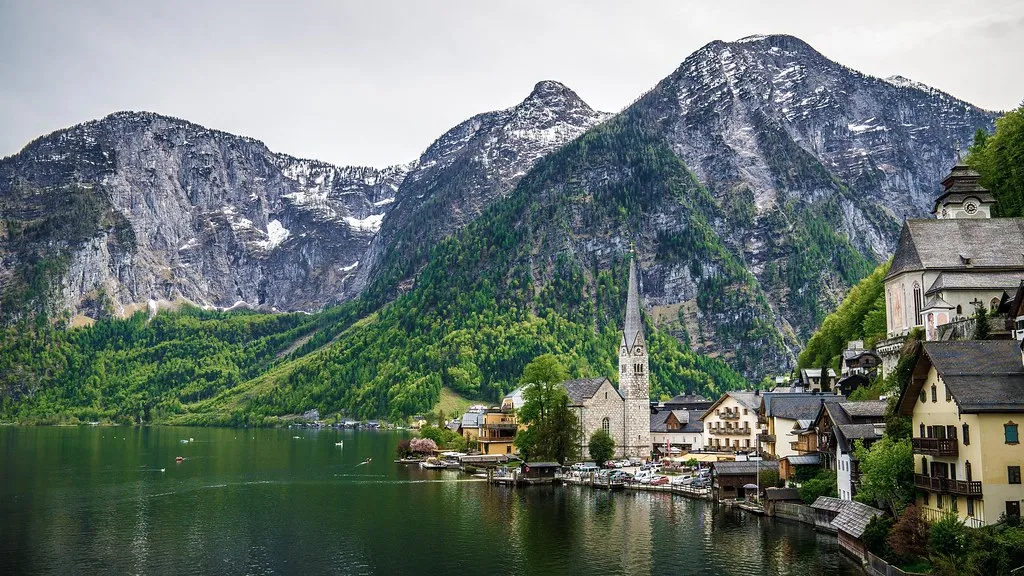
Hallstatt earns its reputation not through any single dramatic feature but through the accumulated effect of everything working together: the lake, the mountains, the salt-rich history, the narrow streets, the family-run guesthouses, and the stubborn, admirable persistence of real community life in an extremely small space.
It is, genuinely, one of the most beautiful places in Europe. It is also a living village facing real pressures from its own fame. Those two truths sit alongside each other, and visiting with both in mind is the only honest way to go.
The morning ferry crossing remains the best introduction. Step off the boat, look up at the facade of houses rising toward the mountain, and take a moment before reaching for your phone. That pause is the whole point.
AI Disclaimer: This article was created with the assistance of AI tools and reviewed by a human editor.