
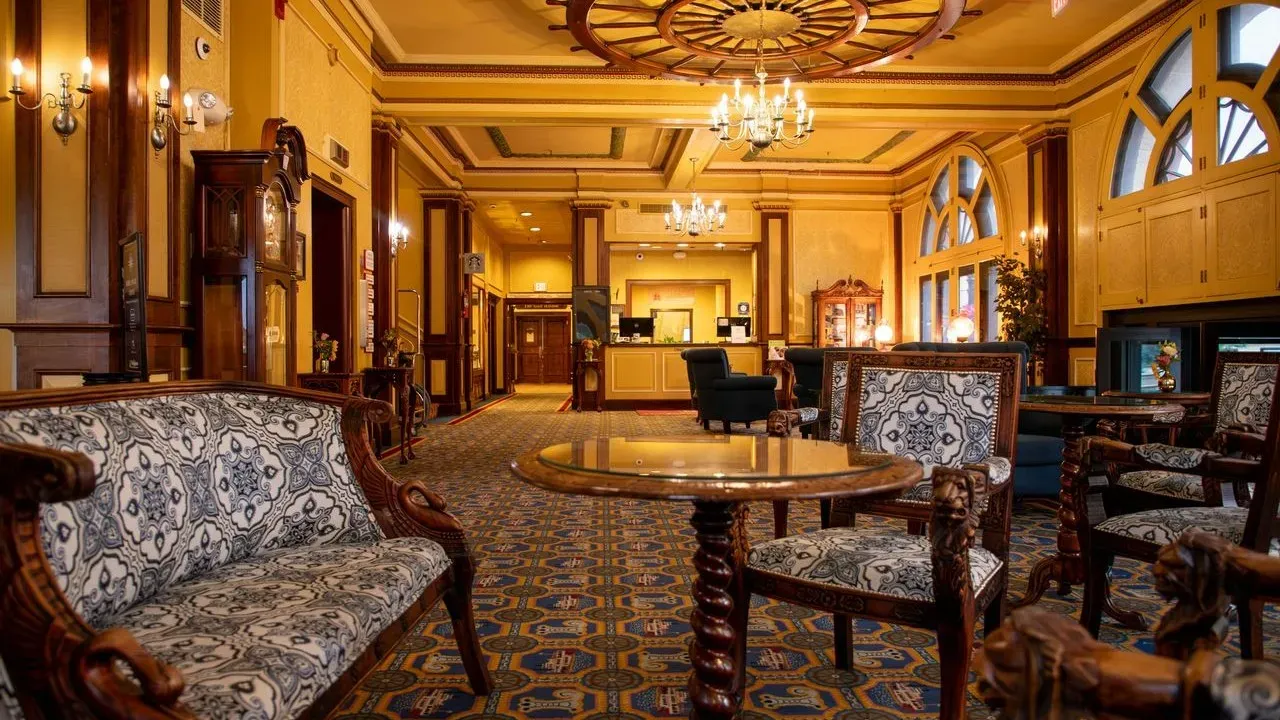

Travelers drawn to places where the past lingers often find themselves at historic American hotels whose documented stories continue to shape their present character. These properties stand out not for manufactured thrills but for the verifiable events, architectural legacies, and consistent guest accounts that have accumulated over decades or centuries. Staying in them offers a chance to experience layers of American history in settings that remain fully operational today.
The Stanley Hotel and Its Lasting Influence
In Estes Park, Colorado, the Stanley Hotel opened in 1909 as a mountain retreat built by inventor F.O. Stanley. Its Colonial Revival design and remote setting made it a destination for East Coast visitors seeking fresh air and scenery near what is now Rocky Mountain National Park. Stephen King’s 1974 stay in Room 217 during the quiet off-season inspired the setting and atmosphere of The Shining, turning the property into a landmark for literary and cinematic history. Guests and staff have long noted reports of piano music in the Music Room and children’s voices in hallways, accounts that align with the hotel’s preserved early twentieth-century character. The property sits on the National Register of Historic Places and continues to operate with rooms available across a range of seasons. Day and evening tours provide context on its construction and cultural role without requiring an overnight stay.
The Lizzie Borden House and Its Documented Past
In Fall River, Massachusetts, the Victorian home at 230 Second Street operates today as a bed and breakfast that preserves the layout and furnishings from August 1892. That summer, Andrew and Abby Borden were killed inside the house in a case that reached trial but ended in acquittal. The property now welcomes overnight guests into rooms restored to reflect the period, including a breakfast themed around the era. Visitors describe footsteps on the stairs and occasional sounds of crying at night, reports that have appeared consistently in guest accounts over the years. The house functions as both lodging and a museum, with guided tours available that focus on the historical record and the building’s architecture. Its location about an hour south of Boston makes it a practical stop for those exploring New England’s historic sites.
Other Properties With Deeply Rooted Accounts
Several additional hotels across the country carry similarly layered histories that guests can encounter firsthand. At the Hotel del Coronado in Coronado, California, the story of Kate Morgan, who arrived in 1892 and was later found on the beach, remains tied to Room 3327 through staff records and ongoing reports of lights and temperature changes. The Myrtles Plantation in St. Francisville, Louisiana, built in 1796, includes verified details of a nineteenth-century murder on the porch alongside long-standing observations of activity on the staircase. The Queen Mary in Long Beach, California, a former ocean liner with nearly fifty recorded deaths during its service years, reopened its staterooms in 2023 after restoration and continues to offer overnight stays. The 1886 Crescent Hotel & Spa in Eureka Springs, Arkansas, carries the documented history of its time as a 1930s medical facility, with the basement area now part of guided tours that present the building’s full timeline.
Approaching These Stays Thoughtfully
Properties like these reward visitors who arrive with curiosity about architecture, local records, and the communities that have maintained them. Many offer separate tours that emphasize verified history alongside any reported phenomena, allowing guests to decide how much or how little of the atmospheric element they wish to explore. Room requests for specific numbers mentioned in accounts are often possible, though availability varies by season and should be confirmed directly with each hotel. Rates typically range from roughly $150 to several hundred dollars per night depending on location and timing, with shoulder seasons providing more accessible options. Pairing a stay with nearby national parks, historic districts, or cultural sites turns the visit into a broader exploration of place rather than a single destination. These hotels remain active businesses that balance preservation with modern hospitality, giving travelers a grounded way to connect with stories that have endured for generations.
AI Disclaimer: This article was created with the assistance of AI tools and reviewed by a human editor.