
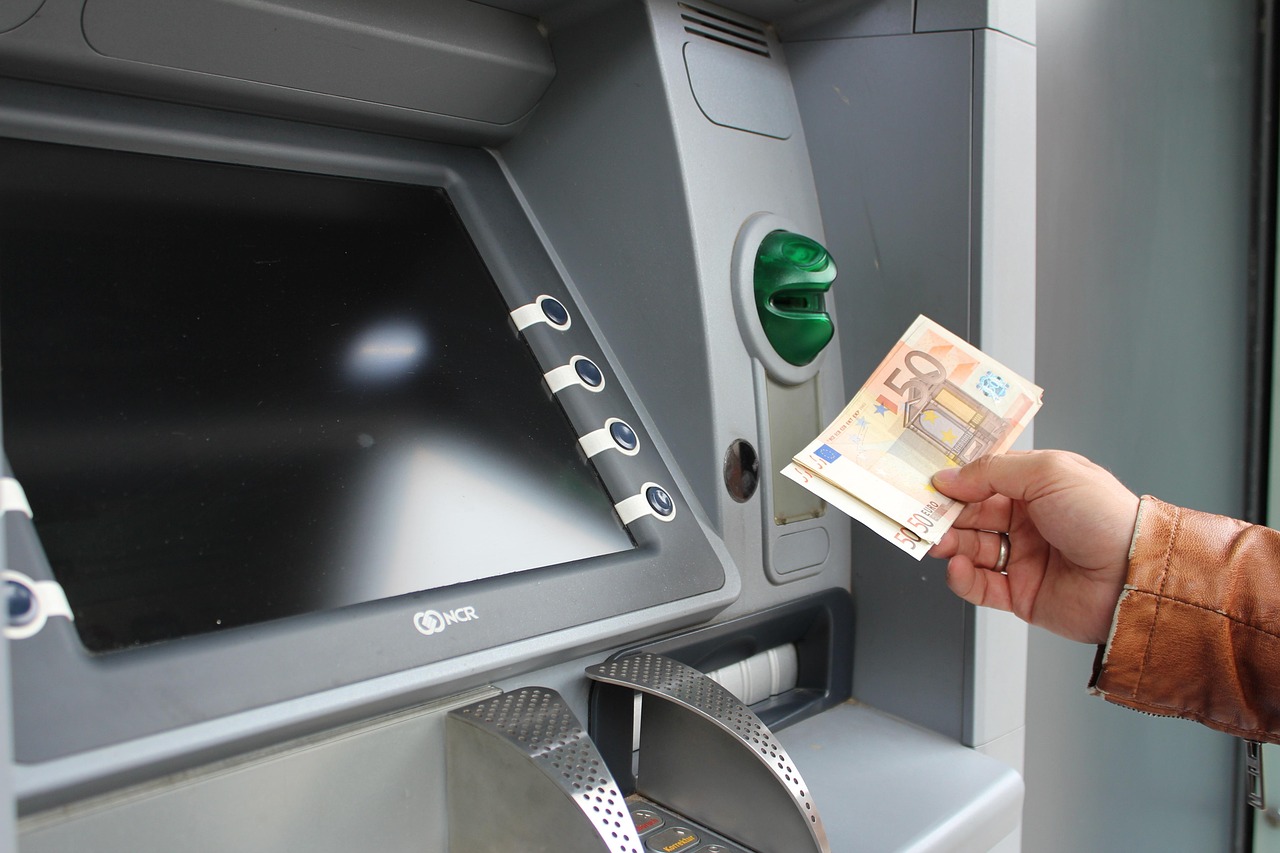
Every seasoned traveler eventually learns it the hard way. You land in a foreign city, walk up to the nearest ATM, tap through the prompts without reading carefully, and walk away having quietly handed over far more money than the cash in your hand is worth. It happens to careful people too, not just first-timers.
The good news is that the core trick is simple and repeatable. Once you understand what’s actually happening at those ATM screens, the fees that used to eat into your travel budget become almost entirely avoidable.
Always Choose the Local Currency at the ATM Screen
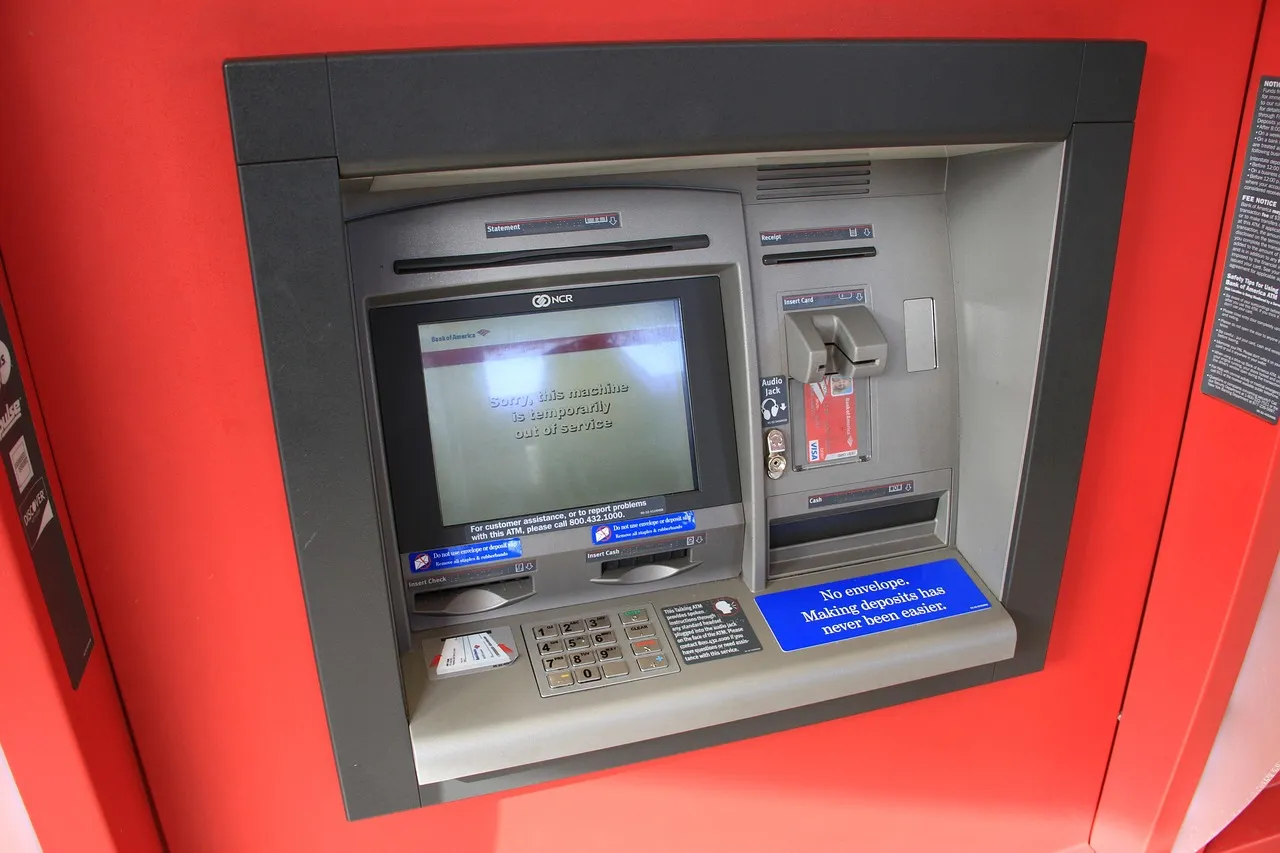
This is the single most important move you can make at any ATM abroad, and it costs you nothing. Some foreign ATMs will ask whether you want the withdrawal amount charged to your account in your home currency or in the local currency. The machine isn’t offering to dispense your home currency – it’s offering to convert the withdrawal into your home currency before sending the transaction to your bank, a process called dynamic currency conversion.
Choosing your home currency often comes with extra markups through an unfavorable exchange rate. If you see this prompt, always choose to be charged in the local currency. Your bank will handle the conversion on its end, which is usually much cheaper.
What Is Dynamic Currency Conversion and Why Does It Cost You?
Dynamic Currency Conversion, commonly known as DCC, exploits an option offered by ATMs or card readers when a foreign debit or credit card is used. When traveling abroad, you may notice certain ATMs give you the choice to pay in your home currency instead of the local one. This is the most frequently used tactic in DCC. While the option may seem convenient, choosing DCC often leads to unexpectedly high charges because it applies an unfavorable exchange rate.
The ATM interface itself is often designed to nudge you toward accepting the DCC rate. The conversion rates offered through DCC are typically much higher than the standard rates your credit or debit card company would apply.
The Hidden Layers of Fees You Probably Don’t Know About
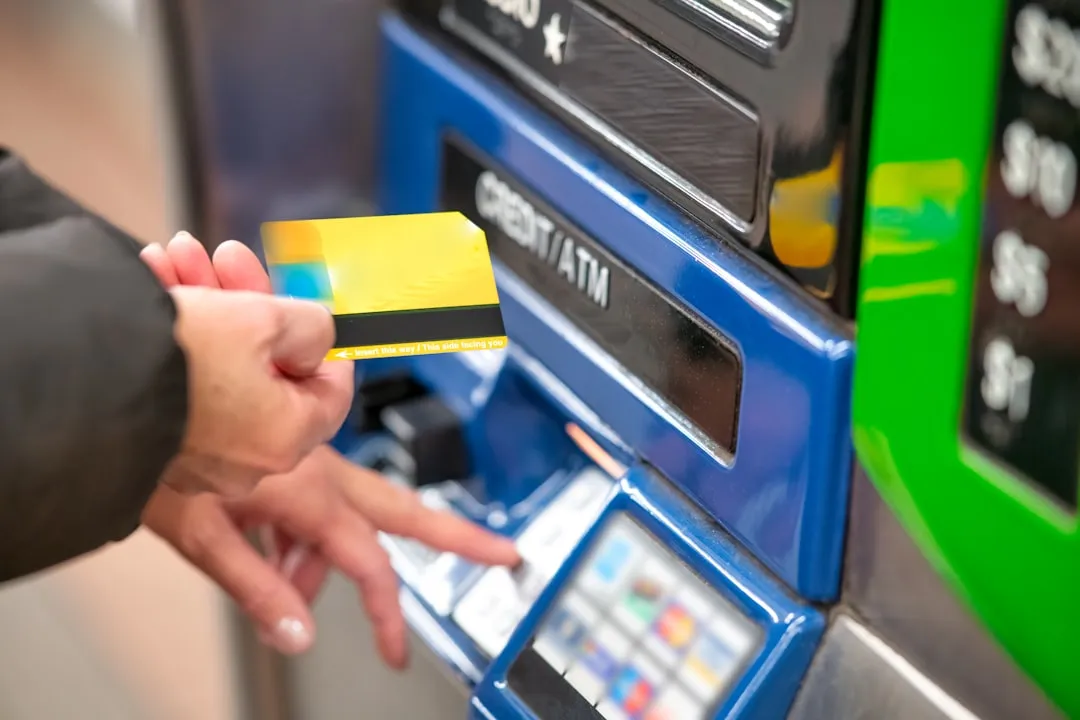
When using an ATM abroad, you may face up to four separate costs: an ATM operator fee, a card withdrawal fee, a foreign transaction fee, and a dynamic currency conversion markup. Most travelers only notice one or two of these, which is exactly how banks and ATM operators prefer it.
If you withdraw local currency at an ATM, your bank could charge you between one and five dollars, plus one to three percent of the transaction amount. The owner of the ATM may even tack on an additional fee on top of that.
Between foreign transaction fees, poor exchange rates, and ATM surcharges, a single two-hundred-dollar withdrawal can quietly cost you ten to fifteen dollars. Stack that over a two-week trip and the losses become real.
The Scale of the Problem Is Bigger Than Most People Realize
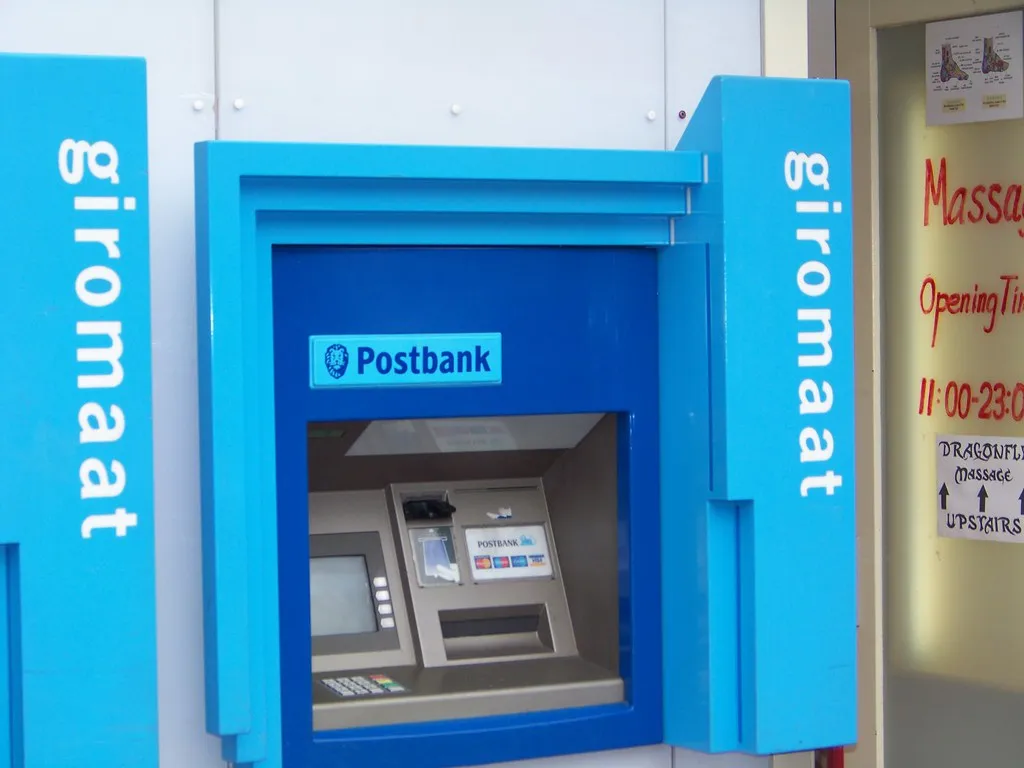
There are approximately 332,572 ATMs across Europe alone, and as a basic benchmark for 2026, using one can cost you anywhere from nothing to over ten euros before you even factor in the currency conversion. That wide gap means a single cash withdrawal can either be completely free or end up costing as much as a light lunch.
Every swipe made abroad with a standard debit card can cost one to three percent in foreign transaction fees. Foreign transaction fees are usually around three percent, added onto costs whenever you transact in a foreign currency. On a two-thousand-euro trip, that is up to sixty euros quietly disappearing from your account before you even factor in ATM charges.
Watch Out for the Double-Screen DCC Trap
In some countries, ATMs will try to push DCC twice. The first screen presents an offer to withdraw at a fixed and known rate. Selecting decline conversion or continue without conversion is not the end of it. A second screen often appears, rephrasing the same offer with different wording to catch you off guard.
Many ATMs are also designed to suggest large withdrawal amounts as the default, especially in tourist-heavy areas. The more a foreign traveler withdraws, the more they end up paying in DCC fees. Staying alert through every step of the ATM process protects you from both traps.
Avoid Airport and Tourist-Area ATMs Whenever You Can
Airport ATMs and exchange bureaus, while convenient, tend to charge higher fees than most. You have nowhere else to go at an airport, so you may end up paying extortionate markups and fees on top of the exchange rate.
Buying currency before you travel or at airport kiosks tends to result in a worse exchange rate. Unless you are completely certain you will need cash right on arrival, it is better to avoid exchanging money in your home country. The first ATM you find inside a city, attached to a real local bank branch, almost always offers a fairer deal.
Use a Bank or Fintech Card That Refunds ATM Fees
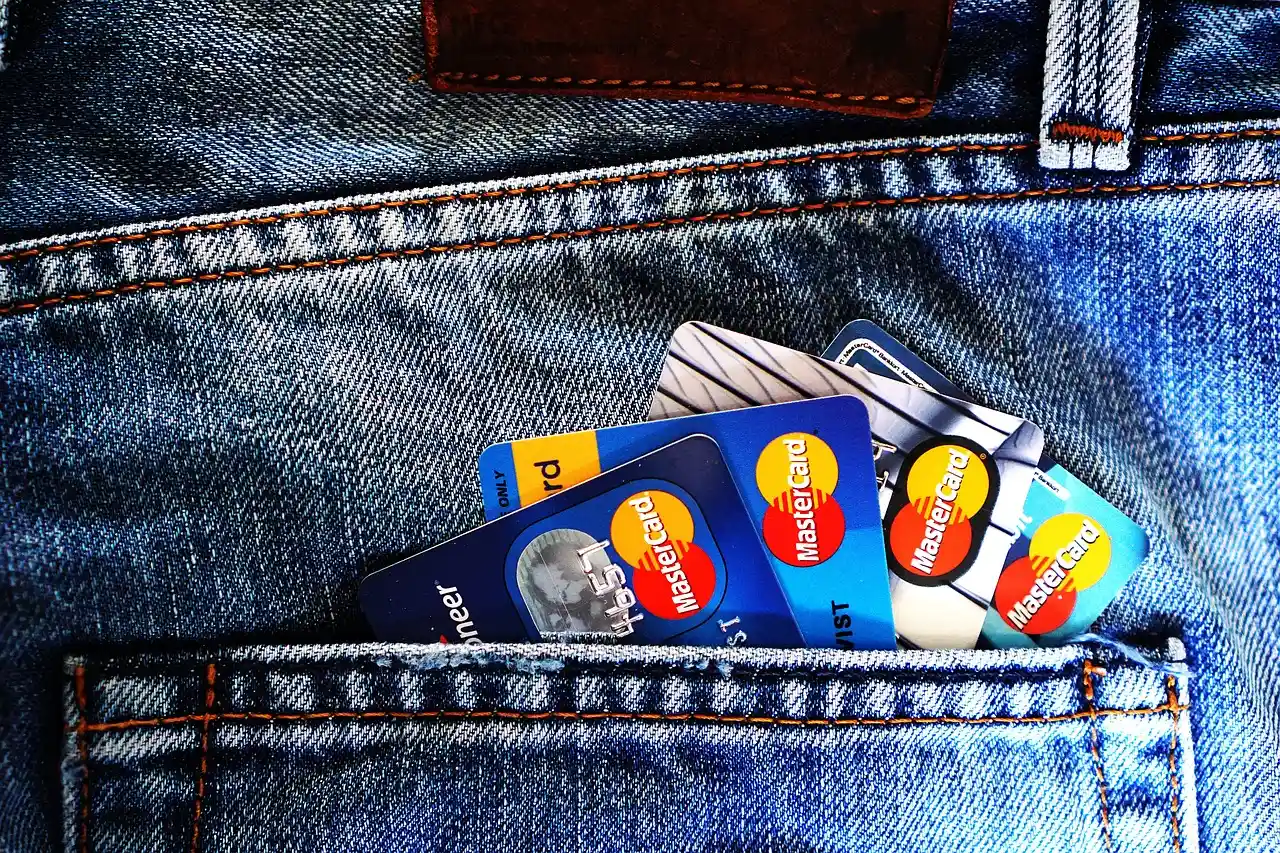
Foreign transaction fees are entirely avoidable in 2026 with the right card. For ATM cash worldwide, Charles Schwab stands out with unlimited global ATM fee reimbursement and zero foreign transaction fees.
Any ATM fees charged domestically or abroad are automatically reimbursed by Schwab at the end of each month. Wise and Revolut offer free ATM withdrawals up to a monthly limit, then charge a small percentage on additional withdrawals. Wise uses mid-market rates with no markup, while some platforms apply only a small fraction of a percent as a conversion fee.
Using both a fee-free debit card for ATM cash and a no-fee travel credit card for purchases is the most practical combined strategy.
Withdraw Larger Amounts Less Often
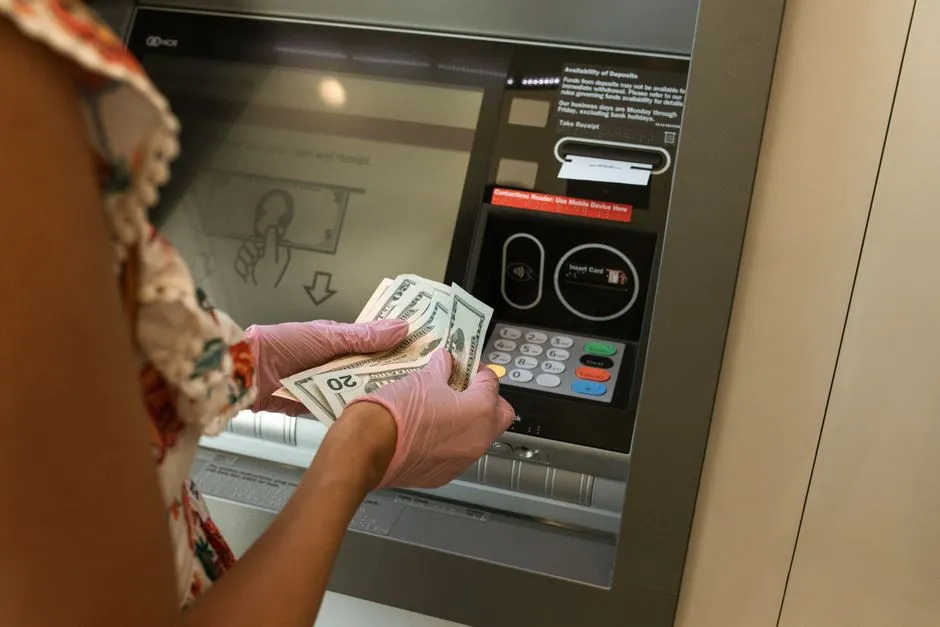
If your card does carry a flat withdrawal fee, one of the simplest ways to reduce what you pay overall is to take out more cash in a single visit rather than making multiple small withdrawals. A flat fee of three dollars hurts a lot less on a two-hundred-dollar withdrawal than on a twenty-dollar one.
Even using an ATM just once a week can add up to roughly 364 dollars a year in fees. Most frequent travelers visit ATMs even more than twice a week, which increases those losses further. Consolidating withdrawals is a small discipline with a meaningful payoff over the course of a trip.
Stick to Bank-Affiliated ATMs Rather Than Independent Machines
If your bank doesn’t have overseas branches, check whether it participates in an international ATM partnership. These networks may offer reduced or waived fees for withdrawals abroad. Bank of America is one commonly cited example of a U.S. bank with such partnerships.
Regardless of the type of card you carry, verifying fees before using an international ATM is essential. Fees to consider include the international ATM’s own fee, currency conversion fees, and your home bank’s fees. Independent ATMs in convenience stores or tourist shops tend to carry the highest operator surcharges and are best avoided entirely.
Notify Your Bank and Review Your Card Terms Before You Fly
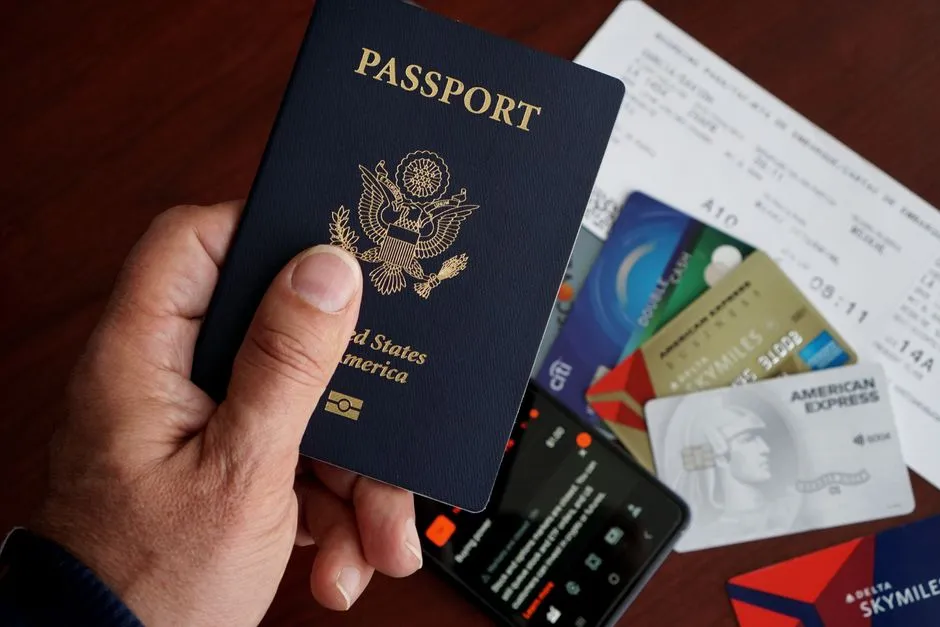
ATM and foreign transaction fees can rapidly add up when making purchases or withdrawing cash abroad. Whether your preference is a credit or debit card, bring only the cards you are going to use and the ones you have confirmed do not charge fees.
Foreign transaction fees can be avoided with the right card in your wallet. Applying for a credit card or checking account that comes with zero transaction fees or ATM rebates well before your trip gives you enough time to receive approval and get the card by mail. A little preparation at home eliminates the most expensive surprises abroad.
The Takeaway
The core ATM trick is not complicated. Choose the local currency every single time, skip the DCC offer no matter how it is framed, use a fee-friendly card, and withdraw from bank-affiliated machines when possible. None of this requires a financial background, just awareness.
Travel is expensive enough without quietly donating a percentage of every cash withdrawal to an ATM operator’s profit margin. The fees are structured to blend into the background, but once you see them clearly, they lose most of their power over your wallet.
AI Disclaimer: This article was created with the assistance of AI tools and reviewed by a human editor.