

Understand Why Sand Sticks in the First Place
Before you can stop sand from colonizing your bag, it helps to know why it’s so persistent. Sand is highly hydrophilic, meaning water molecules can stick directly to it, and then more water molecules attach to the ones already bonded to the silica. That’s the core mechanism at work every time sand clings to a wet towel or damp skin.
Anything wet – towels, toes, chairs, shoes, even pets – will collect sand. Once the water evaporates, the sand can get caught in clothing, stick to the crevices of skin, and otherwise hang on where it’s not wanted. Knowing this changes how you think about packing up: the goal is to interrupt the moisture bond before things go back into the bag.
Start With the Right Bag
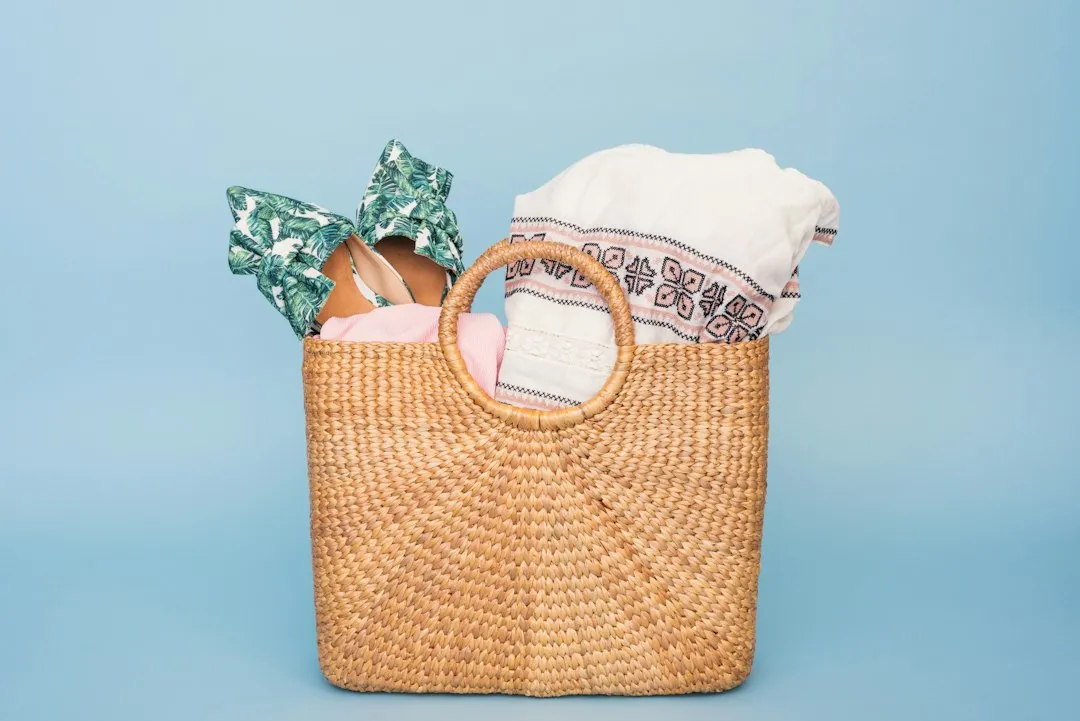
A full-zip closure prevents open-top spillage and reduces airborne sand entry. Water-resistant or waterproof linings act as barriers against both moisture and granular intrusion, while smooth interior finishes are preferable because textured or mesh-lined compartments are places where sand can hide.
Keeping sand out of your beach bag requires some proactive measures. One approach is to choose a bag with a mesh bottom, which allows sand to escape instead of collecting inside. A bag that stands upright on its own also helps, since a bag that tips over directly on the sand is already losing the battle.
Zone Your Bag Before You Leave Home

One of the most effective ways to contain sand is to compartmentalize. Instead of placing towels, flip-flops, or toys directly into your main bag, use sealed secondary containers. This method isolates high-risk items and creates physical barriers.
By pre-packing items in dedicated containers, you minimize direct contact between sand and your primary storage space. Think of it as “sand zoning” – designating specific areas or vessels for dirty items so the rest of your bag stays clean. It takes a little prep time at home, but the difference when you’re packing up to leave is significant.
Use Dry Bags and Waterproof Pouches Strategically
A common mistake is tossing a wet swimsuit or sandy shoes back into the main beach bag, which leaves everything else damp or covered in sand. Bringing a waterproof pouch or wet bag avoids this problem entirely.
A waterproof pouch is ideal for your phone, keys, and wallet to protect them from sand and water. A separate toiletry pouch works well for sunscreen, lip balm, and other small essentials. Keeping these two categories apart from each other also makes finding things mid-beach day much faster.
Roll Your Towels, Don’t Fold Them

When it’s time to pack up, give your towel a few firm shakes first, making sure you’re downwind and away from other beachgoers. Rolling it rather than folding it helps keep any remaining sand contained within.
When packing clothes, towels, and blankets, rolling them instead of folding saves space and reduces wrinkles. It also has a practical sand benefit: a tightly rolled towel traps residual grains inside the roll rather than scattering them across everything else in your bag. A small detail, but a genuinely useful one.
Keep Your Bag Off the Sand
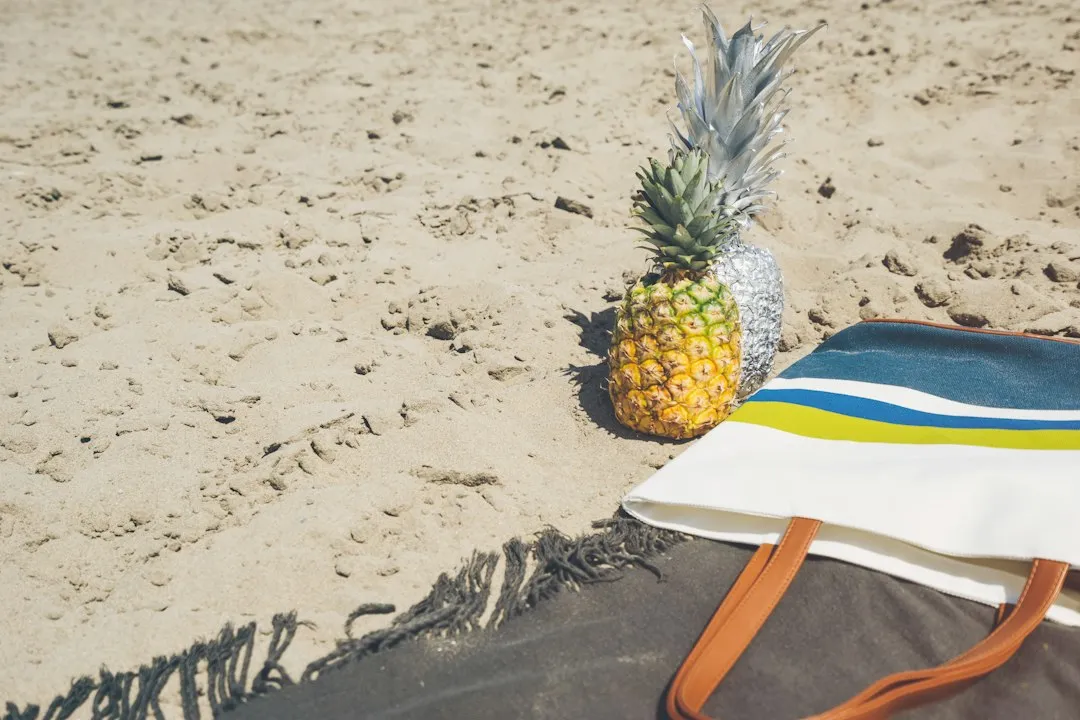
Sand is part of the fun of a beach day, but a few simple habits can help keep it from taking over your beach bag. Keeping your bag on a beach chair or towel rather than directly on the sand means it picks up less of the gritty stuff throughout the day.
Bottom gussets or rigid bases help the bag stand upright on clean surfaces, minimizing floor contact. If you don’t have a chair, even a folded-up spare towel under the bag makes a real difference. The less direct contact the bag has with the ground, the less sand migrates in through the base over the course of a few hours.
Use the Baby Powder Trick Before Repacking

Baby powder removes beach sand from skin and fabrics by absorbing moisture and reducing surface tension. This is what makes it so effective: it breaks the water bond that allows sand to cling in the first place.
It’s best to air dry after getting out of the water first. Then simply sprinkle some baby powder on the sandy area and rub back and forth with your hands to brush the sand away. If you’d rather not bring a whole bottle, fill an old sock with baby powder and use that to wipe off the sand – it creates less mess in the process. Less sand on your body before you reach into the bag means less sand ends up inside it.
Handle the Kids’ Toys Separately
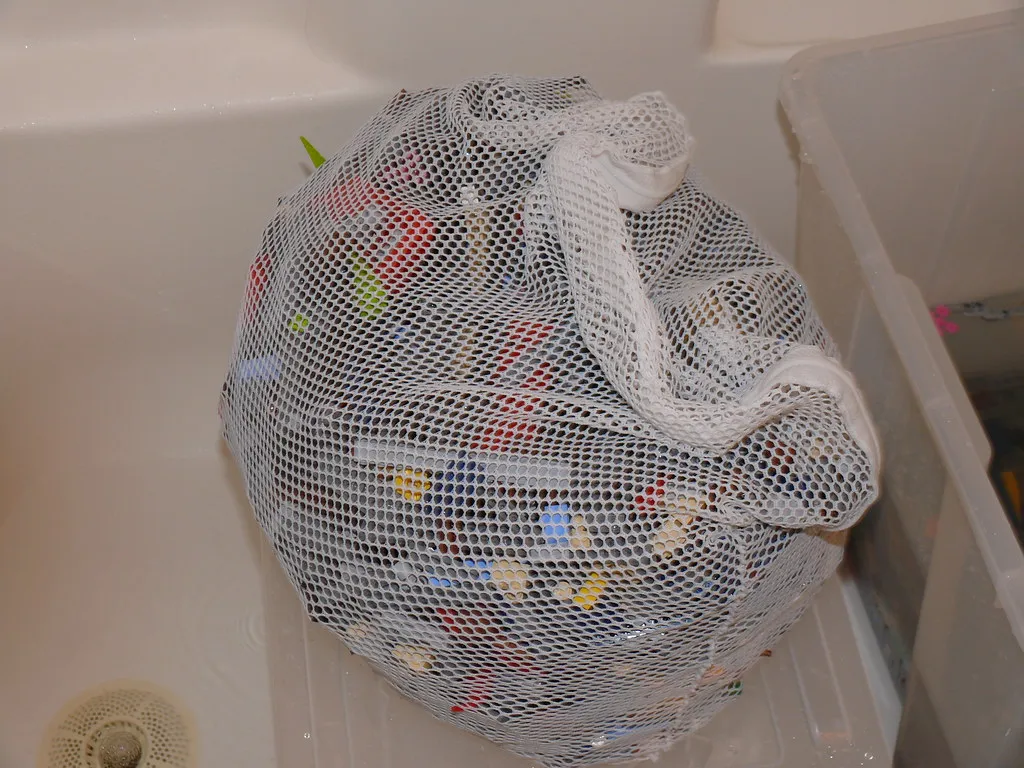
A mesh laundry bag lets sand fall out as you carry toys back to the car. It also makes rinsing easier if there are showers nearby. Choosing one with a drawstring keeps small items from escaping.
To avoid bringing sand home in children’s toys, stowing them in a mesh bag, mesh hamper, or laundry basket with holes that sift out the grains of sand is the most practical approach. Beach toys are often the biggest culprits for dragging sand back into the main bag, and keeping them in their own dedicated space is one of the simplest fixes on this list.
Clear Sand From Zippers Before Closing
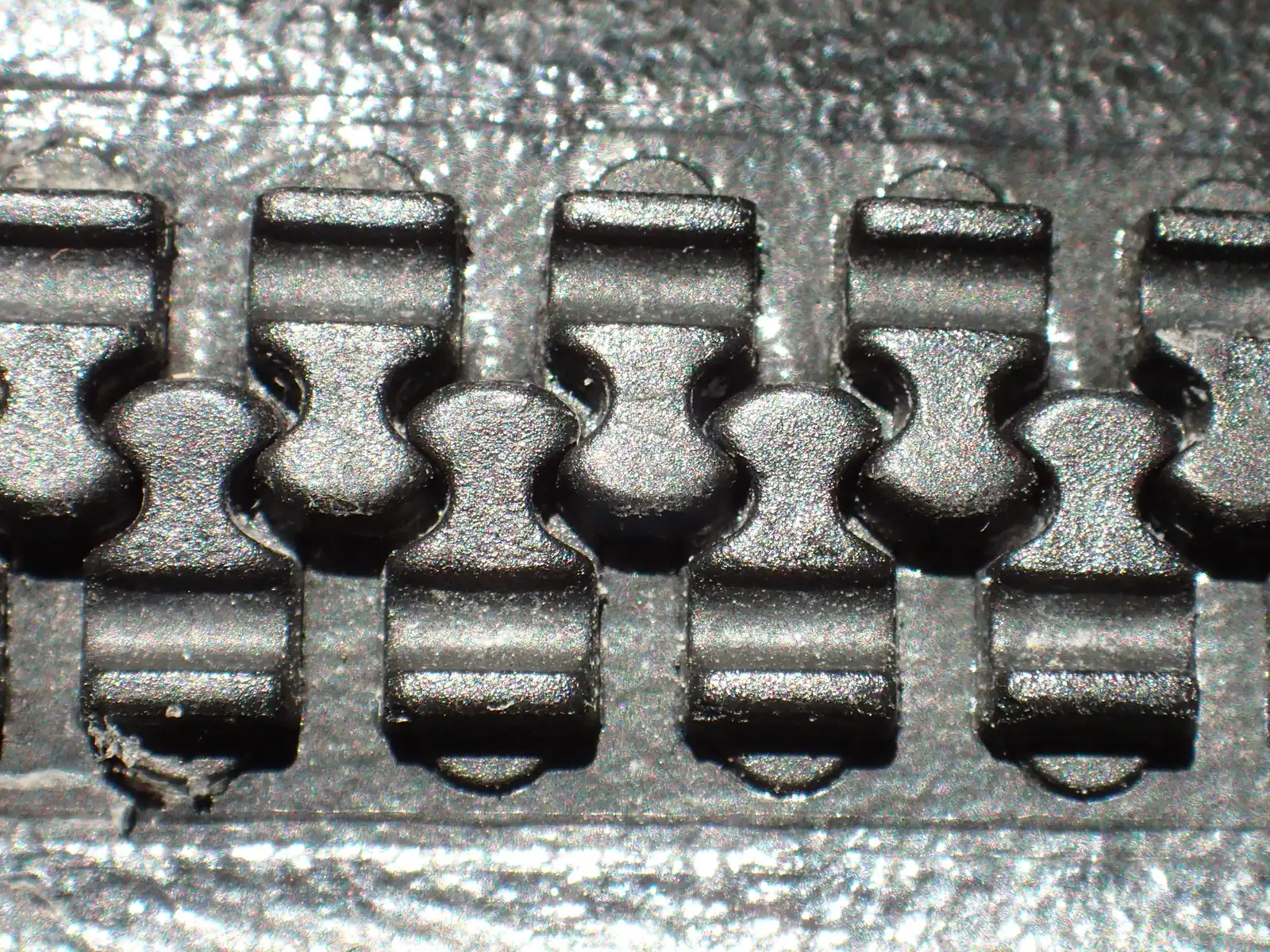
A fluffy makeup brush or a cheap paintbrush sweeps sand out of bag zippers, cooler seams, and phone ports. It’s a gentle fix that prevents zipper damage. This is one of those steps that takes about ten seconds and saves you from a broken zipper pull by the end of summer.
Keeping the brush in a small pouch ensures it doesn’t get sandy before you need it. The common mistake is yanking a gritty zipper until it breaks. A little patience and a soft brush at pack-up time keeps your bag in far better shape over the long run.
Do a Three-Minute Exit Routine Before Leaving the Beach
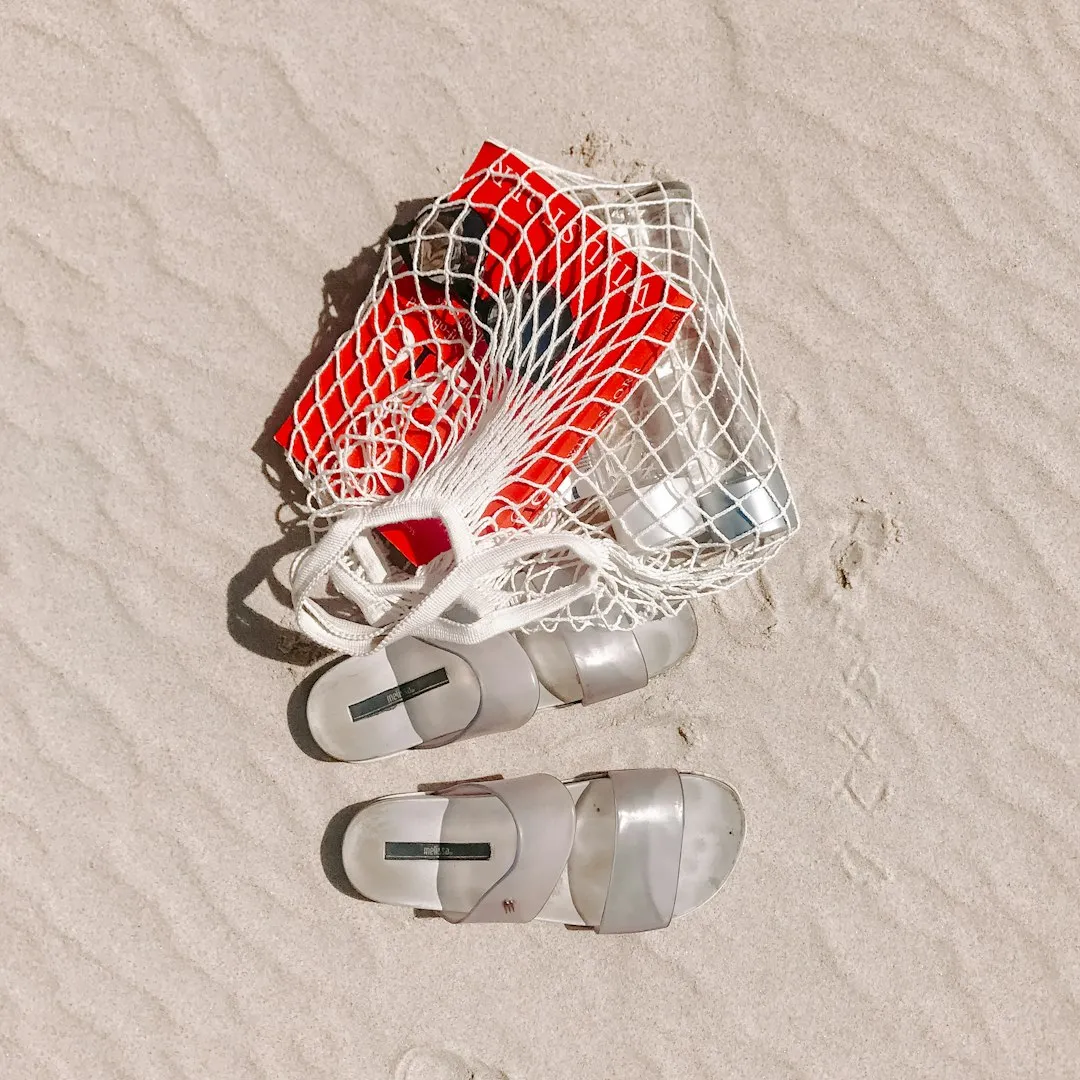
Keeping sand out of your beach bag isn’t about perfection – it’s about smart habits. The goal isn’t to eliminate sand entirely, which is unrealistic, but to control its movement and prevent cross-contamination.
A simple exit routine makes a real difference. A three-minute exit routine can keep sand out of your car. Pack by categories so your bag stays simple and functional. Unpacking your beach bag as soon as you get home, ideally outdoors, helps track less sand inside your house. Pair that habit with shaking the empty bag out before you close it, and you’ll arrive home with a fraction of the sand you used to.
The Takeaway

Sand is a fundamental part of a good beach day – the texture underfoot, the way it holds the warmth of the afternoon sun. The point isn’t to avoid it. The point is to leave it where it belongs when the day is done.
Most of these strategies are free, fast, and require nothing more than a slight shift in how you pack and unpack. The layer system of waterproof pouches, rolled towels, and zoned compartments does the heavy lifting. The baby powder trick and the brush-clean zipper routine handle the details. Put them together and your bag stays genuinely clean, trip after trip.
AI Disclaimer: This article was created with the assistance of AI tools and reviewed by a human editor.