
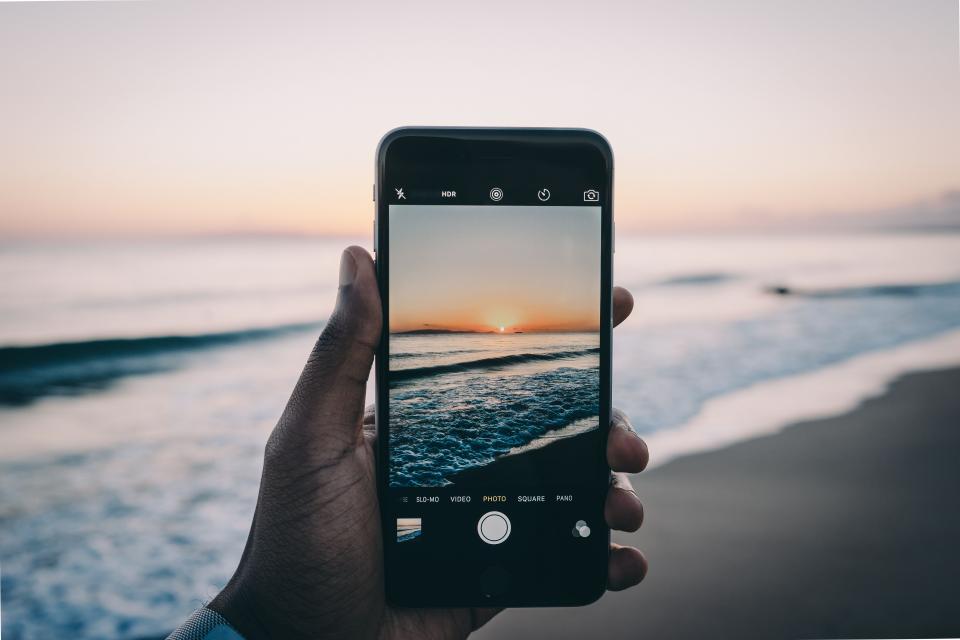
Sitting Too Deep into the Chair Compresses Everything
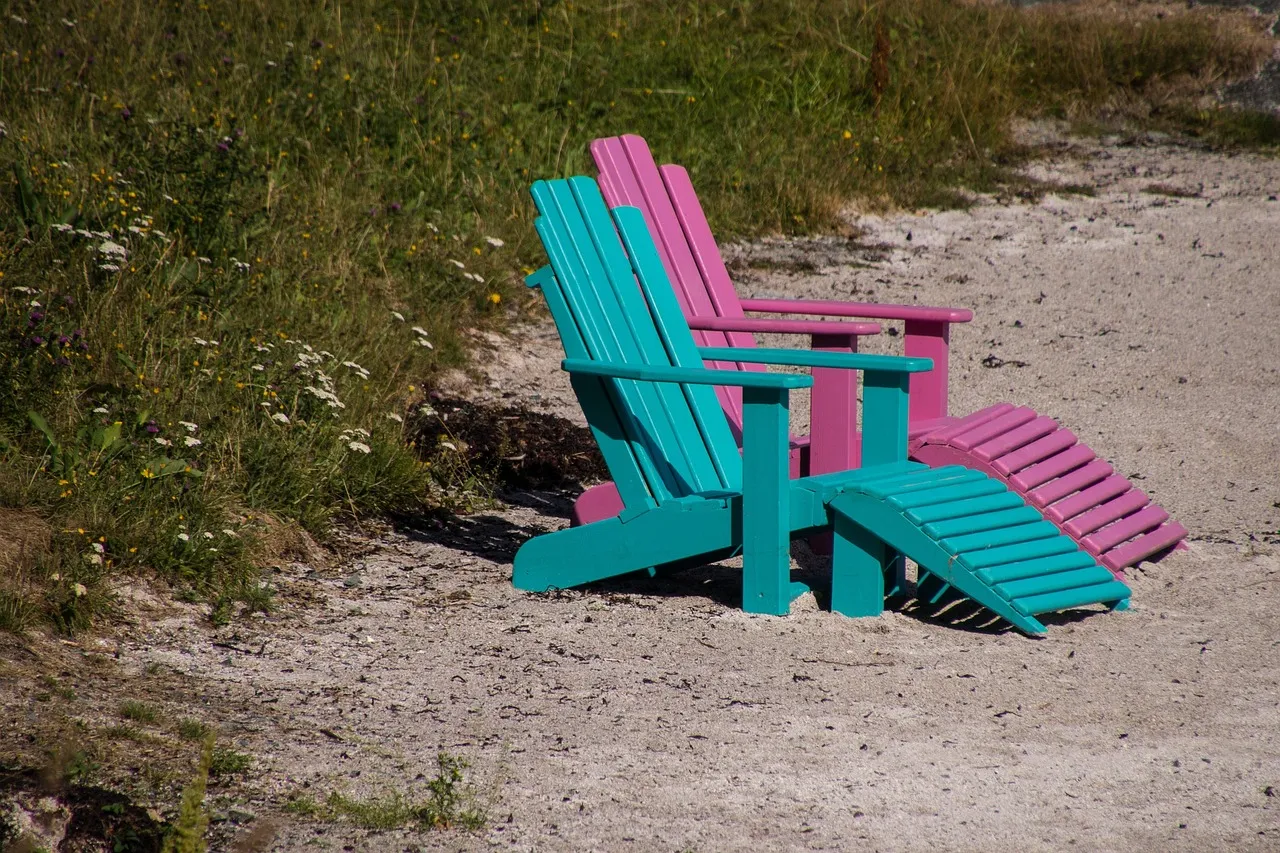
Sitting too far back in a chair can make a person look swallowed by the furniture. On a beach lounger, this effect is amplified because the reclined angle pushes everything forward and downward at once. Your torso shortens, your shoulders round, and suddenly you look like you’ve sunk into the frame rather than inhabited it.
When posing for photos, we’re taking a three-dimensional person and compressing them into a two-dimensional image, and this becomes especially challenging with seated photos. Sitting “normally” causes your torso to look compressed and your legs foreshortened. The fix is simpler than most people expect: perch closer to the edge of the chair, keep the back tall, and let the lounger frame you rather than swallow you.
Symmetrical Positioning Reads as Stiff and Unnatural

Having subjects sit perfectly symmetrical looks stiff and unnatural. When two hands rest identically on two thighs, or both feet land flat on the footrest in the same position, the body loses all sense of ease. The photo starts to look posed in the worst possible way, more like a passport shot than a cherished holiday memory.
Shifting your weight slightly to one side prevents a rigid, straight-on look, and for hands, avoiding letting them hang stiffly and instead placing them gently on the lap, hair, or a nearby surface makes a visible difference. A small asymmetry is all it takes to transform a stiff pose into something that actually looks lived-in.
Shooting Straight On from a Standing Position Distorts Proportions
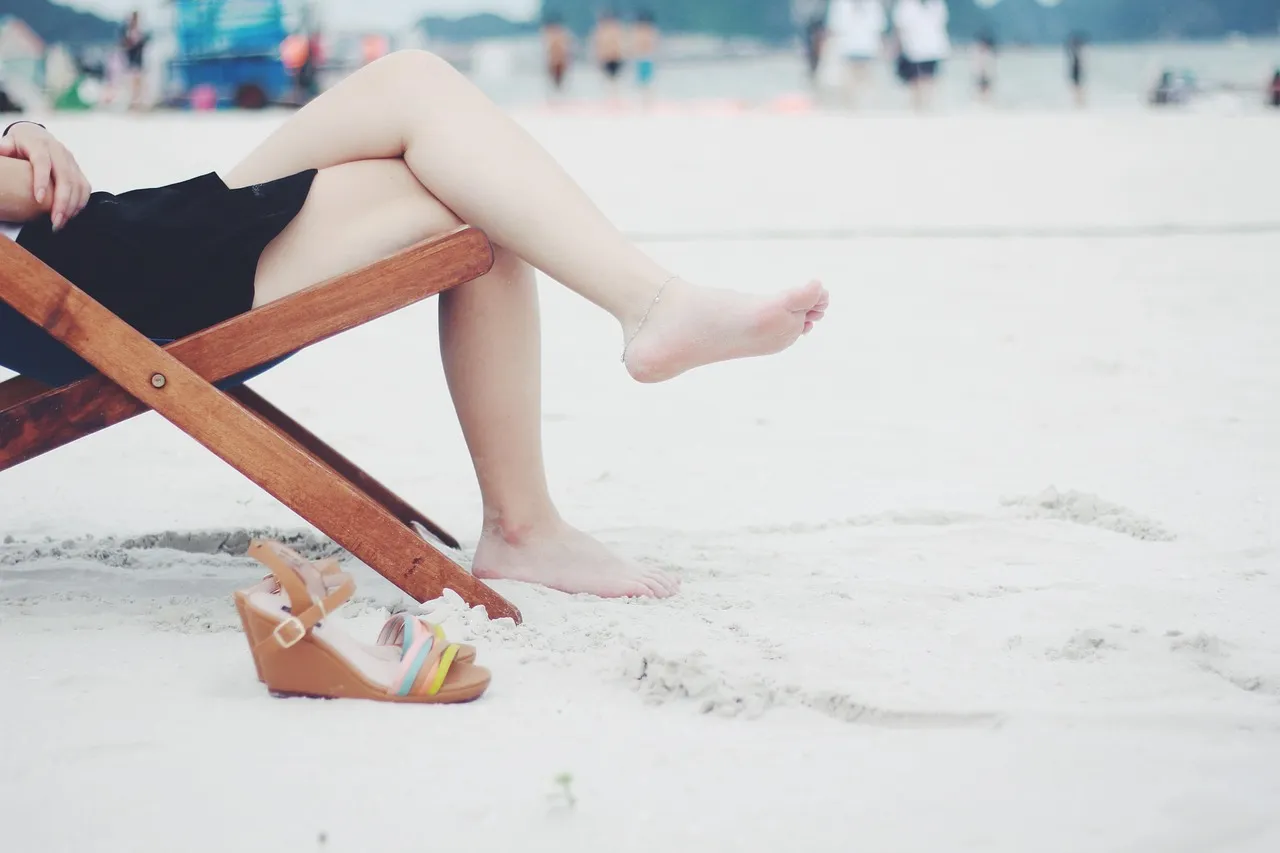
The camera angle is a significant part of the pose and the message it conveys. Shooting from above the subject creates a softer look, while bringing the camera angle low creates a more dominating feel in the photograph. When someone stands directly beside a lounger and shoots downward at a seated person, the result is almost always unflattering.
Experimenting with angles matters, and sometimes a slightly lower camera angle can make legs look considerably longer, especially when someone is reclining on a pool or beach chair. Getting down to roughly the level of the chair, or shooting at a slight diagonal, instantly changes the entire dynamic of the image.
The Wrong Leg Position Creates the Most Common Beach Chair Fail
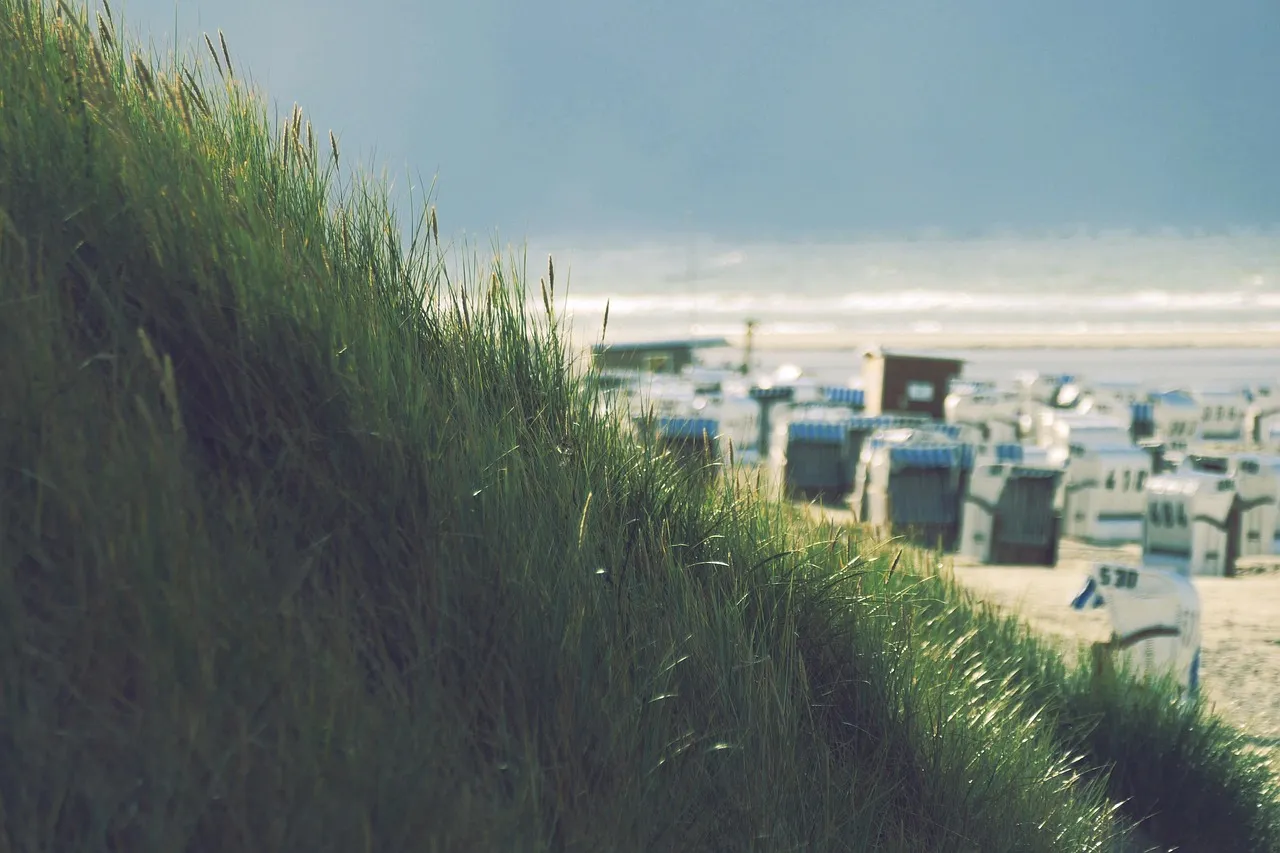
When legs are in the same line, it creates an effect of a “wide” leg and spoils an otherwise beautiful picture. On a beach lounger, this tends to happen automatically because the flat surface encourages people to lay both legs straight out and parallel. The camera sees both limbs merging into one wide shape, and the result looks nothing like the person actually does in real life.
The closer the legs are to the chest, the more it violates the proportions of the body. The half-lying position, where one leg is in front of the other, perfectly emphasizes the elegant lines of the body. Staggering the legs, even slightly, separates them visually and restores natural proportion to the whole frame.
Poor Posture in a Lounger Makes the Neck Disappear
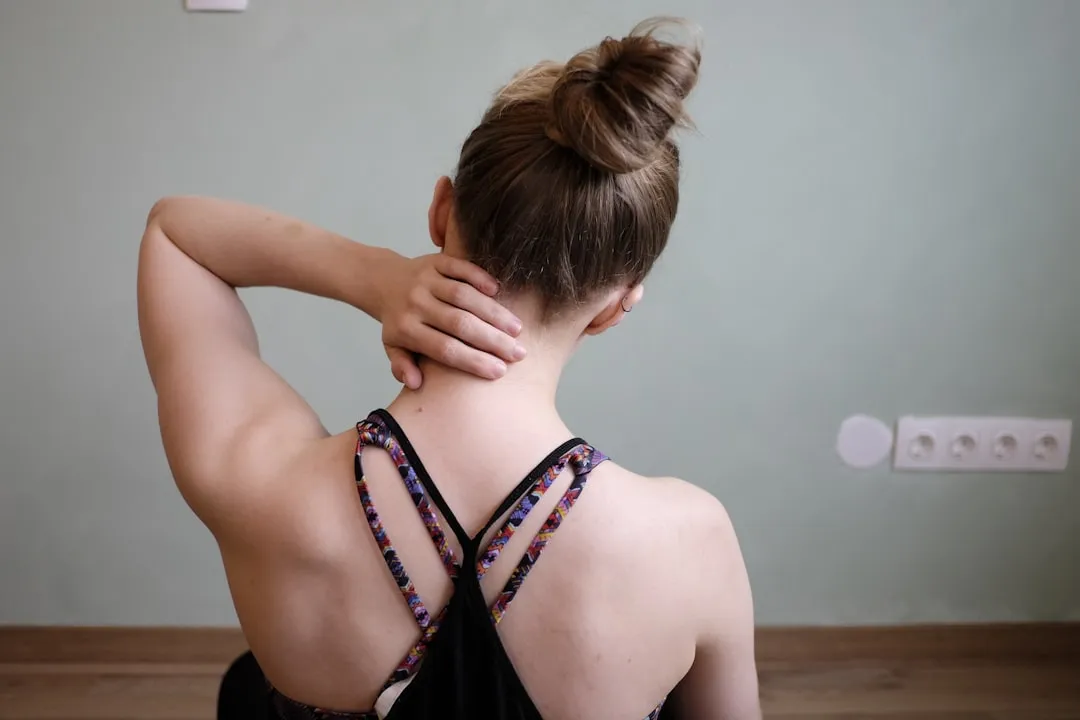
Because of poor posture in a lounger, a belly can appear and the neck can disappear. The correction is straightforward: don’t slouch. All that’s needed to make the pose more elegant is to straighten your back. The challenge is that beach chairs are specifically engineered to encourage slouching, which is wonderful for relaxation and terrible for photographs.
A simple awareness habit helps enormously. Before someone takes the shot, take a deliberate breath, roll the shoulders back, and lift the chin just slightly. It takes about two seconds and changes the entire silhouette. The difference between a strong neck line and none at all in a beach photo often comes down to this single quiet adjustment.
Shooting at Midday Turns the Beach Chair into a Shadow Machine
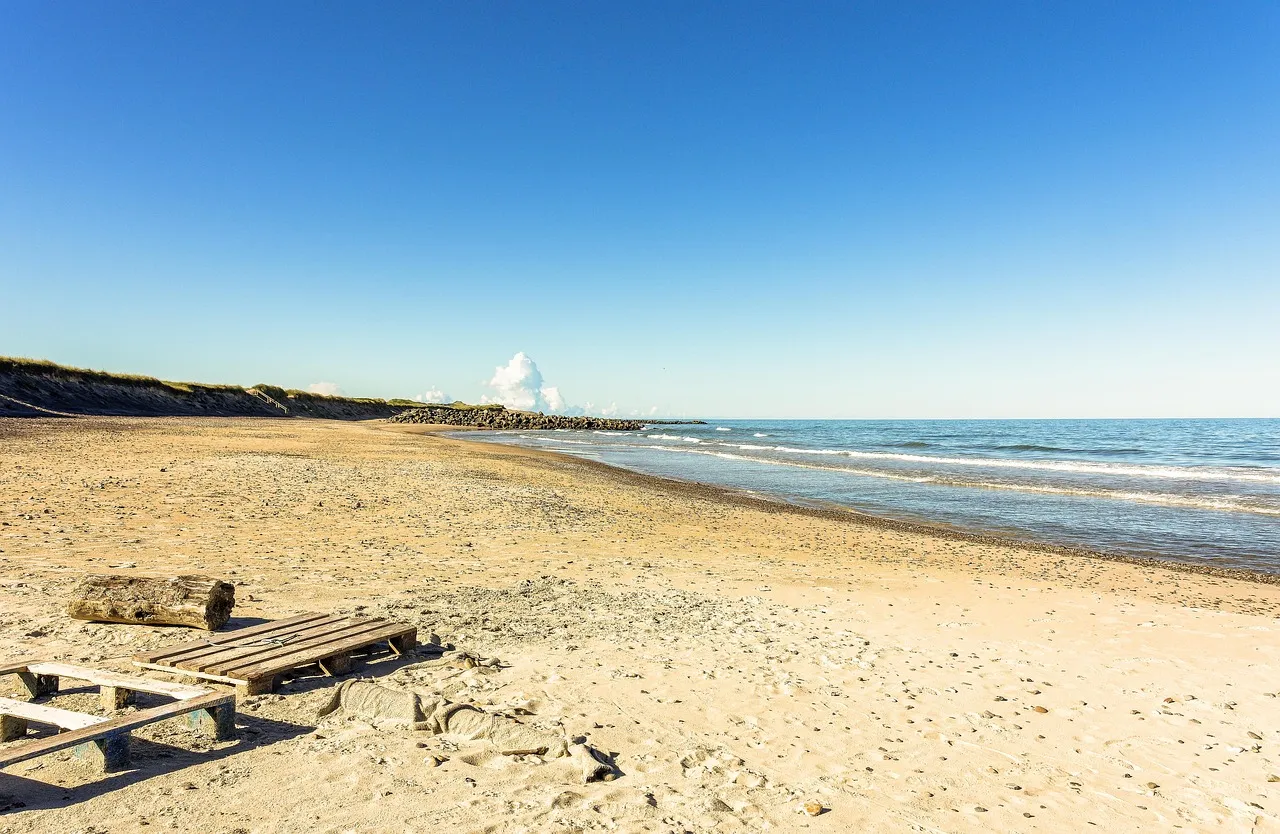
Direct midday sunlight is rarely flattering. It creates deep shadows under the eyes, harsh highlights on the face, and exaggerated features. A beach lounger compounds this problem because it positions the body horizontally under the sun, essentially turning the face and the chest into a landscape for hard, unforgiving light.
Scheduling a beach photoshoot in the middle of the day is a common mistake, since harsh sunlight creates strong shadows and squinting. Sunrise and sunset provide the beautiful golden light that makes beach photography look its best. The late afternoon in particular, roughly an hour before sunset, offers warmth and softness that midday simply cannot replicate, regardless of location.
A Cluttered Background Cancels Out the Whole Scene
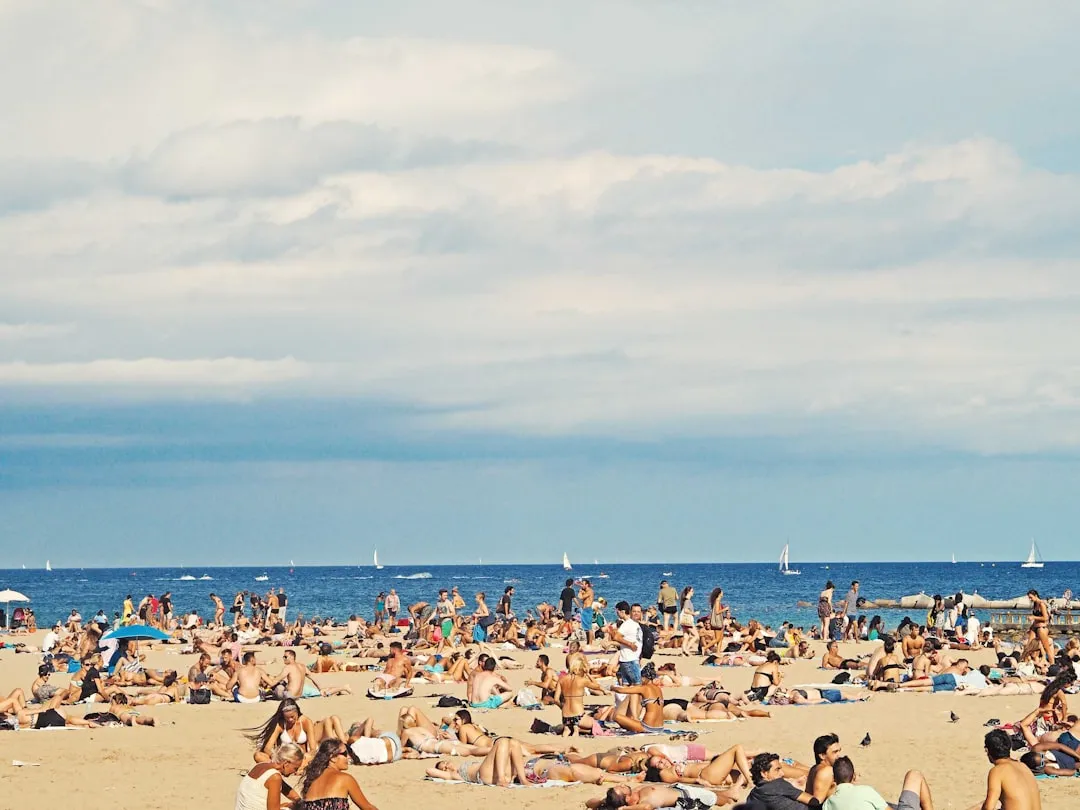
A nice portrait can be ruined by a garbage can, garden hose, parked car, or random person in the background. Before pressing the shutter, it helps to scan the edges of the frame and look behind the subject. On a crowded beach, this matters even more. A rainbow of strangers’ towels, coolers, and umbrellas behind a subject on a lounger can make the entire photo feel chaotic and small.
A step to the left or right may clean up the entire image, and this is one of the biggest differences between a snapshot and a carefully made photograph. Repositioning the chair or simply shifting the shooting angle by a metre can isolate the subject cleanly against the sea or sky, which transforms the whole emotional quality of the image.
The Tilted Horizon Betrays You Especially at the Beach

A tilted horizon is a common beach photography mistake to avoid at all costs. When faced with wide-open space and a long, unbroken horizon, even the slightest camera tilt becomes immediately apparent and looks terrible. When a person is lying in a beach chair, photographers often tilt the phone slightly to frame the subject more dramatically, and that’s when the horizon quietly slides out of level.
Your phone already has a built-in solution. Turning on the grid and level in camera settings, then using those lines to keep the horizon straight before pressing the shutter, corrects the problem immediately. It takes one setting change to activate this feature, and once it’s on, a straight horizon becomes almost automatic.
No Focal Point Means the Chair Just Floats in Empty Space
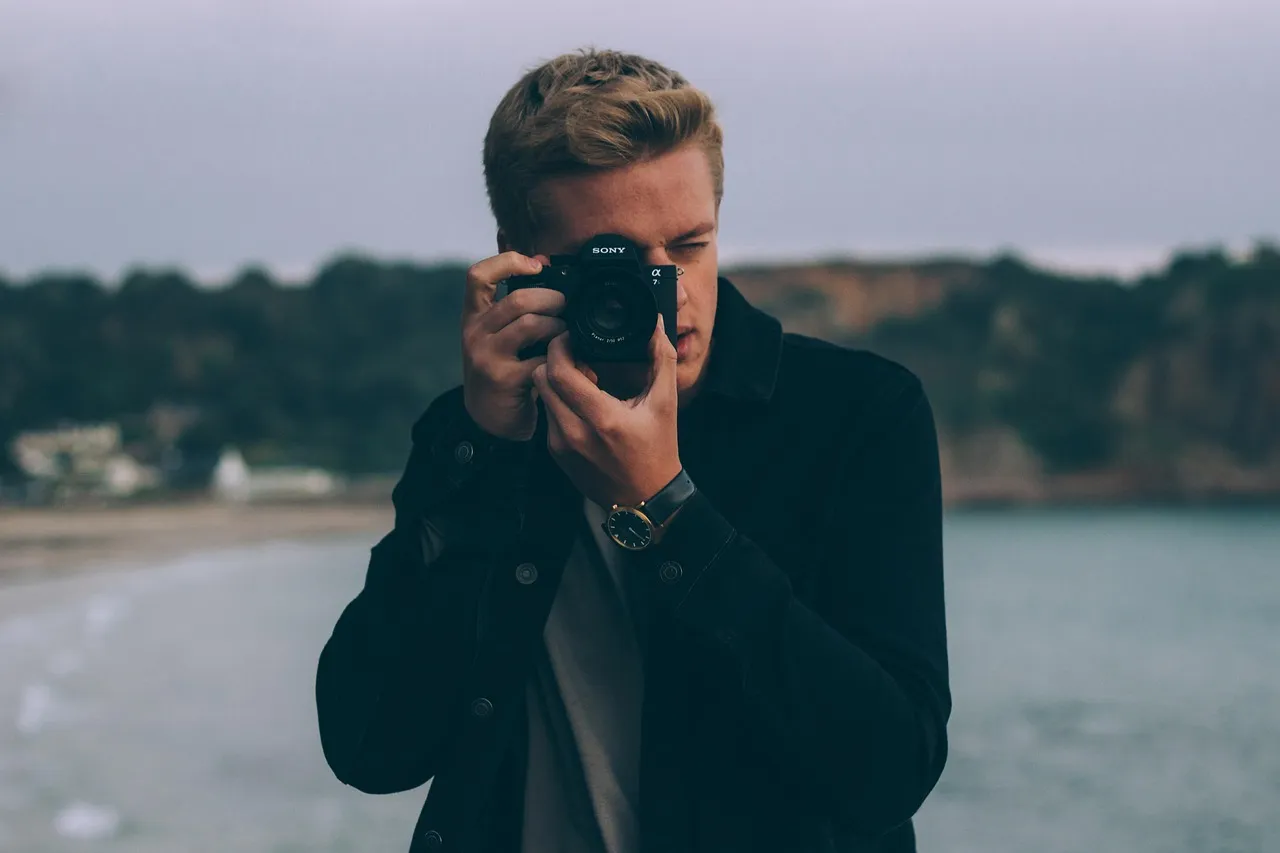
A compelling beach photo needs a focal point. While the vastness of the sea and sky is mesmerizing, it can leave photos feeling empty or aimless. Introducing a focal point, like a beach chair, a rock formation, or even footprints in the sand, gives viewers a place to rest their eyes and a narrative to follow. The problem arises when the chair is the only compositional element and nothing else in the frame supports it.
A focal point can be something as simple as a chair or a shell. It draws the viewer’s attention and provides a context for the shot, tells a story, and keeps things interesting. Try including a single meaningful object in the foreground, a pair of sandals, a book, a hat, and the chair immediately reads as a place someone actually inhabits rather than a prop dropped into a scene.
Stiff Arms Reveal That You Were Thinking About the Photo
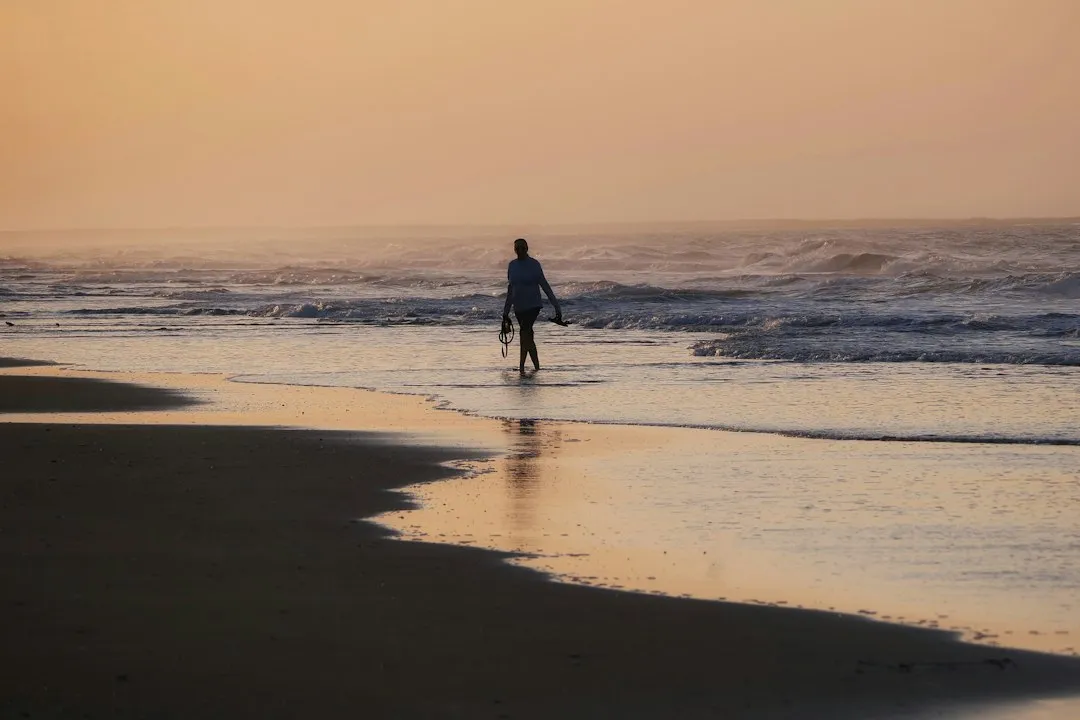
A very easy way to show discomfort is to have both hands resting atop the thighs. This doesn’t translate well in photos and makes the pose feel forced. On a beach chair, the natural impulse is to lay both arms flat on the armrests or along the thighs, which creates a look of rigid formality completely at odds with the relaxed holiday setting.
Looking stiff or unnatural in posing beach pictures is one of the worst blunders. Standing straight with arms fastened to the sides usually produces a dead stance. Instead, changing your hair, experimenting with accessories, or interacting with surroundings to add movement, shifting weight and relaxing shoulders, all create a more natural result. The same logic applies when seated. Touch a glass, shield your eyes from the sun, or tuck one hand lightly behind your head. Any small, purposeful gesture breaks the rigidity.
The Fix Is Almost Always Smaller Than You Think
None of these issues require expensive gear, a professional photographer, or a reshoot at dawn. Most beach chair photo failures trace back to small, easy-to-correct habits: sitting too deep, facing the camera too squarely, shooting at the wrong hour, or forgetting to check what’s happening in the background. The chair itself isn’t the villain. How we use it and photograph it is.
Take a moment before the shot. Think about the light, the angle, and where the legs are going. Most travel photography mistakes are easy to fix, and you do not need a new camera or an expensive lens. You mostly need to slow down, pay attention, and learn from mistakes that others have already made.
The ocean behind you is extraordinary. The light on your face at golden hour is genuinely beautiful. The beach chair is comfortable and full of visual potential. All it needs is a little intention, and your vacation photos will finally match what the moment actually felt like to be there.
AI Disclaimer: This article was created with the assistance of AI tools and reviewed by a human editor.