

The Shoes-Off Rule Has Changed – But Not Entirely
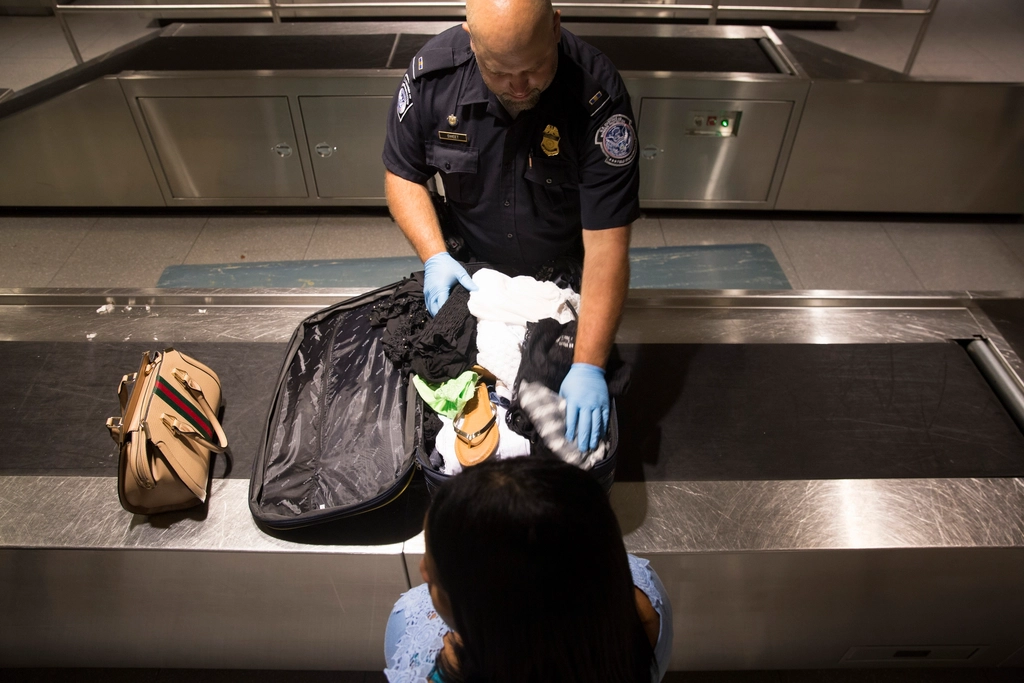
In July 2025, the Department of Homeland Security ended the “shoes-off” policy at U.S. airports. This was the first time in 19 years that general passengers could skip the TSA’s footwear removal requirement. It felt like a long time coming for frequent flyers who had mastered the barefoot-on-cold-floor shuffle.
Though you no longer have to untie laces or walk barefoot on a dirty floor, having the wrong footwear may still trigger additional security screenings. Passengers will still need to remove their shoes for additional screening if they trigger scanner or magnetometer alarms. So the rule changed, but the underlying physics did not.
Why Your Belt Buckle Is Still the Bigger Problem
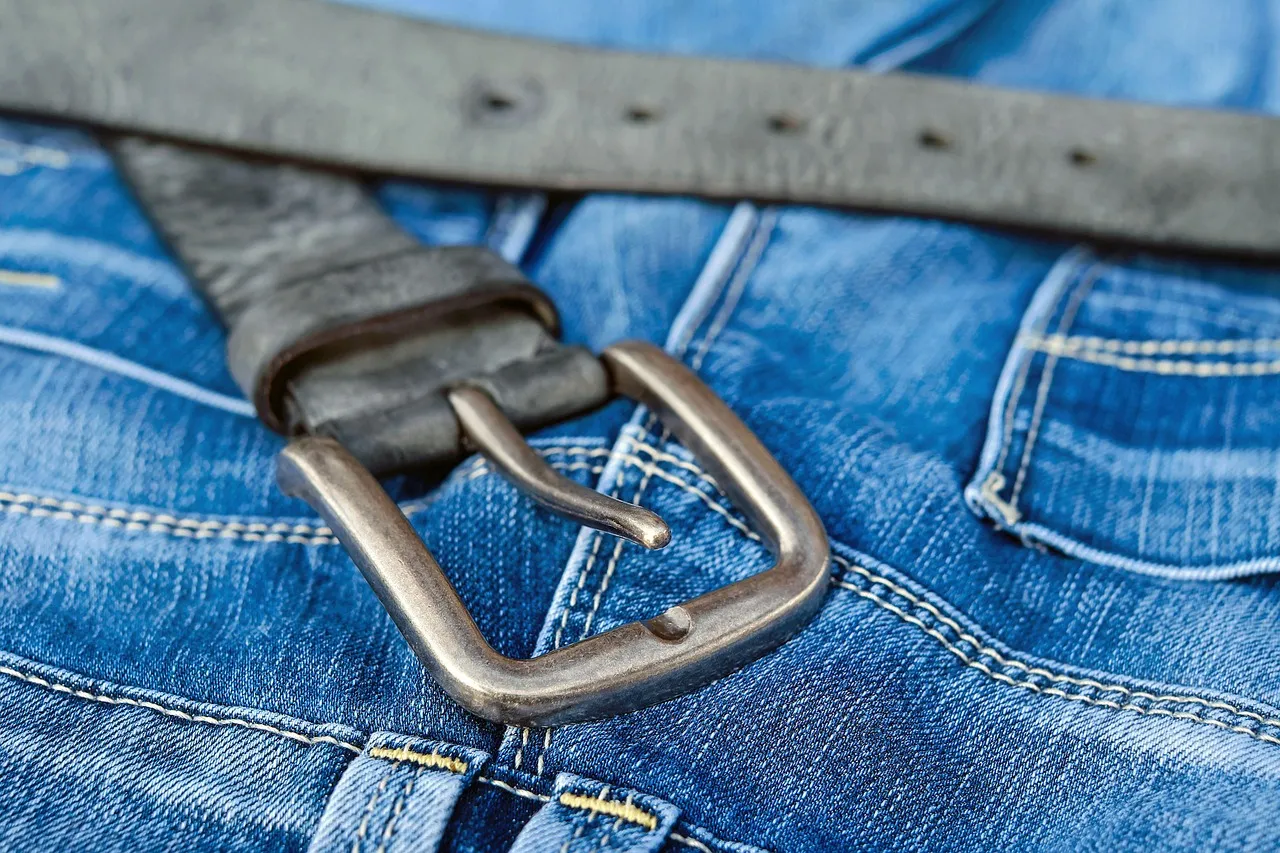
Every airport security line has the same bottleneck: the belt bin. Standard metal buckles set off walk-through metal detectors, forcing you to unbuckle, remove, and re-thread your belt while juggling everything else in your hands. It is a small delay, but it compounds when hundreds of people do the same thing.
Three categories of buckles almost always trigger TSA detectors: large plaque buckles, heavy ratchet buckles with thick metal plates, and chunky novelty buckles. Over two million passengers pass through U.S. airport security every day in peak travel season, and a belt that triggers a secondary screening adds 30 to 90 seconds per traveler. That ripple effect is real.
The One Footwear Choice That Still Slows Lines

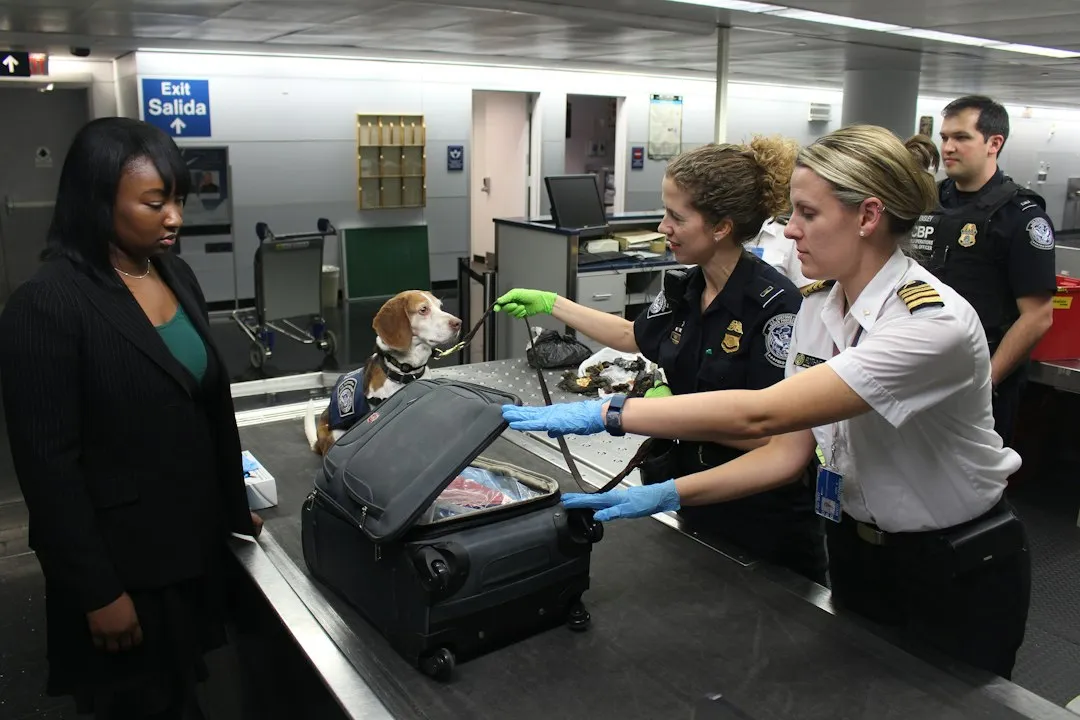
Boots with metal components, shoes with thick soles or hidden compartments, and footwear with excessive buckles or decorative metal elements will likely be flagged for additional inspection. Platform shoes and thick-soled sneakers are particularly problematic because their dense soles can obscure potential threats during scanning.
High-laced boots that take significant time to remove and replace create bottlenecks in security lines. Steel-toed work boots, hiking boots with metal shanks, and shoes with metal arch supports almost always trigger metal detectors. Many high heels rely on metal heel rods for structure, and those rods can set off TSA metal detectors. The simplest habit is to travel in low-metal, easy-to-remove shoes regardless of policy.
The Numbers Behind TSA PreCheck
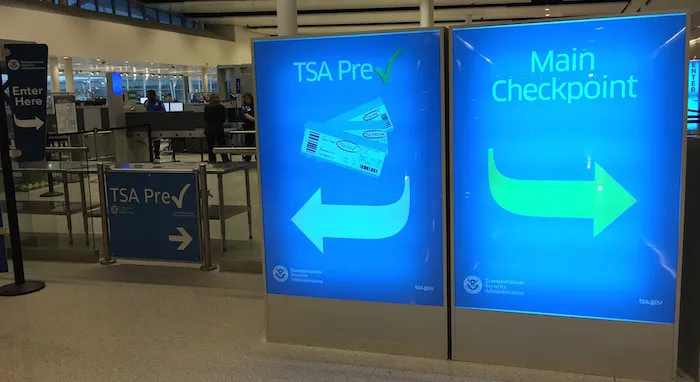
TSA PreCheck lanes move faster, and about 99% of passengers wait less than 10 minutes. Travelers in PreCheck lanes typically do not need to remove shoes, belts, light jackets, laptops, or compliant liquids during screening. That is a meaningful difference in experience, especially on a Monday morning at a hub airport.
TSA PreCheck has passed 20 million members, part of more than 40 million people enrolled across all DHS Trusted Traveler programs. PreCheck lanes are designed to keep waits under 10 minutes, versus a 20-minute target for standard lanes. During peak travel, standard TSA wait times can exceed 45 minutes at busy airports.
Why a Metal-Free Belt Is Worth Owning
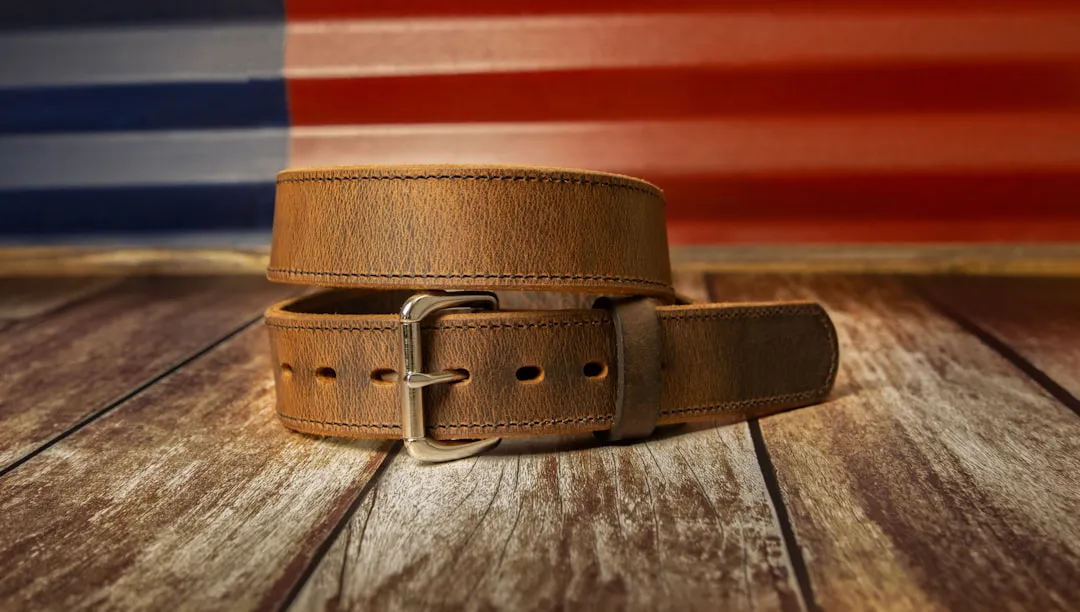
The term “TSA friendly” gets used loosely across the belt industry. Some belts are fully metal-free, while others swap the buckle but keep metal rivets, prongs, or strap ends that can still trigger a detector. Knowing the difference before you travel matters more than the label on the package.
A metal-free belt is a smart choice because PreCheck status is not guaranteed on every flight, and some airports route PreCheck passengers through standard screening during peak hours. A belt that clears any scanner – standard or expedited – removes one more variable from a process that already has plenty of them.
The “Metal Dump” Habit Most Travelers Skip
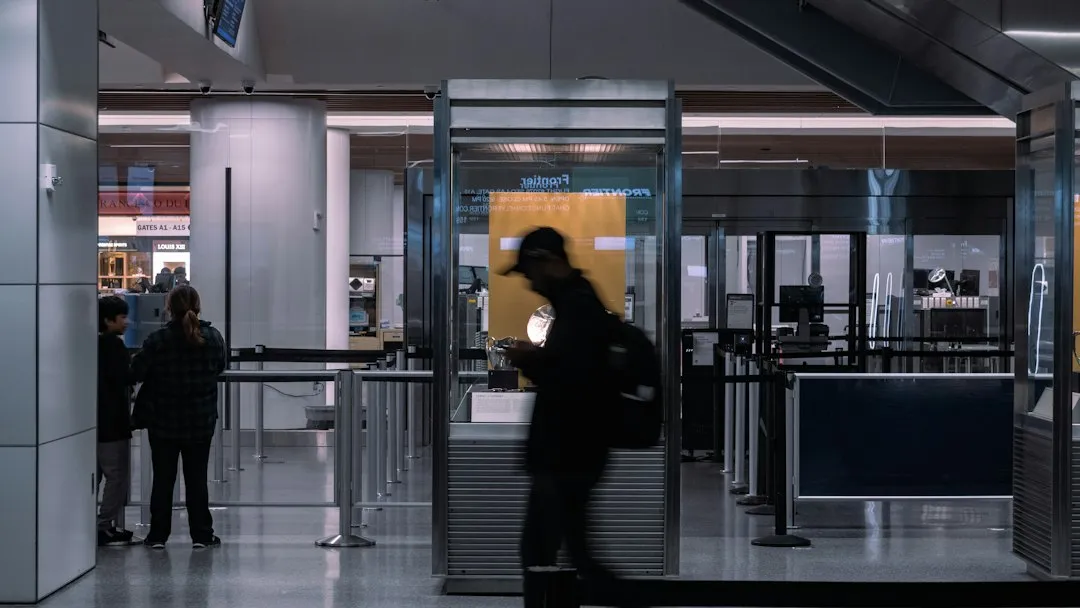
Building a “metal dump” habit in the queue – where your belt, watch, keys, coins, and bulky jewelry go straight into your bag before trays appear – cuts alarms and reduces delay immediately. It sounds obvious, yet it is surprisingly rare to see people do it proactively rather than reactively.
Belts, watches, coins, and key rings are top causes of detector alarms. In a national survey, 28% of travelers admitted forgetting to remove their belt and shoes before stepping through the scanner – that is more than one in four passengers sent back for another bin. A small habit change before you reach the conveyor can spare you and the people behind you significant time.
Shoe Style Choices That Keep You Moving

For smoother airport experiences, wear simple slip-on shoes without metal components. If you must wear more complicated footwear for your destination, consider packing those shoes in your checked luggage and wearing simpler shoes for the airport. Packing flexibility at the departure end can save real minutes at the checkpoint.
Most metal shanks – the strip between the insole and outsole under the arch of a shoe – are now TSA-friendly, but vintage footwear may contain metallic structural supports that are notorious for sounding alarms. If you are traveling in older boots or classic leather dress shoes, it is worth checking the construction before assuming they will clear without issue.
How Loose Clothing Complicates Things Too
Loose or baggy clothing – including droopy pants, oversized sweatshirts, or flowy skirts – can lead security agents to suspect items may be hidden underneath. According to reports, agents may stop people wearing loose clothing for a pat-down or extra search, which takes more time. The checkpoint is one place where fitted, simple clothing genuinely works in your favor.
A hoodie knotted at the waist creates a bulky, undefined shape that the scanner struggles to read. Advanced imaging technology flags dense clusters because they obscure body contours during screening. It is an easy thing to toss into your bag before you reach the front of the line.
Peak Travel Volume Makes Every Second Matter More
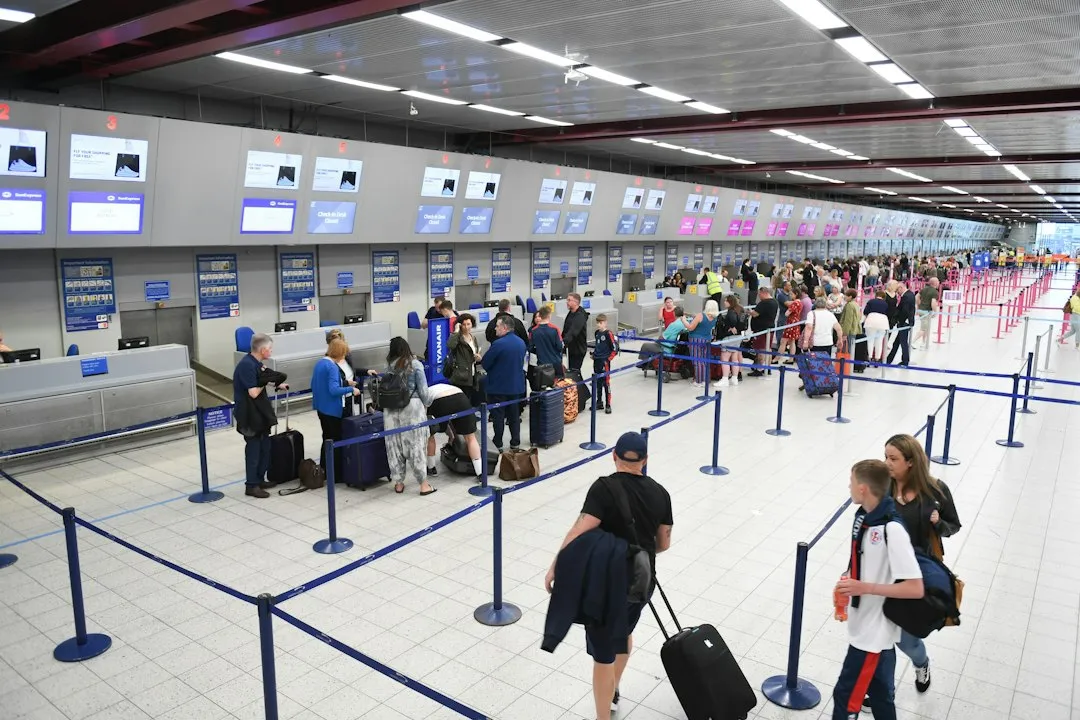
Over two million passengers a day were screened during the 2025 Christmas and New Year’s travel season. Holiday projections for the 2025 to 2026 winter window reached an estimated 44.3 million travelers, up from about 39 million a year earlier. When volume is that high, a single slow passenger at the scanner affects the entire queue behind them.
The policy changes around shoes were driven in part by the expected increase of domestic travelers and international visitors for the World Cup championships and the 2028 Olympics. TSA now runs more than 430 commercial airports with a workforce of over 61,000 people – its largest screening force ever. Even with that scale, individual traveler habits remain one of the most direct levers on wait time.
Your REAL ID Is Part of the Equation

REAL ID enforcement went into effect nationwide in May 2025. Accepted IDs include a REAL ID-compliant license, a valid passport, a passport card, or military ID – and an expired license is one of the most common reasons travelers get pulled aside. No belt or shoe strategy saves you time if your ID sends you to a secondary line.
Every air traveler 18 years of age and older now needs a REAL ID-compliant driver’s license or another acceptable form of ID to fly within the United States. Even PreCheck members still need a physical, valid ID at every checkpoint. Check your wallet before you check your gate.
The Bigger Picture: Small Habits, Real Time Saved

AI Disclaimer: This article was created with the assistance of AI tools and reviewed by a human editor.