
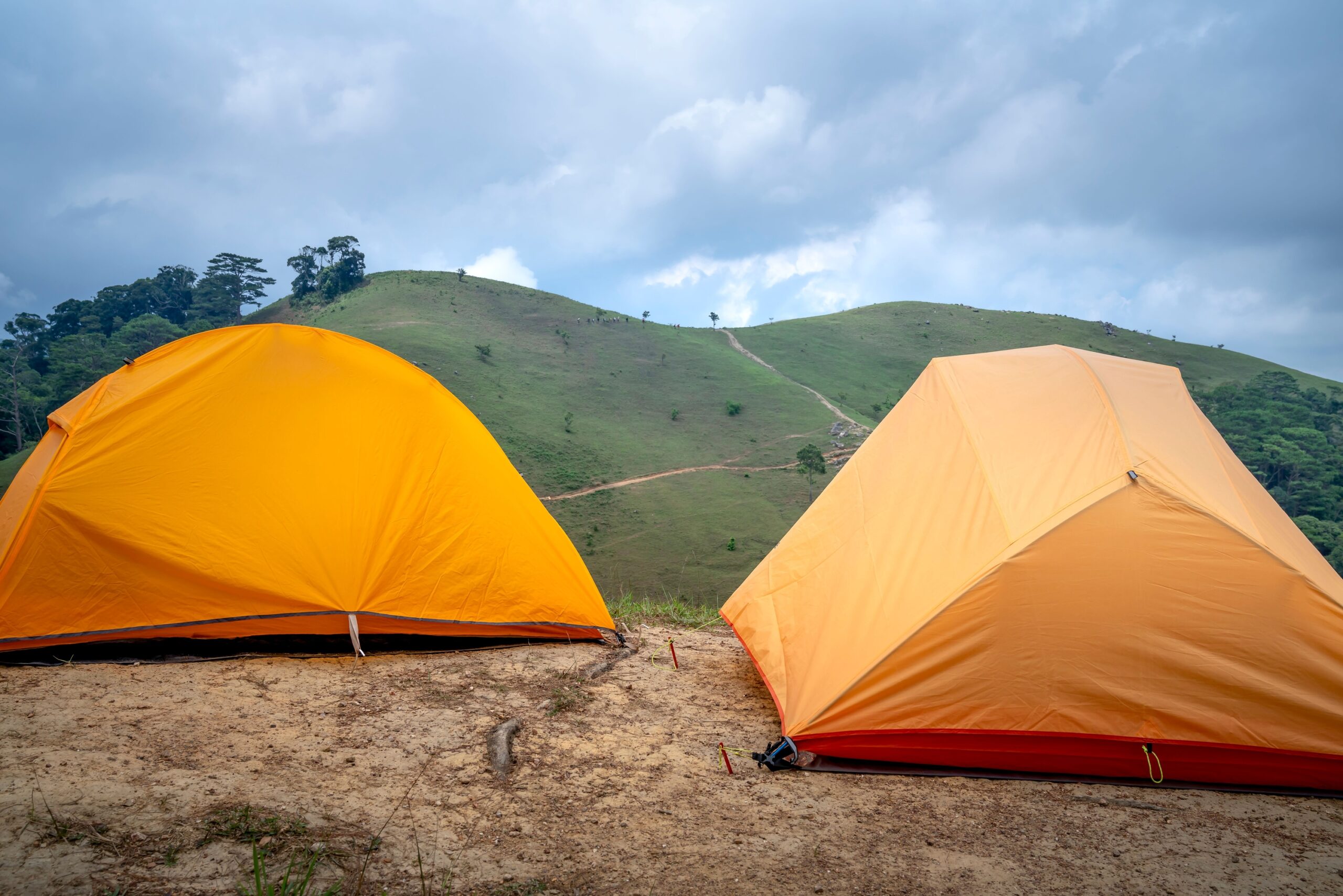
Boondocking has a reputation as a West Coast pursuit, and it’s easy to see why. Wide-open BLM desert, sparse traffic, and flat horizons make dispersed camping almost effortless out west. Boondocking means camping without access to shore power, dump stations, or hookups of any kind, where boondockers access public land and set up a secluded campsite, bringing only what they need for a self-sufficient adventure.
The East Coast is a different story, but not a discouraging one. The Eastern United States is full of beautiful and rugged places with many opportunities for free camping if you know where to look. Free camping may not be quite as spontaneous and easy to find as in the West, but with a little research and advance planning, you’ll find plenty of places to set up camp. These ten destinations prove that point clearly.
1. Allegheny National Forest, Pennsylvania
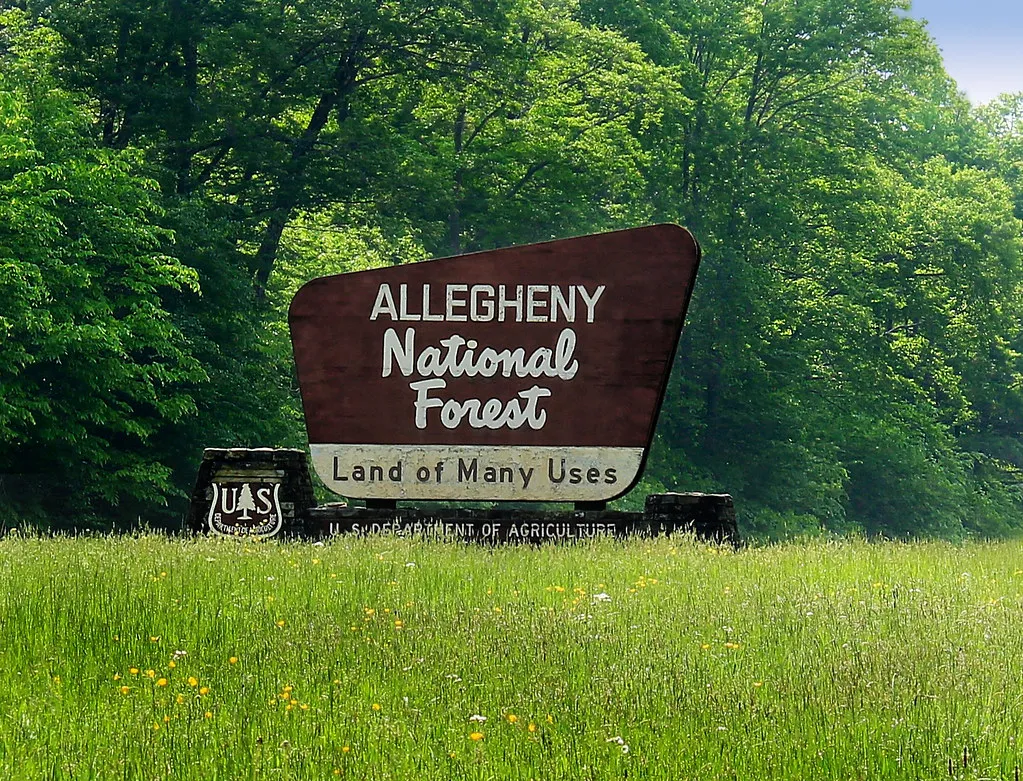
Pennsylvania’s only national forest, the Allegheny National Forest, occupies half a million acres in the northwest corner of the state and is home to a dazzling array of beautiful sights and landscapes, including woodlands, mountains, and the Allegheny Reservoir. It’s one of the most accessible and genuinely boondocker-friendly forests on the entire Eastern Seaboard.
Dispersed camping sites near Allegheny National Forest range from secluded forest locations to riverside spots along the Clarion River. Winter temperatures frequently drop into the teens, with summer highs averaging around 75 to 80 degrees. The region’s clay soil creates challenging conditions during wet periods, when forest service roads can become rutted and difficult to navigate without appropriate vehicles.
You are not permitted to leave items unattended in order to hold a campsite. Do not park your vehicle more than 50 feet from a designated road, and do not set up camp directly on the road. Check for current fire restrictions and learn about fire safety before making a campfire. The Forestry Road Dispersed Campsite near Ludlow is a particularly well-regarded option for tent campers and smaller rigs alike.
2. George Washington and Jefferson National Forests, Virginia
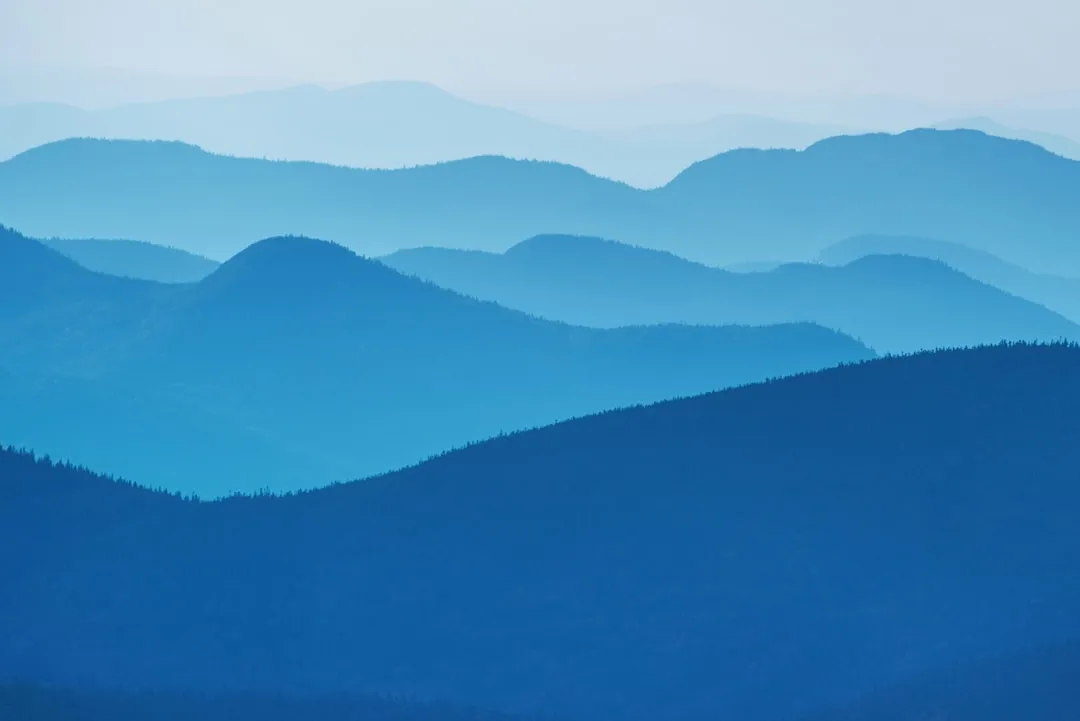
Stretching along the border of Virginia and West Virginia, the George Washington and Jefferson National Forest blankets the Blue Ridge Mountains, offering 1.8 million acres of lush woodlands, unique mountain balds, and peaceful waterways. For those who find solitude in elevation, this is one of the most rewarding boondocking landscapes on the East Coast.
George Washington and Jefferson National Forests offer numerous free dispersed camping opportunities throughout Virginia’s mountainous terrain. Primitive dispersed campsites include Braley Pond Dispersed Camping and Day Use Area, Switzer Lake Dispersed Camping, Spy Rock, and Poor Farm Dispersed Recreation Area. These sites provide basic accommodations with varying levels of accessibility and amenities. Most locations feature established fire rings and flat tent pads but lack developed facilities.
Dispersed camping in one location is allowable up to 14 days in any 30-day period. Dispersed camping is described by the Forest Service as a unique alternative recreation experience that is renewing, restorative, and free of noise and congestion. Campers can set up anywhere in the national forest outside a designated campground. Always check the forest website for current closures, since some roads and areas were affected by Hurricane Helene in late 2024.
3. Pisgah National Forest, North Carolina
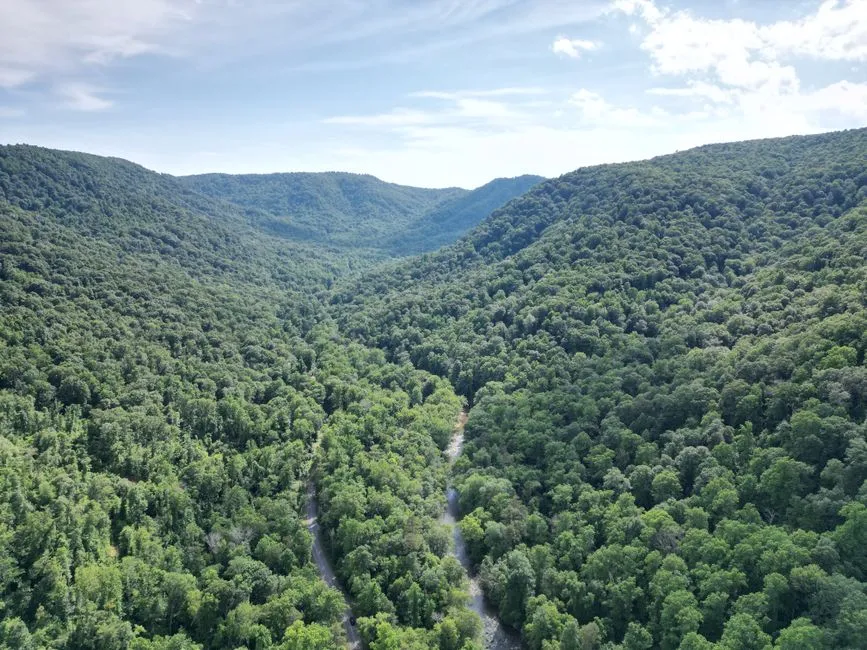
The Pisgah National Forest is a land of mile-high peaks, cascading waterfalls, and heavily forested slopes. Comprised of over 500,000 acres, the Pisgah is primarily a hardwood forest with whitewater rivers, waterfalls, and hundreds of miles of trails. Arriving here for the first time, it’s hard not to feel like you’ve stumbled into a landscape that belongs somewhere much further from civilization.
Boondocking is permitted in numerous specified places of the Croatan, Nantahala, Pisgah, and Uwharrie National Forests in North Carolina. You should be fine as long as you don’t camp near trailheads and observe all fire safety requirements, particularly in the summer. Except within 500 feet of a road or in a designated closed area, camping is permitted anywhere on national forest property.
Note that Hurricane Helene significantly impacted Western North Carolina in September 2024. Hurricane Helene dramatically impacted the mountains of Western North Carolina, including national forest system lands. In September 2024, homeowners and forests across Western North Carolina suffered major damage when Hurricane Helene ripped through the region, and recovery and rehabilitation efforts were still ongoing into 2026. Always check for current trail and road closures before heading out.
4. Nantahala National Forest, North Carolina
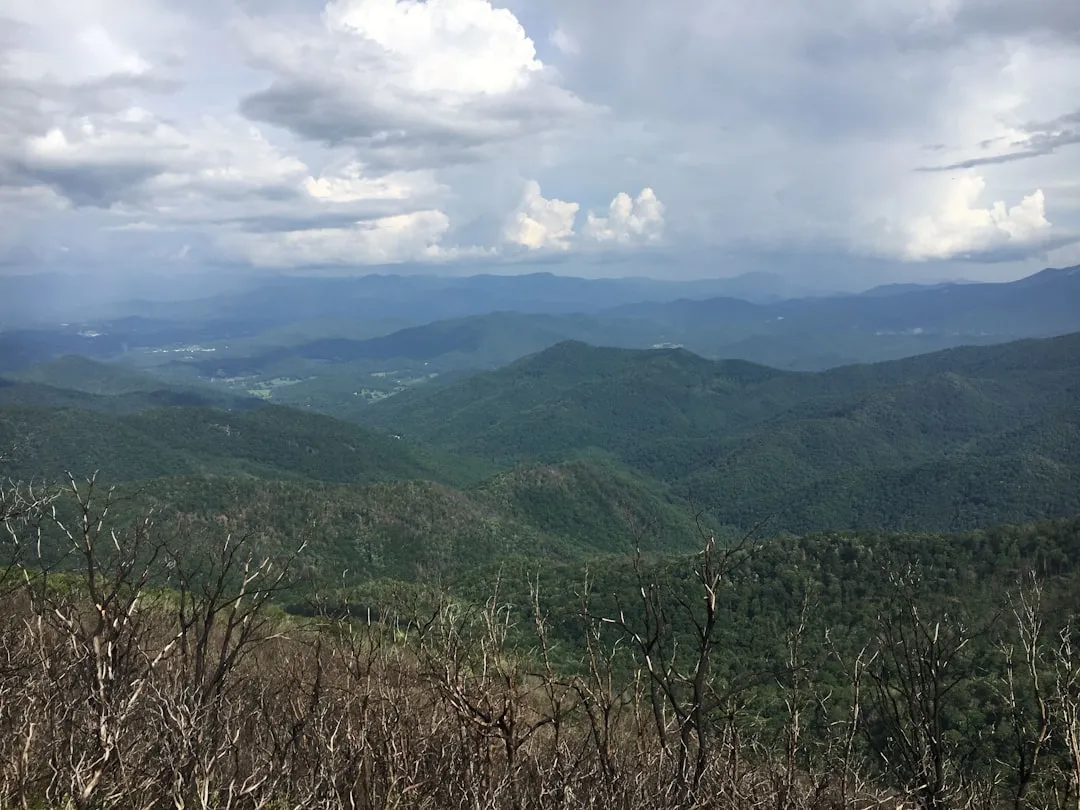
Nantahala National Forest near Whiteside Mountain is full of scenic spots for boondocking. The four sites at the Ammons Branch Campground come with a picnic table, fire rings, and lantern hangers. The Highlands area offers lots of incredible camping and wildlife to explore nearby. Few forests on the East Coast can match the raw beauty of these Appalachian highlands.
Five free dispersed campsites can be found along Bull Pen Road not far from Highlands, NC in the Nantahala National Forest. They are spread over a three-mile stretch of graveled mountain road, sitting at an elevation of around 4,048 feet near Cashiers, North Carolina. The high elevation makes this an especially welcome destination during the warmer months, when lower valleys swelter.
Find adventure among towering mountains, cascading waterfalls, and remote forest landscapes in the Nantahala Ranger District. Carry your own water or bring a reliable filtration system, since clean running water is not provided at most dispersed sites.
5. Cape Lookout National Seashore, North Carolina
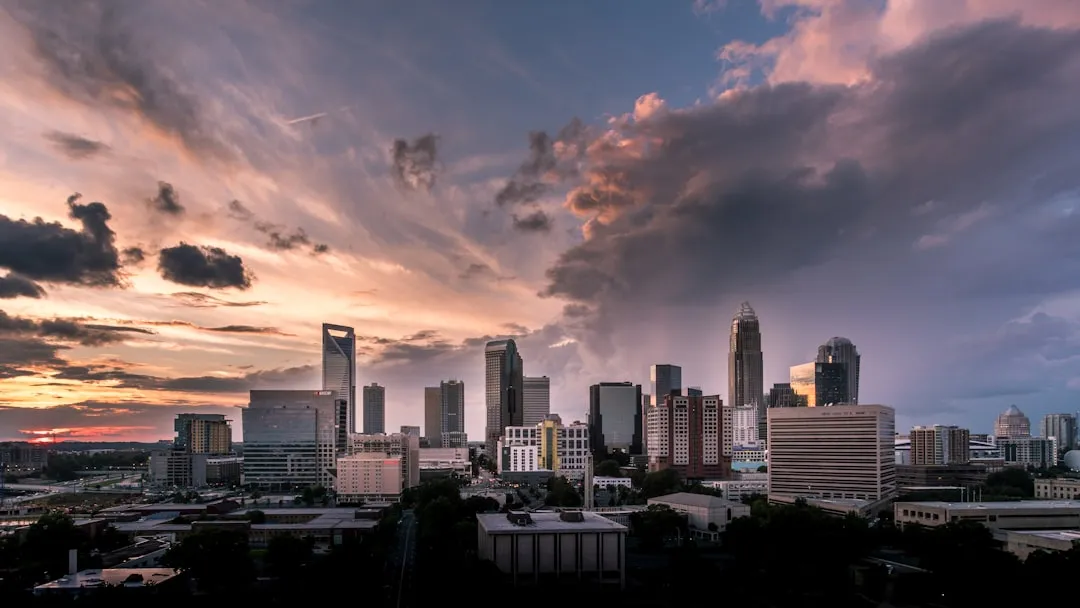
Cape Lookout National Seashore on Harkers Island is a boondocker’s dream. You can fall asleep to the sound of the Atlantic Ocean on an undeveloped remote beach island. The lighthouse there offers the ultimate view, and come ready to stargaze, as it’s the first certified Dark Sky Park on the East Coast. A coastal boondocking experience doesn’t get more dramatic than this.
These sites are only accessible on sand, and your vehicle will require a permit. This option is truly ideal for truck campers, vans, and small travel trailers. Larger rigs are unlikely to manage the sandy terrain well, so plan your rig choice carefully and confirm permit requirements in advance through the National Park Service.
The combination of open Atlantic horizon, protected barrier island habitat, and full night skies makes Cape Lookout genuinely unlike any other boondocking experience on the coast. Respect the fragile coastal ecosystem throughout your stay, and always pack out everything you brought in.
6. Tioga State Forest, Pennsylvania
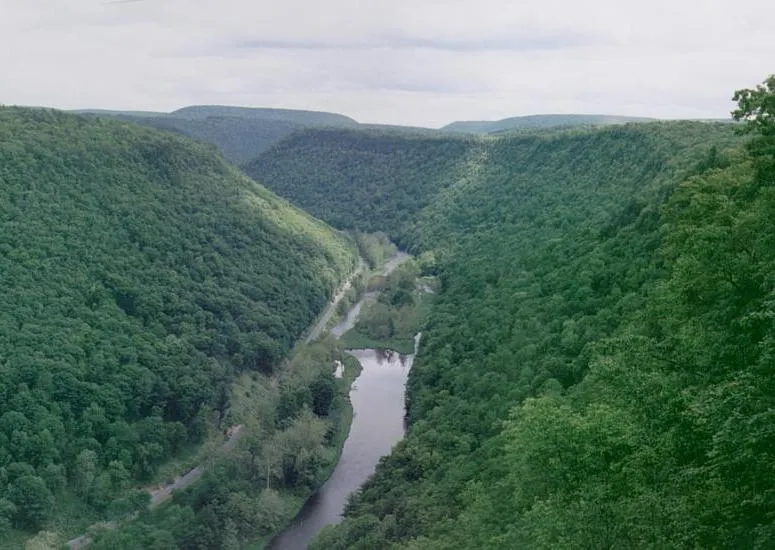
Tioga is one of the more remote spots for boondocking in Pennsylvania, about three hours west of Scranton near the New York state border. It’s home to the Pine Creek Gorge, also known as the “Grand Canyon of Pennsylvania.” The scale of the gorge surprises most first-time visitors, which is part of the appeal.
Pennsylvania has some of the best boondocking campsites on the East Coast. Finding a good free campsite close to urban areas can be challenging, but the vast swaths of state and national forest in between are ripe for boondocking. Pennsylvania’s state forests are usually light on amenities, but what they lack in luxury, they more than make up for with exquisite scenery, abundant wildlife, and plenty of peace and quiet.
Tioga is near the 42-mile-long Black Forest Trail, one of the more challenging backpacking routes in Pennsylvania. Even if you’re camping from a vehicle and not carrying a pack, this trail is worth exploring during daylight for its ridge-top views over the gorge. Contact the local district office before arrival to confirm current road conditions and permit requirements.
7. Loyalsock State Forest, Pennsylvania
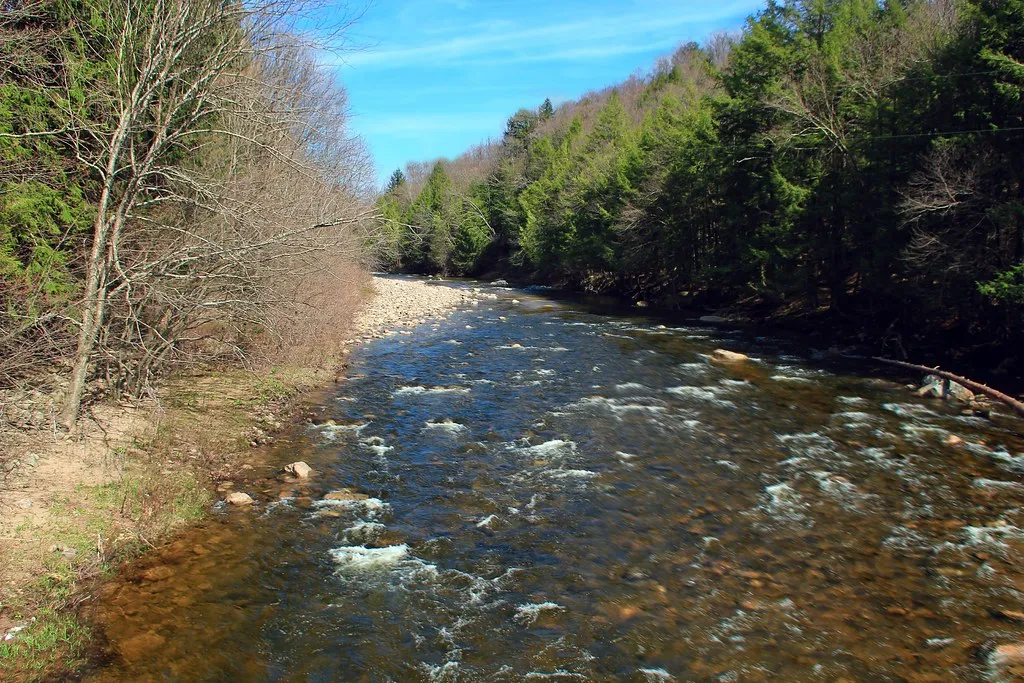
Just under two hours west of Scranton, Loyalsock is a fantastic spot for a boondocking angler. Loyalsock Creek flows through a spectacular canyon that’s both filled with fish and provides a wild ride for kayakers. Loyalsock is close to Worlds End State Park, which has several hiking trails, great fishing, and whitewater floating during the spring.
Loyalsock State Forest has four camping areas: Sand Spring, Masten, Onion Hole, and Bridle Trail. There are 69 sites spread out through the forest, but be sure to pick up a permit first. The Old Logger’s Trail, a beautiful 27-mile trail with numerous vistas and waterfalls, is accessible from within the forest.
The permit required here is free, which makes it a genuinely cost-free experience once you arrive. There are numerous large state forest areas in Pennsylvania with boondocking campsites throughout them. Some may require a permit, which is free, so check in with local ranger or forest offices to get maps and information on the best sites.
8. Finger Lakes National Forest, New York
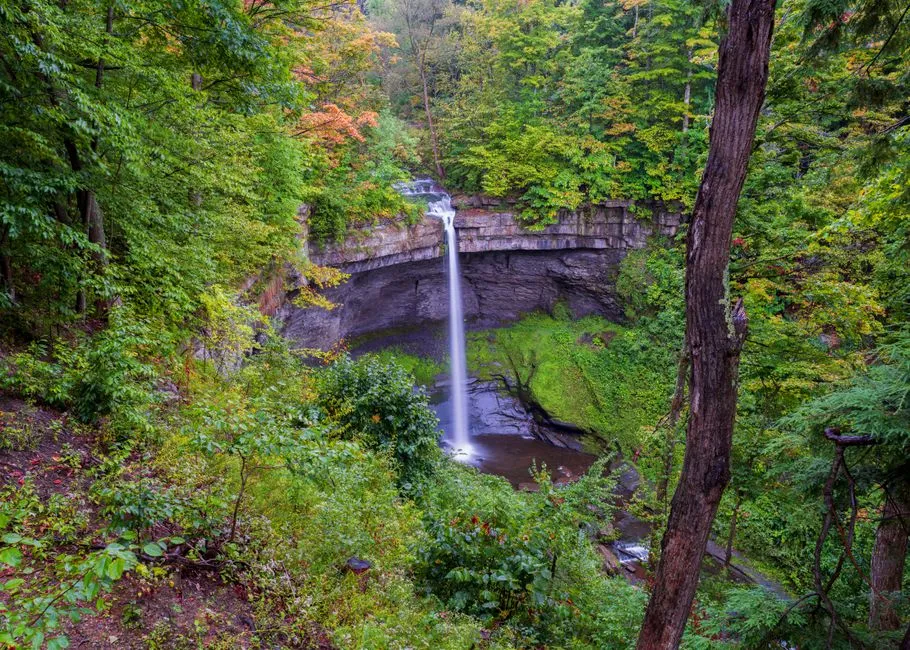
The forests around the Finger Lakes in upstate New York offer some beautiful places to boondock. Sugar Hill State Forest near Watkins Glen is open year-round with a water spigot and free bathroom. The wide, open space near the Fire Tower makes a great dry camping spot for large rigs. Finding a site that genuinely accommodates a bigger vehicle on the East Coast is rarer than most boondockers realize, which makes Sugar Hill especially worth noting.
Outside of Buffalo, the Chautauqua State Forest has eight primitive campsites along Hannon Road where you can boondock. After you complete setup, there are hiking trails and fishing spots to explore, and spots to admire the gorge. The Finger Lakes region as a whole rewards slow travel. The lakes, vineyards, and gorge trails surrounding the forest create a natural itinerary that extends well beyond the campsite.
Among experienced campers who travel the East Coast by van, North Carolina, Tennessee, West Virginia, New York, and Maine are consistently named as the friendliest free camping states. New York’s Finger Lakes area is a significant part of why the state earns that reputation.
9. Monongahela National Forest, West Virginia
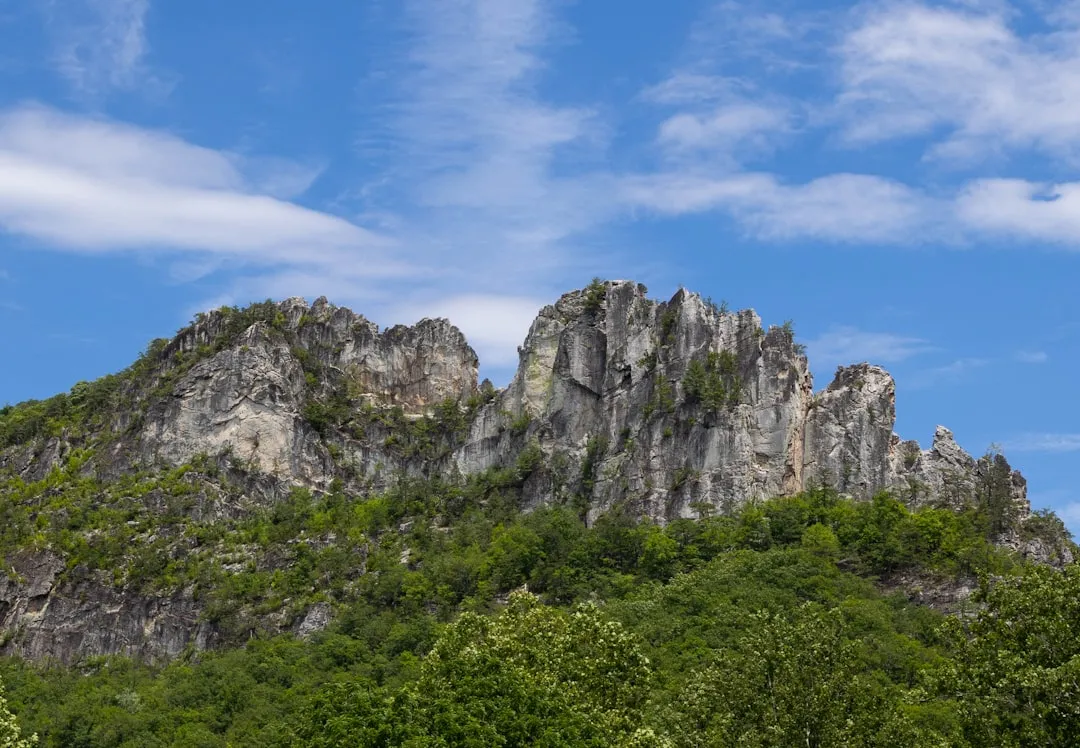
West Virginia tends to fly under the radar in the boondocking conversation, which works entirely in favor of those who seek it out. Among campers who do a lot of dispersed camping in West Virginia, Mower Basin in the Monongahela National Forest is frequently named as a standout favorite. The forest covers over 900,000 acres across the central and eastern highlands of the state.
Mower Basin is remote enough that it is often not crowded because it takes some effort to reach it. There is significant variety from one camping spot to another. Some have stellar views from their 4,000-foot elevation perch looking down into fog-covered valleys far below, while others are surrounded by dense forests of pines, and some have generous sun exposure, which is handy for solar charging.
Along forest roads in the Monongahela, campers have found as many as 11 dispersed campsites along a single road, mostly on the right side where Meadow Creek follows the route. Most sites are first-come, first-served. Arriving on a weekday outside of hunting season gives you the best chance of finding a quiet spot to yourself.
10. Croatan National Forest, North Carolina
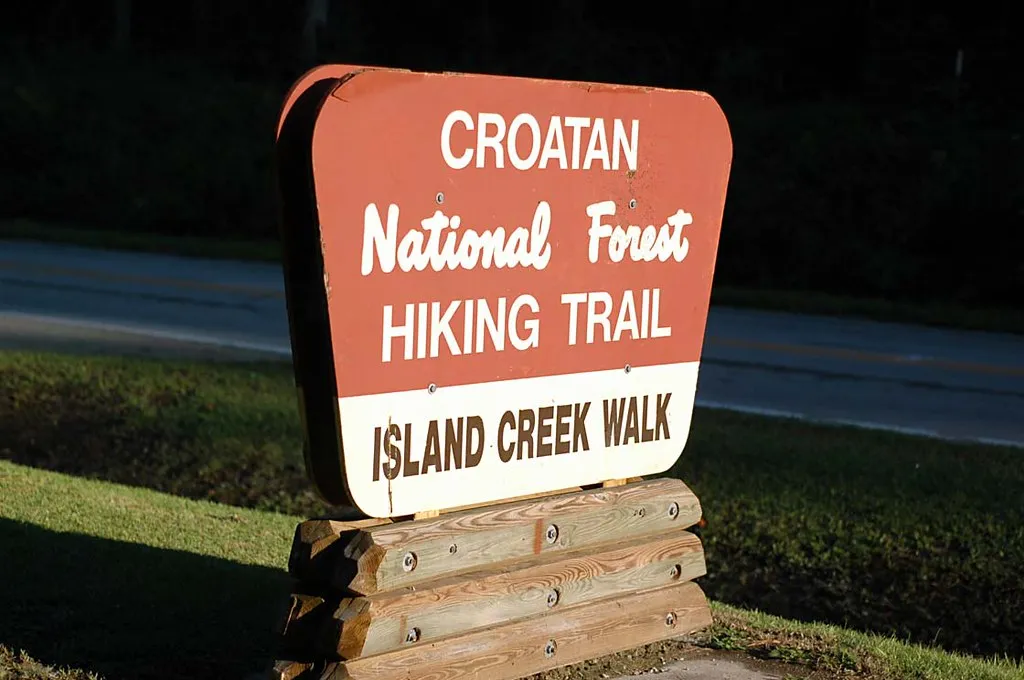
The Croatan National Forest is one of four national forests in North Carolina and the only true coastal forest in the East. That distinction alone makes it worth including in any serious East Coast boondocking list. It occupies a peninsula between the Neuse and White Oak Rivers, making water access virtually inescapable in the best possible way.
Croatan National Forest draws visitors because it is the only authentic coastal forest on the East Coast. Water surrounds it on three sides, and there are bogs and saltwater estuaries to explore for campers. This creates a very different kind of dispersed camping than you’ll find in the mountain forests further inland, with a distinct coastal ecosystem that rewards patient observation.
The state’s four national forests, including the Croatan, are home to the majority of North Carolina’s free camping opportunities. Dispersed dry camping opportunities are typical of these free campsites, so you’ll need to provide your own supplies. On the plus side, most of these camping locations are extremely private. Confirm current access conditions with the local ranger district before your visit, particularly during or after periods of heavy rain.
Before You Head Out: Rules That Apply Everywhere
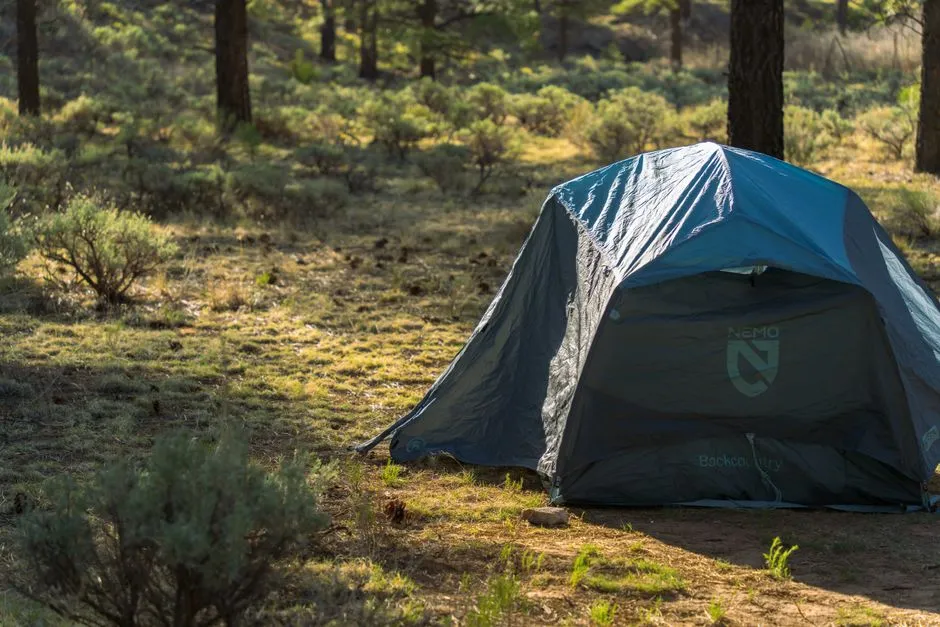
Camping on public lands away from developed recreation facilities is called dispersed camping. Most lands allow dispersed camping unless an area is posted “Closed to Camping” or has specific restrictions. Rules can vary by state or local area, so always comply with posted signs and verify specifics with the local land management office.
Dispersed camping is generally limited to 14 days within any 28-day period, though specific stay limits vary by state and field office. After reaching the stay limit, visitors must move to a new location, often at least 25 to 30 miles away. This rule applies across most national forests and should be taken seriously to preserve access for everyone.
You need to arrive fully self-sufficient and prepared to clean up after yourself thoroughly. If you’re in bear territory, remember that dispersed camping won’t come with bear lockers. Bring odor-proof storage for your food, and store food away from your camp. Responsible camping is what keeps these sites open and available for future visitors. Treat the land accordingly, and these ten East Coast destinations will reward you far more generously than you might expect.
A Final Word on East Coast Boondocking
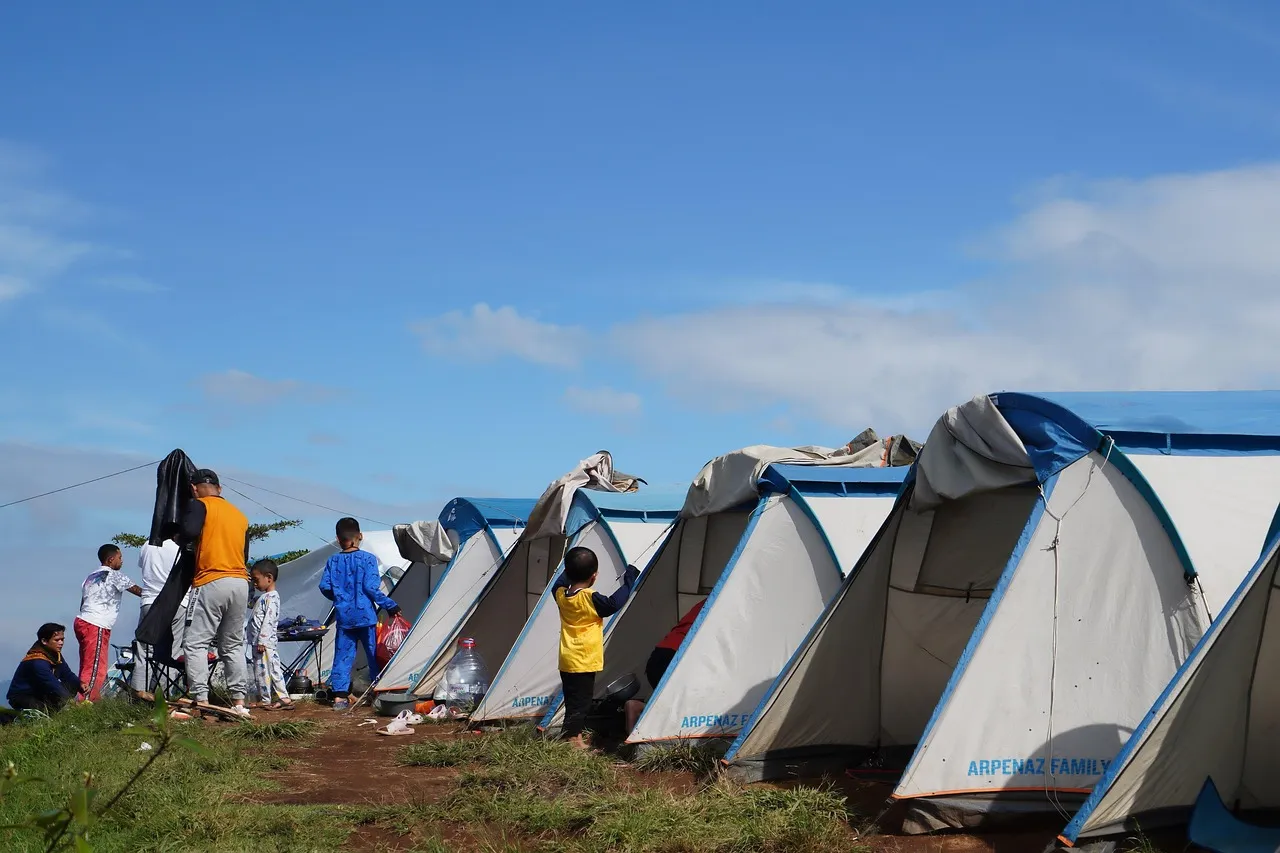
The East Coast demands more preparation than the desert Southwest, and the sites require more research before arrival. That’s actually part of the reward. The eastern coast of the United States is full of beautiful, undeveloped land where camping is permitted in many incredible locations; you just have to know where to look.
Tools like The Dyrt, FreeCampsites.net, and Motor Vehicle Use Maps available from each national forest’s website are reliable starting points for planning. Maps and camping apps like iOverlander, The Dyrt, and OnX can help you find great spots. Always cross-reference with the local ranger station for the most current conditions, especially in areas affected by recent storms.
The East Coast may never be BLM country, but forests like Allegheny, George Washington, Pisgah, and Monongahela offer something quieter and, in their own way, more intimate. You bring your own water, leave no trace, and wake up to something genuinely worth the effort.
AI Disclaimer: This article was created with the assistance of AI tools and reviewed by a human editor.