
Why the Two-Week Window Matters So Much

Peak foliage usually lasts seven to ten days, according to the Almanac, which makes a two-week travel window a genuinely strategic choice. It gives you a buffer for early arrivals or slight delays without putting you at risk of showing up after the leaves have already dropped.
Wind and heavy rain can cut a fall foliage season short, while the combination of warm, sunny days and cool nights can significantly prolong it. Understanding this dynamic means you can build a flexible itinerary rather than locking yourself into a single inflexible date.
If at all possible, it’s worth waiting until you’re two weeks out from expected peak fall foliage to solidify your plans, allowing you to be flexible should extreme weather disrupt the normal progression. This is practical advice most travelers ignore, and often regret.
The Science Behind the Color Change
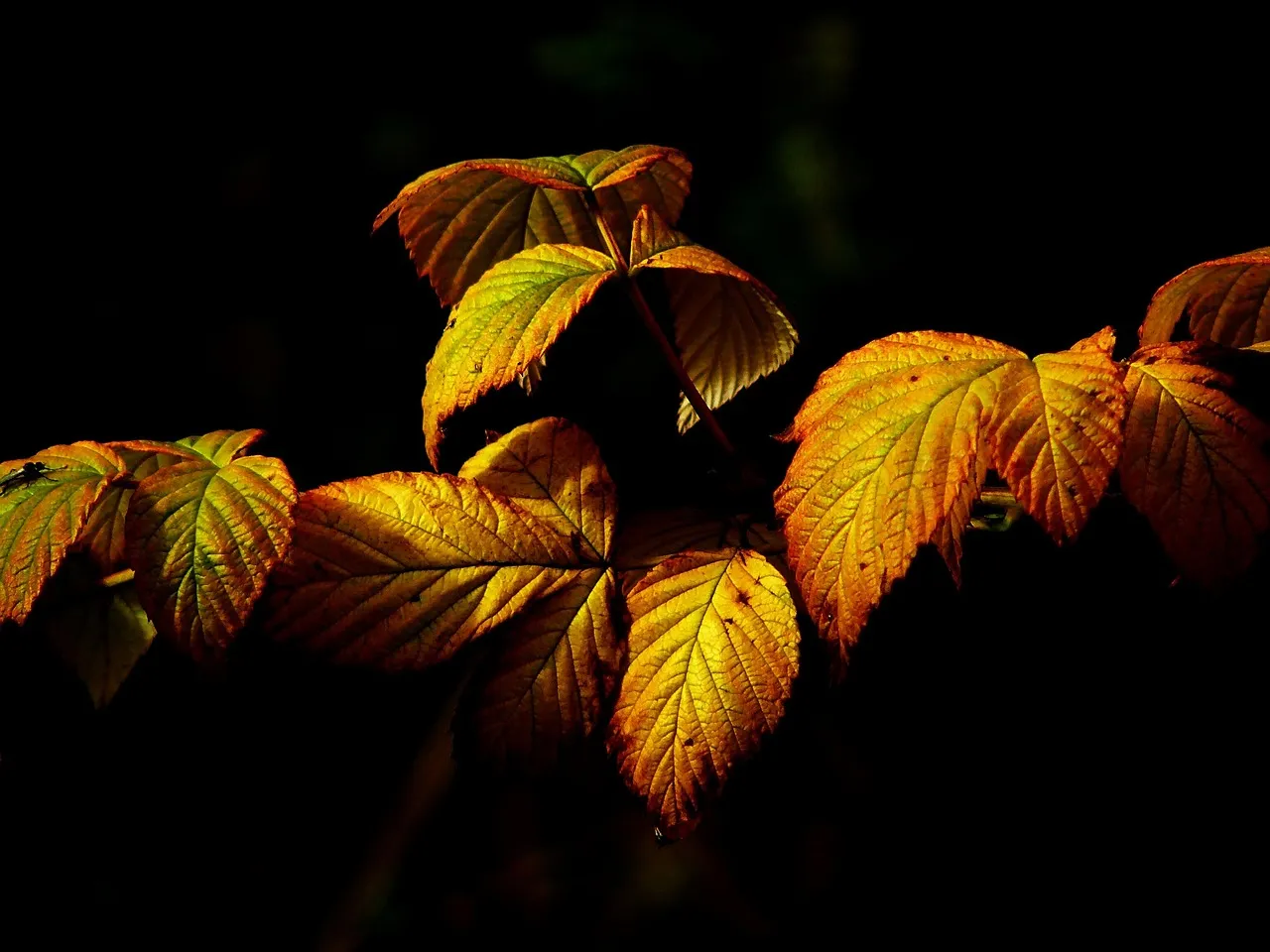
Two primary factors control the timing of fall foliage: daylight and temperature. The further north and the higher in elevation a tree is, the earlier it will reveal its colorful canopy. Photosynthesis grinds to a halt when the days grow short in fall, and leaves no longer have a need for their excess stores of chlorophyll.
As temperatures drop, chlorophyll – the pigment that makes leaves appear green – starts breaking down, revealing the yellows and oranges they’ve had all along. The reds you see in maples are actually produced fresh, as sugars trapped in the leaf are converted to anthocyanin pigments during cool nights.
Some areas, particularly in the Northeast, experience vibrant red peaks due to an abundance of maple trees, while others experience a mixture of all of fall’s colors. Different trees display different colors, giving each region its own unique peak.
Late September: The Rocky Mountains and the Northern High Country
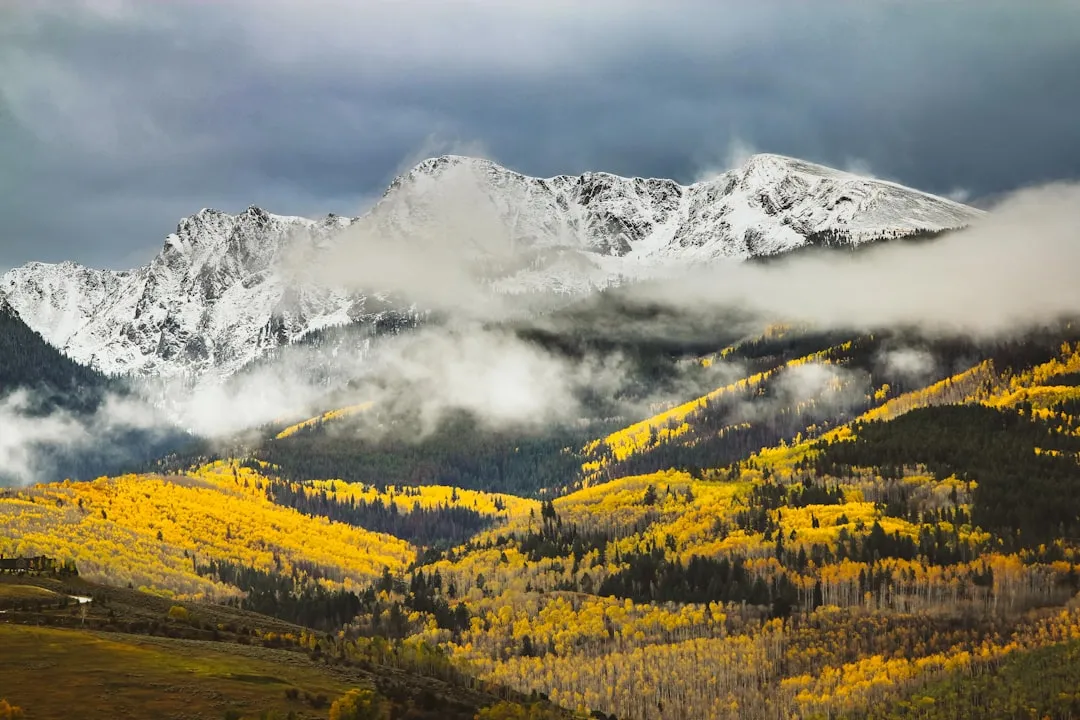
In Colorado’s Rocky Mountains, peak fall color generally arrives from mid-September through mid-October, with higher elevations changing first. The aspens are the headliners here, turning whole mountainsides to shimmering gold in a display that feels theatrical in the best possible sense.
In some areas, leaves begin to change as soon as August and peak in September, like parts of the Rocky Mountains, as well as Alaska and spots in the Cascade Mountains. Maroon Bells near Aspen, Colorado is consistently cited among the most photographed foliage locations in the country.
By September 29, parts of Washington, Colorado, Utah, Montana, Idaho, Wyoming, North Dakota, Minnesota, and Wisconsin’s Upper regions, along with areas throughout the Northeast, are at peak fall foliage, according to the 2026 SmokyMountains.com prediction map.
The First Two Weeks of October: Vermont, New Hampshire, and the Northern Midwest
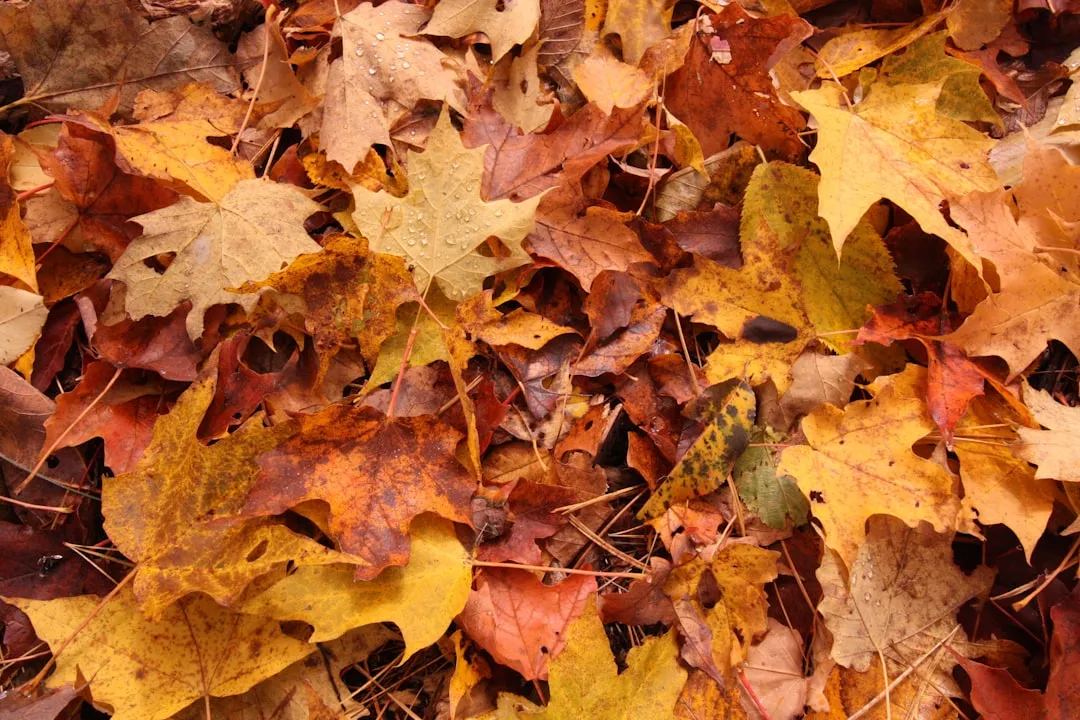
The first two weeks of October are the busiest stretch of the foliage calendar. Northern Vermont hits peak in the first days of October, with central Vermont following close behind. The White Mountains of New Hampshire and the southern reaches of the Kancamagus are prime through early October.
About ten million people travel to New England for fall foliage each year, and most of them land in this two-week window. That popularity is well-earned – the combination of maple-covered hillsides, covered bridges, and country roads makes this corridor genuinely hard to beat.
By October 6, much of Michigan, New York, and Connecticut, along with all of Vermont, New Hampshire, Maine, and Massachusetts, will reach peak foliage. For 2026, this is the single most concentrated national window in terms of geographic coverage and color intensity.
Maine’s Coastal and Inland Windows
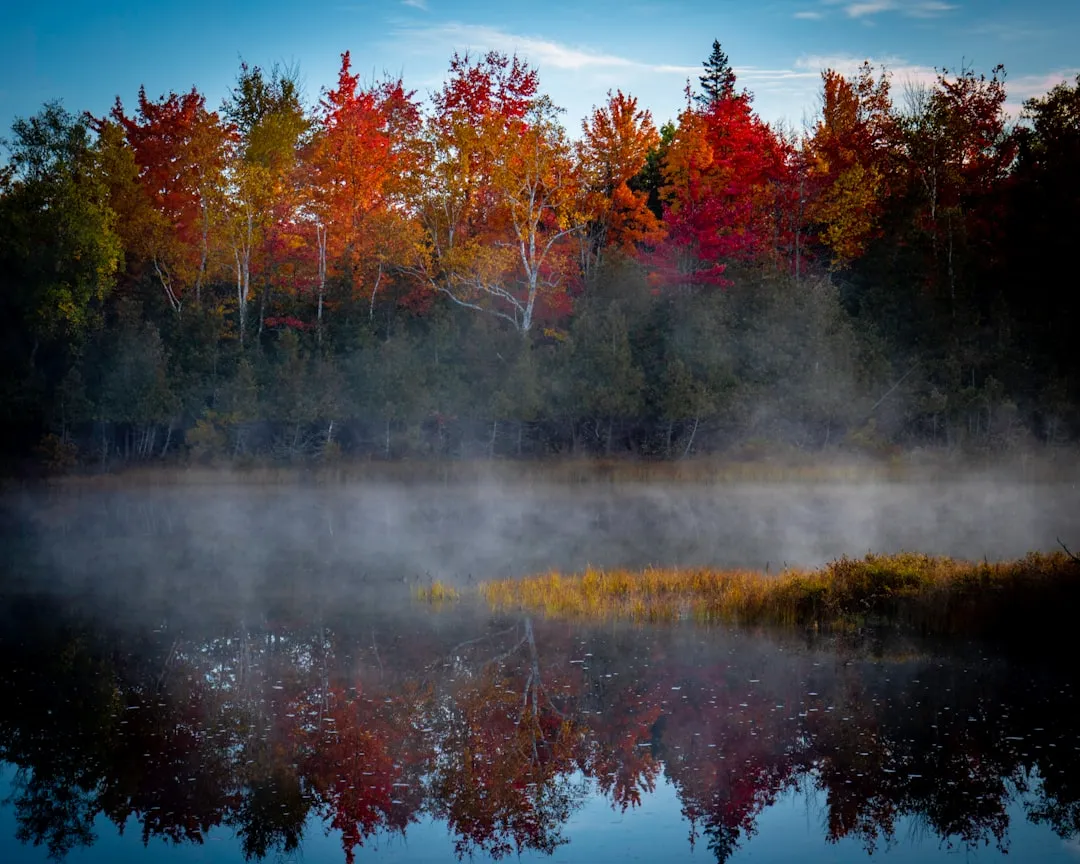
More than a decade of foliage reports show that peak color in Maine has remained remarkably consistent. Color typically arrives in northern Maine in late September, reaches the central and western mountains during the first week of October, and spreads to coastal and southern Maine by mid- to late October.
In a typical year, fall foliage begins to emerge in late September across the northern states. The leaves typically begin changing in late September and can remain vibrant through mid to late October, giving visitors plenty of time to take in the scenery.
Acadia National Park on the Maine coast is a particular standout. The combination of granite headlands and dense hardwood forest means even a short drive yields dramatic contrast. Timing a visit between October 5 and October 20 covers both the inland peak and the coastal color reliably.
Mid-October: The Adirondacks, Hudson Valley, and the Pacific Northwest
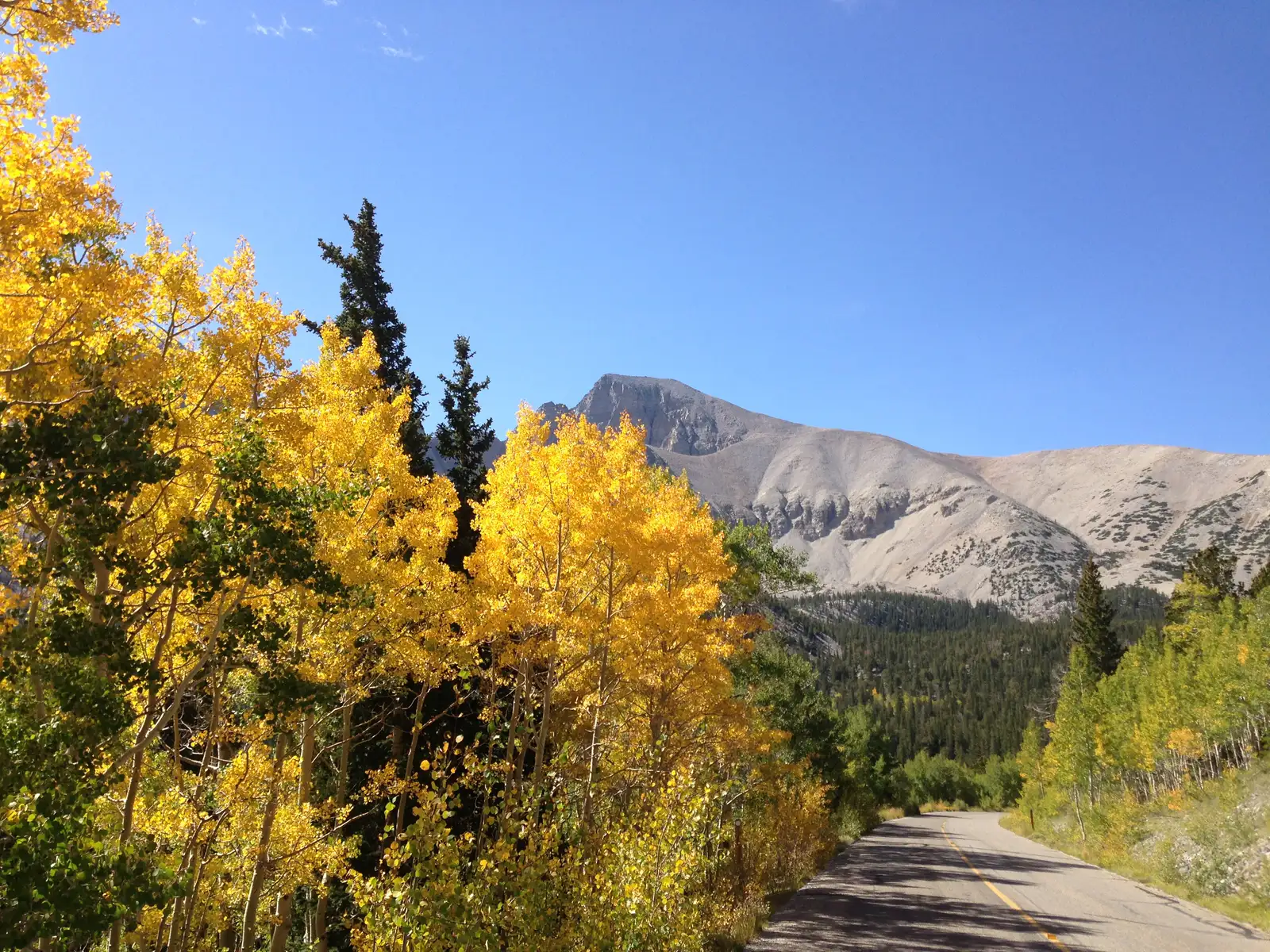
The Adirondacks and Catskills hit peak around the second week of October. The Hudson Valley follows by a few days. In western New York, Letchworth State Park is in prime form during this stretch.
On the East Coast, the Hudson River Valley and Catskill Mountains see peak fall foliage expected around the week of October 13, according to the 2026 SmokyMountains.com map. Out west, the Columbia River Gorge and Mount Hood in Oregon, the North Cascades in Washington, and much of the broader Cascade range reach peak in mid-October.
Mount Mitchell, at 6,684 feet the highest peak east of the Mississippi, and the sections of the Blue Ridge Parkway above 5,000 feet are prime from roughly October 10 through October 25. This is one of the most underrated windows in the entire fall foliage calendar.
Late October: The Blue Ridge Parkway, Shenandoah, and Pennsylvania
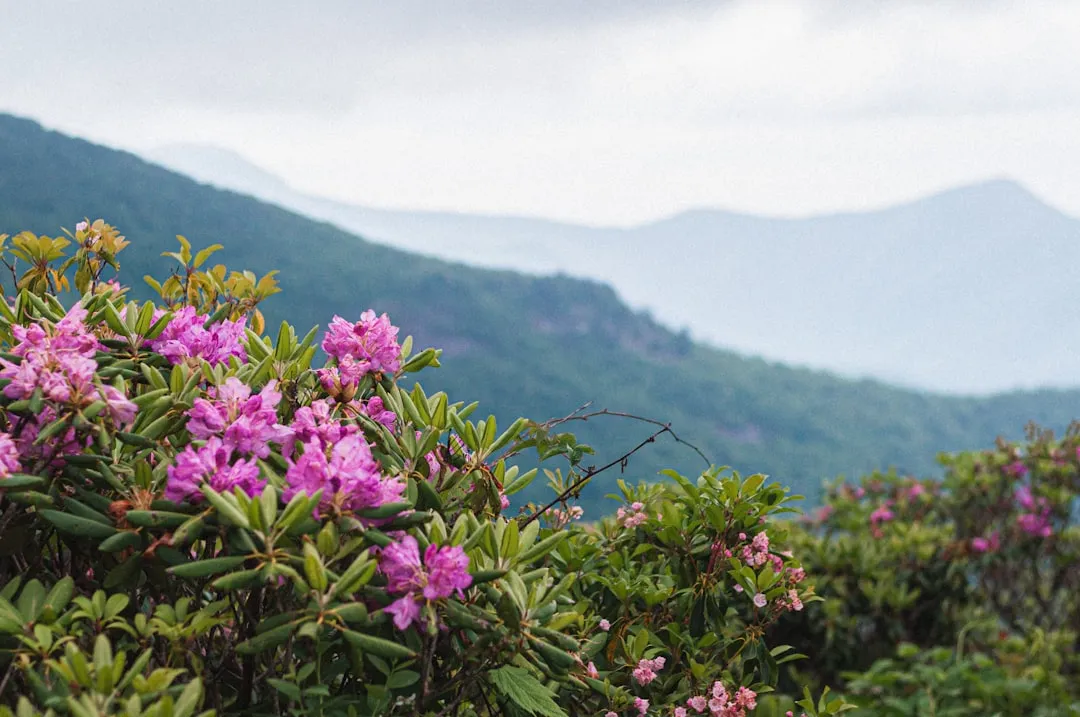
For those heading to western North Carolina for Blue Ridge Parkway landscapes, the weeks of October 13 and 20 are the best bet for 2026, based on the NOAA-informed prediction map from SmokyMountains.com. The Parkway’s sweeping ridge views transform completely during this window.
Shenandoah National Park typically peaks between October 15 and 25 on the main ridge. The Skyline Drive, which runs the length of the park, offers continuous canopy views across more than a hundred miles of the Blue Ridge.
In Virginia, peak foliage generally arrives later, with leaves beginning to change in mid-October and the best displays continuing through the end of the month. Pennsylvania’s peak aligns closely, with the Farmers’ Almanac placing most of the state’s prime window between early and late October.
Early November: The Great Smoky Mountains and the Deep South
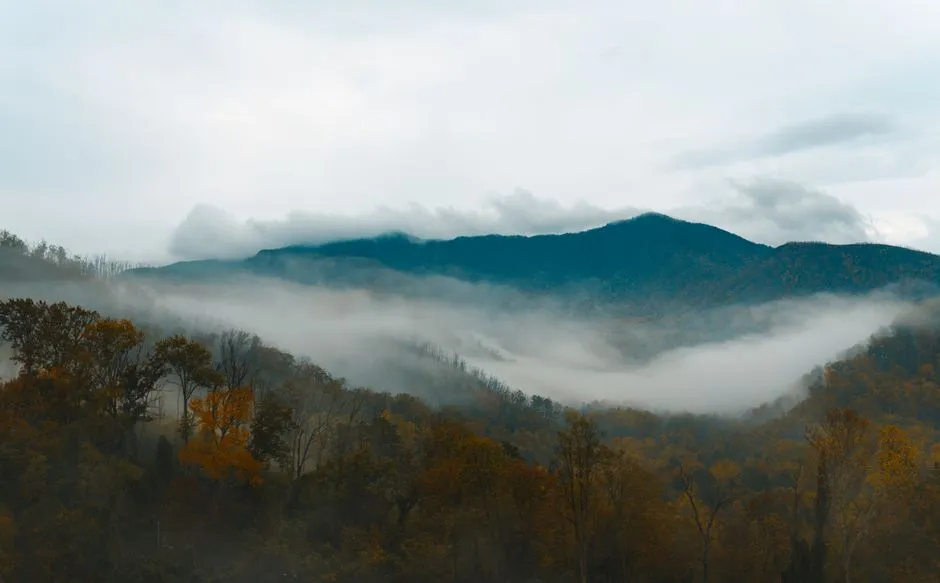
In Tennessee, fall foliage typically begins appearing in late September and continues through October. Middle and West Tennessee often see their best displays from late October into early November. The Great Smoky Mountains, straddling Tennessee and North Carolina, offer one of the longest-running foliage seasons in the country.
In the Southern Appalachians, timing depends more on elevation than the calendar. Higher elevations peak first, while valleys often continue showing color for several weeks afterward. This layered effect means a single trip through the region can capture multiple stages of color simultaneously.
Parts of the Deep South, Southern Plains, and Florida may not see peak foliage until mid-November. For travelers who miss the October rush, this is a genuinely rewarding alternative, quieter and often more affordable than the peak-season northern destinations.
The Role of Climate Change in Shifting the Windows
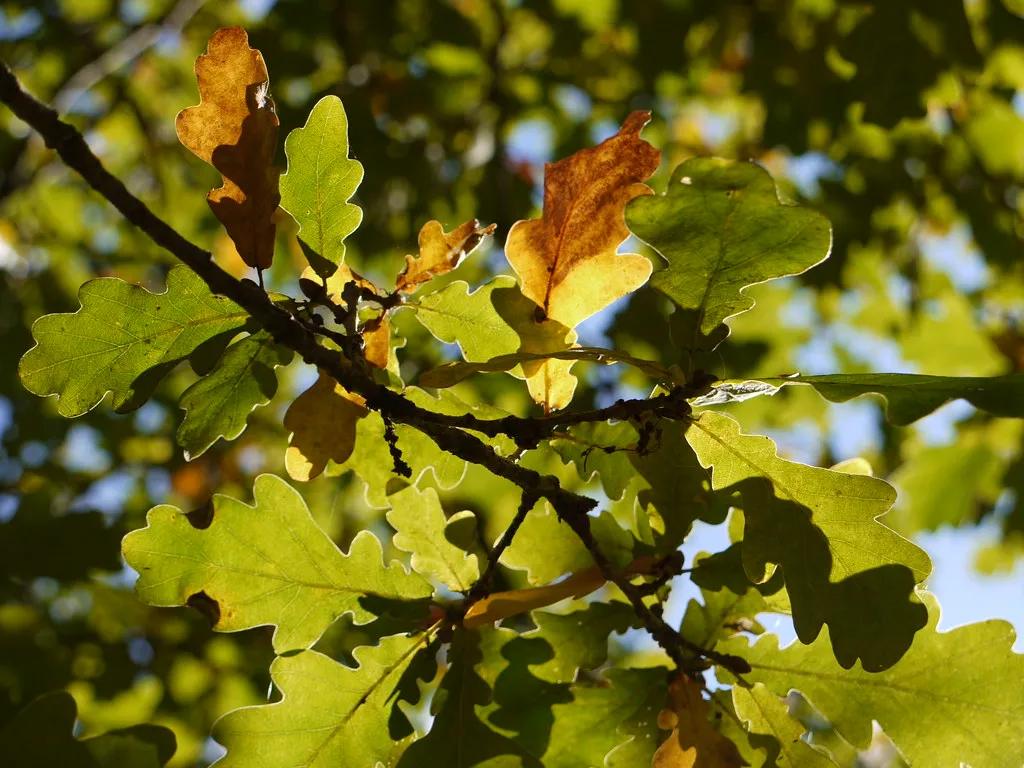
Climate change has delayed fall foliage by about a week since experts started monitoring it in the mid-20th century, according to Alexandra Kosiba, extension assistant professor of forestry at the University of Vermont. That shift is subtle but real, and it’s worth factoring into planning.
As the fall season progresses, cooler temperatures trigger plants to start shutting down. Warmer fall temperatures can disrupt or delay these cool cues and lead to later and shorter peak fall foliage.
According to Climate Central analysis, fall nights have warmed in 87 percent of U.S. locations analyzed – by an average of 2.7 degrees Fahrenheit from 1970 to 2023. The practical implication for travelers is that windows once reliable in late September may now be more reliably found in early October, particularly in the Northeast.
How to Use Forecasting Tools to Nail Your Timing

SmokyMountains.com releases its fall foliage prediction map annually, using historical data and forecast information from the National Oceanic and Atmospheric Administration (NOAA) to predict the timing of peak fall foliage for the continental United States. It remains one of the most granular and publicly accessible forecasting tools available.
The data model factors in historical and forecast temperatures and precipitation, the types of trees in a region, trends, and user data to build its county-by-county predictions. The Farmers’ Almanac and Explore Fall offer complementary perspectives worth checking alongside it.
Monitoring updates from your state’s forest health agency for real-time observations is also recommended by foliage researchers, as local conditions can diverge significantly from regional averages. Apps, state forestry websites, and university extension programs often publish weekly reports as the season unfolds.
What the Ideal Two-Week Window Actually Looks Like

If you had to pick a single two-week stretch that offers the widest geographic coverage and the highest chance of catching peak color somewhere extraordinary, the window from approximately October 5 through October 19 is the strongest national candidate. For most of the United States, peak fall color arrives in the month of October, when wide swaths of the Northeast, Midwest, and Western states are aglow with bright fall foliage, and more than 80 percent of travelers make their fall foliage trips.
The strongest national window runs from late September through mid-October, covering Colorado to New England. Southern Appalachian destinations like the Smokies extend the season through early November. These two facts together mean that a well-planned itinerary moving south over two weeks can chase the color as it descends.
The art is in the flexibility. Book accommodations with generous cancellation policies, watch the forecast maps in real time, and resist the urge to over-plan. The best foliage trips tend to follow the color rather than a rigid agenda.
The Takeaway
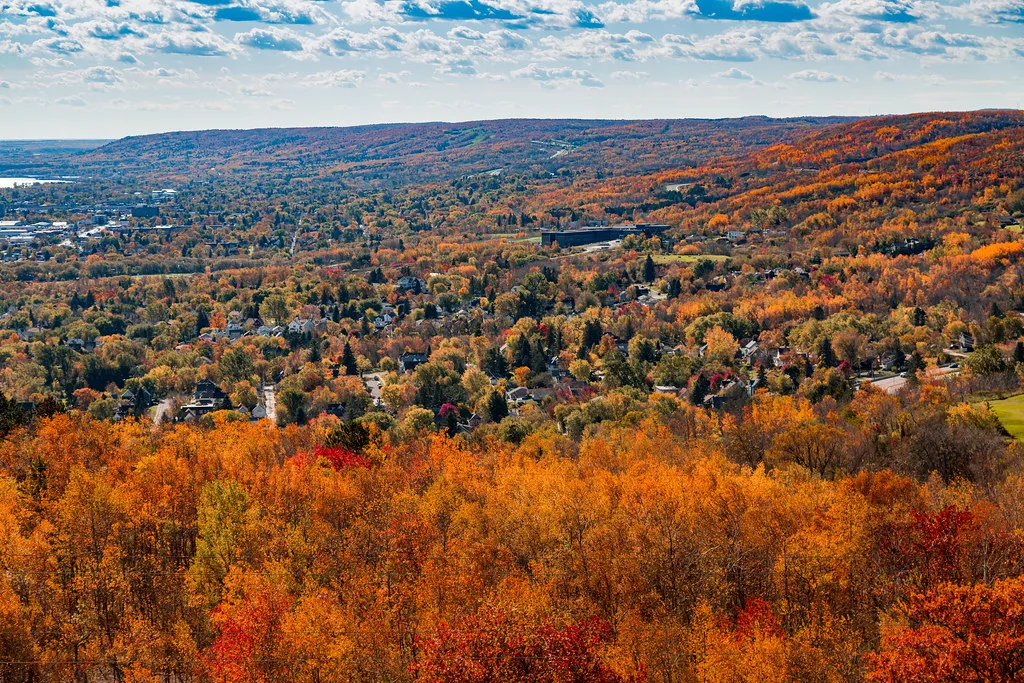
Fall foliage doesn’t wait for anyone, and no map can guarantee exactly what a given hillside will look like on a given Tuesday. What the data does make clear is that the windows are knowable, the regional sequences are consistent, and a well-timed two-week journey through almost any part of the country will reward you generously.
The deeper truth is that no two seasons are identical. Researchers have found that weather conditions in previous seasons can also affect the timing and intensity of leaf color changes, and a tree’s recent past can dictate how vibrant or muted its leaves are in the fall. That unpredictability is part of what makes the chase so worth it.
Go with a window in mind, stay curious about what’s happening just a little further south or a little higher up, and let the season unfold on its own terms. That, more than any forecast, is the real key to catching it at its peak.
AI Disclaimer: This article was created with the assistance of AI tools and reviewed by a human editor.