
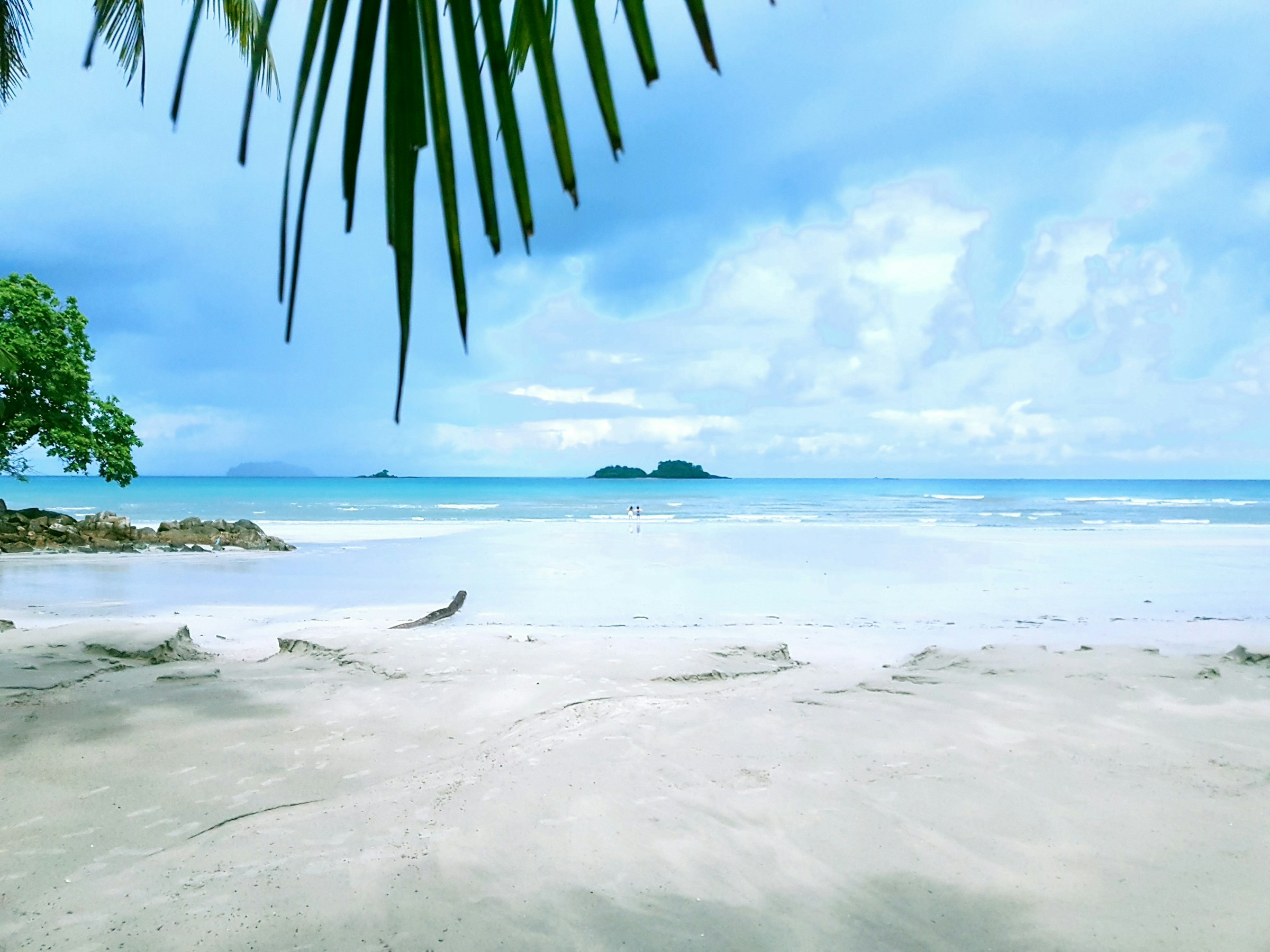

Why Peak Season Makes Beaches Almost Unbearable
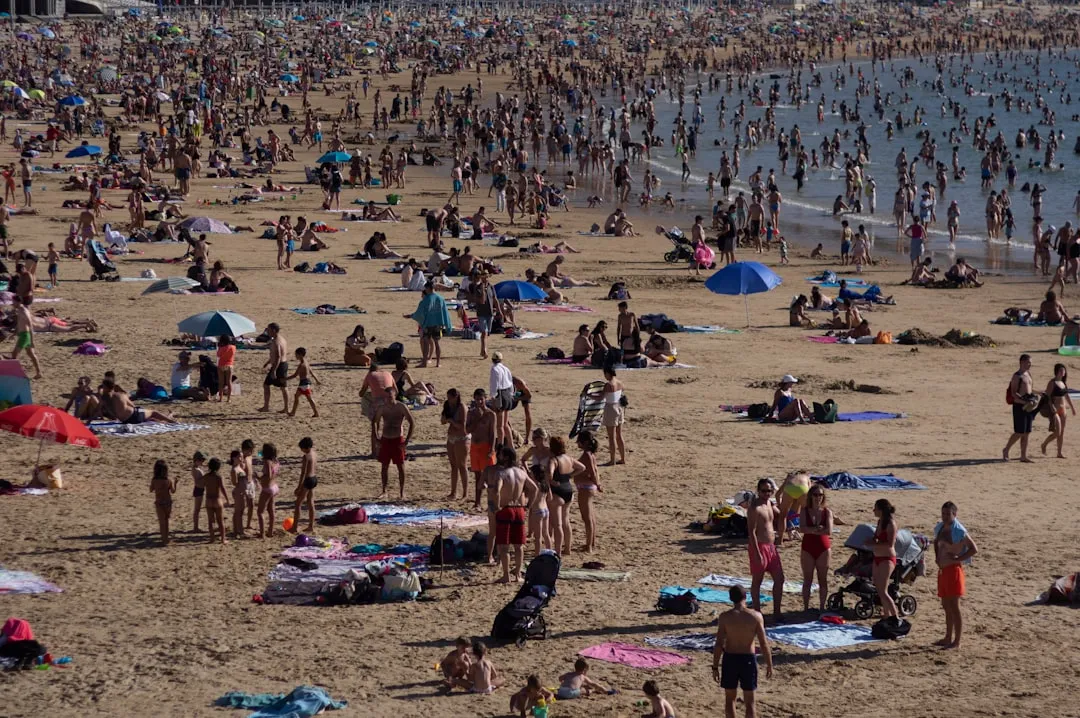
The data on peak beach season is consistent and clear. High season is when popular destinations see their largest crowds, usually aligning with school breaks, summer holidays, and major festivals. Typically spanning about three months, this window sees demand skyrocket, and as a result, airfares and hotel rates surge.
A recent summer travel index from a major online travel platform identified U.S. East Coast and Florida beaches as the country’s most sought-after domestic destinations. The same research showed that coastal getaways dominate search volumes and planned itineraries for U.S.-based travelers during school holidays. In other words, almost everyone is heading to the same places at the same time.
In certain popular beach communities, high season average daily rates more than doubled compared with shoulder months, suggesting intense competition for limited waterfront and near-shore inventory. You’re paying more and getting less peace of mind in return.
The Shift Happening in Traveler Behavior

While peak travel season has traditionally been concentrated in June through August, data is showing a shift, with roughly two-fifths of travelers now planning to travel out of peak season and about a quarter seeking cooler destinations. This is not a minor trend. It reflects a genuine rethinking of when and how people want to travel.
Travelers are increasingly facing higher costs, hotter temperatures, and larger crowds during peak seasons, which is evidently prompting many to look at alternative travel dates. Climate discomfort is part of the equation too: one in four travelers has already experienced extreme weather when traveling in the past year, and more than half say unpredictable weather makes it hard to know when to travel.
The overall trend indicates a move away from peak summer travel and a clear shift in holiday habits. This creates a useful opportunity: the travelers who understand this shift can still find genuine quiet before the new shoulder-season crowds catch up.
The Week After Labor Day: The Single Best Window

If there is one week that consistently delivers the closest thing to a private beach experience, it’s the week immediately following Labor Day in the United States. Labor Day marks the start of locals’ summer at the Jersey Shore, when crowds thin out and warm ocean water lingers into September. This pattern repeats up and down the Atlantic and Gulf coasts.
The ideal time to plan your trip is mid-September, specifically the week right after Labor Day when accommodations become significantly cheaper. Crowd levels reach what observers describe as very low, with a dramatic dropoff after the holiday.
The transformation is dramatic: beaches that held thousands now host dozens. Most beaches eliminate badge requirements after Labor Day, and shoulder-season rates return, weekly rentals drop dramatically, and many owners offer flexible shorter stays.
September’s Secret: Warm Water, Cool Crowds

One of the most overlooked facts about early September beach travel is that the ocean itself is still very much summer. The Jersey Shore gets a second season starting right after Labor Day, when the summer crowds clear out but the ocean water stays warm in the high 70s. The same holds true for beaches further south.
In September, as the summer crowds thin out, the true character of places like the Outer Banks emerges. The water temperature hovers around a comfortable 76 to 78 degrees Fahrenheit, the skies are clear, and those magnificent coastal vistas suddenly reveal themselves in all their glory.
At Gulf Coast destinations like Siesta Key, September marks the shoulder season: the summer crowds have thinned out, yet the Gulf waters remain warm, with average temperatures hovering around a balmy 84 degrees Fahrenheit. The beach experience itself is unchanged. Only the number of people on it is different.
The Outer Banks, Gulf Coast, and Myrtle Beach: Where the Drop Is Sharpest
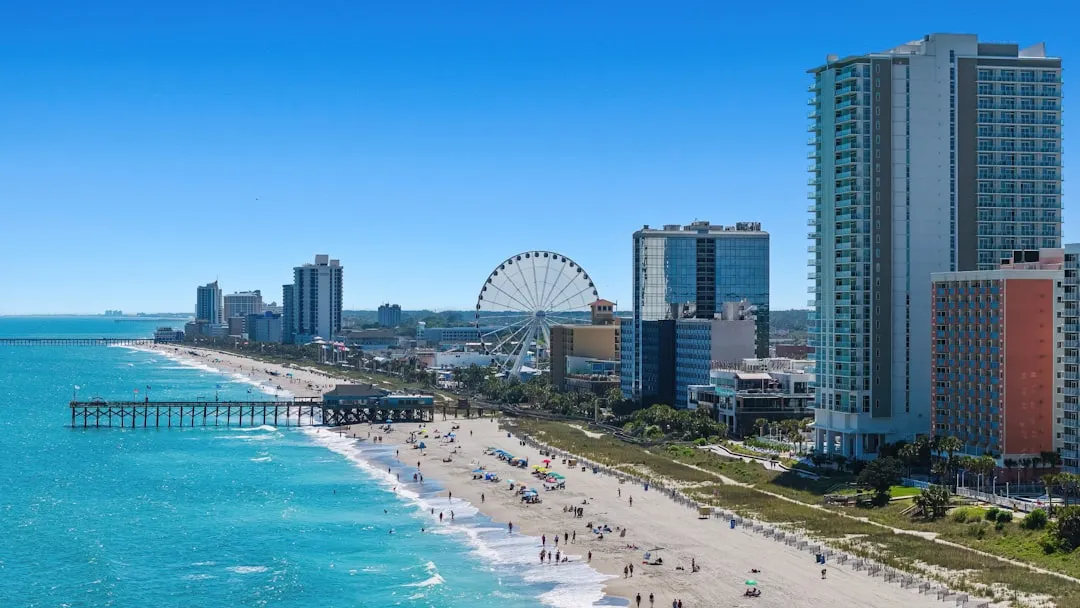
Not every beach sees the same crowd reduction after Labor Day. Some destinations are more dramatic than others. At certain Gulf Coast spots, crowd levels drop between forty and fifty percent from peak summer in the weeks following the holiday. That’s not a small margin.
Rates for private vacation homes in some of the most popular beach destinations may drop over twenty-five percent on average during shoulder season. Top destinations for these savings include the Outer Banks, North Carolina; Myrtle Beach, South Carolina; Fort Walton Beach, Florida; Panama City Beach, Florida; and Gulf Shores, Alabama.
On the vacation-rental side, Vrbo found some of its steepest shoulder-season price drops in Myrtle Beach, South Carolina (down roughly a third), Orange Beach, Alabama (down about thirty percent), and Panama City Beach, Florida (down nearly a quarter). Fewer people, better prices, and the same sand and water.
Late May Through Early June: The Other Quiet Window
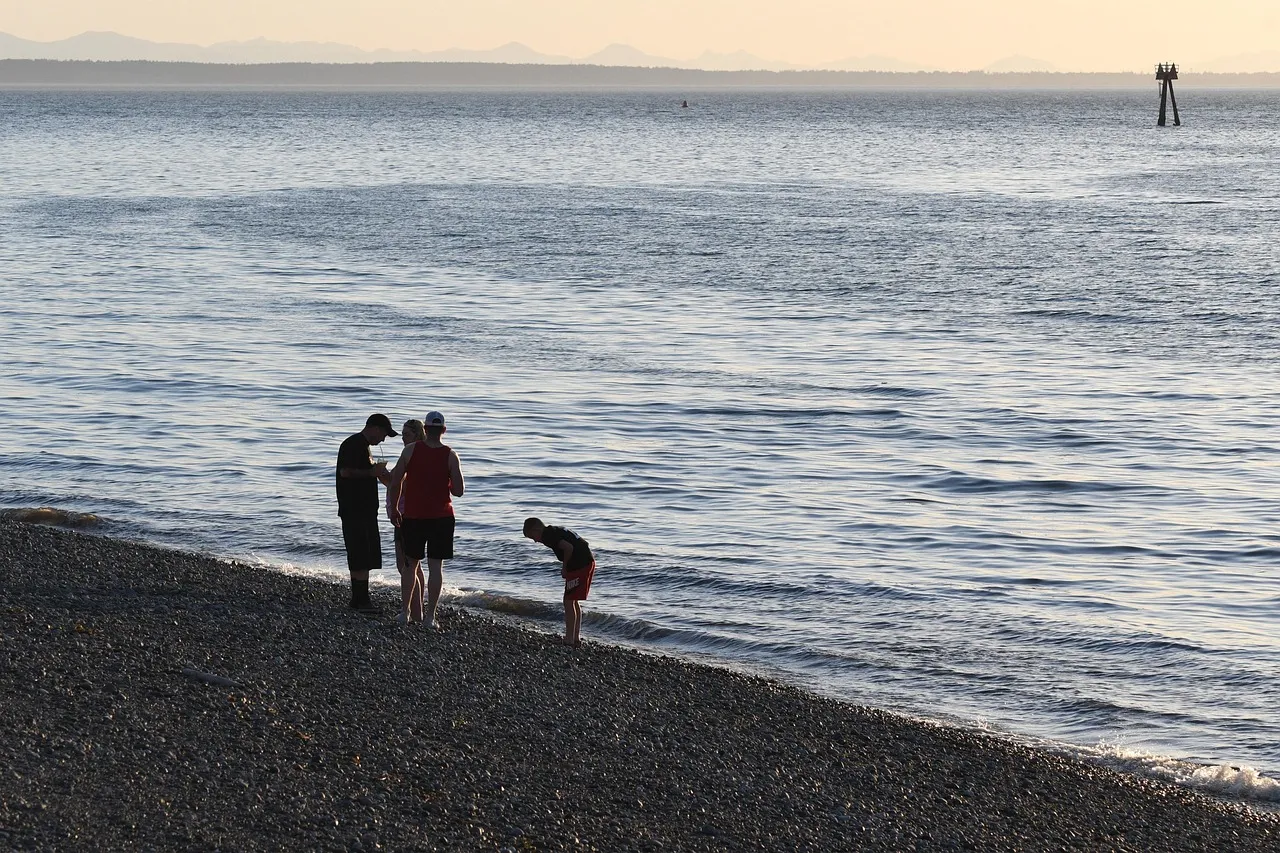
For those who can’t travel in September, late May through early June offers a second strong opportunity. Late spring and early summer provide warm temperatures and fewer tourists before peak season starts, making it a peaceful time to visit. The key is arriving before school lets out in mid-June, which is precisely when the summer rush begins.
Spring has moderate crowds, especially around holidays, but is generally less busy than summer and is ideal for families. This applies to most U.S. coastal destinations, from the Carolinas to Southern California.
Booking data shows that departures in May and June saw a thirteen percent increase from the same period the previous year, which means the word is gradually getting out. Even so, late May still remains measurably quieter than July or August, making it a smart target window for anyone willing to plan just a few weeks outside of traditional summer.
September and October: The European Beach Advantage
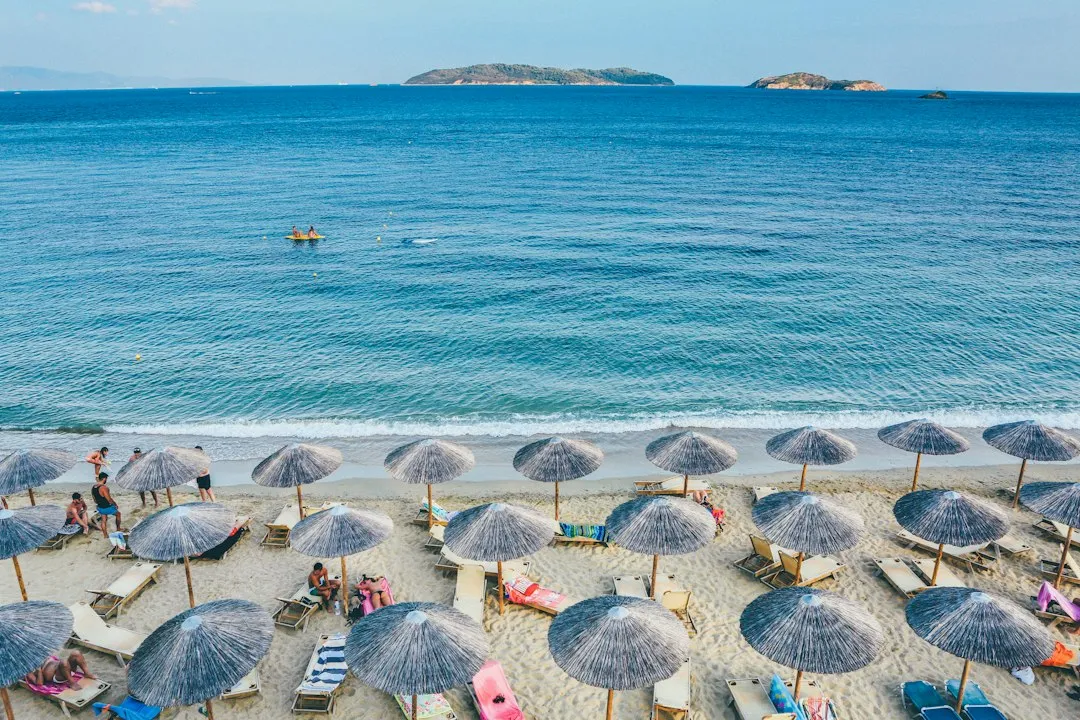
For international beach travelers, September is in a class by itself. The best value combining lower prices with good weather is shoulder season, specifically April through May and September through October. September is the strongest window, with Mediterranean sea temperatures at their peak and hotels running thirty to forty percent below August prices.
In European beach destinations like Santorini, Dubrovnik, and the Algarve, the price drop from August to September runs thirty to forty percent. That’s a meaningful difference that makes a genuine impact on what a trip costs overall. Spring also offers fewer crowds and lower prices at Algarve coastal resorts, making both ends of summer worth considering for European beach seekers.
Early fall offers pleasant weather and lower prices as summer crowds leave, ideal for budget-conscious travelers. These months usually have less rain and calmer seas, perfect for swimming and water sports. In places like Greece or Portugal, September swimming conditions are often the best of the entire year.
What Shoulder Season Actually Means for Beaches Specifically

For a summer beach destination, shoulder seasons are typically late spring and early autumn. It’s a useful frame, though it’s worth understanding what shoulder season actually feels like on the ground rather than just in the numbers.
The week after Labor Day, everything feels dialed down at classic beach towns: parking is suddenly easy, the noise level drops, and you can feel how quickly a town slips from high season into shoulder season in just a few days. This change is often more abrupt than people expect.
The target audience for shoulder season travel includes travelers with more flexibility who are price-sensitive and prefer to avoid crowds. This demographic includes retirees, couples without school-age children, digital nomads, and solo travelers. If you fall into any of these categories, the case for traveling in these windows is especially strong.
The Growing Competition for Shoulder Season Itself
There is one honest caveat worth raising: shoulder season is no longer a secret kept by a small group of savvy travelers. Shoulder season travel now accounts for nineteen percent of annual trips and has reached more than half the size of the summer peak. Autumn escapes, in particular, are growing quickly.
New data from Expedia and Vrbo shows fall lodging prices in top U.S. destinations running twenty percent higher than summer on average, with demand for fall travel up seventeen percent year over year. The word is out, and pricing is beginning to reflect it in some markets.
The solution is to go slightly earlier in the shoulder window rather than at its most popular points. The week immediately after Labor Day, for instance, still sees sharper crowd drops than mid-October. Timing within the shoulder season matters almost as much as choosing shoulder season itself.
Weekdays vs. Weekends: The Final Layer of the Puzzle
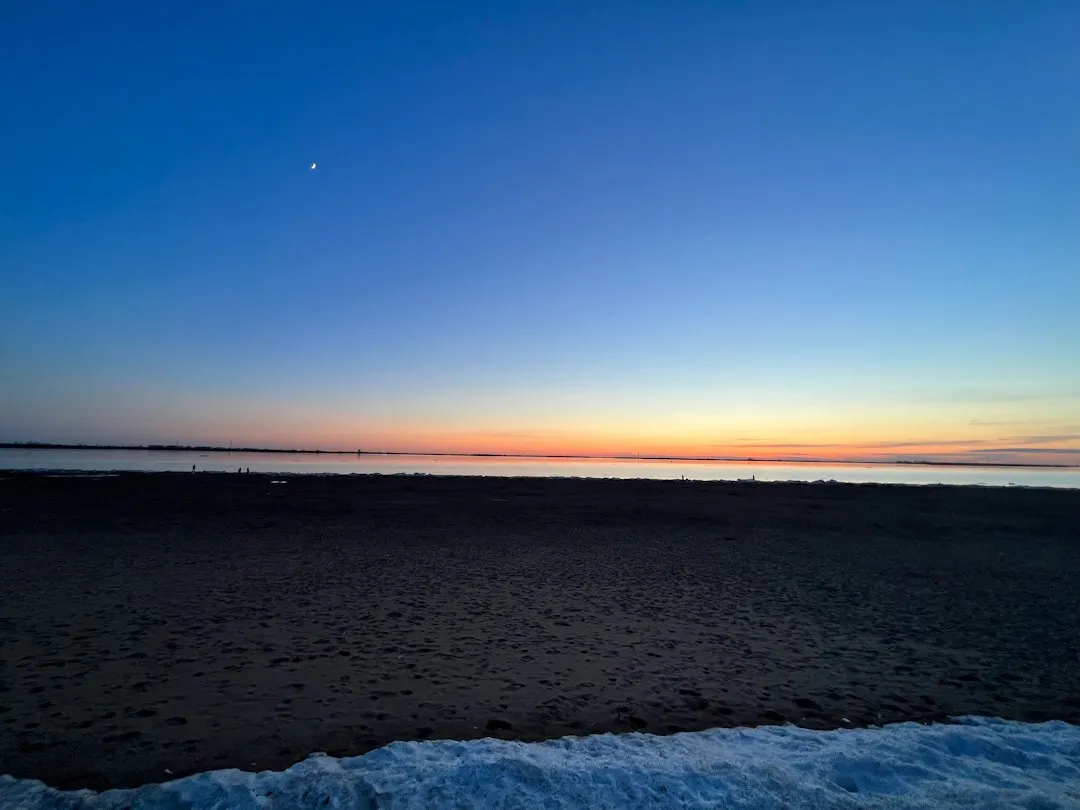
Even within shoulder season, the day of the week makes a real difference. Weekdays in the fall, particularly September and October, and the winter months have the fewest visitors and offer the most peaceful beach experiences. This applies even at beaches that attract moderate crowds on fall weekends.
Early morning is also one of the best times to enjoy a less crowded beach. It’s quiet and serene, and you might end up having the beach all to yourself. Combining a weekday arrival with early morning beach time, within an already quiet shoulder-season window, gives you the best realistic chance of experiencing something close to solitude.
Late September and early October offer the best mix of warm water and quieter beaches, and that observation holds across many U.S. coastal destinations. A Tuesday morning in late September at a Gulf Coast beach, or on the shores of the Outer Banks, is about as close to empty sand as most of us are ever going to find.
The Takeaway
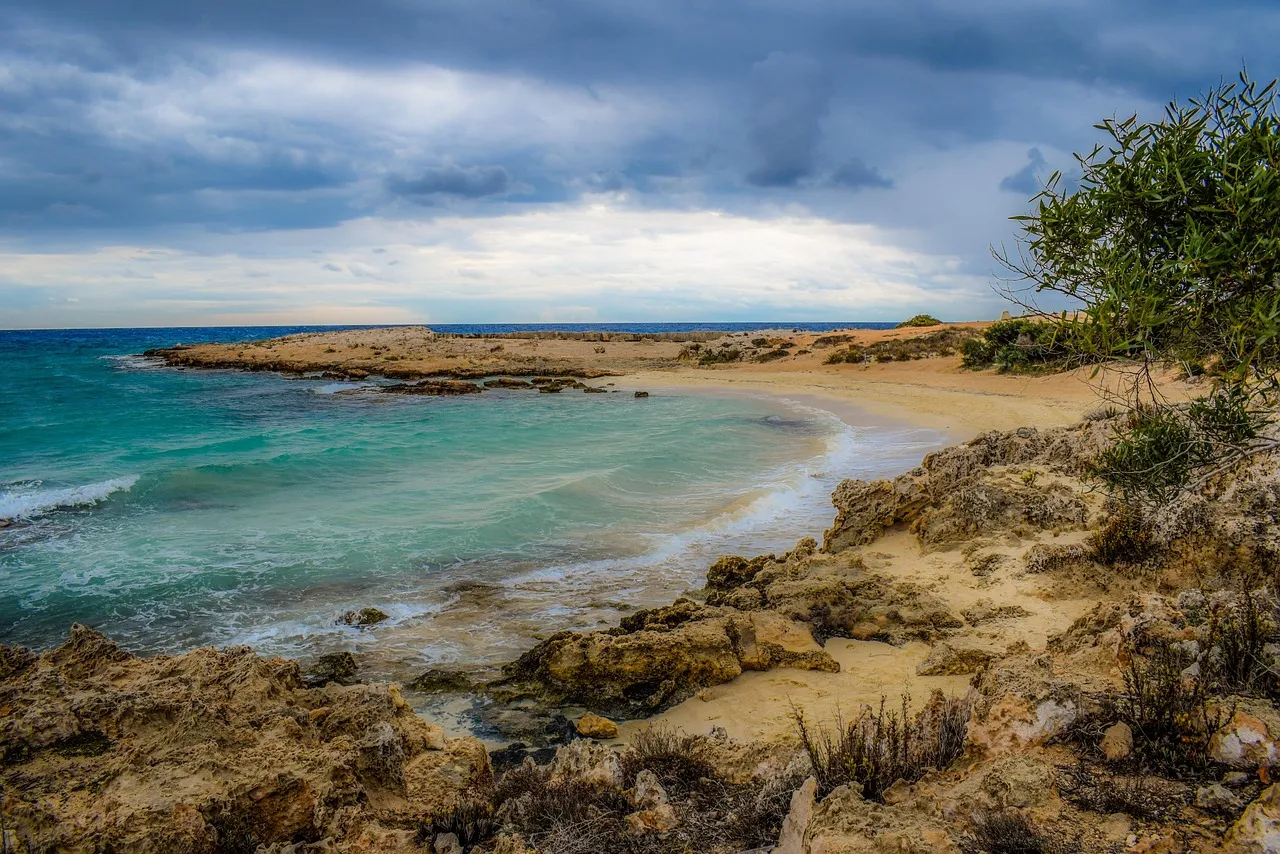
The best week for empty sand is the seven days immediately following Labor Day, with late May through early June as a solid alternative for those who can’t travel in fall. Early fall offers pleasant weather and lower prices as summer crowds leave, making it ideal for travelers who want both quality and calm.
The broader truth is that the beach itself doesn’t change much between July and September. The sand is the same, the water is often warmer, and the light is arguably more beautiful in early fall. What changes is everyone else’s decision about whether to show up. That gap in judgment is where the best beach experiences are quietly waiting.
AI Disclaimer: This article was created with the assistance of AI tools and reviewed by a human editor.