
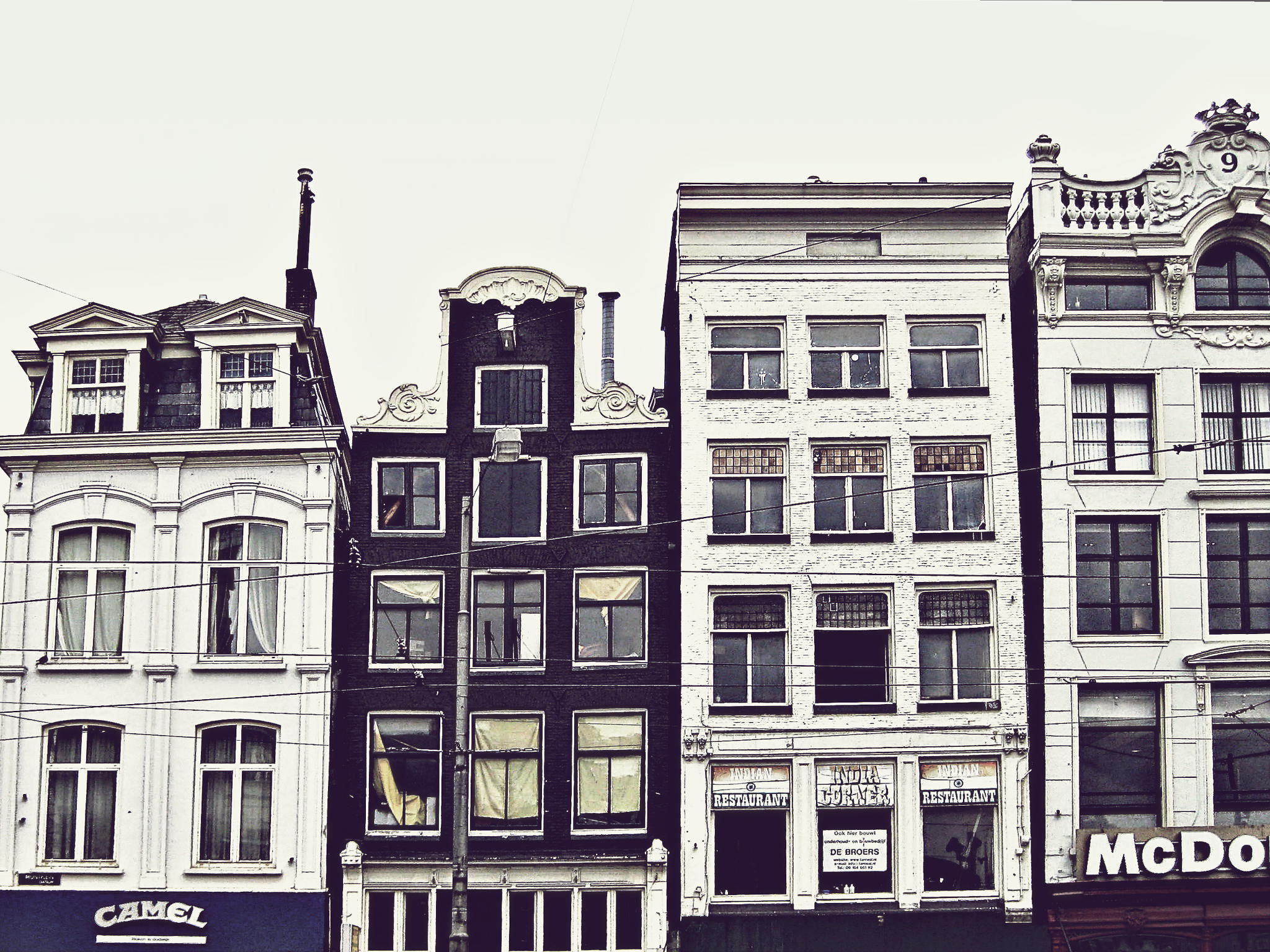

Amsterdam moves on two wheels. It always has. Walk through almost any neighborhood in the city and within seconds you’ll hear the quiet rush of cyclists moving past, unhurried but fast, in a system so fluid it almost looks choreographed. For visitors, this can feel exciting, slightly chaotic, and occasionally alarming all at once.
The city’s cycling culture isn’t just a quirk of local character. It’s law, infrastructure, and daily rhythm fused into one. Knowing how to exist within it, whether you’re on a bike or on foot, is the single most useful thing you can do before you arrive.
The Red Lane Is Not a Sidewalk
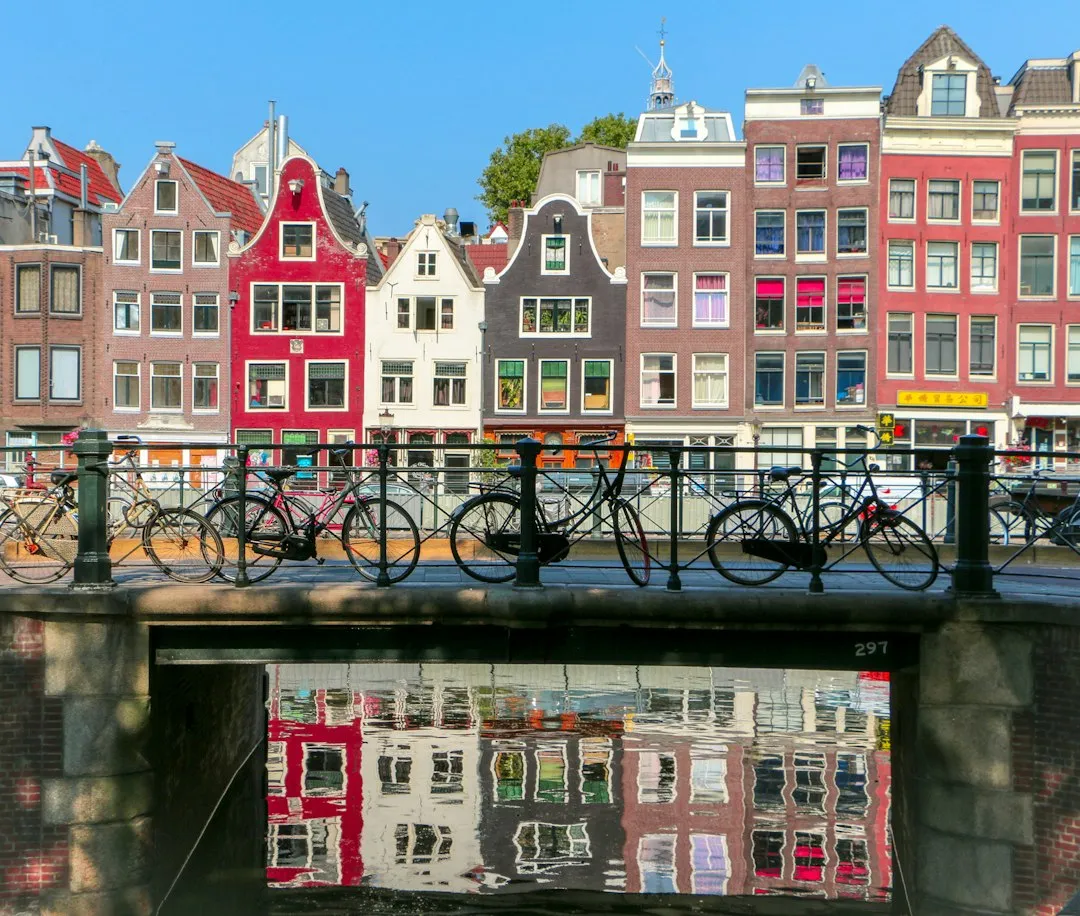
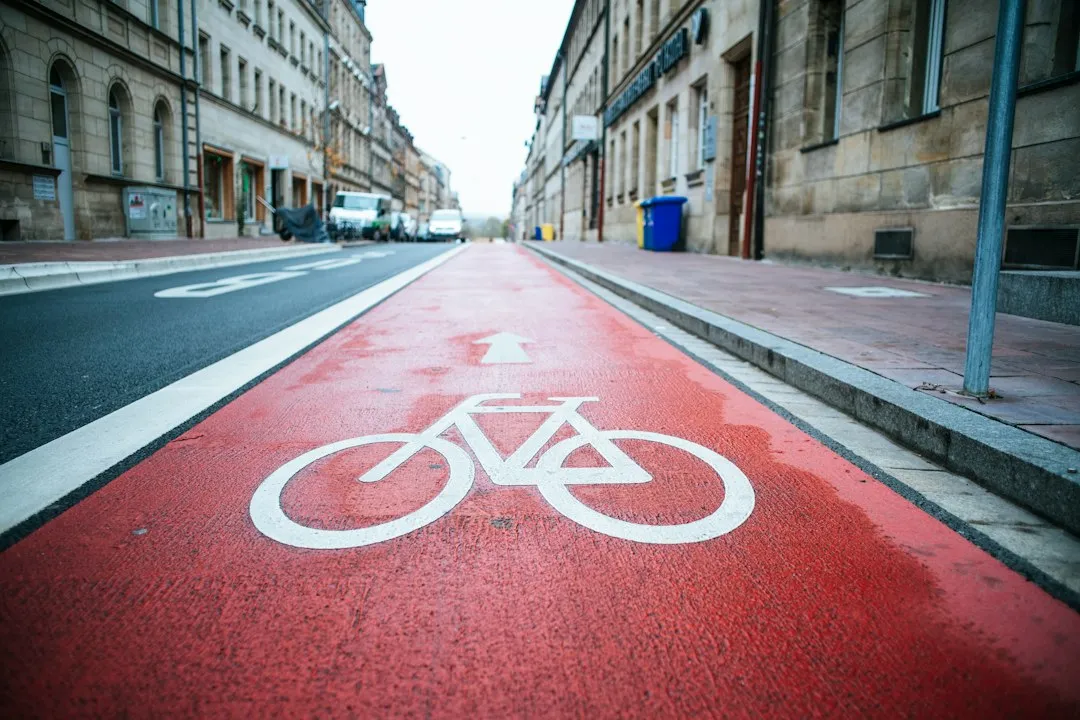
Amsterdam’s bike paths, known as “fietspad,” are red in color specifically to differentiate them from both roadways and footpaths. This is deliberate and meaningful. Cycling lane confusion tops the list of tourist errors. Amsterdam’s red-painted bike paths aren’t decorative walkways. Walking in these lanes puts you at risk of collision with fast-moving cyclists who have right of way.
If you’re a pedestrian, never stand or walk in the bike lane, the red-colored strip. It’s the most common tourist mistake and a daily source of frustration for locals. The fix is simple: before you step off any curb or path, check the color of the surface beneath your feet.
How Big Is Amsterdam’s Cycling Network?
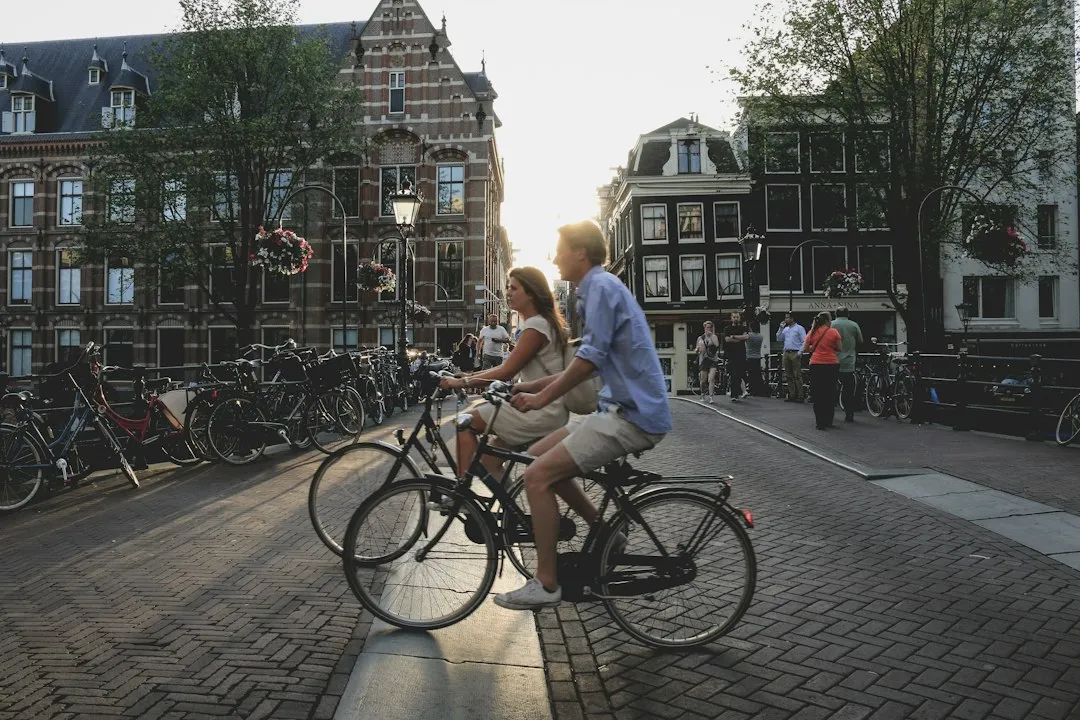
Amsterdam has 1,242.5 kilometers of bicycle paths and lanes, of which 858.1 kilometers are bike paths completely separated from other traffic, as of 2024. That’s a genuinely vast network, and it means cyclists are almost everywhere. In 2022, one in three trips made by Amsterdammers was by bike. Cycling is not just popular with tourists; it is part of everyday life for local residents.
Almost half of Amsterdammers cycled to work in 2024. Among residents who work within Amsterdam, more than half used a bicycle for at least part of their commute. When that many people depend on bike lanes to get to work, an oblivious tourist standing mid-lane to check a map is a real problem for everyone involved.
Cyclists Have Priority. Full Stop.
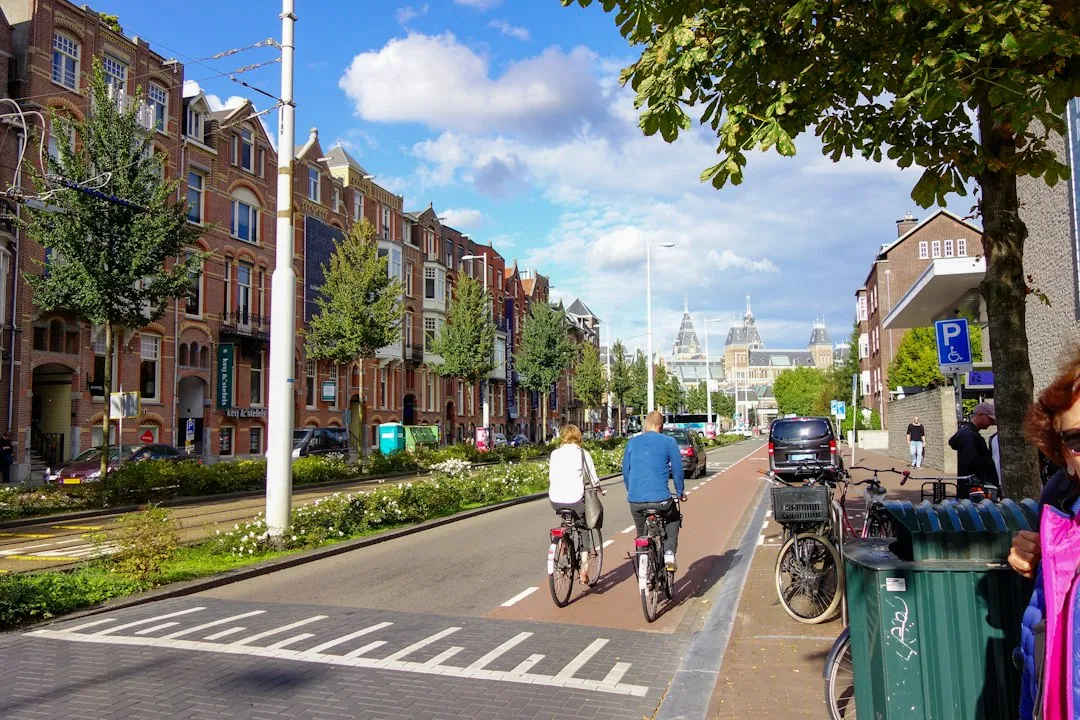
Bikes have right of way in Amsterdam. Treat the bike lane like a road. This applies to pedestrians stepping into the lane, but also to cars at most intersections. Cyclists have right of way in bike lanes but must yield to trams and buses at intersections. Understanding this hierarchy saves a lot of confusion and potentially a lot of bruising.
Amsterdam has its own peculiarities when it comes to a hierarchy of roads and pedestrians. In general, pedestrians occupy the highest priority place in most major cities. However, in Amsterdam, the priority order is obligatory to follow, with trams at the top, then cyclists, then pedestrians. Knowing your place in that order matters, whatever your mode of transport.
The Tram Track Trap
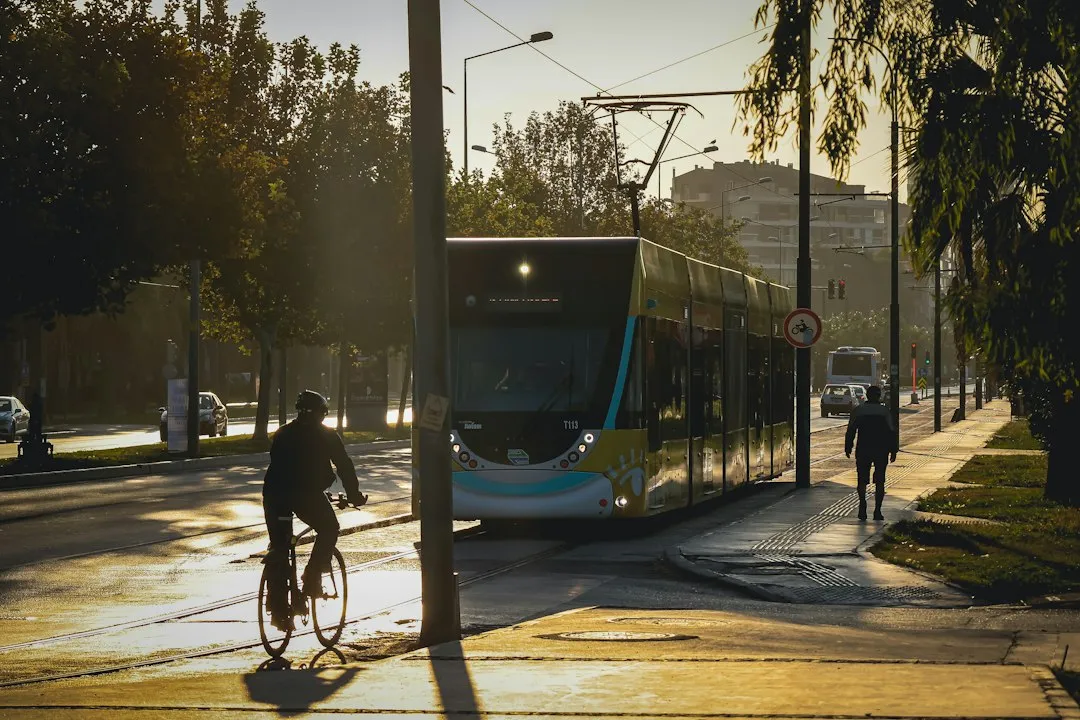
More tourists crash because of tram tracks than any other single cause. Tram tracks have grooves that are exactly the width of bicycle tires. It’s almost a perfect accident waiting to happen. Trams have fixed tracks and cannot swerve. If you ride across tram tracks at an angle, your wheel can catch the groove and throw you.
Cross tram tracks at a wide angle, close to 90 degrees, to prevent your wheel from catching in the groove, particularly on wet days. When cycling parallel to tracks, maintain at least a metre of distance and never attempt to overtake a tram. The tracks become particularly slippery when wet, so reduce your speed in rainy conditions. This is one of those situations where slowing down for ten seconds is genuinely worth it.
No Phones. No Exceptions.
Holding a phone or any device on a bike has been banned since 1 July 2019 and is fined on the spot. Phone use while cycling has been illegal since 2019, with a fine of €170, or €179 with administration costs. That’s a steep price for a glance at Google Maps.
If you need to stop to look at a map or take a photo, move completely out of the bike lane first. Pull over, step off the lane entirely, and then consult your phone. The bike lane is not the place for side-by-side wandering unless the path is clearly wide enough and quiet. Amsterdam riders pass constantly. If you ride slowly in the middle of the lane, you force others to take risky lines around you.
Lights After Dark Are the Law
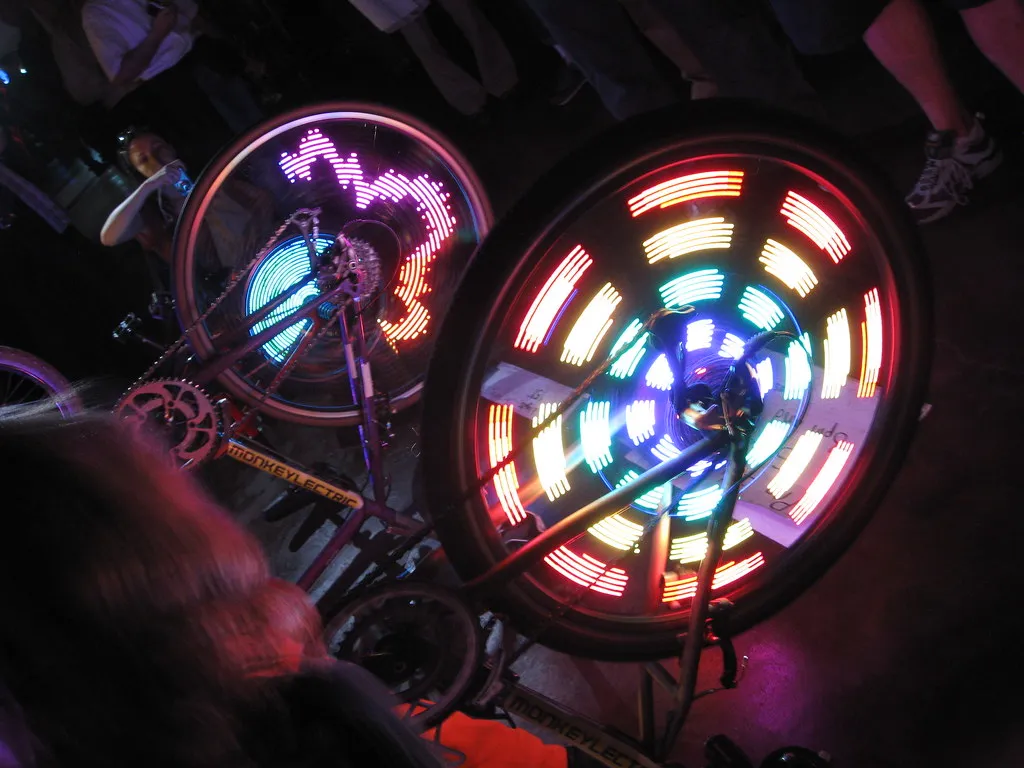
Lights at night, front white and rear red, are mandatory at dusk and at night. The fine is €75, plus a €9 administration fee. Cycling fines are real and frequent. Tourists get caught most often for missing lights. Most rental bikes come equipped, but it’s worth checking before you head out in the evening.
Bike light theft is very common in Amsterdam, so it’s worth bringing removable lights if you plan to leave the bike unattended after dark. This is a practical detail most visitors simply don’t think about until they’re standing at a rental counter as dusk falls.
The E-Bike Factor
Amsterdam’s cycling scene is becoming increasingly electric. During bicycle counts on several Amsterdam cycle paths in 2023, between roughly a fifth and nearly a third of the bicycles counted were e-bikes. Another recent cycling survey found that roughly one in five participating cyclists were riding an electric bike.
In 2024, around 15,000 people required hospital treatment following e-bike accidents. Fat bikes were involved in at least 5,000 of these cases, half of them with riders under 16. The city has responded: no fat bikes are permitted in the Vondelpark since 11 May 2026, and riding one there costs €115. If you’re renting an e-bike, treat the extra speed with real respect, especially in busier central areas.
Ride Predictably, Not Perfectly
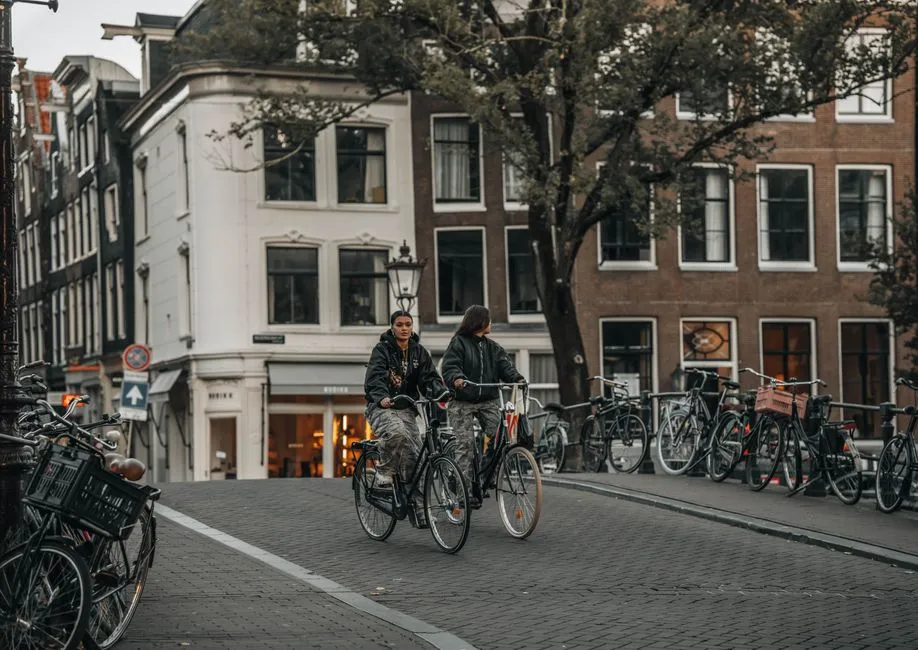
The most useful bike etiquette Amsterdam visitors can follow is simple: be predictable and do not block the flow. You don’t need to ride fast or look experienced. What local cyclists need from you is consistency. Follow the rules and ride predictably. Amsterdam cyclists are experienced and will navigate around you, but not if you stop suddenly.
If you’re cycling, keep right, signal turns with your arm, use hand signals before pulling over, avoid using a phone or earphones, and use the bell to warn pedestrians. These are habits, not complex maneuvers. After thirty minutes in the saddle, most of them start to feel natural.
Bike Theft Is a Real Concern
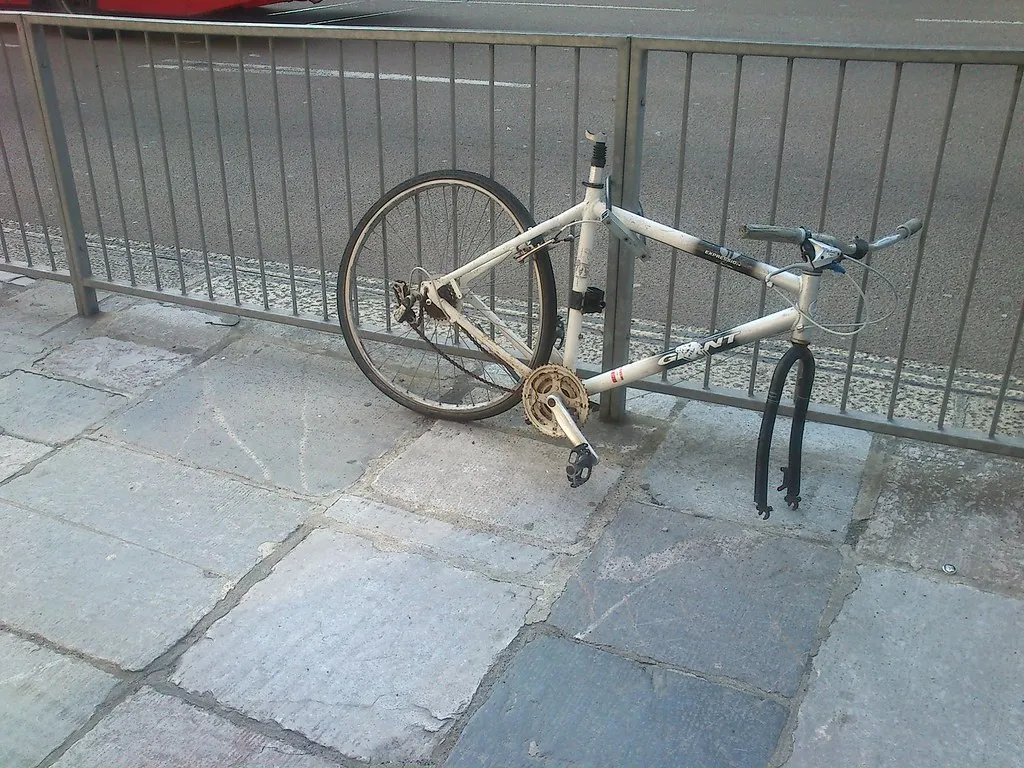
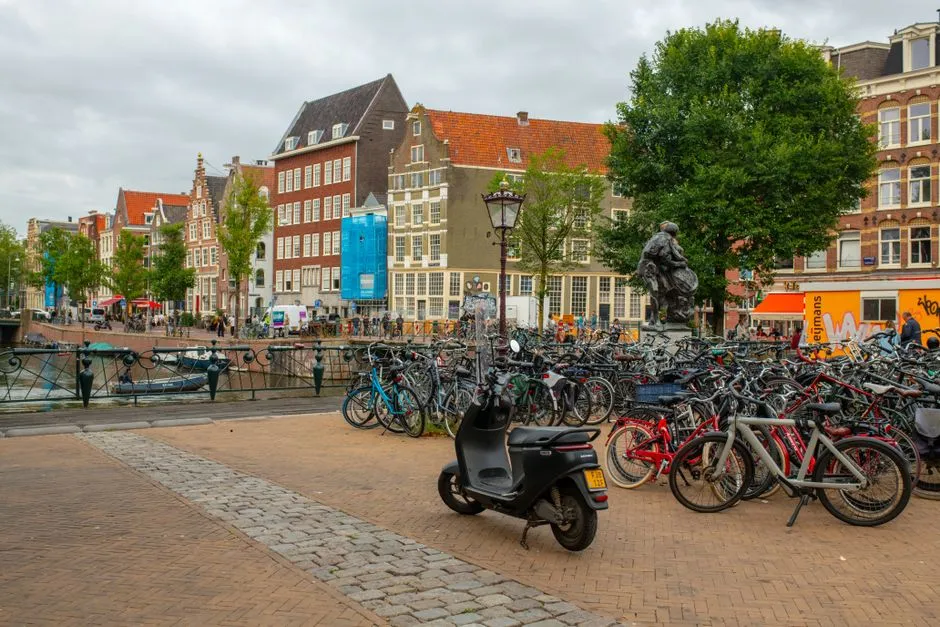
Recent figures based on police data show that Amsterdam remains one of the Dutch hotspots for reported bicycle theft. In 2024, roughly 10,800 bike thefts were reported in the city. This isn’t a scare statistic, it’s a practical reality that shapes how residents park and secure their bikes every single day.
Use two locks, a frame lock plus a chain or U-lock through the wheel. Theft is endemic. Park your bike in a rack. Bikes left in the wrong place, especially around Centraal Station, are removed by the city. When you rent a bike, ask the rental shop about recommended locking spots near the attractions you plan to visit.
When in Doubt, Walk or Take the Tram
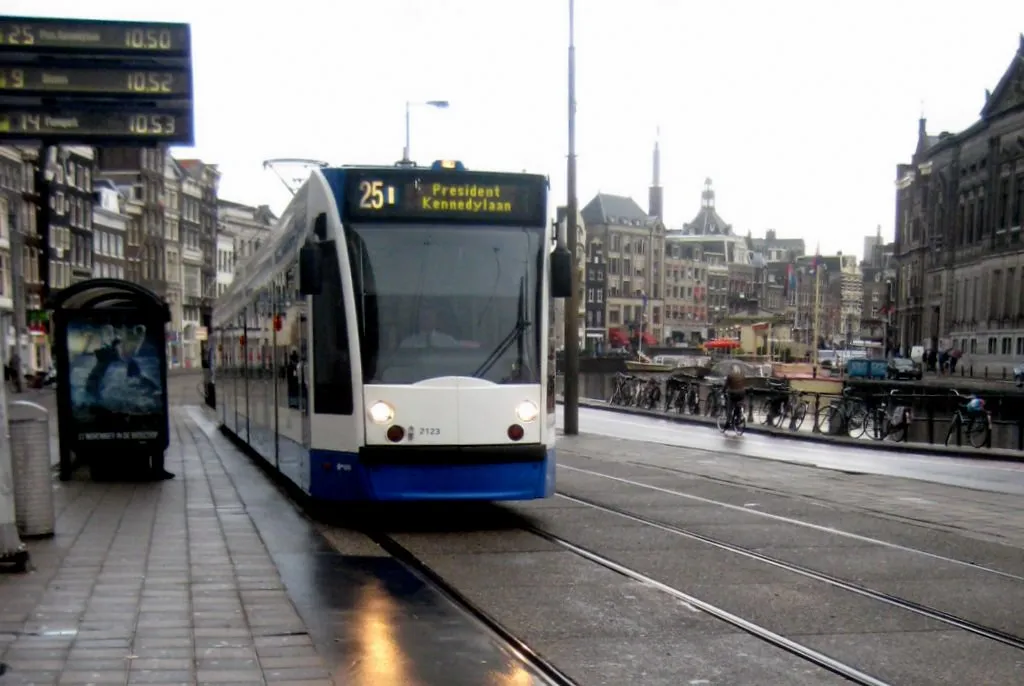
Amsterdam is extremely walkable, and trams, buses, and the metro make it easy to get around without a bicycle. You will probably enjoy the city more on foot, and the locals behind you in the bike lane will appreciate it too. This isn’t a discouragement, it’s honest advice.
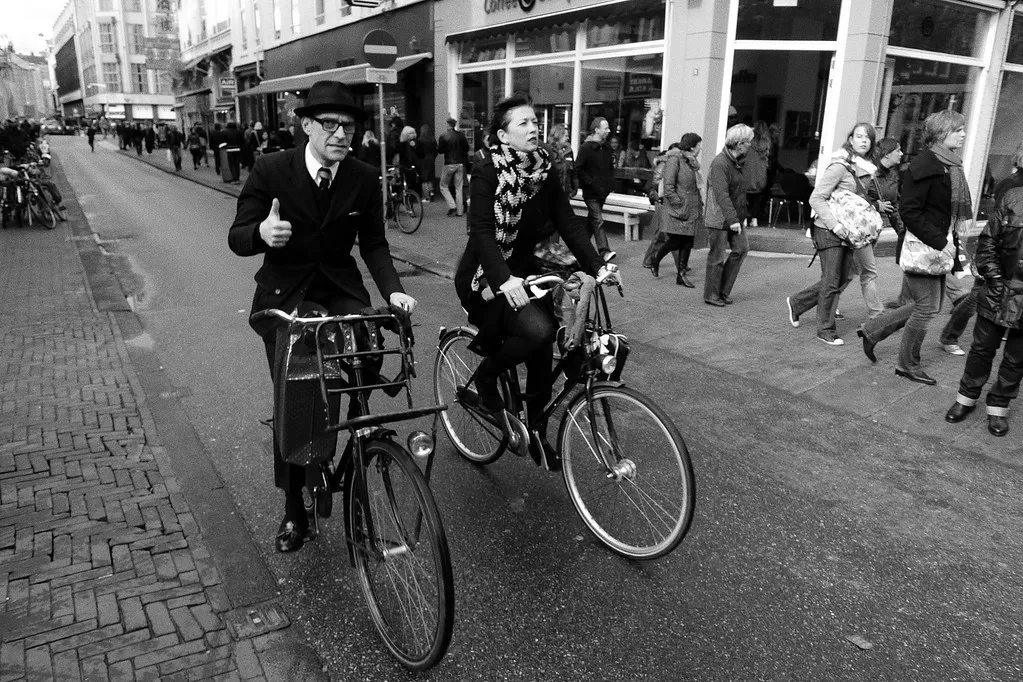
If you are not comfortable cycling in light traffic, spend a first day on trams and try cycling on a quieter route, such as the Jordaan or Vondelpark area, before tackling busier streets. Cycling is worth it for almost every visitor who is reasonably comfortable on a bike. It is faster than walking, cheaper than taxis, and simply the way Amsterdam is meant to be experienced. Give yourself that gentle on-ramp, and you’ll be glad you did.
A City That Rewards Respectful Visitors
AI Disclaimer: This article was created with the assistance of AI tools and reviewed by a human editor.