


Most drivers pass over them hundreds of times without a second thought. Those small, slightly raised blue dots embedded in the road surface seem random, maybe even decorative. They’re not.
Behind every one of those blue flashes is a precise, functional system that has been quietly saving lives for decades. Understanding what they mean changes how you see the road entirely.
They’re Not Random – They Mark a Lifeline Underground
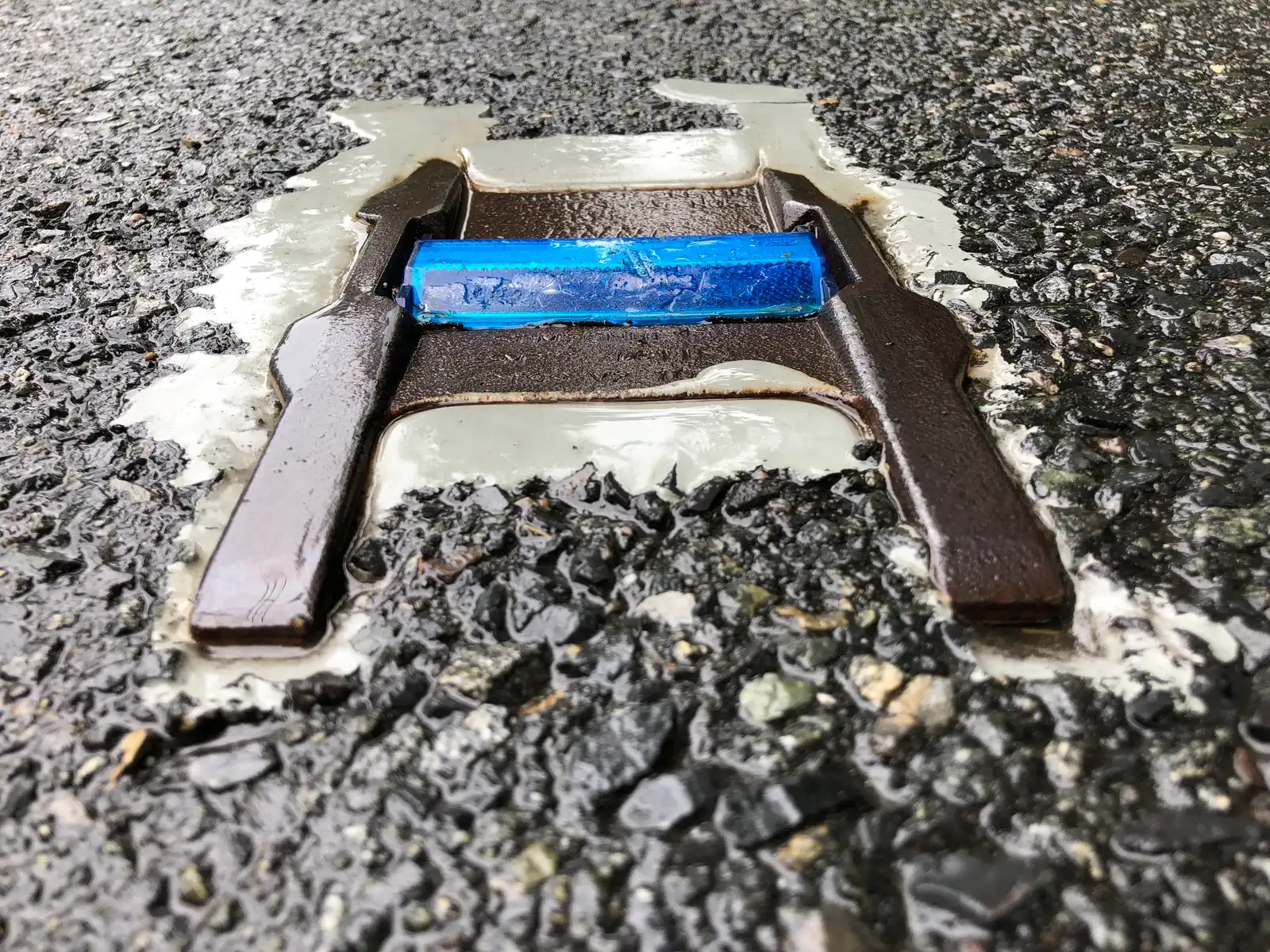
Blue reflectors on the road are most commonly called “fire hydrant markers” or “blue road reflectors,” and in technical terms, they’re a type of raised pavement marker, typically shortened to RPM. They’re used to mark underground water systems, identifying nearby fire hydrants to emergency crews in areas where hydrants might not be easily seen from the road.
According to guidance from the American Public Works Association, blue indicates potable water systems, which include water mains, service lines, and fire hydrants. That single color carries real meaning. It’s a direct signal to firefighters about where their water supply is, even in the middle of the night or through a wall of smoke.
Why Firefighters Depend on Them
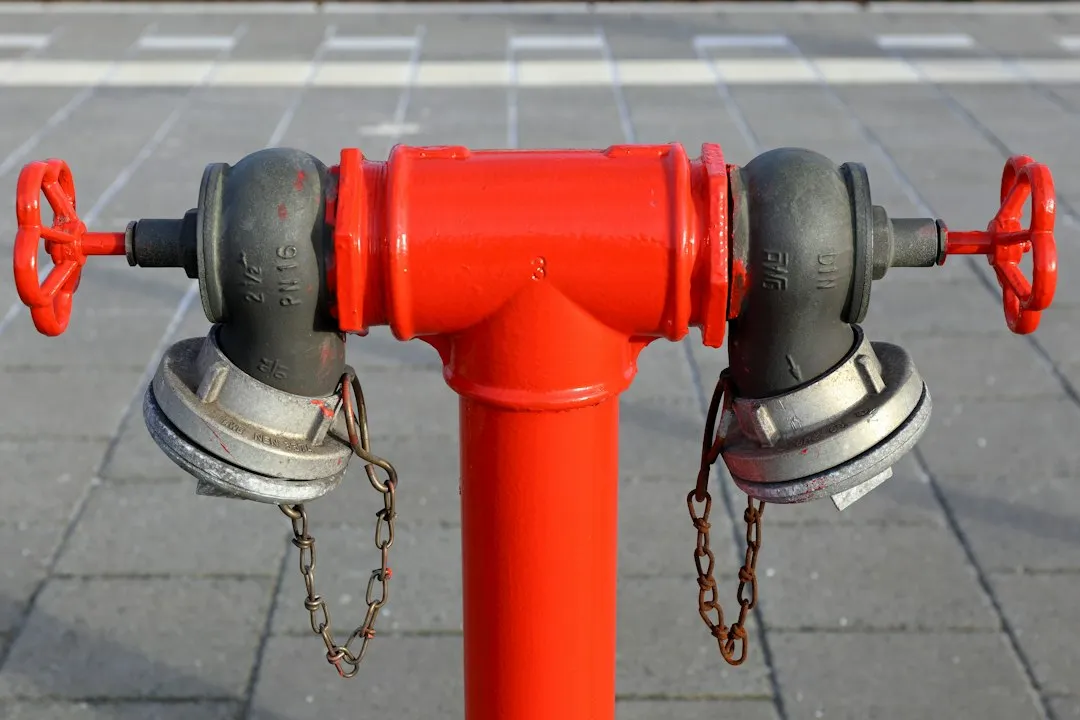
The blue reflector identifies a fire hydrant location. The fire department looks for these to find the closest water supply in relation to a fire. Every second counts in those moments, and a row of blue markers on the pavement can eliminate the frantic searching that might otherwise cost crucial time.
These reflectors are usually placed along the center line of a road, leading up to a fire hydrant located on the side. This assists firefighters in quickly locating a water source, especially at night or in smoky conditions. The logic is elegant. Instead of reading a map or scanning curbs in the dark, a crew can simply follow the blue glow.
Placement Follows a Careful Logic

Blue RPMs are designed to catch the eye of emergency vehicle drivers as they indicate the presence of a hydrant on the side of the road. Blue markers are typically placed at the center of the road or on the side. If the hydrant stands at a corner, then each road might have its own marker.
Fire hydrants can blend into their surroundings more than you might expect. The blue reflectors are installed by local municipalities when needed by emergency crews. Those reasons could be due to weather, parked cars, landscaping, or some other similar factor that limits visibility. In dense urban neighborhoods especially, a parked SUV or an overgrown hedge can completely obscure a hydrant from a driver’s line of sight.
The Color Code Behind Every Reflector on the Road
In North America, road reflectors have designated color meanings. White pavement markers indicate lane markings on the right pavement edge; yellow and orange pavement markers separate lanes of opposite-moving traffic; and blue pavement markers indicate shoulders and fire hydrants.
Red reflectors tell drivers that they are going the wrong way up a one-way ramp or that they should not enter. Blue reflectors mark shoulders and roadside fire hydrants, so emergency responders can easily locate them at night. Each color carries its own weight. None of them are arbitrary, and none of them are decorative.
The System Differs Around the World

Raised pavement markers come in a variety of reflective colors, some of which, like white and yellow, have guessable meanings borrowed from painted road line conventions. There are other colors, like blues and greens, that relay more information to those in the know.
In the U.K. and Europe, blue markers indicate emergency vehicle lay-bys and slip roads, mainly for police to park and monitor passing traffic. Green is used for joining or leaving slip roads at junctions, entrances and exits. In Australia, European conventions dominate, though blue is still used to indicate the presence of a fire hydrant, as in the U.S. The specifics shift by country, but the principle stays consistent: color equals information.
The Invention That Started It All

Percy Shaw invented the cat’s eye in 1935 after spotting a reflection in his headlights during a foggy night. This reflection came from the eyes of a cat and prevented him from veering off the road. The encounter led Percy to create a device that would reflect the headlights of cars, making it easier for drivers to see the road ahead.
An ingenious part of Percy’s invention was that the rubber dome would compress downwards when driven over, and this action wipes the reflective lens against a small rubber blade, cleaning it. The cat’s eyes also worked without electricity or batteries and were arguably one of the most revolutionary inventions for road safety. A self-cleaning reflector that requires no power source. For 1935, that was genuinely remarkable engineering.
How Much Safer Do They Actually Make Roads?
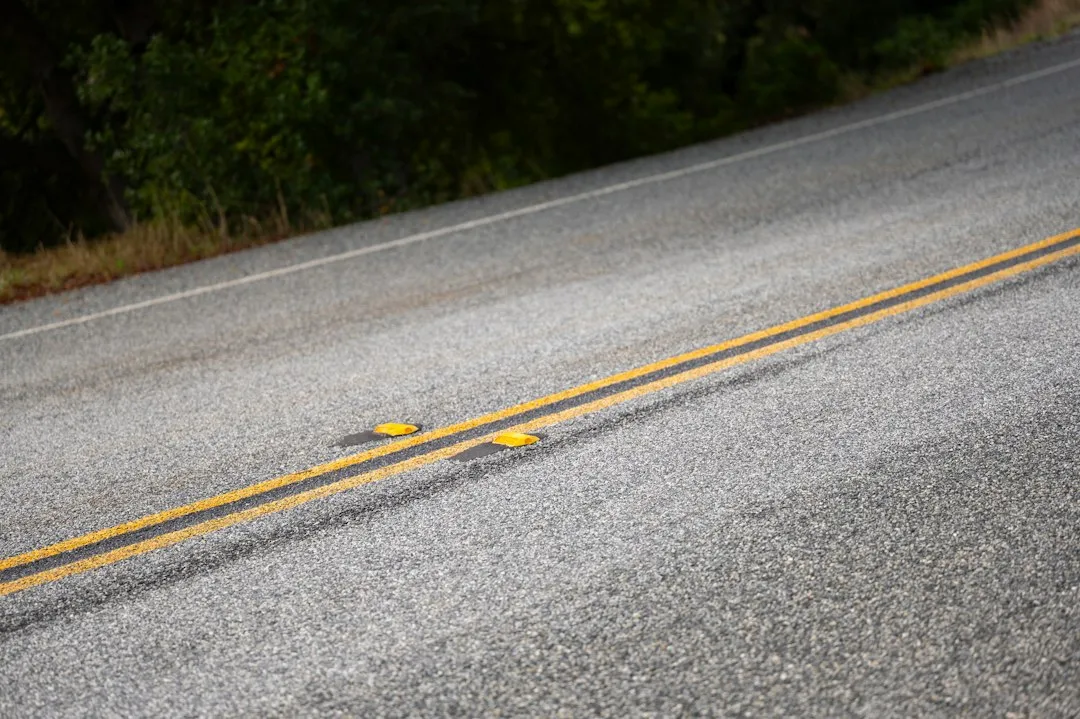
The purpose of pavement reflectors is to save lives. They have been shown to help drivers see lanes better and sooner, especially when it’s raining, and to cut crashes by 0.5 accidents per million vehicle miles. That figure sounds modest in isolation. Spread it across billions of vehicle miles driven annually across the U.S. alone, and the cumulative reduction in harm becomes substantial.
A road reflector is designed to bounce light from vehicle headlights back toward drivers, creating a clear visual cue that defines lanes, edges, or potential hazards. Unlike painted markings that can fade or become invisible during rain, reflectors remain highly visible even on dark rural highways or poorly lit urban streets. Rain is precisely when visibility matters most. That’s exactly when paint fails and reflectors hold.
What Drivers Should Actually Do When They See One
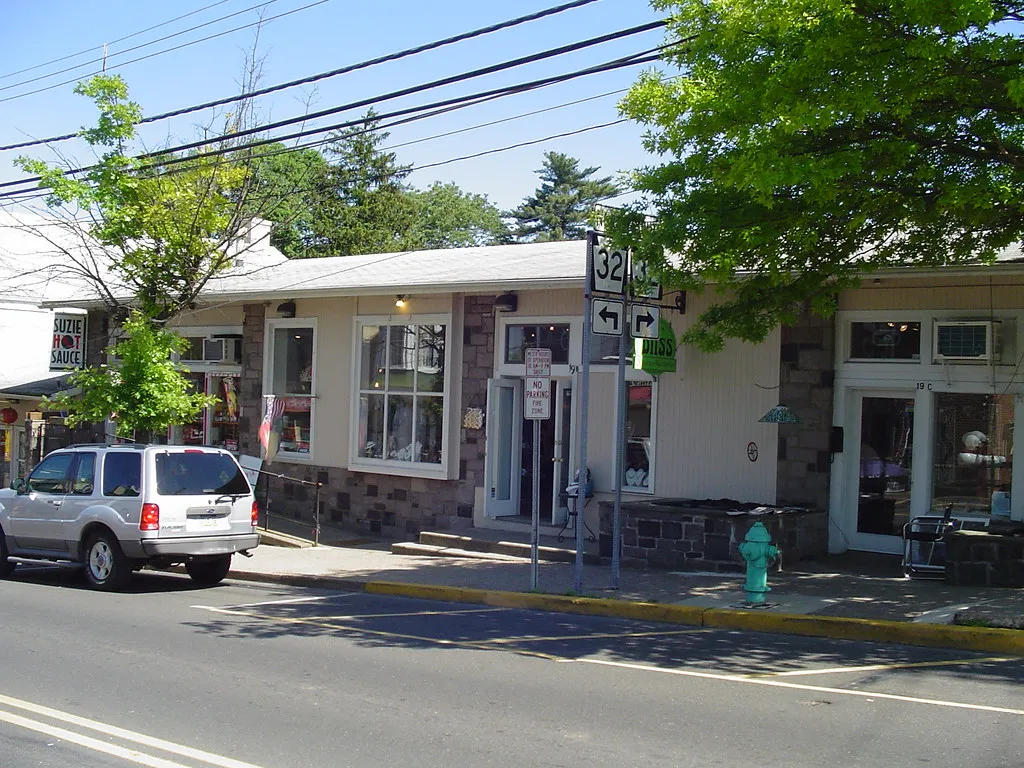
While drivers don’t need to take direct action upon seeing a blue reflector, understanding its purpose emphasizes the importance of not parking in front of or obstructing fire hydrants. That’s the practical takeaway most people never make the connection to. Parking near a blue reflector isn’t just a ticketing risk. It could physically block a crew from reaching their water source during a fire.
Because a blue reflector often signals a nearby hydrant or water line connection, that’s an extra reminder that any digging project should start with proper utility checks. The blue reflectors also serve as a reminder to keep the area around hydrants clear. Even if the reflectors help fire crews identify where a hydrant is located, physical access still matters.
Green Reflectors and the Emergency Access Layer

According to Marcia Lozer, a spokeswoman for 3M Roadway Safety, blue RPMs may also indicate emergency entrances onto roads near firehouses, so they’re something even regular motorists might want to notice. The system extends beyond hydrants. It’s a quiet infrastructure layer built specifically for emergency response situations.
Green reflectors in the U.S. often mark entry points to gated communities that are accessible for emergency vehicles. This means the color-coding embedded in road surfaces isn’t just about lane discipline. It’s a coordinated communication tool between road planners and emergency services, one that most drivers have no idea they’re driving over every single day.
A System Most Drivers Have Never Been Taught
The color and placement of reflectors are critical for providing accurate information to drivers. Reflectors on the road play a crucial role in guiding traffic and ensuring the safety of drivers. It’s important to understand their meaning to make informed decisions while driving. Depending on their color and placement, reflectors can indicate the correct direction of the lane, highlight the presence of fire hydrants, provide warnings about road layouts, or alert drivers that they are going the wrong way.
Most people pass their driving test without ever being tested on this. The color system for road reflectors rarely appears in standard driver education curricula, even though the infrastructure has been in place for decades. It’s one of those things the road knows that drivers don’t.
The Quiet Infrastructure Beneath Your Tires

There’s something worth sitting with in all of this. Every time you drive past a blue dot in the road, you’re passing a carefully placed signal designed to help a firefighter do their job faster. It was put there deliberately, by a municipality, for a specific reason tied to a specific hydrant a few feet away.
These little, often overlooked devices greatly improve nighttime visibility, lane guidance, and driver awareness, particularly in challenging conditions like fog, rain, or darkness. Because they are robust and extremely effective, road reflectors are an essential part of modern road infrastructure that helps prevent accidents and save lives. The road is doing more quiet work than most people ever realize. The blue reflectors are just one part of a much larger system hiding in plain sight, flush with the pavement, waiting to be noticed.
AI Disclaimer: This article was created with the assistance of AI tools and reviewed by a human editor.