
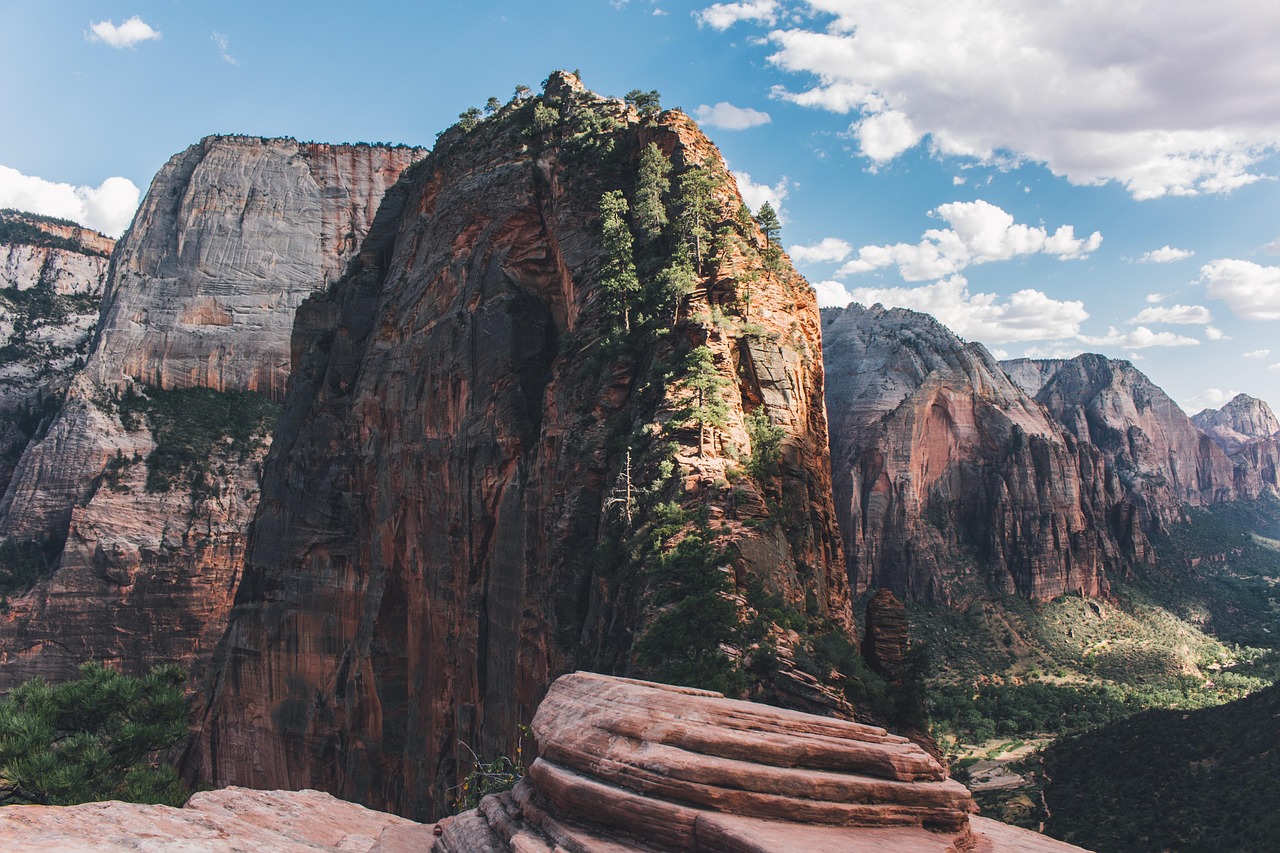

There’s a sound that most visitors come to national parks specifically to escape: the relentless hum of urban life. Traffic, sirens, the constant digital chatter. What they find instead, increasingly, is someone’s playlist echoing off canyon walls or drifting across a mountain lake. The Bluetooth speaker has become one of the most quietly disruptive pieces of gear in the modern hiker’s pack, and its impact on America’s wildest places is more serious than most people realize.
The problem isn’t that people enjoy music. It’s where they’re playing it, and at what cost to everyone around them, including the wildlife that has no option to leave.
A Record Number of Visitors, a Record Amount of Noise
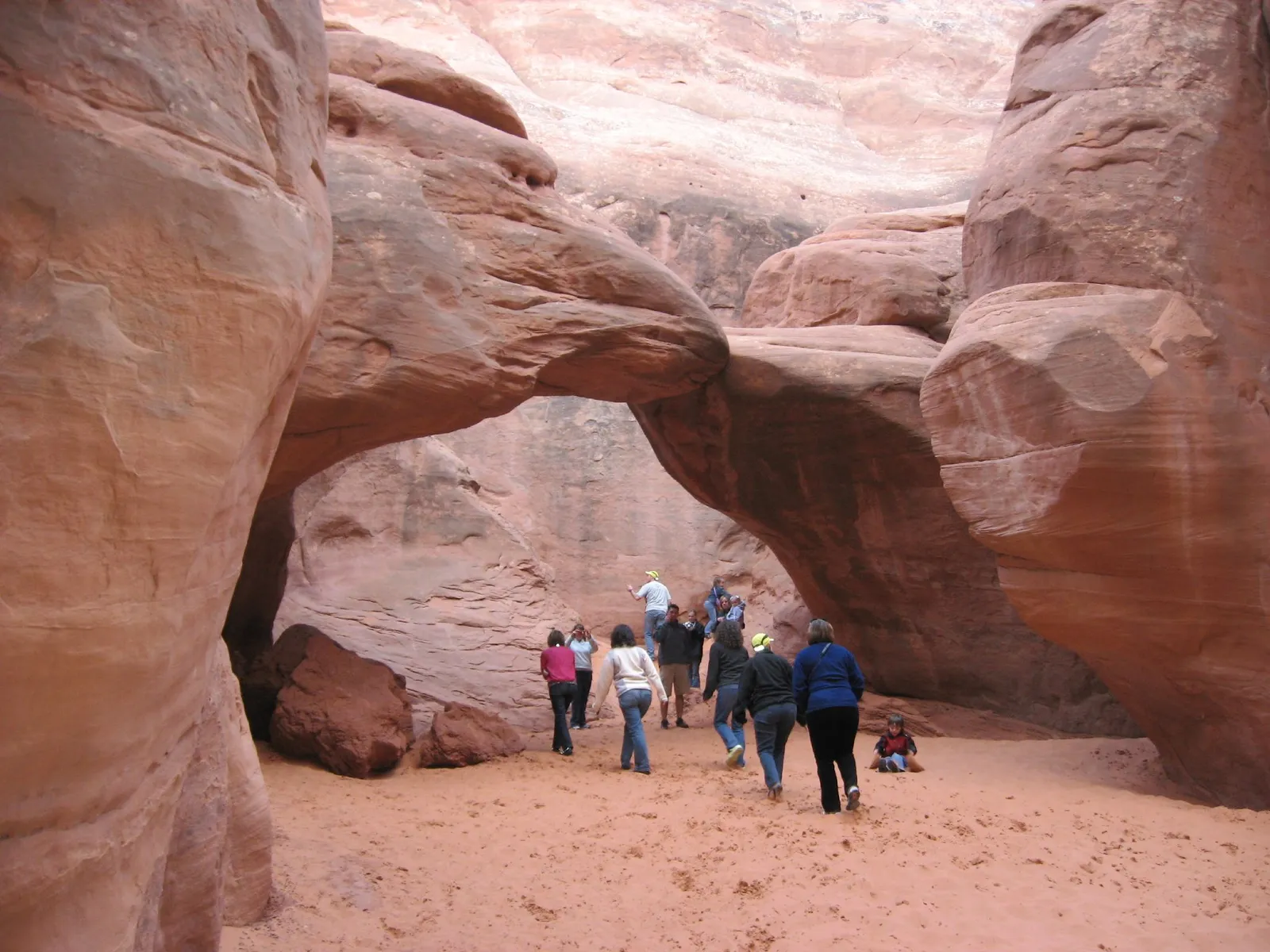
In 2024, the National Park Service logged a record-high 331.9 million recreation visits at more than 400 sites across the country. That is more people than any year in the agency’s history. The 2024 figure represented a two percent increase from 2023 and surpassed the previous all-time record set in 2016.
More visitors naturally means more noise. More Bluetooth speakers carried into trailheads, campgrounds, and river corridors that were once reliably quiet. The sheer scale of visitation has transformed the acoustic environment of parks that were once defined by the sounds of wind, water, and birdsong.
What Americans Actually Come to Parks to Hear
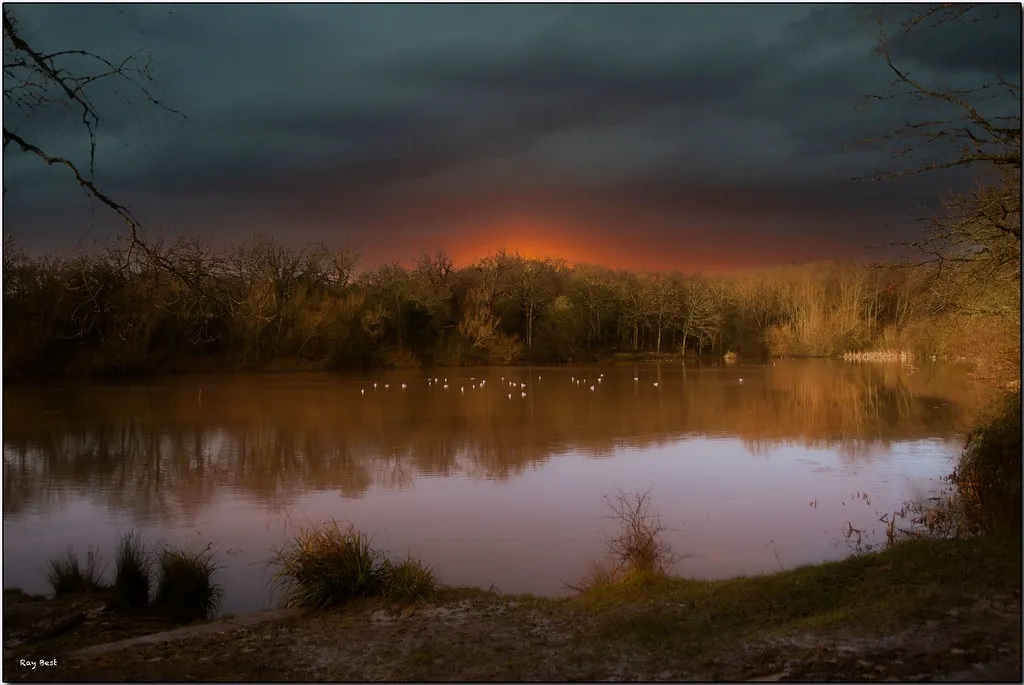
The American public comes to parks, in part, with natural quiet in mind. They come for the soothing effect of a gurgling stream, a delicate bird song, or the rustle of leaves on a fall day. This isn’t a romantic notion – it’s documented. Fully nearly three quarters of Americans say one of the most important reasons for preserving national parks is to provide opportunities to experience natural peace and the sounds of nature, according to research cited by the National Park Service.
Research has found that scenery is more meaningful to people when there is less artificial noise. Lower noise levels also help visitors hear wildlife such as wolves, which are more likely to be heard than seen. When a Bluetooth speaker starts pumping out pop music on a trail, it doesn’t just irritate nearby hikers. It dissolves the very experience that drew people there in the first place.
The Leave No Trace Principle That Speakers Keep Breaking
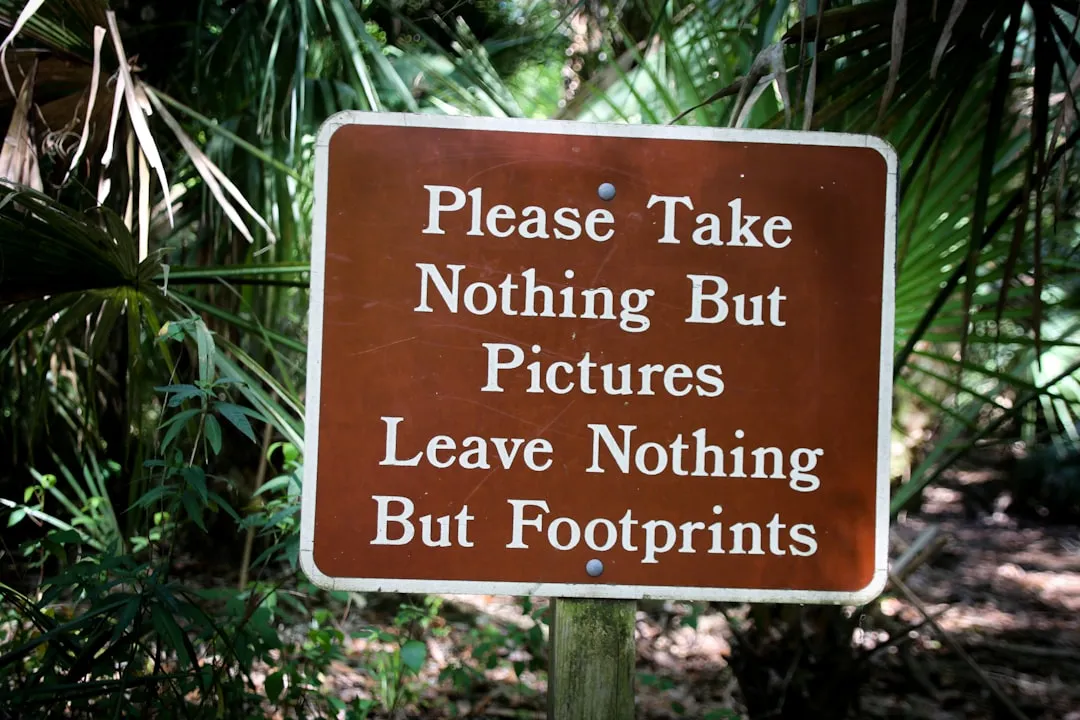
The sixth of the seven Leave No Trace principles states “Respect Wildlife,” and many animals rely on sound as a major part of survival. The Wildlife Habitat Council points out that noisy environments can hinder communication, mating, navigation, and foraging for many animals.
The seventh principle, “Be Considerate of Others,” also applies directly. Even the Leave No Trace organization highlights how music can affect another person’s outdoor experience. Both principles are routinely ignored by visitors who assume their sound radius is smaller than it actually is, or who simply haven’t thought about the issue at all.
Sound Travels Farther Than You Think – Especially on Water

The cool air near a water surface refracts and slows sound waves, effectively amplifying sound across the water. Still or calm water reflects sound too, adding to that amplification. This means a waterproof speaker on a kayak or canoe in a national park lake isn’t just audible to nearby paddlers – it carries to shorelines hundreds of meters away.
Hikers and campers often underestimate how far sound travels in open terrain as well. Canyon topography and still air can carry music across distances that would seem impossible in a city setting. What feels like a personal listening session can become a park-wide broadcast.
Wildlife Pays a Real Price
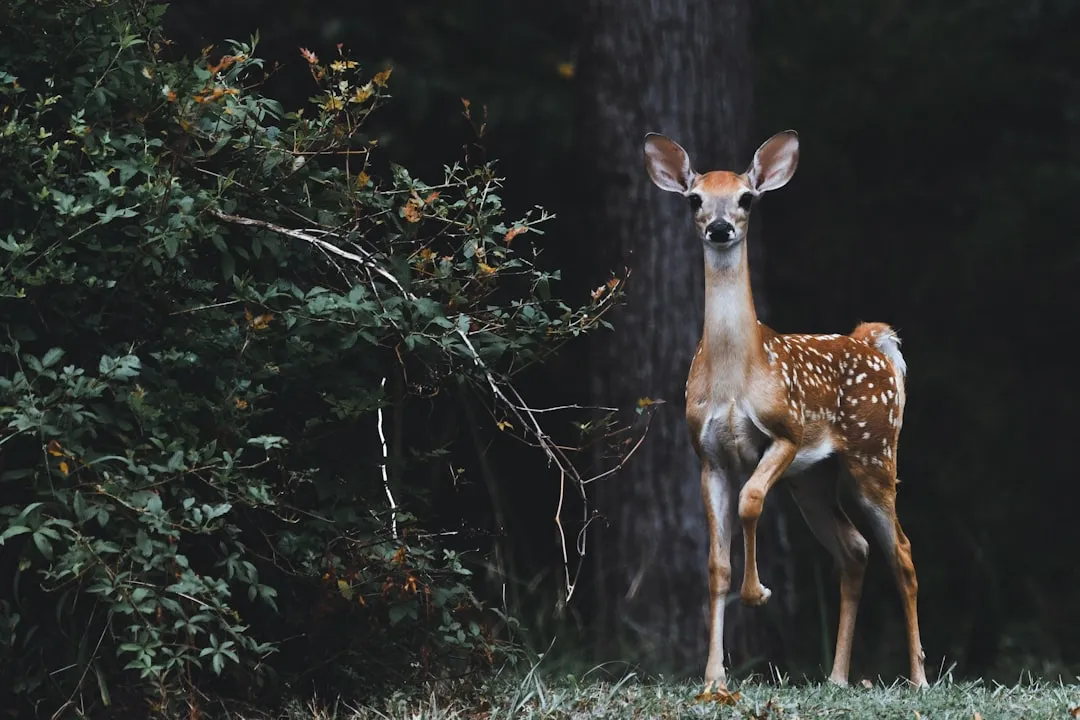
A paper published in the journal Current Biology in spring 2024 found that the sounds people generate during outdoor recreation activities cause strong anti-predator responses in wildlife, even in the absence of actual humans. This is a significant finding. Animals aren’t just reacting to the physical presence of visitors – the noise itself triggers a survival response.
A 2024 field experiment in Bridger-Teton National Forest found that recreation noise caused a higher likelihood of fleeing, increased vigilance, and reduced abundance the week after the noise treatment, with large vocal hiker groups and mountain bikers causing the highest probability of fleeing. Elk were the most sensitive species. A Bluetooth speaker left on at a campsite or trailhead can have the same destabilizing effect on animal behavior throughout an entire area.
Sound plays an important role in ecosystems. Activities such as finding desirable habitat and mates, avoiding predators, protecting young, and establishing territories all depend on the acoustical environment. Across the body of research, roughly about four-fifths of studies reviewed reported negative effects of noise exposure in at least one taxonomic group, including decreased abundance, decreased nesting, and decreased offspring survival.
Birds Are Especially Vulnerable

Some birds in noisy environments have taken to singing at night in order to be heard over the din. This behavioral shift has been documented in multiple studies. When birds can no longer communicate effectively during daylight hours in places that should be quiet, something has gone seriously wrong with the acoustic environment.
Research shows that males of at least one frog species are adapting to traffic noise by calling at a higher pitch. This could be problematic for females, because they prefer lower-pitched calls, which indicate larger and more experienced males. These are cascading ecological effects. Noise doesn’t just irritate wildlife in the moment – it reshapes how species communicate and reproduce over time.
The Muir Woods Study: Rarely Quiet, Rarely Alone
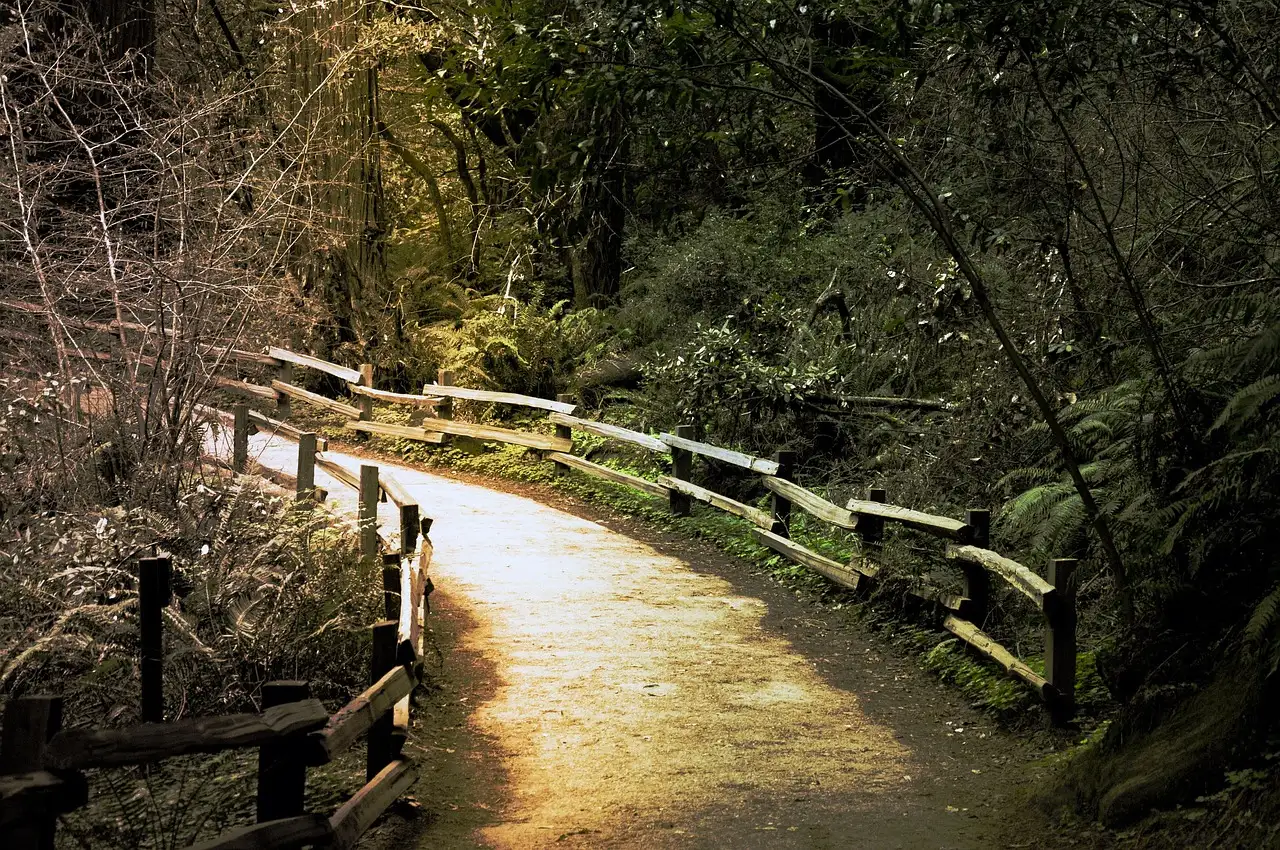
To study the effects of human-caused noise on visitors, volunteers at Muir Woods National Monument cataloged all sounds they heard, day and night, for a year. What they found was surprising: it was rarely quiet. Muir Woods is one of the more celebrated quiet natural sanctuaries in California, which makes the finding especially sobering.
In a related study at Muir Woods, visitors found increasing levels of human-made sounds to be unacceptable and even annoying. Noisy visitors, loud talking, and other related sounds were found to substantially detract from the quality of the visitor experience. Bluetooth speakers represent a concentrated and easily preventable subset of exactly that kind of noise.
Enforcement Is Nearly Impossible in the Backcountry
In national parks and designated wilderness areas, amplified music is usually illegal, but remoteness renders the laws nearly impossible to enforce. On less regulated trails, there are generally no prohibitions at all. This enforcement gap is wide. Rangers are spread thin, and the vast trail networks of parks like Yellowstone, the Grand Canyon, or Olympic make consistent monitoring unrealistic.
The NPS policy states that the Service will take action to prevent or minimize all noise that, through frequency, magnitude, or duration, adversely affects the natural soundscape or other park resources or values. The principle is clear. The practical application, in a park receiving millions of visitors across thousands of trail miles, is another matter entirely.
NPS Has Spent Decades Measuring the Problem
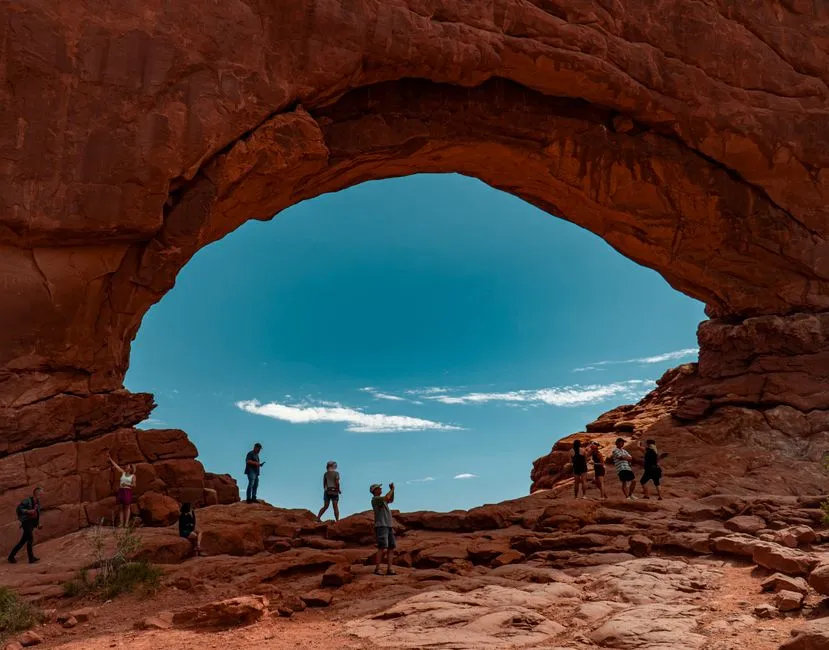
The NPS took 1.5 million hours worth of noise measurements at 546 park sites across the country to create its national sound map. The data is striking: noise from human activity is pervasive even in protected wilderness. A model was developed to understand relationships between measured sound levels and climate, topography, human activity, time of day, and day of year. The resulting geospatial sound model can also estimate how places would sound naturally, without human influence.
NPS Director’s Order No. 47 on Soundscape Preservation and Noise Management directs park managers to measure baseline acoustic conditions, determine which human-made sounds are consistent with park purposes, set acoustic management goals, and determine which noise sources are impacting the park. Bluetooth speakers sit squarely in the category of noise sources that are inconsistent with those purposes, and entirely avoidable.
Quiet Zones Work – When Visitors Actually Use Them
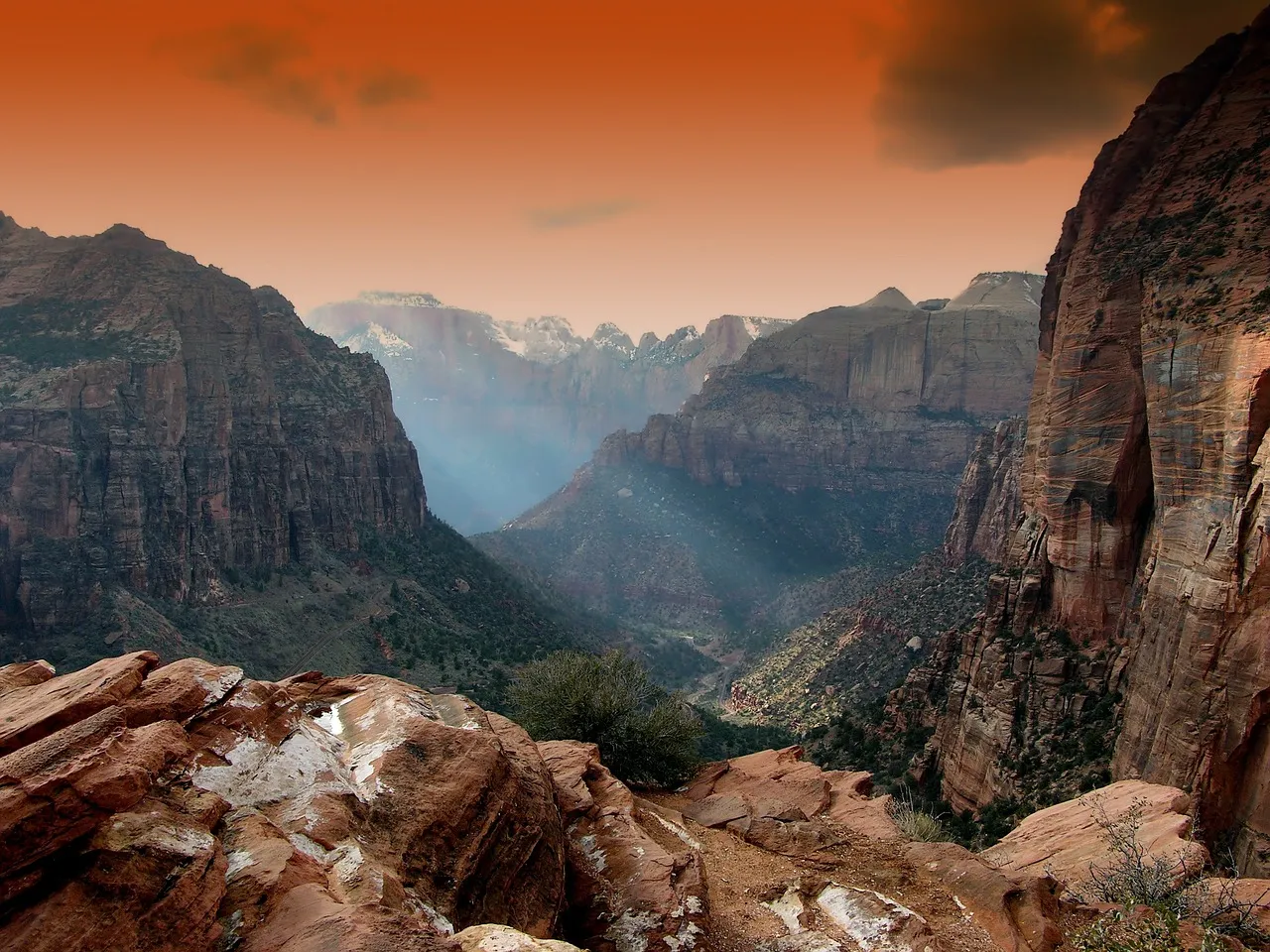
Survey data indicate that visitors are willing to help keep park areas quiet. At Muir Woods National Monument, for example, visitors observe quiet zones and quiet days when requested by posted signs. The willingness is there. What’s often missing is awareness that the request even exists.
Zion National Park is an example of a park that adopted shuttles to ferry visitors through the landscape to trailheads and other destinations. Zion visitors comment that the park experience is much more serene without the presence of cars. Restored tranquility also affects wildlife health and behavior. Visitors report increased wildlife sightings in parks with regulated vehicle use. If reducing one noise source can have such a measurable effect, the logic of reducing speaker use follows directly.
The Takeaway: Silence Is Also a Park Resource
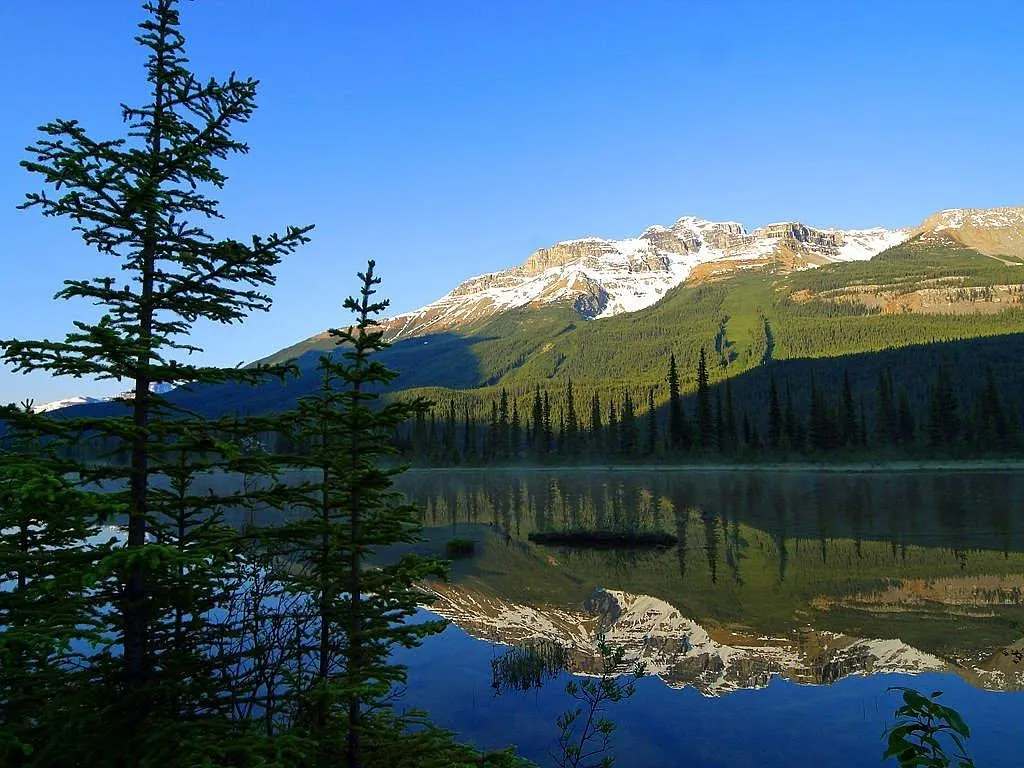
Natural quiet is not a luxury or an aesthetic preference. It is a functioning part of the ecosystem, a resource protected by law, and one of the core reasons hundreds of millions of people visit national parks every year. The Bluetooth speaker, small and convenient as it is, disrupts all three of those things simultaneously.
Acoustic resources are important for our physical and emotional well-being. Like outstanding scenery, pristine soundscapes where people can escape the clamor of everyday life deserve protection. The next time you’re heading into a national park, headphones are the respectful choice. Not just for the hikers within earshot, but for the elk, the songbirds, and the silence that took millions of years to establish.
AI Disclaimer: This article was created with the assistance of AI tools and reviewed by a human editor.