
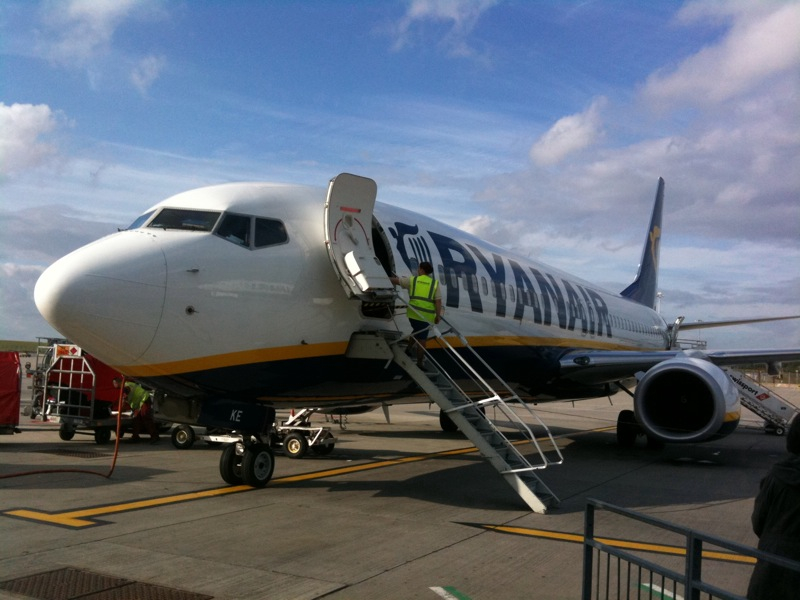

There’s a quiet ritual that happens at every airport gate, thousands of times a day. Passengers check their phones, glance at the departure board, and inch toward the boarding lane the moment they hear anything that sounds like an announcement. Most of them are genuinely trying to be cooperative. The problem is that good intentions don’t always translate into good behavior when the jetway doors open.
Boarding a commercial aircraft is deceptively complex. What looks like a simple queue is actually a tightly coordinated process, and small lapses in passenger behavior ripple outward in ways most travelers never see. According to the Federal Aviation Administration, there were 2,031 incidents of unruly passengers in 2023 alone, and that tension doesn’t appear to be easing. The etiquette failures described below aren’t about rare bad actors. They’re about everyday habits that nearly everyone is guilty of, often without realizing it at all.
Lining Up Before Your Group Is Called
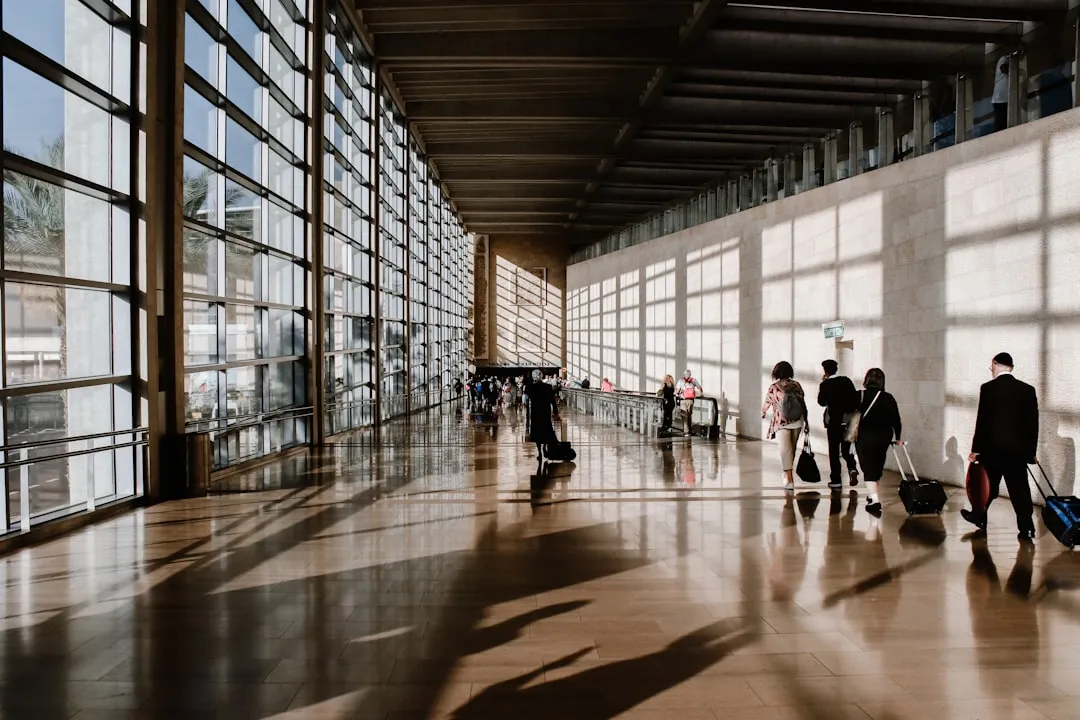
This is the big one. It’s also the one most passengers will swear they don’t do, right up until they find themselves drifting toward the boarding lane at the first syllable of an announcement. When waiting to board at the gate, passengers should listen for their seat to be called before joining the line. That’s the rule. It’s clear. It’s also violated constantly.
Boarding can be a chaotic process, but a little patience goes a long way. Wait for your group to be called before getting in line, and have your boarding pass open on your cell phone screen, or in your hand if printed. When passengers crowd the lane early, they physically block those who are legitimately supposed to board first, slowing the whole process for everyone behind them.
Stowing Bags in the Wrong Section of the Overhead Bin
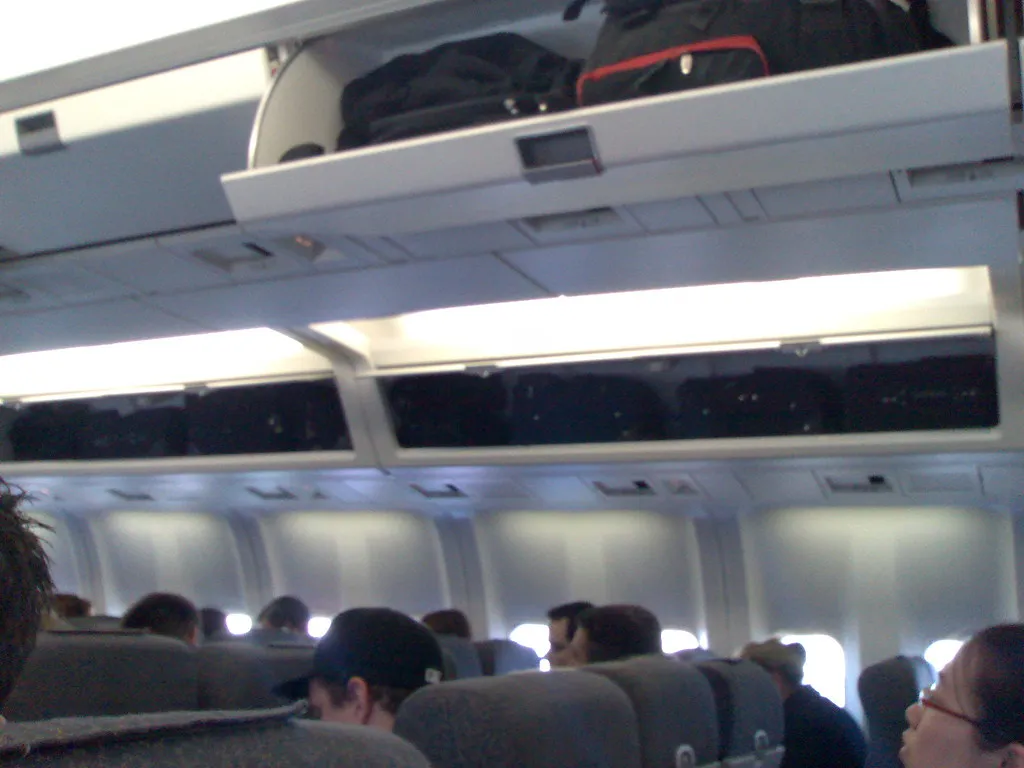
One of the most frustrating habits is people putting their bags in the first space they find, while sitting 25 rows further back. It seems harmless in the moment, but it directly pushes later-boarding passengers into a frantic search for space near their own seats, spilling into aisles and stalling the line.
A key part of a quick boarding is everyone storing their carry-ons as smoothly as possible. If someone is hogging the space in an overhead bin, it can cause everyone else to adjust. Try to use the bin over your seat and only put one piece of luggage there. It’s a simple rule, and it makes a measurable difference to everyone behind you in the boarding queue.
Taking Up Too Much Bin Space With One Bag
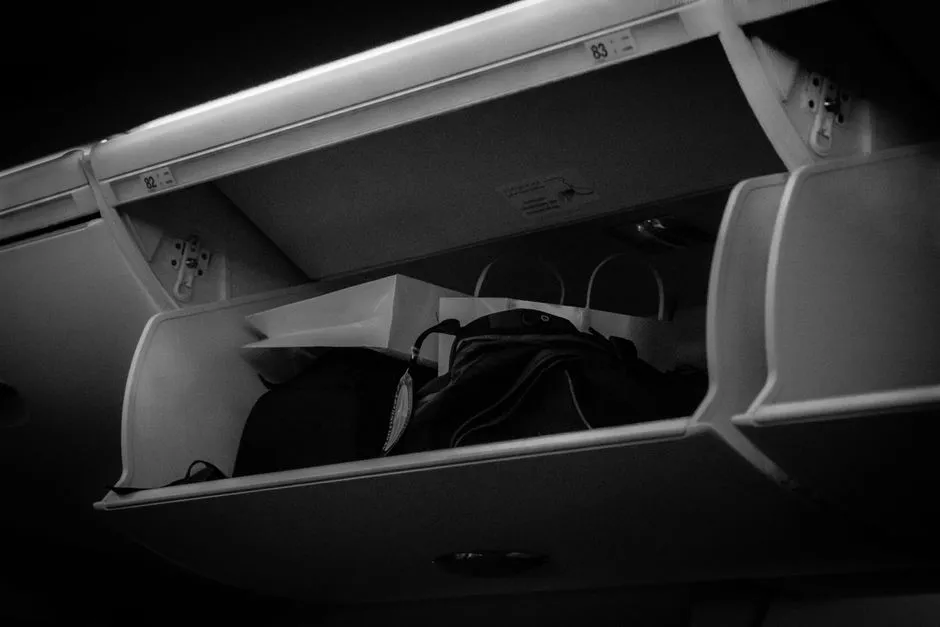
According to the Bureau of Transportation Statistics, domestic flights regularly operate with load factors above 80%, with many exceeding 85% on popular routes. That means planes are full, and so are the bins. On a nearly full flight, overhead space is one of the most contested resources in the cabin.
Placing a soft bag flat instead of upright, or laying a jacket across a bin that could hold two roller bags, are the kinds of quiet space grabs that cascade into gate-checked luggage and departure delays. On most flights, passengers in emergency exit rows are not allowed to stow their bags under the seat in front for safety reasons, so their only option is the overhead bin. The same goes for passengers sitting in the front rows of each section. This is one of the most important points of etiquette on airplanes, and one of the most frequently ignored.
Blocking the Aisle While Stowing Luggage
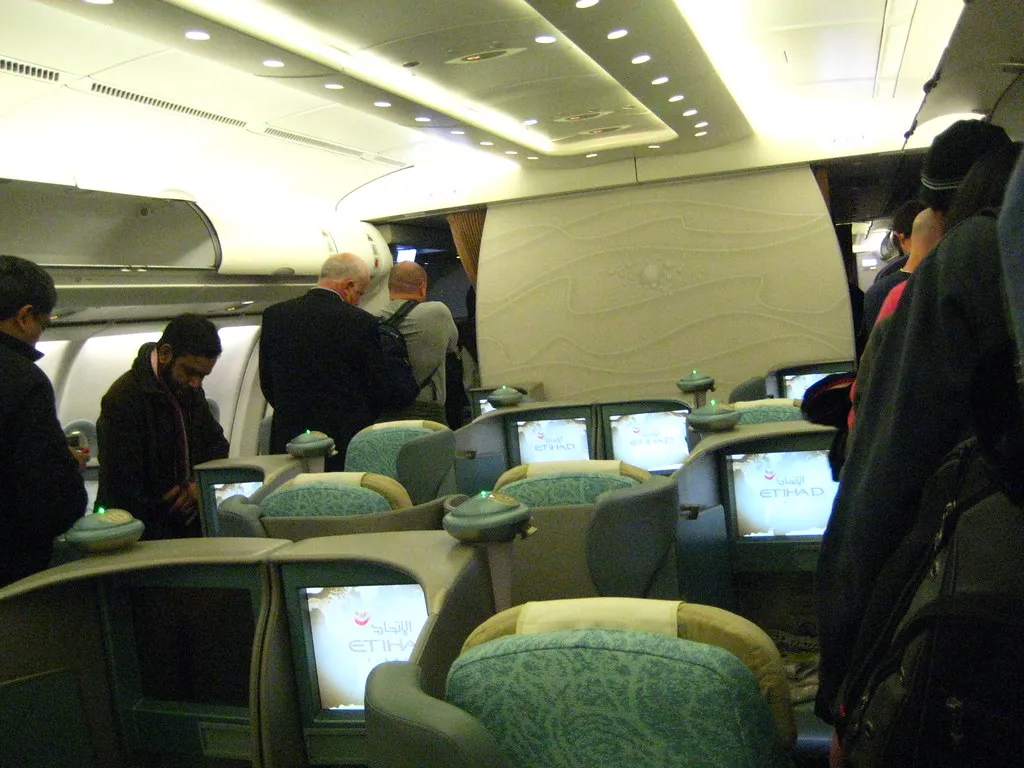
Once you have found your seat, avoid blocking the aisle as you stow your luggage. That instruction sounds obvious. In practice, it’s one of the most common causes of slow boarding. Passengers stop mid-aisle, hoist bags overhead, rearrange items, realize they need something from their bag, pull it back down again, and meanwhile a column of twenty people is standing still behind them.
The problem with boarding a plane is that it takes a long time, with each stop holding up the line a bit more. Before boarding, move anything you need on the flight into your personal bag and be ready to quickly place your carry-on in the overhead bins. Doing your organizing before you step on the jetway is one of the most straightforward things any passenger can do to help.
Crowding the Gate Area and Creating a False Queue
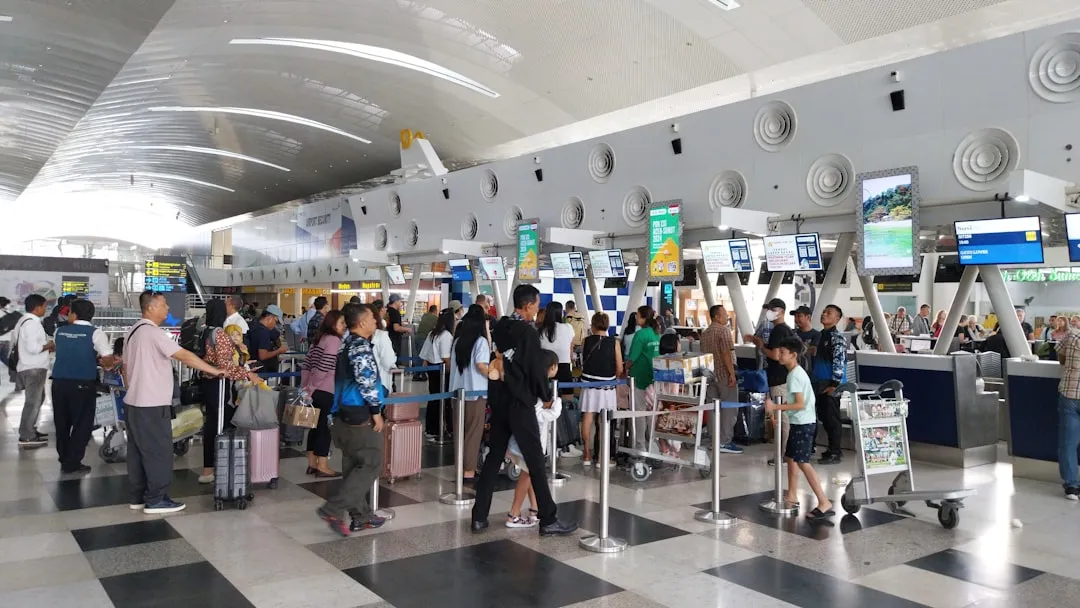
Airports are designed with waiting areas near gates for a reason. The boarding lane itself is meant to be used only when your group is called. Yet, at nearly every gate, a crowd assembles in the lane area well before boarding starts, effectively creating a false queue that nobody asked for and that benefits nobody.
Waiting in line to board and disembark a plane is frustrating, but it’s important that you respect the queue. After all, cutting in line won’t help you get to your destination any faster. The irony is that the anxiety driving passengers to crowd forward is usually about overhead bin space, and the crowding itself is what slows down the process that would get everyone seated faster.
Not Having Your Boarding Pass Ready
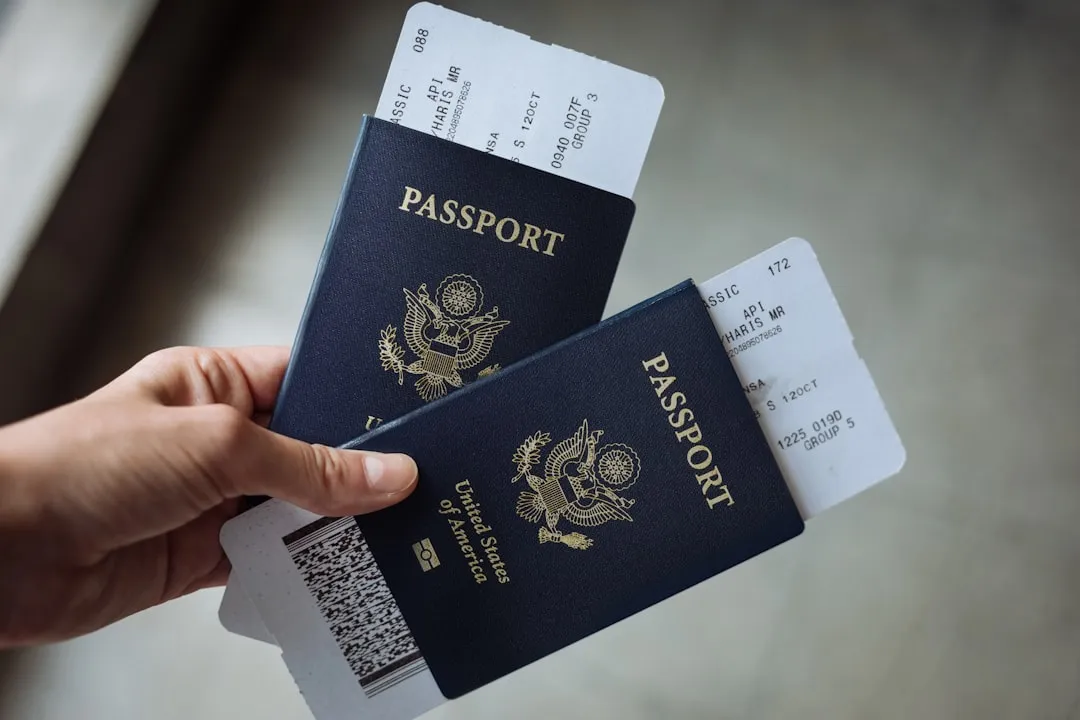
It sounds almost too minor to mention. It isn’t. When dozens of passengers search for their boarding pass at the scanner, the seconds add up quickly. Unexpected longer boarding times can lead to missed time slots and consequently to additional, much higher costs owing to departure delays. The boarding process operates on narrow margins.
Passenger insubordination can be classified as a disruption affecting the boarding process. Insubordination means the lack of willingness of passengers to cooperate with the handling agent during the boarding process. The reasons for insubordination can be various, such as a lack of awareness or a psychological basis. Not having your pass ready is rarely defiance. It’s usually just a small moment of unpreparedness that adds friction at exactly the wrong time.
Ignoring the Overhead Bin Crisis Caused by Carry-On Creep
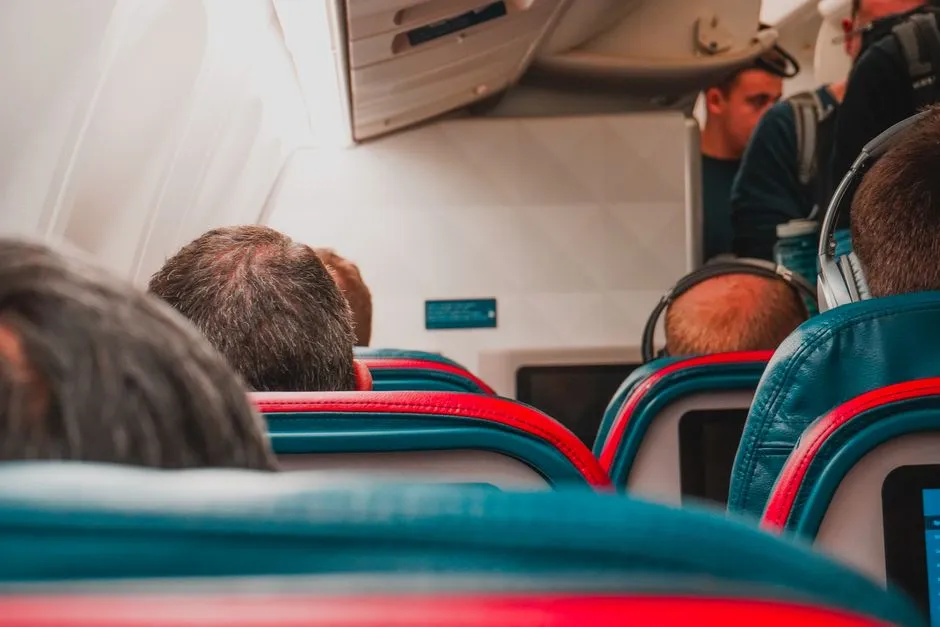
The relationship between checked baggage fees and carry-on overload is well documented. One factor that contributes to an increase in passenger boarding time is an increase in the amount of passenger carry-on luggage. Passengers have increased their carry-on baggage for a number of reasons, including the implementation of checked baggage fees by airlines, and during the process, finding available overhead storage bin space becomes increasingly time-consuming and frustrating, causing delayed departures.
Southwest Airlines offers a vivid recent example of how this dynamic plays out at scale. At the end of January 2026, Southwest truly started experiencing boarding delays with the introduction of assigned seating for the first time in the airline’s history. Passengers were boarding the plane only to discover that all the overhead bins near their assigned seat were already full, resulting in delays as passengers hunted for space, moving up and down the packed aisle. The lesson extends beyond one carrier.
Not Treating Flight Attendants as the Professionals They Are
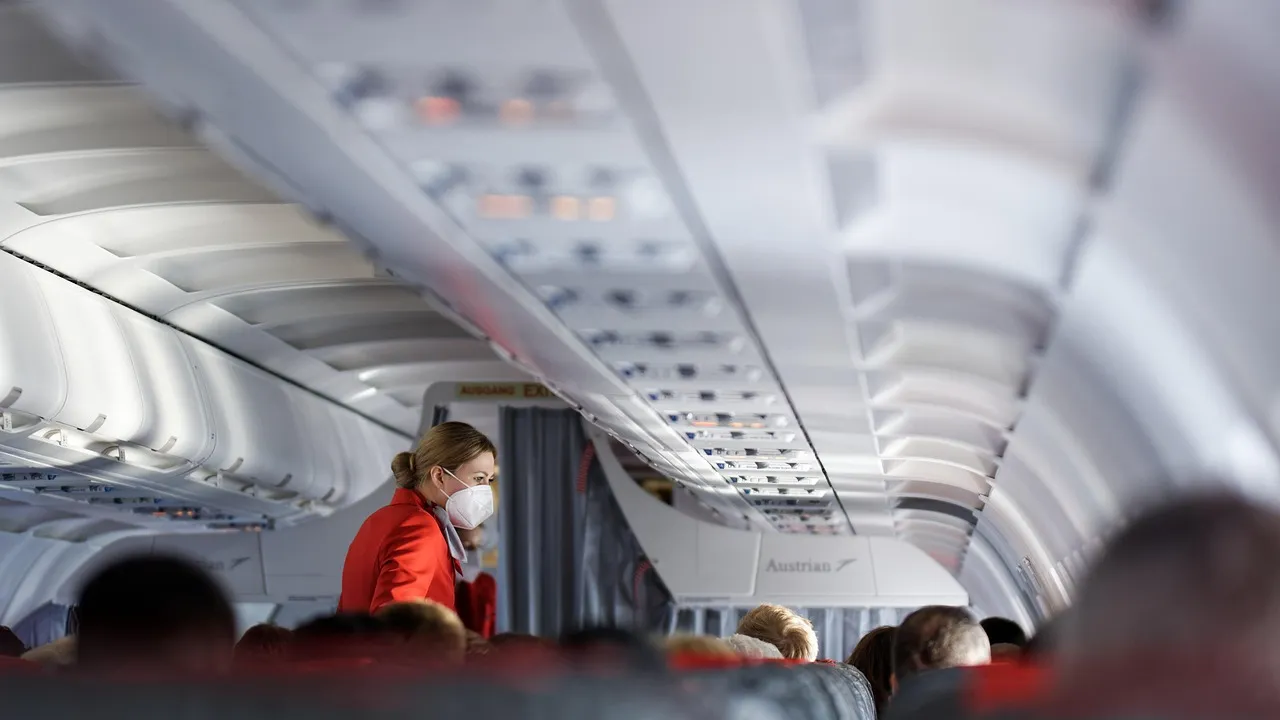
Flight attendants work hard to make your flight as enjoyable as possible, and they often don’t get the respect they deserve. This has caused a national and international crisis of burnout and staff shortages, which has only exacerbated the issue for overworked attendants. During boarding, the cabin crew is coordinating a remarkable number of moving parts simultaneously.
Airline jobs have become more stressful than ever, and establishing yourself as someone other than “just another rude and annoying passenger” can add a little joy to the day of a gate employee or flight attendant. Simple courtesy during boarding, a calm response to redirection, patience with instructions, goes a long way in an environment where tensions run high before the aircraft even pushes back.
Jumping Up the Moment the Plane Lands
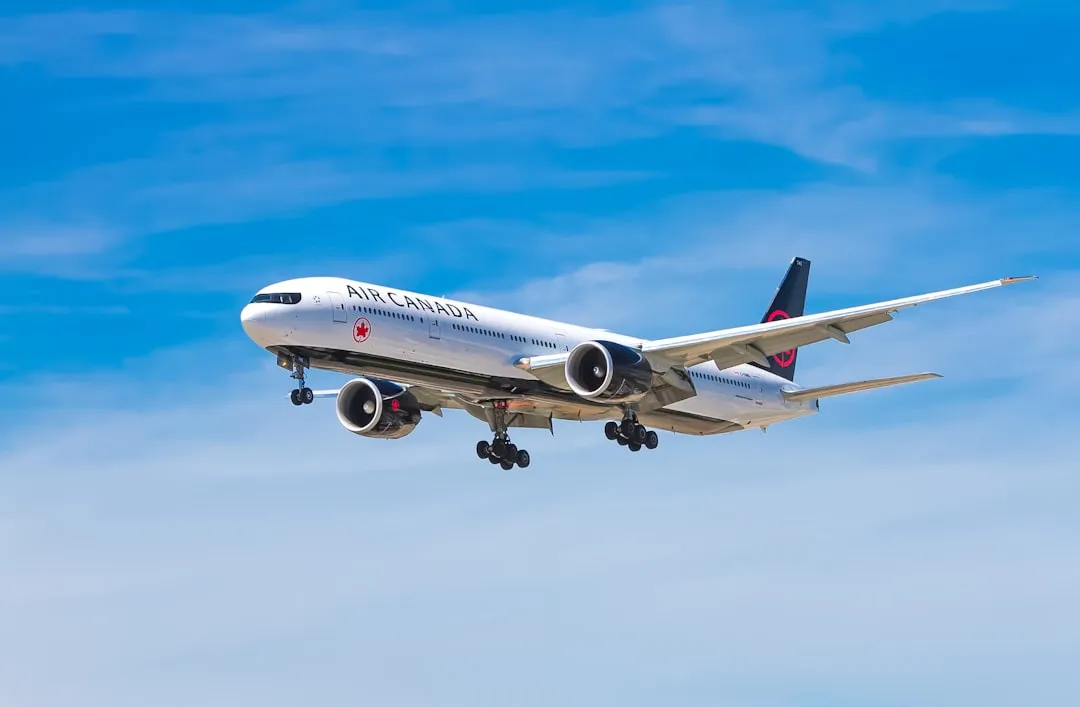
This one straddles boarding and deplaning, but it’s deeply connected to the same impulse that drives premature gate crowding. The moment the wheels touch down, a portion of the cabin unbuckles, stands, and starts pulling bags from the overhead bins. It happens before the seatbelt sign goes off. It happens while the plane is still taxiing.
Flight attendants point out that standing too early can block emergency access, as they need to keep the aisle clear in case of an emergency evacuation or medical emergency upon landing, and when people stand up, they tend to immediately grab their bags from the overhead storage, blocking evacuation routes. A 2025 analysis of United States flight data found that more than 234 million travelers departing from U.S. airports in 2024 experienced a disruption, including delays and cancellations, out of roughly one billion total passengers. Chaotic behavior at the end of a flight adds unnecessary time that compounds across a day of operations.
Assuming the Rules Apply to Everyone Else
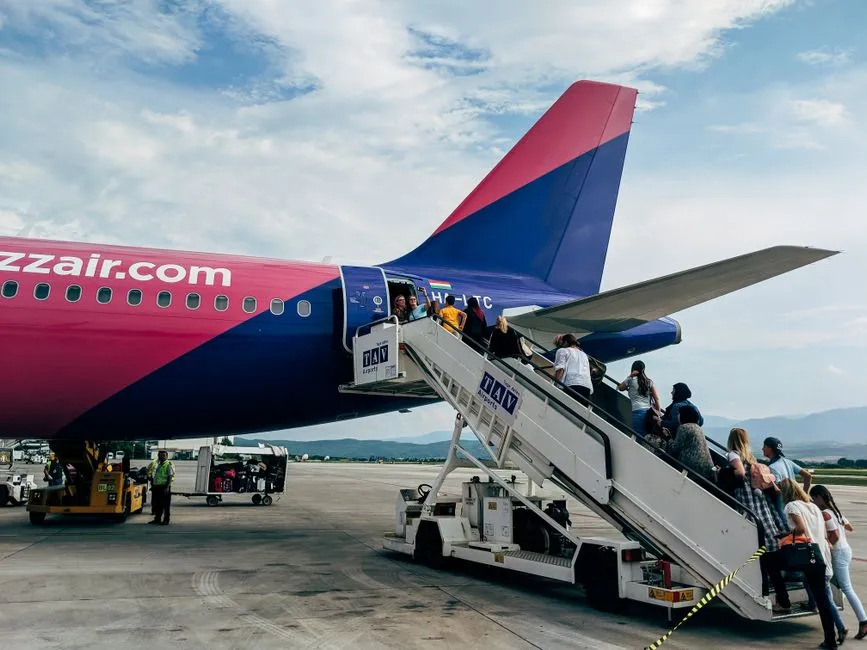
Perhaps the most pervasive boarding etiquette failure is the one that underlies all the others: the quiet assumption that the boarding process rules are meant for the people around you, not for you specifically. Passenger insubordination can be classified as a disruption affecting the boarding process. Insubordination means the lack of willingness of passengers to cooperate with the handling agent during the boarding process.
The aircraft boarding process is mainly controlled by ground handling, airport, or airline staff, except the aircraft boarding itself, which is driven by the passengers’ experience and willingness or ability to follow the proposed boarding procedures. That distinction matters. Staff can optimize systems and call out zones, but the actual behavior in the aisle is entirely up to passengers. Disruptive passenger behavior is at an all-time high, with 2,000 reported incidents in 2024. It doesn’t have to keep trending that way.
The Takeaway
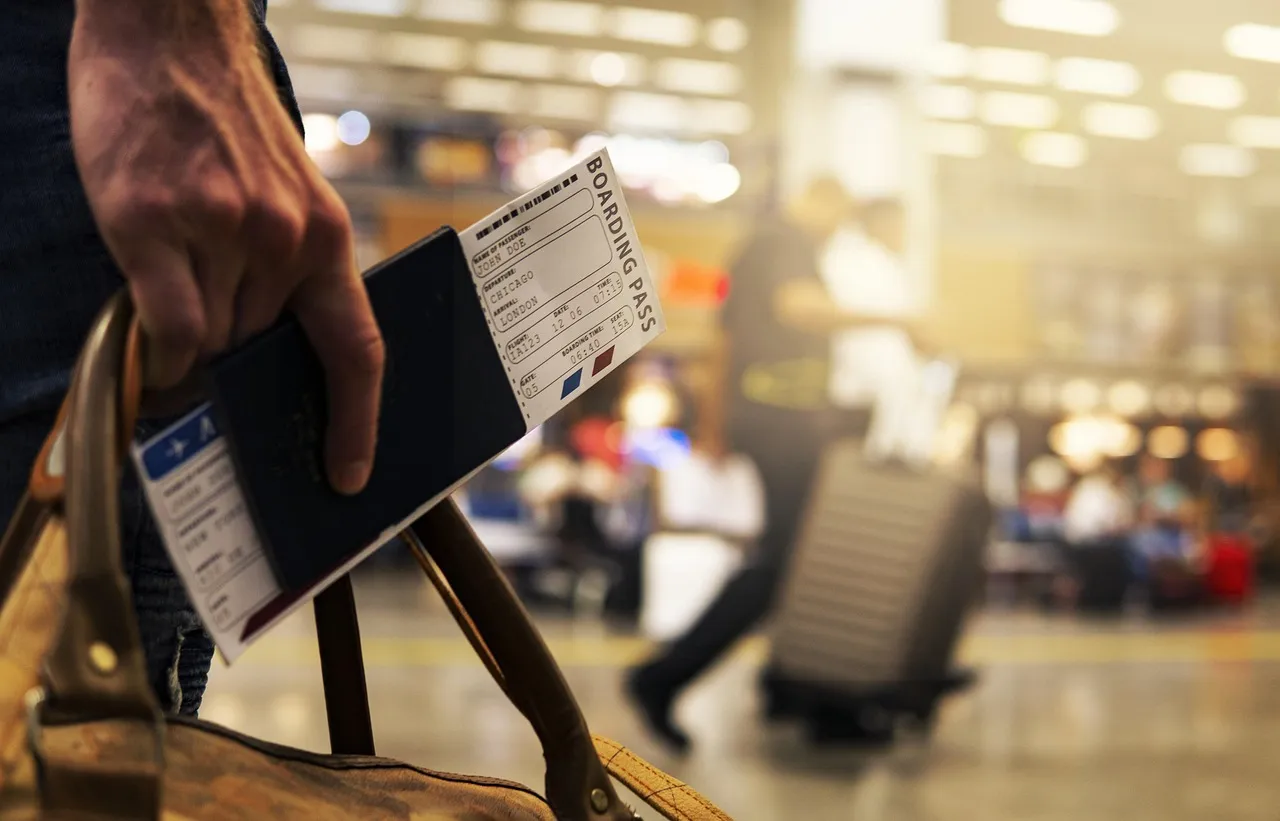
Boarding a plane is a collective act. It works well when people follow the process, prepare in advance, and extend the same patience to strangers that they’d want for themselves. It breaks down when individuals prioritize their own convenience in ways that cost everyone else time.
None of the habits described here require significant effort to change. Waiting for your zone, having your pass ready, using the bin above your actual seat, staying seated until the seatbelt sign goes off: these are small things. Done consistently by more passengers, they make a real difference to the experience of everyone on board, including you on your next flight.
AI Disclaimer: This article was created with the assistance of AI tools and reviewed by a human editor.