
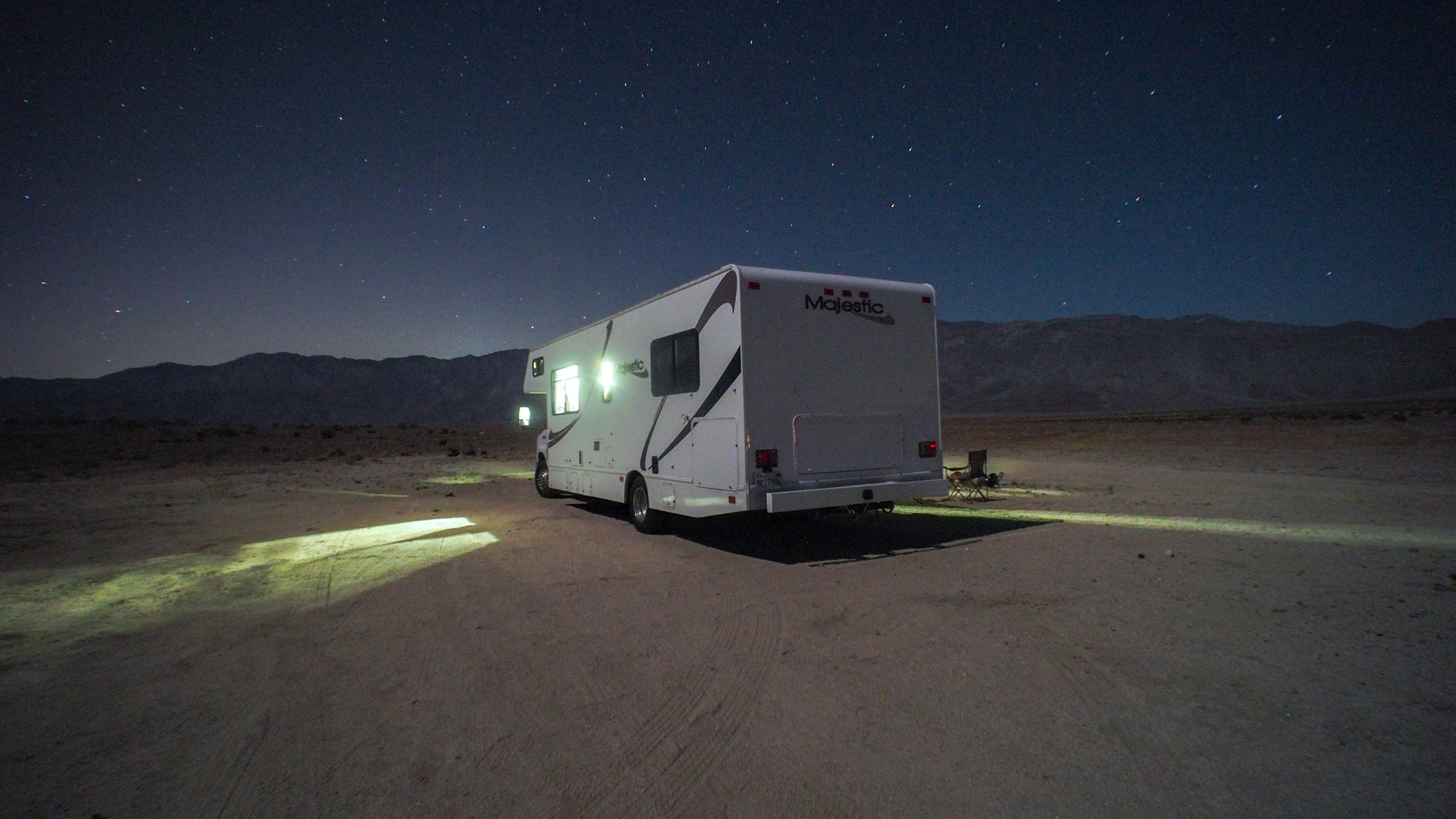

There’s a quiet understanding among experienced boondockers that most newcomers don’t pick up from a YouTube video or a camping app. It’s not about solar panels, water rationing, or choosing the right tires for washboard roads. It lives in a space that’s harder to quantify: how you treat the land, and the people camping near it.
In 2021, only about seven percent of all camping nights were spent boondocking on public land. By 2022, that share had more than doubled, with sixteen percent of camping nights spent off-grid. Boondocking quickly became one of the fastest-growing segments in all of camping. That explosive growth brought a wave of enthusiastic, well-meaning newcomers who simply hadn’t been taught the unwritten rules yet. This article covers the ten most commonly broken ones.
Parking Too Close to Other Campers

The single most frequently broken rule in boondocking has nothing to do with regulations and everything to do with basic spatial awareness. Parking too close to other boondockers violates unwritten etiquette and creates conflicts, and unless an area designates specific sites, you should maintain at least fifty to one hundred feet from other RVs.
The whole point of boondocking is to get out of cramped campgrounds and enjoy nature, and that becomes impossible when someone parks right outside your front door. Proximity also creates noise overlap, headlight intrusion at night, and the loss of the very solitude people drove hours to find.
Arriving first gives you the right to reasonable privacy, and common decency means not parking directly in someone’s view, blocking their access, or creating noise that affects their experience. Experienced boondockers notice this immediately. Newcomers often don’t, and the frustration it creates is very real.
Ignoring the 14-Day Stay Limit
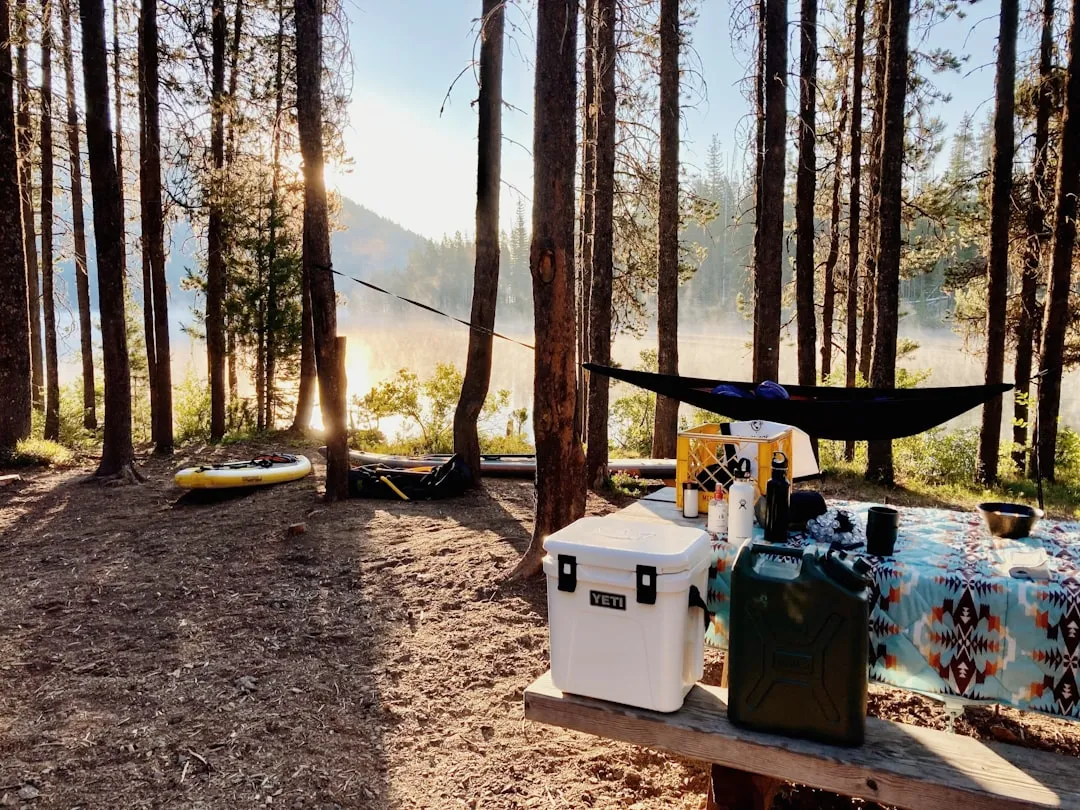
One of the most misunderstood legal rules in boondocking is the stay limit, and many newcomers either don’t know it exists or quietly assume nobody is paying attention. Dispersed camping on BLM land is generally limited to fourteen days within any twenty-eight-day period, and after reaching the stay limit, visitors must move to a new location, often at least twenty-five to thirty miles away.
You cannot simply move one hundred yards down the road and reset your clock. That’s a common workaround newcomers attempt, and it’s the kind of behavior that lands people with citations. Some high-traffic areas near popular national parks or major cities may have even shorter stay limits, which is why you should always check the specific rules for the Ranger District or BLM Field Office you’re visiting.
Dispersed camping is for short-term recreation, not long-term living. That distinction matters both legally and ethically. Overstaying compresses impact on one patch of land and removes access from other visitors who have just as much right to be there.
Leaving Trash Behind
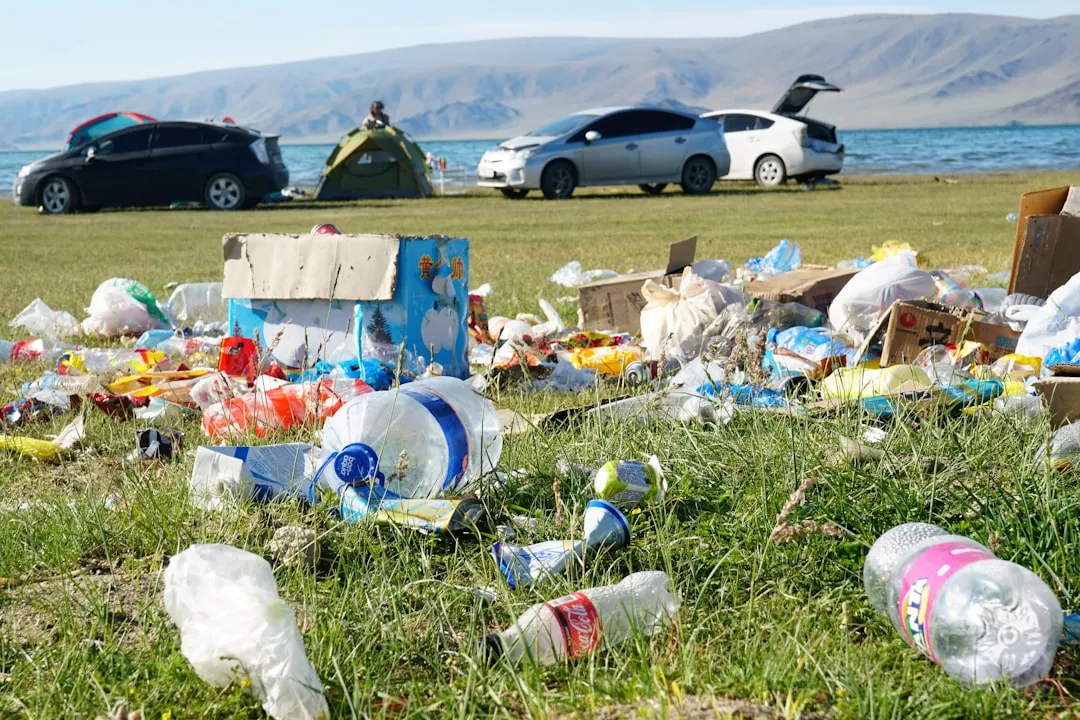
The boom in the popularity of dispersed camping and boondocking has led to far too many people dumping trash, having unsafe or illegal campfires, and driving off-road and in other prohibited areas. Trash is the most visible consequence of this growth, and land managers across the country have pointed to it directly when justifying new restrictions.
The rule is straightforward: pack it in, pack it out. Everything. Coffee grounds, food scraps, bottle caps, cigarette butts. Nothing gets buried and nothing gets left “for wildlife.” Wild animals that associate campsites with food are put at risk, and scattered waste degrades exactly the kind of wild places that made the spot worth visiting.
Experienced boondockers have described stepping in dog waste left behind and arriving at sites only to find bags of trash from previous campers before they could even use the spot. It’s a burden passed from one group to the next, and it erodes the goodwill that keeps public lands open for everyone.
Building Campfires Without Checking Current Restrictions
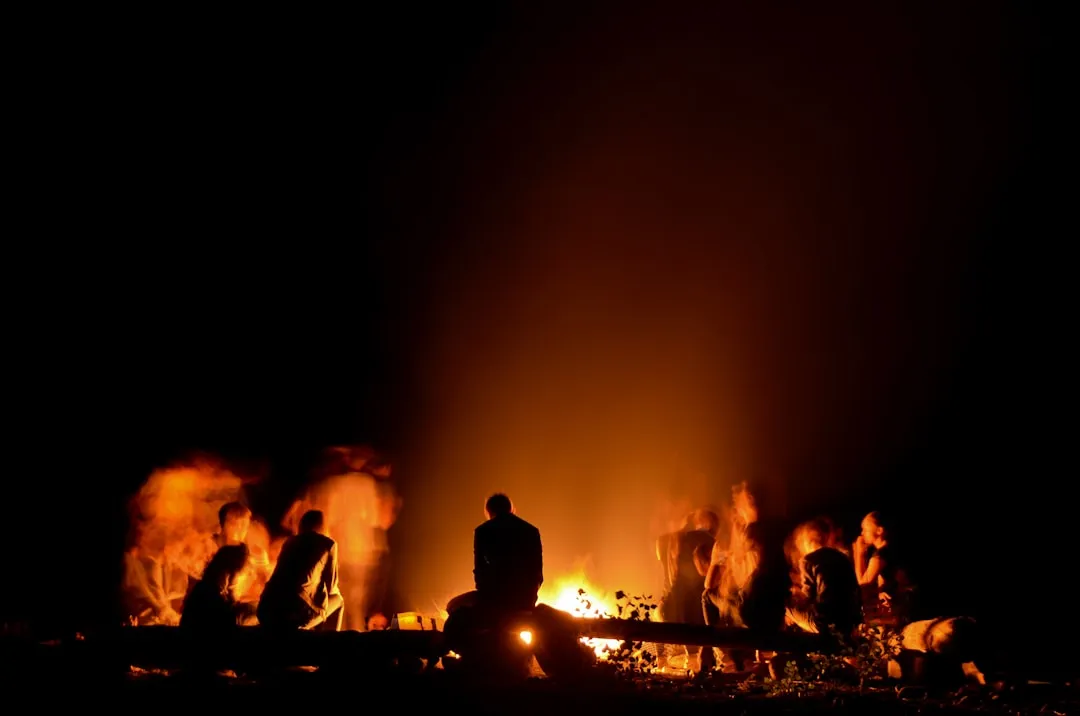
Fire is the etiquette issue that has become a legal and safety issue. Many newcomers assume a campfire is always fine on public land, particularly if they see an old fire ring at a site. That assumption is increasingly dangerous. Fire regulations change seasonally and sometimes daily during extreme conditions, violations carry substantial penalties and endanger fragile ecosystems, and many areas now require certified fire pans and complete ash removal, while others implement total fire bans during high-risk periods.
The US Forest Service and BLM districts are now issuing burn bans earlier in the season and keeping them longer, wood fires in high-risk areas are becoming a liability issue, and propane fire pits are often still allowed but that varies by district. Stage 1 or Stage 2 fire restrictions can ban all campfires, even in established rings, sometimes with very little public notice.
Wildfires in the western United States have greatly increased in severity in recent years, and many national forests now prohibit all visitors during the peak period of wildfire danger, which is typically from sometime in August until the first major storms arrive. Checking current restrictions before lighting anything is not optional. It’s a basic obligation.
Driving Off-Road and Off Designated Routes
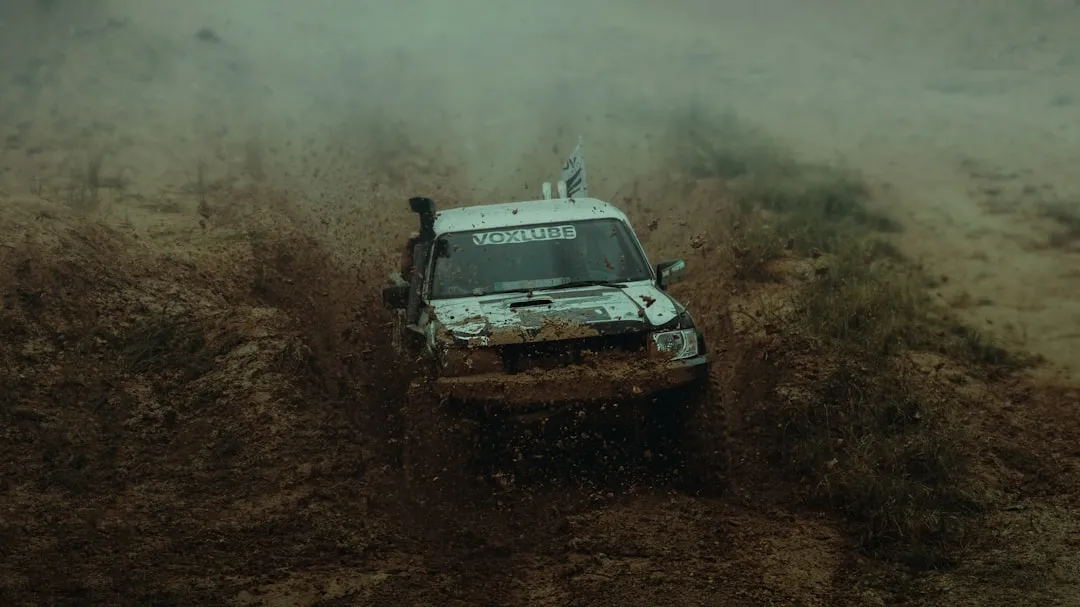
The temptation to push further, to find a more secluded spot just past where the road ends, is real. Newer boondockers often don’t realize that driving off designated routes on public land is both illegal and deeply damaging. Vehicles must stay on designated roads and trails unless the area is specifically designated for off-road vehicle use.
In 2026, many BLM districts have transitioned to “Designated Routes Only,” and open cross-country travel areas are becoming extremely rare. Tire tracks across undisturbed desert or meadow soil can persist for decades. Soil compaction kills native vegetation, disrupts drainage patterns, and scars landscapes that support wildlife.
The instinct to explore is part of what draws people to boondocking. The responsibility that comes with it is knowing where that exploration has to stop. Staying on existing tracks isn’t a constraint on freedom; it’s what keeps the land open for the next person.
Not Dispersing Impact When Setting Up Camp
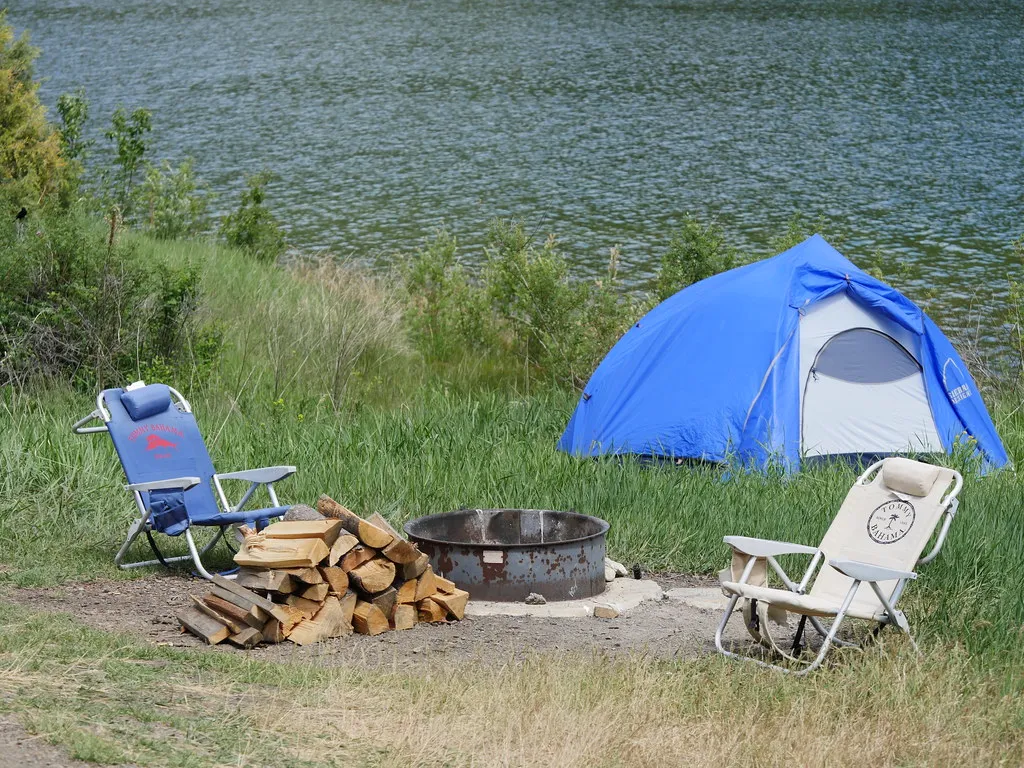
The seven Leave No Trace principles provide non-negotiable guidelines for responsible dispersed camping, including traveling and camping on durable surfaces and disposing of waste properly. One principle newcomers often overlook in practice is dispersing impact: not clustering all activity in one spot, not always using the same path to fetch water, and not repeatedly walking across the same patch of vegetation.
On durable surfaces like rock, sand, gravel, and dry grass, the impact is minimal. On delicate soils near streams or in meadows, repeated foot traffic creates visible trails and kills plants that stabilize the soil. Setting up camp on already-impacted ground, rather than pristine spots, is the low-effort choice that makes the biggest difference.
This principle also applies to where you park. Pulling onto bare dirt that’s already been used is far better than flattening a new section of native plants. Small decisions compound across thousands of visitors, and that math eventually determines whether a site stays open or gets closed.
Running Generators at All Hours
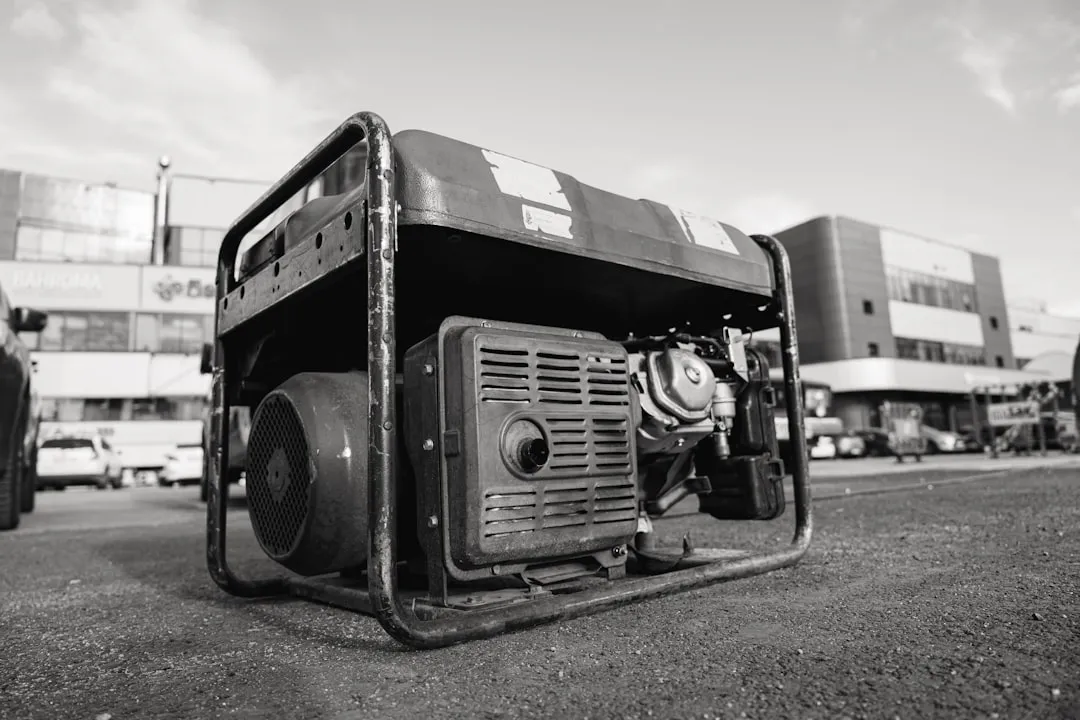
Generator noise is one of the most reliably frustrating experiences in boondocking, and it’s almost always a newcomer issue. People arrive with a large generator, plug in everything they brought from home, and run it from early morning to late at night without considering anyone nearby. Contractors-style generators blaring at all hours of the day and night are a genuine source of conflict in boondocking areas.
Most boondockers follow informal quiet hours that mirror what you’d find in a managed campground: roughly 8 pm to 8 am, and sometimes earlier in the evening in shared areas. Running a generator outside those hours, or running one that’s excessively loud by any standard, pushes people out of the wild experience they came for.
The broader point is that self-sufficiency in boondocking means adapting your power use to what your setup can sustainably provide, not importing the same habits from home. Solar, battery systems, and modest energy discipline have made excessive generator reliance less necessary than it used to be, and the community has noticed.
Not Verifying You’re on Legal Camping Land
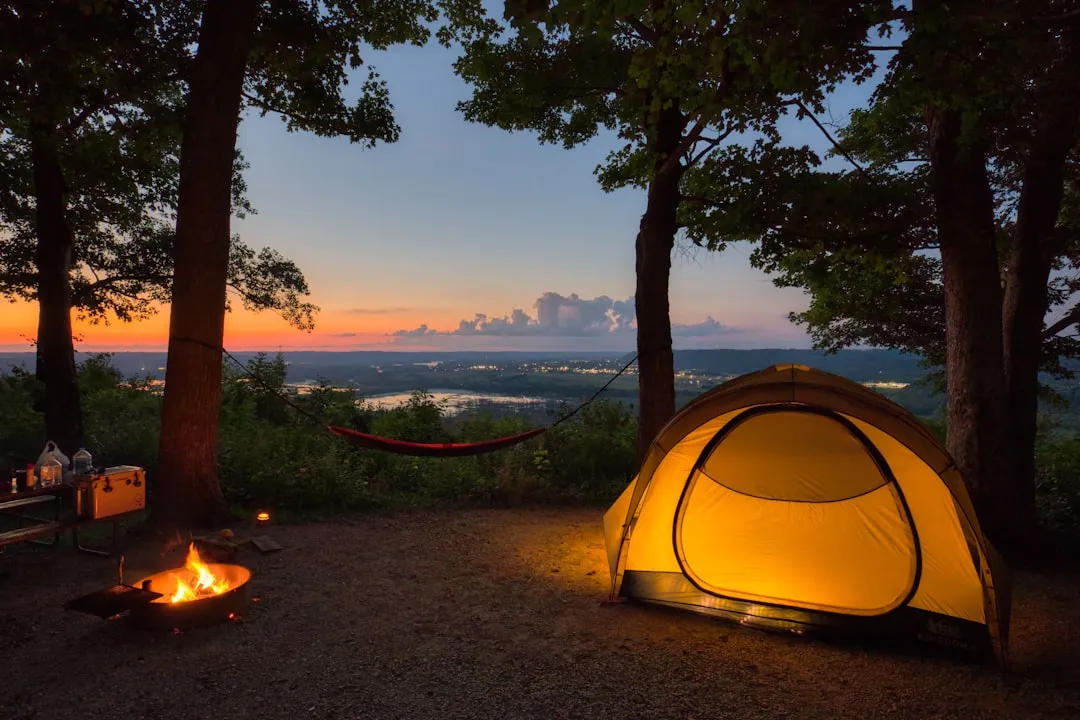
A significant number of newcomers set up camp on private land, state land with no overnight use provisions, or National Park land where boondocking is not permitted, simply because a spot looked open and remote. The National Park Service is the most restrictive of the major land agencies, and boondocking is typically not allowed outside designated campgrounds unless you have a backcountry permit.
State and local land rules vary widely, with some state forests allowing dispersed camping and others prohibiting overnight use entirely outside designated sites. Knowing who manages the land matters more than knowing the state name on the map.
Legal boondocking means camping on designated public lands, primarily Bureau of Land Management, National Forest Service, and Army Corps of Engineers land, where dispersed camping is explicitly permitted. Apps and satellite maps help, but they require you to know what the colors and boundaries actually mean before you rely on them to make a camping decision.
Sharing Exact GPS Coordinates of Hidden Spots Online
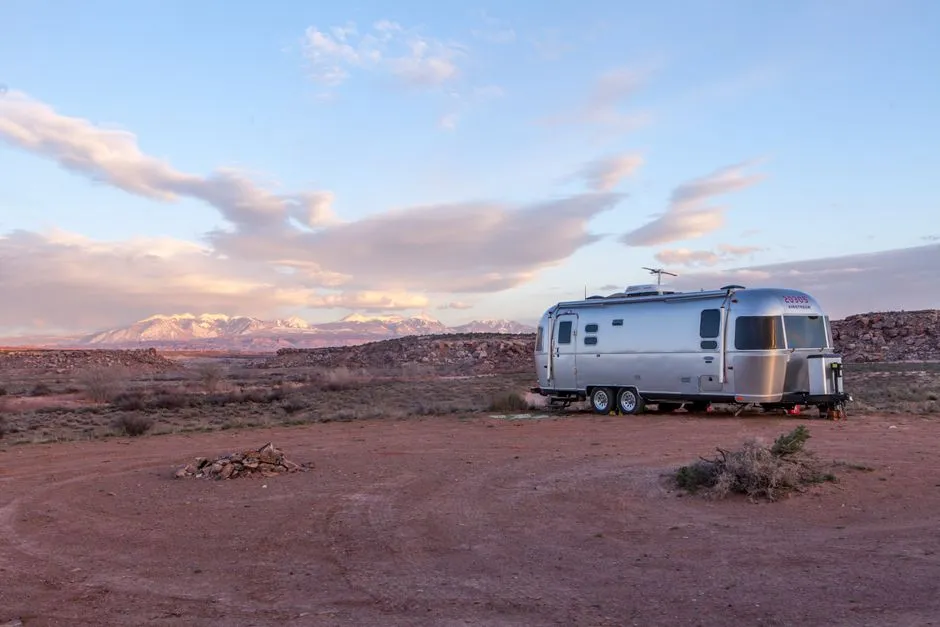
This one tends to surprise newcomers, because sharing feels generous and community-minded. Within boondocking culture, publicly broadcasting the precise location of a quiet, secluded spot is often seen as the opposite of generous. What was peaceful for one or two rigs becomes overwhelmed when hundreds of people descend on it, drawn by social media posts and app pins.
The boom in the popularity of dispersed camping and boondocking has already led to overuse, trash, illegal campfires, and off-road driving in areas that simply can’t absorb that level of traffic. Many beloved spots have been closed or restricted directly because viral exposure brought volumes of visitors that overwhelmed them. The land managers who close those areas point to exactly this pattern.
Boondocking access exists because land managers tolerate responsible use, and rules tighten when places are abused, overcrowded, or misunderstood. The experienced boondocker’s instinct to describe a region rather than drop a pin is a form of stewardship, not secrecy. It’s how the best spots stay accessible.
Treating Overnight Retail Parking as a Long-Term Campsite
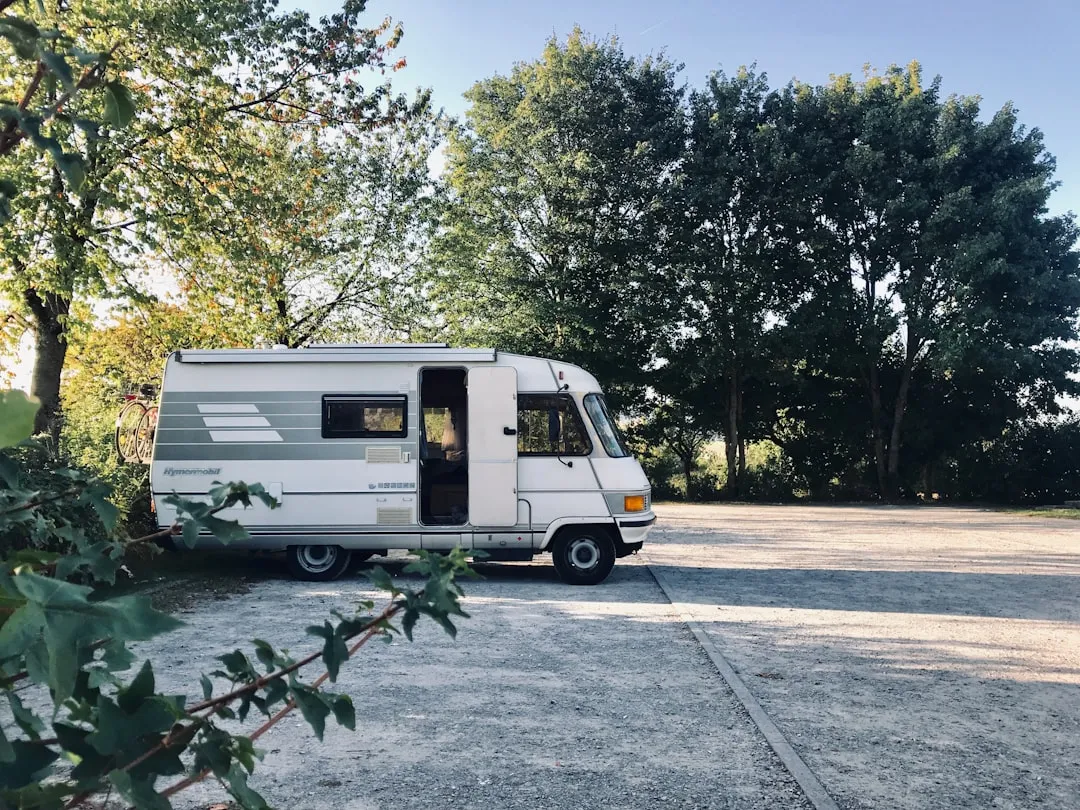
Overstaying welcome at Walmart or retail parking happens when RVers treat overnight courtesy parking as free long-term camping. This is a softer etiquette breach than the others, but it has real consequences. Retailers that extend overnight parking as a courtesy to travelers have pulled that privilege from entire regions because of abuse.
It’s remarkable that many Walmarts, Cabelas, and Cracker Barrels allow RVs to stay in their parking lots overnight, but you need to call ahead and get permission first and never rely on apps or hearsay on the internet alone. Local ordinances have also changed significantly, and what was permitted two years ago may no longer be.
Sometimes it’s not that the business doesn’t want you there but that many cities have passed ordinances against this, and you might get a knock at your door from local police asking you to leave. Always clear your stay with the store manager first. One night, one courtesy. That’s the spirit of the arrangement, and keeping it that way protects the privilege for the boondockers who come after you.
The Takeaway
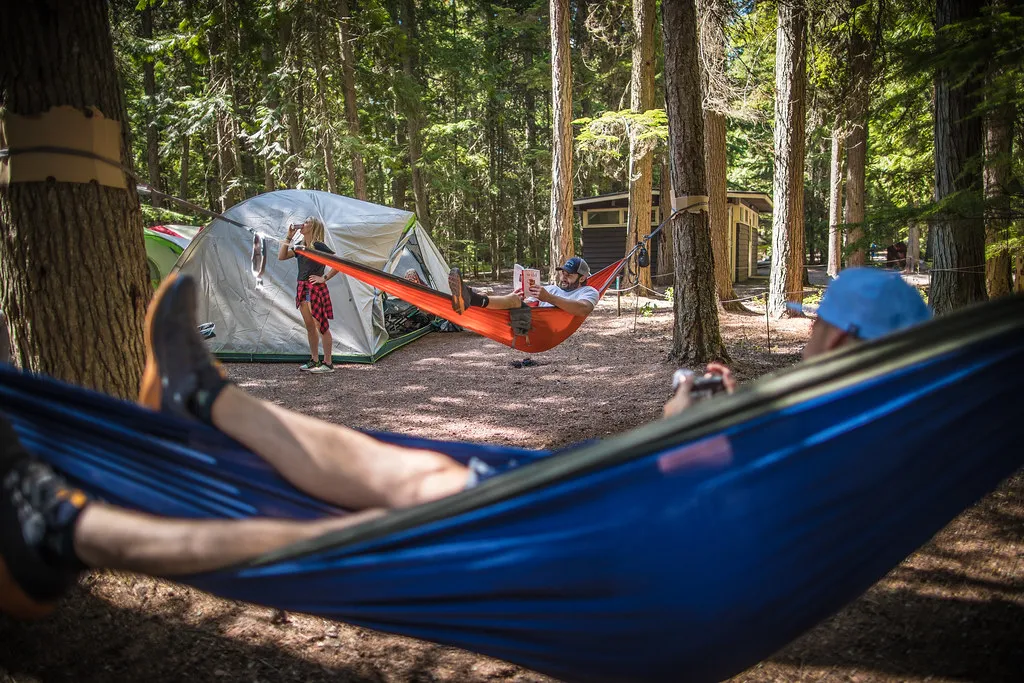
The future of dispersed camping depends less on legislation and more on how we behave. That’s a straightforward truth that experienced boondockers have understood for a long time. The land is accessible because enough people, over enough years, treated it with care.
Approximately eleven million more households camped in 2024 compared to 2019. That’s an enormous influx of new participants, many of whom are learning as they go. The rules covered here aren’t meant to gatekeep the experience. They exist because the land is finite and shared, and the freedom to use it responsibly is something worth protecting.
The best boondockers leave a site looking untouched, maybe even better than they found it. That’s not a high bar. It’s just the one that keeps public land open for the long term, which is, ultimately, the only outcome worth caring about.
AI Disclaimer: This article was created with the assistance of AI tools and reviewed by a human editor.