


Most people who tuck a snack into their carry-on before a long flight aren’t thinking about biosecurity law. They’re thinking about hunger, habit, or the fact that airport food is expensive. For a handful of travelers arriving in Australia, that small, forgettable decision has turned into one of the most expensive meals of their lives.
Australia’s border is not like most borders in the world. The country has spent decades building one of the most robust biosecurity systems on the planet, and in recent years, enforcement has only intensified. What begins as an innocent breakfast sandwich can become a formal fine, a confiscated bag, or even a canceled visa. Here’s what actually happened, and why it matters.
The Chicken Sandwich That Made Headlines Around the World
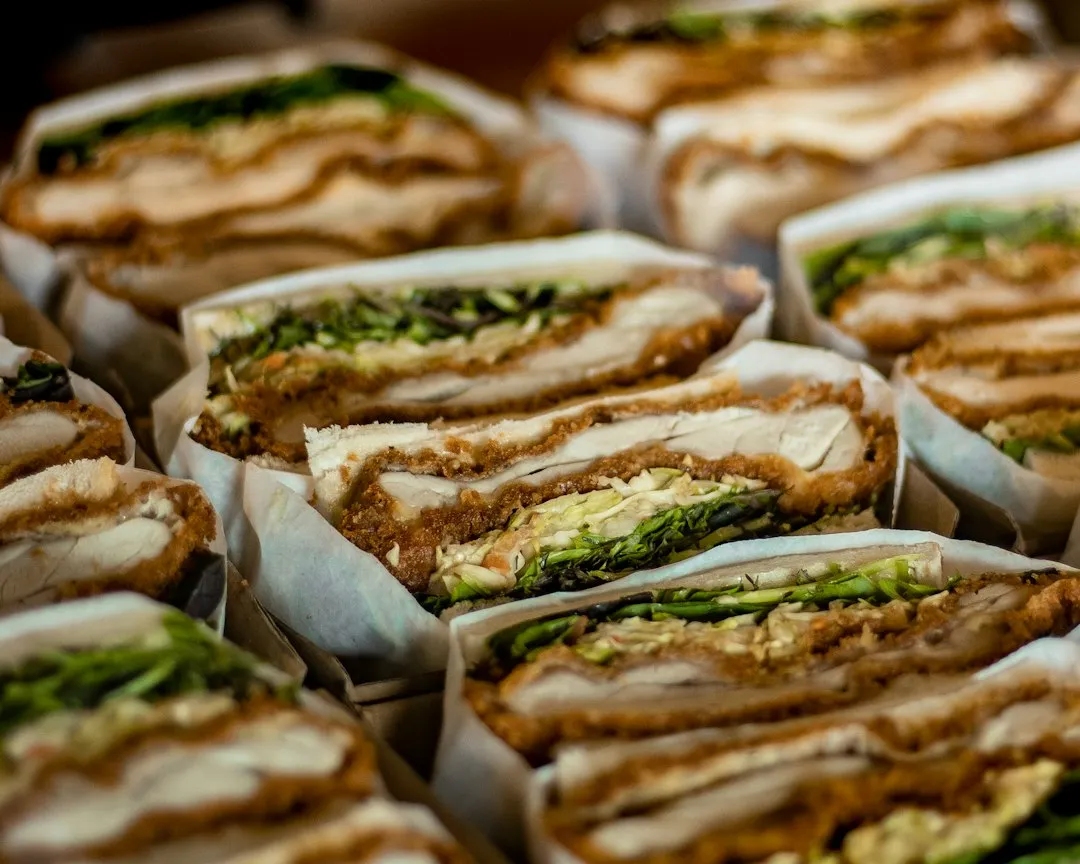
A 77-year-old Canterbury woman named June Armstrong was found with an uneaten sandwich and handed a fine of NZ$3,300 at Brisbane Airport on May 2. She wasn’t trying to smuggle anything. She had bought the sandwich in Christchurch before tossing it in her bag and simply forgetting it was there.
Australia’s Department of Agriculture, Fisheries and Forestry confirmed that Armstrong would have needed an import permit to bring the chicken sandwich into the country. The fact that the sandwich was sealed made no difference legally. Australia’s Department of Agriculture, Fisheries and Forestry responded to a furore after the pensioner told media she felt the stiff fine was out of proportion to her moment of forgetfulness.
The McMuffin Incident That Went Viral
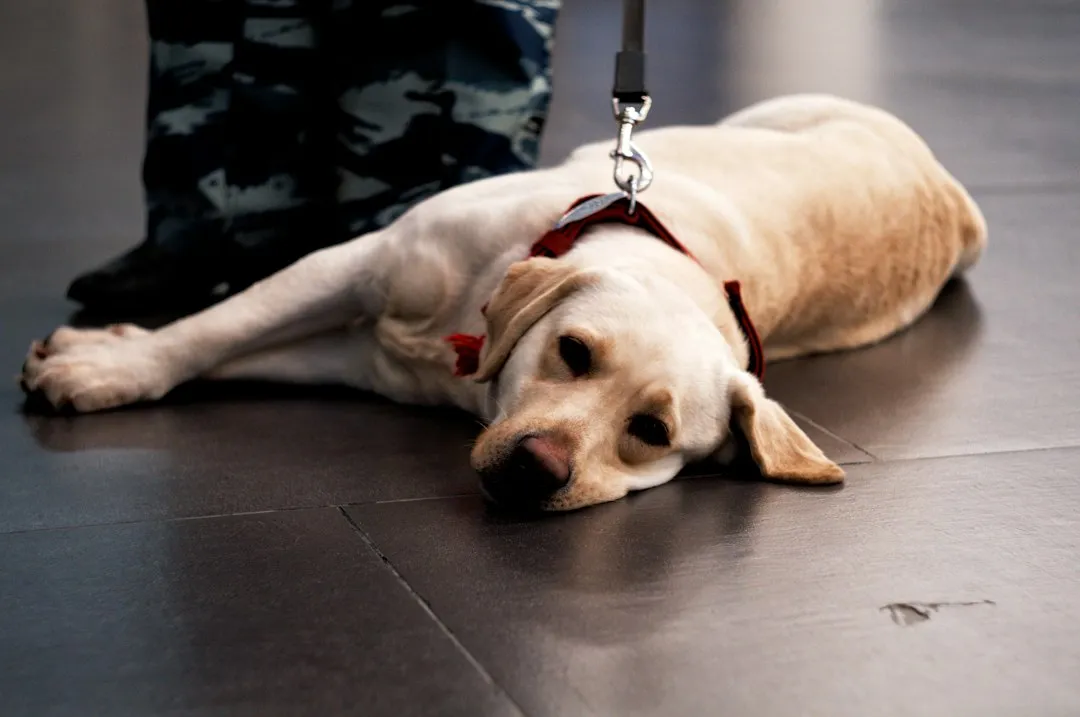
An unnamed passenger arriving in Darwin from Bali was fined AU$2,664 when a sniffer dog named Zinta alerted airport staff to the traveler’s backpack, which contained undeclared meat including two McMuffins from a McDonald’s in Bali and a ham croissant. This wasn’t merely forgetfulness; the traveler was issued a fine for failing to declare potential high biosecurity risk items and for providing a false and misleading document to border staff.
The products were seized and were to be tested for foot-and-mouth disease before being destroyed. The story spread rapidly online, partly because the fine was, at the time, roughly double the cost of a round-trip airfare to Bali. It became one of the defining examples of just how seriously Australia polices its food borders.
A Ham Hock, a Fine of Nearly $4,000, and a Warning to All Arrivals
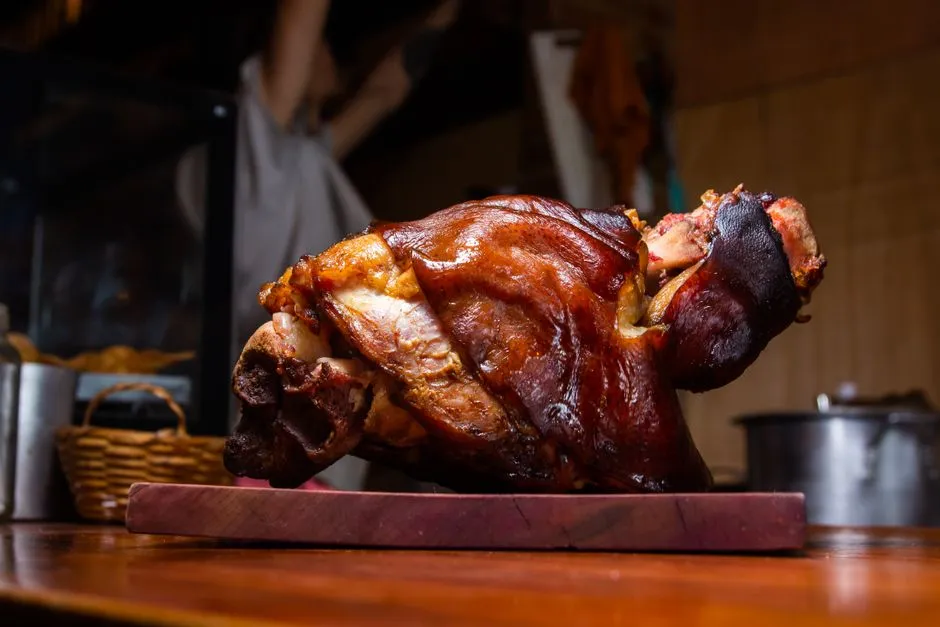
A traveler who landed in Brisbane from Ukraine failed to declare an item considered a threat, with the Department of Agriculture, Fisheries and Forestry confirming the breach publicly as a formal warning. The item in question was a ham hock. The food item was swiftly disposed of, and the traveler received a penalty of 12 penalty units, equivalent to $3,960 at the time of the interception.
The value of a penalty unit subsequently increased on July 1, meaning an equivalent fine would now be $4,368. Each time Australia adjusts its penalty unit rate, the real-world cost of an undeclared sausage, sandwich, or piece of fruit climbs higher alongside it.
How the Fine System Actually Works

The fine for not declaring food in Australia starts at A$728, representing two penalty units at the A$364 rate that has applied since July 1, 2026. The scale moves up sharply depending on what was found and whether it was hidden. Undeclared high-risk goods such as meat, seeds, or soil draw six penalty units, worth A$2,184, or twelve penalty units, worth A$4,368, while concealment or a false declaration can reach twenty penalty units, equal to A$7,280, plus visa cancellation and a possible three-year entry ban.
Under the Biosecurity Act 2015, individuals convicted of illegal importation can face up to 10 years imprisonment and fines of up to $1.6 million for the most serious offenses. Most travelers encounter the lower-tier infringement notices, but even those are substantial enough to ruin a trip financially.
What Foods Are Actually Prohibited
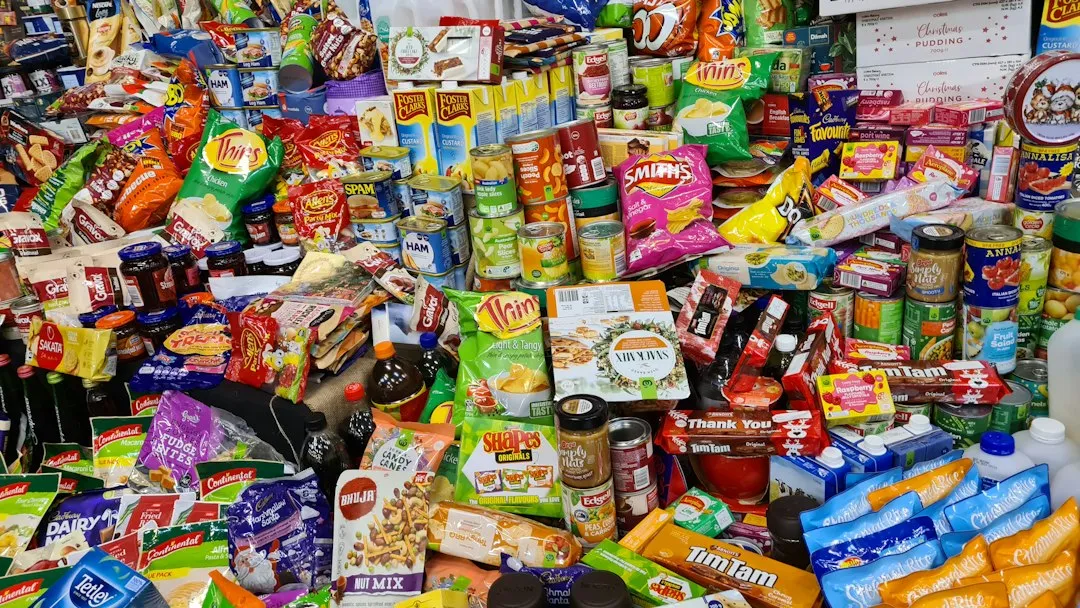
Meat products are prohibited in all forms, including raw, cooked, canned, and dehydrated, which covers pork snacks, beef jerky, and even some types of instant noodles containing meat chunks. The rules extend further than many travelers expect. All fresh fruits and vegetables are also forbidden from entry.
Meat has strict import conditions which can change quickly based on disease outbreaks, according to Australia’s Department of Agriculture. That dynamic quality is part of why travelers cannot simply rely on past experience. Something that was once tolerated may now carry a formal prohibition.
The Incoming Passenger Card Is a Legal Document, Not a Formality
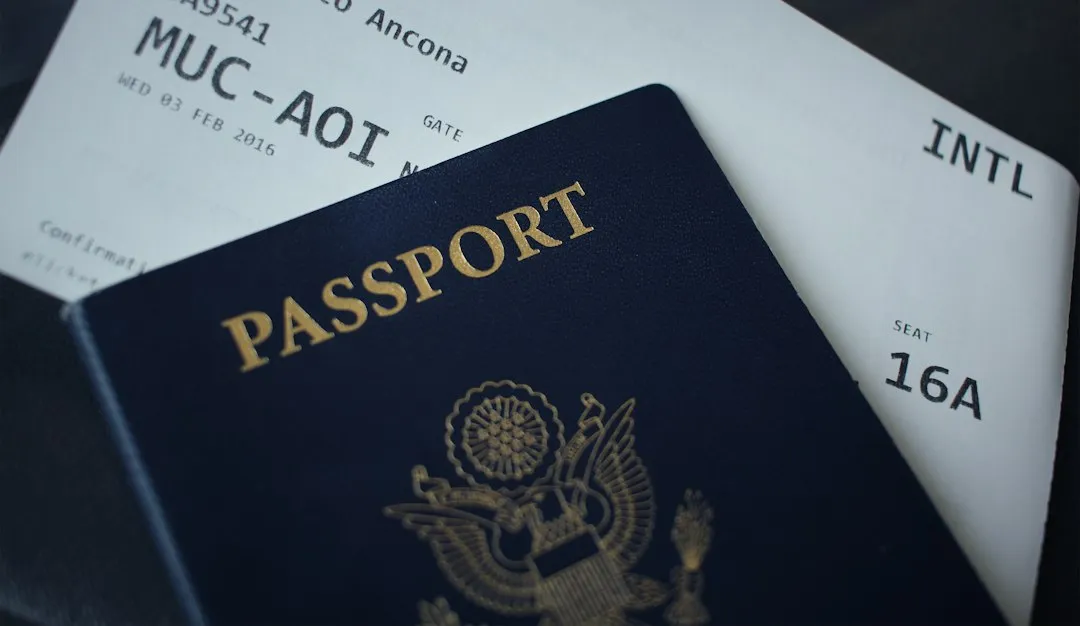
Every arriving passenger receives an Incoming Passenger Card on their flight, which constitutes a legal declaration, meaning that checking “No” when food is present is considered providing false information to the government. Many travelers treat this card like a routine customs form. It is not.
All airlines flying into Australia play a biosecurity video or announcement shortly before landing, emphasizing biosecurity risks and explaining why passengers must declare food and ingredients, and recommending that all food be left on board. The warnings are there. Acting on them is entirely up to the traveler.
What Happens When You Declare Versus When You Don’t

If a restricted item is declared and found to be prohibited, travelers are generally not fined, but if they don’t declare and the item is found, the financial consequences are severe. This distinction matters enormously. Honesty at the card stage is the single most effective protection a traveler has.
Visa consequences add another layer of severity for those caught concealing goods. Travelers who have their visa cancelled are removed from Australia on the earliest available flight and can face an exclusion period of three years before they are able to reapply for a visa. For someone traveling for work, family, or a long-planned holiday, that consequence extends well beyond a fine.
The Dogs That Find Everything
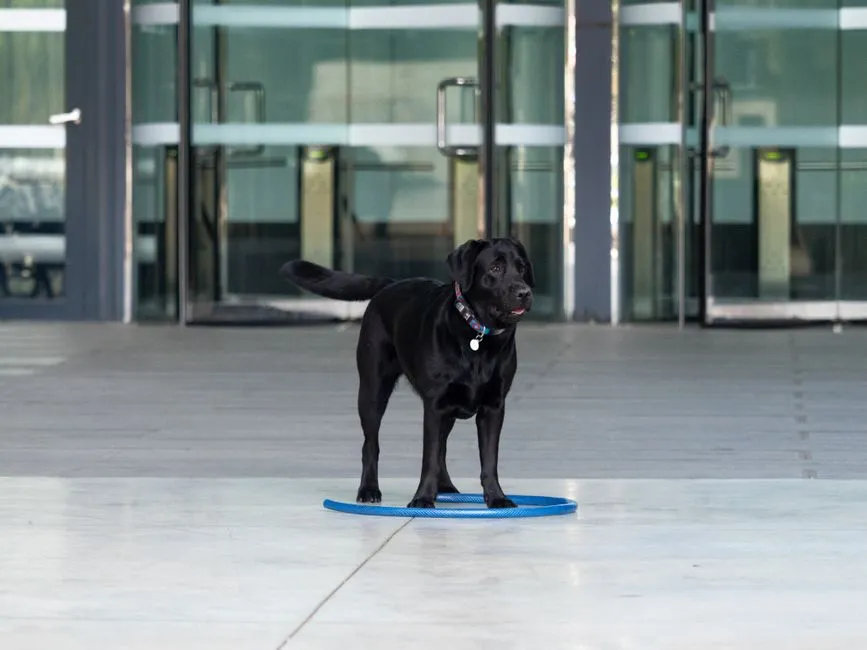
The Department of Agriculture deploys detector dogs across Australia’s international airports, seaports, and mail centers, and in 2025, biosecurity detector dogs intercepted over 45,500 biosecurity risk items arriving at international airports and mail gateway facilities. These animals are extraordinarily effective. They are surprisingly accurate and can detect dried meat, seeds, and even certain fruits through multiple layers of packaging.
The average detector dog finds around 9,000 biosecurity risk items during their working lives. Some of the recent discoveries illustrate just how thorough the checks are. Recent finds have included 27 plant cuttings concealed in chip containers, a wildflower arrangement from a wedding in Papua New Guinea, and a clove of garlic from a child’s pocket.
The Scale of Australia’s Biosecurity Operation in 2025 and 2026
Airport interceptions by biosecurity officers reached more than 359,000 travellers in 2025, with almost 64 tonnes of meat products being confiscated throughout the year. That volume of confiscated meat alone is a remarkable figure. Biosecurity officers also inspected over 280,000 commercial sea and air consignments across 2025, preventing tens of thousands of harmful pests, diseases, and weeds from entering Australia.
The government has committed over $2 billion in additional biosecurity resourcing to bolster enforcement activities. Looking into 2026, the pace has not slowed. Between January and the end of July 2026, detector dogs detected and stopped more than 23,384 high-risk biosecurity goods from entering the country.
Why Australia Enforces These Rules So Strictly
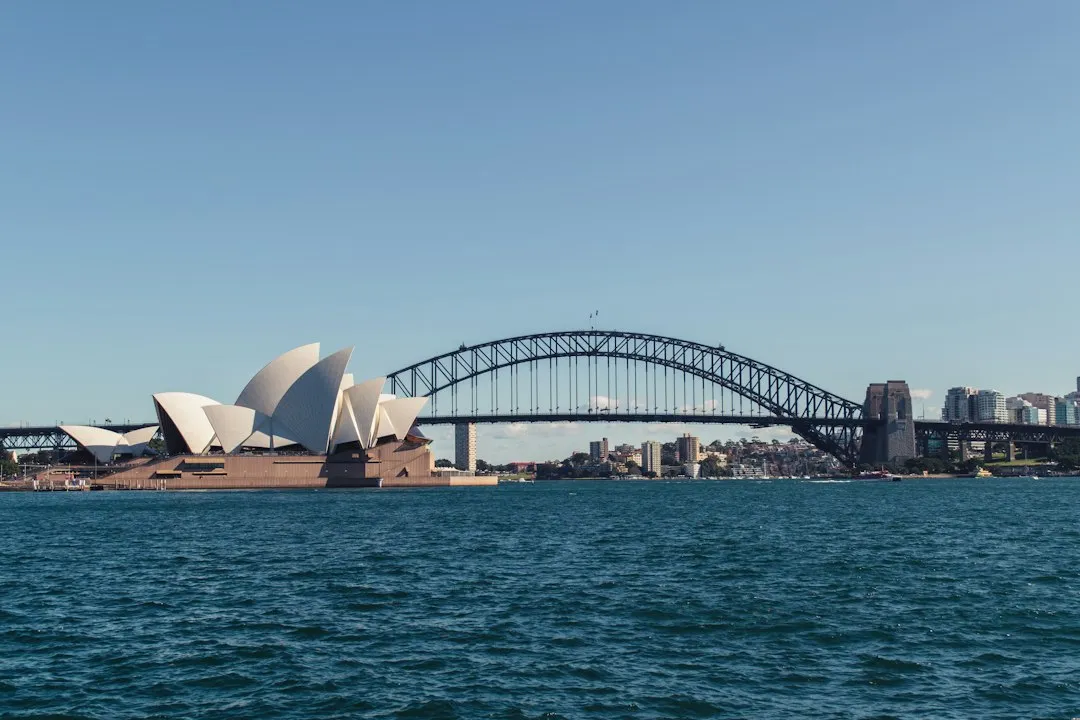
As a long-isolated island continent, Australia has been strict on biosecurity because its lucrative agriculture industry could be crippled by outside biological contaminants. The country remains free from many of the world’s most damaging agricultural diseases, and that status carries real economic value. Once threats enter the country, they could harm crops, livestock, and ecosystems, and if left unchecked, could significantly impact agriculture industries, food supply, regional jobs, trade, and cost the economy billions of dollars.
Two travelers received civil penalties totaling $54,000 following multiple attempts to circumvent Australia’s biosecurity laws and conceal more than 240 live fish through Melbourne International Airport. That case, decided in September 2024, was the first time the Federal Court had handed down civil penalties under the Biosecurity Act 2015. It signaled clearly that enforcement is not limited to on-the-spot airport fines.
The Simple Rule That Avoids All of This

There is genuinely no complicated strategy required here. The golden rule for any traveler entering Australia is straightforward: if in doubt, declare it. Declaring an item, even a prohibited one, typically results in confiscation without a fine. Not declaring and being caught is what triggers the financial and legal consequences.
Australia’s biosecurity system is built on partnership and shared responsibility, and individuals who ignore strict requirements are subject to strong penalties, ranging from infringements and prosecution to imprisonment and visa cancellations. A few seconds of honest disclosure on an arrival card is a far better outcome than a four-figure fine in a foreign country, standing at a biosecurity counter with a confiscated sandwich and a canceled visa.
A Measured Takeaway for Every Traveler
Australia’s biosecurity rules are strict by design, not by accident. The ecosystem these laws protect took millions of years to develop and could be altered permanently by a single introduced disease or pest. That context doesn’t make a $3,960 fine feel comfortable, but it does explain why the country has chosen to enforce these rules with such consistency.
The travelers who paid thousands for a forgotten sandwich, an undeclared ham hock, or a bag of fast food did not intend to break the law. Intention, however, is not a defense at the Australian border. The most useful thing any traveler can carry into Australia is not a snack. It’s awareness.
AI Disclaimer: This article was created with the assistance of AI tools and reviewed by a human editor.