


Most parents have been there. You’re ten minutes into a drive, the kids are already at each other’s throats, and you’re suddenly trying to mediate a territory dispute while keeping your eyes on the road. The backseat becomes a courtroom, a boxing ring, and a noise machine all at once.
What’s often missing isn’t patience or willpower. It’s a single, clear rule that gets established before the car even moves. That shift in timing changes everything.
Why the Backseat Becomes a Battleground
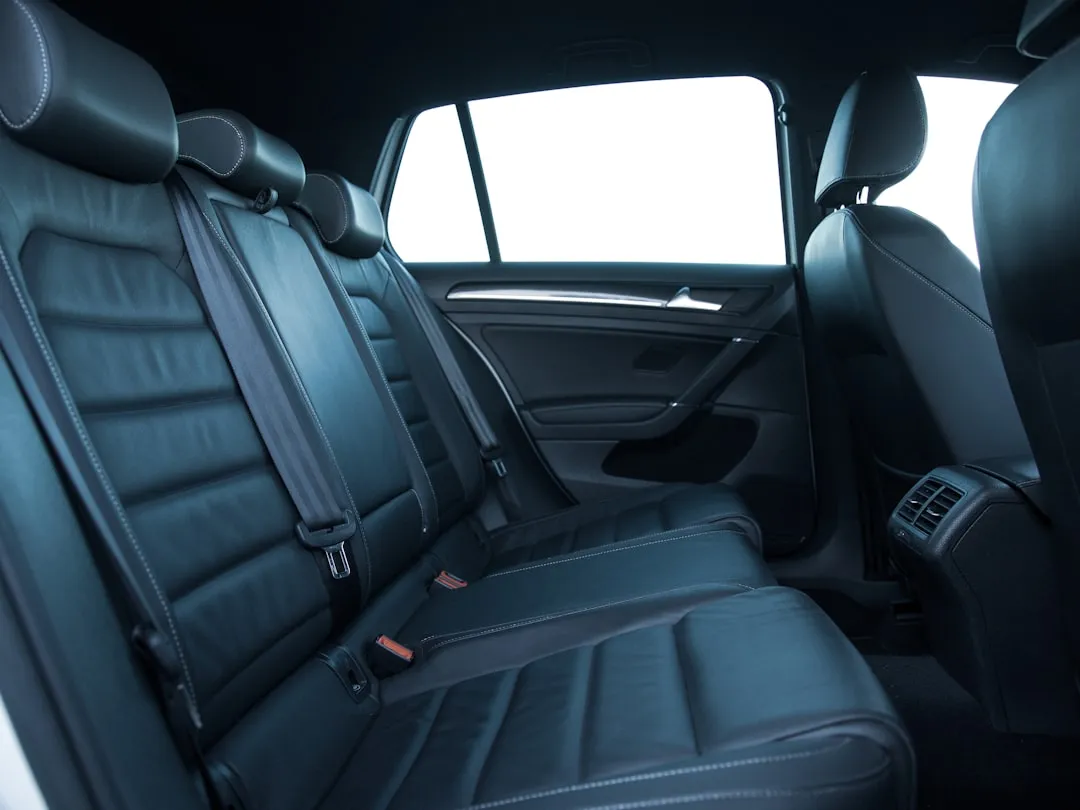
Car rides combine several genuinely hard things for kids at once: limited movement, transitions, boredom, sibling proximity, and a parent who cannot stop and respond immediately. That’s a stressful combination even for adults. For children with still-developing impulse control, it’s a recipe for conflict.
Most parents assume their children are “just being difficult,” but there are usually several predictable factors working against them. A child who is already running low emotionally has a much harder time tolerating normal sibling annoyance. That tiny poke from a brother or sister suddenly feels unbearable.
Understanding the trigger is the first step toward stopping it. Once you know why the backseat breeds arguments, the solution becomes a lot more obvious.
The One Rule That Makes Everything Else Work
The core rule is deceptively simple: set clear, specific expectations before anyone gets in the car. Not after the first complaint, not halfway through the drive, but before the engine starts. Children do better when car ride rules are short, specific, and repeated before the trip. Examples include keeping hands to yourself, using a calm voice, staying buckled, and following directions the first time.
Telling kids exactly what travel behavior matters most – hands to self, no grabbing, one person talks at a time, and what happens if conflict keeps going – works best when rules are simple and repeated before the trip begins. The pre-ride moment is where parents hold the most leverage, because once you’re in traffic, your options narrow fast.
Set the Boundary Before You Buckle Up

Even the most impressive set of rules needs proper launch. Before you set off, calling a brief “family huddle” to introduce the system makes it feel collaborative rather than punitive. Kids are far more likely to follow rules they had a hand in agreeing to.
Giving children a feeling of agency, according to developmental experts, is the real secret ingredient for reducing sibling rivalry. When the rule feels like a shared agreement rather than a decree from the driver’s seat, it carries more weight. That’s a subtle but important distinction.
Physical Space Is a Surprisingly Powerful Tool
The best practical fix for sibling car fights is the introduction of clear, visible boundaries. This can be literal: think towels, blankets, travel trays, or even a rolled-up jumper wedged between them. It sounds low-tech because it is. It also works.
Children never met a boundary they didn’t want to test, especially when that boundary is their sibling’s personal space in a moving vehicle. Confined quarters and boredom are a match made in chaos. Research has found that over half of parents report frequent car squabbles, with most kids fighting over territory, belongings, or parental attention. A physical boundary addresses the root cause directly.
The Pull-Over Strategy: A Rule With Real Consequences

When kids are actively fighting in the car, pulling over immediately and telling them clearly that you will not drive because their behavior is unsafe, and that you will continue only when there is quiet, is one of the most effective reset tools available. It’s calm. It’s firm. It doesn’t require raising your voice.
The interesting part is that you’re establishing a no-nonsense rule, and the next time conflict starts, you simply pull over. Until there’s quiet, you don’t have to say another word. The consistency of the action does the communicating for you. Children learn quickly when the pattern is reliable.
Why Yelling From the Driver’s Seat Backfires
Yelling may stop the noise for a moment, but it usually raises the overall stress level in the car. What feels like a correction in the moment often amplifies the tension. Parents who shift to calm, brief directions consistently report better results over time.
The most effective response is usually not harsher punishment in the moment, but a plan that combines clear car ride rules, calm follow-through, and prevention before the ride starts. The car is one environment where your pre-planning genuinely pays off more than your in-the-moment reaction.
Distraction Behind the Wheel Is a Real Safety Issue
Backseat noise isn’t just annoying. It’s a genuine road safety concern. Distracted driving is any activity that diverts attention from driving, including talking to people in your vehicle, fiddling with entertainment systems, or anything that takes attention away from safe driving. That explicitly includes managing conflict in the back.
In 2024, 3,208 people were killed in motor vehicle crashes involving distracted drivers. Activities like eating, grooming, or even interacting with children in the backseat can be dangerous because they demand attention. When children are arguing and a parent turns to intervene, the consequences can extend far beyond the backseat disagreement.
How Boredom and Fatigue Fuel the Fire

Chronic travel fatigue secretly triggers aggressive sibling behavior, and fatigue and overstimulation are primary triggers of conflict during busy travel days. A child who is tired, hungry, or overstimulated is operating with dramatically less patience than usual. That’s not a character flaw. It’s biology.
Conflict often continues after arrival because kids are overtired and overstimulated. Building in downtime, avoiding overscheduling, and keeping bedtime and snack routines as steady as possible reduces vacation arguments overall. On shorter daily drives, a snack before departure and a good night’s sleep the evening before can make a measurable difference in backseat behavior.
Reset Plans Work Better Than Rules Alone

Having a simple reset plan ready for long car rides, airport waits, or hotel downtime – including quiet minutes, separate activities, headphones, a seat change, or a short movement break – is often the fastest way to deal with kids fighting on long car rides. The reset isn’t a punishment. It’s a circuit breaker.
When kids fighting pulls a parent into every accusation, the conflict often grows. Naming what you see, setting one clear limit, and moving children toward a reset instead of deciding who was right about every small moment tends to de-escalate faster. Refusing to adjudicate every grievance is itself a form of calm leadership.
The Long-Term Lesson Hiding in the Short-Term Rule
Implementing car ride strategies does more than resolve immediate safety concerns. It helps children learn about the importance of self-control and the impact of their actions on others, and those lessons are crucial as they grow and navigate more complex social situations. The car is a small, contained world. What kids practice there, they carry forward.
Managing sibling rivalry during car rides requires a calm, consistent approach, but the rewards – safer, more peaceful travel – are well worth the effort. By setting clear, firm boundaries about behavior in the car, you teach children valuable lessons in safety and respect that will serve them well throughout their lives. That’s a meaningful return on something as simple as a two-minute talk before you leave the driveway.
The Takeaway
The car ride rule that stops backseat arguments before they start isn’t a complicated system. It’s a pre-departure habit: brief, clear, consistent expectations, delivered calmly before anyone buckles up. The timing is the thing. Most parents try to fix arguments after they ignite. The families who manage car rides best tend to prevent them before the car moves at all.
Small environments create big habits. A child who learns to manage frustration in a confined back seat is practicing something that has a much longer shelf life than the drive itself. That’s worth the two-minute conversation before every trip.
AI Disclaimer: This article was created with the assistance of AI tools and reviewed by a human editor.