


Your Itinerary Might Be Recreating the Stress You Came to Escape

One of the primary reasons we seek vacations is to escape our routines. We yearn for a break from the monotony of daily life, and yet we often find ourselves transferring that same rigidity into our travel plans. A packed schedule of morning tours, afternoon museums, and evening restaurant reservations isn’t really a break – it’s a second job with better scenery.
Itineraries often demand strict adherence, which can turn travel into a checklist of places to visit and things to do. Traveling without one removes the pressure of time, leaving room for serendipity. That shift alone – from obligation to openness – can feel like a deep exhale after months of held breath.
Unplanned Travel Is Now a Recognized Field of Study

Researchers define unplanned travel as travel undertaken without detailed prior planning or a fixed itinerary, representing an active choice made by travelers based on their values and preferences. A growing body of academic work aims to reveal the motivation behind such travel and the multiple values it offers. This isn’t just anecdotal wanderer wisdom – it’s a legitimate area of tourism research.
Studies have even identified specific traveler groups, such as “drifters” and “wanderers,” who often undertake unplanned travel for reasons beyond budget alone. What these groups share is an instinct that many rigid planners never quite tap into: the destination reveals itself differently when you aren’t rushing through it.
The Desire for Spontaneity Has Measurably Grown
According to Skyscanner research, three-fourths of U.S. respondents – roughly seventy-five percent – said that the events of recent years have made them want to be more spontaneous in their travel. That’s a significant cultural shift, and it reflects something real about how people now weigh control versus openness when they finally do get time away.
Forgoing the methodical organization that so often goes hand in hand with a planned holiday and instead choosing to enjoy an impromptu break can be genuinely liberating. The craving for that feeling appears to be widespread, not niche.
Travel genuinely improves mental health – but only if you let it
Research consistently shows that stepping out of your routine and into a new setting can significantly lower stress, improve mood, and even enhance cognitive flexibility. A recent survey of two thousand Americans found that the average American feels markedly better mentally after going on a trip. The operative word, though, is “stepping out.” A rigidly scheduled vacation can quietly recreate the same cognitive load as a workday.
Studies have found that travelers benefit from the sense of control they gain while on vacation, leading to direct and indirect effects on overall life satisfaction after traveling. Crucially, that sense of control feels very different when it’s self-directed and spontaneous rather than pre-prescribed by a printed schedule.
New Environments Make You Happier – the Science Is Clear
Some travelers get a genuine mood lift from having new and diverse experiences. A 2020 study published in the journal Nature found that people who see more changes in scenery day-to-day tend to be happier. An itinerary, by design, narrows what you’ll see and when. Letting the day unfold naturally tends to multiply those scenery shifts.
Seeing new sights, hearing new sounds, and experiencing the unfamiliar stimulate different parts of the brain and boost mood. When you allow yourself to turn left instead of right simply because the street looks interesting, that kind of small novelty compounds over the course of a day in ways no pre-booked tour can engineer.
Overtourism Is Quietly Ruining the Places on Everyone’s List
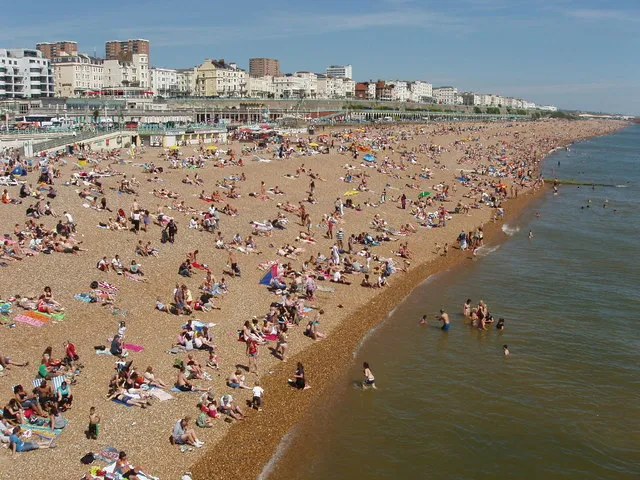
According to McKinsey, roughly eighty percent of travelers visit just ten percent of the world’s tourist destinations. Such imbalanced numbers cause infrastructure problems, harm natural and cultural sites, and frustrate locals. When you skip the itinerary, you’re far less likely to end up following the exact same worn path as millions of others.
After the quiet of the pandemic years, tourism has surged back, with the UN World Tourism Organisation estimating approximately one and a half billion tourists in 2024. Throughout 2024, various efforts by tourism authorities – and frustrated locals – to curb the sheer number of visitors in the world’s most popular destinations continued to grab headlines. The traveler who drifts freely almost inevitably ends up somewhere fresher, less crowded, and more authentically welcoming.
Real Connection With a Place Requires Unhurried Time

Many people travel with an invisible pressure to “see everything.” Without a rigid itinerary, priorities shift. Instead of racing through landmarks for photos, travelers start focusing on experiences that genuinely interest them. Spending an entire afternoon in one neighborhood can become more rewarding than visiting ten tourist sites in a single day.
Walking through a small town unplanned might lead to an invitation to join a family for a meal, enriching your cultural understanding far beyond what a rigid itinerary can offer. By going off the beaten path, you allow the destination to unveil its authentic self, fostering deeper appreciation and cultural understanding. That depth of experience is simply not available in thirty-minute museum slots.
Unplanned Travel Creates Richer, More Lasting Memories

When you step off the scheduled path, new opportunities appear. You might join a local festival you never knew existed or meet fellow travelers at a roadside café. These unplanned interactions can lead to shared meals, hidden viewpoints, or invitations to community events. Each chance meeting adds a layer of discovery that no guidebook can offer.
The most rewarding travel experiences are not always found in famous landmarks or carefully planned excursions. Sometimes they are discovered during an unplanned walk through a quiet neighborhood, a conversation with a stranger, or an extra day spent in a place that simply feels right. These are the moments people still talk about years later – not the museum that was on Tuesday at two o’clock.
Flexibility Can Actually Save You Money

According to travel experts, unplanned travel can actually save money. When you’re not locked into prepaid bookings, you can negotiate on the ground, choose locally recommended places over tourist-trap establishments, and stay somewhere longer if the price is right. Spontaneity and frugality turn out to be comfortable travel companions.
By leaving gaps in the itinerary, travelers can take advantage of unexpected opportunities, such as a local festival, a recommendation from a local, or simply the desire to spend more time in a particular place. These unplanned moments often become the most memorable parts of a trip. A recommendation from a guesthouse owner, for instance, almost always leads somewhere better – and cheaper – than anything pre-booked online months in advance.
You Don’t Need to Abandon All Preparation – Just the Rigidity

To enjoy the benefits of unplanned travel while mitigating potential challenges, researching key details can still save you from unnecessary trouble. Look up basics such as local transportation options, emergency contacts, or regional holidays that may impact your plans. The goal isn’t recklessness – it’s openness.
The key to successful spontaneous travel is an open-minded attitude. Travelers should be prepared to adapt to changing circumstances and embrace the unknown. Whether it’s a change in the weather, a missed connection, or a recommendation that leads to an unplanned detour, the ability to go with the flow can turn potential challenges into rewarding experiences. Know the basics, pack what you need – then put the spreadsheet away.
The Takeaway
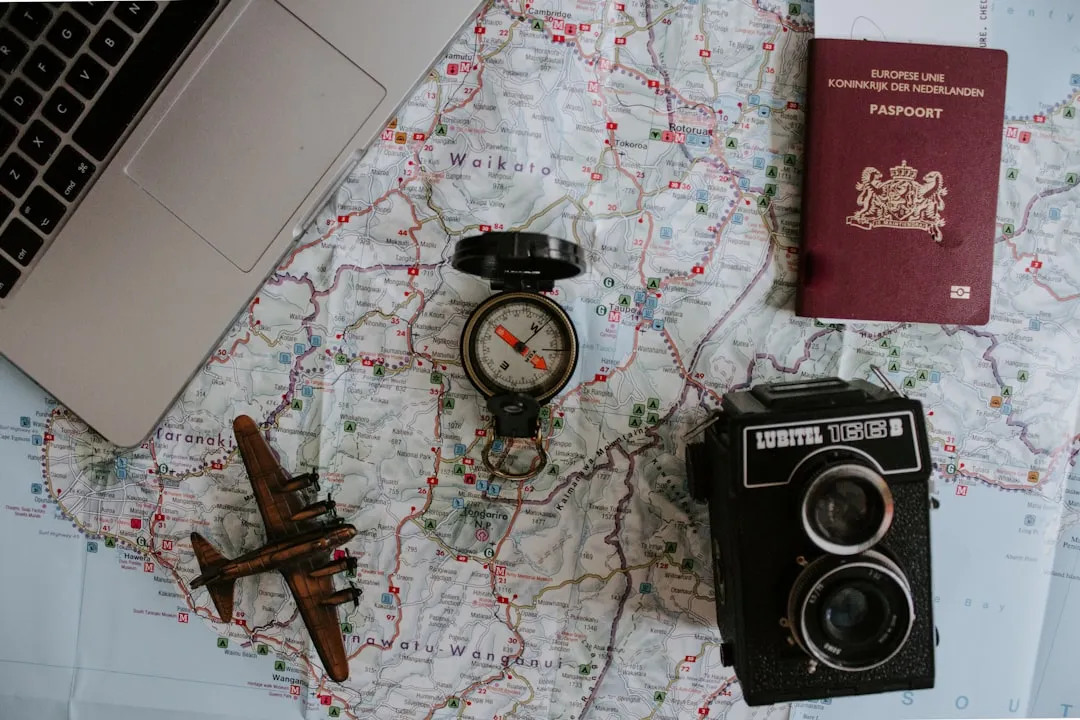
Traveling with no fixed itinerary encourages you to enjoy the journey as much as the destination. By remaining flexible, curious, and open to possibility, you allow your travels to unfold naturally – creating adventures that are not only memorable but also deeply personal. That kind of trip doesn’t follow a script, which is precisely why it stays with you.
The itinerary promised certainty. What it sometimes delivered, though, was a checklist mistaken for a life. The most honest case for skipping it entirely isn’t a call to chaos – it’s a reminder that the best travel experiences tend to be the ones nobody planned for.
AI Disclaimer: This article was created with the assistance of AI tools and reviewed by a human editor.