

There was a time when the crackle of a CB radio was as much a part of American highway life as a diner coffee and a road atlas. It was the sound of people watching out for each other across the asphalt, sharing what was ahead so that whoever came next didn’t have to find out the hard way.
That culture didn’t vanish overnight, and it didn’t vanish completely. Here’s a closer look at how CB radio became one of the most enduring habits in road culture, and what it still means today.
Where It All Began: The CB Radio Gets on the Road
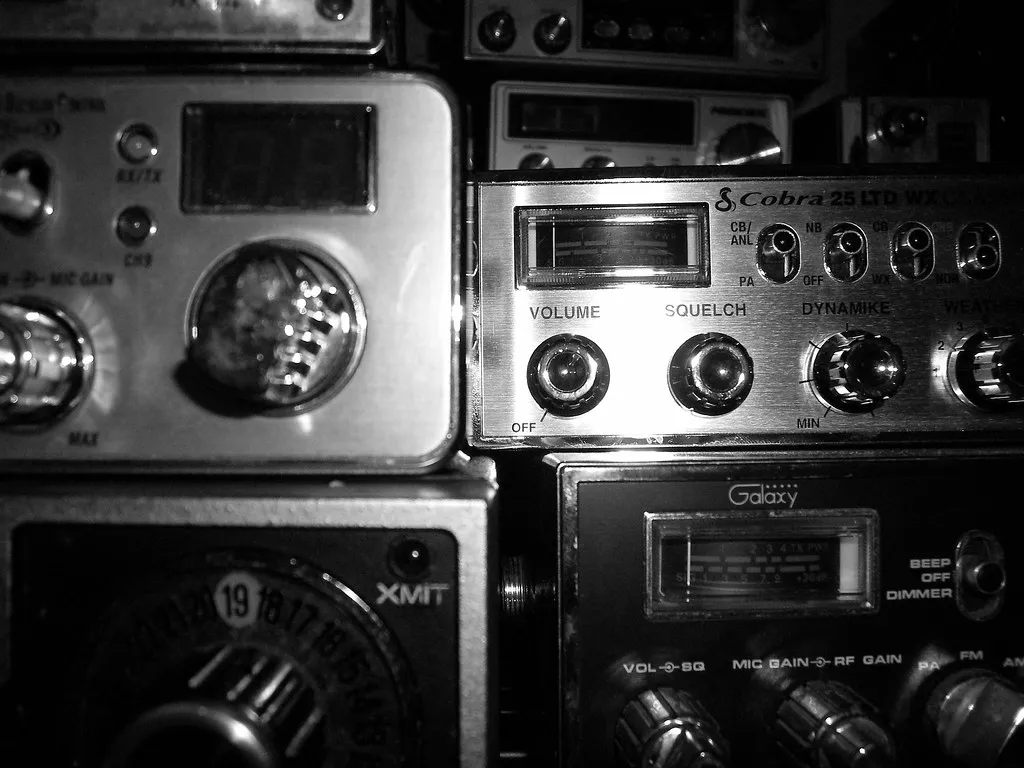
CB radio can trace its roots back to 1958 when the Federal Communications Commission established the Citizens Radio Service, though it didn’t really take off until the 1970s. This was an age before mobile phones, so CB radios weren’t just a gimmick – they helped truckers stay safe on the road by sharing weather news, traffic information, and other possible dangers.
During World War II, the technology was used to help military personnel exchange messages, and it wasn’t until the 1950s through 1970s that it gained popularity and was widely used among plumbers, electricians, and especially truckers. The highway, in many ways, found its first voice through these devices.
The 1970s Boom: A Cultural Phenomenon Takes Hold
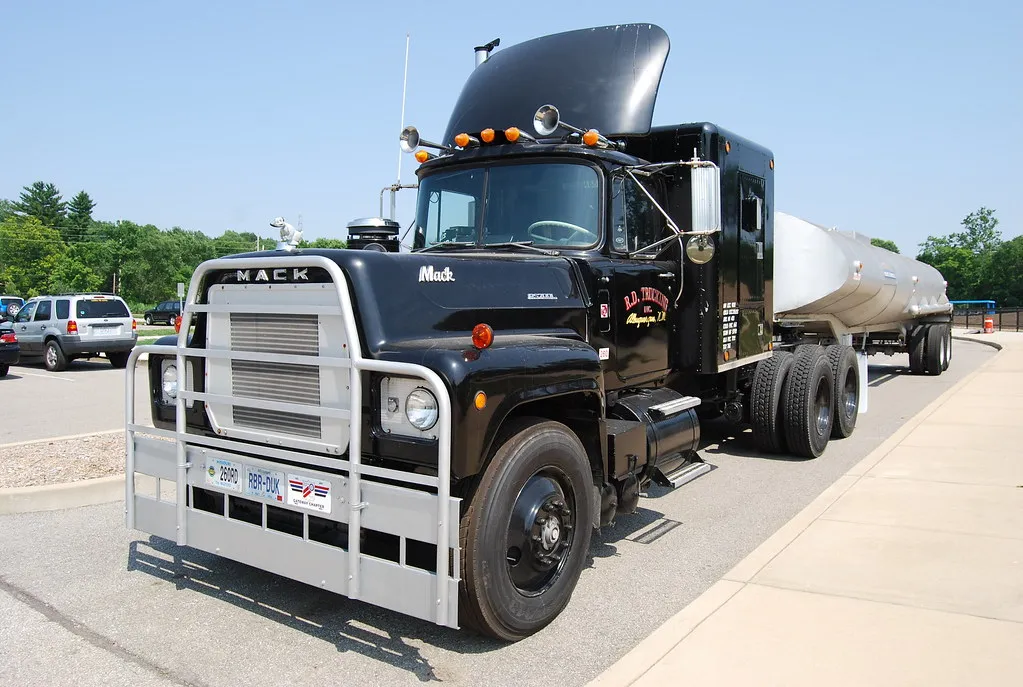
In 1973, the oil crisis led to a nationwide 55 mile-per-hour speed limit, forcing new regulations on the trucking industry. CB radio became an essential tool for truck drivers who used it to coordinate fuel availability, share road conditions, report speed traps, and stay connected across long, isolated stretches of highway.
The FCC deregulated CB licensing in 1975, leading to an explosion of users, from truckers to everyday drivers eager to tune in. The 1977 film “Smokey and the Bandit” and the 1975 hit song “Convoy” brought CB lingo into mainstream awareness, with terms like “10-4,” “Smokey,” “bear trap,” and “good buddy” becoming part of everyday American language.
Selling CB equipment became so lucrative that Radio Shack’s profits doubled between 1973 and 1976. It was a genuine craze, not just a trend.
Channel 19 and the Unwritten Rules of the Road
Channel 19 eventually became the “trucker’s channel” and was used for highway communication all over the United States. Truckers primarily used it to communicate on the road, serving as the main highway frequency for sharing traffic updates, road hazards, and general chatter.
Out of all the channels, just one was reserved for emergency services – frequency 27.065, commonly known as Channel 9, is legally reserved for emergency response use. Organizations like REACT (Radio Emergency Associated Communications Teams) and ALERT kept an ear on Channel 9 to assist motorists with emergencies, long before cell phones entered the scene.
Truckers had their own handles and slang, and chatty visitors were not always welcome on Channel 19 – you had to be prepared and know what you were in for. There was an etiquette to it, and it mattered.
The Language That Came with It: CB Slang and 10 Codes
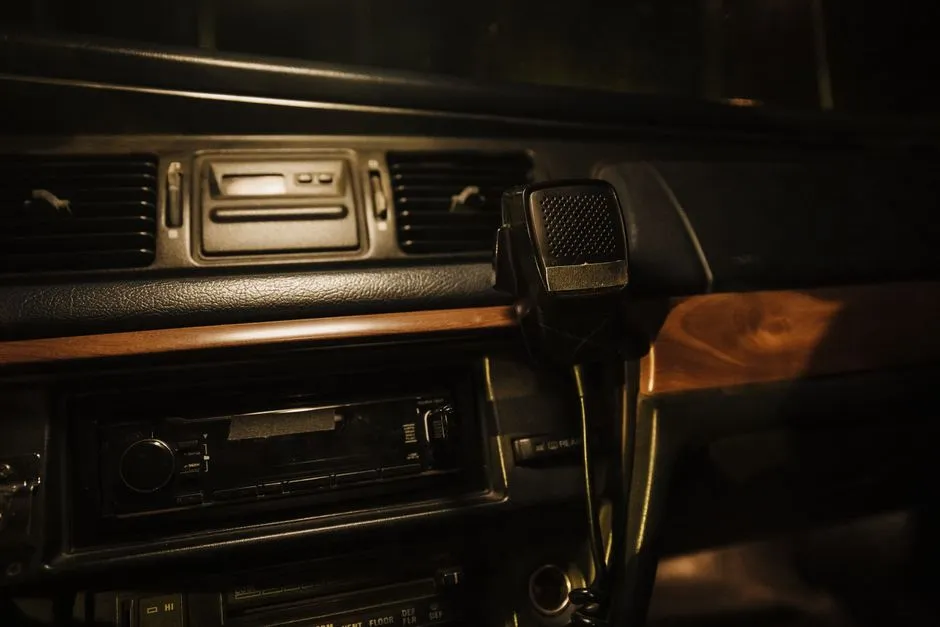
The introduction of CB radios in trucks allowed drivers to communicate while on the road, but with so many drivers on the same frequency, it became challenging to understand each other, so truckers developed a unique language of their own, filled with slang, abbreviations, and creative expressions.
Common terms included “10-4” meaning message received, and “breaker” for interrupting a conversation. The word “Smokey” referred to a law enforcement officer, and it’s believed to have originated from the movie “Smokey and the Bandit,” where the main character was a trucker being chased by a state trooper.
The language was a way to convey information quickly and efficiently, allowing truckers to stay safe and connected on the road, and over time it grew and evolved to adapt to the changing needs of the trucking industry. Some of that vocabulary has outlasted the devices themselves in everyday speech.
Road Trippers Joined the Frequency
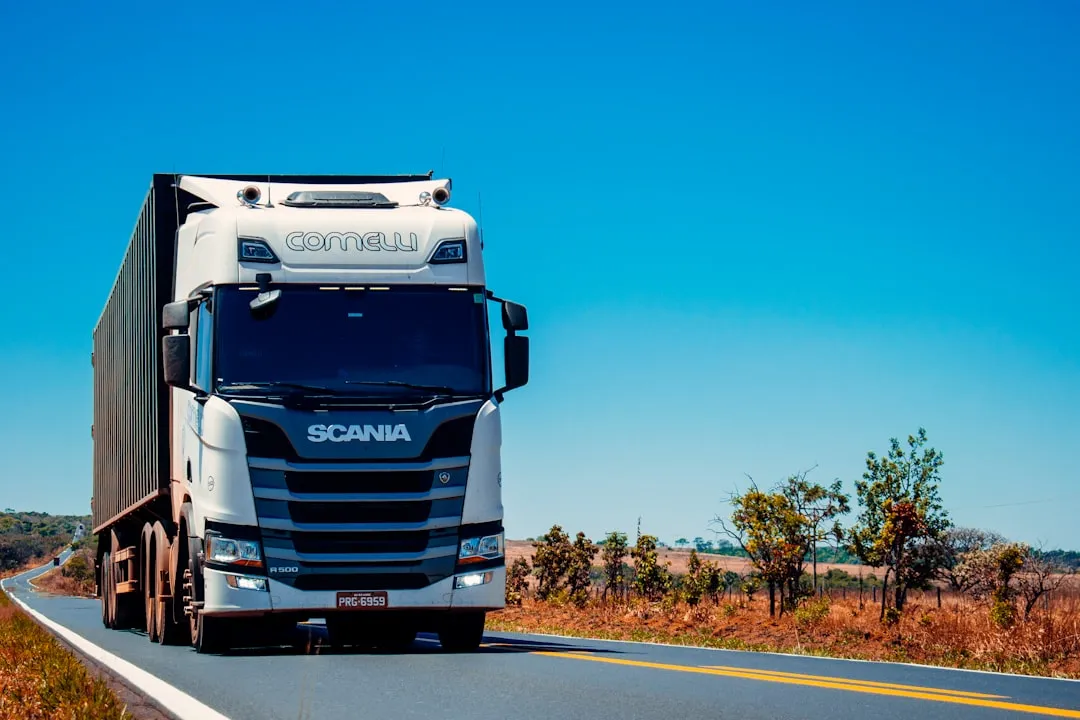
Long before crowdsourced traffic apps, truckers and road trippers relied on a shared radio frequency to warn each other about hazards ahead. CB radios were essentially social media before social media existed – a rolling community of strangers looking out for each other.
During the gas shortages of the 1970s, CB radios became even more popular as truckers coordinated routes to find fuel and avoid long lines. Families on road trips tuned in simply to feel connected to what was happening on the road ahead.
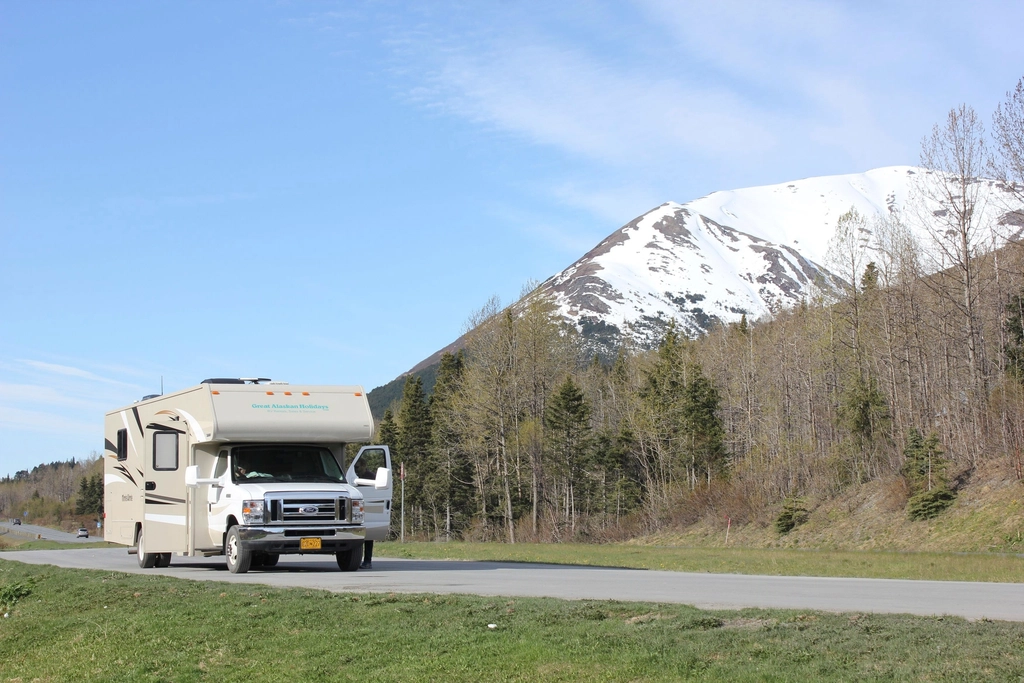
For decades, truckers used CB radios, but they eventually spread to off-roaders, RV owners, motorcycle riders, and all sorts of hobbyists. It became a shared habit that crossed well beyond the trucking world.
The Decline: When the Airwaves Went Quiet
So many citizens bought CBs that some channels became unusable due to congestion, and many casual CB users had little interest in the rules or etiquette that governed its operation – by the late 1970s, many CB conversations devolved into profanity and anarchy.
By the late 1980s and into the 1990s, CBs started losing ground as the rise of cell phones, GPS, and other digital communication tools meant truckers had faster, clearer, and more private ways to communicate. The CB boom peaked around 1977 and declined through the 1980s as cellular telephone networks began to emerge.
The use of the technology decreased significantly in recent years, and according to the Federal Communications Commission, CB licenses declined from over 10 million in the late 1970s to just over 2 million today. That’s a dramatic fall, though not quite an extinction.
Who’s Still Using It, and Why
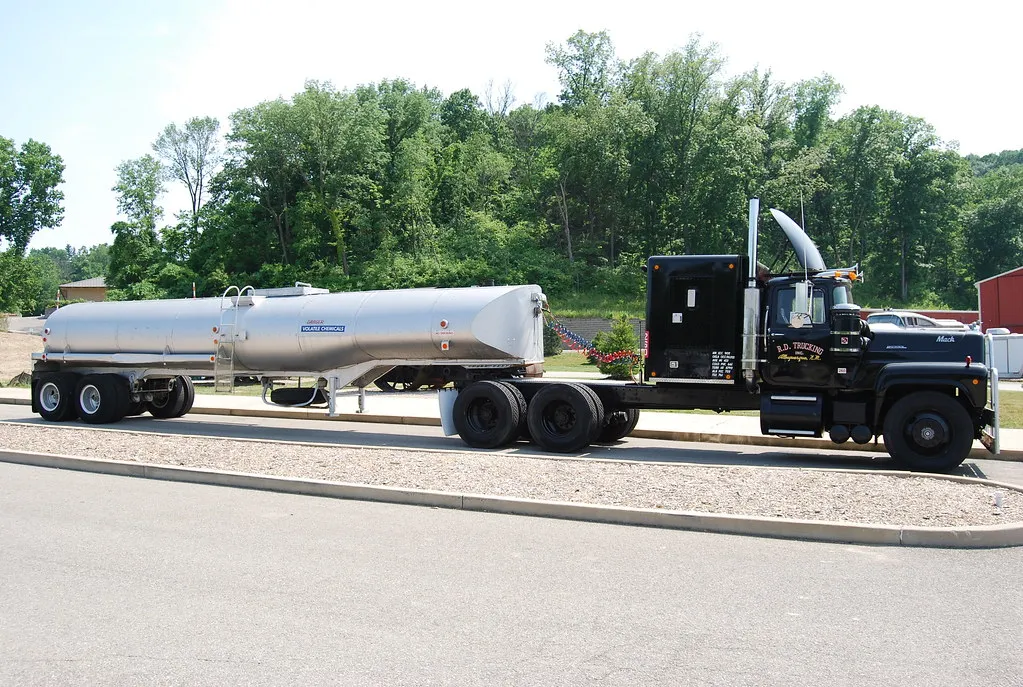
As of 2025, around 54% of truck drivers still use CB radio as a main form of short-distance communication. While GPS, cell phones, and other technology have arisen, many seasoned truckers remain comfortable using this reliable communication tool.
CB radios remain essential equipment for 54% of truck drivers across America’s highways, with another 10% using them occasionally, and professional drivers rely on these devices for real-time road conditions where cell phones fail.
Although GPS and modern applications are reliable the vast majority of the time, there are still plenty of gaps, and the CB remains particularly handy when there are road closures and truckers need to try unorthodox routes to stay on schedule. Some stretches of highway still answer to no cell tower.
What a CB Radio Does That a Smartphone Simply Can’t
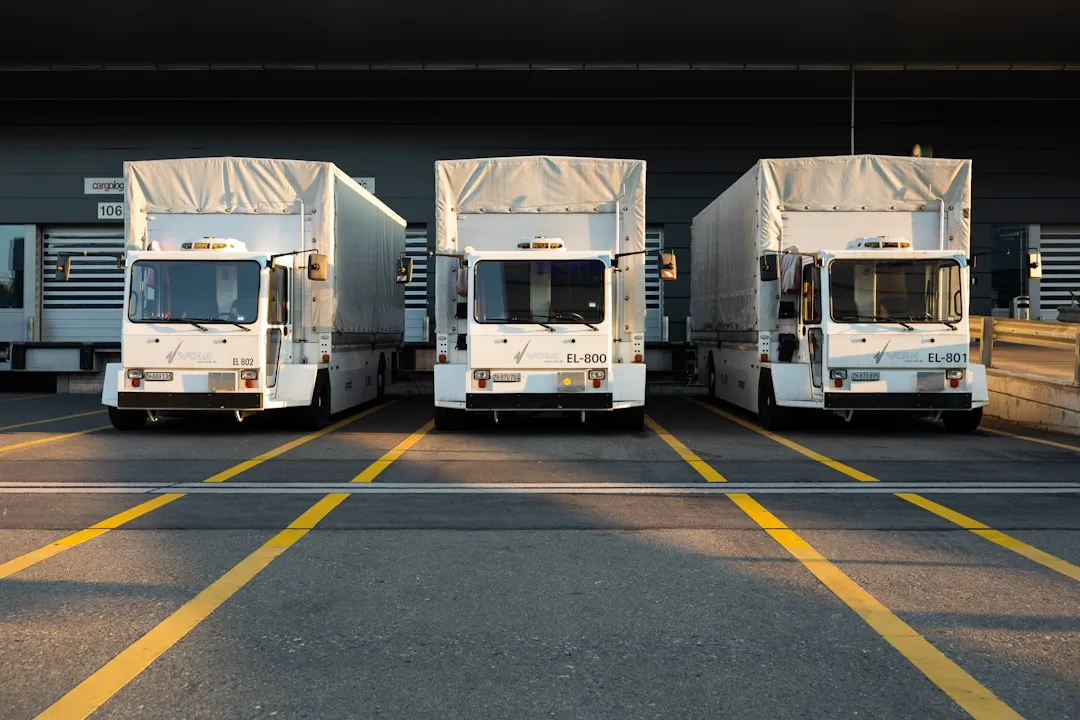
The informal intelligence network on Channel 19 remains genuinely useful, with real-time reports of weigh station status, road hazards, speed enforcement, and weather conditions from drivers ahead that cannot be replicated by any digital service – this peer-to-peer road intelligence is the reason experienced long-haul drivers still carry a CB in 2026.
Truckers communicate effectively with CB radio at truck stops, with range covering the entire facility, as drivers coordinate parking, share scale house information, and alert others about available services without leaving their trucks.
Zero operating cost is another real advantage: no subscription, no monthly fee, no data plan, and a CB radio purchased today can operate for the next decade with no ongoing cost beyond occasional antenna maintenance. In an era of subscription fatigue, that’s not nothing.
The Cultural Legacy and Collector’s Revival
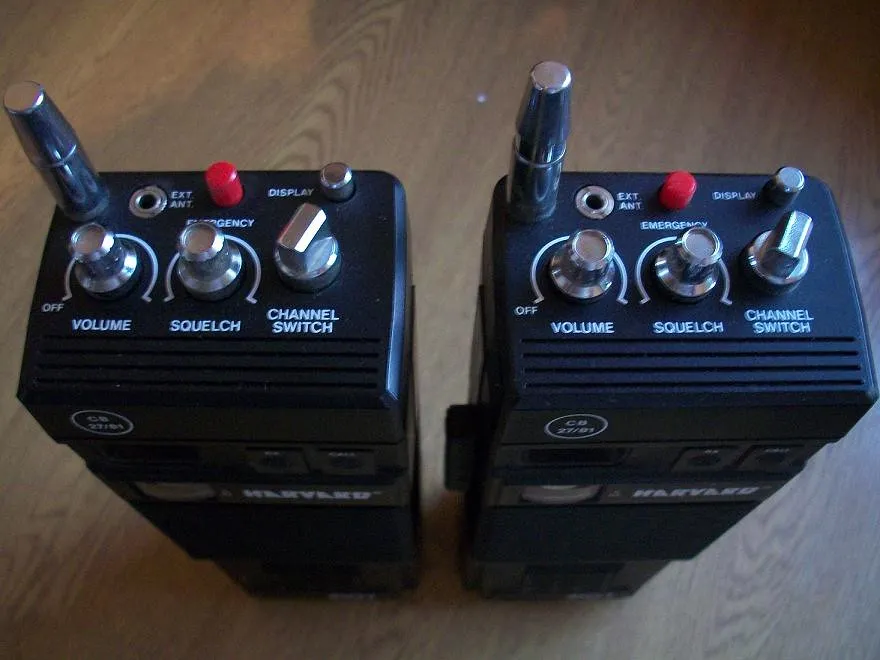
The CB remains a symbol of the “old school” trucking identity – for some, maintaining a radio is a nod to the heritage of the industry and a way to keep a connection to the independent spirit of the road, even as the industry becomes increasingly corporate and monitored.
Off-roaders, Jeep clubs, and RVers have kept CB culture alive, using it for group communication during off-road trips or long convoys across the country. Vintage CB radios and classic rigs like the Cobra 29 LTD have gained a following among collectors and old-school truckers who miss the golden days of CB chatter.
Retired drivers who grew up in that era still keep a CB in the glovebox, even if it rarely crackles to life anymore. For them, it’s less about utility and more about a particular way of moving through the world.
The Market Signal: CB Radio Isn’t Done Yet
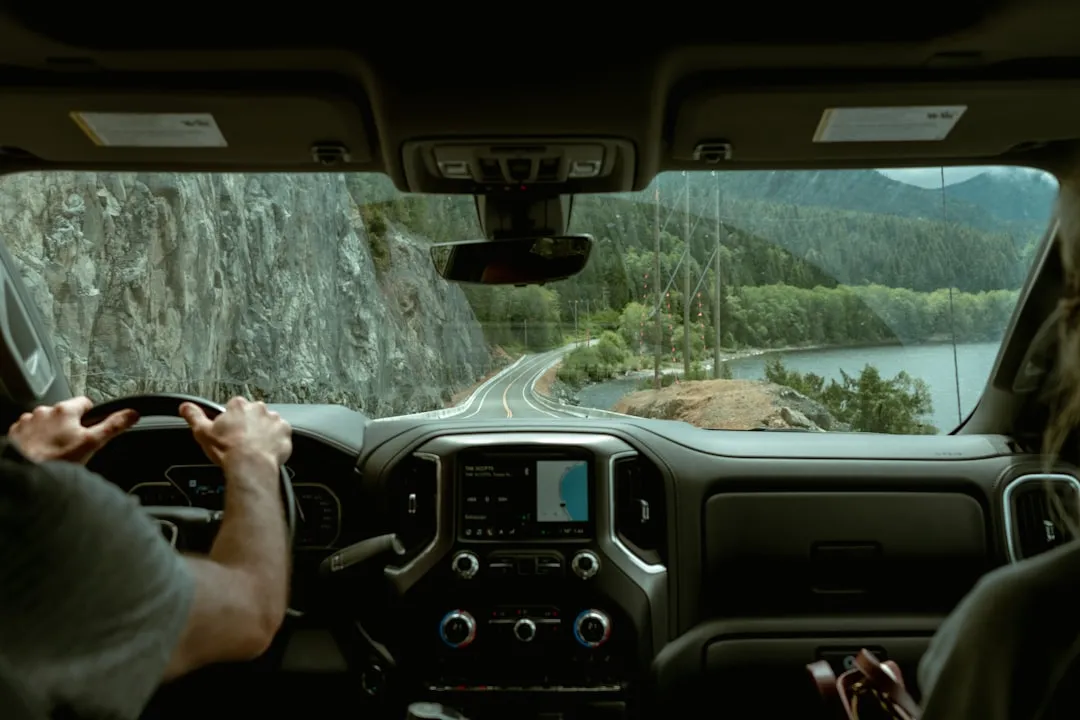
CB radio sales tell a quieter story of resilience – the market is expected to grow by 3.4% from 2024 to 2033. Despite their decline, CB radios never completely disappeared, and several factors have led to their continued use and even a renewed appreciation among truckers and off-road enthusiasts.
Some survivalists and preppers have also embraced CBs as part of their communication plans in case of a large-scale power or network failure. In remote areas, cell phone coverage is unreliable or inaccessible, making a CB radio a practical necessity for trail rides and backcountry travel.
CB radio has been a facet of trucking for decades, and though it has experienced boom and bust times, it’s still around today in large numbers and isn’t going anywhere. Growth projections through the next decade suggest the market agrees.
The Road Behind, the Road Ahead
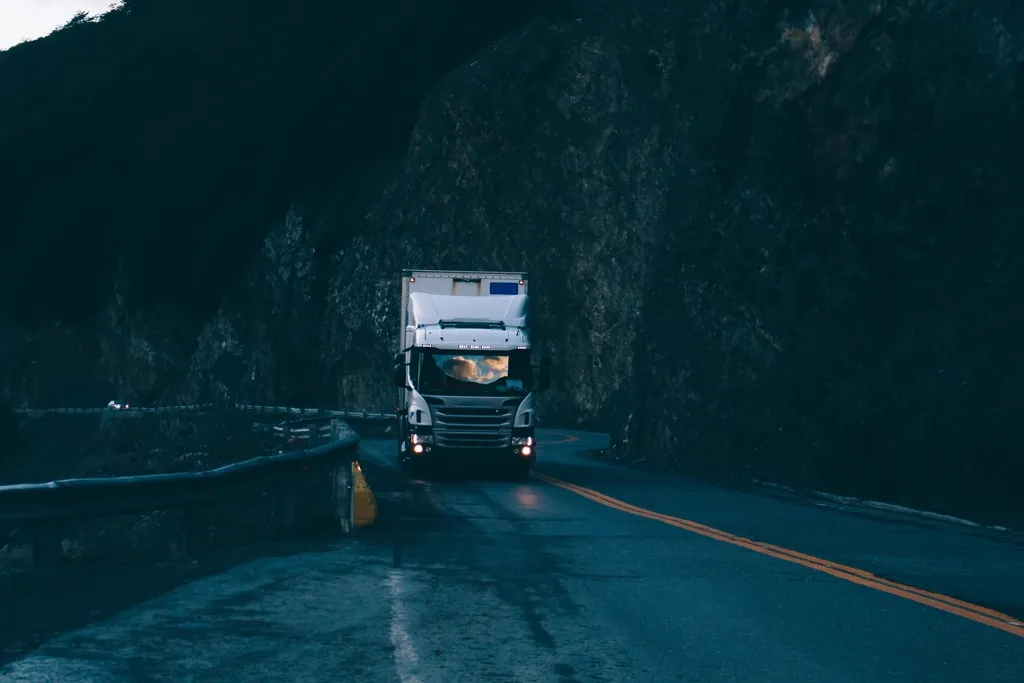
Few technologies survive their own cultural moment and still show up to work decades later. CB radio is one of them. It was never just a gadget – it was a way for strangers moving through the same landscape to share what they knew, warn each other of what was coming, and feel a little less alone on a long, empty stretch of interstate.
The simplicity and immediacy of CB radio make it a valuable tool even now, especially for those on the road. CB radios provided real-time traffic updates, law enforcement warnings, and a social network for drivers, and the technology created a distinct subculture with its own slang and a reputation for independent spirit.
That spirit has proven harder to replace than anyone expected. The smartphones got smarter, the maps got more accurate, and the airwaves got quieter. Yet something about knowing there’s a human voice on the other end of a shared frequency, broadcasting from just a few miles up the road, has never fully lost its appeal. Some habits run deeper than the technology behind them.
AI Disclaimer: This article was created with the assistance of AI tools and reviewed by a human editor.