
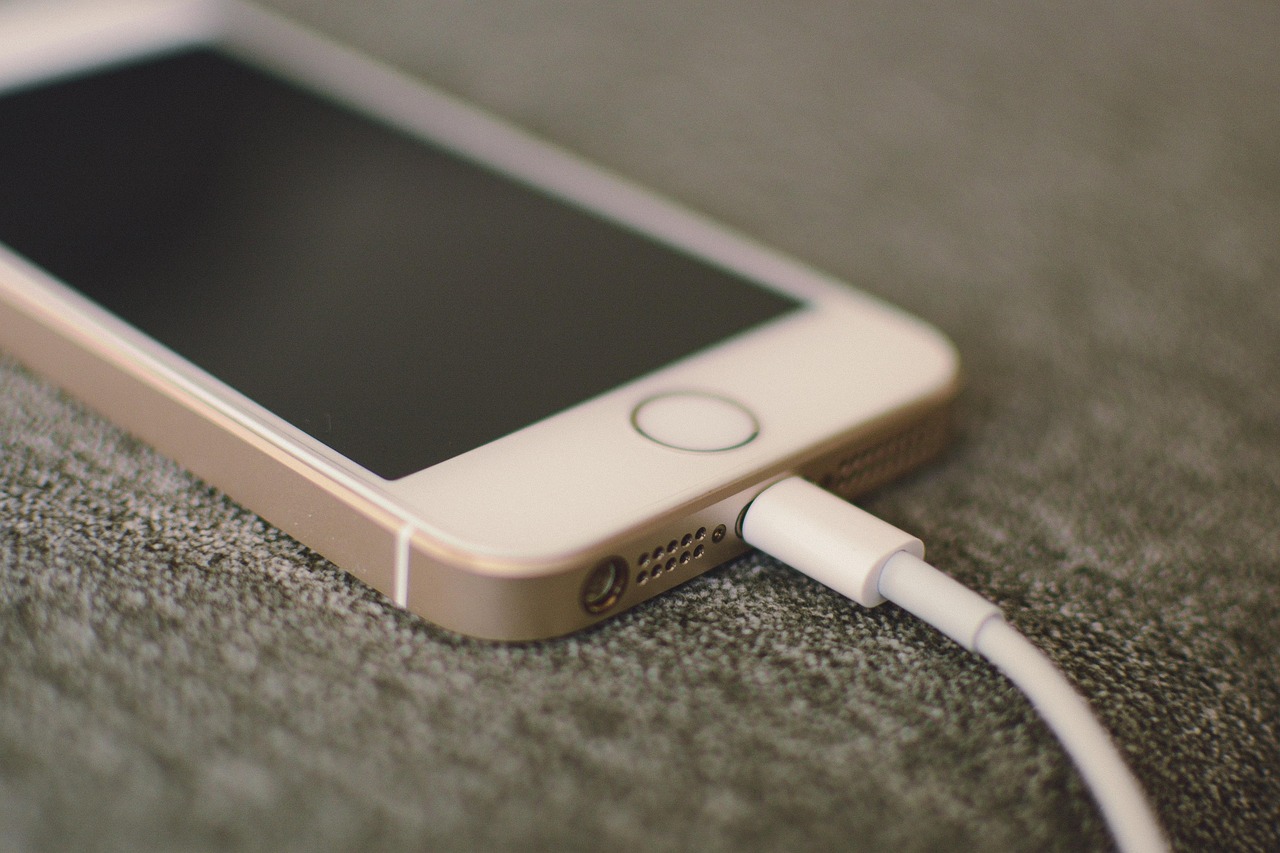

The Single-Cable Trick That Changes Everything
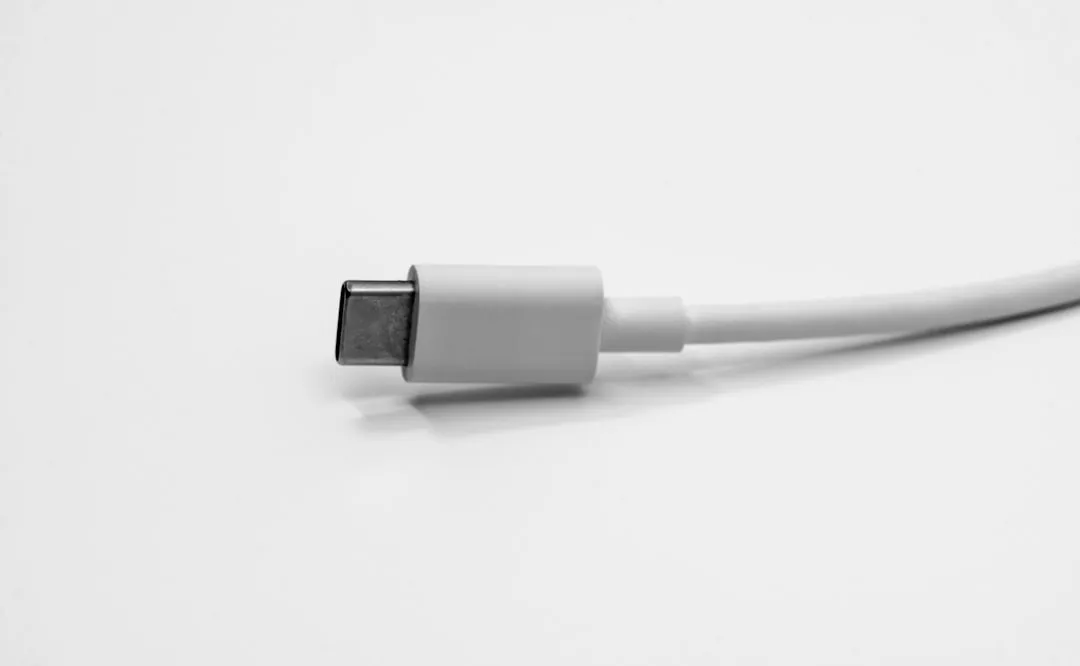
The core trick is deceptively simple: standardize everything around one cable type. If every person in the car uses USB-C cables, you eliminate the chaos of mismatched connectors and half the frustration of “who has a cable for this?” The EU’s USB-C mandate, effective from December 2024, has accelerated this standardization globally, and most devices released in 2024 and beyond now use USB-C as their primary connection.
Over a quarter of 2024 vehicle models already include USB-C ports as standard, which is double the rate seen in 2022. That shift is happening fast. Carrying a small set of identical, high-quality USB-C cables means everyone in the car can share, borrow, and swap without drama.
Why Cable Quality Is Not a Small Detail
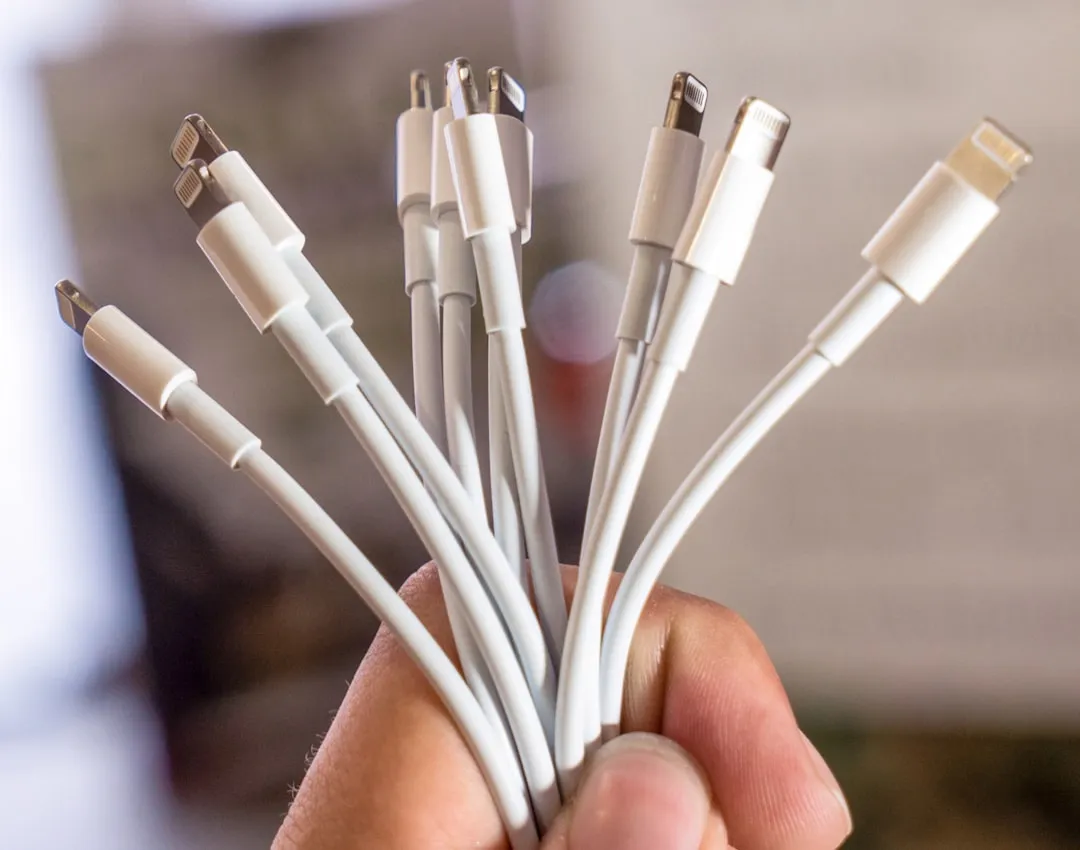
Premium cables with proper certification last five to ten years compared to two to three years for cheap alternatives, making quality cables more economical despite higher upfront costs. Cheap cables don’t just break faster. They can also throttle charging speeds, leaving your phone at 40% after an hour of supposedly being plugged in.
A great cable is defined by its power rating, durable construction like braided nylon, and safety certifications. For road trips specifically, nylon braiding matters more than it might seem. Cables get coiled, stepped on, yanked out of ports at odd angles, and stuffed into bags repeatedly. A well-built cable handles all of that.
Matching Wattage to the Devices You Actually Carry
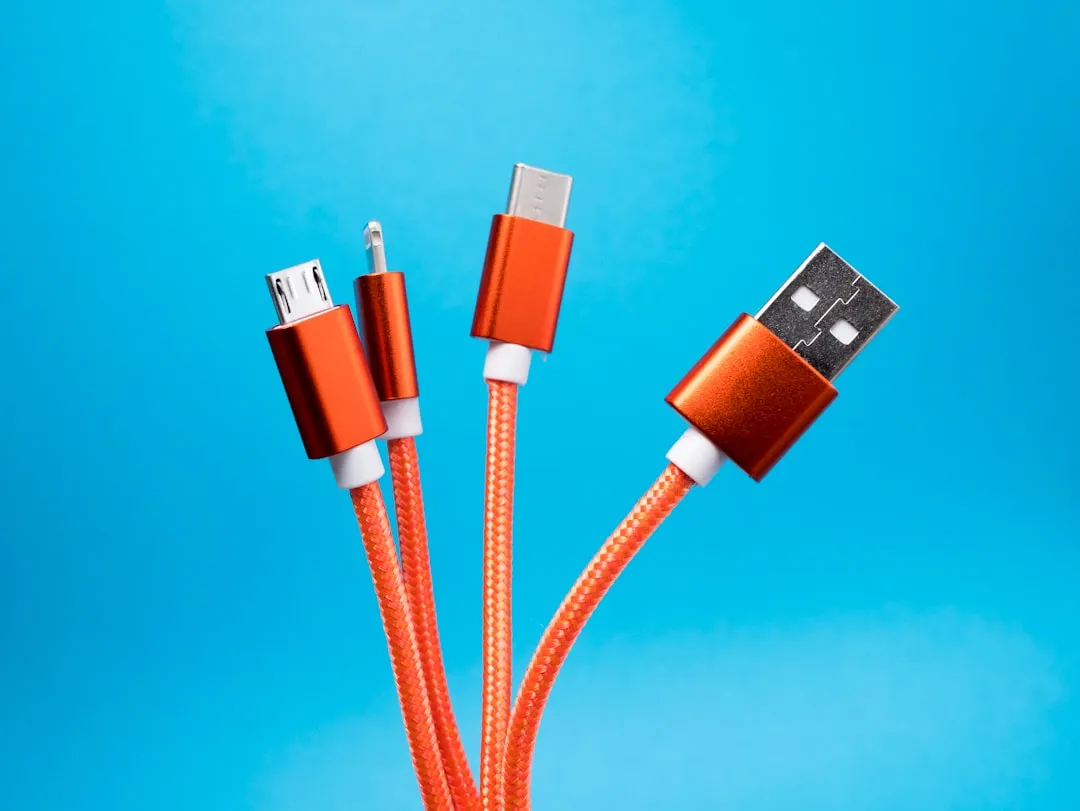
To get the fastest charging speeds, your device, power adapter, and USB-C cable must all support the same charging protocol, like USB Power Delivery. A high-watt charger paired with a low-rated cable is a bottleneck you won’t even notice until your tablet takes four hours to charge instead of two.
If you’re always on the move, a durable braided cable that can withstand being coiled and tossed in a bag is your best bet, and frequent travelers should pair their cable with a reliable fast car charger to stay powered on the road. Knowing your device’s actual wattage ceiling before you buy cables saves money and frustration.
The Multi-Port Car Charger Is Your Road Trip Hub
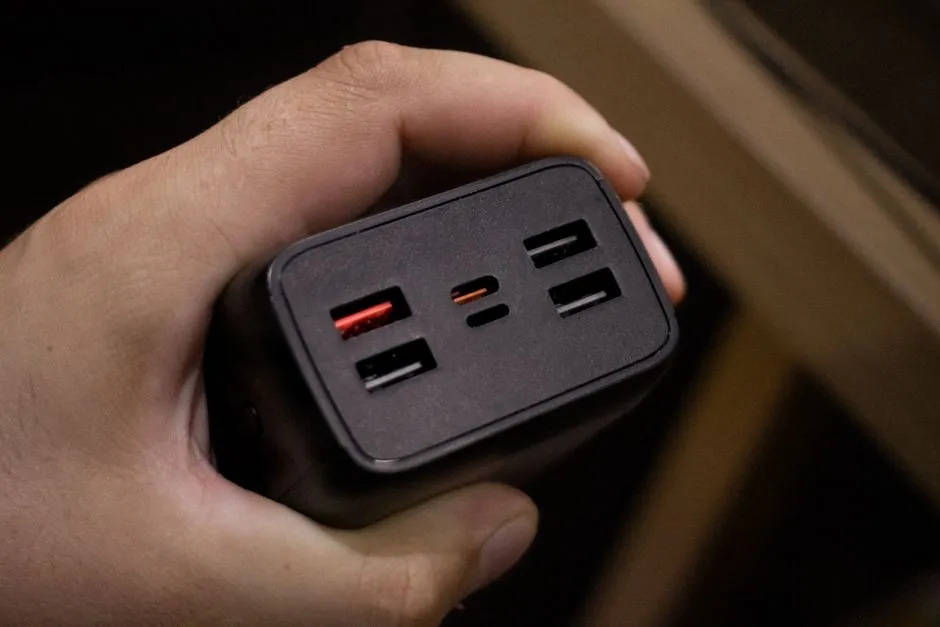
In July 2024, Anker introduced a 167.5W three-port car charger about the size of a key fob, with two USB-C ports and one USB-A port, enabling users to charge multiple devices at once including laptops and smartphones. That kind of compact, high-output charger in your cigarette lighter port is essentially a charging hub for the whole car.
The shift toward fast charging is being driven by larger smartphone batteries, increased device usage during travel, and the need for shorter charging times. A quality multi-port adapter addresses all three. The multi-port USB car charger category is one of the fastest-growing segments in the market, driven by the increasing need for simultaneous charging of multiple devices.
GaN Technology: Smaller Charger, More Power
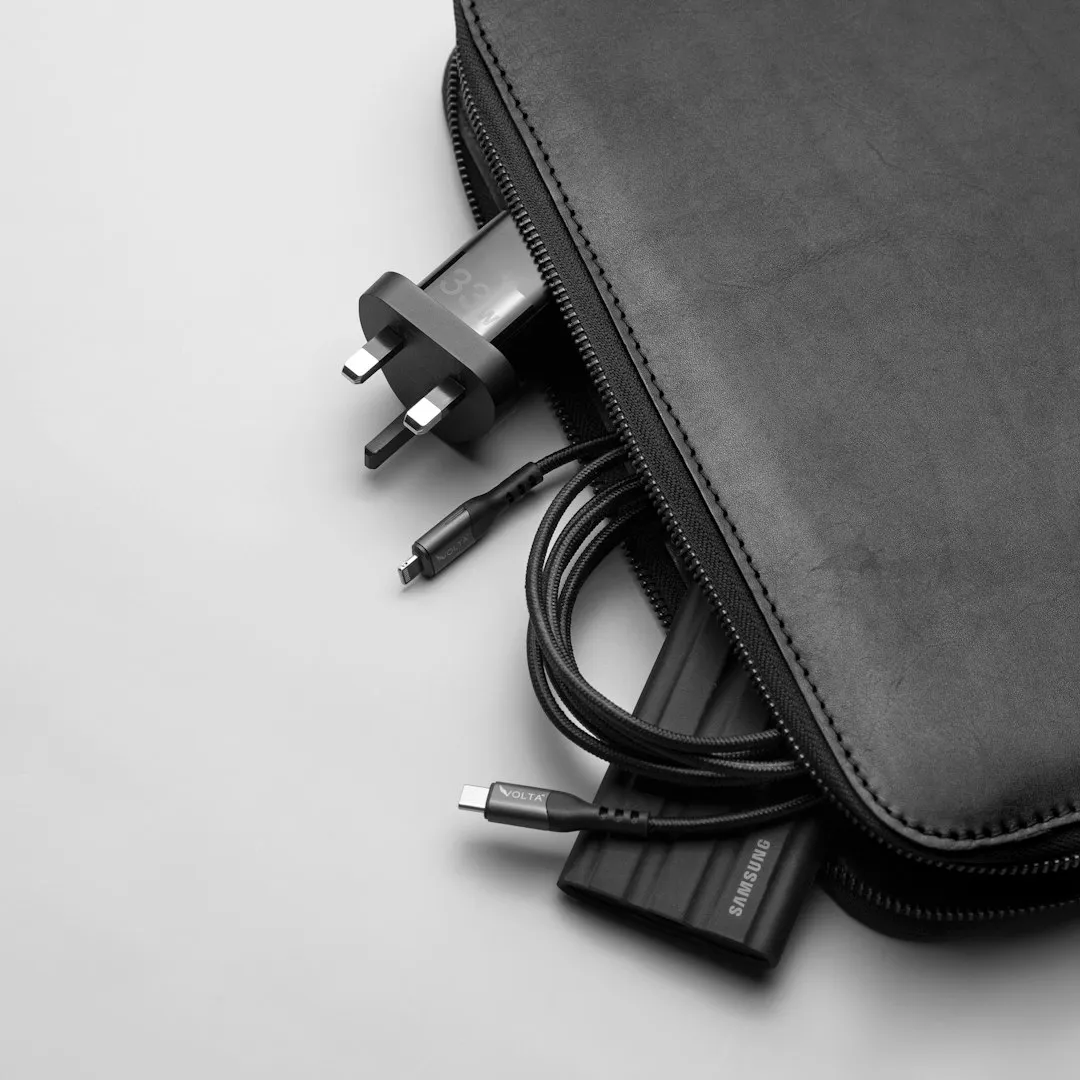
A GaN (Gallium Nitride) charger uses a more efficient semiconductor material than traditional silicon chargers, allowing it to be much smaller and lighter while delivering the same or even more power. For road trips where space in the center console is limited, that compactness is genuinely useful.
GaN chargers typically cost ten to twenty dollars more than silicon equivalents but offer better efficiency, reduced heat stress on device batteries over time, and better portability, and for frequent travelers, the weight and space savings pay for themselves within the first few trips. The heat reduction is worth noting too. Cooler charging means less thermal stress on your phone’s battery over the long run.
Understand How Multi-Port Chargers Share Power
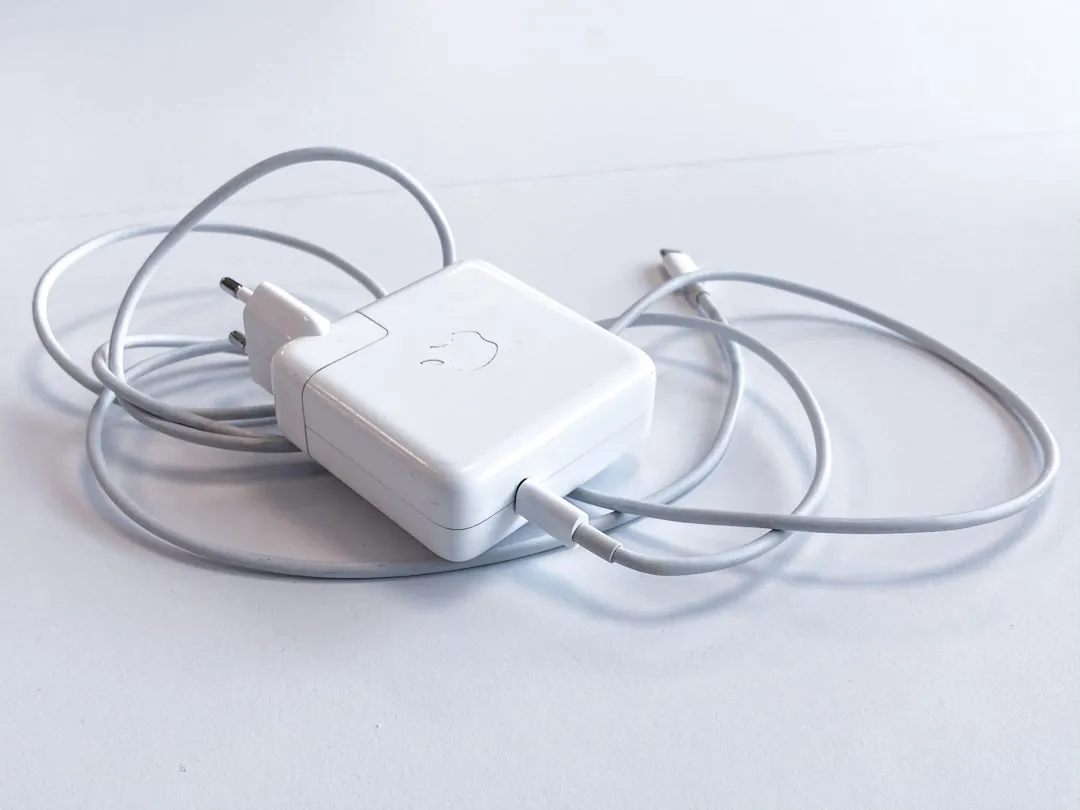
Multi-port models share total output dynamically: plug in two devices and power adjusts automatically, though some budget models cut total output when all ports are active. This is the detail most people miss entirely. You might plug four devices into a “100W” charger and each one gets only a fraction of that wattage.
The total output is shared across all ports, so expect lower wattage to individual devices when all ports are active. The practical fix is to plug in your highest-priority device first. Most multi-port chargers allocate maximum wattage to the first port that receives a connection, scaling back as additional devices are added.
The Power Bank as Your Road Trip Safety Net
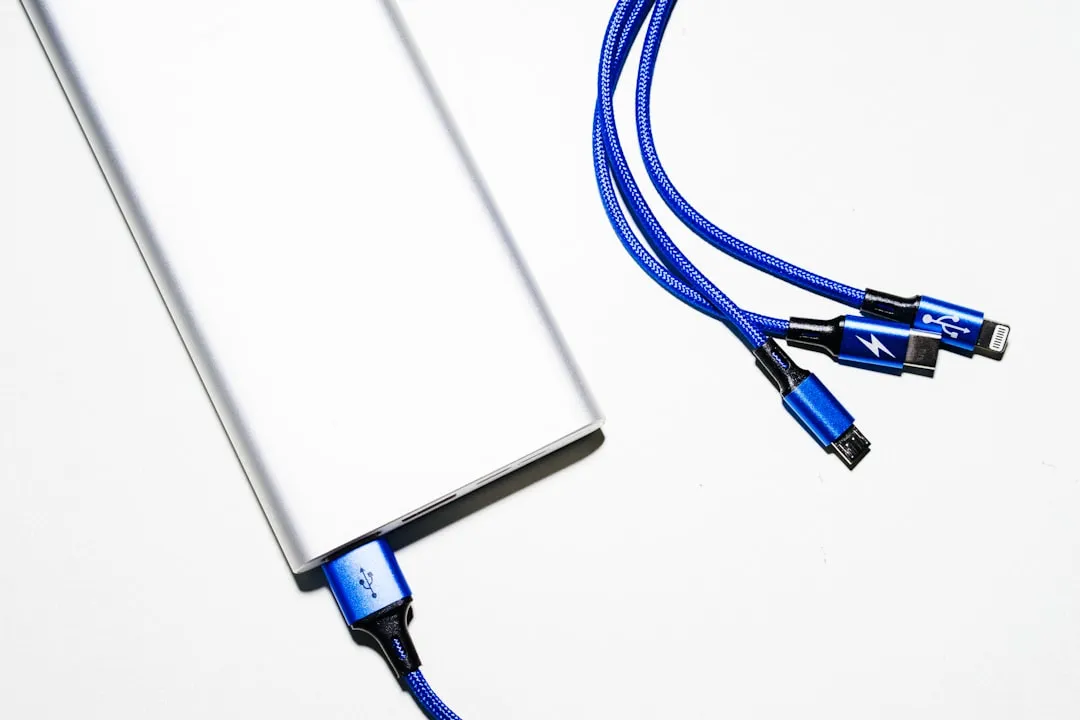
A portable power bank acts as your insurance policy when away from a wall outlet or when car charging simply isn’t enough. On long drives through areas with limited stops, a power bank tucked in the back seat means passengers can charge without competing for the car’s ports.
For a minimalist travel kit, a good setup includes two high-power USB-C cables rated at 100W, one multi-tip or magnetic cable for legacy devices, and one short cable for power banks or cramped charging situations. The short cable for power banks is an underrated pick. It keeps things tidy and reduces the tangled wire problem that plagues every road trip bag.
Cheap Cables Are a False Economy
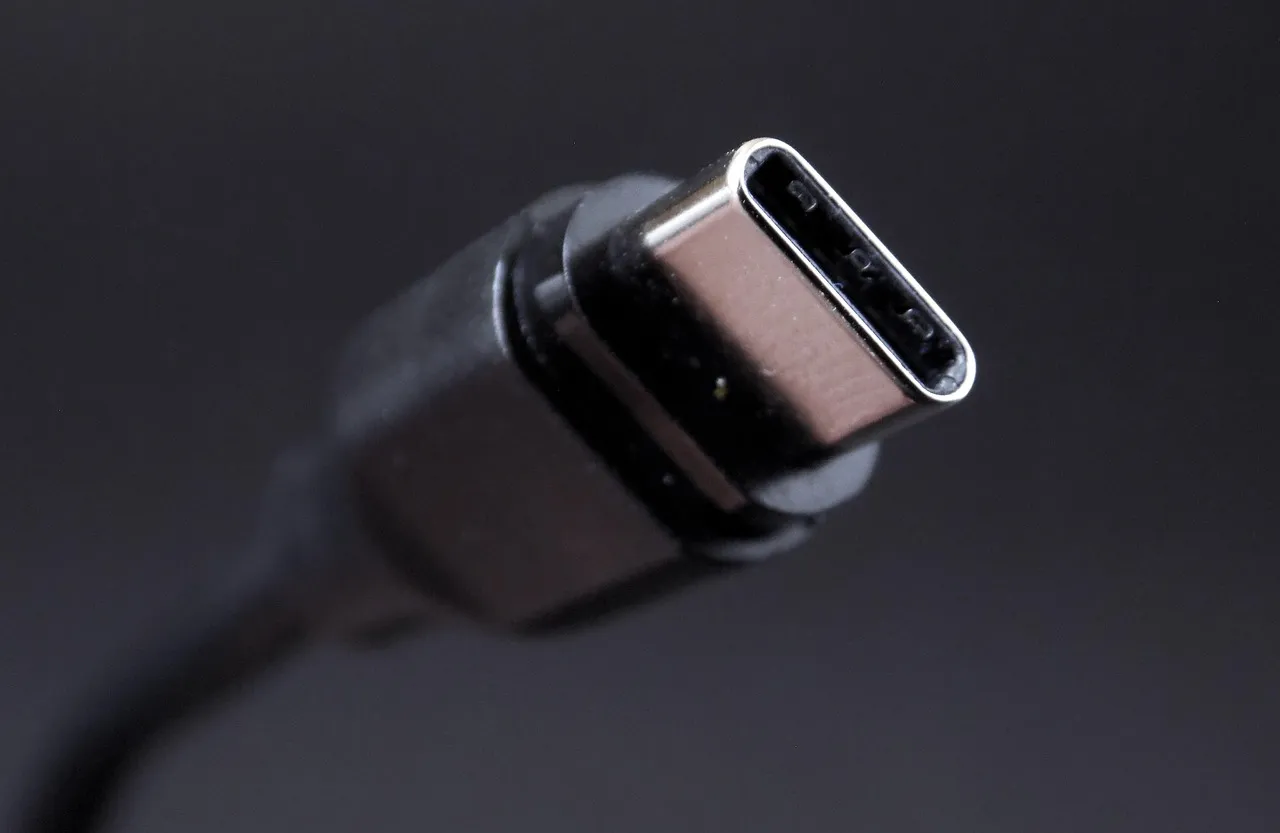
Bargain cables fray fast, and investing in certified ones helps avoid slow charges or fire risks. It sounds dramatic, but underrated components are a fire risk, and stacking multiple cheap adapters between a charger and a power source is a common cause of overheated connections.
The math on quality is straightforward. A certified USB-C cable that costs fifteen dollars and lasts five years is cheaper per trip than a three-dollar cable that frays in six months. It also actually charges your devices at the speed your hardware supports, which the cheap one often won’t.
Cable Length and Organization Make a Bigger Difference Than You’d Think
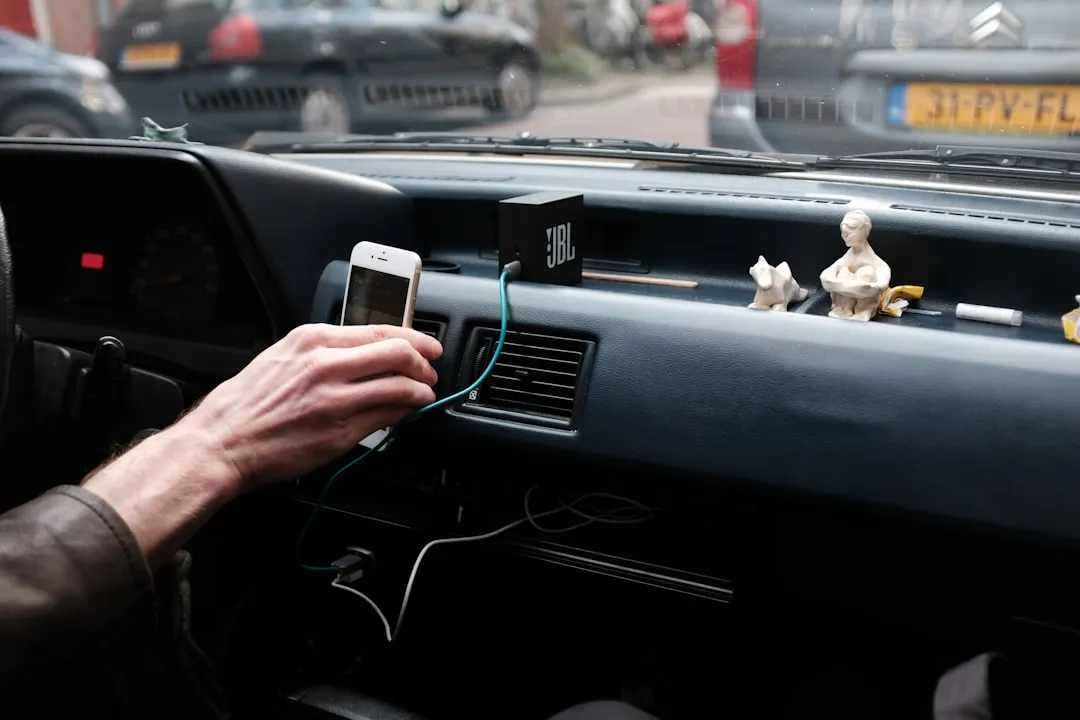
When choosing travel cables, a length of one to one and a half meters is ideal for flexibility without creating clutter, and retractable or magnetic systems help prevent tangling. In a car, a two-meter cable that loops around the seat is more annoying than useful. Shorter cables keep the interior clean and reduce the chance of someone tripping over a wire getting in or out.
Short, durable cables prevent tangles, which matters more on a road trip than almost any other context. Keeping a small cable organizer pouch in the car, with each cable rolled and labeled, takes thirty seconds to set up and saves ten minutes of frustrated searching every single time.
The Wiring Plan: Assign Ports Before You Leave

One overlooked trick that genuinely works is assigning ports before the trip starts. Decide which port goes to the driver’s phone (usually the highest-priority device for navigation), which goes to the co-pilot, and which one is shared for the back seat via a power bank or secondary charger. Doing this in the driveway means nobody is fumbling with cables at 75 miles per hour.
As consumers increasingly rely on electronic gadgets for navigation, entertainment, and communication during travel, the demand for reliable in-car charging solutions has surged. Planning your in-car power setup with the same care you give to the route itself is the mindset shift that makes road trips significantly less stressful. The integration of USB-C technology in automotive environments is becoming a standard, propelled by consumer expectations for seamless device compatibility and fast charging capabilities.
The Takeaway
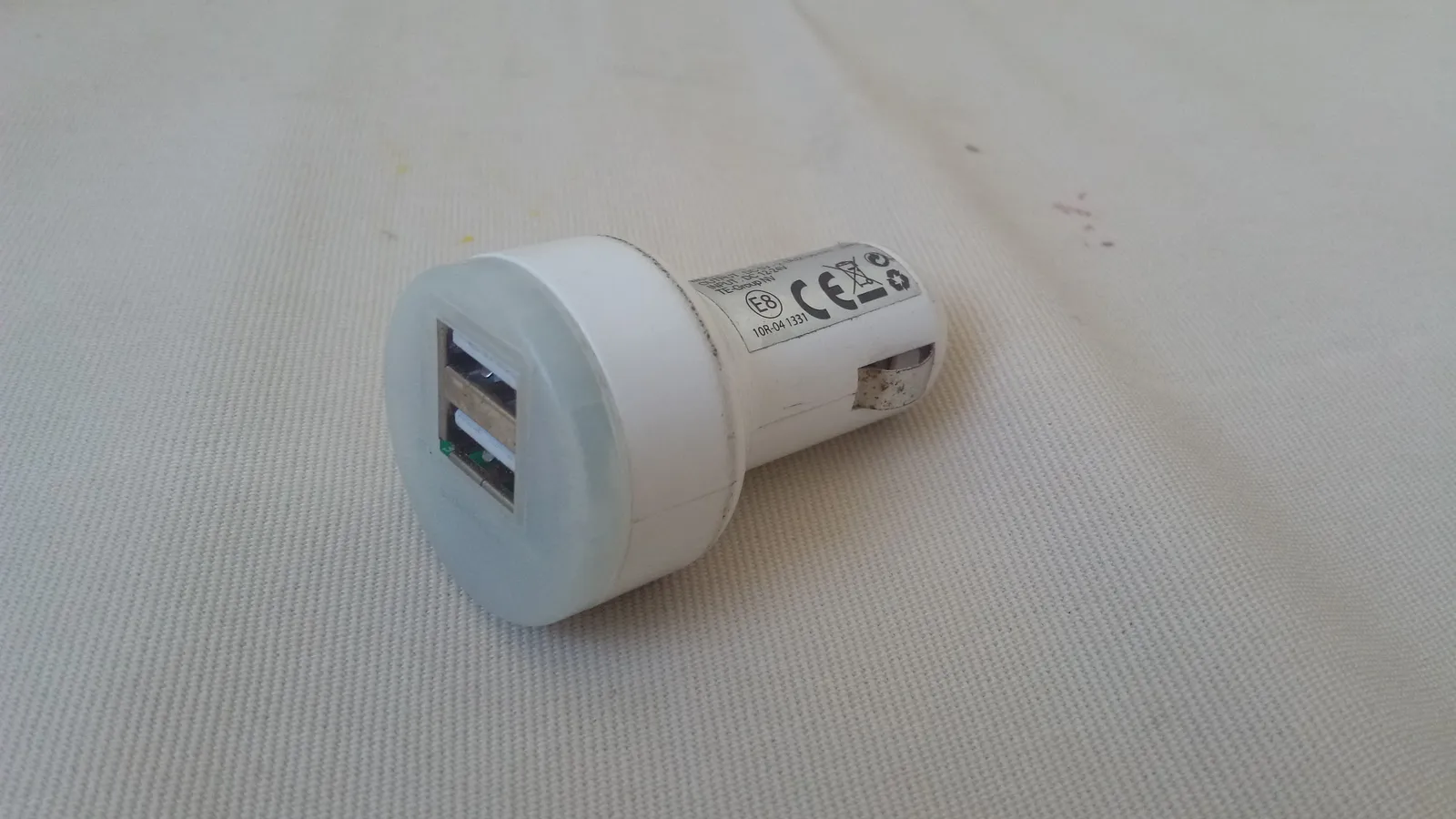
Keeping every device powered on a road trip isn’t about buying the most expensive gear. It’s about buying the right gear, understanding how power is shared between devices, and making a few small decisions before you back out of the driveway. One high-quality USB-C multi-port car charger, a matched set of certified cables, and a power bank for the back seat will handle almost any road trip scenario you throw at them.
The “trick” is really just preparation. Standardize your cables, understand your wattage, and stop relying on whatever fraying cable has been rattling around in the glovebox since 2021. Your devices will stay alive, your passengers will stay happy, and you can spend the drive actually enjoying the road instead of managing a power crisis at every rest stop.
AI Disclaimer: This article was created with the assistance of AI tools and reviewed by a human editor.