
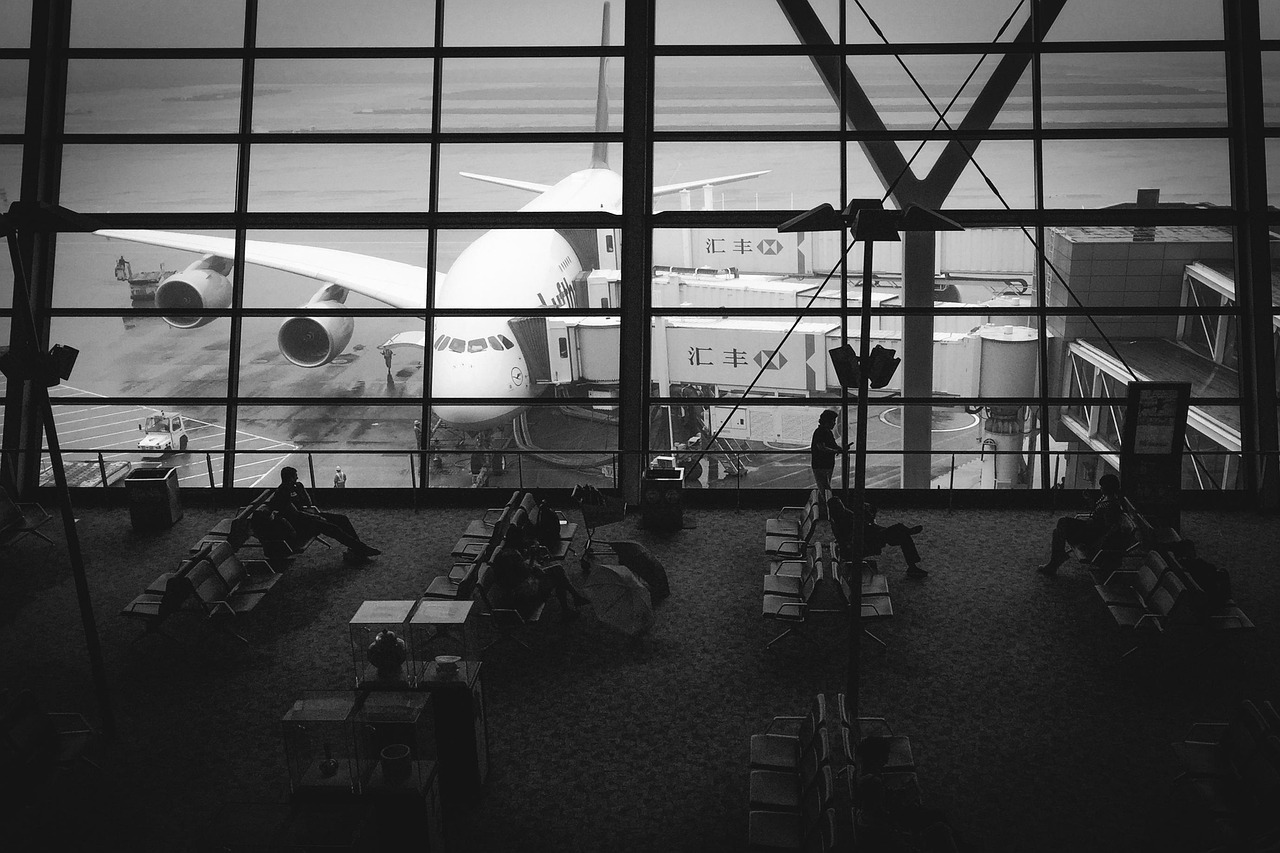
The Domestic Fee vs. the International Fare: A Different World
Long-haul international flights are largely unaffected by the domestic fee surge. Economy passengers to Europe, Asia, and South America still get at least one free checked bag on many major carriers. This creates a situation where a flight from New York to London can actually cost you less at the bag counter than a short hop from New York to Chicago.
More than a decade ago, many transatlantic carriers allowed passengers to check two bags for free on international flights. After years of financial turbulence in the airline industry, most airlines implemented more complicated baggage policies – but many still permit one free checked bag in economy.
Why the Fee Vanishes on Long-Haul Routes
The reasons are partly competitive and partly historical. Full-service international carriers, especially those based in the Gulf region and Asia, have long included checked baggage as a standard part of their fare. Most international full-service carriers include at least one free checked bag on international flights, including Emirates, Qatar Airways, Singapore Airlines, and Turkish Airlines.
US carriers flying those same routes have to remain competitive with these foreign airlines, which creates a kind of invisible market pressure. Charging a premium bag fee on a transatlantic route when your competitor includes it for free is a difficult sell to travelers who are already comparison shopping.
American Airlines: Free Bags for Main Cabin, Not Basic Economy
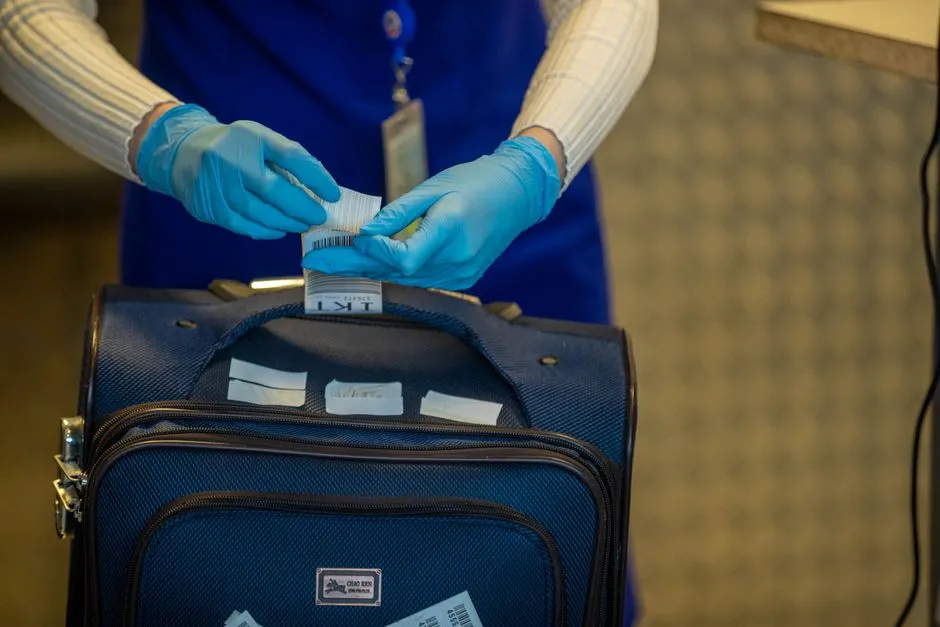
Basic Economy to Europe now costs $75 to $85 for the first bag. The key detail, though, is that Main Cabin and above on transatlantic and transpacific routes still get a free first checked bag. That single fare-class distinction is one of the most important things to understand before booking.
For travel to and from Asia, India, and Qatar, the free checked bag even extends to Basic Economy for tickets issued on or after April 23, 2026. This is a meaningful carve-out, and it changes the calculus entirely for travelers heading to those destinations. Checking the airline’s current policy by route and fare class before booking remains the safest approach.
United Airlines and the Transatlantic Exception
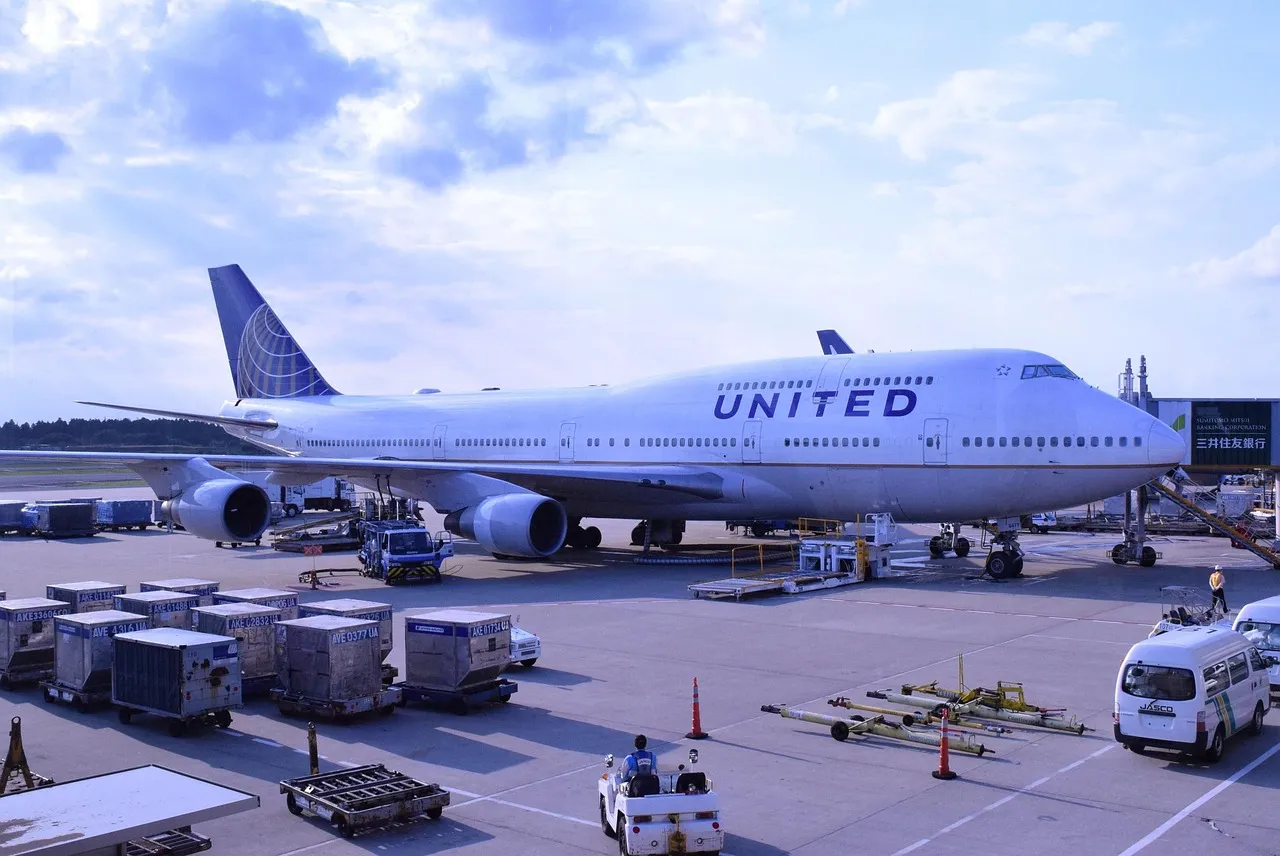
United moved first among the Big Three US carriers, raising domestic fees on April 3, 2026. The prepaid online rate for the first domestic bag is now $45, with a second bag at $55. Those numbers sting on a short domestic trip. International travel, however, plays by different rules.
Basic Economy to Europe costs $75 to $85 for the first bag, but Main Cabin and above on transatlantic and transpacific routes still get a free first checked bag. Travelers on transatlantic, transpacific, Canada-bound, or South America-bound Basic Economy flights still receive the full carry-on allowance, making even budget fares a bit more livable on long international routes.
Elite Status and Co-Branded Cards: The Consistent Workaround
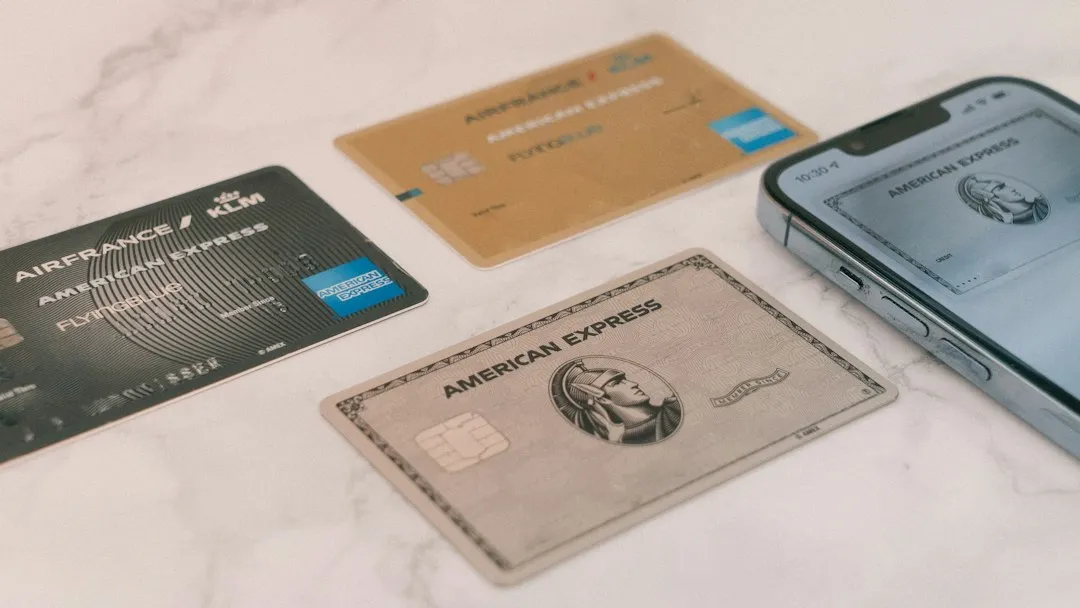
The vast majority of elite status tiers, even the lowest ones, allow you to check a bag for free. The exact waiver depends on the airline and can vary as you climb the status ladder. For frequent flyers, this rarely requires much thought. For everyone else, the co-branded credit card is often the more practical route.
The United Explorer Card from Chase gives you and one companion a free first bag each way, worth up to $400 per year if you fly four round trips. United Chase credit card holders, MileagePlus Premier members, active military members, and customers traveling in premium cabins can still check a bag for free. These exemptions apply across domestic and international routes alike.
The Gulf Carriers Set a Different Standard
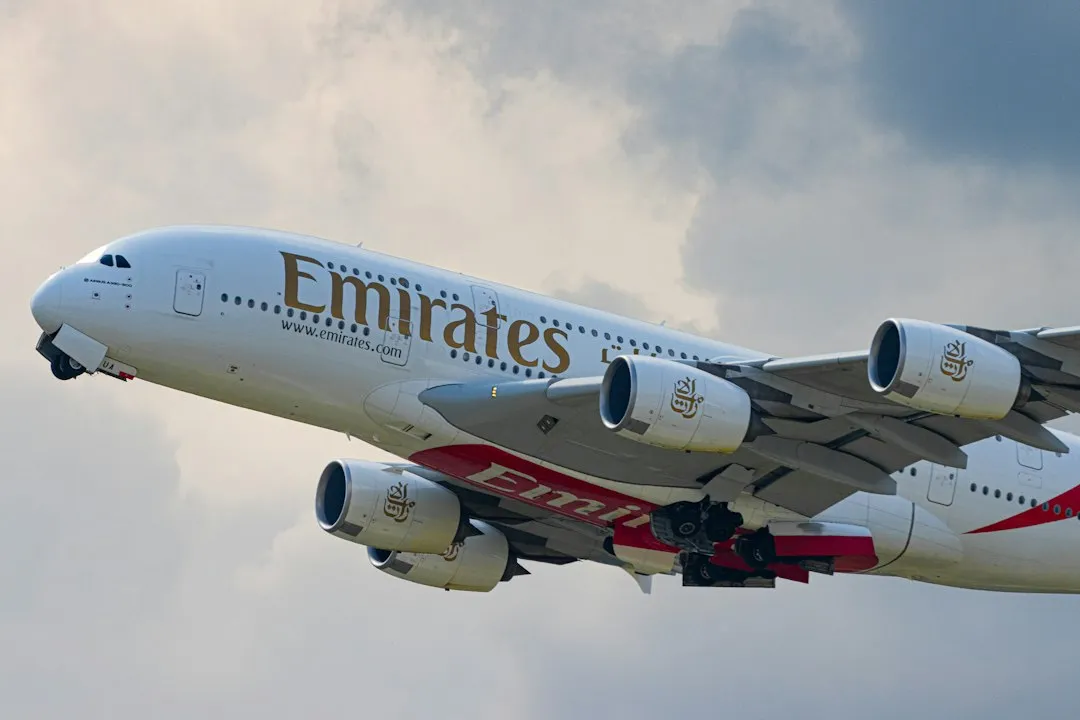
Emirates has positioned itself as a leader in baggage allowances, offering three free checked bags on a majority of its routes originating from Dubai. That kind of generosity is rare in the current airline landscape, and it reflects a genuinely different commercial philosophy. This policy is a notable departure from the trend toward tighter restrictions by other airlines.
Qatar Airways maintains its policy of two free checked bags on flights to over 160 destinations across all ticket classes. Travelers comparing fares between a US carrier and Qatar Airways on a long-haul route should factor the bag allowance into the true cost of each ticket. The headline airfare rarely tells the whole story.
African and Asian Full-Service Carriers Worth Knowing
Ethiopian Airlines offers economy passengers two bags of 23 kilograms each. Kenya Airways provides economy passengers two bags of 23 kilograms each on most international routes. These carriers serve routes that many travelers may not immediately associate with generous baggage policies, but they’re genuinely competitive in this regard.
Singapore Airlines uses a weight-based concept on most routes, allowing economy passengers between 25 and 30 kilograms of checked baggage. On US and Canada routes, the airline switches to a piece-based system, allowing two bags. Several airlines around the world still include checked baggage with every ticket, even if you’re flying economy with no status whatsoever.
Southwest’s Free Bag Era Is Officially Over
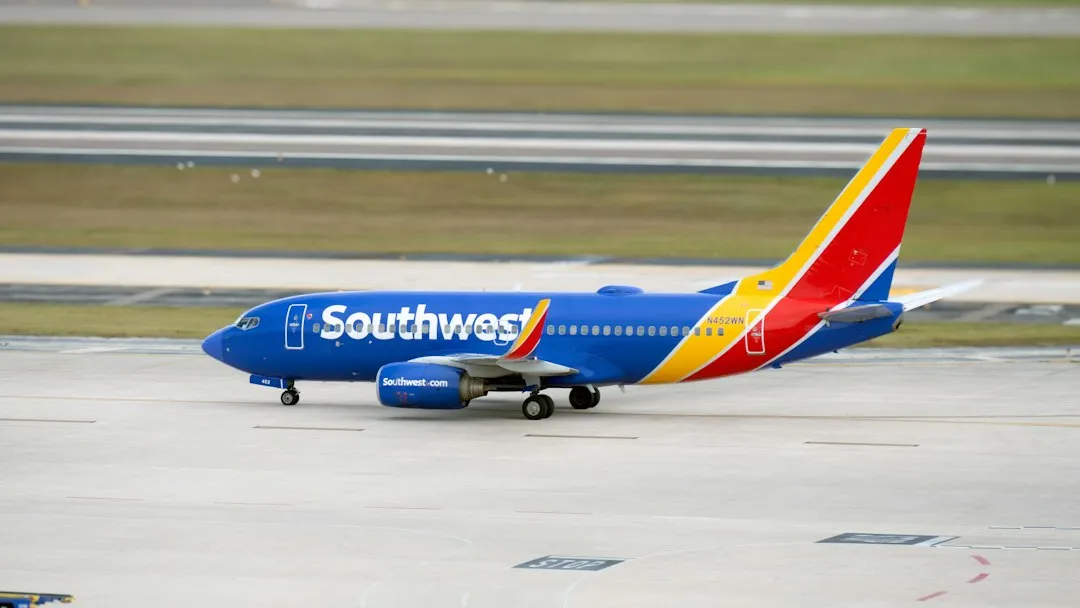
For years, Southwest Airlines was the last major US carrier holding out, allowing every passenger to check two bags at no extra charge. When that policy disappeared in 2025, it marked the end of an era for American travelers. Beginning with flights booked on or after May 28, 2025, Southwest ended its long-standing policy. The airline now charges $35 for the first checked bag and $45 for the second.
As of 2026, no major US carrier offers free checked bags on all fares. That makes it all the more important to understand the nuances, specifically that many of these same carriers still waive fees on certain international routes or for certain fare classes. The domestic and international experiences have genuinely diverged.
How Bag Fees Have Grown Into a Revenue Pillar
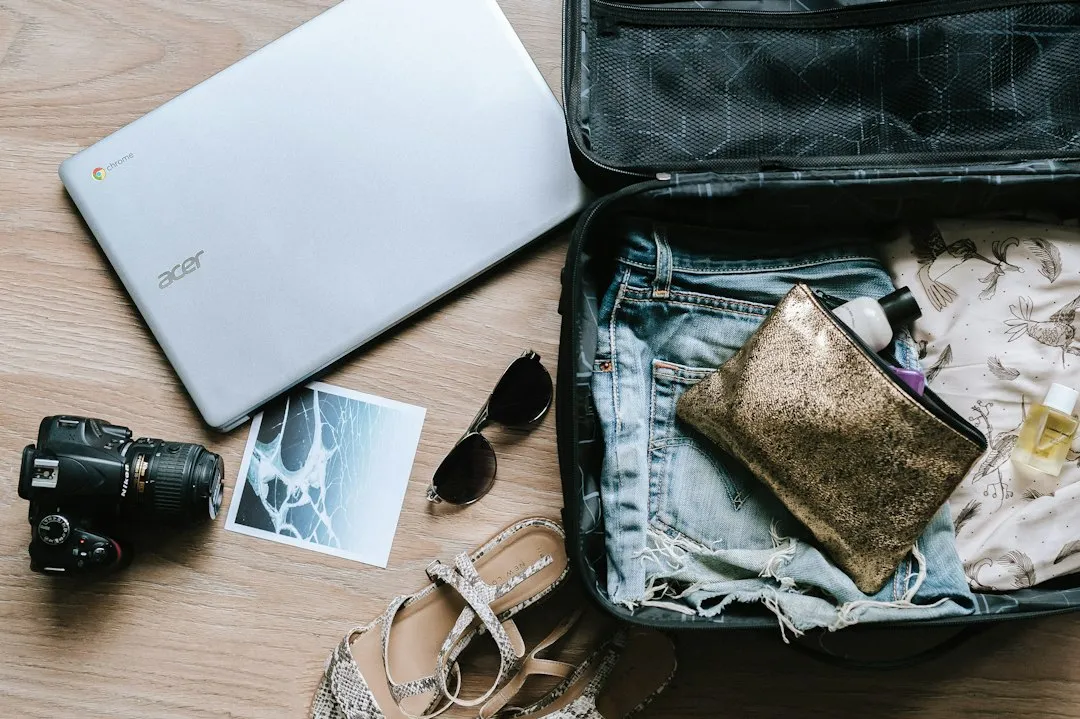
Bag fees have become a dependable source of revenue for airlines since American introduced them in 2008, when jet fuel prices were surging. In 2022, US airlines took in $6.8 billion in checked-bag fees, led by American at $1.4 billion and United at $1.1 billion. These aren’t incidental charges anymore. They’re built into the financial architecture of modern aviation.
Over the first nine months of 2023, domestic airlines charged nearly $5.5 billion in baggage fees, according to Bureau of Transportation data. The structure of international baggage policies, where fees are often lower or absent, reflects a different competitive environment rather than any particular generosity on the airlines’ part.
What’s Coming: EU Rules That Could Reshape the Landscape
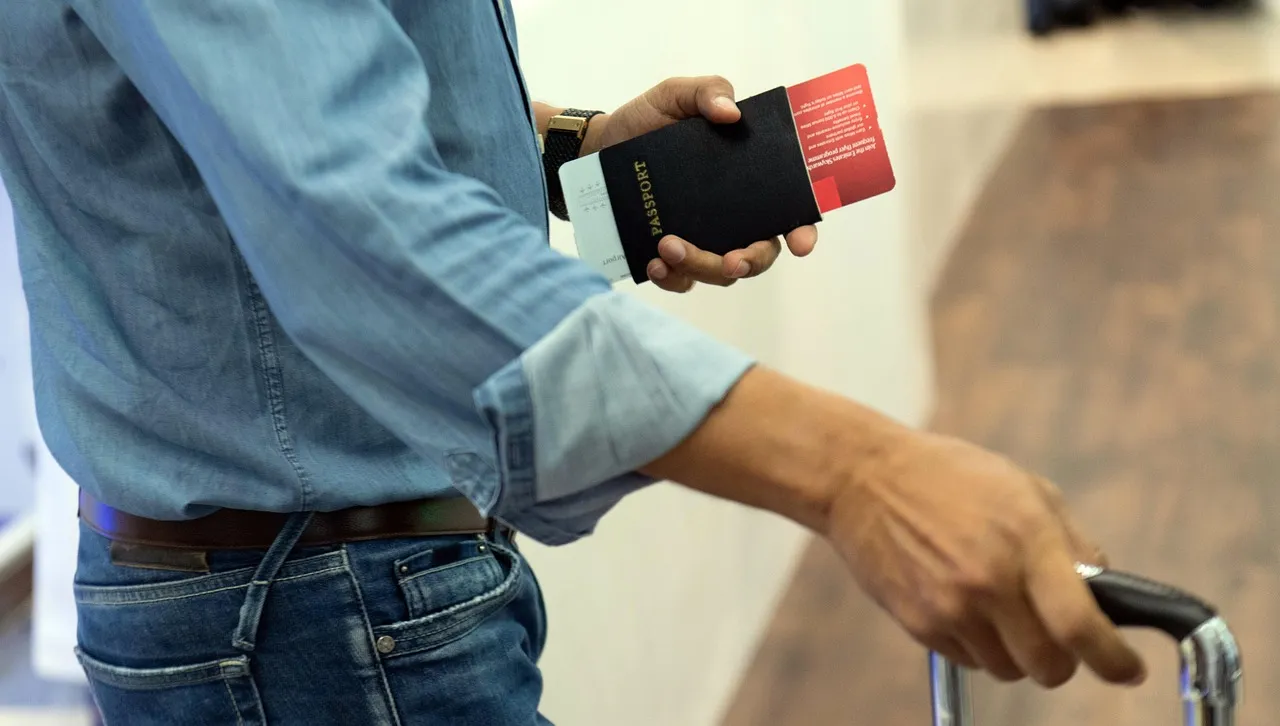
Transatlantic travelers flying into or out of the EU will benefit from new rules on those routes starting in 2027. Every airline operating flights to or from an EU airport will be required to include a small personal item and a wheeled carry-on bag of up to 7 kilograms in every base fare. That’s a carry-on guarantee, not a checked bag one, but it signals real regulatory momentum.
The new legislation is expected to take effect in 2027, after formal adoption by both the European Parliament and EU Council. For now, the best path is knowing your airline, your fare class, and your route. Before booking, visiting the airline’s website to review their latest baggage policies and fees ensures you’re prepared and can avoid unexpected costs at the airport.
The Takeaway for Travelers
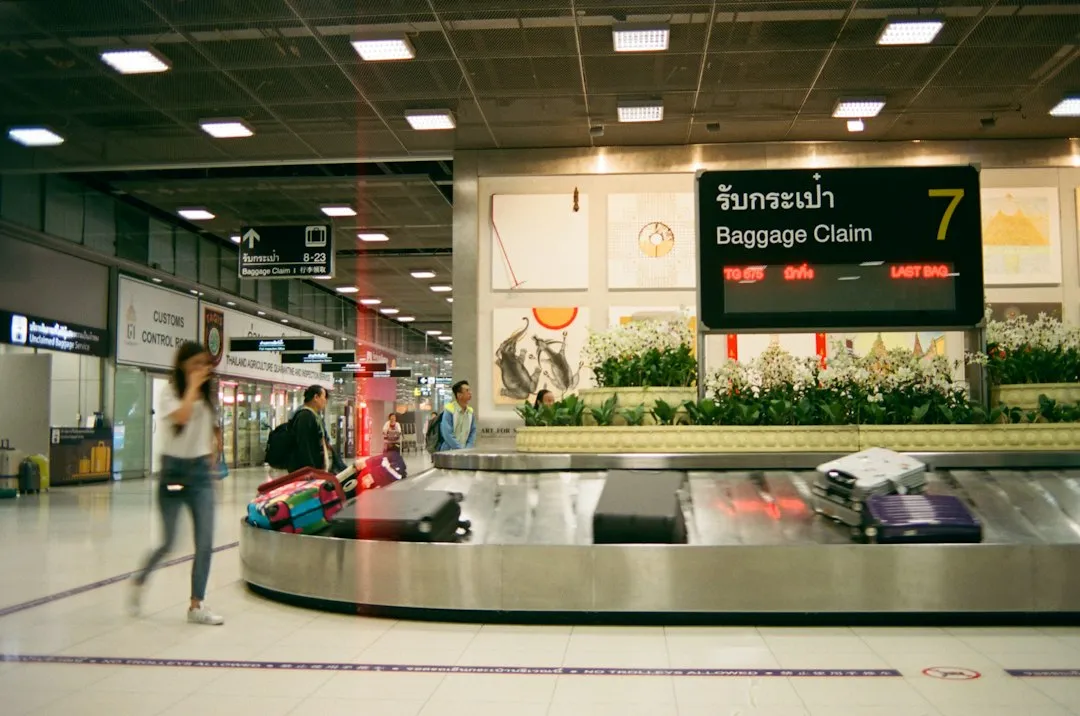
The checked bag fee is not the fixed, unavoidable cost that many travelers assume it is. On the right route, with the right fare class or the right credit card, it simply doesn’t exist. The domestic fee environment has tightened considerably in 2025 and 2026, but long-haul international travel still offers meaningful exceptions that reward travelers who read the fine print.
Before your next overseas trip, spend five minutes on the airline’s baggage policy page rather than assuming the worst. You may find that one of the most annoying fees in modern travel has already been quietly waived for your specific journey. That’s a detail worth knowing before you reach the check-in counter with an overpacked suitcase and an open wallet.
AI Disclaimer: This article was created with the assistance of AI tools and reviewed by a human editor.