
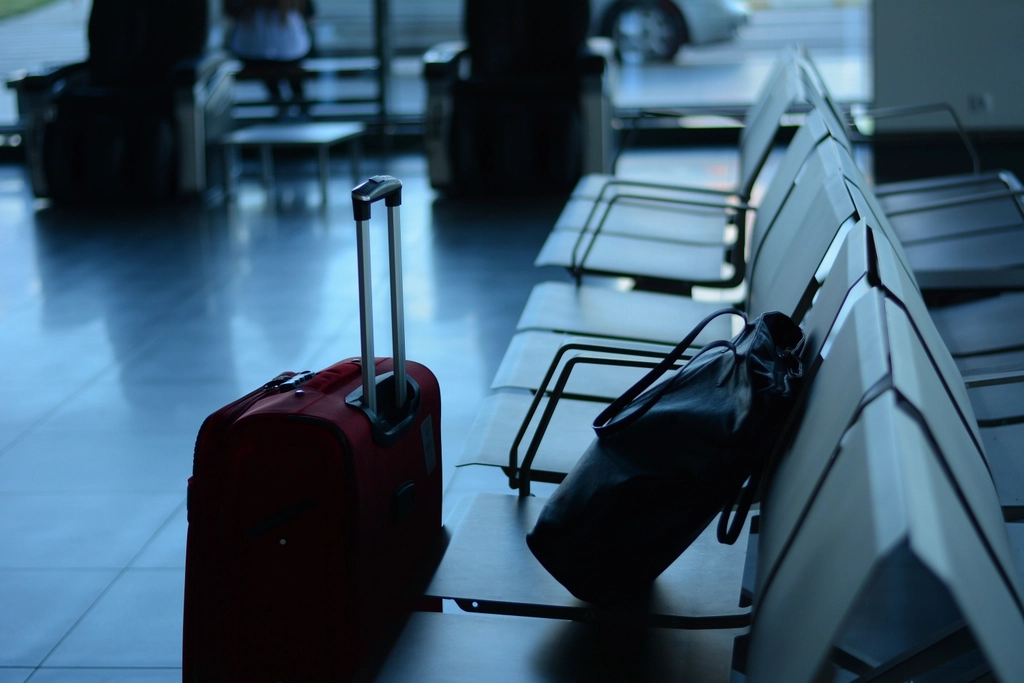

Every travel season, the same scene plays out at airports worldwide: the baggage carousel slows, the crowd thins, and a handful of travelers are left standing there – staring at nothing. Lost or delayed luggage is one of the most frustrating parts of flying, and what’s striking is how often it traces back to mistakes made before the bag even leaves the counter.
The scale is significant. In 2025, over 2.4 million air travelers had checked bags that were lost, delayed, or damaged on domestic flights in the U.S. alone, according to the Bureau of Transportation Statistics. Understanding what actually causes these problems – and what travelers themselves do wrong – can make a real difference the next time you hand over your suitcase.
Keeping Old Baggage Tags on Your Bag
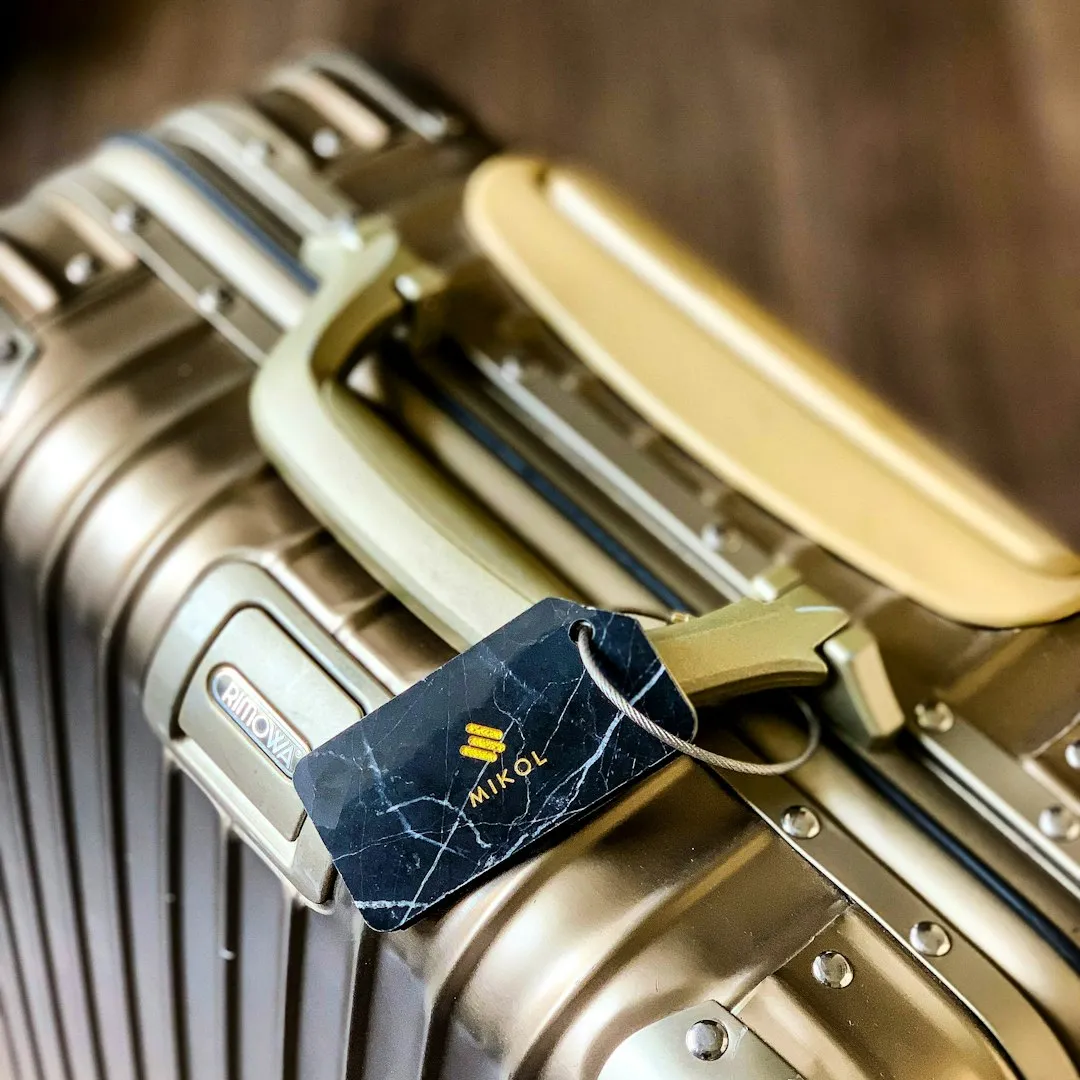
This is arguably the single most common traveler-driven mistake, and it’s easy to overlook. Baggage tags and stubbies (the smaller adhesive stickers) contain information about a specific journey. Having more than one on a bag moving through the handling system could be problematic – if the wrong tag or stubbie is scanned, your bag could end up at the wrong destination, or worse, lost altogether.
According to SITA, four percent of mishandled bags are due to errors with tagging. That’s not a huge number, but it takes only a minute to remove all previous bag tags – and don’t forget about the stubbie, which is smaller and easier to miss.
Checking In Too Close to Departure

Arriving late to the airport doesn’t just stress you out – it actively puts your bag at risk. One common issue is late check-ins. When passengers arrive at the airport just before boarding, their luggage may not have enough time to pass through the necessary handling processes and get onto the plane.
Your bag needs time to make its way through security and onto the plane, just like you do. Every airline lists the latest cutoff time for checking a bag, which is often about 45 to 60 minutes before takeoff. During peak travel times, it’s wise to allow even more than that. Otherwise, your bag might not make it on the plane before takeoff.
Not Verifying the Destination Tag at the Counter
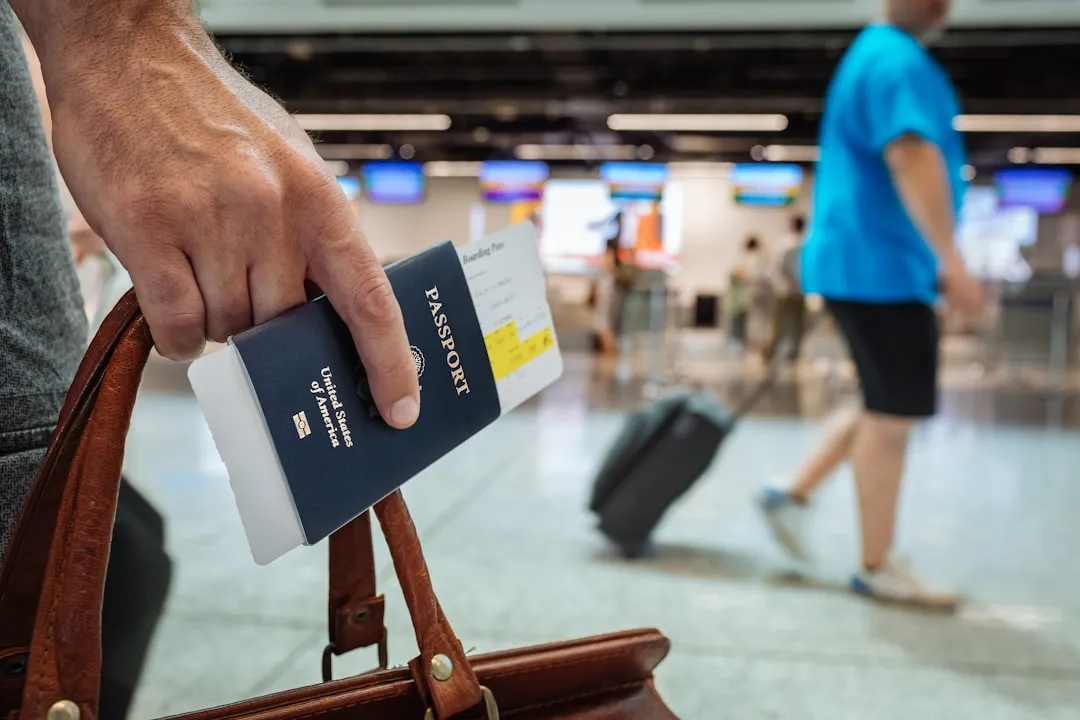
Most travelers hand over their bag and walk away without a second look at the tag. That’s a mistake. The simplest reason a bag goes astray is that the check-in agent accidentally inputs the wrong destination code. You may be going to Dallas Fort Worth International Airport, but if the agent types in the wrong code, your bag will arrive at Detroit instead. Or maybe you’re going to San Juan, Puerto Rico, but the agent misroutes your luggage to an airport in Costa Rica.
If a gate agent hands you the claim tag but says they’ll affix it to your bag later, politely say you want to see your bag get tagged. Whenever possible, use self-tagging at a kiosk that allows you to print your own bag tags. Though human error is less likely there, you should still double-check even when self-tagging and confirm the correct destination.
Booking Tight Connections on Itineraries with Checked Bags
Your body can sprint through a terminal in a tight connection. Your bag cannot. According to SITA’s 2026 Baggage IT Insights report, which analyzed data from about 500 airlines and 2,800 airports, tight transfers were the leading cause of lost and misplaced luggage worldwide in 2025, accounting for 39 percent of all lost and mishandled bags. No other single factor even comes close.
Mishandling during transfer is one of the primary reasons luggage is delayed or lost. This can occur when handlers do not have adequate time to transfer bags between flights. The likelihood of mishandling increases the more baggage is transferred, making trips with multiple stops especially vulnerable. Booking a nonstop flight when you’re checking bags is one of the simplest risk-reduction strategies available.
Flying International Routes Without Extra Caution

Traveling internationally multiplies the risk considerably, and many passengers don’t realize just how large the gap is. According to SITA, international routes are five times more likely to lose luggage than domestic flights. The reasons are structural: more handlers, more systems, tighter connection windows, and customs processing all create additional failure points.
According to SITA, only 2.4 out of every 1,000 bags are mishandled domestically, while 6.9 of every 1,000 in 2023 were mishandled internationally, with Europe being the worst offender at a rate of 10.6 of every 1,000 bags. Europe remains the global outlier, with a much higher mishandling rate of 12.3 per 1,000 passengers.
Packing Valuables and Medications in Checked Bags

Even if your bag is eventually returned, the delay can cause genuine harm if the wrong things were inside it. It is advisable to bring necessities or high-value items, such as medications, laptops, or jewelry, on your person or packed in your hand luggage rather than your checked bags. This way, you always know where they are.
The financial exposure on lost checked bags has limits most travelers don’t know about. Under Department of Transportation regulations, airlines are liable for up to $4,000 per passenger for lost, delayed, or damaged baggage on domestic itineraries – a figure raised in mid-2024. For most international journeys, the Montreal Convention caps airline liability at approximately $1,700 as of 2025. Irreplaceable items won’t be covered at fair value, full stop.
Ignoring the Inside Label
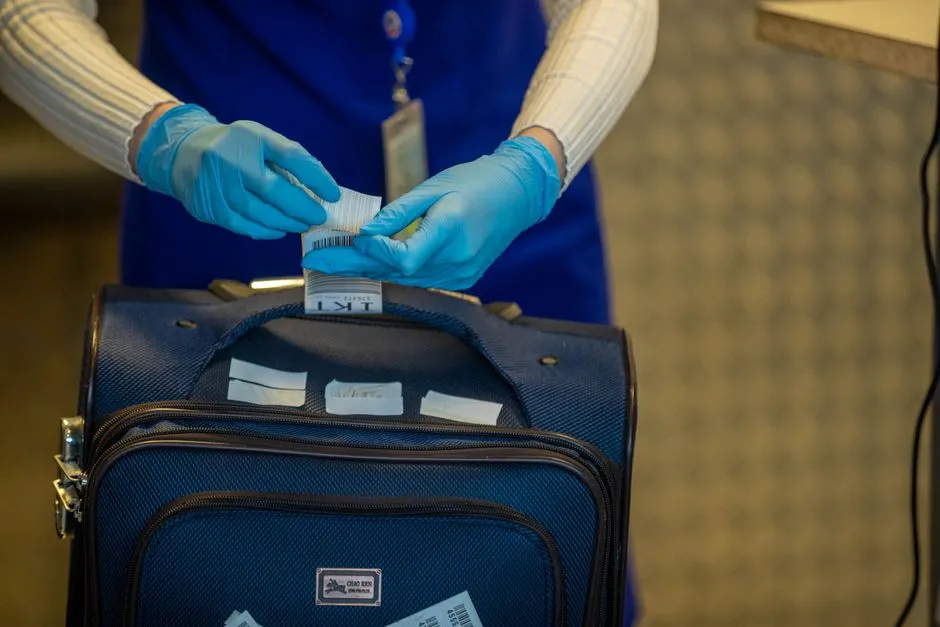
Most travelers place one tag on the outside of their bag and consider it done. The problem is that external tags tear off, fade, or get caught in conveyor machinery all the time. Human error and system overload during peak travel seasons account for the majority of delays, and when a bag never shows up after several weeks, the cause is almost always a ripped-off external tag or an outdated internal ID.
Experts at SITA told AFAR magazine that travelers should attach a written baggage tag with their name and contact information on both the outside and inside of their luggage. Most travelers simply place a tag on the outside, but it’s a good idea to have your information inside the bag too, in case the tag falls off. A folded card tucked into an interior pocket takes ten seconds and has reunited countless bags with their owners.
Traveling with a Generic-Looking Black Bag

It seems minor, but the color and appearance of your luggage plays a real role in mishandling incidents. Most travelers default to darker colors like black or navy when purchasing luggage, due to their ability to conceal scuffs and scratches. However, these colors are common and can easily be mistaken for someone else’s. One of the most effective tips is opting for light-colored suitcases such as white, beige, or light pink – these colors make your luggage stand out, reducing the risk of another traveler accidentally taking it.
Passenger mistakes, like accidentally picking up the wrong bag, can also lead to mishaps – especially since many suitcases look very similar. A bright luggage strap, a distinctive tag, or even a strip of colored tape costs almost nothing and makes your bag instantly identifiable on a crowded carousel.
Not Using a Tracking Device

Travelers who skip trackers are missing one of the most practical tools now available. As of November 2024, travelers can now share a secure link for an AirTag’s location with certain airlines, to help the carrier find your luggage more quickly and efficiently. This closed a long-standing gap where passengers could see exactly where their bag was but airline staff couldn’t access that data.
If you slide an Apple AirTag or similar Bluetooth tracker into any luggage that you’re planning to check, you can easily keep tabs on your bags throughout your journey. Often, it can help you figure out where your missing bags are before the airline does. The FAA permits AirTags in checked bags, making this one of the simplest protections any traveler can add to their pre-flight routine.
Leaving the Airport Without Filing a Report

When a bag doesn’t appear on the carousel, many passengers wait too long or leave the airport first – which significantly complicates recovery. If your bag goes missing, file a Property Irregularity Report (PIR) immediately before leaving the airport – it’s essential for tracking and compensation claims. Walking out the door without that report number is one of the costlier mistakes a traveler can make.
Keep receipts for any essentials you purchase, as airlines will typically reimburse reasonable expenses for delayed luggage, like toiletries or a change of clothes. Most airlines require a waiting period of between five and fourteen days before declaring your bag officially lost. At that point, you can file a claim, including an inventory of lost items and their estimated value. Staying organized and following up consistently is what separates travelers who recover quickly from those who don’t.
Knowing the Real Odds – and Planning Accordingly

Despite all these risks, the broader picture is worth keeping in perspective. Even with passenger volumes steadily increasing, lost and mishandled baggage rates are at their lowest since before 2020. SITA reported that mishandling rates fell 23 percent in 2025, even as airlines handled a record five billion passengers that year.
SITA’s 2024 data showed that about 74 percent of mishandled bags were delayed and later delivered, 18 percent were damaged or pilfered, and 8 percent were truly lost or stolen. The odds of a bag disappearing forever were under one in 200 in 2024. The system is improving – but it still fails millions of people each year, almost always for reasons that a more informed traveler could have mitigated.
A Final, Practical Takeaway

The through-line connecting most of these mistakes is speed and inattention – moving too fast at check-in, booking connections that leave no margin for error, skipping the quick checks that take seconds but prevent days of frustration. The baggage system is genuinely complex, with thousands of moving parts across hundreds of airports. What passengers control is actually quite narrow.
Remove old tags. Verify your destination code before the bag disappears. Leave adequate connection time. Tuck a contact card inside your suitcase. Add a tracker. These aren’t elaborate preparations – they’re small habits that substantially shift the odds in your favor. The carousel anxiety is real, but in most cases, the lost bag was preventable long before the flight ever took off.
AI Disclaimer: This article was created with the assistance of AI tools and reviewed by a human editor.