

A Restaurant Born at the Corner of Ohio and Wabash
Pizzeria Uno opened its doors in 1943 on 29 E. Ohio St. in Chicago’s River North district, and was the first to offer the deep-dish style of pizza that has been so closely associated with the Windy City. The address is modest. The building is unassuming. The legacy, though, is anything but.
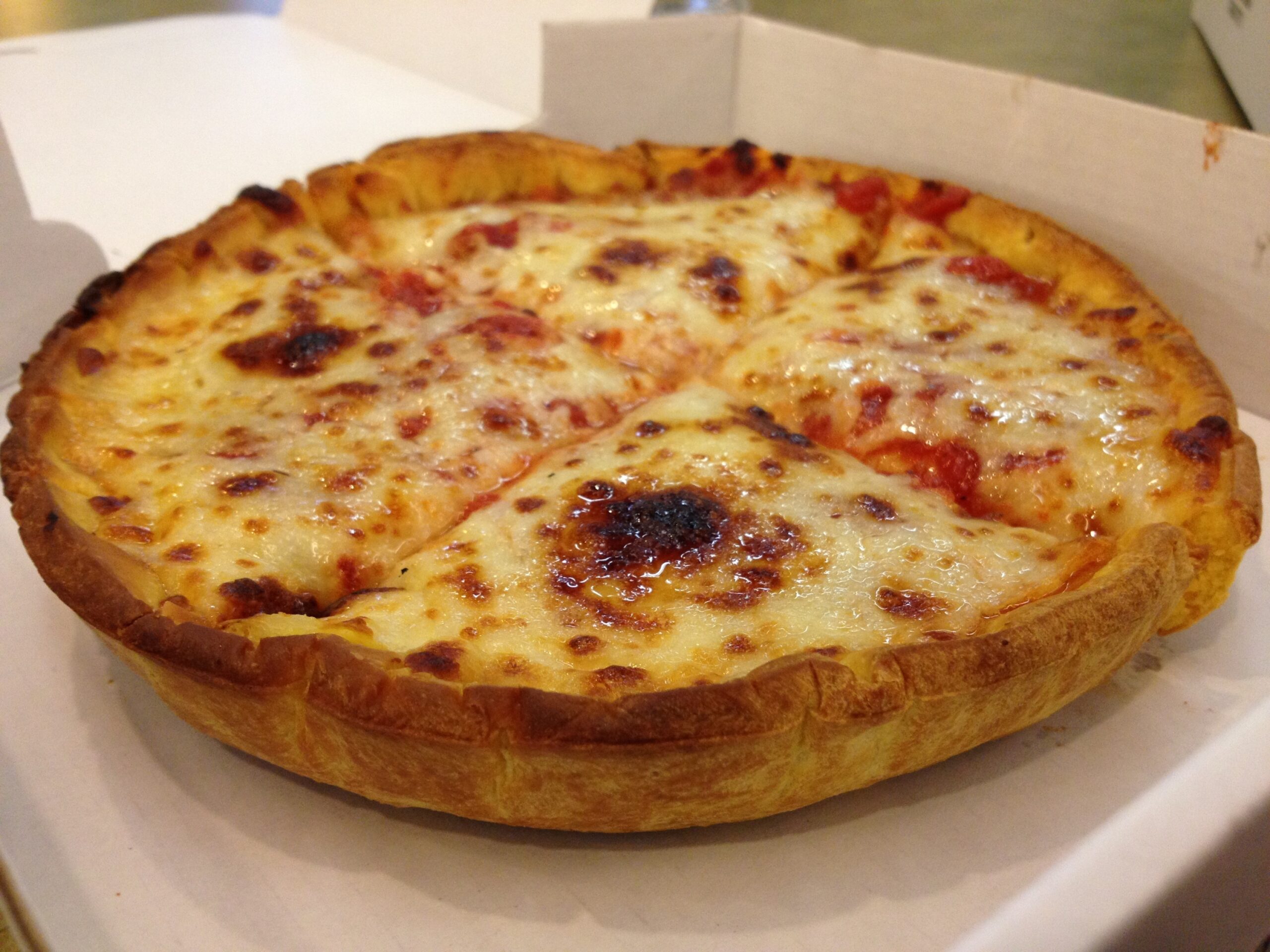
The Uno story begins in Chicago in 1943 when Ike Sewell developed deep dish pizza and opened a new type of restaurant at the corner of Ohio and Wabash, where he served a pizza unlike any that had been served before. What arrived in front of diners that year didn’t look like any pizza they’d seen. It looked closer to a fruit pie than a flatbread.
Two Men, One Bold Idea
Two entrepreneurs were quick to spot the appetite of the boys marching home. Ike Sewell, an ex-University of Texas lineman, and Ric Riccardo, a food business operator of Italian-American heritage, teamed up to open Pizzeria Uno. They made an odd pair. One came from Texas football; the other from the Italian-American restaurant world.
Sewell, a Chicago transplant from Texas, had originally wanted to open a Mexican restaurant, but Riccardo talked him out of it. After a trip to Italy, Riccardo convinced Sewell to open a pizzeria instead, though initially Sewell feared pizza wasn’t substantial enough for Chicagoans. That concern, ironically, is exactly what shaped the dish. Sewell wanted something hearty enough to satisfy a working-class city.
The Wartime Conditions That Made It Possible
Chicago deep-dish pizza was the happy consequence of unhappy economic and cultural shifts during World War II. The ingredients necessary for pizza dough – wheat flour, corn oil, salt, and yeast – were not among the rationed foods, and the filling could be made from leftover meats and vegetables. The deep-dish pie was also the perfect meal for manual laborers.
Deep-dish pizza was partly developed due to wartime constraints, showing American ingenuity during challenging times. A city full of factory workers and returning soldiers didn’t need a delicate Roman-style wafer. They needed something that could double as a full meal. Deep dish answered that call precisely.
The Genius of the Inverted Build
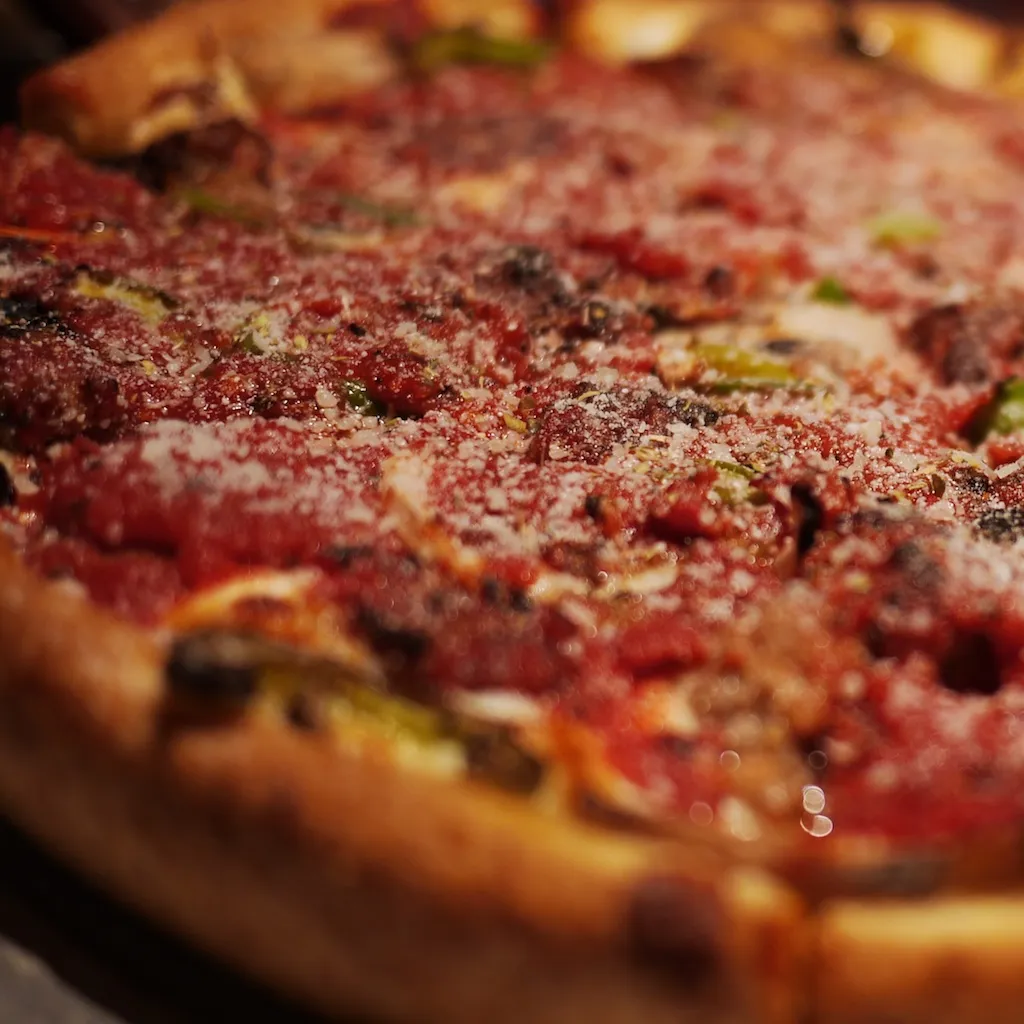
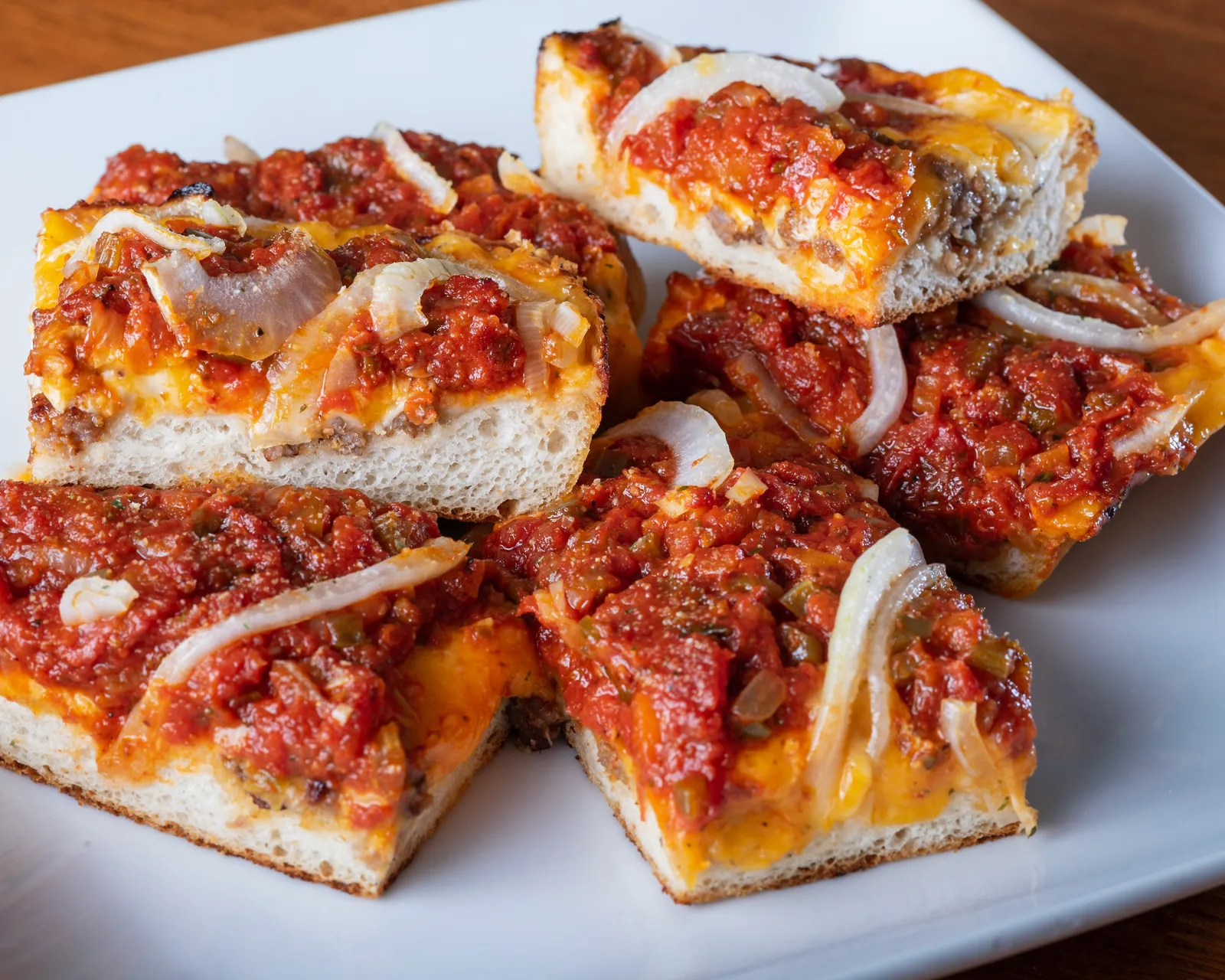
To avoid burning the cheese, Sewell and Riccardo decided to invert the toppings: the dough is first loaded with cheese, then meat, vegetables, and finally glugs of tomato sauce spooned on top. That upside-down logic is one of the most distinctive features of authentic Chicago deep dish, and it still surprises first-time visitors today.
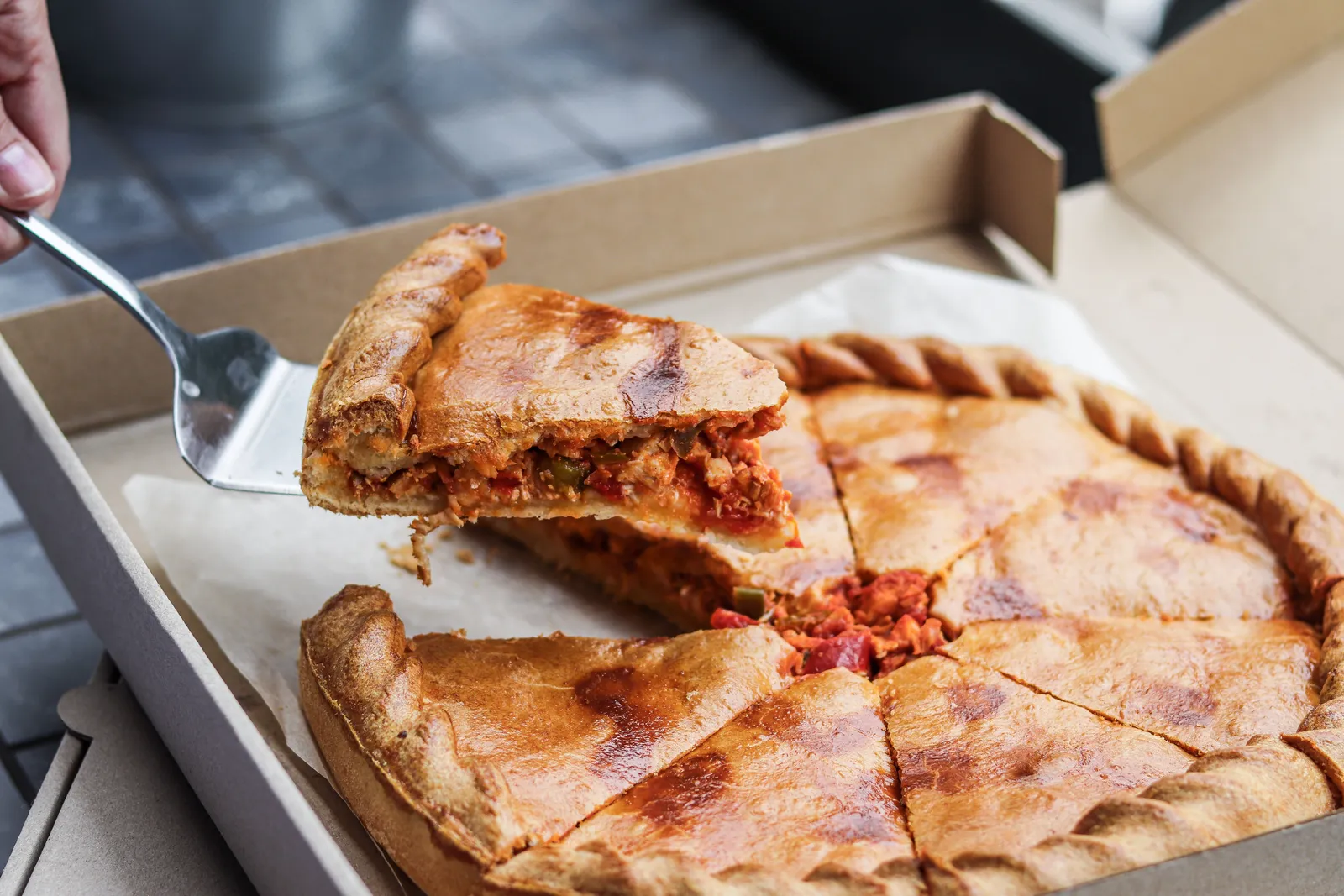
Rather than being baked on the bottom of the oven, deep-dish was baked in a circular pan two to three inches deep. The pizza was also upside-down. A thick layer of mozzarella cheese was topped with meat or vegetables, covered with tomato sauce, and topped with crust. The concoction required a knife, a fork, and a napkin – and it was cooked to order.
The Dough That Set It Apart
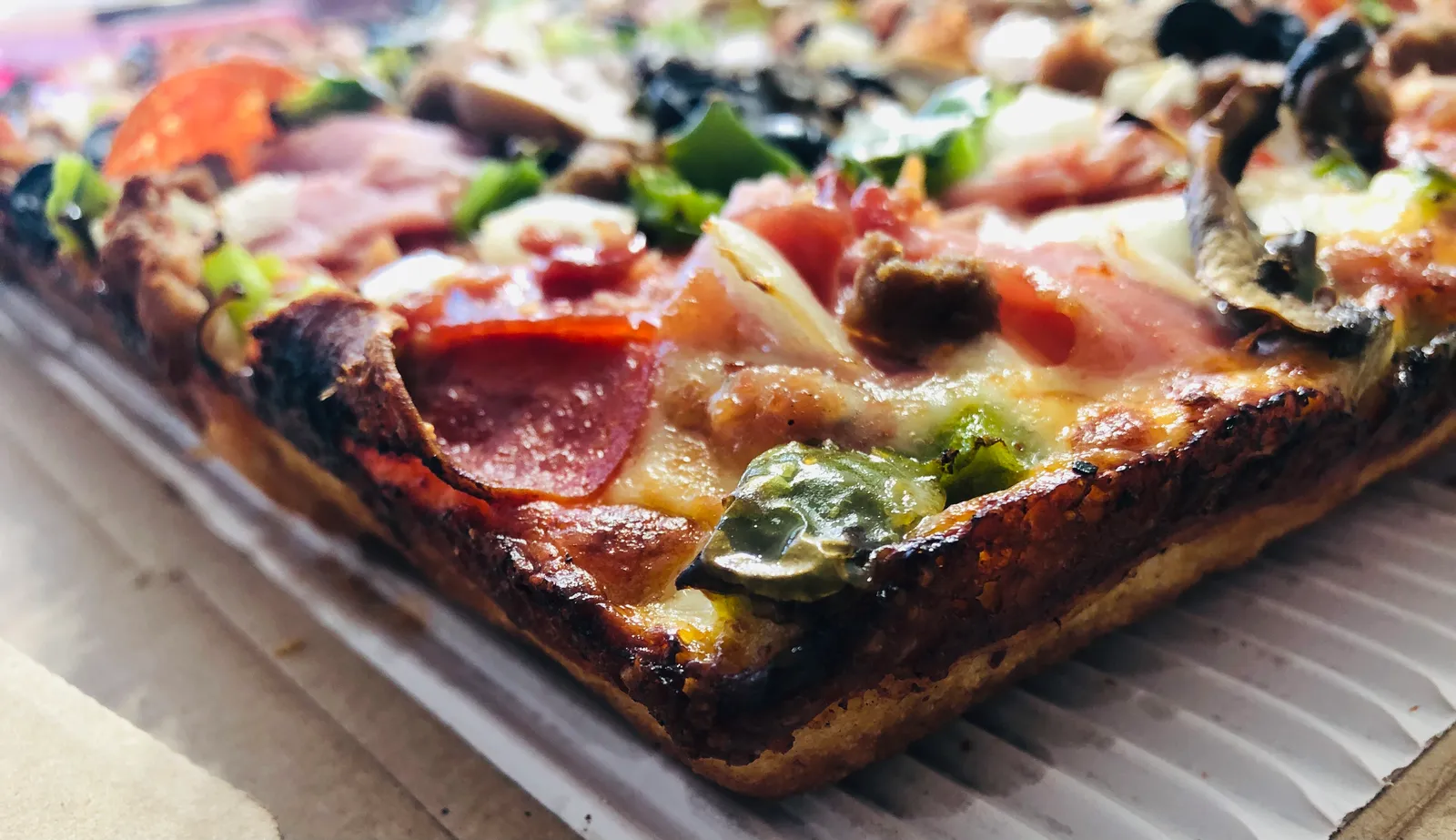
The dough used in a Chicago deep dish pizza isn’t your typical pizza dough. It’s made with cornmeal or semolina, which gives it a distinctly yellow hue and a slightly cornbread-like flavor. Additionally, the dough is more oil-rich, contributing to a flakier texture and a buttery taste that sets it apart from its thin-crust cousins.
In 2013, food researchers discovered what is believed to be the original deep-dish dough recipe created by Pizzeria Uno’s founder Richard Riccardo. The recipe produces a thinner, lighter, vaguely cake-like golden-brown crust that’s distinctly different than the thicker, heavier biscuit-like crust now served at deep-dish pizzerias such as Pizzeria Uno, Gino’s East, and Lou Malnati’s. The original recipe was apparently lighter than what most people eat today.
Who Really Invented It? The Debate That Still Simmers
While Sewell and Riccardo are known as the owners of the original restaurant, a 1956 article from the Chicago Daily News asserts that the original deep-dish pizza recipe was created by the chef Rudy Malnati Sr., the father of Lou Malnati. This is the detail that keeps the food history argument alive in Chicago kitchens to this day.
Most sources credit the creation of deep-dish pizza to Ike Sewell and Ric Riccardo, who founded their own pizzeria in 1943. However, they were both businessmen who most likely didn’t spend time in the restaurant’s kitchen. This is why some people believe the restaurant’s manager may have actually invented the dish. It’s a common story in culinary history: the entrepreneur gets the credit, the cook gets the craft.
Pizzeria Due and the Expansion of a Legend
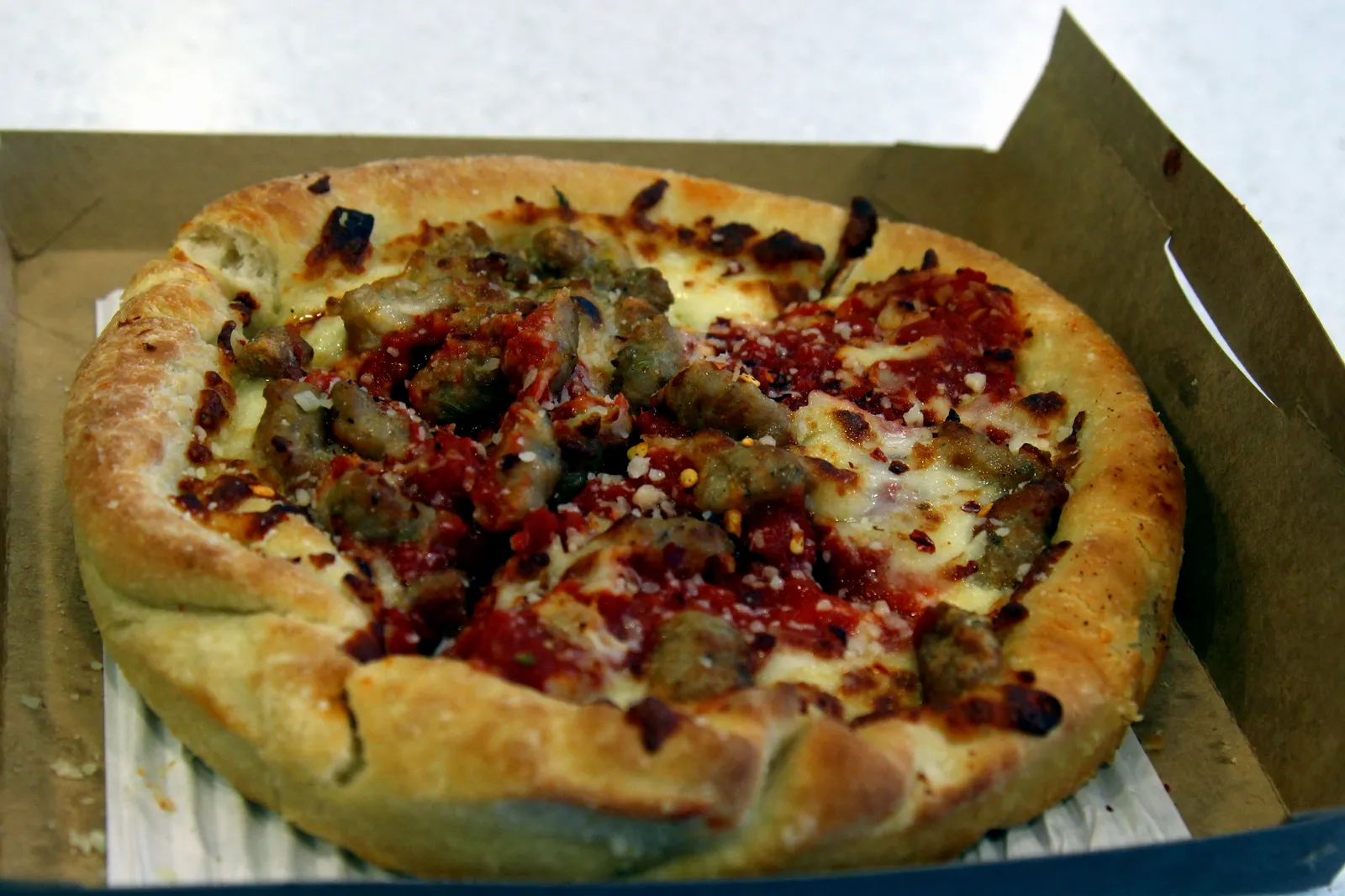
Sewell opened additional restaurants in response to Pizzeria Uno’s popularity. Pizzeria Due opened one block north of the original Pizzeria Uno location in 1955, with Uno and Due being Italian for one and two. The naming convention was practical and memorable. It also confirmed something: this was no longer just a restaurant. It was becoming a category.
Pizzeria Uno and Due have become the most celebrated pizzerias in the world. Ike’s original deep dish pizza has been imitated many times, but never quite duplicated. That last claim is, of course, contested. Chicago has no shortage of passionate opinions on whose version comes closest.
The Malnati Family and the Deep-Dish Tree
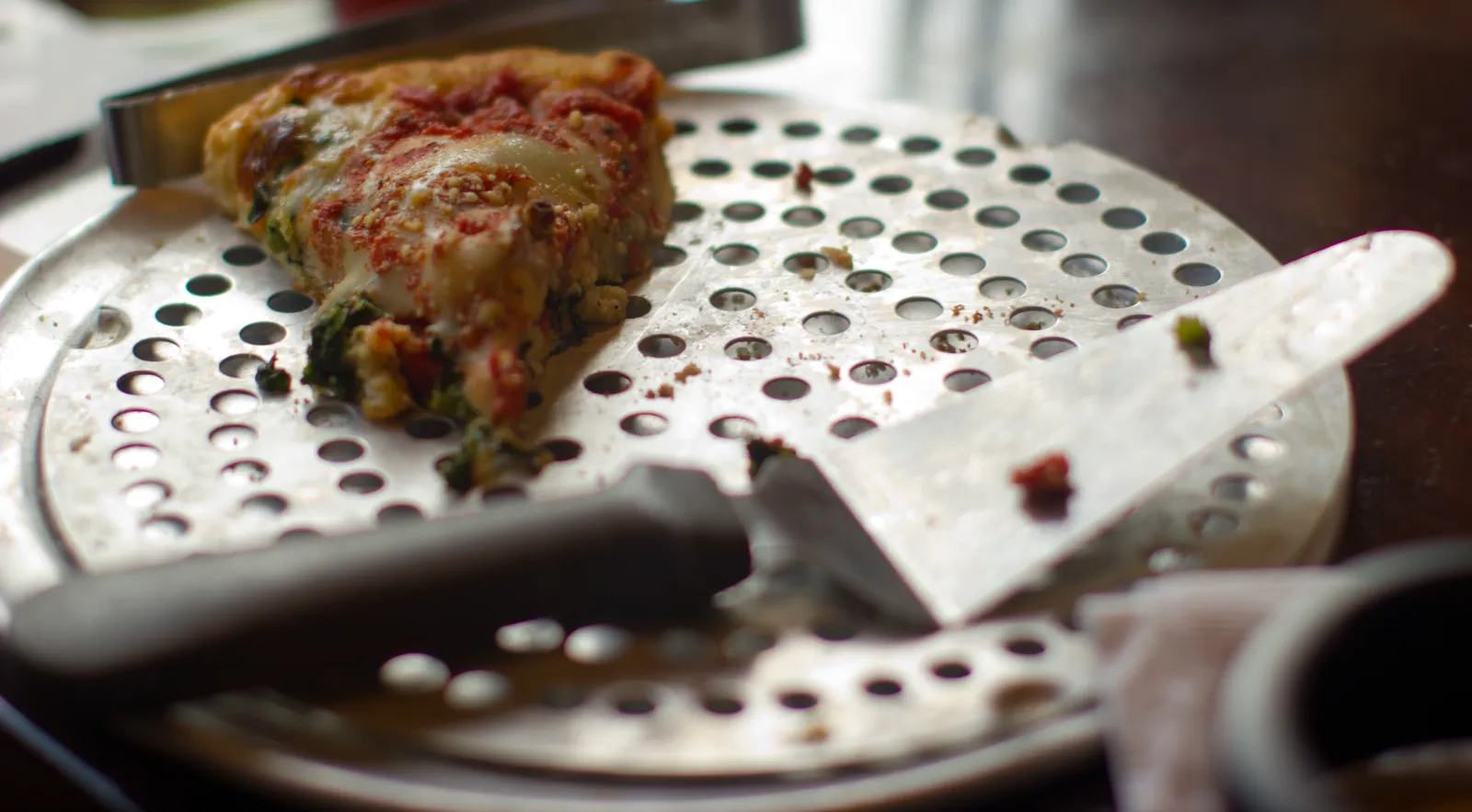
Adolpho Malnati Sr., a former employee at Pizzeria Uno, maintained that it was his idea that fueled the invention of deep-dish pizza. After tension between the families, his son Lou left Pizzeria Uno to start his own deep-dish pizza establishment. Lou Malnati’s Pizzeria opened in 1971 in Lincolnwood.
Lou Malnati’s Pizzeria is an American Chicago-style pizza restaurant chain known for its deep dish pizza, currently headquartered in Buffalo Grove, Illinois. It has grown into one of Chicago’s most beloved institutions, with dozens of locations across the Chicago area and beyond. The family’s connection to the origin story gives the brand a credibility that’s hard to argue with.
Gino’s East, Giordano’s, and the City That Kept Innovating
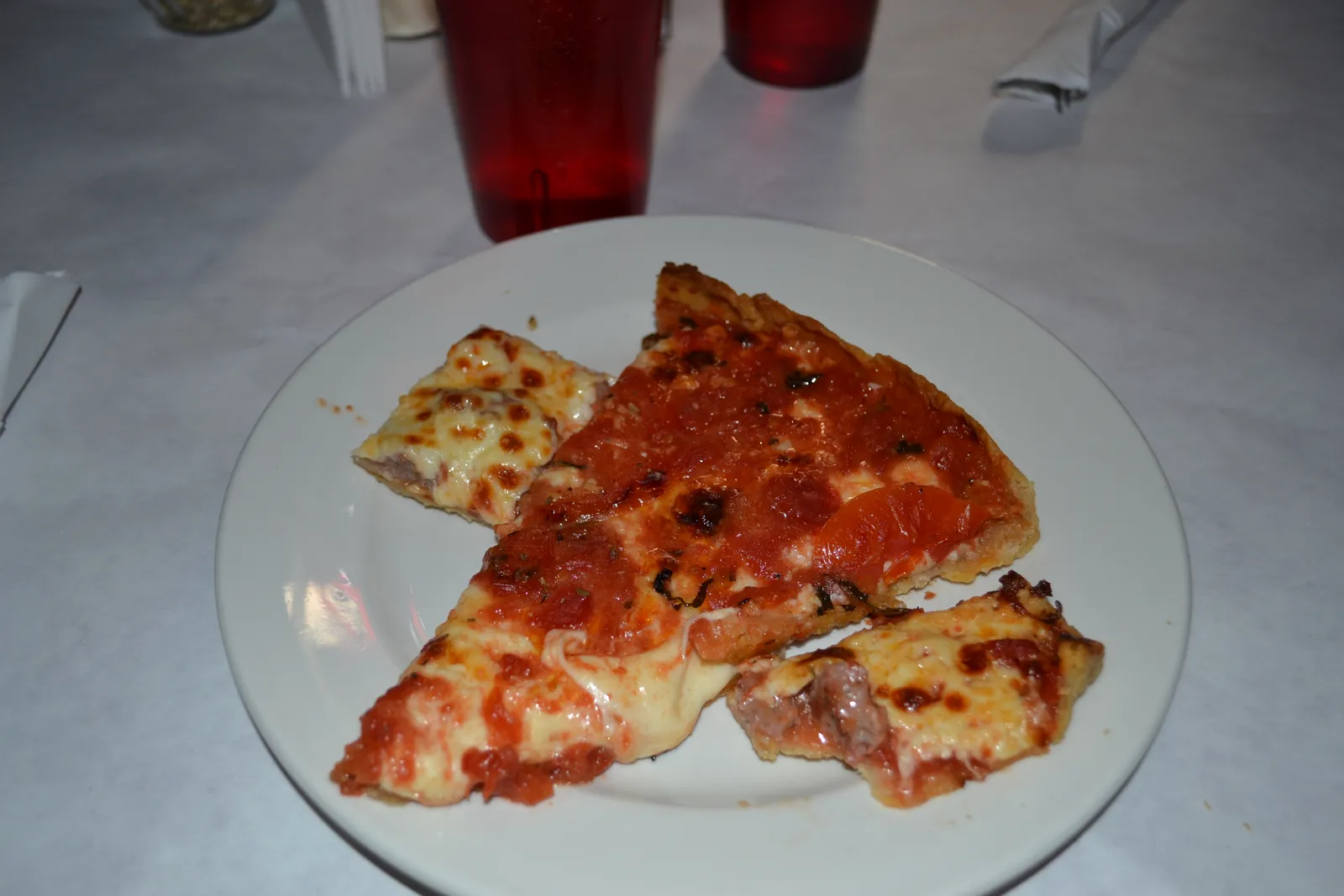
Gino’s East was founded by former cabbies, with Alice May Redmond, an African American woman who had done the actual cooking at Uno, in the kitchen pumping out pies with a pronounced corn flavor and a yellow tinge. This detail often goes untold: the women and cooks behind the counters shaped the dish just as much as the entrepreneurs whose names made the marquees.
Giordano’s took the deep dish concept to the next level by focusing on stuffed pizza since 1974. Giordano’s “stuffed” deep dish adds another layer of dough to the pie, making it an even thicker version of the already hefty original. Chicago’s deep dish tradition didn’t freeze in 1943. Each generation found a way to add its own layer.
The Original Location Today: Still Standing, Still Baking
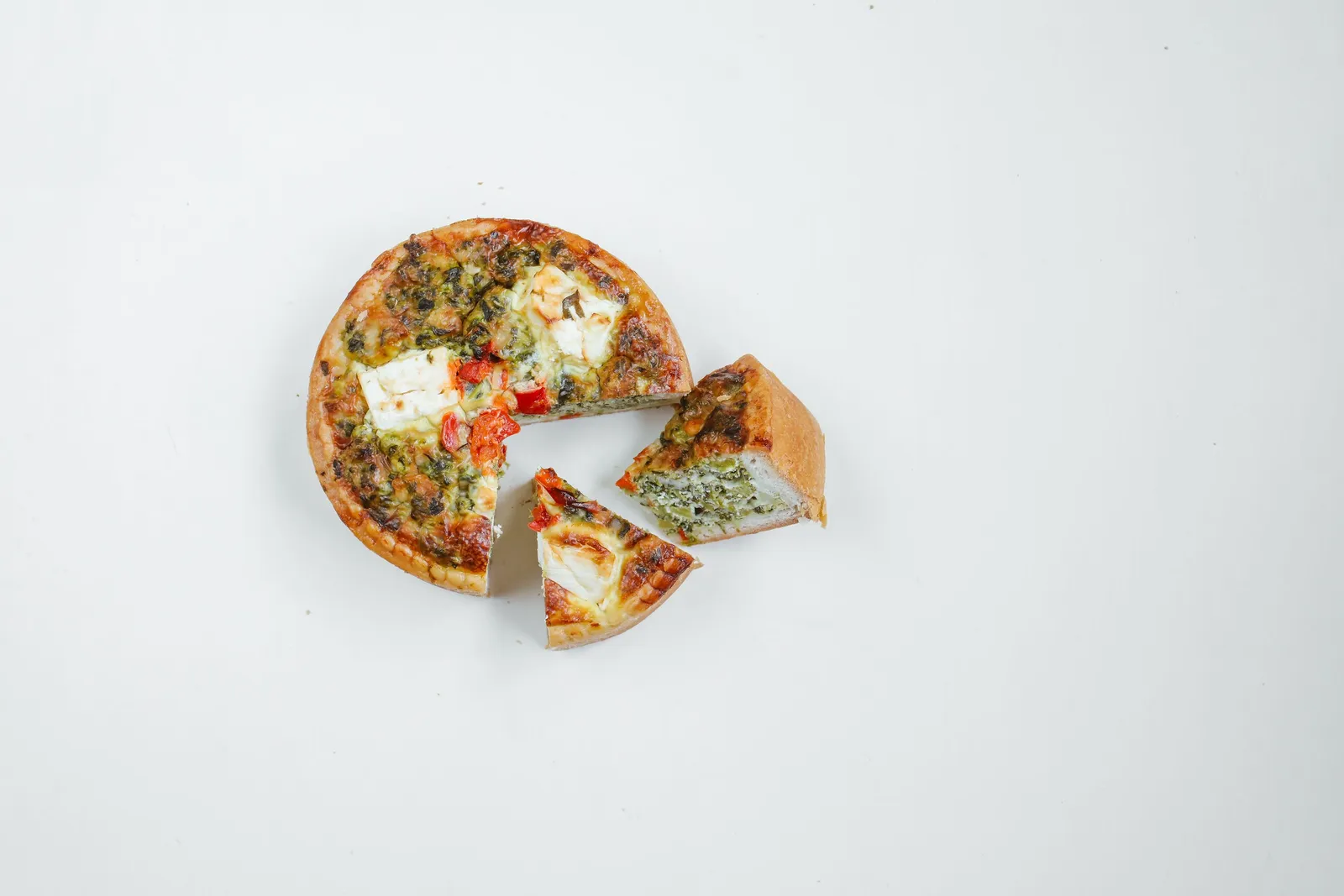
As of August 2025, the Original Pizzeria Uno, widely credited as the birthplace of deep-dish pizza, opened its kitchen to the public for hands-on cooking classes. The experience includes dough prep, layering ingredients and baking, plus plenty of tasting. It’s a thoughtful way for a historic restaurant to share its story beyond the plate.
Today, Uno’s deep dish pizza is still made as it was then, with dough made fresh daily, hand stretched and covered with meats, hand-cut vegetables and freshly shredded mozzarella cheese. The original corner location on Ohio and Wabash remains a point of culinary pilgrimage for food travelers from around the world.
A Chain Under Pressure, a Landmark That Endures
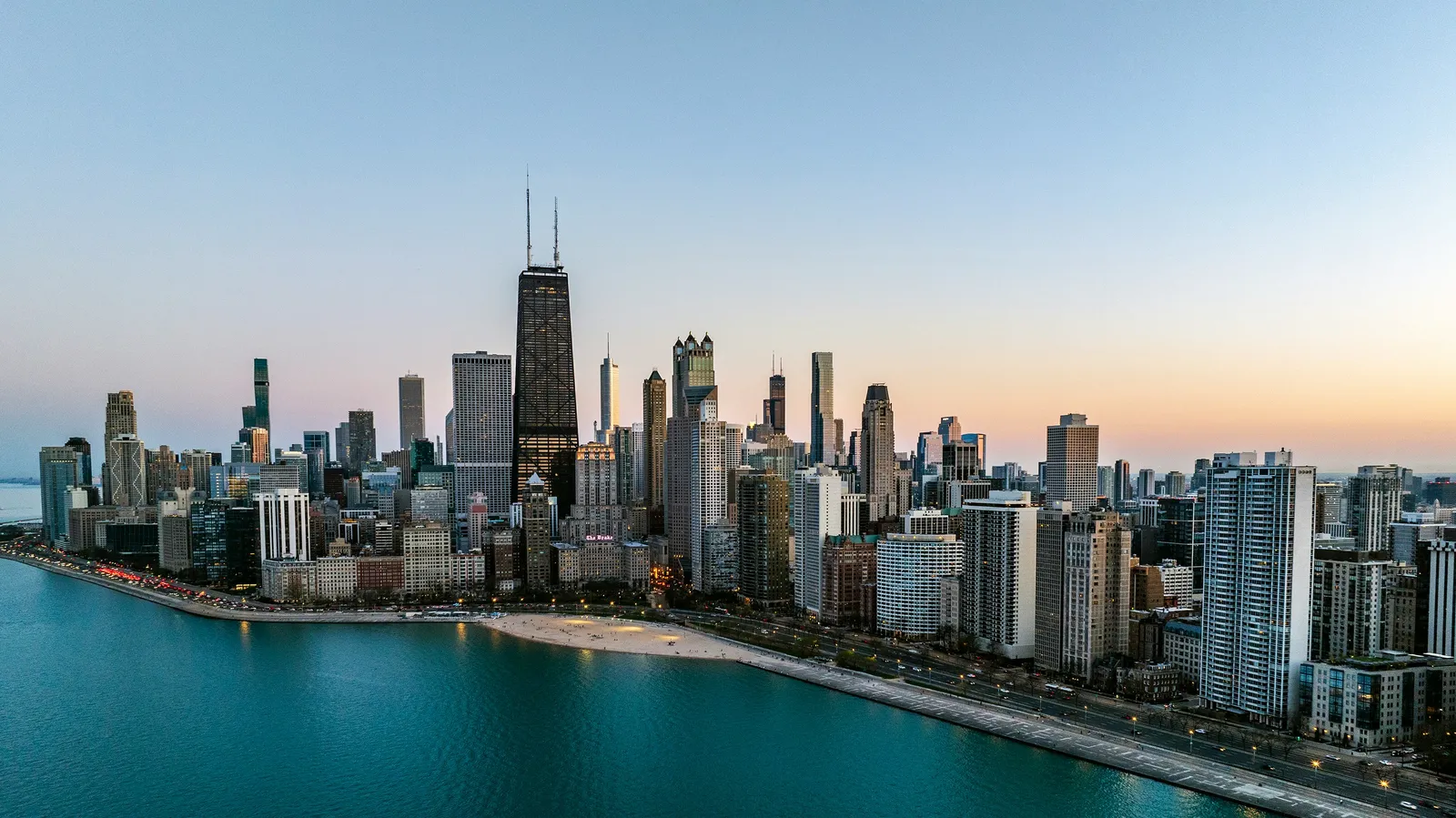
Chicago’s Uno Pizzeria and Grill, founded in 1943, lost nearly a quarter of its sales in 2024 to finish with $114.3 million. It also closed more than a quarter of its system to end the year with 53 locations, according to Nation’s Restaurant News. The broader chain has faced a difficult stretch in recent years, a reality familiar to many casual dining brands.
The chain has shrunk from over 150 locations nationwide to only 36 as of early 2026, according to the locations page on the company’s website. Yet the original Chicago location, the actual birthplace, continues to draw visitors and operate as a functioning restaurant and cultural landmark. The chain and the institution are two separate things, and Chicagoans know the difference.
Why Deep-Dish Matters Beyond the City Limits
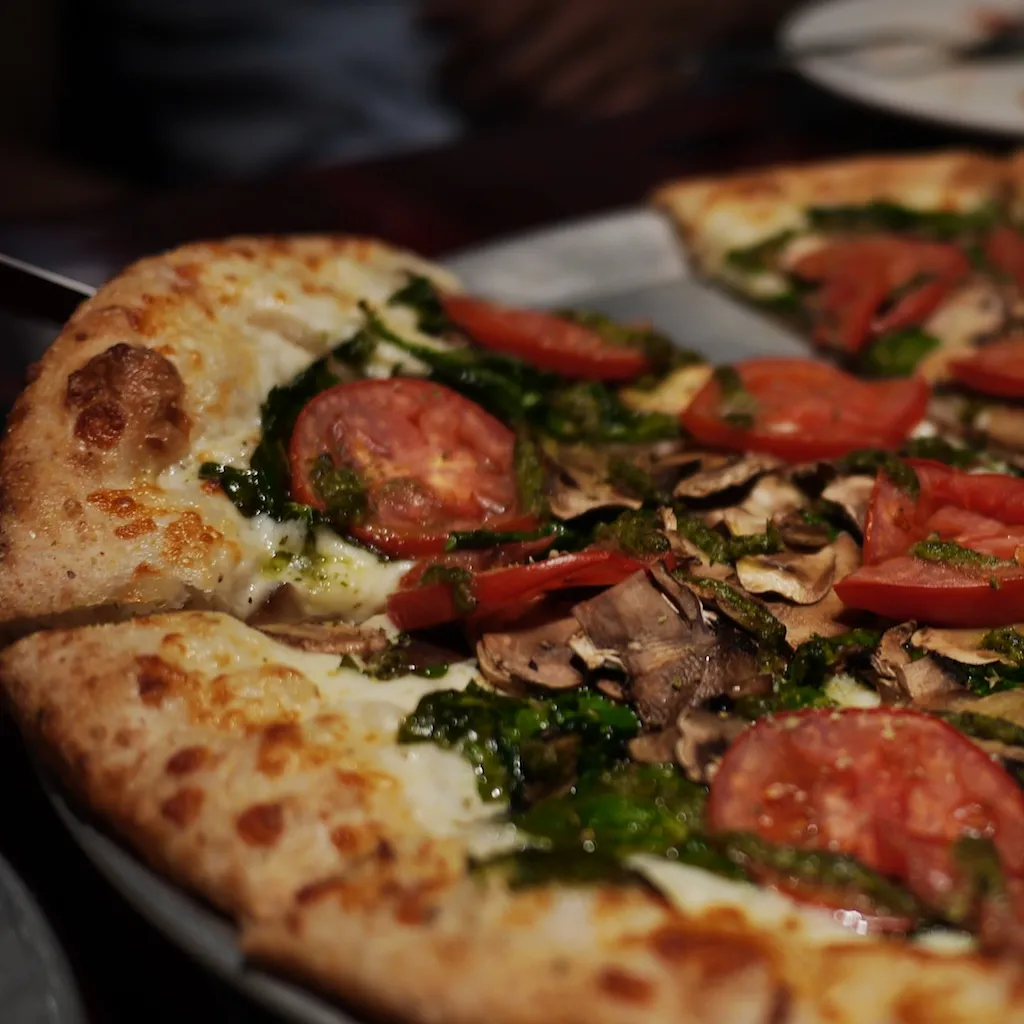
Because deep-dish pizza is “the first true American pizza,” as the history magazine American Heritage has described it, there is a dispute over whose big brains were behind the idea. Regardless of who gets the final credit, what’s undeniable is the geographic achievement: a style of pizza invented in one city eventually inspired restaurants across an entire country and earned a permanent place in food culture worldwide.
While Italian immigrants brought traditional pizza to America, the deep dish style was a distinctly Chicago innovation, quite different from the thin-crust pizzas you might find in New York or Italy. It wasn’t a copy of something European. It was something genuinely new, shaped by the city’s climate, its immigrant communities, its working-class hunger, and a pair of entrepreneurs who refused to think small.
The Takeaway
Pizzeria Uno is not just a restaurant with a good origin story. It’s a place where American culinary identity took a specific and lasting shape. The deep-dish pie that emerged from that small kitchen on Ohio and Wabash reflected something real about Chicago: its appetite, its ambition, and its refusal to do anything halfway.
The debate over who deserves the true credit may never be settled. That’s fine. What endures is the dish itself, still ordered with a 30-minute wait, still eaten with a knife and fork, still capable of stopping a conversation cold on the first bite. Some things survive their origin stories. This one thrived because of it.
AI Disclaimer: This article was created with the assistance of AI tools and reviewed by a human editor.