


There’s a certain quality to standing on a cliff in Newfoundland and watching a ten-thousand-year-old block of ice drift silently past. Nothing feels quite prepared you for it. The province occupies a rugged, windswept corner of Atlantic Canada that most travelers never quite manage to reach, and that inaccessibility is, perversely, part of what makes it so special.
It’s a place where geology, history, seafood, and sheer natural spectacle combine in ways that feel genuinely unrepeatable. The numbers are catching up to that reputation, too. Tourism here has been growing steadily, and the rest of Canada and the world are starting to pay attention.
Iceberg Alley: The World’s Most Dramatic Coastal Corridor
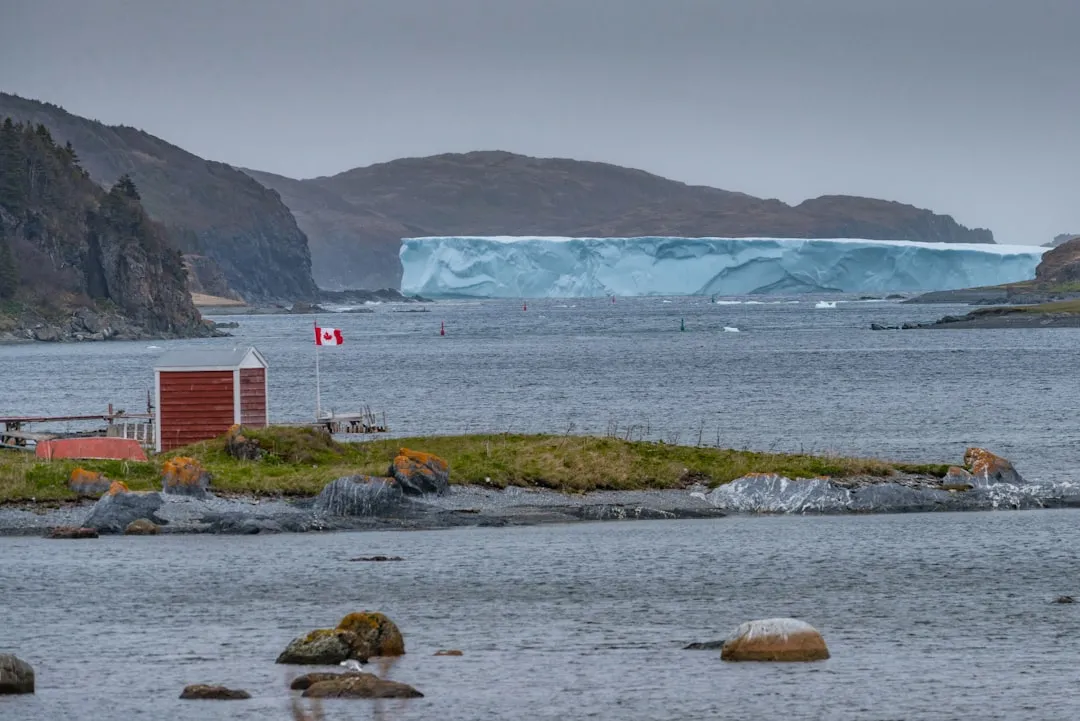
Iceberg Alley runs along the coast from the northern tip of Labrador to the southeast coast of Newfoundland, and the area sees a heavy concentration of iceberg flow starting from Greenland, which is exactly how it earned that evocative name. Roughly nine out of ten icebergs seen off Newfoundland and Labrador come from the glaciers of western Greenland, while the rest originate from glaciers in Canada’s Arctic.
The icebergs drift for an average of two to three years, traveling along the Baffin Island Current, then the Labrador Current to the Grand Banks of Newfoundland, before many of them make their way into Iceberg Alley. These natural wonders appear in a variety of shapes and sizes, displaying colors that range from pristine snow-white to vibrant, deep aquamarine. There’s simply nothing else like it on Earth.
When to Go: Timing the Iceberg Season
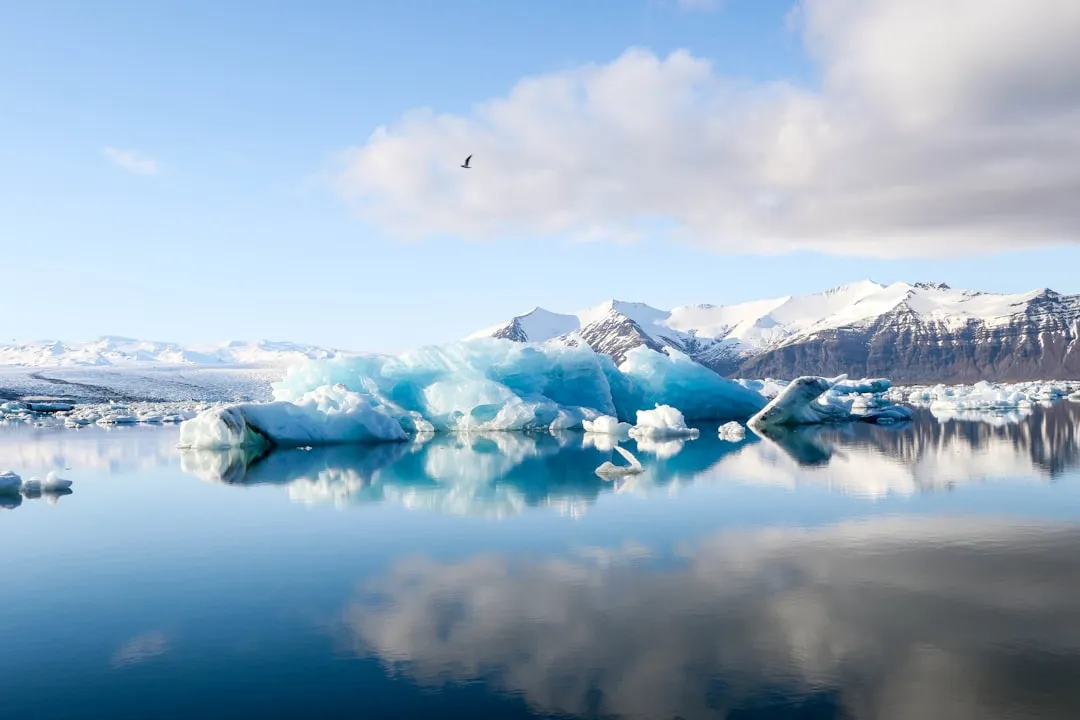
The best time to see icebergs in Newfoundland is during the spring and early summer, particularly from late April to early July – a period known as “iceberg season” that offers the highest likelihood of witnessing these magnificent ice formations along the coast. The peak of the season typically occurs in May and June.
The further north you travel, the longer the iceberg season stretches. The icebergs come through Iceberg Alley from spring to early summer, and April and May are the months when bergs are most plentiful – though they may be locked up in sea ice, so late May and early June tend to offer the best viewing conditions.
Some years, one area will get all the icebergs and others none, and occasionally they drift as far south as St. John’s and the Southern Shore. Flexibility is rewarded here. The sea operates on its own schedule.
Top Viewing Spots Along the Coast
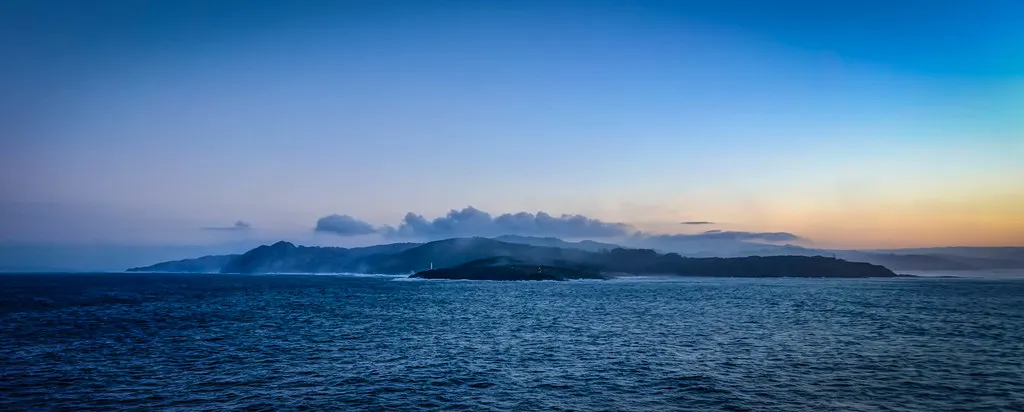
Often referred to as the “Iceberg Capital of the World,” Twillingate is a popular destination for iceberg viewing, located on the northeastern coast of Newfoundland, with numerous opportunities to see icebergs from various viewpoints, including boat tours and hiking trails. Located on the northern tip of Newfoundland, St. Anthony is another prime spot, with the area around it and nearby communities like L’Anse aux Meadows providing opportunities to view icebergs from land as well as through boat tours.
Other popular spots include Fogo Island, Bonavista, Bay de Verde, Cape Spear – the easternmost point of North America – Bay Bulls, and Ferryland. Ferryland itself is a picturesque destination just an hour’s drive from St. John’s, perfectly situated halfway between the capital city and the Mistaken Point UNESCO World Heritage Site.
A Tourism Boom That Keeps Building

Newfoundland and Labrador’s tourism industry generated more than $1.4 billion in revenue in 2025, as the province recorded increases in visitors, cruise traffic, and park usage, with a four per cent rise in total air and auto visitors compared with 2024. The 2025 cruise season was a strong contributor, with nearly 100,000 passengers visiting ports across the province, and provincial parks experienced record-breaking numbers, with visitation, revenue, and occupancy reaching all-time highs.
International connectivity has been a real factor in this growth, with St. John’s International Airport securing direct connections to London, Dublin, and Paris. Hotel occupancy rates in the city climbed above 91 per cent in July and 92 per cent in August, up almost a fifth compared to August 2024, with total revenues rising by nearly the same margin.
The Iceberg Economy: Harvesting Ancient Ice
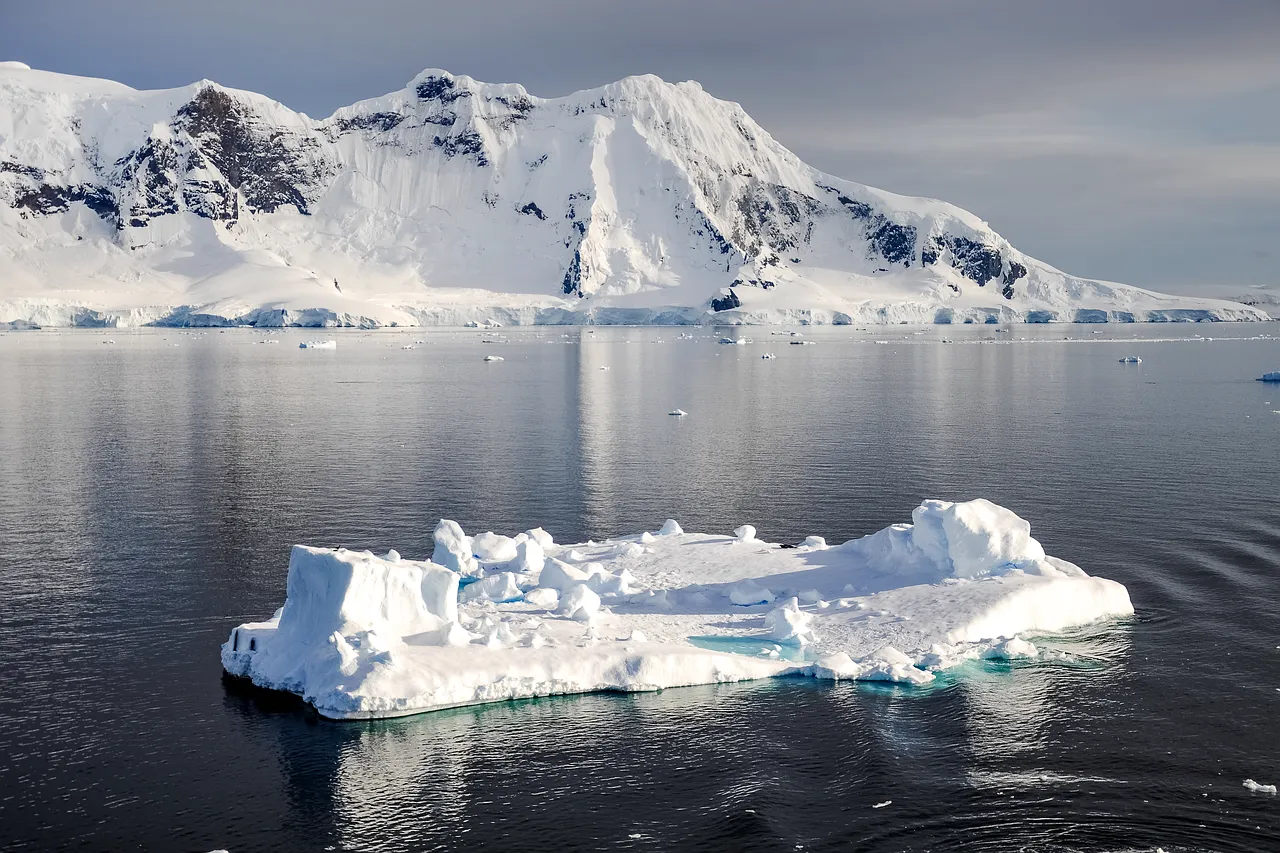
In the rugged waters off Newfoundland and Labrador, iceberg harvesting has emerged as an adventurous and lucrative industry, with iceberg water sought after for its exceptional purity and low mineral content, finding its way into vodka, craft beer, cosmetics, and luxury bottled water. The industry has grown significantly, with six licensed companies operating in Newfoundland and Labrador, each paying the province a volume-based fee as demand for iceberg water surges globally.
Icebergs are celebrated in local culture as well, with the annual Iceberg Festival held in St. Anthony, and iceberg harvesting has become a genuine economic activity with water from icebergs used to make vodka, beer, wine, bottled water, and cosmetics. It’s a cottage industry that would have seemed absurd anywhere else. Here, it fits perfectly.
Whales, Seabirds, and the Spectacle of Spring Migration
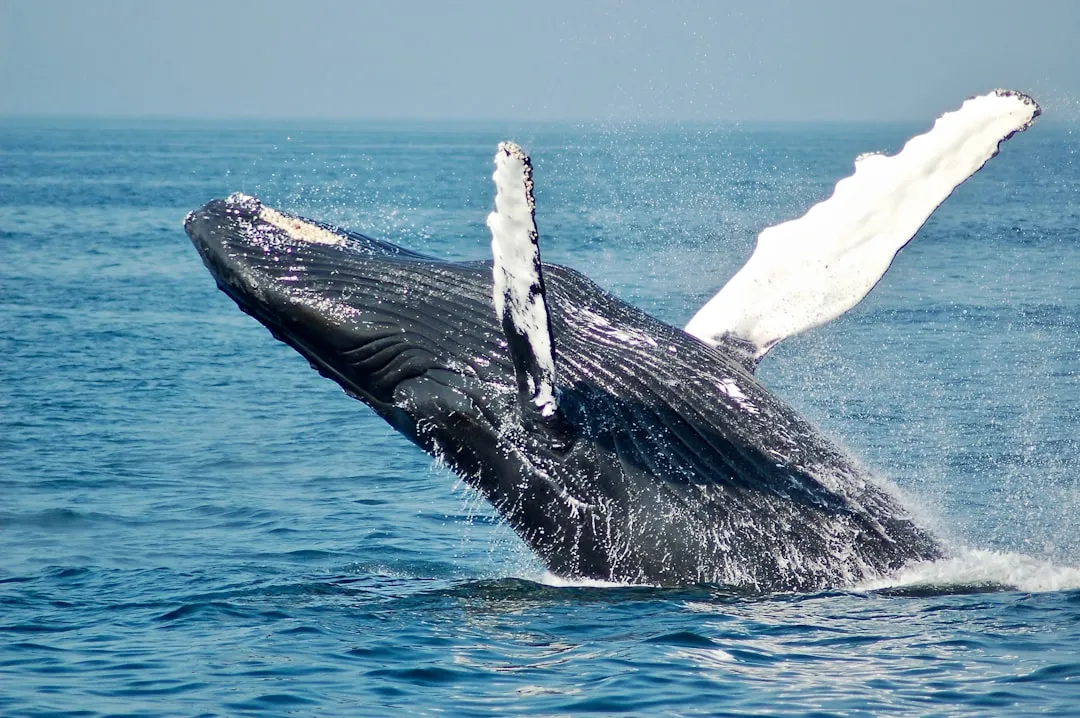
Newfoundland is one of the few places in the world to receive simultaneous visits from whales, seabirds, and icebergs. As the whales and birds migrate north and the icebergs sail south, there’s a real chance to experience all three in a single trip – though like so much in nature, conditions vary from year to year.
Apart from icebergs, catching a glimpse of humpback whales, fin whales, minke whales, and orcas is a genuine possibility on an iceberg viewing tour. Polar bears hunting seals are also known to drift in with the spring sea ice, giving coastal communities a good reason to stay extra vigilant. Spring on this coastline is genuinely alive.
Gros Morne and the UNESCO Legacy
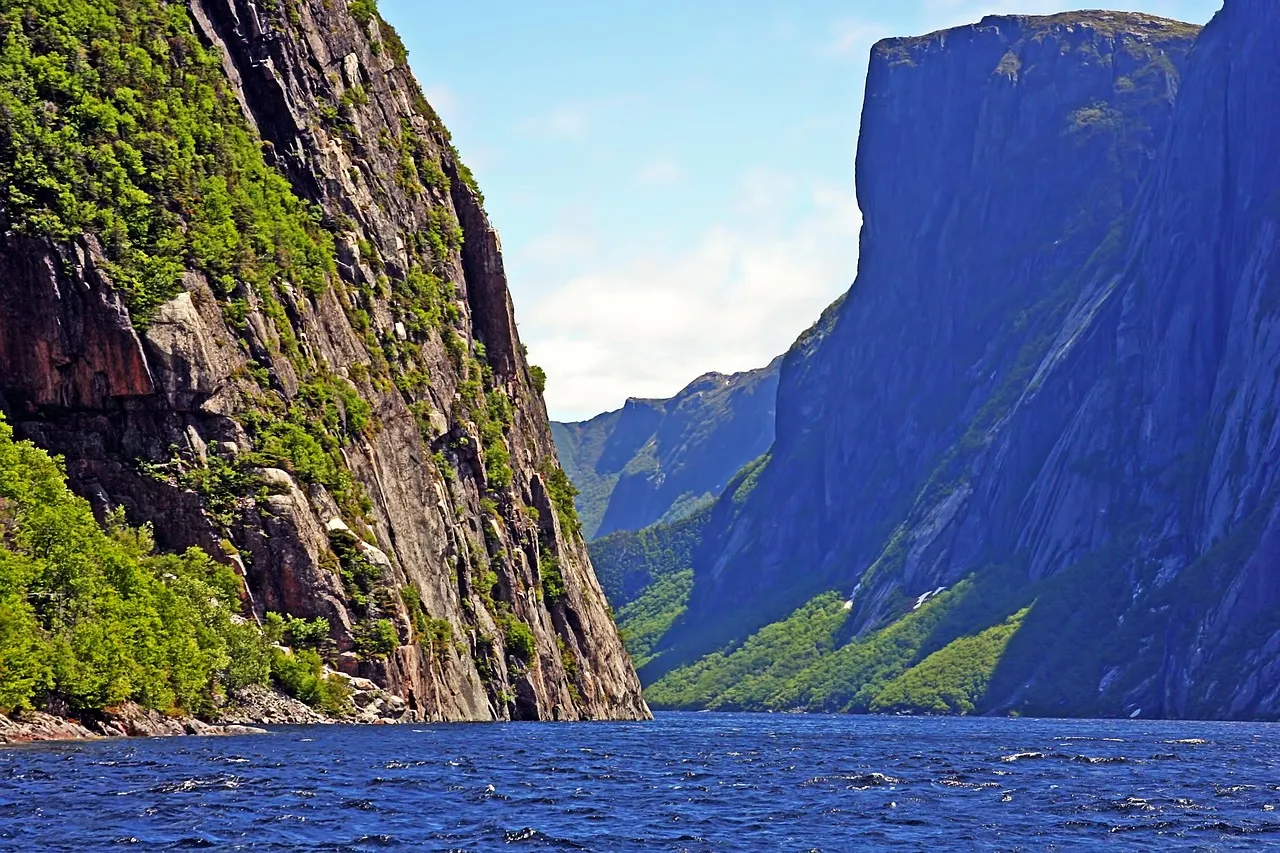
Gros Morne offers sheer-walled fjords to cruise and diverse landscapes to hike, from windswept shorelines to sub-Arctic summits, with rare geological oddities that earned it UNESCO World Heritage status. The park is part of what makes the province so layered as a destination – the ice and the geology tell a story millions of years in the making.
At the tip of Newfoundland’s Great Northern Peninsula lies the first known evidence of European presence in the Americas, where Norse expeditions sailed from Greenland and built a small encampment of timber-and-sod buildings over a thousand years ago, a discovery now recognized as a UNESCO World Heritage Site since 1978. Visitors can meet costumed Viking interpreters as they tour the recreated base camp, and take part in an evening of Viking myth and storytelling from the Vinland Sagas, warmed by a kitchen fire.
The Food Scene: Seafood, Wild Game, and Foraged Flavors
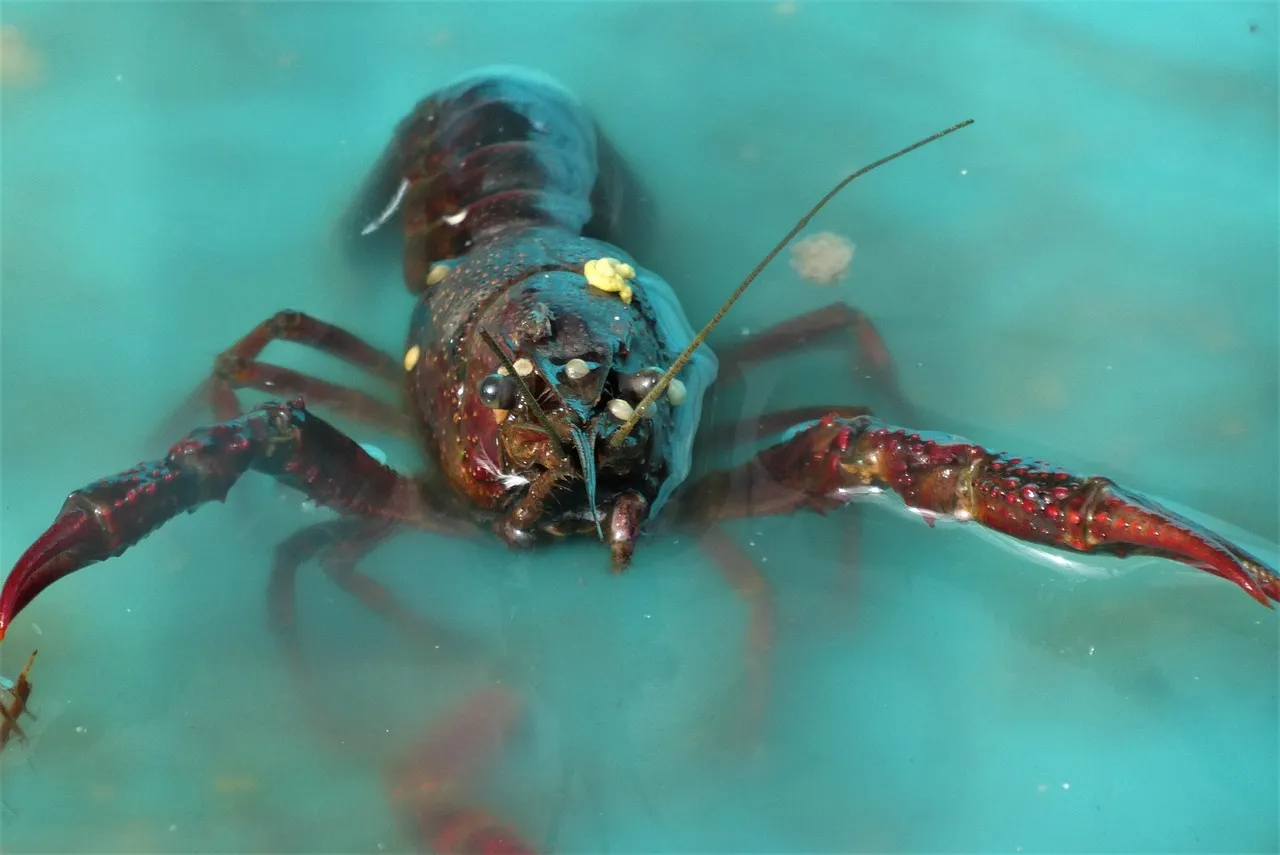
Culinary experiences in the region feature four-course tasting menus with locally caught seafood, wild game, and forest-foraged delicacies, all prepared against the scenic backdrop of the Bonne Bay fjord. In Gros Morne National Park, just about every community now has a restaurant serving fine local seafood as well as other memorable dishes.
Along the Viking Trail, restaurants serve just about every variety of Newfoundland seafood, including cod tongues, cod cheeks, capelin, sea catfish, and turbot. This is not destination dining as a novelty. It’s deeply rooted in how people here have eaten for generations, and that continuity gives every meal a different kind of weight.
The 2025 Iceberg Season: Climate Variability and What It Means
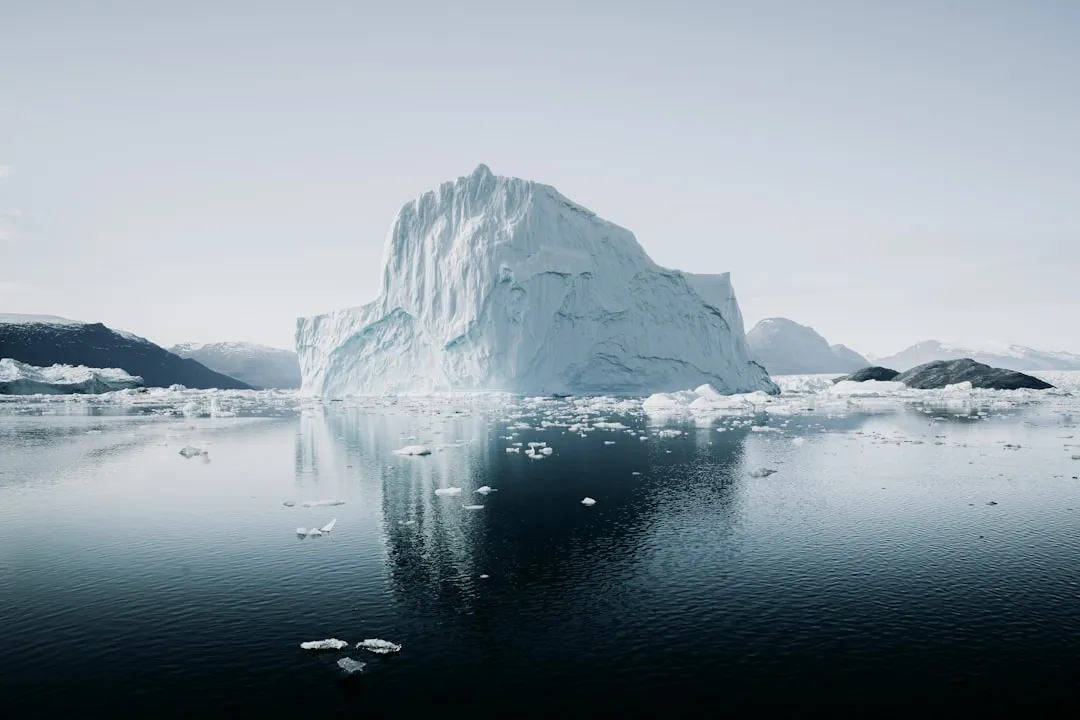
A resurgence of icebergs near Newfoundland and Labrador in 2025 was met with celebration – especially after a relatively quiet year in 2024 – prompting a flood of posts, photos, and stories on social media. In 2024, an El Niño weather pattern had brought warmer-than-usual water temperatures to the North Atlantic, which rebounded somewhat into 2025 though temperatures remained above normal through the winter.
Iceberg spotting experts at C-CORE, a remote sensing lab in St. John’s, confirmed the uptick in visible sightings compared to 2024, while noting that numbers remained well below historical averages. Regional variations were notable too, with communities further west and north seeing relatively more icebergs, while those to the south and east saw fewer. The iceberg season is becoming, year by year, a little less predictable.
Maritime Hospitality: The Quieter Draw That Keeps Visitors Coming Back
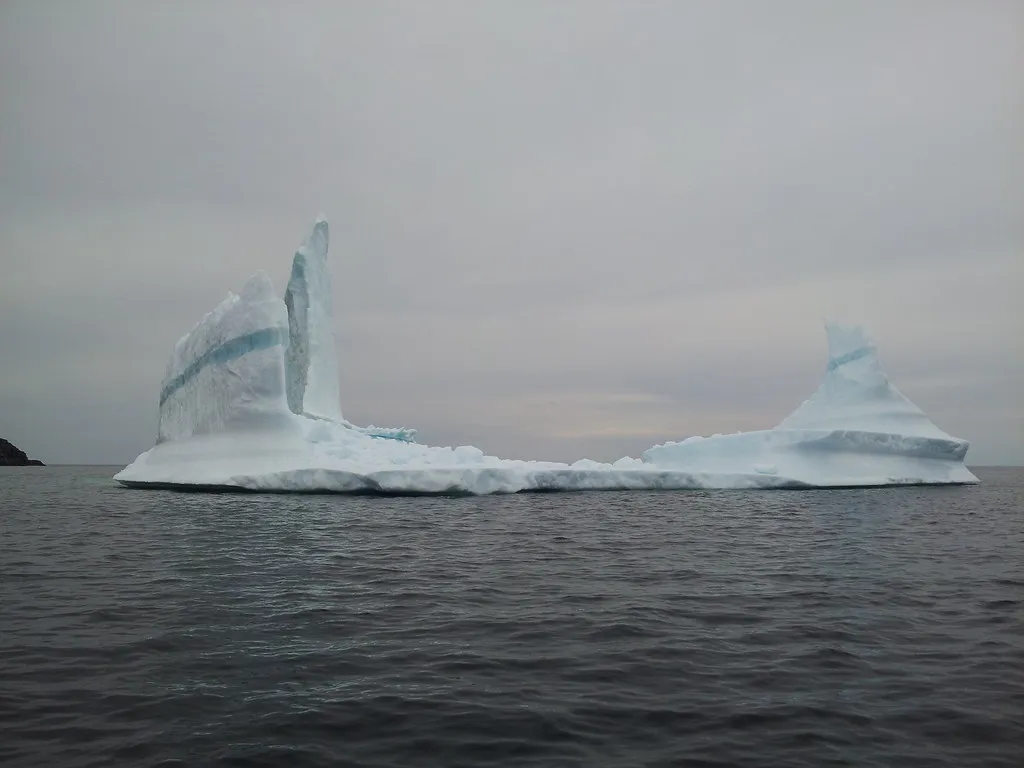
Tourism operators in Newfoundland say the iceberg experience is self-sustaining in its appeal – the first bergs of 2024 were spotted near Twillingate in early spring, and after a strong 2023 season, operators were encouraged to see icebergs arriving even in early spring. The online Newfoundland Iceberg Reports community, which started with just 800 members in its first season, had grown to 78,000 members by early 2024 – a clear signal of how broadly the interest has spread.
Officials confirm the growth continues a steady upward trend that began in 2022, and the province is now seeing increased tourism activity outside the traditional summer peak, with both spring and fall visitation on the rise. Newfoundland has always had two valuable assets: the warmth and charm of its people and its wild and pristine scenery. That combination is quietly rare and, for most visitors, entirely unexpected.
Newfoundland doesn’t compete for attention the way better-marketed destinations do. It earns it slowly, through scale and silence and the particular generosity of a place that hasn’t learned to be anything other than itself. The icebergs will keep coming, the cod will keep being served, and the music will keep spilling out of pubs on George Street. That’s reason enough to make the trip.
AI Disclaimer: This article was created with the assistance of AI tools and reviewed by a human editor.