
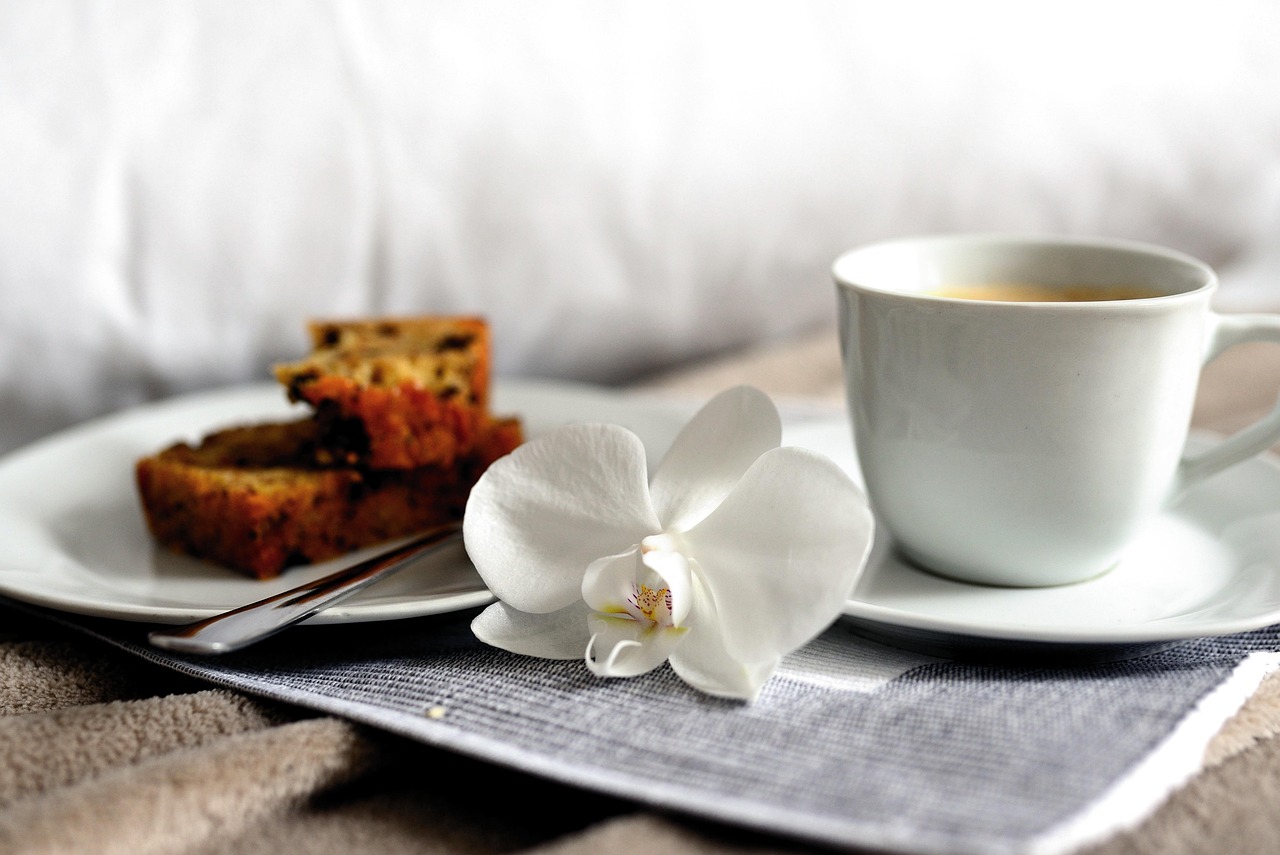

There are places in the world where coffee is not simply poured and consumed. It is unwrapped slowly, like something worth protecting. From ancient ceremonies to modern rituals, coffee culture is not simply about a beverage – it is a cultural language revealing how societies value time, hospitality, and human connection. The cup itself is almost secondary.
What follows is a gallery of the rituals that locals hold closest. Not tourist performances. Not café menus. These are the daily and ceremonial acts that communities have built their social lives around, some for centuries.
Ethiopia’s Jebena Buna: The Ceremony That Gave the World Coffee
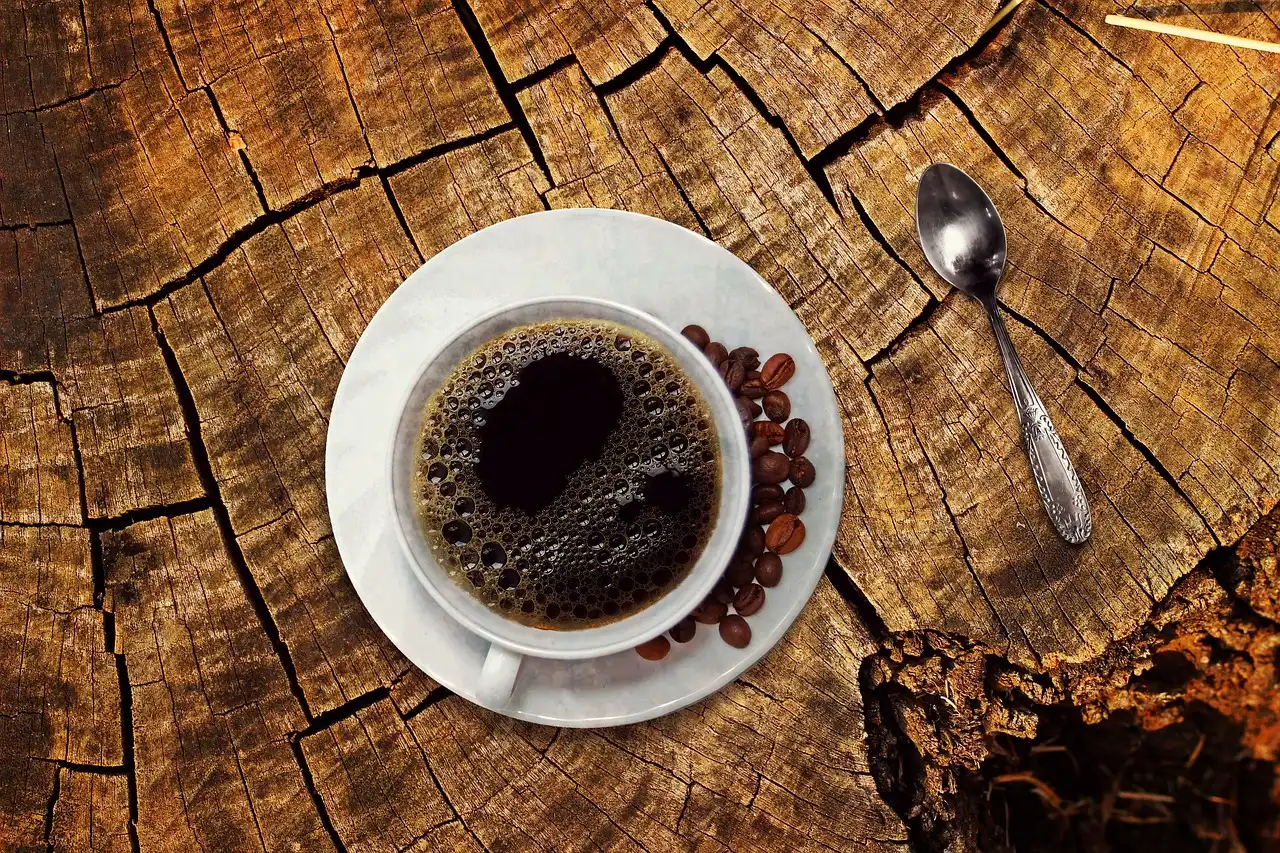
As the birthplace of coffee, Ethiopia has a long and storied history of traditions and ceremonies developed over the centuries that are still alive and well today. Many coffee experts would say that the specialty coffee industry has Ethiopia to thank for the leaps and bounds achieved in creating the unique morning brew enjoyed all over the globe.
The coffee ceremony in Ethiopia is known locally as “jebena buna” and is considered the most important social event of the day. Traditional households repeat this event two to three times a day, taking their time to drink coffee. This social contact with the aroma of coffee can last for two hours or more.
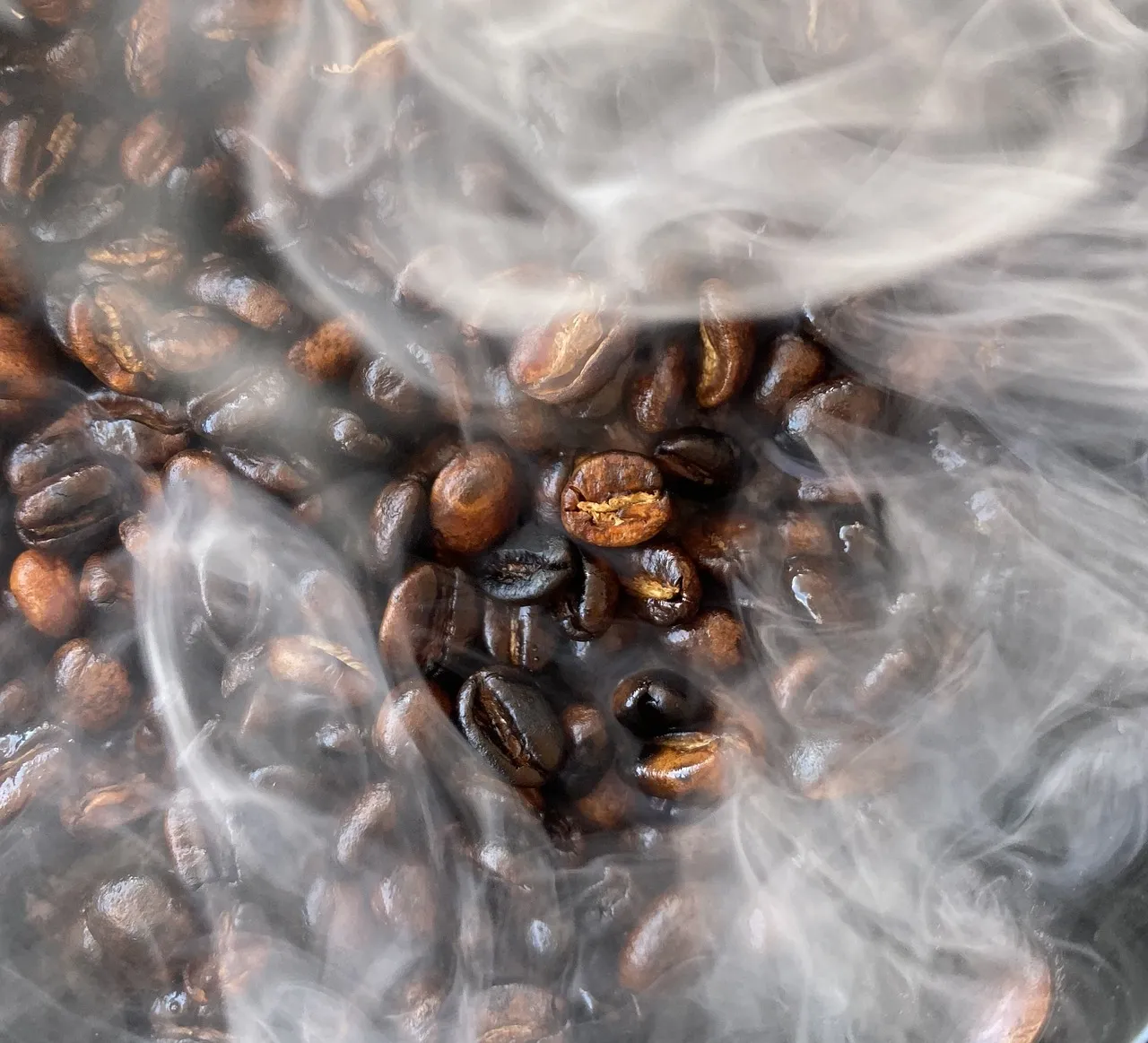
The ceremony begins with the roasting of green coffee beans over an open fire. The beans are washed, then roasted on a flat metal tray over hot coals. A nutty, aromatic fragrance rises and spreads around the room, sometimes accompanied by incense, creating a festive atmosphere.
The Three Rounds: Abol, Tona, and Baraka
Coffee is typically served in three rounds – abol, tona, and baraka – each with its own significance. The final cup, baraka, is said to bring blessings. Receiving all three is considered both an honor and a genuine act of communion with the household.
The ceremony is led by women and includes these three distinct rounds of coffee, with each round less concentrated than the one before. This ritual not only fosters social cohesion but also serves as an educational space where elders impart wisdom and cultural values to the younger generation, ensuring the continuity of community practices and oral histories.
In Ethiopian culture, the ceremony is a social technology – a structured reason for people to stop, sit together, and talk without the distraction of any other purpose. The coffee is the mechanism; the community is the product. That distinction matters more than it might first appear.
Turkish Coffee: A UNESCO-Recognized Tradition
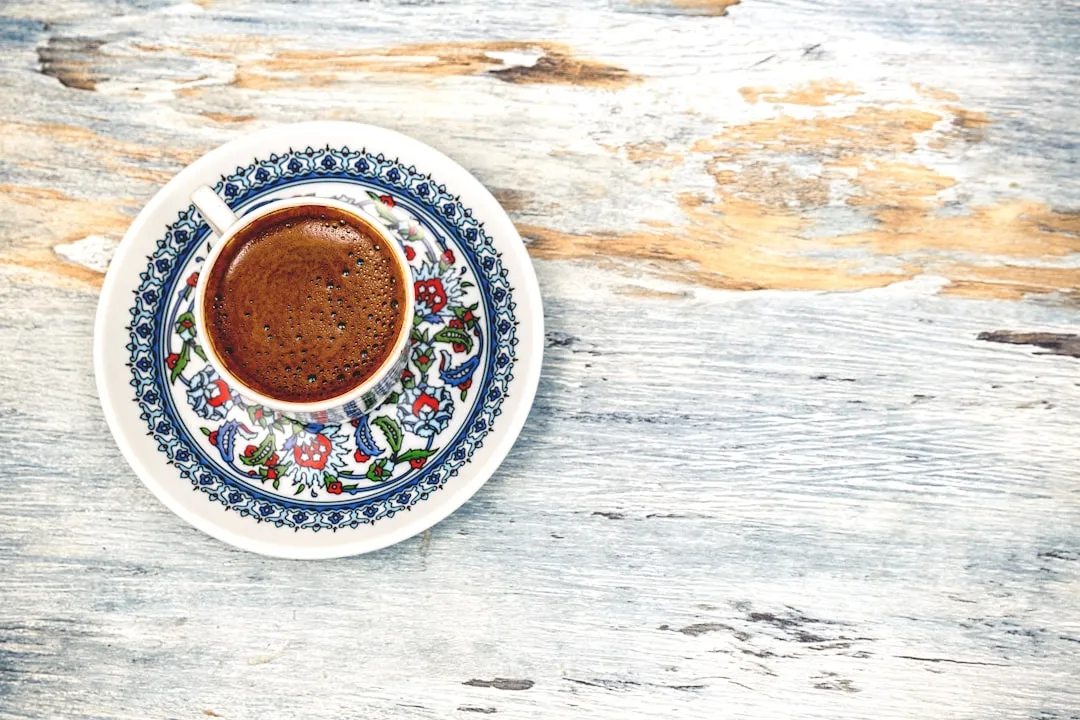
Turkish coffee culture and tradition was added to the UNESCO Representative List of the Intangible Cultural Heritage in 2013. That recognition was not simply about a brewing method. Turkish coffee combines special preparation and brewing techniques with a rich communal traditional culture.
Turkish coffee is traditionally prepared in a cezve, a small copper pot. Finely ground coffee, water, and sugar are heated together – not boiled – until a foam forms. The coffee is served unfiltered in small cups, often accompanied by sweets such as lokum or baklava. The consistency is thick, the aroma intense.
The tradition itself is a symbol of hospitality, friendship, refinement, and entertainment that permeates all walks of life. An invitation for coffee among friends provides an opportunity for intimate talk and the sharing of daily concerns. Turkish coffee also plays an important role on social occasions such as engagement ceremonies and holidays.
Salt in the Cup: The Turkish Wedding Coffee Ritual
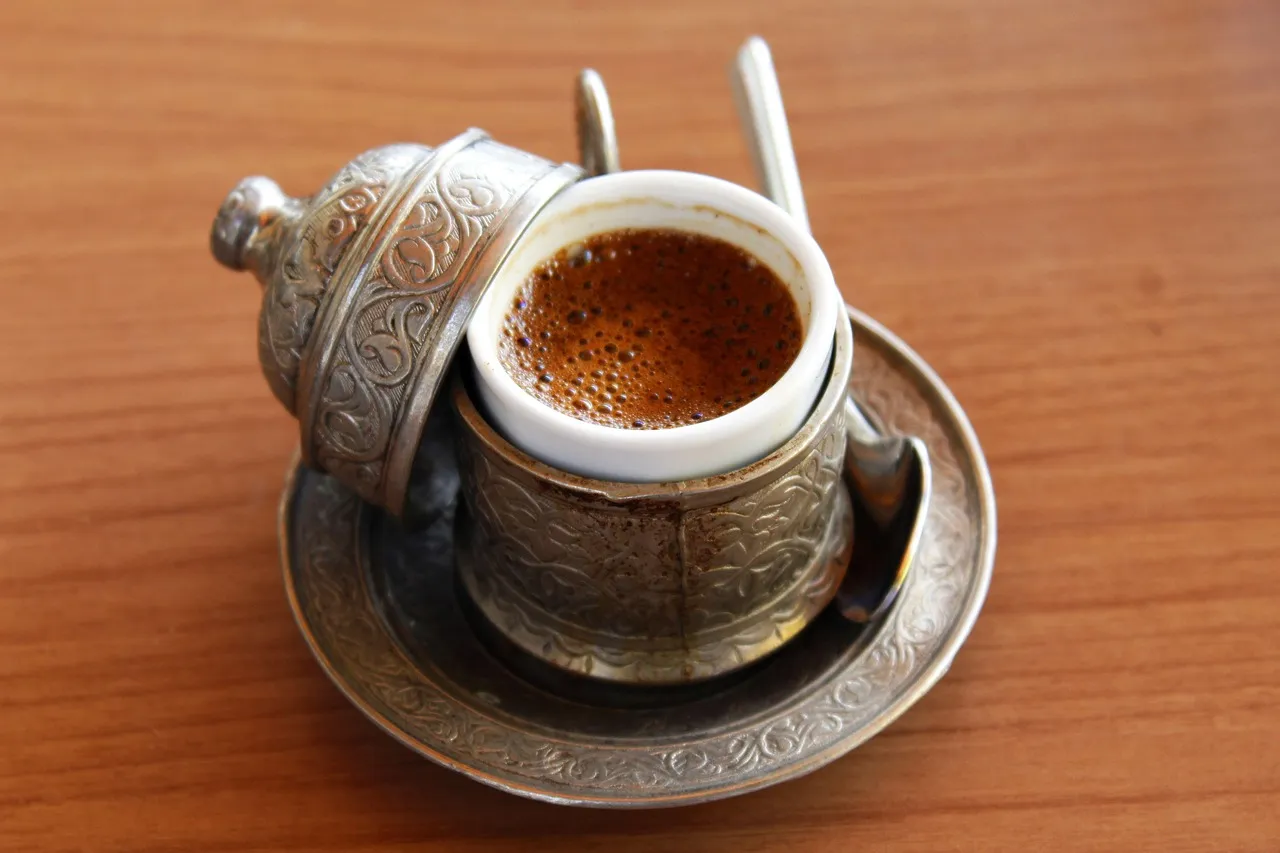
Turkish coffee plays a major role in wedding rituals. When the groom’s family visits the bride’s house before the wedding, the bride is expected to prepare a perfect Turkish coffee. In the past, this was often the only opportunity for the future bride and groom to meet. If the bride was fond of the groom-to-be, she would prepare coffee with sugar, but if she did not like the candidate, she would put salt in his coffee instead.
Today, paradoxically, some future brides serve salty coffee to the groom during this ritual to measure the extent of his love. It’s a tradition that has quietly shifted meaning across generations without losing its emotional weight. The groom, for his part, is expected to drink it without flinching.
Tasseography: Reading the Future in Coffee Grounds
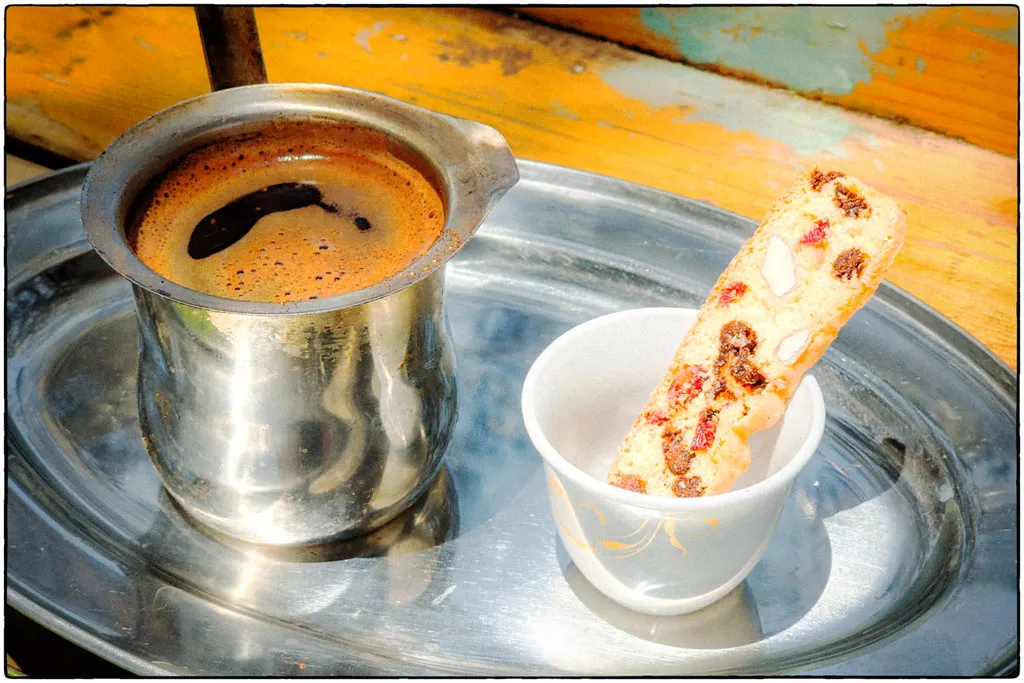
Turkish coffee is rich, thick, and unfiltered – brewed slowly in a cezve and served in tiny cups. The grounds settle at the bottom, and once you’ve finished your drink, someone might “read” them to predict your future – a practice known as tasseography.
The settled residue is not drunk, but is occasionally used for coffee ground reading – a form of divination. From demonstrations of the cezve technique to fortune-reading sessions, events in Turkey celebrate Turkish coffee as both a timeless custom and a modern attraction. Visitors who sit through a reading often describe it as unexpectedly moving, regardless of whether they believe a word of it.
Sweden’s Fika: The Ritual of Slowing Down Together

In Sweden, the coffee ritual is known as fika – a moment to pause, relax, and connect. It is more than a coffee break; it is a daily ritual of slowing down, often accompanied by pastries like kanelbullar, or cinnamon buns.
Swedes typically enjoy their coffee with cinnamon buns, pastries, or biscuits, and the tradition of fika can happen multiple times a day, making it an essential part of daily life. It appears in workplaces, homes, and parks with equal ease. The setting is almost irrelevant – the pause is what counts.
What separates fika from a simple coffee break is intent. It is deliberately not rushed. In a culture that values work ethic and efficiency, carving out time to sit with someone and do nothing else is quietly radical. The coffee is good, but the permission to stop is the real gift.
Italy’s Espresso Bar: The Art of the Standing Ritual
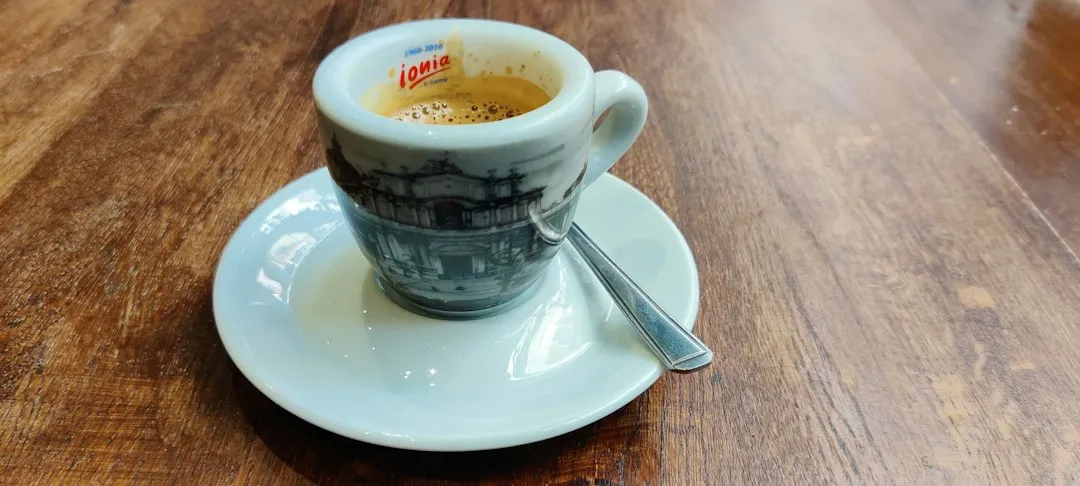
Italians consume espresso throughout the day, typically standing at the bar in a swift ritual lasting mere minutes. This standing tradition keeps prices lower – Italian bars charge more for table service – but more importantly, maintains espresso’s role as a brief pause rather than a destination.
The espresso bar functions as Italy’s social checkpoint where locals stop multiple times daily – morning espresso with a cornetto, mid-morning espresso with colleagues, post-lunch espresso for digestion. It is a rhythm, not just a habit. The espresso changes throughout the day; the bar stays constant.
In Italy, the espresso bar is not just a place to grab a quick caffeine fix. It is a social hub where locals gather to share conversations, catch up on the news, and take a moment to connect amidst the bustle of everyday life. The cup is small. The moment is surprisingly large.
Mexico’s Café de Olla: Spiced, Earthy, and Rooted in Tradition
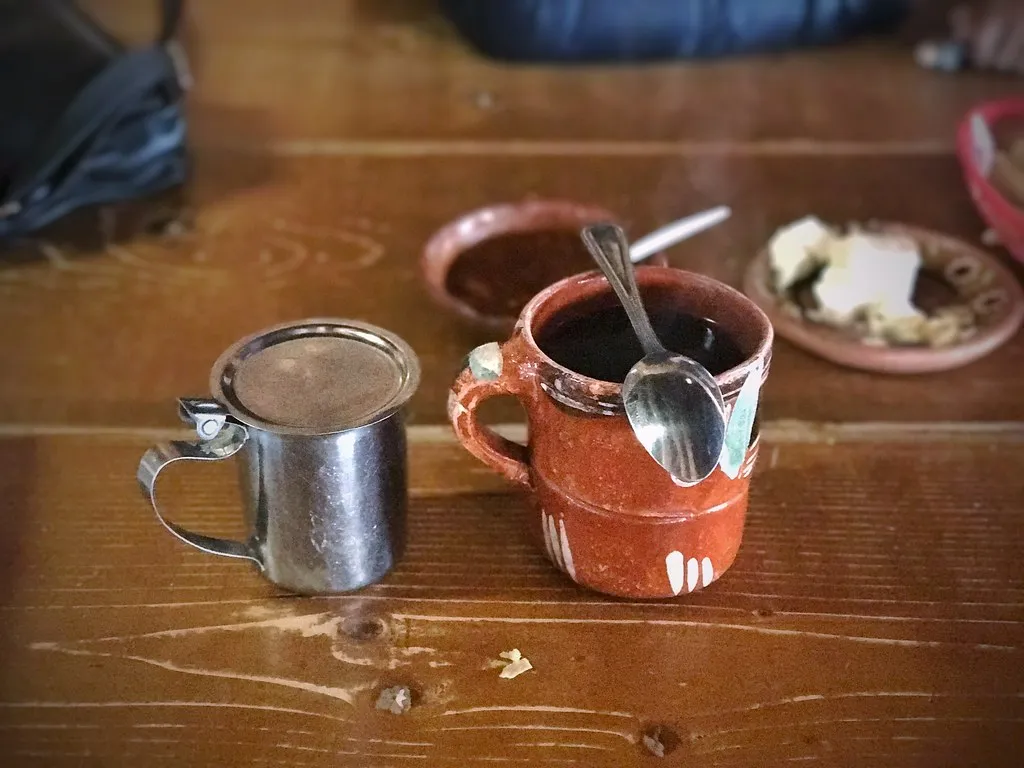
In Mexico, café de olla is a traditional coffee prepared with cinnamon and piloncillo – unrefined cane sugar – sometimes spiced with cloves or anise. It is brewed in a clay pot, which gives it a distinct earthy flavor. Café de olla is often served during holidays, family gatherings, or cold mornings in the countryside.
The clay pot is not just a vessel. It shapes the flavor in ways a metal or glass container simply cannot replicate. The earthiness it imparts becomes part of the drink’s identity, linking the taste to the land itself.
In rural Mexican households, brewing café de olla in the early morning is a daily act of care – a signal that the house is awake and people are welcome. It is humble, warming, and completely unlike what you will find in any specialty café.
Japan’s Pour-Over Ritual: Precision as a Form of Respect
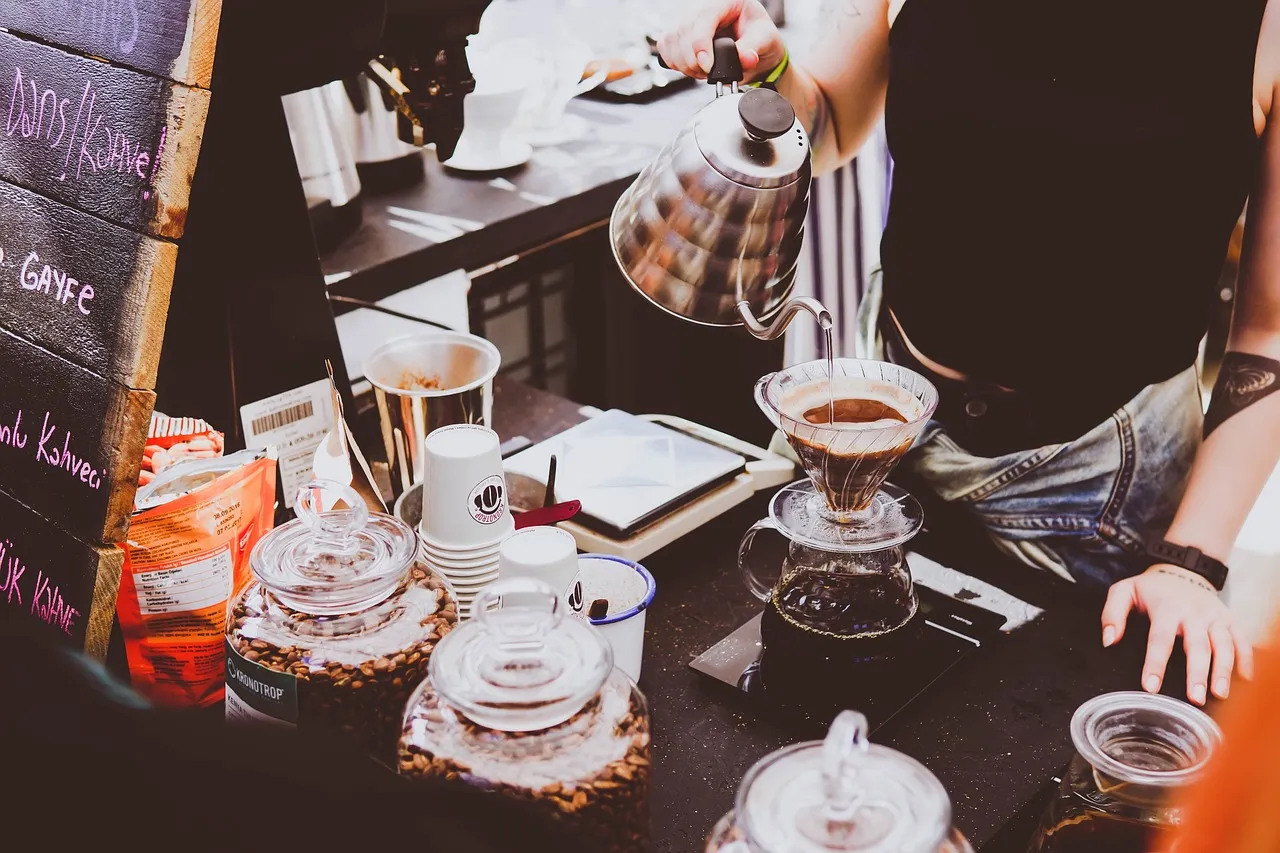
In Japan, coffee culture embraces minimalist aesthetics and precise technique. Popularized through specialty cafés in cities like Tokyo and Kyoto, pour-over methods such as the Hario V60 are elevated into art forms. Baristas measure water temperature, pour speed, and bloom time meticulously, resulting in crystal-clear clarity and a refined sensory experience.
Whether it is sharing a pot of Turkish coffee over conversations or perfecting a Japanese pour-over, coffee rituals are deeply embedded in the identity of communities worldwide. Japan’s version takes this especially seriously. The barista’s movements are deliberate, unhurried, and almost meditative – a quality that mirrors much of the country’s approach to craft.
Sitting at a Japanese coffee counter and watching a pour-over being prepared can feel like watching a small performance. No theatre, no showmanship – just total care. For visitors accustomed to coffee as fuel, it can genuinely reframe what the drink is for.
Why These Rituals Are Worth Seeking Out
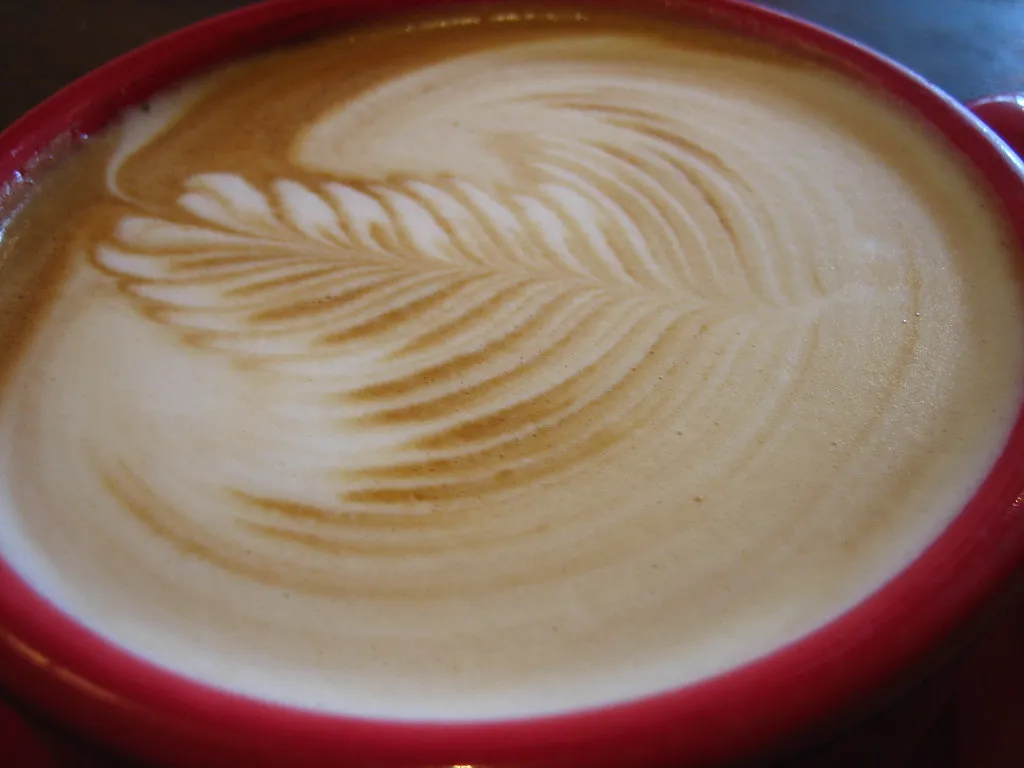
Coffee rituals continue to matter because they encourage people to slow down, connect with others, and preserve cultural heritage. Even in busy modern cities, rituals like Swedish fika or Japanese pour-over brewing bring balance and mindfulness.
These traditions go beyond taste or brewing methods – they highlight a way of life. They show how communities have embraced coffee not just as a drink but as an expression of their identity and values. Traveling toward a ritual rather than just a destination changes what you bring home.
Coffee historians have long argued that the relationship between human culture and coffee is most completely expressed not in the cup itself but in the ritual surrounding it, and that those rituals encode knowledge about quality, hospitality, and community that transcends the beverage. Across three continents and several centuries, coffee ceremonies evolved independently in response to the same plant – each one revealing something different about how cultures adapt a raw material to their own values and social structures.
A Final Note on Participating with Respect
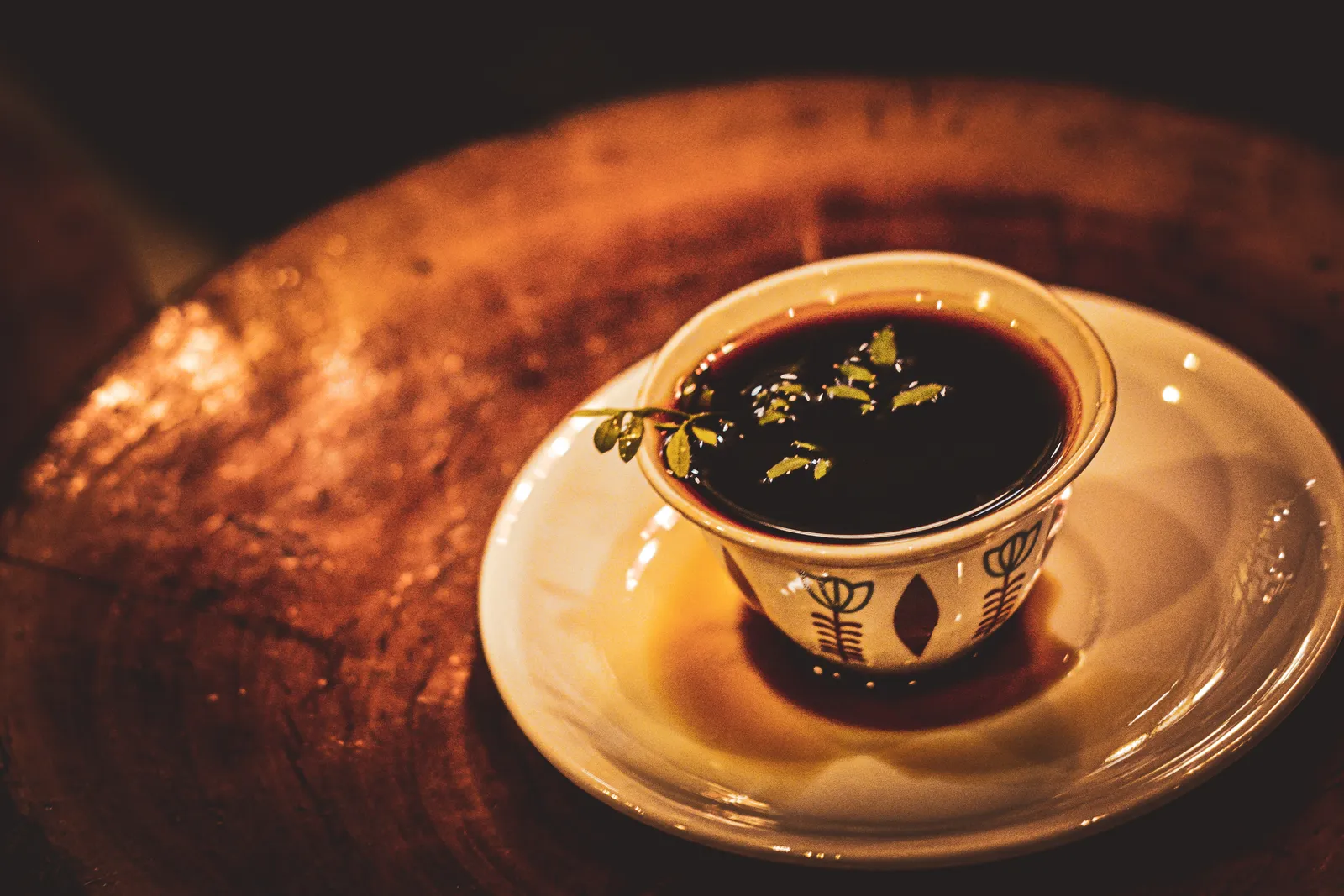
The privilege of being invited into any of these rituals – especially those in private homes, like the Ethiopian jebena buna – deserves genuine gratitude and care. It is considered the most important social occasion in some regions, and it is a sign of respect and friendship to be invited to coffee. Arriving as a curious, present, and patient guest is the only preparation that truly matters.
These coffee rituals offer profound insights into social structures, historical trade routes, and communal spaces. They are not performances staged for outsiders. They are invitations into something that has been quietly working, for centuries, to hold people together.
The best thing a traveler can do is show up, accept the cup, and not be in a hurry to leave.
AI Disclaimer: This article was created with the assistance of AI tools and reviewed by a human editor.