

The Tallest Dunes in All of North America
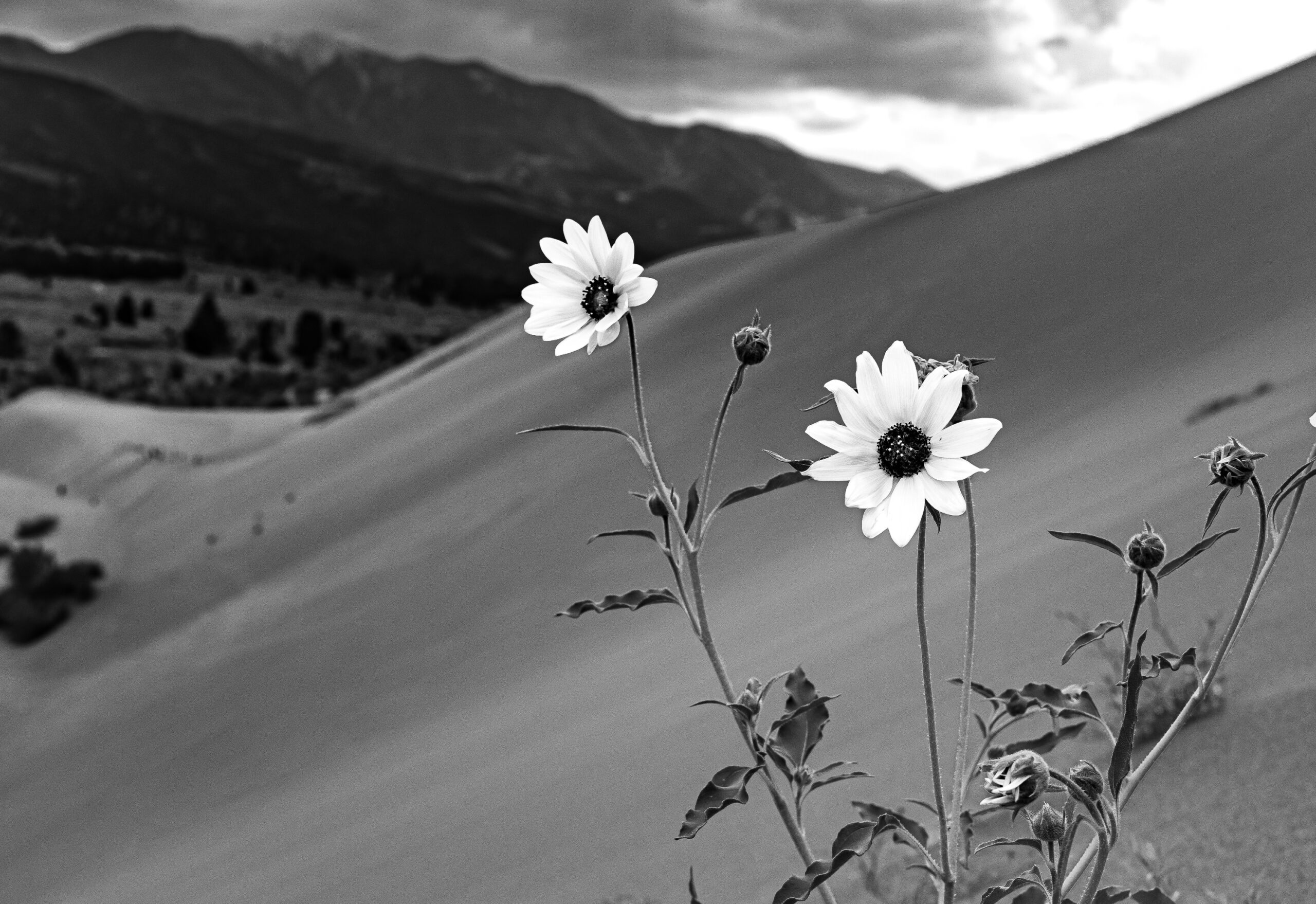
Great Sand Dunes holds the tallest dunes in North America, with Star Dune rising 750 feet from its base to its crest. That number is so large it can be hard to absorb at first glance.
The “High Dune” on the first ridge rises 699 feet from its base, but because it starts on higher ground, its crest sits higher above sea level than that of Star Dune. Two record-holding giants, separated only by how you choose to measure them.
There are a total of five dunes that reach over 700 feet in height. That’s not one anomaly. That’s a landscape of extremes, stacked one beside the other.
Where These Dunes Actually Live
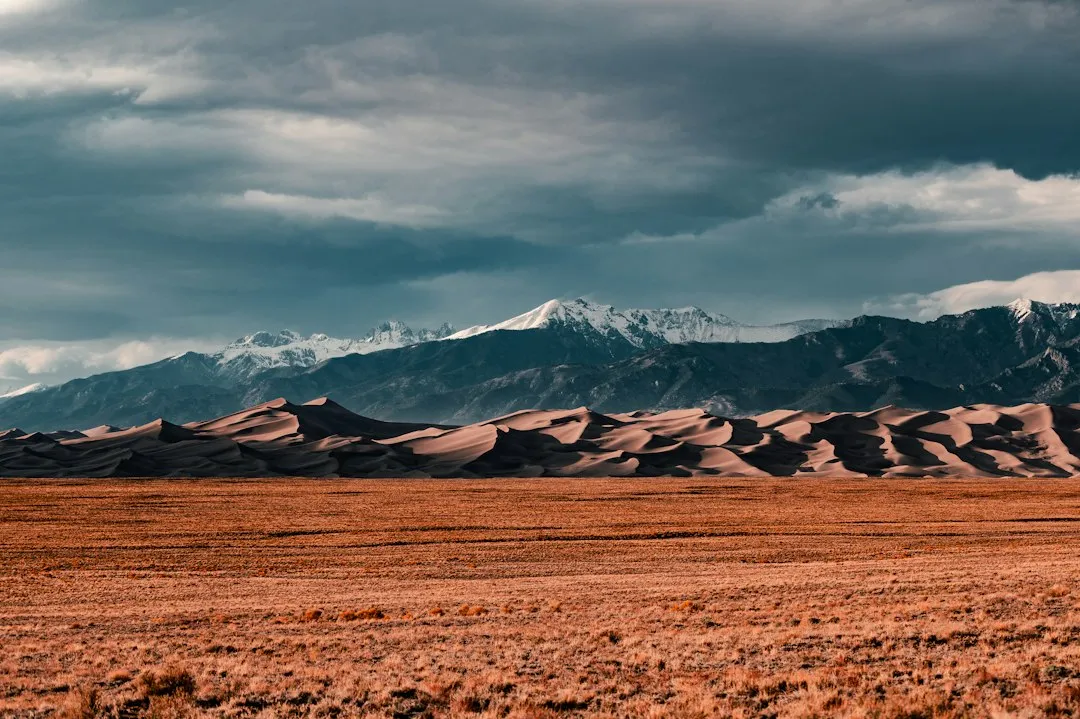
Tucked against the jagged spine of Colorado’s Sangre de Cristo Mountains, Great Sand Dunes National Park and Preserve is home to the tallest sand dunes in North America, rising more than 750 feet from the San Luis Valley floor, these towering ridges of golden sand looking like a mirage against the alpine peaks behind them.
Located in south-central Colorado, about 25 miles northeast of the town of Alamosa, the park spans more than 150,000 acres of sand, wetlands, grasslands, and mountain wilderness.
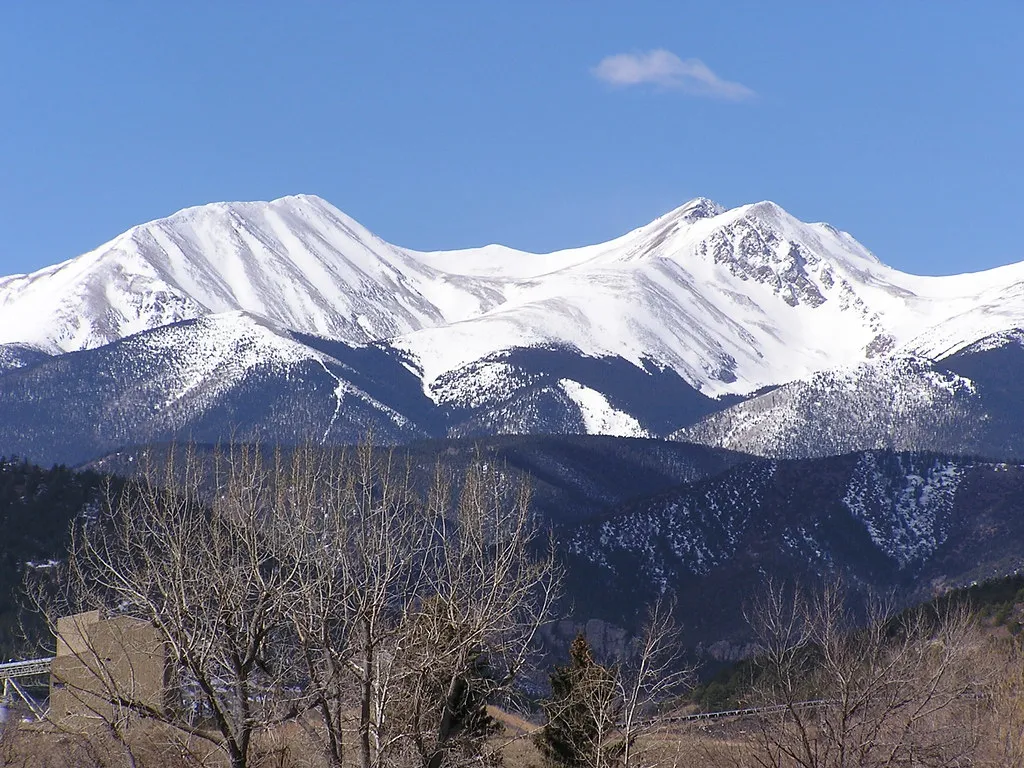
The elevation within the park and preserve ranges from a low of 7,520 feet near San Luis Lakes to a high of 13,604 feet above sea level at Tijeras Peak, a difference of 6,084 feet. That is a staggering vertical range for a single protected area.
How These Mountains of Sand Were Born
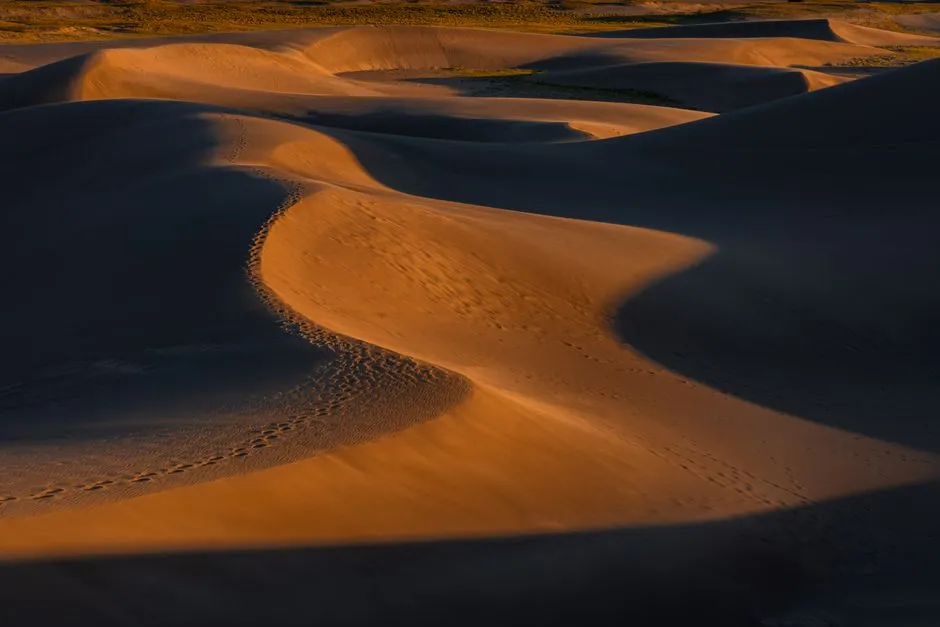
Recent scientific research suggests that the Great Sand Dunes in Colorado began forming around 440,000 years ago, after a large inland lake that once covered the San Luis Valley, named “Lake Alamosa” when evidence of the lakebed was discovered in 2002, dried up due to climate change.
The dunes formed over hundreds of thousands of years as prevailing southwesterly winds carried sand from the dry floor of the San Luis Valley and deposited it against the Sangre de Cristo Range, which acts as a natural trap. The sand originates from sediments deposited by ancient streams and lakes, continuously recycled by wind, water, and gravity.
Much of the sand present is not actually from the Sangre de Cristo Mountains that surround the dunes, but from the San Juan Mountains across the valley. These mountains slowly eroded over time, with the resulting sediment accumulating in the San Luis Valley. The dunes are, in a sense, a gift from peaks you can’t even see from where you’re standing.
Star Dune: A Geological Marvel in Its Own Right
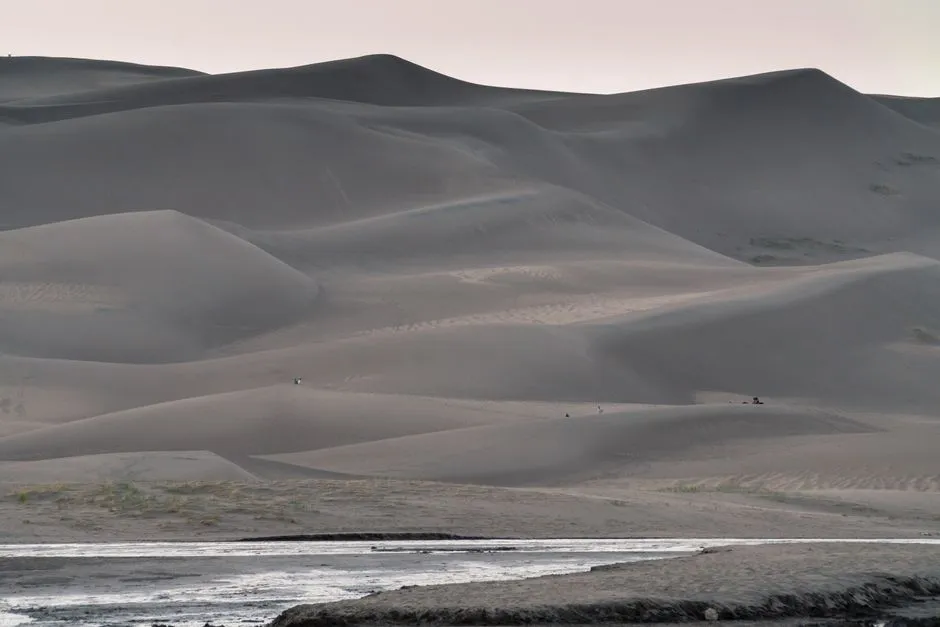
One of the most fascinating features of the park is Star Dune, the tallest in the park and the country, reaching an impressive height of over 750 feet. Unlike simpler barchan or transverse dunes, Star Dune was shaped by shifting wind patterns from multiple directions. This prevents sand from blowing off in any one direction and instead causes it to build up vertically, forming a massive, multi-armed structure that defies the simplicity of typical desert formations.
Add in the base elevation of over 2,440 meters above sea level and these dunes might just be among the highest on Earth, not just in North America.
The Remarkable Sand Recycling System
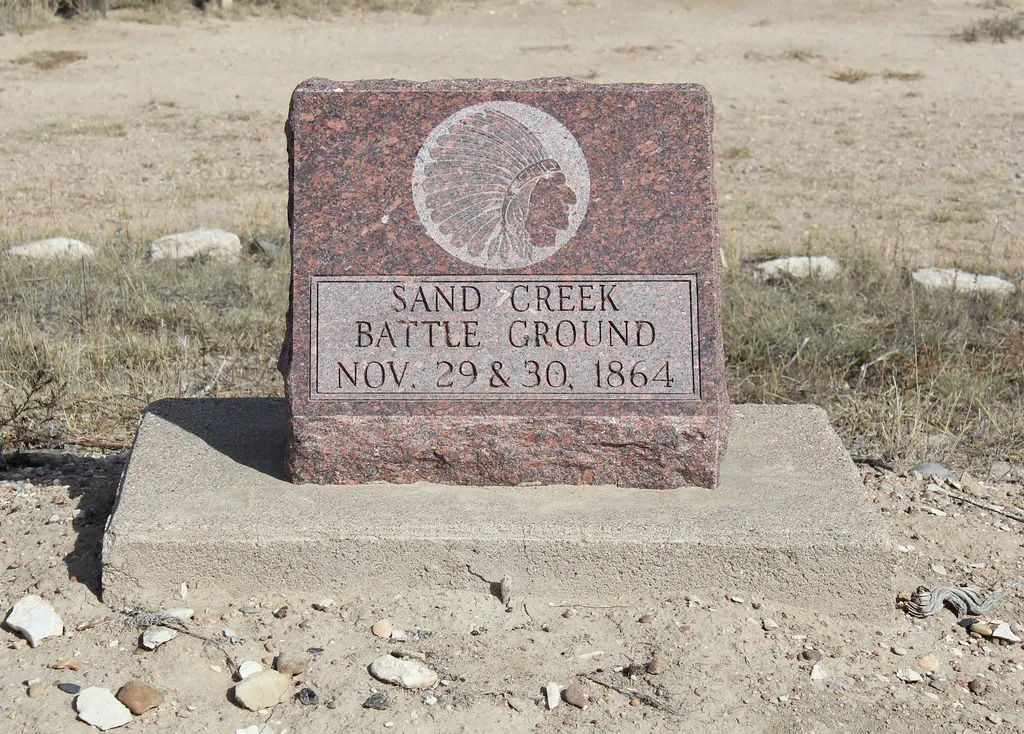
The dunefield is flanked by multiple creeks, with Sand Creek and Medano Creek being the most notable. When the prevailing winds blow sand off the dunes, the sand is captured by one of these two creeks, which then flow to the southern and western edges of the dune field, where wind then blows the sand back onto the dunes. This process maintains the overall amount of sand, meaning that even though the sand does move and some dunes do migrate, the overall dunefield is kept relatively stable.
The park contains over 5 billion cubic meters of sand to create the largest sandbox in North America. That figure puts the sheer volume of this place into a different kind of perspective.
Medano Creek: A Beach at 8,000 Feet
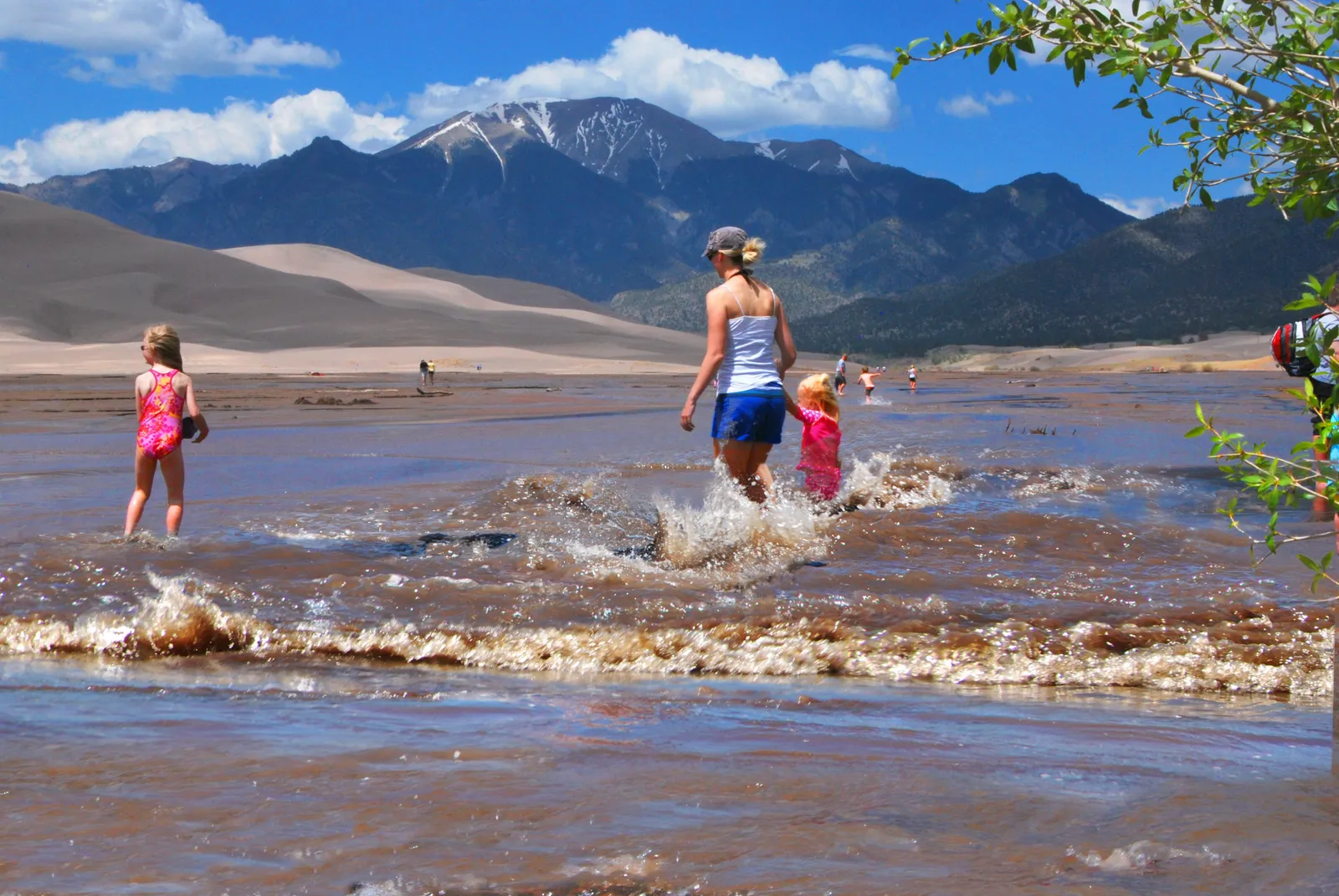
Medano Creek, a seasonal stream that flows along the eastern edge of the dune field in spring and early summer, creates a unique phenomenon called surge flow, where water pulses in small waves across the wide sandy channel.
Medano Creek is a seasonal stream that flows along the eastern base of the dunefield at Great Sand Dunes National Park and Preserve in Colorado. It originates from snowmelt in the Sangre de Cristo Mountains and runs across a wide, sandy floodplain before disappearing into the sand each summer.
Peak flow in an average year occurs in late May or early June at 40 cubic feet per second. Timing your visit around this window gives the full sensory experience of this rare landscape.
An Ecosystem of Surprising Diversity

The tallest dunes in North America are the centerpiece in a diverse landscape of grasslands, wetlands, forests, alpine lakes, and tundra. The variety of life tucked into this park is genuinely easy to underestimate from a distance.
The park preserves the tallest sand dunes in North America alongside alpine lakes and tundra, mountain peaks over 13,000 feet, mixed conifer forests, grasslands, and wetlands. More than 200 bird species use the park, including the Bald Eagle, Golden Eagle, and Great Blue Heron.
Pronghorn use the park’s grasslands, and visitors sometimes see herds along the entrance road in morning or evening. In the creek’s deeper pools, Rio Grande cutthroat trout hold steady, one of the last refugia for this native fish in southern Colorado.
A Place of Deep Cultural and Sacred Significance
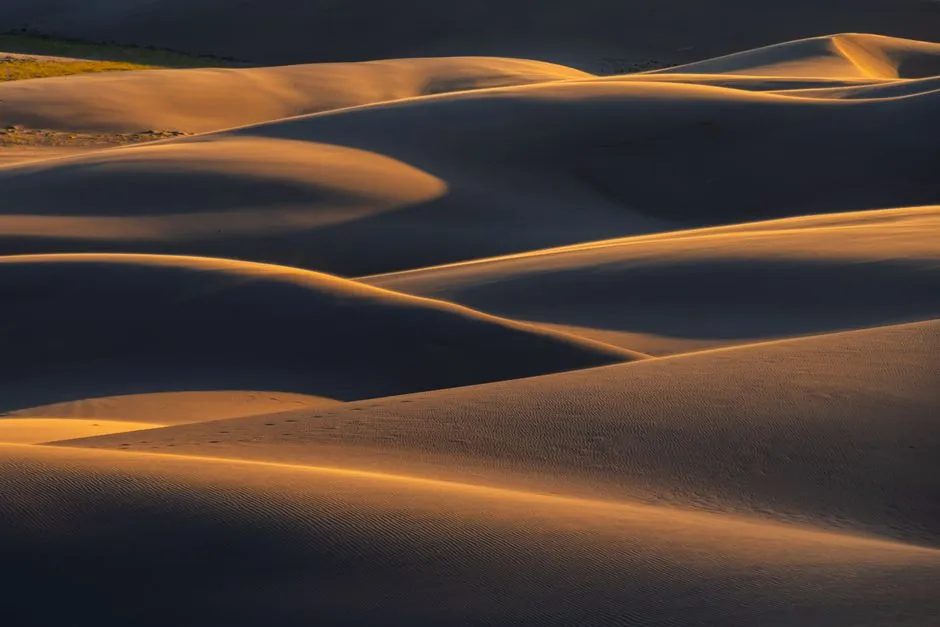
The park was originally designated a national monument in 1932 to protect its dunes from gold mining and sand extraction for cement, but for millennia before the designation, Indigenous communities have viewed the sand dunes as a sacred place.
The Great Sand Dunes have long been revered by Native American tribes, including the Utes, who considered them sacred. That history of reverence stretches back far longer than any national designation.
Established as a national park and preserve in 2004, the park protects the tallest sand dunes in North America along with a remarkable diversity of mountain, grassland, wetland, and alpine ecosystems. Formal protection arrived late, but it arrived comprehensively.
Hiking, Stargazing, and Sandboarding
Hiking the High Dune on the first ridge is one of the most popular hikes, taking around two hours and spanning 2.5 miles, though it can take up to four hours since there are no trails. The absence of marked paths is part of the experience, not an oversight.
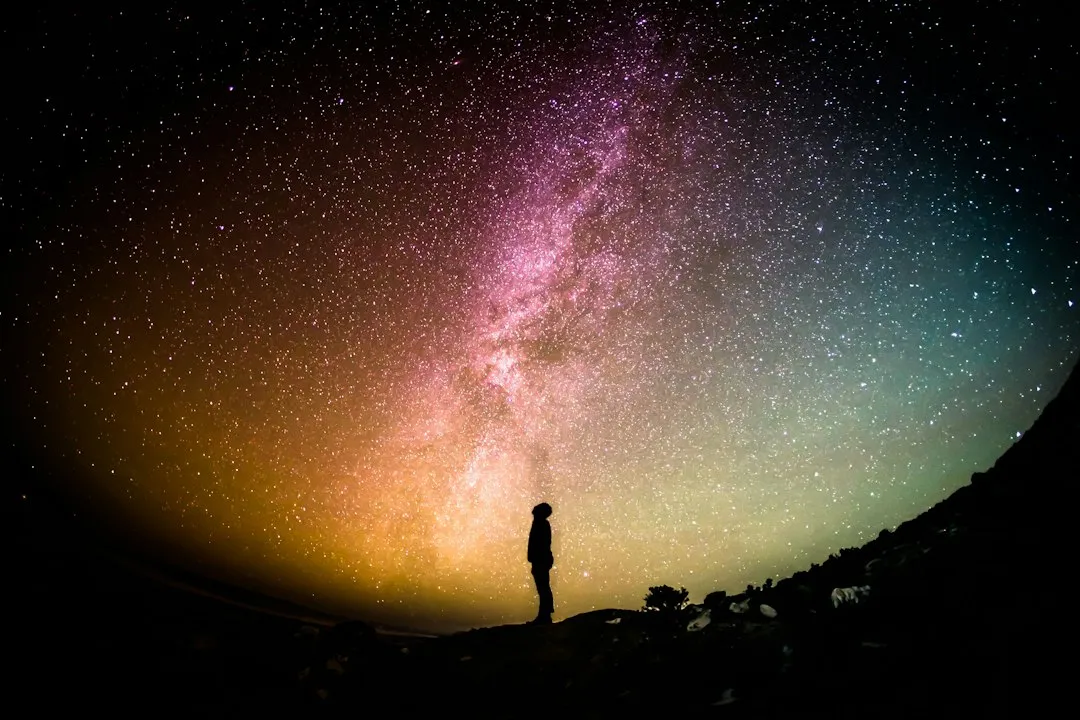
The park has earned International Dark Sky Park designation, and staying on a moonless night offers the experience of countless stars. It is open 24 hours a day, seven days a week, year-round, with no timed entries or reservations required to visit.
The park offers unique recreational opportunities including sandboarding, sand sledding, hiking, backpacking, stargazing, photography, and wildlife viewing. Few places on earth let you do all of those things in a single afternoon.
Visitation and How to Reach the Park
Great Sand Dunes National Park and Preserve received 432,498 visitors in 2025, covering a total area of 149,028 acres across Alamosa and Saguache Counties, Colorado. Visitor numbers have grown steadily as more travelers discover what this corner of the American West quietly offers.
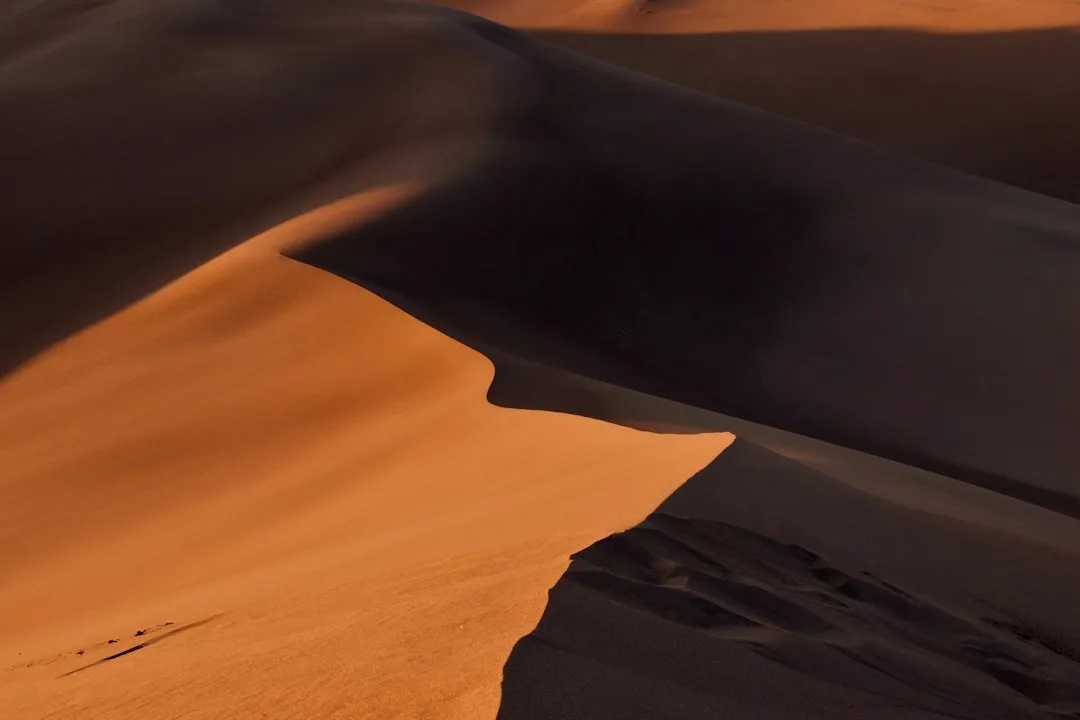
The large, main dunefield covers approximately 30 square miles, but there are many more square miles of smaller dunes in the sand sheet surrounding the main dunefield. At the widest point, the main dunefield runs six miles and at the greatest length, eight miles.
The park is located about 25 miles northeast of the town of Alamosa, which serves as the main gateway community and offers lodging, dining, and services for visitors arriving from across the region.
A Landscape That Earns Its Reputation
AI Disclaimer: This article was created with the assistance of AI tools and reviewed by a human editor.