

There’s a ritual that seasoned travelers know well. Before a long-haul flight, they pack with a kind of quiet confidence, selecting items that have earned their spot through years of experience and worn-out bags. It’s not the destination that shapes their packing list. It’s the hours in between.
What separates a tolerable 12-hour flight from a genuinely restful one often comes down to a handful of well-chosen carry-on essentials. From neck support to noise control, each item solves a real problem rooted in cabin physiology, not comfort theater.
The Travel Pillow: The One Item Nearly Everyone Agrees On
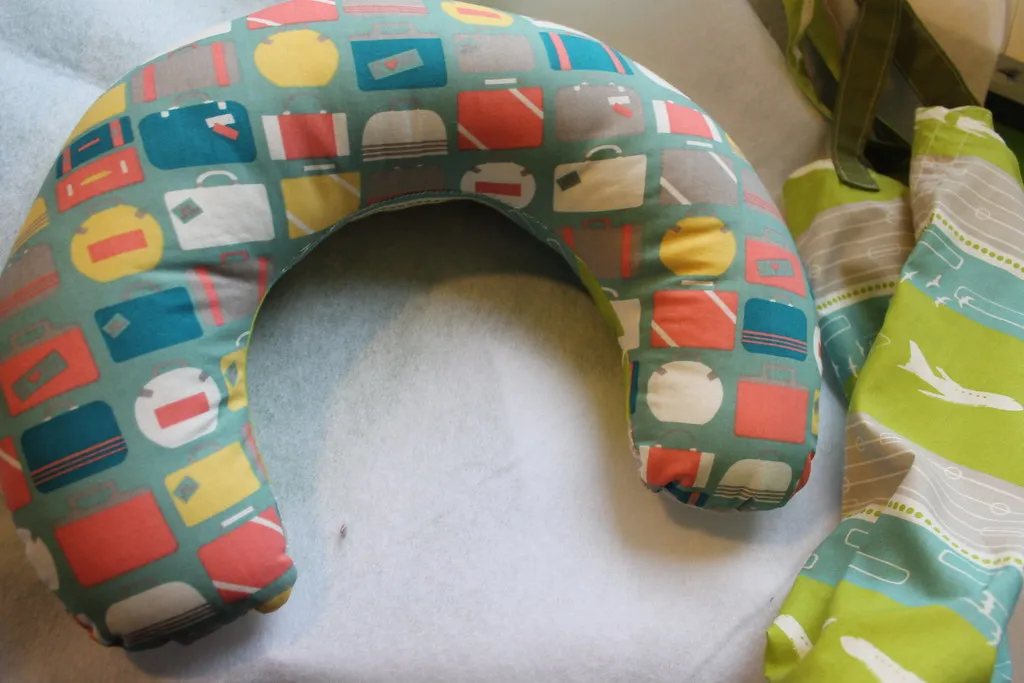
Ask a hundred frequent flyers what they refuse to board without and a neck pillow lands near the top of that list almost every time. Neck pillows keep the back straight and provide enough cushioning for a chin tuck, and without one, travelers may feel soreness and pain in the muscles, according to physiotherapist Ajmal Sheriff of Dubai’s Emirates Health Services.
A trial conducted on a San Francisco to Singapore flight spanning roughly 14 hours showed meaningful results: participants reported a decrease in neck pain of around 80 percent when using a supportive travel pillow. That kind of relief isn’t minor on a flight that crosses a full night of sleep time.
Memory foam pillows tend to offer more support than inflatable options, and for those who frequently take long-haul or multiple international flights per year, investing in a memory foam version is genuinely worth it. It’s one of those items where the upgrade pays for itself quickly.
Noise-Canceling Headphones: Your Portable Quiet Room
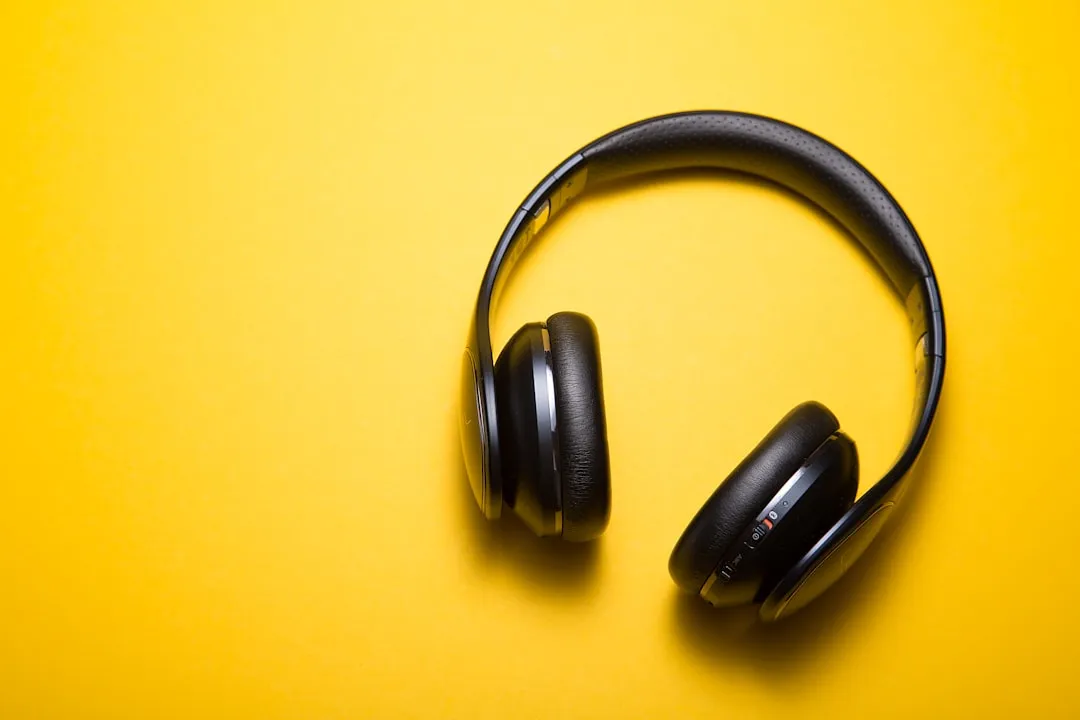
Studies show in-flight noise typically ranges from 37.6 dB to 110 dB, with a median around 83.5 dB – more than enough to make deep relaxation difficult. That constant hum is not just annoying. It’s genuinely exhausting over the course of many hours.
On long-haul trips, headphones with active noise cancellation reduce ear fatigue and help passengers sleep better by minimizing engine and cabin noise. A 2022 study found that wearing noise-canceling earbuds led to self-reported better sleep quality and decreased daytime sleepiness and tension, with more pronounced results in those who already reported below-average sleep quality.
Flight anxiety is more common than many realize. Studies suggest nearly one in five Americans avoid air travel altogether because of it. Sound can play a surprising role in easing that tension, with research showing that certain types of music can lower heart rate, steady breathing, and reduce emotional distress. Headphones, in that sense, do more than block noise.
Compression Socks: The Unglamorous Essential That Actually Matters
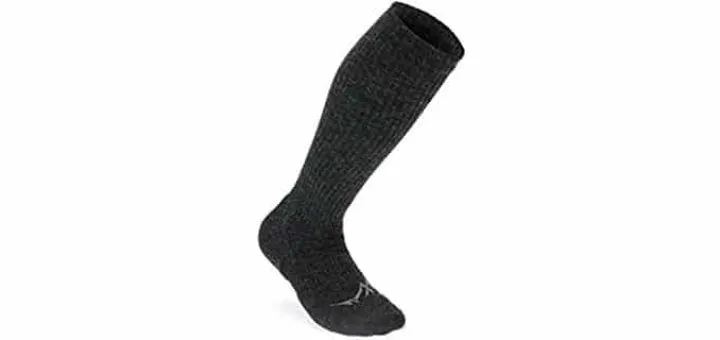
When seated for extended periods, blood flow in the legs can slow down, increasing the risk of developing deep vein thrombosis (DVT), a potentially serious condition where blood clots form in deep veins, usually in the legs. Compression socks are a simple, effective tool to help promote better circulation and reduce that risk during air travel.
Compression socks apply graduated pressure to the legs, with the highest pressure at the ankles, gradually decreasing upward. This pressure helps blood vessels work more efficiently, aiding the return of blood to the heart and reducing swelling, blood clots, and leg fatigue both during and after the flight.
Evidence-based research indicates that compression stockings are effective at reducing asymptomatic DVT in airline passengers taking flights longer than five hours, in both high-risk and lower-risk populations. Travelers who wear them often report feeling less stiff and more energized after landing. It’s the kind of payoff that makes even skeptics convert.
A Reusable Water Bottle: The Simplest Tool Against Cabin Dehydration
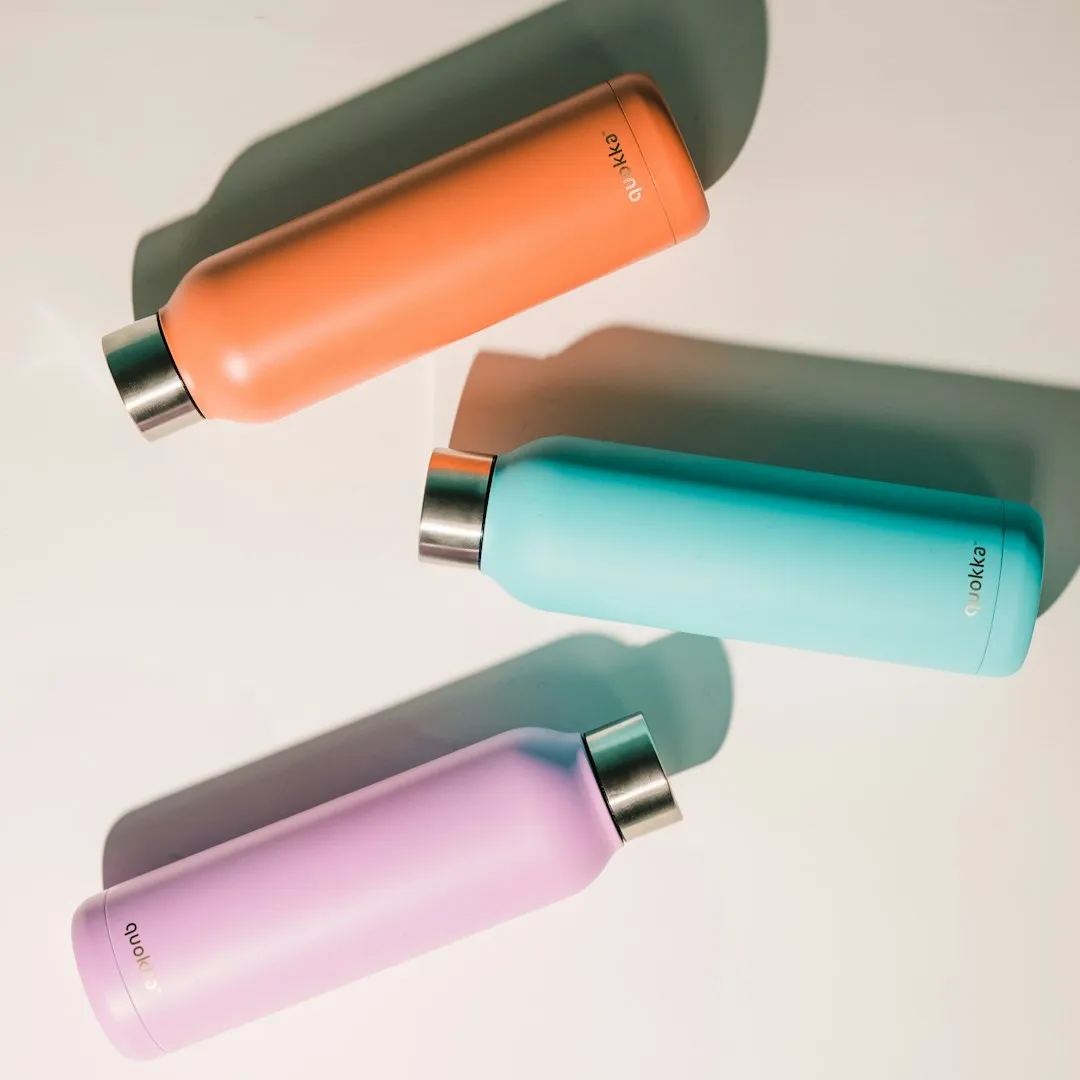
The humidity inside airplane cabins can drop to just five percent, far below the comfortable indoor range of 30 to 60 percent. This dry environment doesn’t just cause discomfort – it directly impacts the body’s hydration, energy, and sleep quality.
On a 10-hour flight, the body can lose up to two liters of fluid through breathing alone, before any sense of thirst even kicks in. Mild dehydration can cause fatigue, difficulty concentrating, dry mouth, and dry eyes – symptoms that many travelers mistakenly chalk up entirely to jet lag.
Sipping roughly 240 milliliters of water per hour and adding electrolytes before and during the flight prevents far more fluid loss than drinking a large bottle at the gate. A reusable bottle filled after security makes consistent hydration effortless rather than dependent on a flight attendant’s cart timing.
An Eye Mask: Light Blocking That Changes Everything

Airlines once supplied pillows, blankets, eye masks, and earplugs, but not all do so today. That shift has quietly moved the responsibility of sleep preparation onto the traveler, and a well-fitted eye mask has become a standard item in seasoned carry-ons.
Cabin lighting rarely aligns with where your body clock is. A window-seat passenger might wake to bright sunrise glare over the Atlantic while their body thinks it’s two in the morning. A good eye mask costs almost nothing and blocks that interruption entirely.
Some newer travel pillow combos even include a matching sleep mask that blocks out cabin chaos – a practical pairing that removes the need to hunt for two separate items at the bottom of a bag mid-flight.
A Lightweight Travel Blanket: Warmth on Your Own Terms

Cabin temperatures on long-haul flights tend to run on the cooler side, and airline-provided blankets aren’t always available, especially in economy on shorter international routes. Having your own compact blanket removes that uncertainty before it becomes a discomfort.
A good travel blanket should be soft and plush but light enough to avoid the bulky carry-on dilemma. The best versions pack down to roughly the size of a water bottle and weigh almost nothing. You barely notice them until you desperately need one at hour seven of a transoceanic flight.
The temperature regulation also matters for sleep. The body naturally drops its core temperature slightly as it shifts into rest mode, and staying too warm or too cold disrupts that process. A personal blanket gives you fine-grained control that a shared airline throw simply doesn’t.
A Moisturizer and Lip Balm: Fighting the Cabin Air From the Outside In
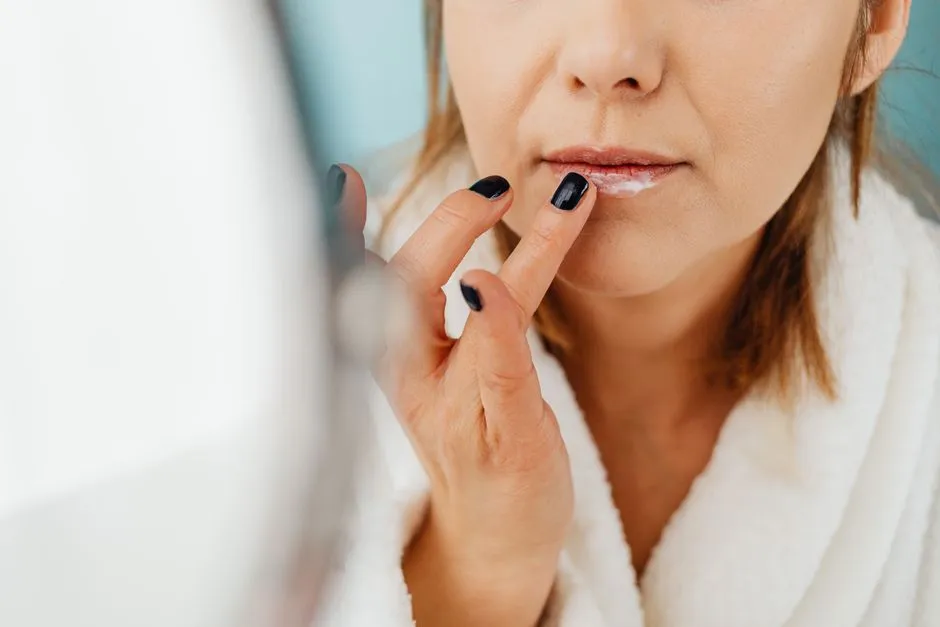
Skin loses moisture rapidly in the cabin environment, and the discomfort compounds the longer you remain airborne. The combination of low humidity and recirculated air strips moisture from exposed skin faster than most daily environments, and frequent travelers often notice tightness, flaking, and accelerated signs of aging that correlate directly with time spent in the air.
The extremely low humidity dries out mucous membranes, weakening the body’s natural defenses against airborne pathogens. Using a saline nasal spray helps keep nasal passages moist, maintaining the protective barrier that filters incoming air.
A small tube of moisturizer and a basic lip balm take up almost no space in a personal bag. Applied a couple of times during a long flight, they make a meaningful difference in how you feel upon landing – not a complete rescue, but a genuine one.
A Portable Charger: Keeping Your Essentials Running
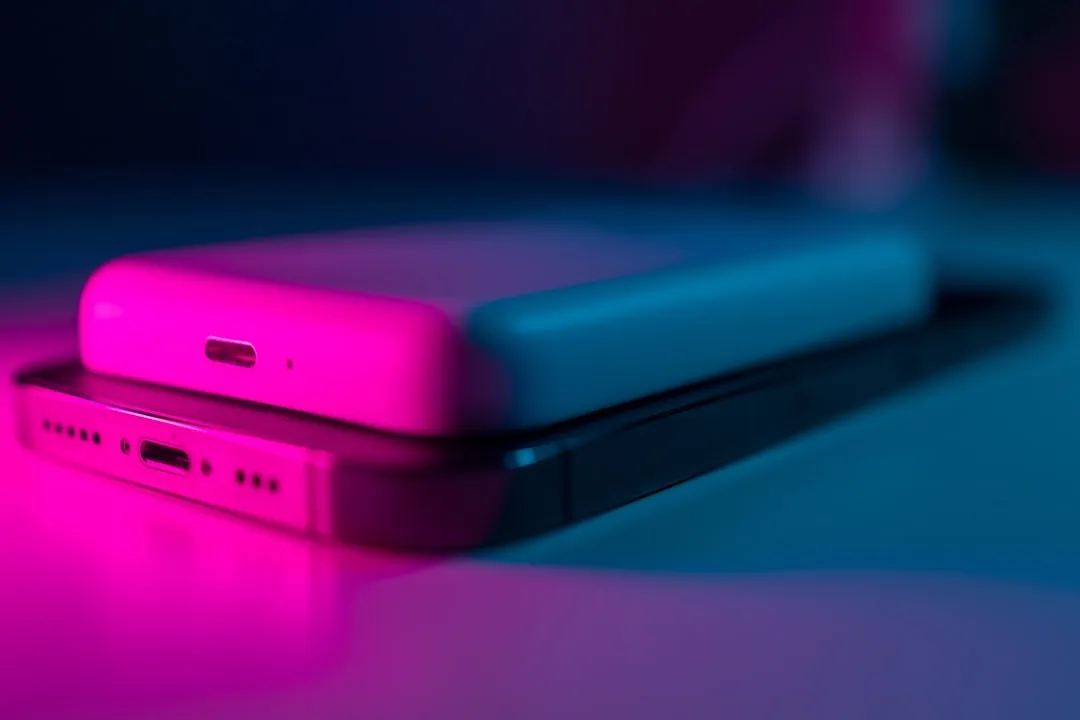
Smartphones are a primary source of information during travel, from maps to tickets to bookings, which makes keeping them powered up a practical necessity, not a luxury. Not every seat on every flight has a working USB port, and even the ones that do sometimes deliver frustratingly slow charging.
A compact power bank removes that anxiety completely. You board knowing your devices will outlast the flight, whether you’re navigating an unfamiliar airport at the other end, streaming entertainment, or staying reachable for family at home. It’s one of those items that earns its weight before you even get on the plane.
Frequent travelers tend to favor smaller, dual-port models that fit in a jacket pocket and charge at reasonable speeds. They don’t need to power an entire setup, just keep the phone and perhaps some wireless earbuds alive for ten or twelve hours of continuous use.
Comfortable Layers: Dressing for the Altitude, Not the Destination

Any seasoned traveler will tell you that layering is the key to surviving long-haul flights and multi-leg trips. The ideal layer sits somewhere between a sweater and a light shirt – versatile enough to wear everywhere. It’s the kind of clothing choice that sounds minor until you’re shivering at hour four and the cabin crew says there are no more blankets.
Breathable, non-constricting clothing also supports circulation, which matters more on long flights than most people realize. Tight waistbands, stiff denim, and restrictive footwear all compound the physical discomfort of hours of seated immobility. Experienced travelers tend to arrive in clothes they could sleep in without embarrassment.
The goal isn’t a full wardrobe rethink. It’s a single thought before packing: will I feel restricted or comfortable in this after six hours in a pressurized cabin? The answer guides everything from trouser choice to shoe selection.
Earplugs as a Backup: Low-Tech, Underrated, Reliable
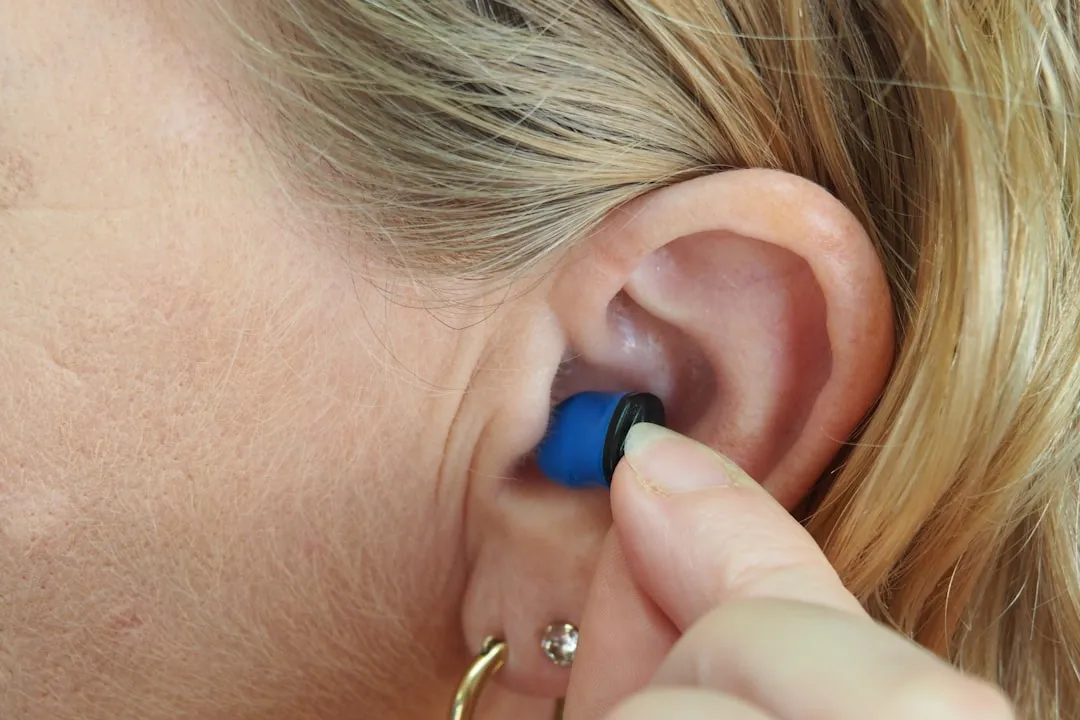
Noise-canceling headphones are excellent, but they need charging, they can feel bulky after several hours of wear, and they don’t always work for lighter sleepers who simply want passive quiet. A pair of foam earplugs tucked into a side pocket costs almost nothing and weighs nothing.
Even when you think you’ve drifted off on a flight, background noise keeps the nervous system on high alert, preventing the deep sleep the brain actually needs. Earplugs address that even when technology has run out of battery, which it inevitably will on the longest routes.
According to the National Institute for Occupational Safety and Health, anything above 85 decibels can cause fatigue and, over time, may affect hearing. Given that cabin noise regularly reaches that threshold, earplugs shift from a convenience to something closer to basic self-care on extended flights.
The Takeaway
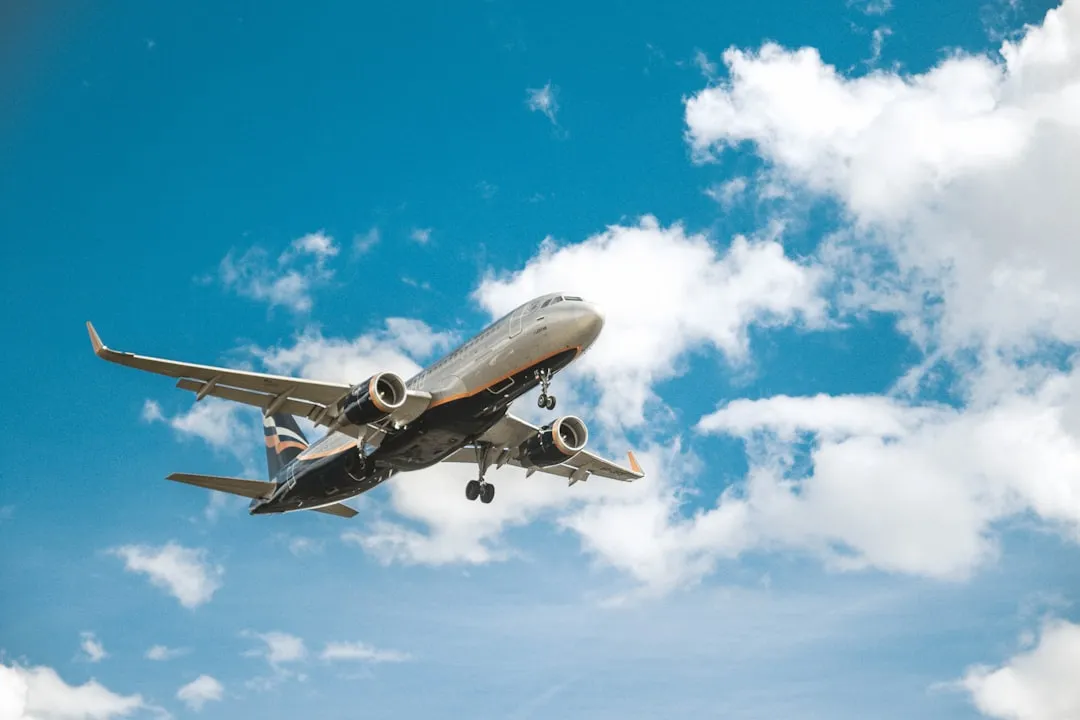
Long-haul flying has always been a mild act of endurance. The cabin environment is genuinely demanding – dry, loud, cramped, and disorienting to the body’s internal clock. But the gap between arriving depleted and arriving reasonably intact is bridgeable, and it doesn’t require expensive upgrades.
The items on this list are not about luxury. They’re about understanding what the body actually needs at altitude and packing accordingly. Airline travel remains the safest mode of transportation in the world, but the aircraft cabin environment can pose health-related challenges, especially on long-haul flights. Knowing that, and preparing for it, is the quiet advantage every experienced traveler carries in their bag.
AI Disclaimer: This article was created with the assistance of AI tools and reviewed by a human editor.