
What Coral Spawning Actually Is
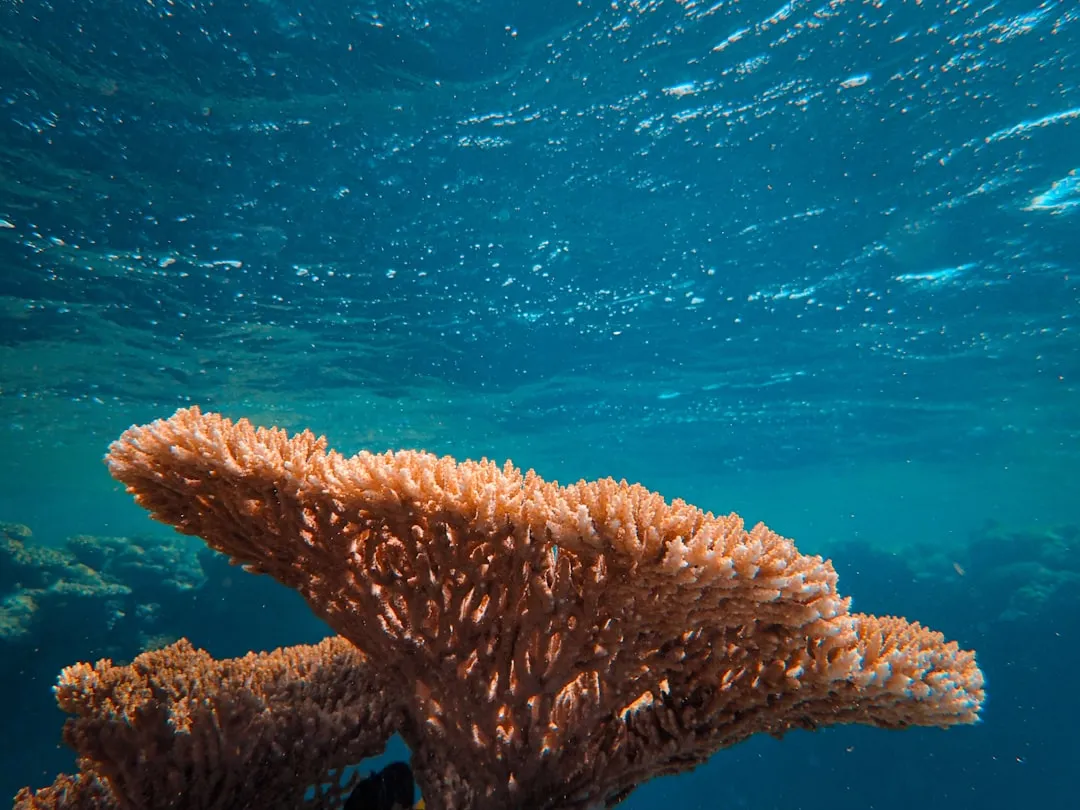
Coral spawning is an annual event where corals simultaneously reproduce. During this synchronised breeding, coral polyps release millions of tiny egg and sperm bundles into the water. Each bundle must find another bundle from the same species to fertilise. By spawning en masse, corals increase the likelihood of finding and fertilising a matching bundle.
Once the sperm fertilises the eggs, they develop into tiny, free-swimming larvae called planulae. These larvae eventually settle on the reef substrate, growing into new coral colonies that can help repopulate reefs.
Coral spawning is a mesmerizing natural event where corals, in a perfectly synchronized release, emit millions of tiny eggs and sperm into the water. This release happens simultaneously across vast stretches of the reef, creating what looks like an underwater snowstorm of pink, white, and orange as the coral’s reproductive cells rise to the surface.
When It Happens and Why the Moon Matters
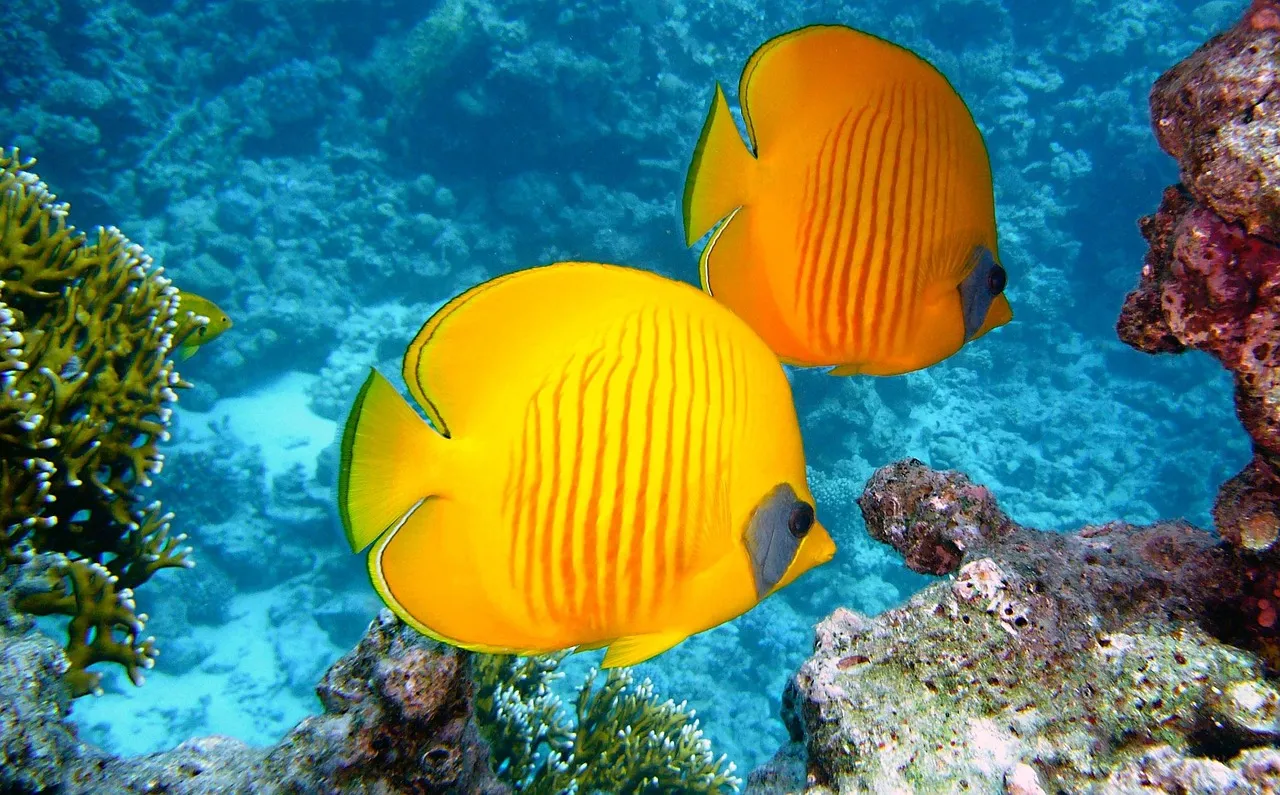
Triggered by water temperature and the lunar cycle, corals usually spawn on the nights following the October, November, and December full moons, depending on the location of the reef. This event typically occurs one to six nights after the October, November, and December full moons, with many corals relying on the moon’s light and gravitational pull to time their spawning.
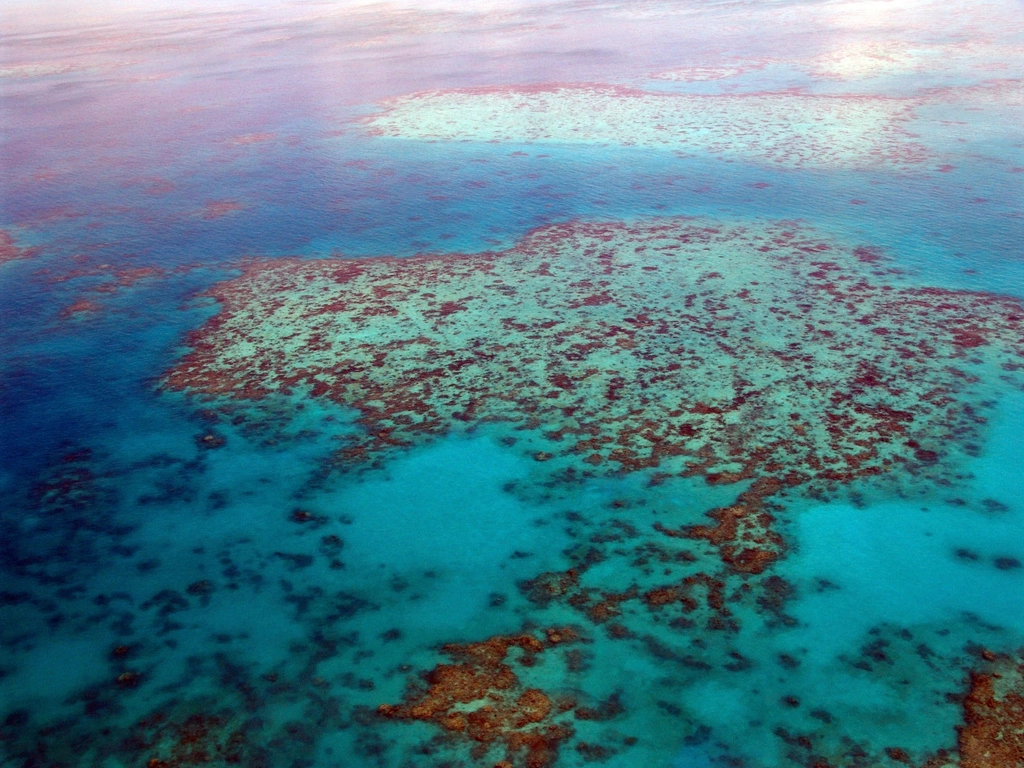
The timing depends on a number of factors including location, water temperature, and tides. On the Great Barrier Reef, inshore reefs typically spawn in October, while outer reefs spawn during November or December.
Discovered in 1981 by researchers at James Cook University, coral spawning typically occurs on the northern Great Barrier Reef between November and December, usually two to six days after the November full moon. At this time, water temperatures have generally been above 27°C for a month, creating the perfect conditions.
The Discovery That Changed Marine Science
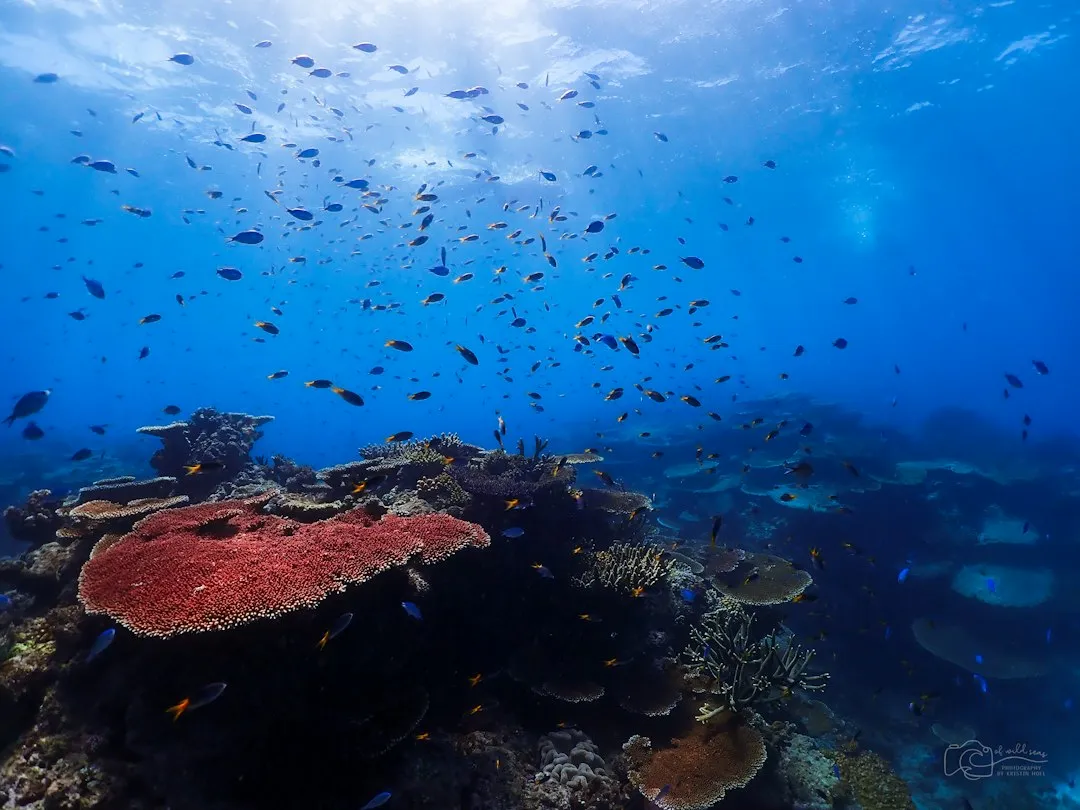
Synchronous multispecific spawning by a total of 32 coral species occurred a few nights after late spring full moons in 1981 and 1982 at three locations on the Great Barrier Reef, Australia. Before that, most scientists assumed coral reproduction was largely internal and individual. The 1984 publication of those findings in the journal Science reshaped everything.
During the predicted times, 105 species from 36 genera and 11 families were observed to spawn. Of these, 15 species were shown to have an annual gametogenic cycle. The scope of what researchers were looking at suddenly became clear: this wasn’t a quirk of a single species. It was a reef-wide event.
Despite decades of studies, environmental drivers of the synchronous spawning remained unclear for a long time. Coral spawning data are very sparse – it’s usually only an annual event. For the first time, researchers have more recently produced a model for coral spawning, based on various environmental factors, published in the journal Royal Society Open Science in 2024.
The Odds Are Staggering
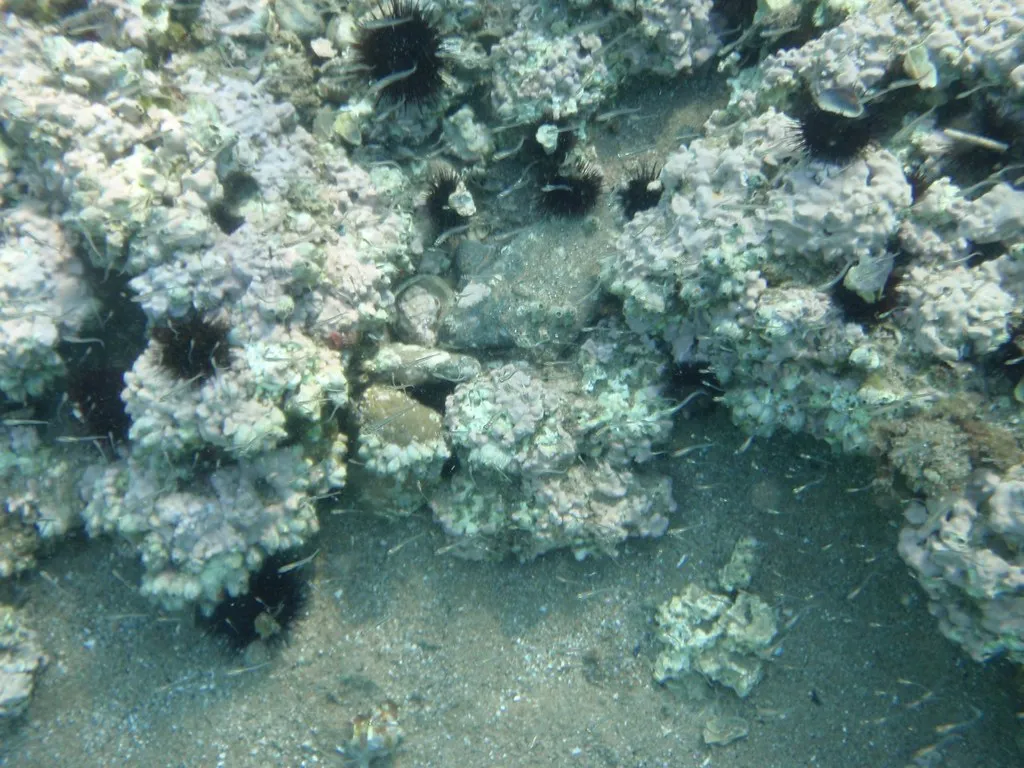
While corals increase their chances of finding a match by spawning en masse in open water, only an estimated one in a million fertilised eggs survive to become coral. It’s a number that puts the sheer volume of the event into perspective. The ocean is enormous, and fertilisation requires chance, current, and timing all working together.
Corals reproduce for just a few days each year and research teams work around the clock to collect spawn and use it to grow new, resilient corals on the reef or in special aquariums on land. Scientists are now exploring ways to improve the odds from one in a million, to as high as one in four.
Not Just the Great Barrier Reef
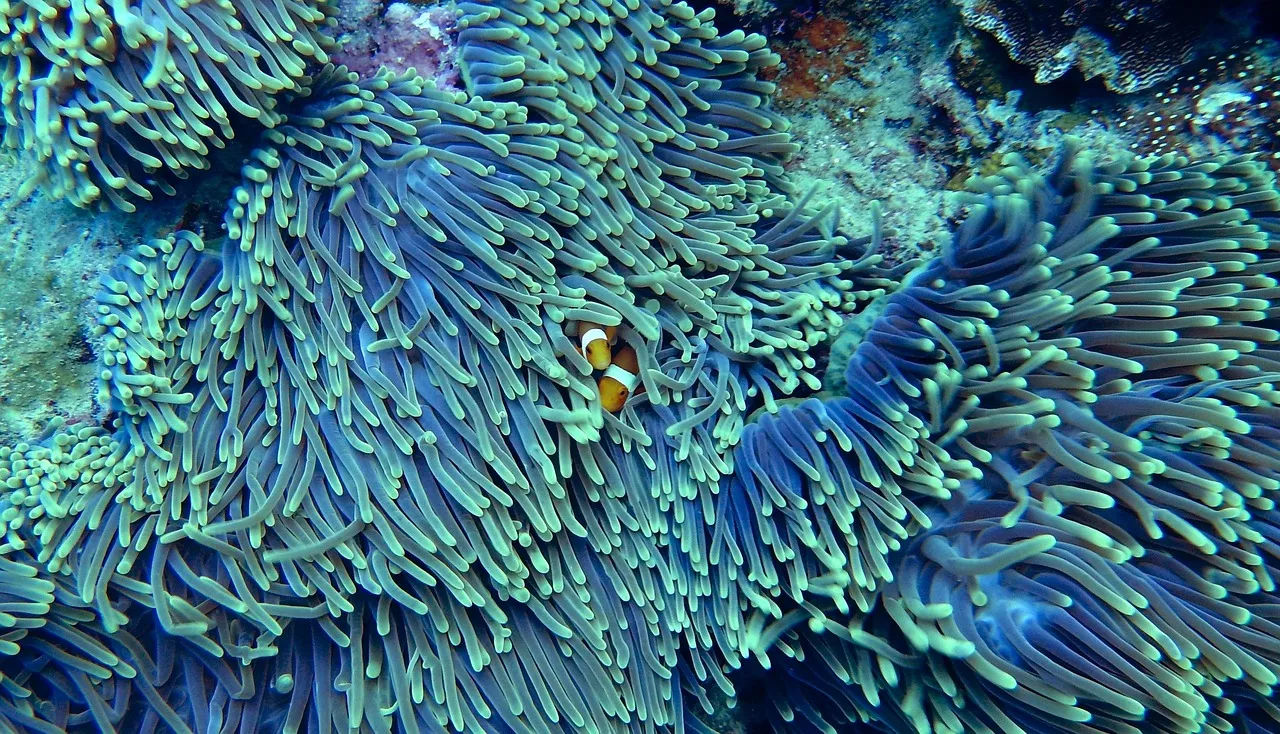
Researchers reported the exact timing and reproductive strategies for 375 individual coral colonies across 28 species from 10 genera between February 2024 and April 2025 at a near-shore reef in Baa Atoll, Maldives. They identified two peak periods of multi-specific spawning, coinciding with the monsoonal transition seasons.
Results from that Maldives study showed that larger spawning events in a given month are significantly correlated with lower wind speeds, higher sea surface temperatures, and higher levels of solar insolation. This research, published in Frontiers in Marine Science in 2026, provides the first detailed spawning records for several non-Acropora genera in the Maldives.
Florida’s reefs also host their own annual spectacle. Once a year, at the end of summer, lunar and environmental cues trigger staghorn and elkhorn corals on Florida’s Reef to reproduce through broadcast spawning, releasing buoyant bundles of eggs. The Caribbean offers similar windows, with operators in St. Lucia and Curaçao running dedicated spawning dive packages.
What Scientists Do During the Window
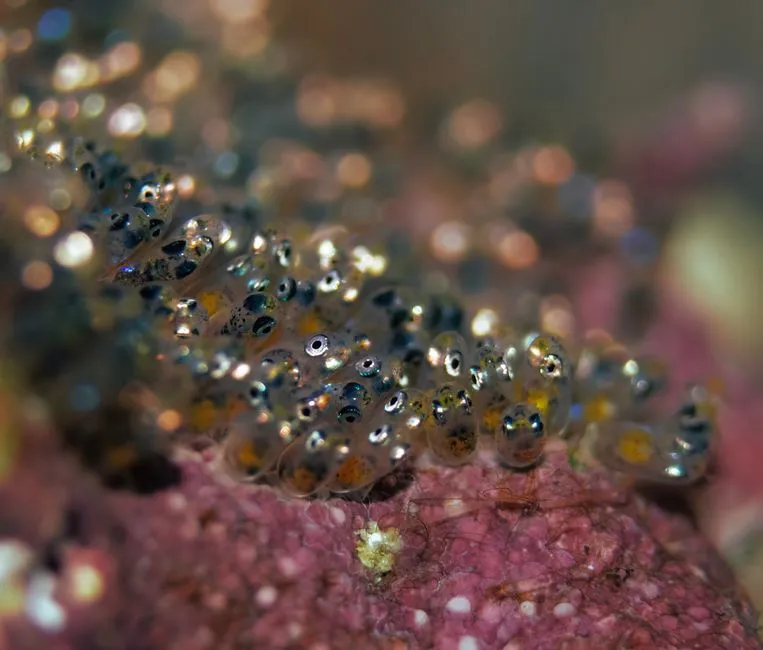
Coral spawning provides a narrow window of opportunity for recovery on the reef. This is also a narrow window for the scientists working to understand how reefs can resist and recover from disturbances, and how we can help.
Spawning research allows conservation teams to monitor coral health, assess resilience, and identify critical stages where reproduction may falter. During the spawning event, divers monitor colonies for “setting,” the stage when gamete bundles become visible in the polyps. Once setting begins, a mesh tent is placed over the coral to capture the gametes as they are released. These gametes are then transferred to collaborators for fertilization and research.
NCCOS scientists collaborated with partners at The Florida Aquarium and the University of North Carolina, Wilmington to test different methods to improve fertilization rates and how exposure to stressors, such as elevated nutrients, may affect fertilization survival, development, and behavior of corals.
Breeding Corals Out of Season
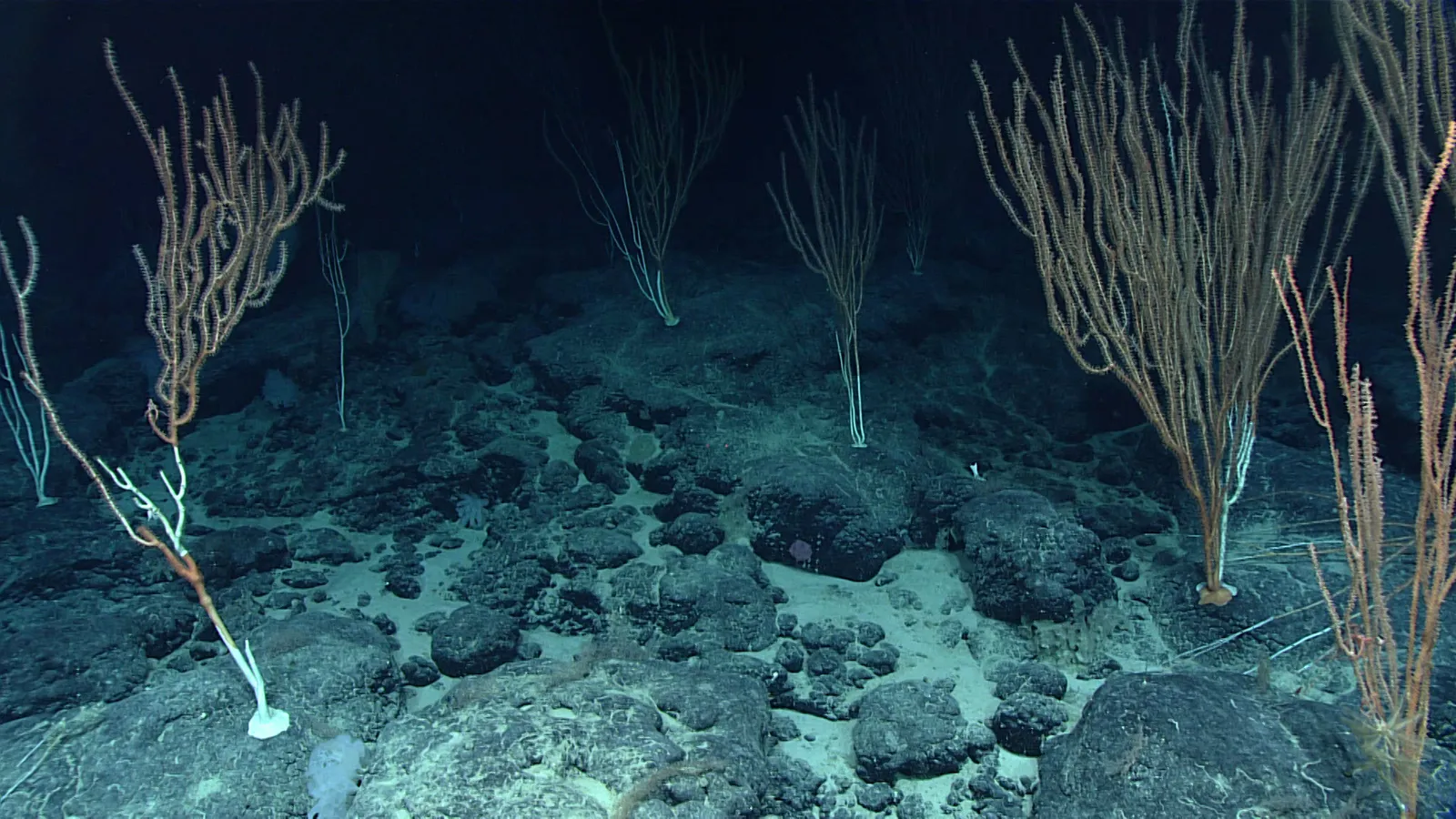
AIMS researchers from the National Sea Simulator are manipulating seasonal patterns in temperature, daylength, and moonlight to induce coral reproduction for vital research advancements – and have been doing so for the third year in a row. The ability to trigger spawning outside the natural cycle has opened up research possibilities that simply didn’t exist before.
The SeaSim team has been able to manipulate seasonal patterns in temperature, daylength, and moonlight to induce out-of-season coral spawning six months before natural reef spawning events every year since 2022. To date, SeaSim has successfully generated more than two million out-of-season larvae from seven different coral species, which have been used across various research projects.
AIMS scientists and collaborators focus their coral research on reef recovery, adaptation, and restoration for a warming future. This includes investigations on breeding heat-tolerant corals and new approaches to coral aquaculture to scale up restoration efforts.
The Climate Pressure on Spawning Success
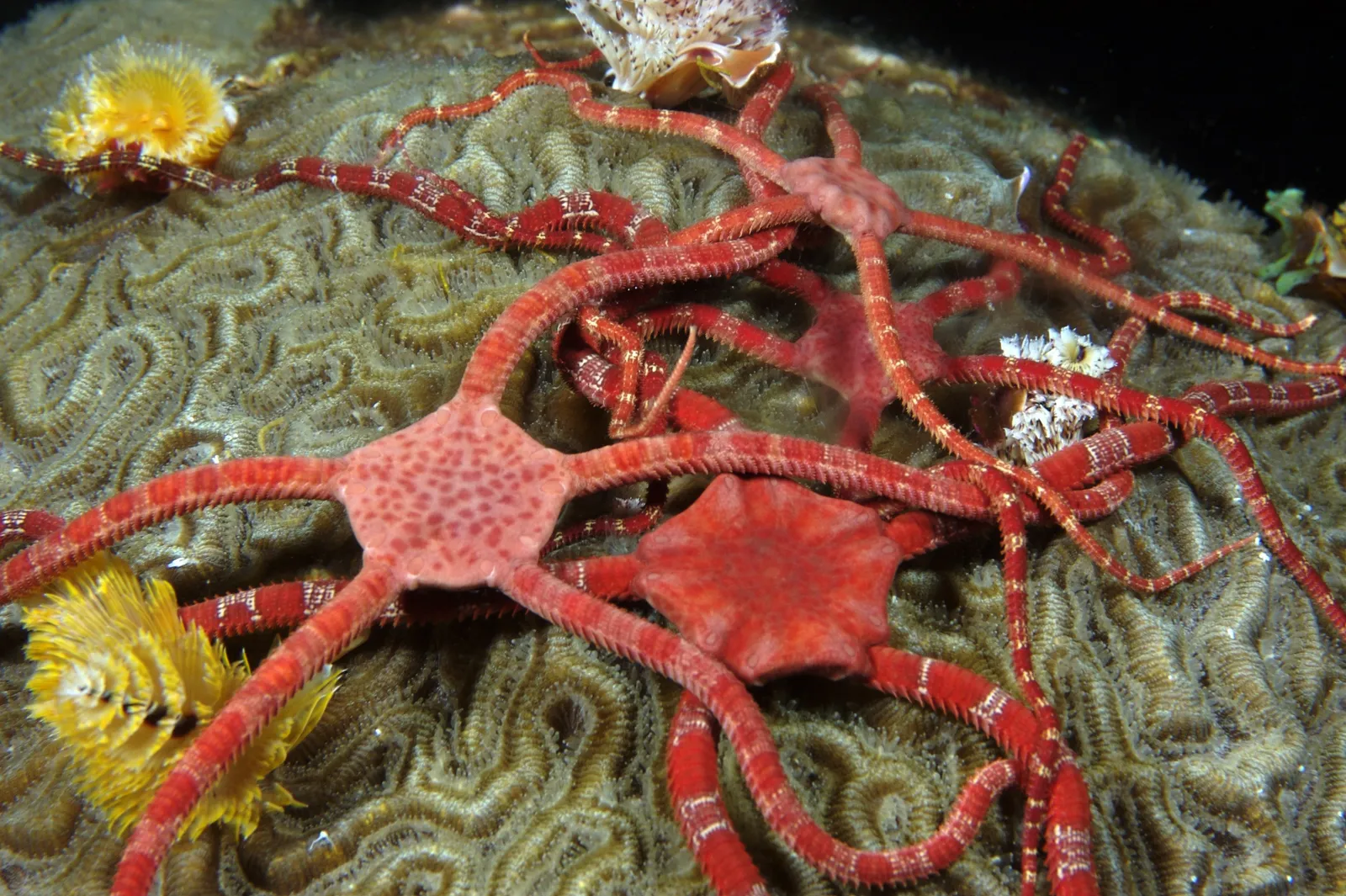
Data from AIMS Great Barrier Reef surveys showed that the 2024 mass coral bleaching event caused the single largest annual decline in hard coral cover in the Lizard Island area since surveys began 39 years ago. Initial monitoring results from in-water surveys between Lizard Island and Cairns showed more than a third of hard corals were lost to bleaching.
Coral reefs around the world are severely threatened by climate change. Prolonged exposure to abnormally high ocean temperatures causes mass coral bleaching and death, resulting in a projected 70 to 90 percent decrease in live coral on reefs by 2050 if no action is taken.
Yet spawning events continue, and that matters. Coral spawning is essential for the health of coral reefs, as it boosts genetic diversity and helps the ecosystem’s resilience to the mounting pressures impacting coral reefs around the globe. The transfer of resilient genes to the next generation of corals will be pivotal for the long-term survival of the Great Barrier Reef.
Restoration Teams Are Improving the Numbers
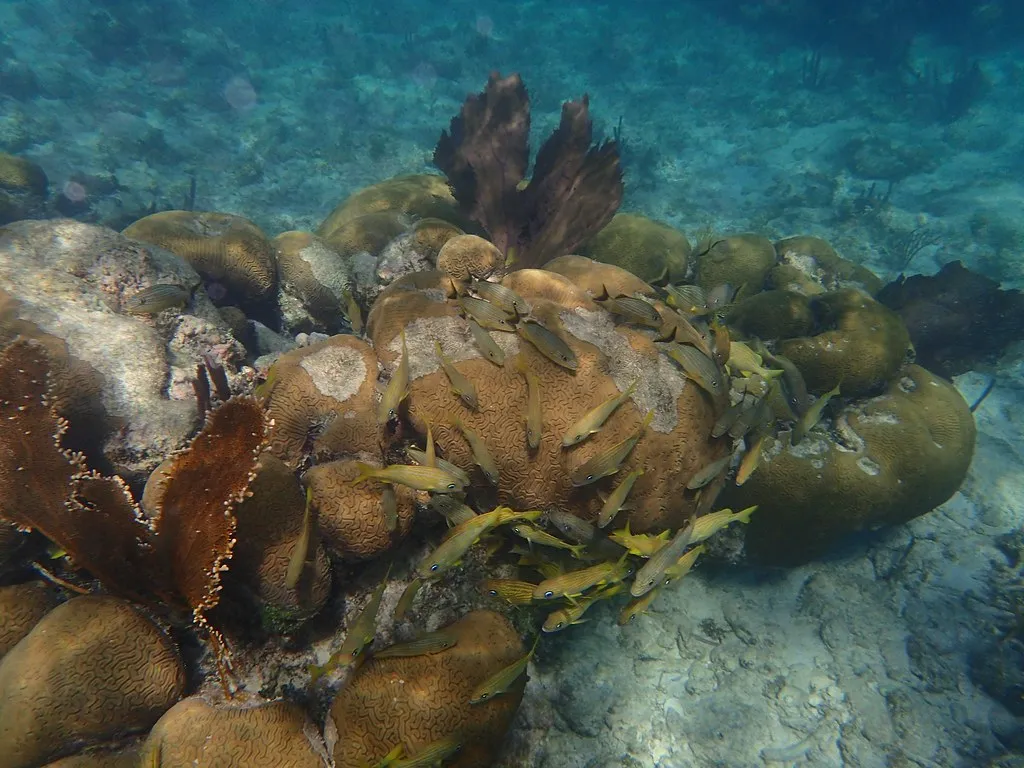
In 2024, several coral genotypes rarely seen spawning did so for the first time. By 2025, with healthier stock and conditions improving, spawning activity increased significantly. At the Tavernier Nursery in Florida, 27 staghorn and one elkhorn genet spawned successfully – a milestone that underscores the resilience of these corals and the impact of long-term restoration work.
In 2025, the Coral Restoration Foundation introduced over 1,000 juvenile elkhorn corals raised from parent colonies rescued after the 2023 mass bleaching – an unprecedented step toward restoring genetic diversity and rejuvenating spawning stocks. These nursery-grown corals are carefully outplanted on degraded reefs, creating denser, reproductively viable coral communities essential for synchronised gamete release during spawning nights.
A phenomenon that makes coral spawn more than once a year is also improving the resilience of the Great Barrier Reef. The discovery was made by researchers investigating whether corals that split their spawning over multiple months are more successful at spreading their offspring across different reefs.
How to Witness It Responsibly
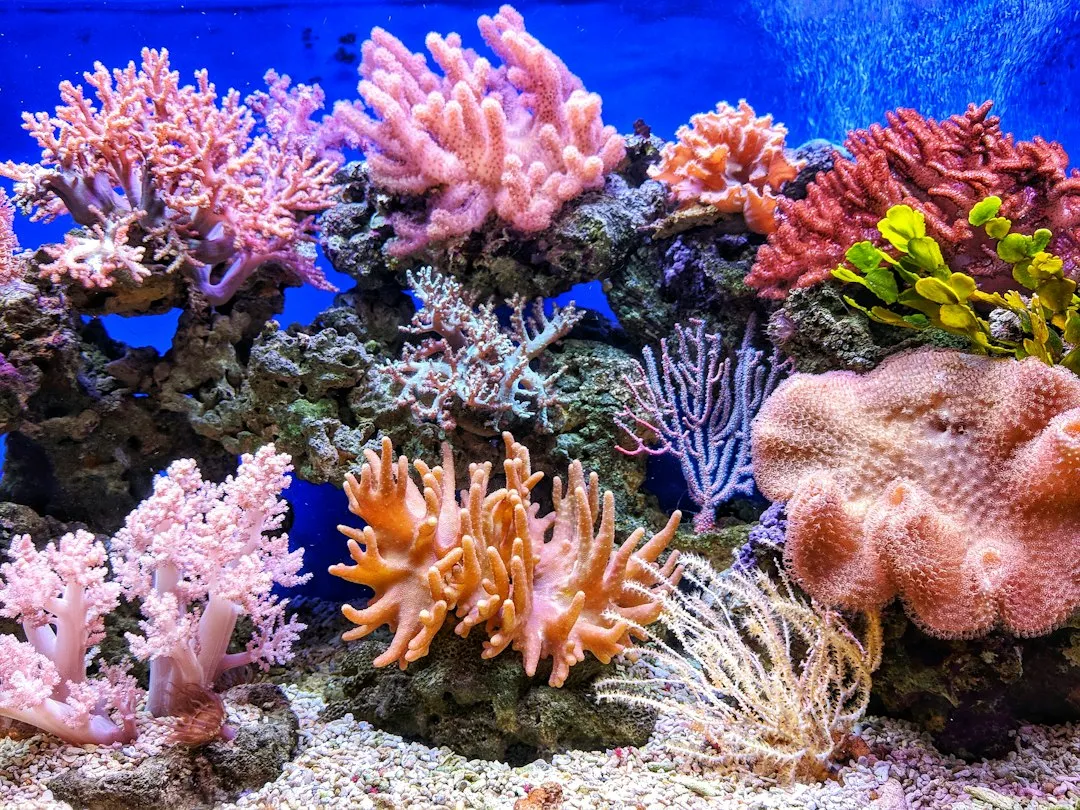
Coral spawning is a night-time event, which means divers descend into the dark, starry waters of the Great Barrier Reef and watch the spectacle unfold. The experience is intimate in a way that daytime diving rarely is. Your torch beam catches the bundles as they rise, and for a moment the beam looks like it’s filled with tiny planets.
Controlling buoyancy is critical – staying well-balanced ensures you don’t touch any coral by accident. It’s also important to watch your bubbles. Releasing too many near spawning corals can damage the fragile eggs and larvae. Observers should not touch or collect anything – not the corals, not the larvae floating in the water – and should avoid shining a light directly on brain corals when they’re releasing eggs.
The exact timing of coral spawning is still a mystery. While scientists can predict a general timeframe, the precise moment remains unpredictable. That uncertainty is part of what makes the experience worth planning for. You show up, you wait, and then something extraordinary decides to happen.
A Reason to Keep the Reef Alive
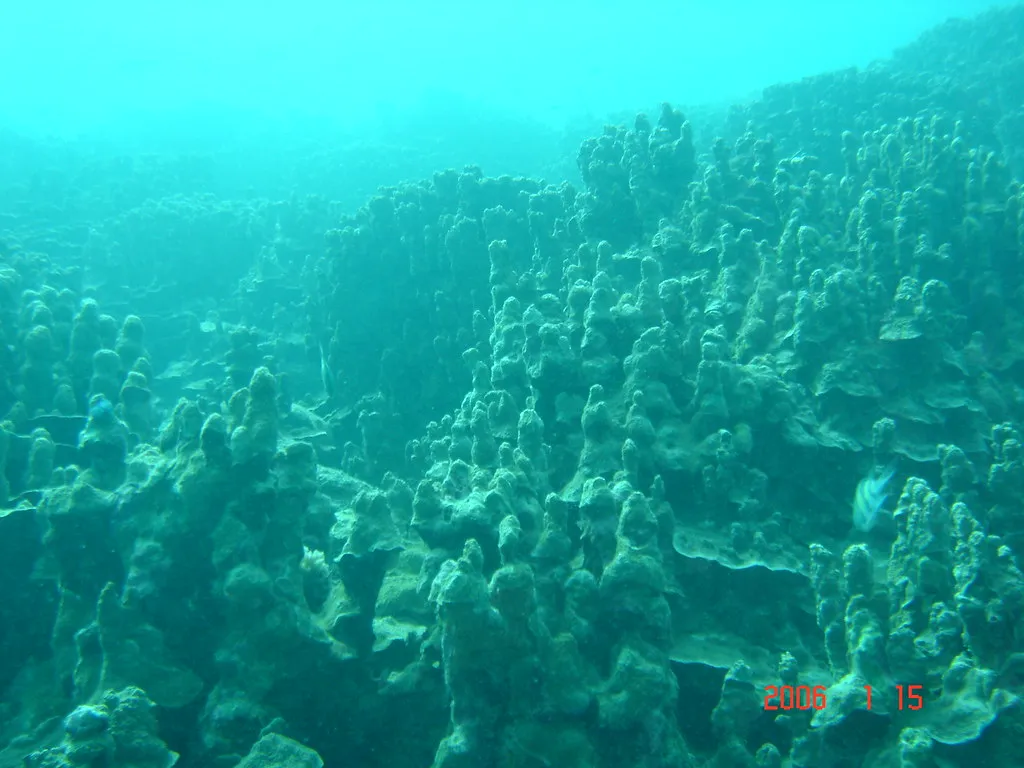
This event is the most significant annual event for the future health of the Great Barrier Reef. The spawning season is both a biological reset and a measure of how healthy a reef system truly is. If corals are reproducing, they are surviving. The two things are inseparable.
This event promotes genetic diversity within coral populations and nourishes marine life, as the released nutrients attract fish and other marine species. Coral spawning is a rare and powerful moment of regeneration, symbolizing new growth for the reef ecosystem and setting the stage for future coral.
Divers who have been in the water during a mass spawning event tend to speak about it in the same quiet way people describe witnessing something deeply moving. The reef isn’t a backdrop. On those particular nights each year, it’s the main character – and for once, it’s writing its own future.
AI Disclaimer: This article was created with the assistance of AI tools and reviewed by a human editor.