


Most Americans associate the digital nomad life with Bali, Lisbon, or maybe Barcelona. Those are real options, but they’ve become crowded and expensive partly because everyone already knows about them. In 2020, exactly two countries had dedicated digital nomad visas. By early 2026, that number has crossed 50. The global shift in immigration policy has been fast and largely quiet, and many of the best options have barely registered in the American conversation.
The MBO Partners 2025 State of Independence report puts the U.S. digital nomad population at 18.5 million, up 153% since 2019. With that kind of growth, the need to look beyond the obvious destinations has never been more relevant. Below are ten countries that deserve a much closer look.
Slovenia: Europe’s Newest Nomad Destination

On November 21, 2025, Slovenia launched a dedicated Digital Nomad Visa for non-EU/EEA remote workers, letting location-independent professionals live and work in the country for up to one year. With this launch, Slovenia became the 17th European country to welcome digital nomads. For Americans who’ve never seriously considered Slovenia, the timing is ideal – the program is fresh and the infrastructure is already in place.
Two-thirds of the country is covered by forests, and one-third of its territory is protected. With this visa, you can stay for up to 12 months, maintain your remote job as long as your work is for clients or employers outside Slovenia, and enjoy the country’s high quality of life, from its peaceful forests and mountains to its vibrant cities. Applicants must earn at least €3,200 per month – twice the national average net monthly salary – and carry valid international health insurance.
Moldova: The Budget-Friendly Surprise in Eastern Europe

As of September 2025, Moldova has been added to Europe’s digital nomad map with a new visa program that allows stays of up to two years. It’s one of the first Eastern European countries to offer the visa, alongside Estonia, Romania, and Latvia. For remote workers who feel priced out of Western Europe’s programs, Moldova represents a genuinely different tier of access.
Moldova introduced a two-year digital nomad visa in September 2025, with a lower income requirement of €1,300, making it ideal for budget-conscious nomads. Applications can be submitted online or in person at the Bureau of Migration and Asylum, with registration required after arrival, and Moldova positions itself as a budget-friendly European hub for nomads seeking a longer-term stay outside the usual Western Europe hotspots.
Georgia: A Year Visa-Free, No Application Required

What makes Georgia truly unique in the world for digital nomads is its incredibly generous visa-free policy. Citizens from 95 countries, including the United States, Canada, and most of Europe, can enter Georgia visa-free and stay for up to 365 days. There is no formal application, no waiting period, and no paperwork to kick off your stay. It’s an unusual arrangement, and it works remarkably well in practice.
In September 2025, Georgia launched a dedicated IT residence permit for skilled IT professionals, requiring at least two years of IT work experience and an annual income of at least US$25,000, with the permit running for up to three years and being renewable. Georgia passed amendments in June 2025 introducing mandatory work permits for foreign nationals starting March 2026, though remote workers earning income entirely from abroad without entering into Georgian employment or local business registration are generally expected to fall outside this requirement. Always verify the latest rules before relying on this.
Malaysia: The DE Rantau Pass
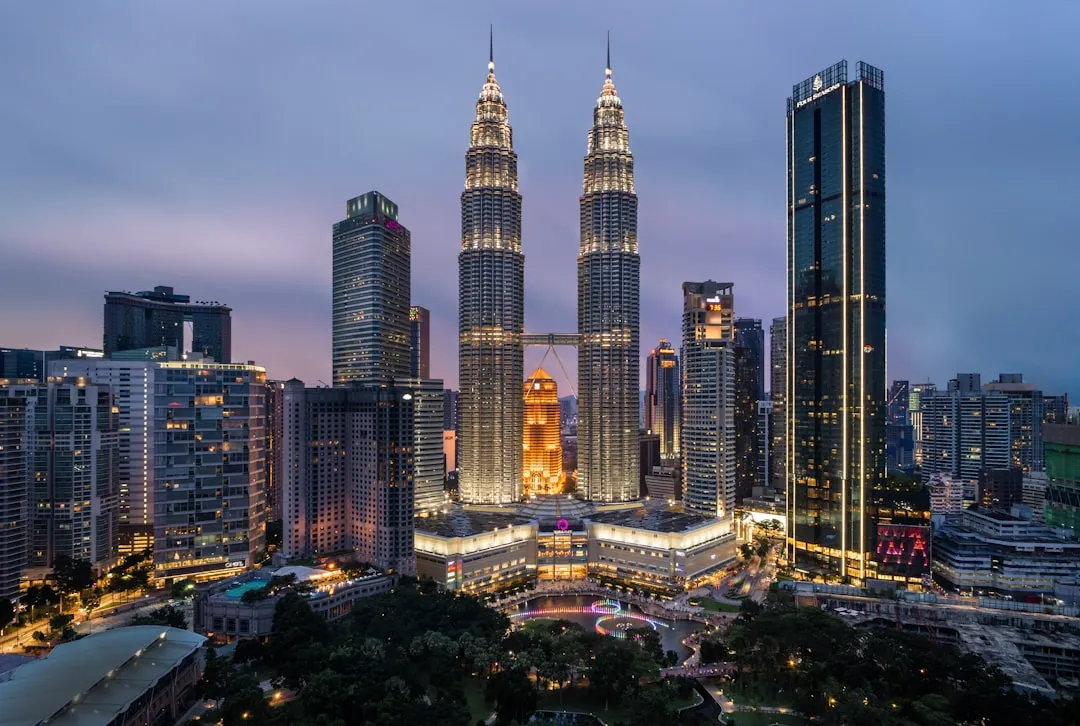
Malaysia’s digital nomad visa is officially offered through their DE Rantau program and allows remote workers the opportunity to live and work in the country for one year, with an option to renew for another year. The DE Rantau pass requires a minimum income of $24,000 per year for tech professionals and $60,000 per year for non-tech professionals. The income split is worth paying attention to – tech workers get a distinctly more accessible threshold.
Malaysia currently exempts foreign-sourced income received by resident individuals through December 31, 2036, subject to conditions. That tax treatment is one of the most favorable available to Americans on any digital nomad visa in Asia. Malaysia offers reliable internet, a legal path to stay three or more months, and a cost of living below the mainstream hotspots.
Taiwan: A January 2025 Arrival That Went Under the Radar

Taiwan launched a dedicated Digital Nomad Visa in January 2025, designed for nationals who can enter Taiwan visa-free and who perform remote work solely for entities outside Taiwan. The visa runs for six months initially, renewable in six-month increments up to two years total, with the two-year ceiling being new in 2026 – the program launched in January 2025 with just six months. The expansion signals genuine commitment to the program.
The income requirement is US$40,000 per year averaged over the past two years for applicants 30 and older, dropping to US$20,000 per year for those aged 20 to 29 – one of the lowest bars anywhere for young nomads. Taiwan’s Gold Card, a separate route, isn’t a traditional digital nomad visa but a specialized work permit for professionals in tech, law, science, and other fields, offering world-class digital infrastructure and safety.
Croatia: The Adriatic Option Americans Overlook

Croatia’s Digital Nomad Visa offers up to 18 months of stay on a single permit as of 2025, with the option to renew once for up to three years total. A growing digital nomad community exists in cities like Split, Zadar, and Zagreb, and the permit grants visa-free travel across the Schengen Area while valid. The Adriatic coast and the Dalmatian islands make it easy to see why the program has attracted steady interest.
Croatia’s Digital Nomad Visa allows non-EU nationals to stay for up to 12 months without paying tax on foreign income, making it one of Europe’s more financially attractive options. The income requirement stands at €3,622.50 per month in 2026, set at 2.5 times Croatia’s average net salary and re-indexed every spring. Check the current figure before applying, since it shifts annually.
Romania: Schengen Access at Eastern European Prices

Romania is one of Europe’s most underrated digital nomad destinations – affordable, with fast internet, stunning landscapes from Bucharest’s Old Town to the Carpathian Mountains, and a Schengen zone member since 2024. That last detail matters considerably: Schengen membership means holders of Romanian residency can move freely across much of Europe. For Americans looking for a low-cost European base with outsized access, Romania is worth serious consideration.
When digital nomad visas are compared across regions, Europe tends to offer the strongest residency pathways, Latin America offers the lowest cost of living, and Asia offers the fastest internet alongside ultra-affordable rent. Romania sits at a compelling intersection of two of those qualities. Among the lowest income requirements in Europe, Colombia, Ecuador, and Brazil sit around €1,300 to €1,400 per month, while Romania remains a competitive European option for those watching costs.
The Philippines: A June 2025 Launch with Very Low Barriers
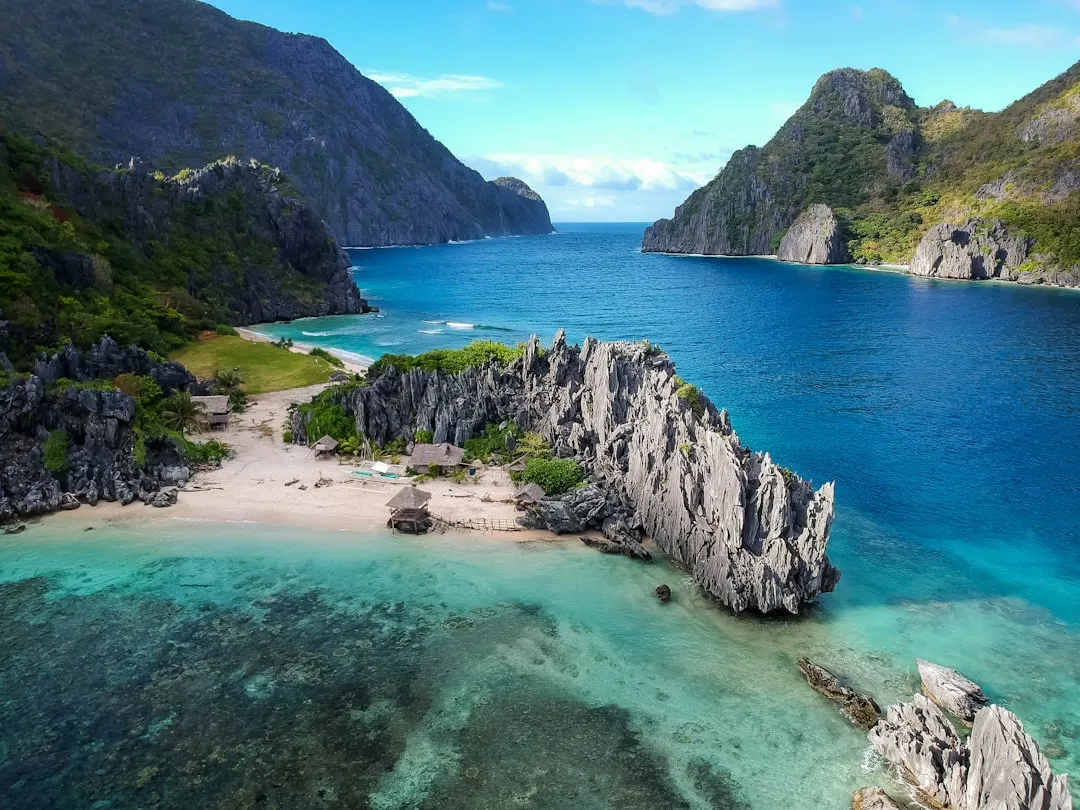
The Philippines launched its digital nomad visa in June 2025 with a minimum annual income of €20,000. The visa is valid for one year, renewable once for another year, and is available to non-immigrant foreigners aged 18 and older who apply through Philippine embassies and consulates. English is an official language, which removes one of the common friction points nomads face when settling into a new country.
The Philippines offers one of the lowest income requirements of any digital nomad visa, combined with an English-speaking environment and a very low cost of living. The archipelago’s geography also means an enormous variety of environments to explore, from urban Manila to remote island communities. For Americans wanting an immersive, affordable Southeast Asian base with a legitimate legal framework, this is a program worth tracking closely.
Japan: The Six-Month Bucket List Option

Japan launched a digital nomad visa in 2024, requiring roughly $65,000 in annual income. The visa runs for six months and is not renewable, making Japan a better fit for remote workers who want a short-term cultural experience rather than a long-term base. It’s a purposeful design choice: Japan wants high earners spending into the local economy, not establishing long-term residency.
Japan’s digital nomad visa targets high-income professionals for a short, non-renewable stay – a “bucket list” option, not a long-term base. That framing is actually useful. If your goal is six months immersed in Tokyo, Kyoto, or a quieter regional city, with legal status clearly defined, Japan’s visa delivers on that premise specifically. The income bar is the main filter, and for those who clear it, few experiences anywhere rival it.
Nepal: The Program on the Horizon

Nepal’s government announced a dedicated digital nomad visa as part of its 2025 economic reform work plan. Published outlines describe a five-year, multiple-entry framework with residential approval granted in one-year blocks, and Nepali press reported a roughly one-year timeline to finalize formal policy and procedures. This one is still taking shape, but the outlines are promising enough to watch.
Nepal has announced a five-year digital nomad visa with a proposed $1,500 per month income requirement, or $20,000 in savings, and a 5% local tax rate for stays over 186 days, though it is not yet open for applications. Nepal will introduce its digital nomad visa in early 2026 with very accessible requirements of just $1,500 monthly income or $20,000 in savings. For Americans drawn to the Himalayas, the cultural depth of Kathmandu, or the trekking culture of the country’s north, this could become one of the most distinctive nomad visas available when it opens formally.
The Part Most Americans Miss: Tax Still Follows You

U.S. citizens file a worldwide income tax return regardless of location. The Foreign Earned Income Exclusion covers $130,000 for 2025 and $132,900 for 2026 and can shelter a significant portion of earned income. Getting the visa is only one part of the process. The IRS is the other, and it doesn’t disappear when you board the plane.
The visa decision and the tax decision are not the same decision. A digital nomad visa grants legal residency but says nothing about what the IRS expects on April 15. Tax is the factor most travelers underestimate when digital nomad visas are compared. Visa approval does not equal tax clarity – many countries that grant a residence visa will still tax your worldwide income if you stay beyond a threshold. Talk to a cross-border tax professional before committing to any program.
The Takeaway

The remote work revolution didn’t just change where people work – it created an entirely new category of immigration policy, as countries realized that attracting location-independent workers with foreign salaries was essentially importing GDP without creating competition for local jobs. That logic has now reached countries that weren’t on anyone’s shortlist even two years ago.
The quieter options – Slovenia, Moldova, Taiwan, Nepal, the Philippines – often offer something the headline destinations can’t: a chance to settle into a place before the crowds arrive and the rents climb. The window on that tends to be shorter than people expect. Income requirements, tax implications, and program rules shift regularly, so always verify the current details with official government sources or a qualified immigration adviser before making plans. The opportunity is real, but it rewards those who do the homework.
AI Disclaimer: This article was created with the assistance of AI tools and reviewed by a human editor.