

Japan: A Law With Real Teeth
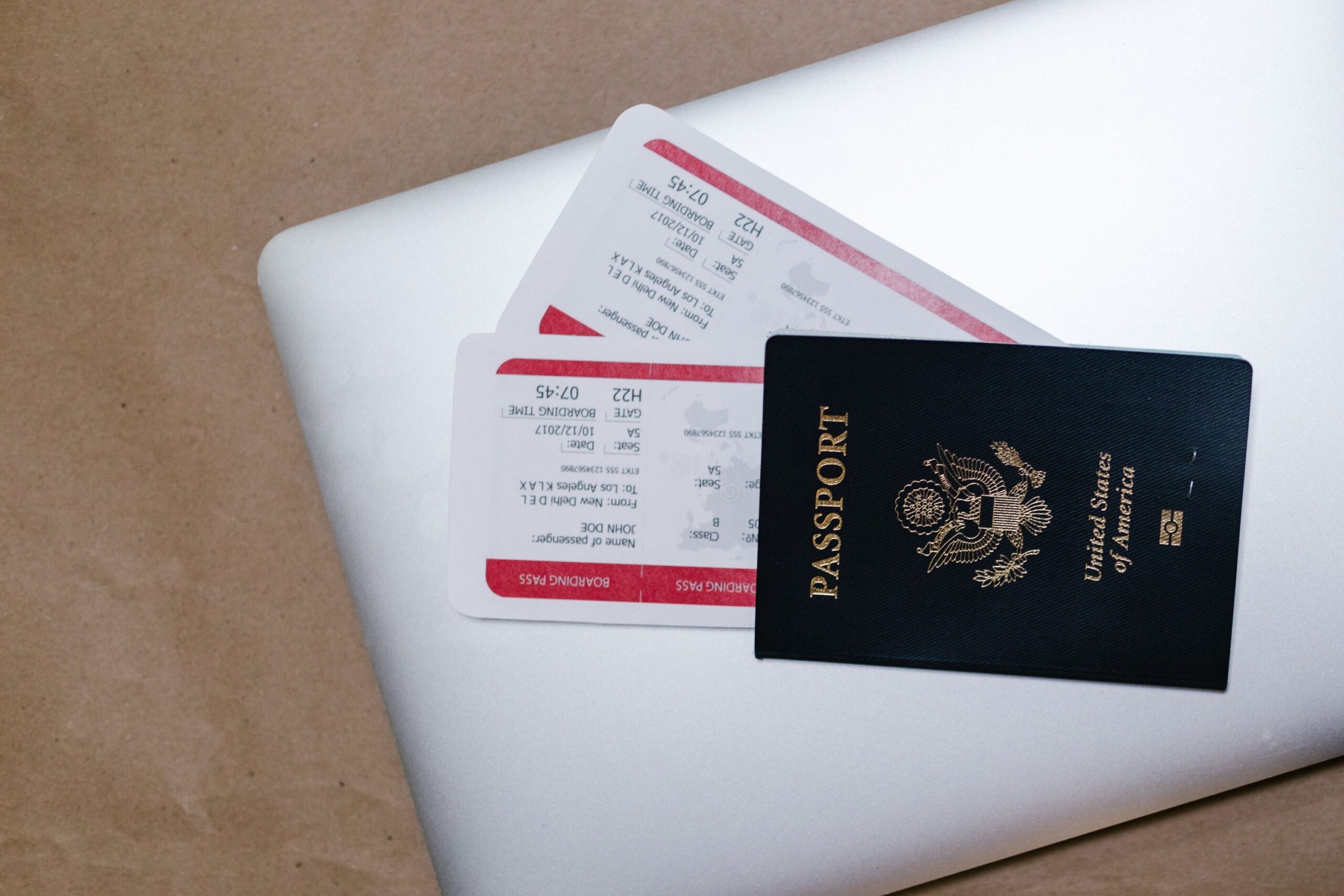
It’s a legal requirement for all foreign nationals in Japan to carry their passport at all times and be ready to present it to the police if they request it. This isn’t a guideline or a suggestion buried in fine print – it’s enforceable law. Japanese police officers have the authority to request identification from anyone at any time, and you must have a legally recognized form of identification to present to them, including proof of your immigration status. Photocopies are not considered acceptable substitutes.
Failure to carry your passport or permit is punishable with a fine of up to 100,000 yen unless you have special permission to stay. That translates to roughly over one thousand US dollars at current exchange rates. While most travelers will probably get through a Japan holiday without ever being asked for their identity, if you are caught out, there are legal consequences.
Indonesia (Bali): Active Street-Level Enforcement Since 2025
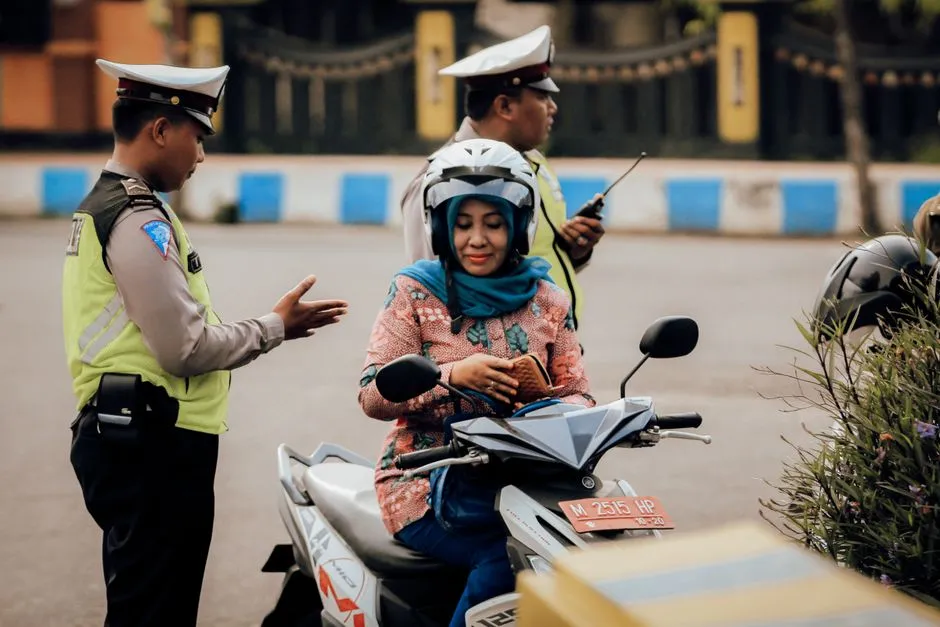
As of August 2025, tourists visiting Bali are now required to carry their passports with them at all times during their stay on the island. This is a meaningful shift in practice, not just policy. Indonesian authorities have established new, random checkpoints across Bali to enforce local laws and prevent unruly tourists from breaking them.
Indonesia’s Minister for Immigration, Agus Andrianto, unveiled a task force in early August 2025, made up of 100 skilled officers, to intensify control across Bali. Videos shared by the Ngurah Rai Immigration Office show officers stopping tourists and reprimanding them for not carrying passports or permits. Failure to carry a passport when requested may lead to administrative penalties including fines, visa cancellation, or immediate deportation depending on the severity of the offense.
Spain: A Specific Legal Statute That Applies to Everyone

Everyone in Spain must carry government-issued ID at all times, regardless of whether they are Spanish, an EU national, or a foreigner living or visiting in the country. This is unusually broad in scope. The specific law is Article 4 of Organic Law 4/2000, which states in unambiguous terms that foreign nationals in Spain must carry identity documents issued by their country of citizenship.
If you are visiting or living in Spain and you don’t have Spanish government-issued photo ID, you must carry your own nation’s photo ID at all times – in the case of British citizens, this means their passport. Spain’s approach is rooted in broader civic law rather than tourism-specific immigration enforcement, which makes it applicable to a wider range of situations during any visit.
Italy: Mandatory for Non-EU Visitors

Italian law mandates that all citizens and foreign visitors must carry a valid form of identification at all times. For non-EU citizens, this means a passport – the only official document that proves your nationality and immigration status. The law applies whether you’re wandering a piazza in Rome or exploring a coastal village in Sicily.
Enforcement of this law may vary, but police in Italy have the authority to conduct random checks. If you fail to produce your passport, you could face a fine or even a brief detention. Travelers sometimes underestimate this requirement in Italy simply because it’s rarely enforced in casual tourist settings – but the legal exposure is real.
Thailand: Non-Negotiable and Arrest-Level Serious
In Thailand, carrying your passport is a non-negotiable requirement. The police have the authority to check your passport at any time, and failure to produce your passport when asked could result in arrest, making it imperative to carry it wherever you go in the country. That last word – arrest – sets Thailand apart from many destinations with similar rules.
Similar guidelines apply in China, South Korea, Malaysia, and other Asian countries. Throughout much of Southeast and East Asia, passport carry rules reflect a broader regional approach to immigration oversight that gives law enforcement direct, on-the-spot authority.
France: Required at All Times, Including for EU Citizens
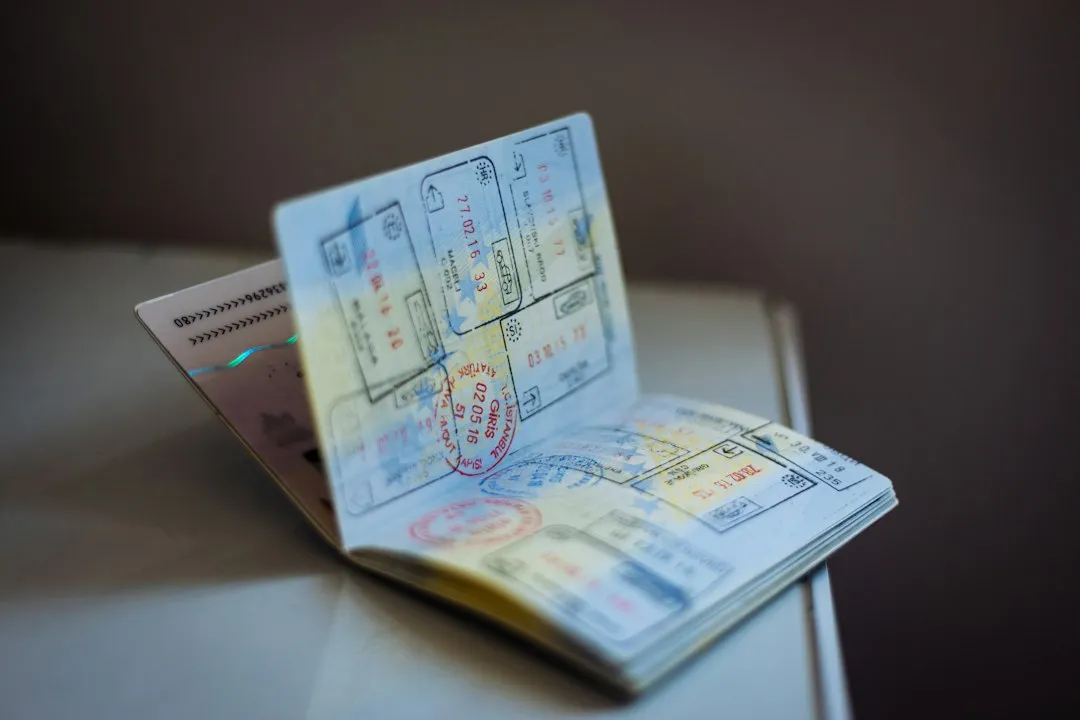
The official France Tourism Board website states that all foreign visitors – even those from the EU – must have their passport or national identity card on them at all times, and that French police can ask visitors to present it at any time. The scope here is notably inclusive. Even travelers who might assume they’re exempt due to EU freedom of movement are technically covered by this rule.
France’s approach reflects a longstanding tradition in continental Europe of requiring residents and visitors alike to be identifiable on demand. While random passport checks are far more common in certain areas – border zones, major transit hubs – the obligation technically applies everywhere within the country.
The Netherlands: Required by Law from Age 14

For everyone aged 14 or older, it’s required by law to carry your passport at all times in the Netherlands (or your Dutch residency card if you live there). The age threshold here is lower than most travelers would expect, and the rule applies to both residents and foreign visitors. As a foreign national, using your passport as your ID is the most straightforward way to comply with this requirement.
The Netherlands is often perceived as a relatively relaxed destination, which can make this rule feel surprising. In practice, enforcement in tourist-heavy areas like Amsterdam’s city center is not a daily occurrence for most visitors, but the legal obligation stands.
Turkey: Citizens and Foreigners Both Covered
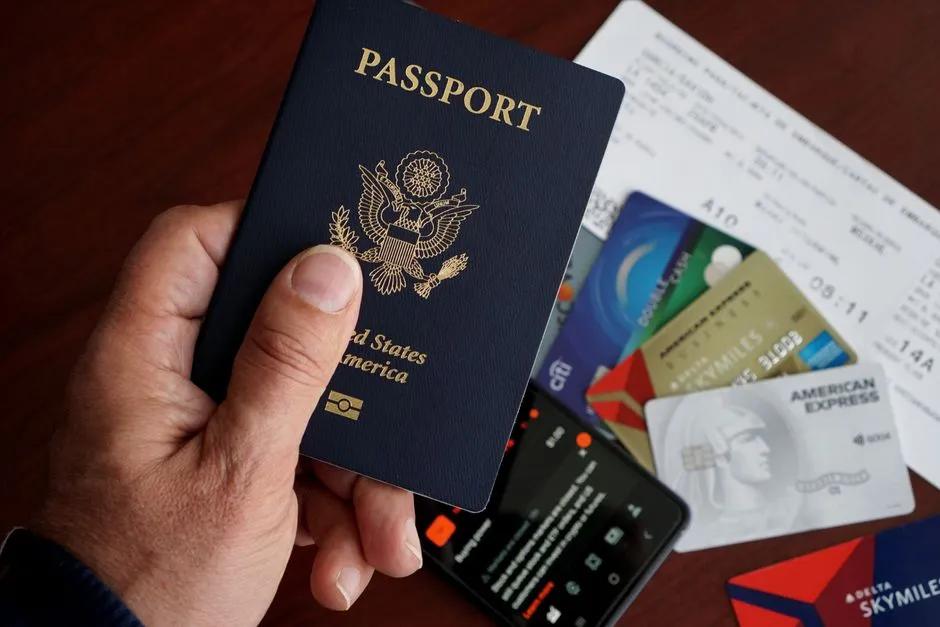
Turkey requires both citizens and foreigners to carry valid photo identification at all times, such as a passport or residence permit. Tourists are urged to always carry their passport or residence permit, particularly in busy areas like Istanbul where ID checks are more common. The country’s position as a major travel crossroads – welcoming tens of millions of international visitors annually – gives this requirement real practical relevance.
Random checks occur more frequently in crowded tourist districts, transportation terminals, and areas near political or governmental buildings. Carrying your original document rather than a copy is strongly advised.
Several EU Countries With Explicit Requirements: Czech Republic, Portugal, Romania, and Slovakia

Travelers in the Czech Republic are legally required to carry ID at all times. The Irish Government states that travelers need to carry identification at all times in Portugal, as it is Portuguese law. According to both the Canadian and Irish governments, travelers in Romania must carry valid photo ID on them at all times.
Travelers must carry a passport at all times when visiting Slovakia. These four countries represent a pattern across Central and Eastern Europe where formal ID requirements were codified in law and have been consistently referenced by multiple governments in their official travel advice. In some of these countries, including Austria, Bulgaria, and Poland, reports suggest a photocopy of your passport will suffice if you’re stopped.
Latin America: Peru, Ecuador, and Mexico

Places such as Peru and Ecuador have strict rules that require tourists to carry valid passports at all times. Likewise, when traveling to Mexico, you must keep a valid passport on your person. These rules are especially relevant in regions where immigration spot checks can happen on buses, at roadblocks, or in areas near international borders.
In Mexico, this requirement applies throughout the country and not only at border crossings. Visitors spending extended time in coastal resort areas or interior cities are technically subject to the same standard. Carrying an original document rather than a digital photo is advisable whenever you’re moving between locations within the country.
Final Thoughts
There’s a wide gap between how travelers typically think about passport safety – keep it locked in the hotel safe – and what the law actually requires in many of the world’s most-visited destinations. In some countries, that gap is closing fast, as enforcement catches up to legislation that has existed for years.
The practical middle ground most travel advisors suggest is carrying a certified copy when possible, keeping the original accessible at your accommodation, and understanding the specific rules of each country you’re visiting before you arrive. Carrying a passport has been a long-standing legal requirement in many destinations, though often much ignored. Requiring visitors to carry their passport actually isn’t unusual – but enforcement increasingly is.
Knowing the rules isn’t about anxiety – it’s about traveling with confidence and respect for the places you visit. A small preparation before departure can prevent a genuinely disruptive situation abroad.
AI Disclaimer: This article was created with the assistance of AI tools and reviewed by a human editor.