

The Numbers Tell a Surprising Story
While Egypt is synonymous with pyramids, the highest number is actually found in Sudan, which boasts between 220 and 255 pyramids compared to Egypt’s total of around 118. That’s not a minor difference. Sudan has a staggering 255 Nubian pyramids, and according to National Geographic, Sudan has about twice as many pyramids as its more famous neighbor.
Approximately 255 pyramids are known to have been constructed by the Nubians, more than double the number constructed in Egypt. The world population review data for 2026 confirms Sudan at 255 pyramids against Egypt’s 118, making the gap difficult to dispute.
Who Built Them and Why
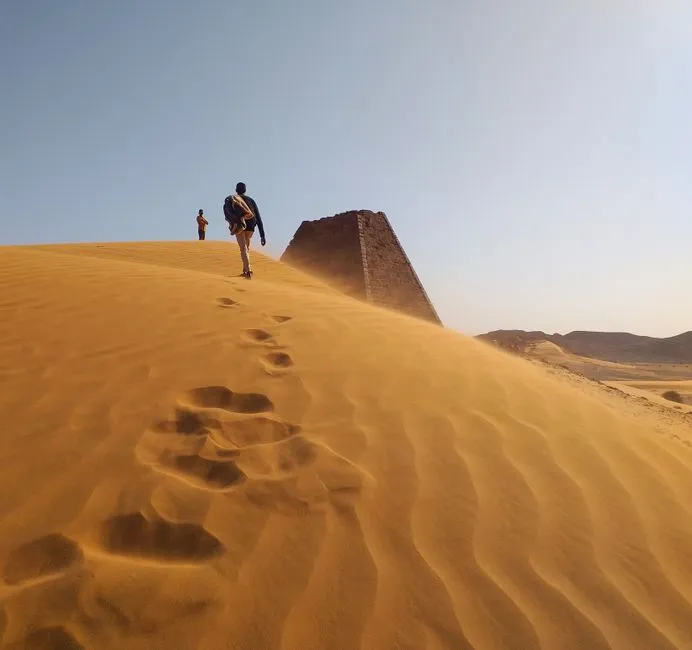
The Nubian pyramids of Sudan at Meroë were built by the rulers of the ancient Kushite kingdoms, known as the “black pharaohs.” The Kushites who built them were the same people who once conquered Egypt itself, the Black Pharaohs of the 25th Dynasty, who ruled the Nile valley for a century before retreating south and building an empire at Meroe that lasted another thousand years.
Piye, a Kushite king, led the invasion of Egypt and was the first to be commemorated with a pyramid in El-Kurru, marking the beginning of a tradition in Sudan where over 41 kings and nobles chose to be buried in pyramids. The pyramid was not simply borrowed architecture. It was a declaration of power and continuity.
Meroe: The Heart of Sudan’s Pyramid Landscape
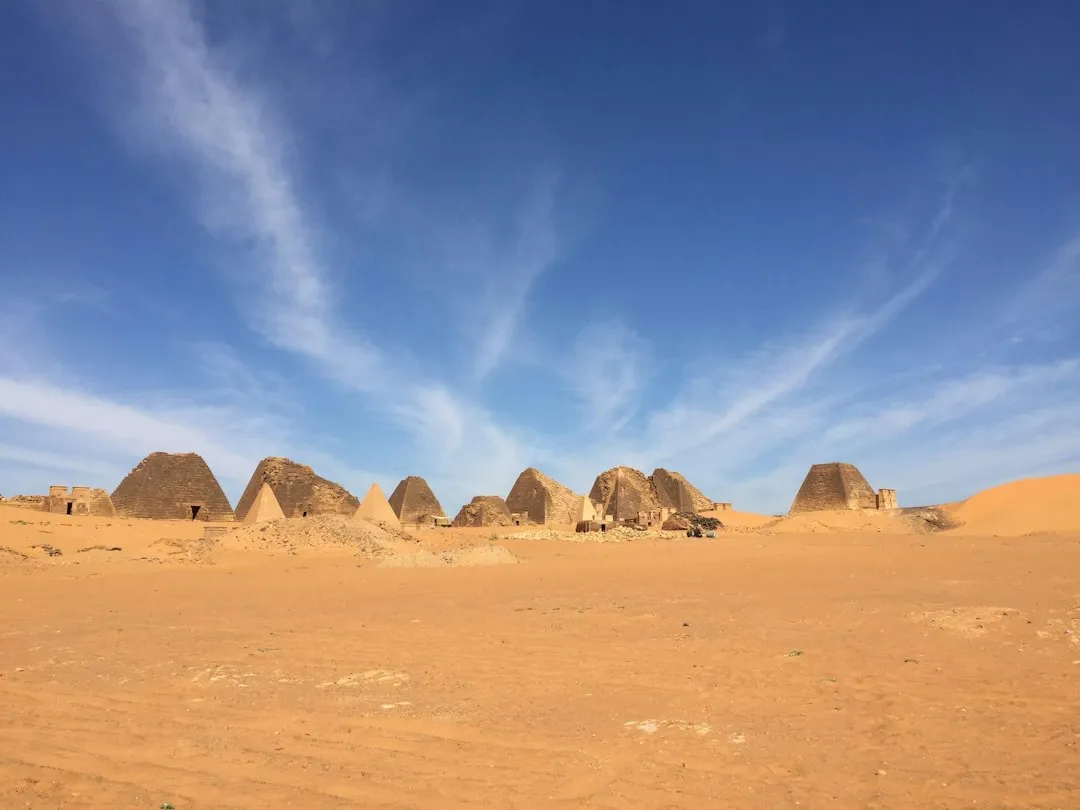
Meroe contains roughly 200 of Sudan’s 255 pyramids, making it one of the densest concentrations of pyramids anywhere on Earth. Meroe is located some 200 kilometers north of the capital Khartoum, and comprises over 200 pyramids built between 800 B.C. and 350 A.D. as royal tombs for the rulers of the Kingdom of Kush.
Serving as tombs of rulers past, Sudan’s pyramids contain the remains of nearly 1,000 years’ worth of kings and queens. That is a staggering span of royal tradition, one that outlasted many empires that emerged and collapsed elsewhere in the ancient world.
How Sudan’s Pyramids Look Different
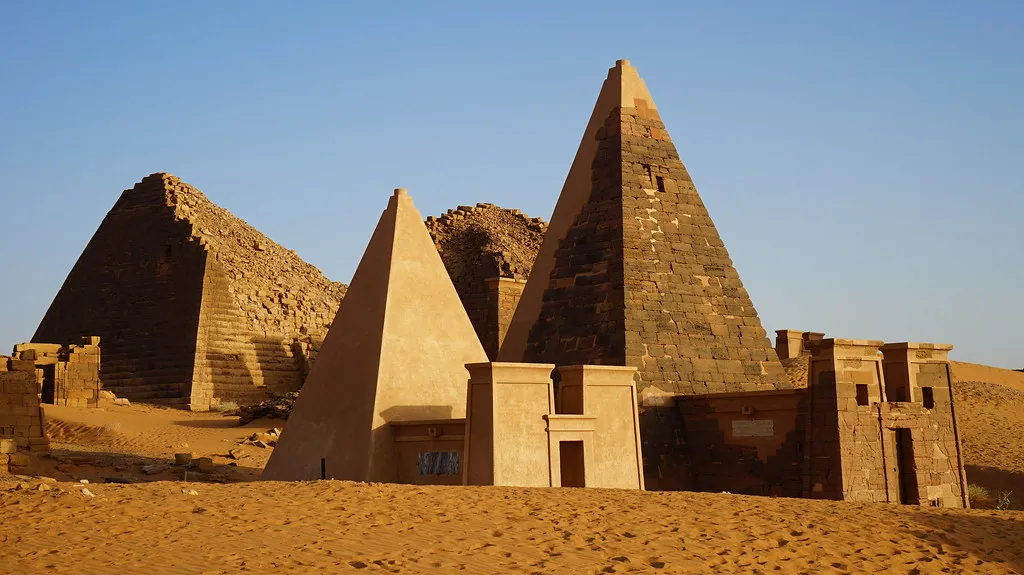
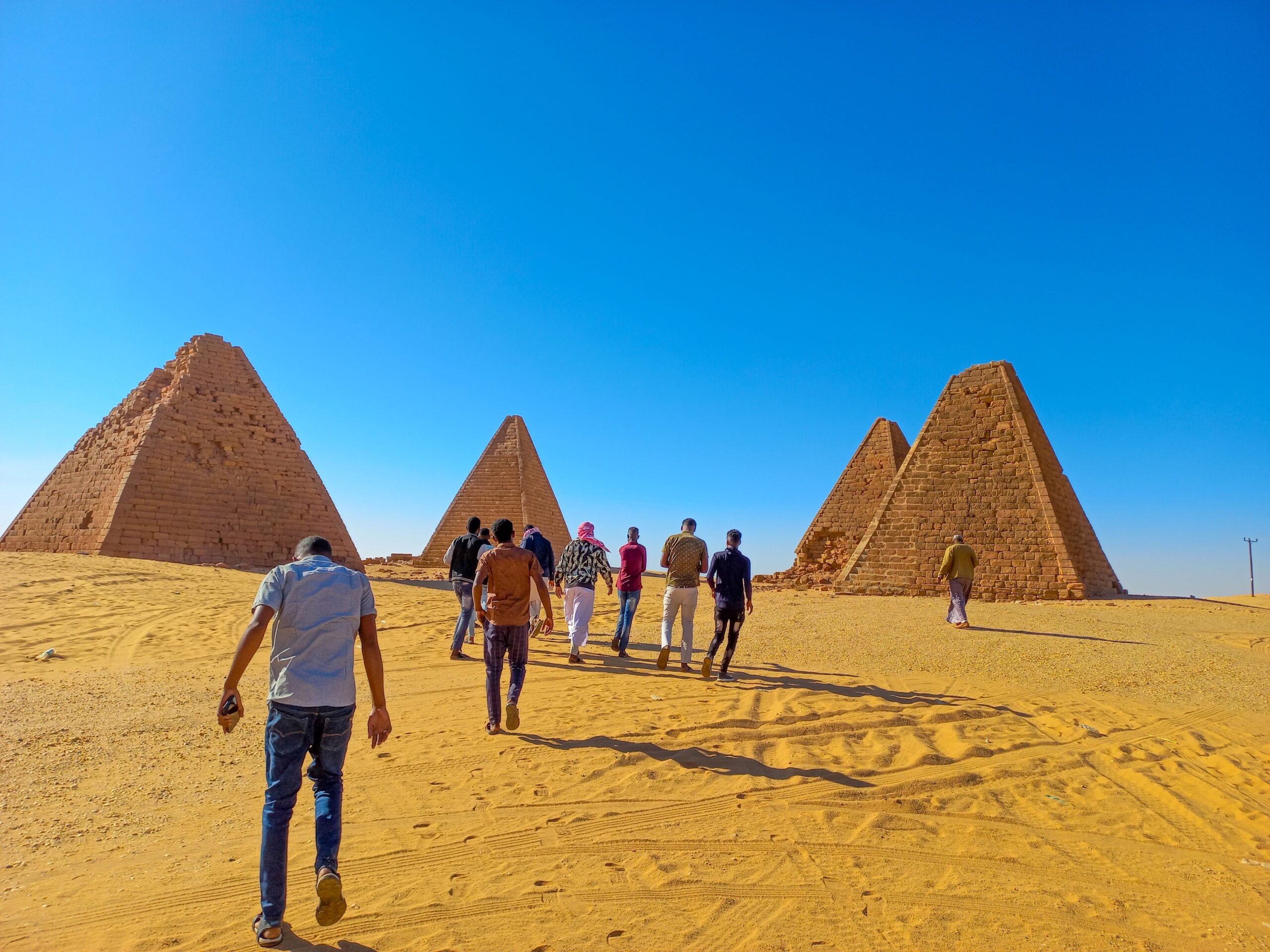
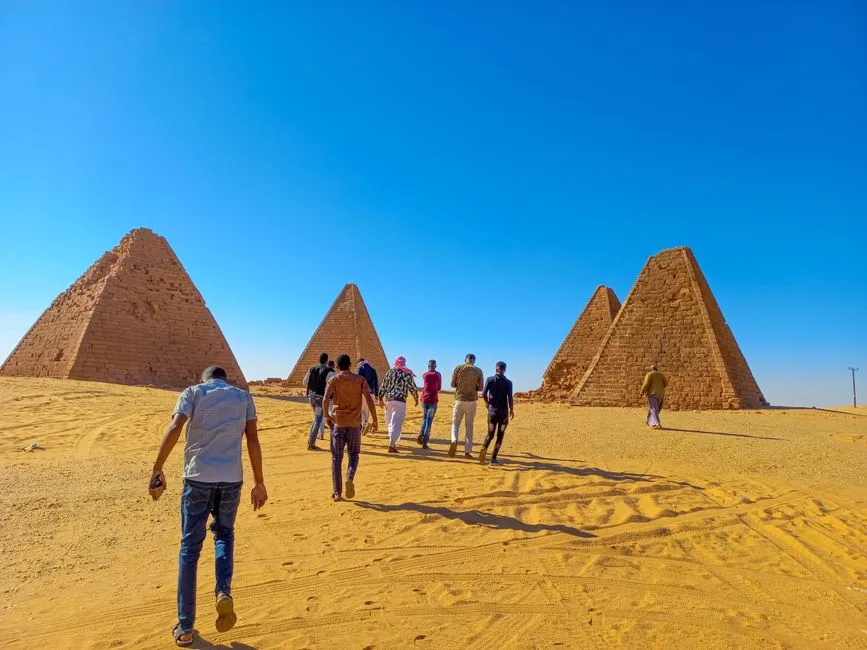
Sudan’s pyramids are grouped together in necropolises or burial grounds, and unlike Egypt’s pyramids, are smaller and have been built with a steeper angle. They are built from stepped courses of horizontally positioned stone blocks rather than the smooth limestone casings of Giza, and are significantly smaller. The average Nubian pyramid stands between 6 and 30 metres tall.
The most striking difference, however, is that while Egyptian pyramids house tombs of rulers within, Nubian pyramids are built on top of the burial chambers. The pyramids bear decorative elements inspired by Pharaonic Egypt, Greece and Rome, according to UNESCO, making them priceless relics. That cultural cross-pollination gives them an artistic richness that is easy to overlook at first glance.
Nuri and Jebel Barkal: The Lesser-Known Sites
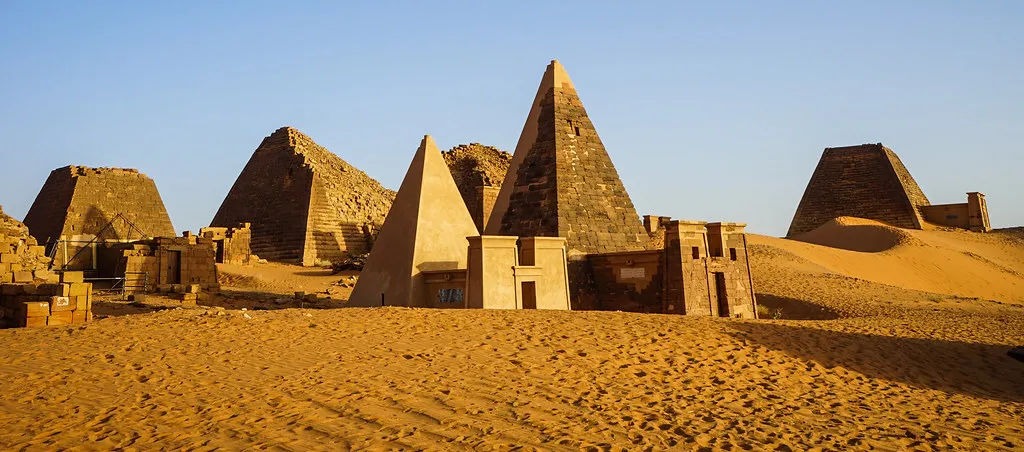
At Nuri, there are around 60 pyramids, though unfortunately most of them are in a very deplorable condition, buried under a sea of sand. The site belongs to the ancient city of Napata and holds a particular historical significance. Later Napatan pyramids were sited at Nuri, the burial place of 21 kings and 52 queens and princes, including Anlami and Aspelta.
Jebel Barkal contains a royal cemetery with around nine Nubian pyramids, in relatively good condition, built between the third and first century B.C. Considered a sacred mountain, this site near the ancient city of Napata also contains royal pyramids and tombs. Together, these multiple sites spread across the Nubian desert create a landscape of remarkable archaeological density.
Older Than Egypt’s Pyramids, in Some Cases
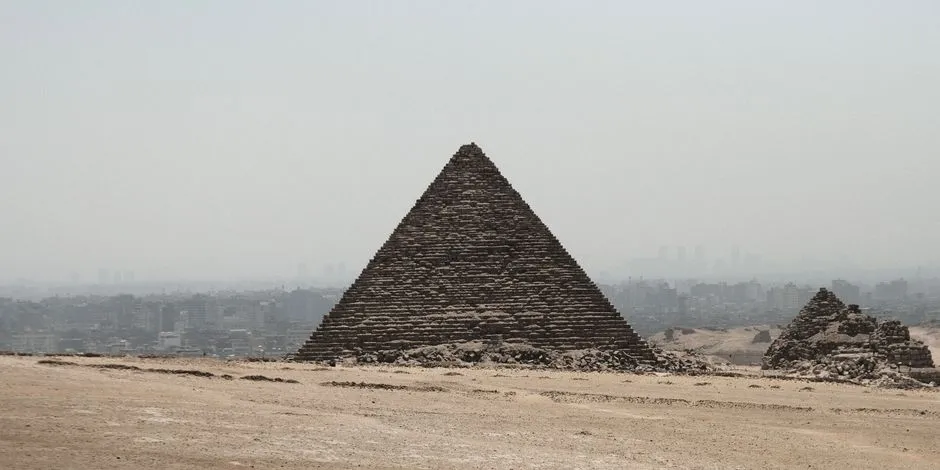
Not only does Sudan have more pyramids than Egypt, but its collection is also older. Upper Sudan is home to about 2,000 Kushite pyramids, versus around 200 in Egypt. That figure encompasses a broader range of burial structures built throughout the region. Some of these structures are about 800 years older than the Egyptian pyramids.
The Kingdom of Kush built pyramids for over a thousand years, longer than the Egyptians did. That consistency of tradition across centuries speaks to a culture with deep convictions about the afterlife and the sanctity of royal burial. It’s a civilization that deserves far more public recognition than it currently receives.
Who Were the Black Pharaohs?
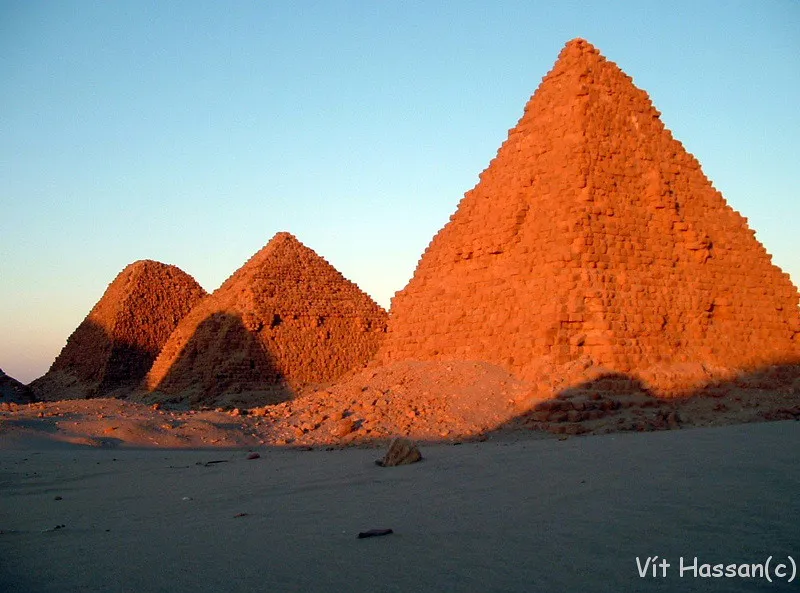
The 25th Dynasty, known as the “dynasty of the black pharaohs,” saw the Kingdom of Kush dominate Egypt, with Kushite kings ruling from their capital at Napata. This was not a minor footnote in ancient history. The Nubian pyramids were also more democratic than Egypt’s. In Sudan, nobles who could afford it were buried in pyramids too, not only kings.
The Kushite pyramids depict bilateral trade, the movement of people, and the movement of knowledge, showing the deep relationship between African civilizations. The Kushite rulers saw themselves as legitimate heirs to pharaonic tradition, not imitators. Their rule over Egypt lasted approximately a century, and the pyramids they left behind in Sudan reflect that confidence.
19th-Century Damage That Still Shows
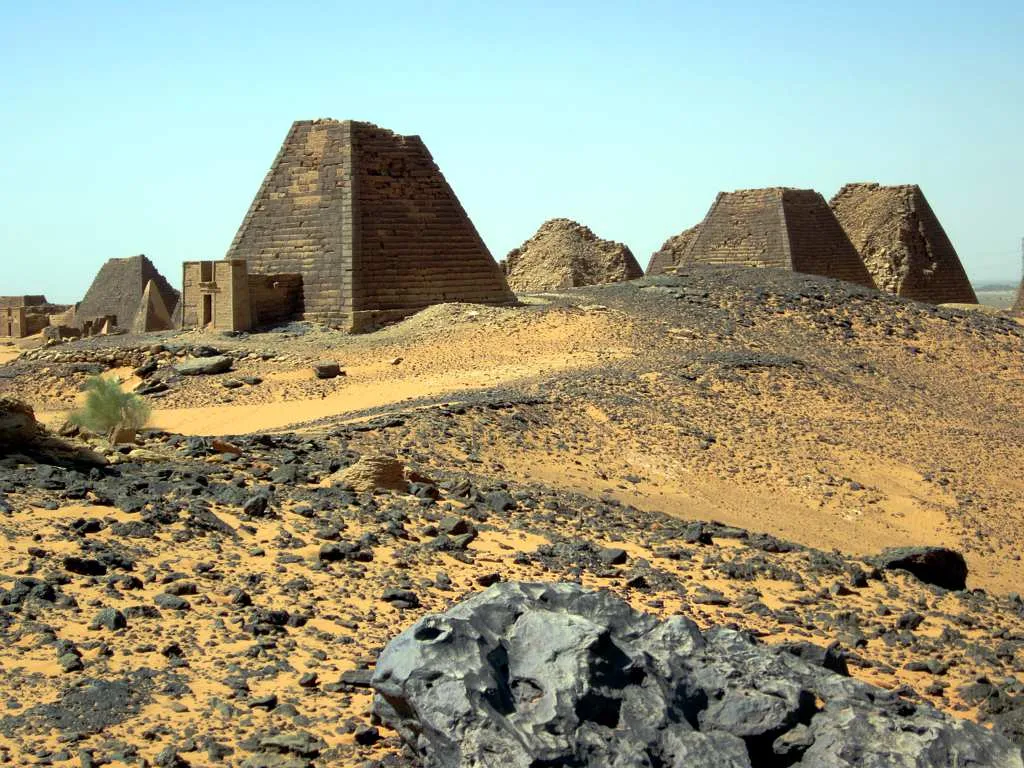
Overeager archaeologists in the 19th century tore off the golden tips of some pyramids and reduced some to rubble. The Italian treasure hunter Giuseppe Ferlini was responsible for much of this destruction, dismantling the tops of many structures in search of hidden gold. Ferlini’s vandalism is one reason the pyramids of Sudan look the way they do today, with many wearing flat, decapitated tops.
The pyramids of Sudan were also heavily plundered in ancient times. However, wall reliefs show their royal residents were mummified, just like their Egyptian counterparts, covered in jewellery and laid to rest in wooden mummy cases. The damage done over centuries makes the surviving details all the more precious to archaeologists still working to understand the full scope of Kushite culture.
The Ongoing Threat From War
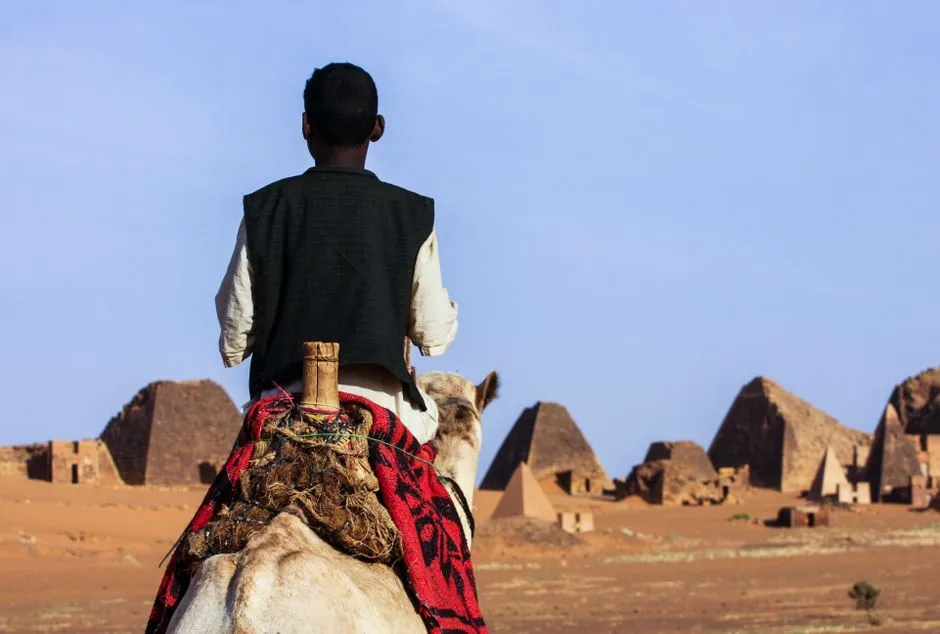
Sudan’s ongoing war is threatening the integrity of its ancient Meroe pyramids, a UNESCO World Heritage Site known for its unique and angular architecture, as preservation efforts have completely halted. Sudan’s deadly conflict, which erupted in April 2023, has destroyed multiple of the country’s historical sites and museums. UNESCO has warned that over 100 cultural sites have been damaged and at least 22 museums looted or destroyed since the onset of the war.
UNESCO warned that the “threat to Sudan’s culture appears to have reached an unprecedented level,” and the UN’s cultural heritage body has warned the world’s art market not to purchase any cultural property from Sudan. Sudan’s conflict has been going on for over three years and leaves the pyramids standing largely abandoned. The thought that structures which survived millennia now face threats from modern conflict is genuinely sobering.
A UNESCO World Heritage Site the World Has Largely Forgotten
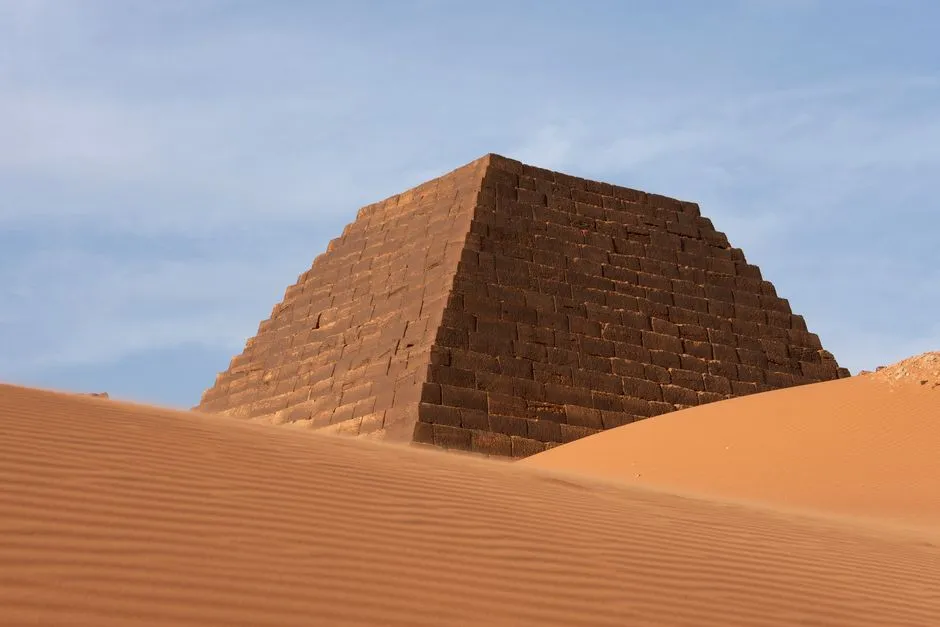
In 2011, UNESCO declared the Nubia region in Sudan, including the sites of Meroë, a World Heritage Site. That designation was meant to signal global commitment to protecting the area. The pyramids at Meroe, some 200 kilometres north of Sudan’s capital Khartoum, are rarely visited despite being a UNESCO World Heritage site.
Western archaeology spent a century focused on Egypt while treating Nubia as a footnote, and Sudan’s own civil wars kept researchers and tourists away for decades. Egypt receives over 13 million tourists annually. Sudan, even before the civil war that erupted in April 2023 and made much of the country inaccessible, received fewer than one million. The disparity between these two figures captures, in numbers, just how overlooked Sudan’s heritage has become.
What These Pyramids Mean for the History of Africa
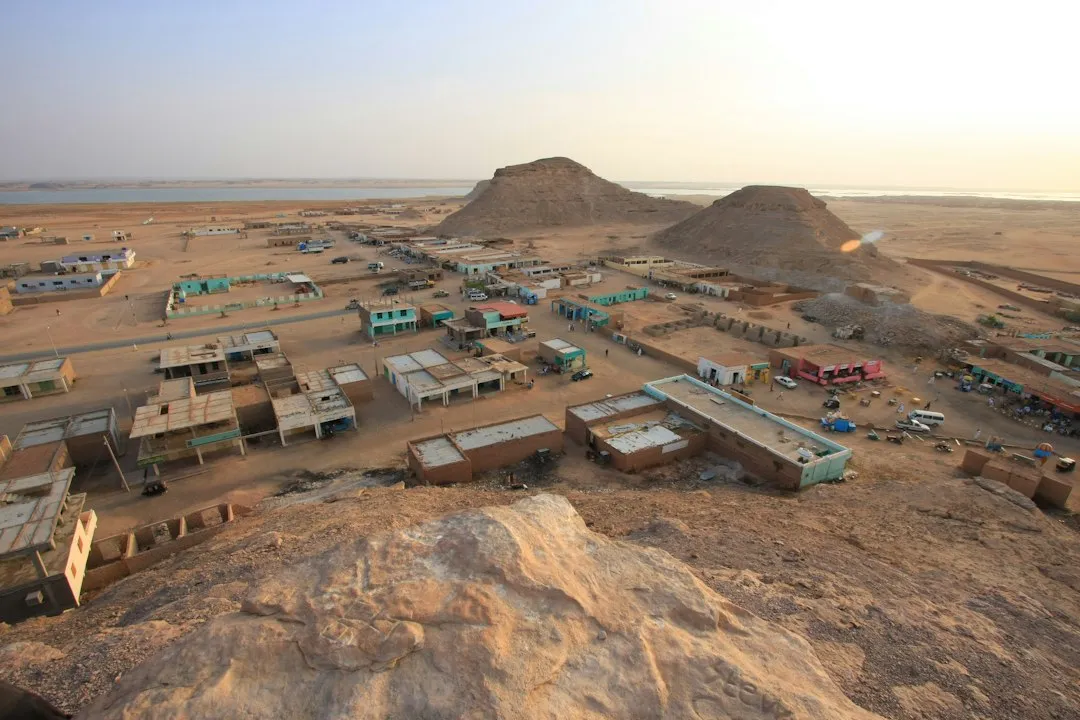
Despite ongoing challenges, Sudan guards one of Africa’s greatest archaeological secrets: a millennial legacy of pyramids that surpasses even that of Egypt. The Kushite civilization demonstrates that monumental architecture, royal tradition, and sophisticated culture were not confined to a single point along the Nile. The Sudan pyramids are a testament to the powerful Kingdom of Kush, a civilization that once flourished along the Nile.
The pyramids of Sudan are not a footnote to Egypt’s story. They represent an independent, deeply rooted civilization with its own story to tell, its own rulers to honor, and its own legacy that the world is only slowly beginning to rediscover.
A Heritage Worth Protecting
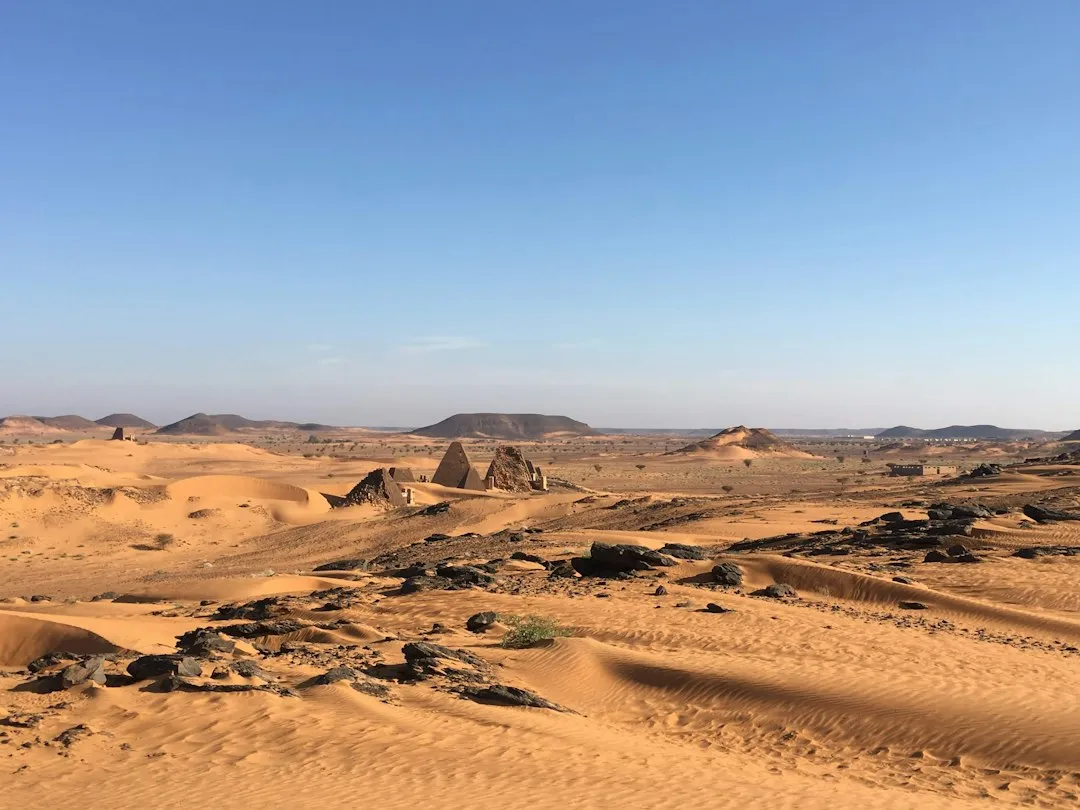
The story of Sudan’s pyramids is, in many ways, the story of how history gets written, and who gets left out. A civilization that ruled Egypt, built more pyramids than any other culture on earth, and sustained a royal tradition for over a millennium has remained, for most of the modern world, largely invisible.
The pyramids receive a tiny fraction of Egypt’s visitors. You can stand alone among a hundred pyramids and hear nothing but the wind. That silence is not emptiness. It’s the quiet of a place that has been waiting, patiently, for the world to catch up.
The pyramidal heritage of Sudan, although less explored, offers a history that deserves to be known. Whether through careful scholarly attention, international conservation funding, or simply the curiosity of future travelers, these structures merit far more than the obscurity they’ve been given. Some of the most remarkable things humanity has ever built are standing in the Sudanese desert right now, and most of the world still doesn’t know they exist.
AI Disclaimer: This article was created with the assistance of AI tools and reviewed by a human editor.