

A Number Bigger Than Anyone Can Easily Count
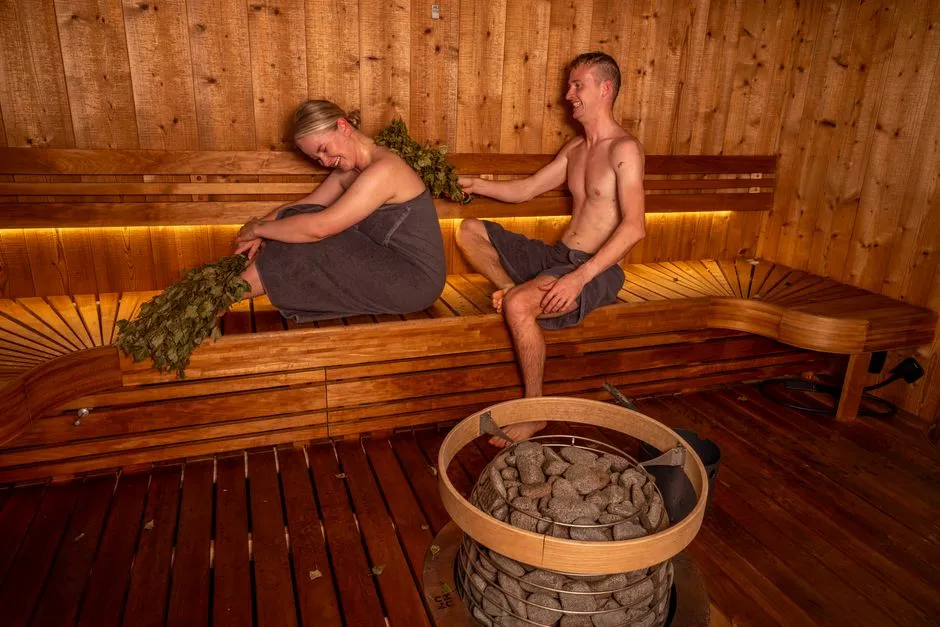
The exact number of saunas in the country is surprisingly difficult to pin down. Estimates exist, but they vary depending on who has done the counting and how broad the definition of a sauna is. The long-standing estimate suggests around 3.2 million saunas, with most Finnish households having at least one, and many having more, especially when summer cottages are included.
Some researchers offer a more cautious estimate of around 2.7 million, focusing more closely on registered buildings, public facilities, and the typical distribution of saunas in homes. Counting saunas is harder than it sounds. Some cautious counts land nearer 2.7 million by sticking to registered buildings, while the looser counts that fold in cottages and public facilities push past three million.
If the 3.2 million estimate holds true, Finland would have roughly one sauna for every 1.75 people. Whichever figure you trust, the point stands: this is a country where saunas outnumber nearly everything else.
More Saunas Than Cars
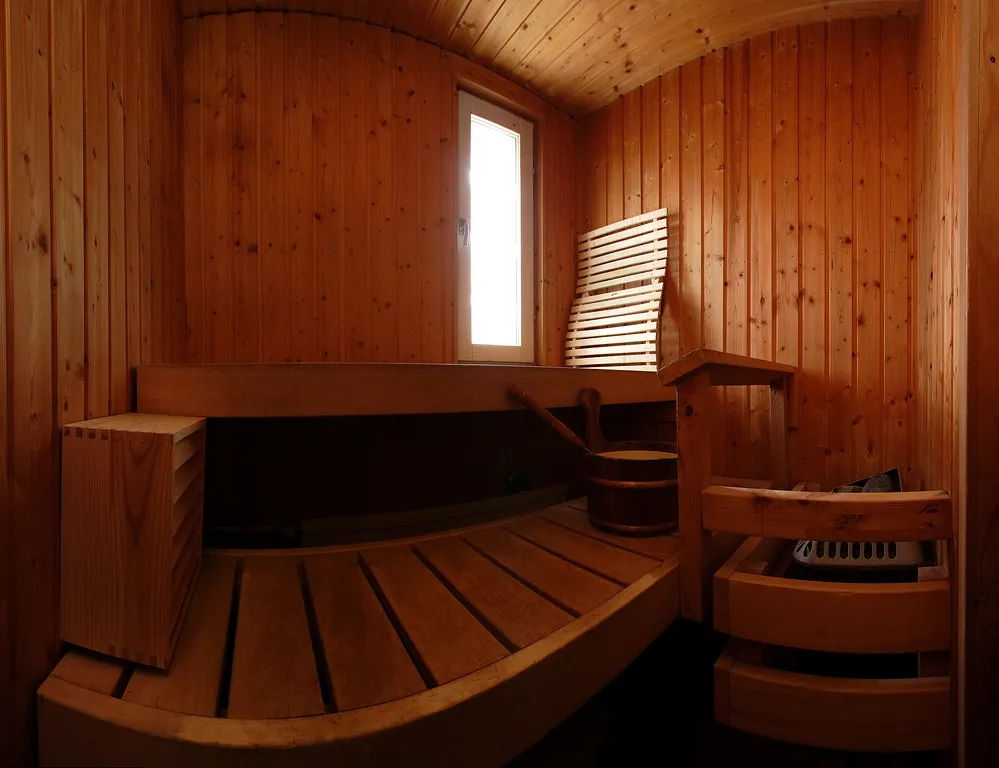
Finland has roughly 3.2 to 3.3 million saunas for about 5.5 million people. That is nearly one sauna for every household, and more saunas than the country has passenger cars. Finland has about 2.8 million registered passenger cars.
Finland has more saunas than passenger cars, and about as many saunas as vehicles of every kind. That comparison is not just a fun statistic. It says something real about what Finns consider essential. A car gets you somewhere. A sauna brings you back to yourself.
Where the Saunas Live
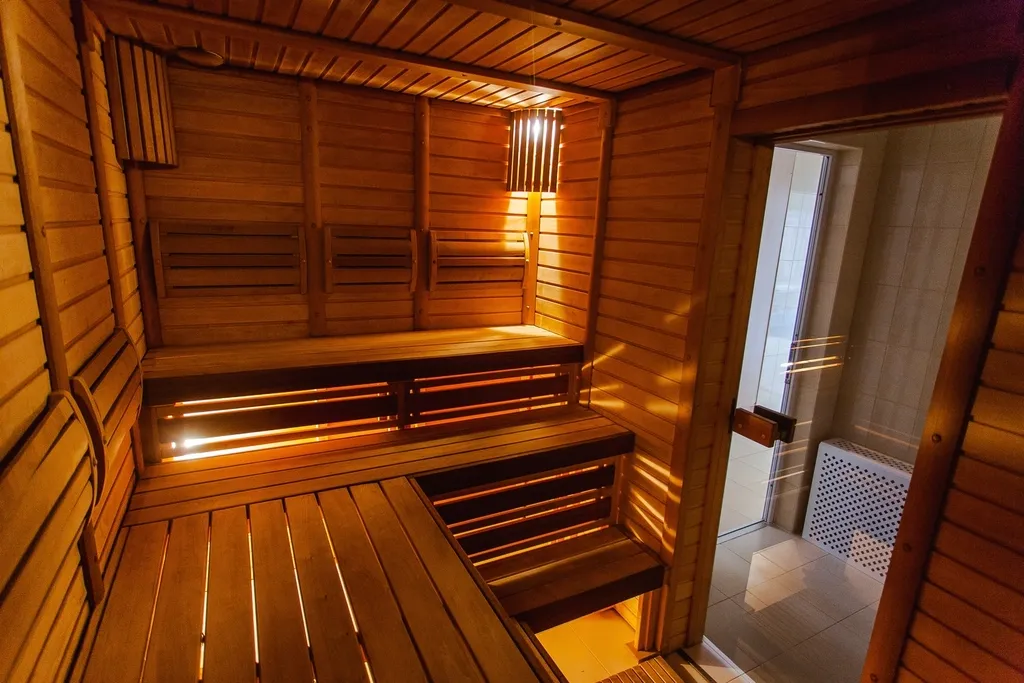
Big companies and state institutions have their own saunas. The president has an official sauna, as does the prime minister. Saunas can be found in city apartments and country cottages. Nearly all Finnish embassies have saunas.
Several new sauna buildings have impressively transformed parts of the Helsinki waterfront, increasing the number of public saunas where visitors and locals can go for an authentic Finnish sauna experience and a bracing dip in the Baltic Sea. Public saunas in Finland are not declining relics. They are growing, adapting to cities, and drawing new visitors from around the world.
Tampere, the Sauna Capital of the World
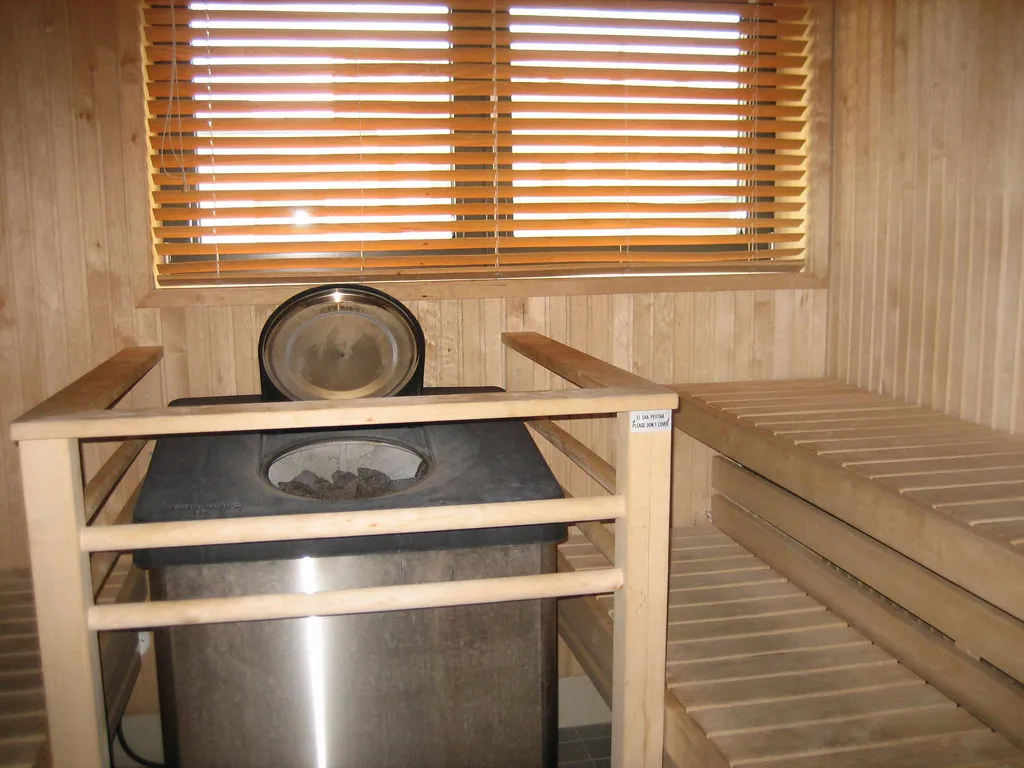
Tampere, named the world’s sauna capital in 2018, has the country’s largest number of public saunas and is home to its oldest operating public sauna, dating back to 1906. The Tampere region boasts nearly 70 public saunas, more than anywhere else in Finland.
In the sauna, everyone is equal, as the Finnish saying goes, and Tampere has the largest number of public saunas in Finland. That saying matters more than it might first appear. The public sauna is a democratic space where social rank, wealth, and profession genuinely dissolve in the heat.
How Often Finns Actually Go
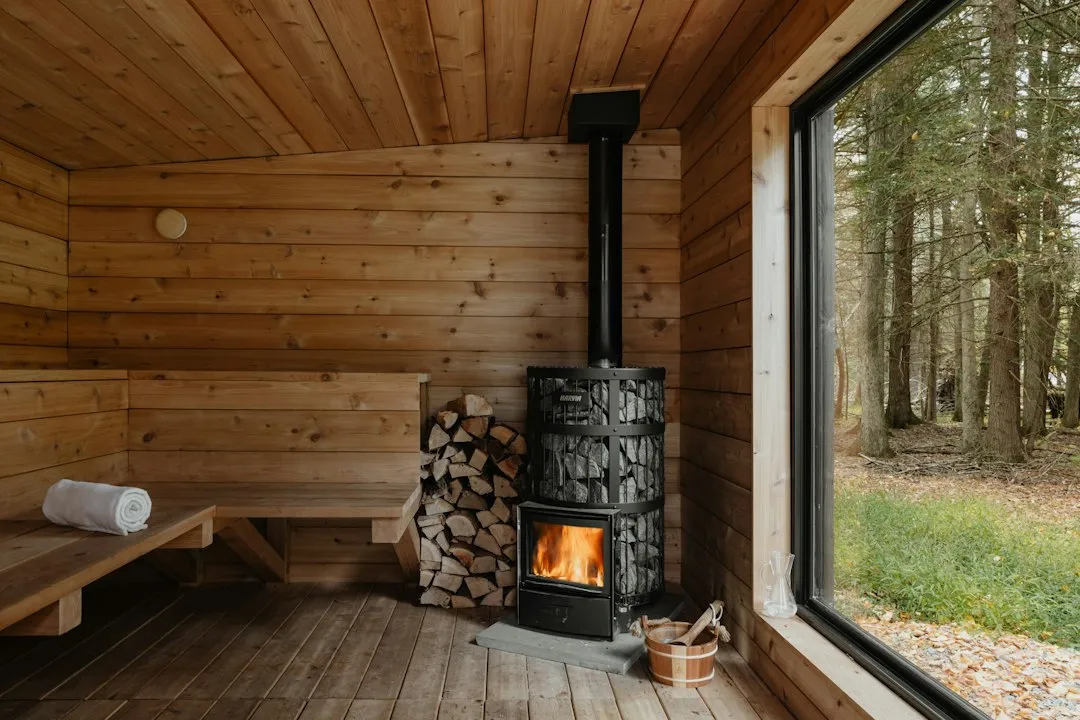
Almost 90 percent of Finns bathe in a sauna at least once a week. Around 40 percent go more than once a week. The sauna is not a luxury reserved for cottages or spas. It is a room most Finns use as routinely as a kitchen.
Research highlighted in Complementary Therapies in Medicine shows that nearly 60 percent of Finns use the sauna at least weekly, though only about 8 percent reach the four-times-a-week mark associated with maximum health benefits. The frequency itself tells a story: this is not a weekend ritual. For most Finns, it is simply Tuesday.
What UNESCO Said About It
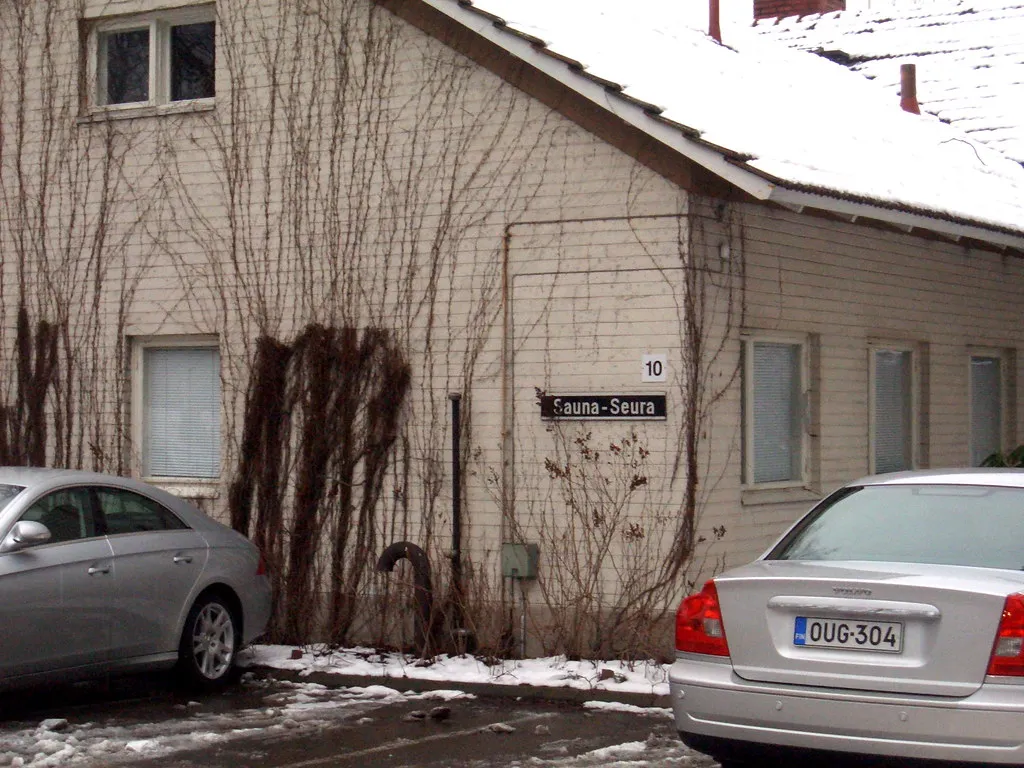
Finland’s sauna culture was inscribed on UNESCO’s Representative List of the Intangible Cultural Heritage of Humanity on 17 December 2020. This is Finland’s first inscription on the UNESCO Lists of Intangible Cultural Heritage. The recognition placed the sauna alongside Indian yoga, Argentinian tango, and the Turkish coffee ceremony.
The UNESCO citation describes the sauna as traditionally considered a sacred space, “a church of nature,” and identifies löyly, the steam released by casting water onto heated stones, as the heart of the experience. Sauna bathing is an integral part of both everyday life and festivities, as well as well-being and lifestyle for Finnish people. Sauna bathing underscores equality and mutual respect between people.
The Ancient Roots of the Tradition
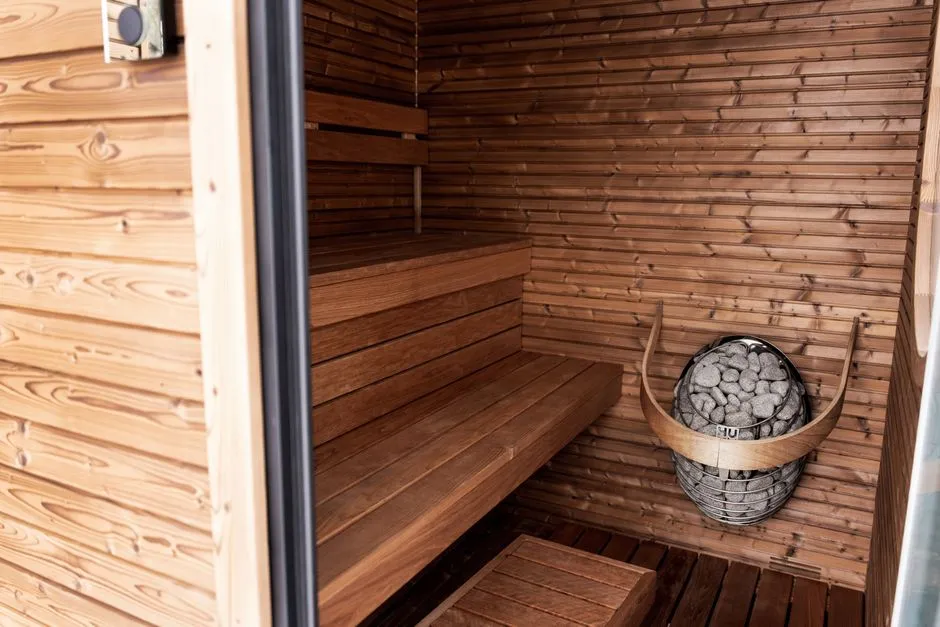
Saunas have existed in other cultures, but in Finland they became entwined in the national culture. In days gone by, they were the most practical place to wash during the long winters when there was no hot running water. You can still find people in Finland who were born in a sauna, not when it was heated up, of course, but it was a sterile place where hot water was available.
The traditions of sauna bathing are repeated over and over again in Finnish songs, mythology, and storytelling tradition. People were born in a sauna, they have thrashed out their lives in a sauna, and furthermore, they have washed their dearest for their last rites in a sauna. Birth and death, grief and celebration: the sauna has been present at all of it.
The Health Evidence Behind the Heat
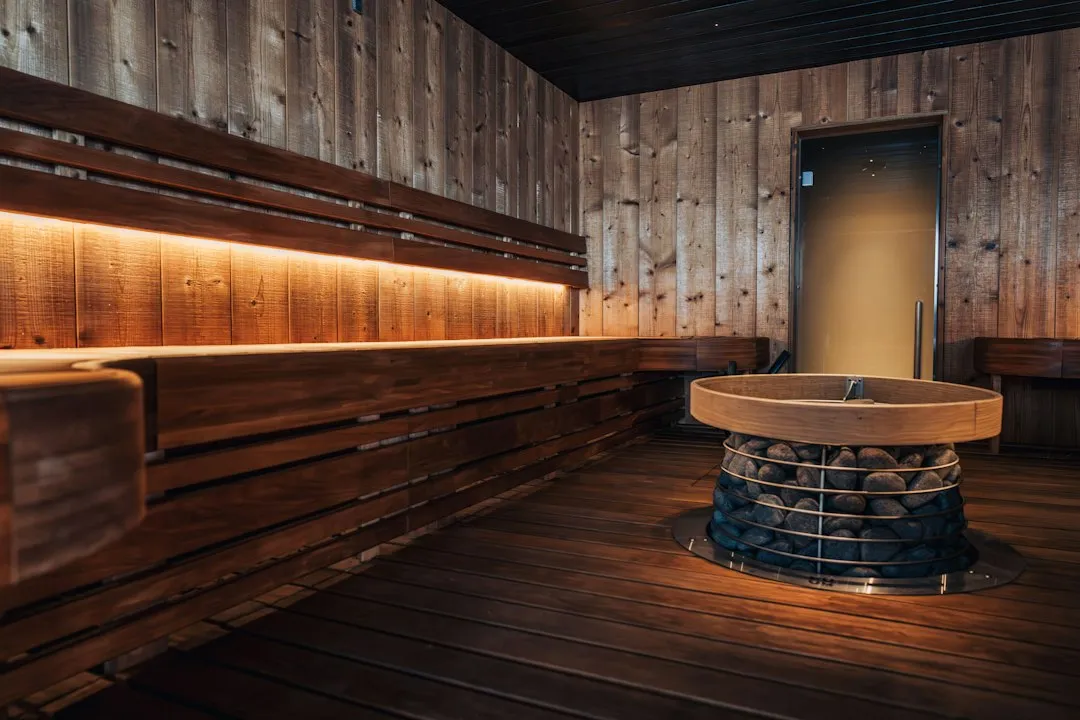
The most comprehensive data on sauna use and mortality comes from the Kuopio Ischemic Heart Disease Risk Factor Study, which followed over 2,300 middle-aged Finnish men for more than two decades, finding that those using the sauna four to seven times per week had a roughly half the risk of fatal cardiovascular events compared to those using it once weekly.
Subsequent analyses linked frequent sauna use to reduced risk of dementia, respiratory disease, and sudden cardiac death. These protective effects persisted after adjusting for physical activity, socioeconomic status, and cardiovascular risk factors. Regular sauna bathing has also been shown to reduce the risk of sudden cardiac death, fatal coronary heart disease, fatal cardiovascular disease, all-cause mortality, dementia, and Alzheimer’s disease.
The Sauna as a Space for Diplomacy
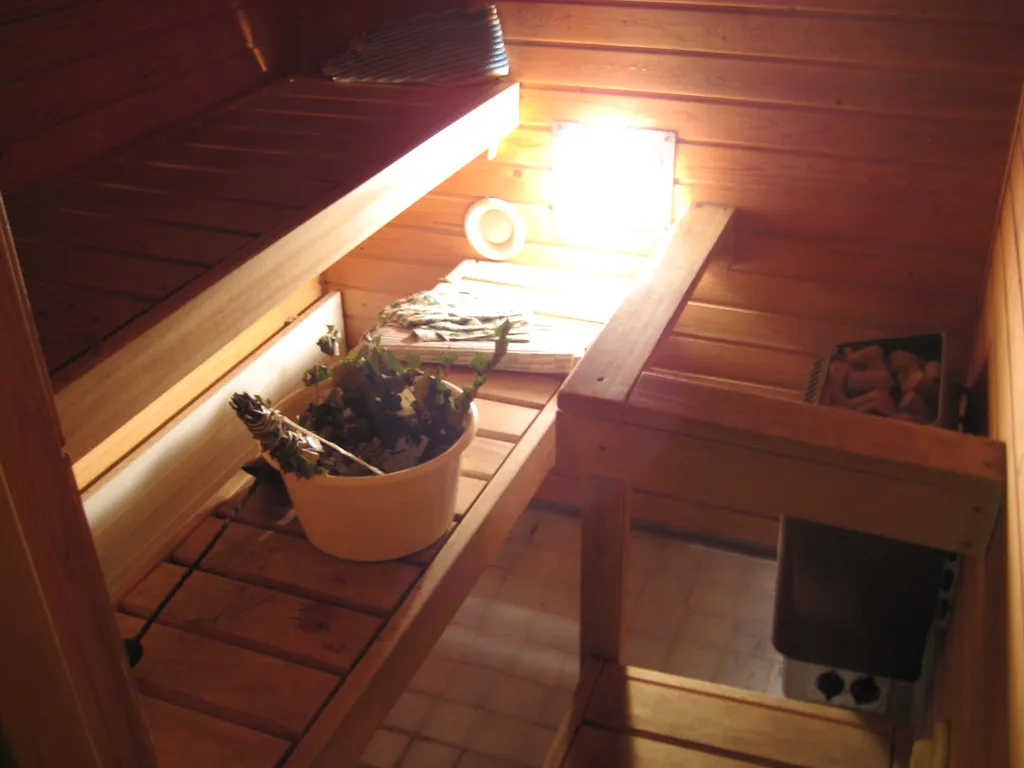
The sauna is an inseparable element of Finnish diplomacy throughout the world. It is part of Finland’s country brand and has been utilised in both political and business decision-making for many decades. When Finnish officials want to reach a genuine understanding with a foreign counterpart, they often take that conversation to the sauna rather than a boardroom.
Nearly all Finnish embassies have saunas, where relations with local movers and shakers are cultivated. The logic is simple enough: when everyone is stripped of their suits and titles, conversation tends to become more honest. Finland has understood this for a very long time.
Sauna Tourism Is Now a Global Draw
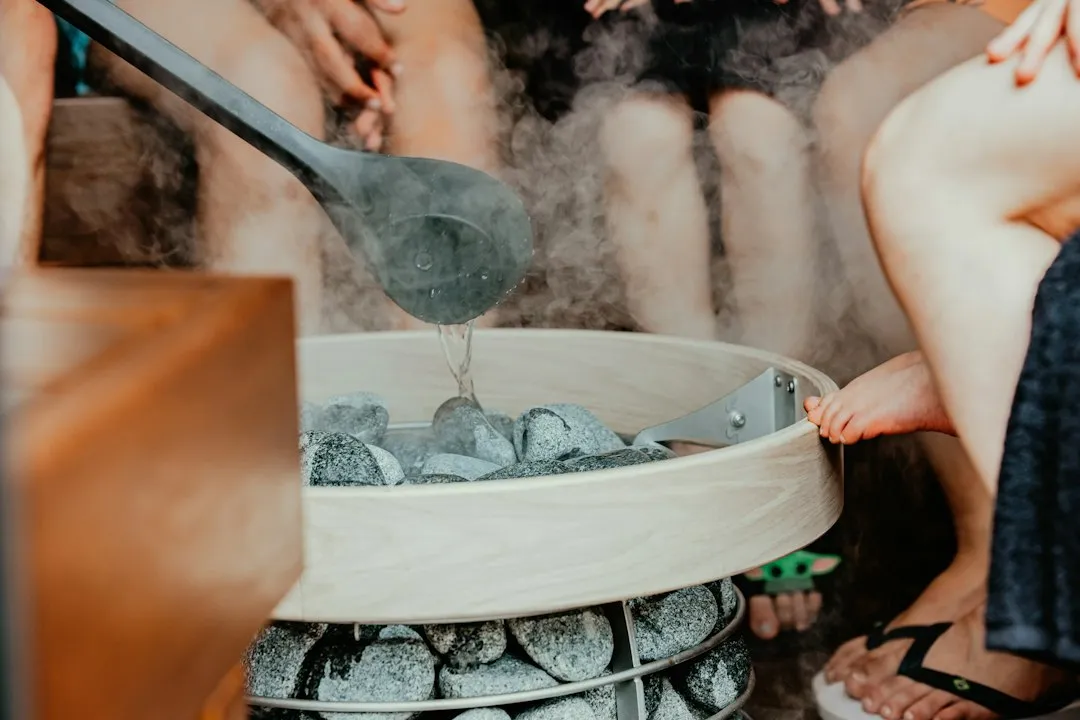
Sauna tourism is gaining momentum across Europe, with Finland, Estonia, and Ireland emerging as destinations for travellers seeking traditional sauna experiences. Finland, holding by far the deepest tradition, is at the centre of this growing interest. Visitors come specifically to experience the smoke sauna, the public sauna, and the ritual of stepping from intense heat into cold water.
Sauna culture is familiar to each and every Finn, whether or not they go to sauna, and the sauna culture is the first Finnish element on UNESCO’s Representative List of the Intangible Cultural Heritage of Humanity. That cultural saturation is precisely what makes Finland such a rare destination: the tradition here is not performed for tourists. It simply exists, and visitors are welcome inside it.
What One Sauna Per Two People Actually Means
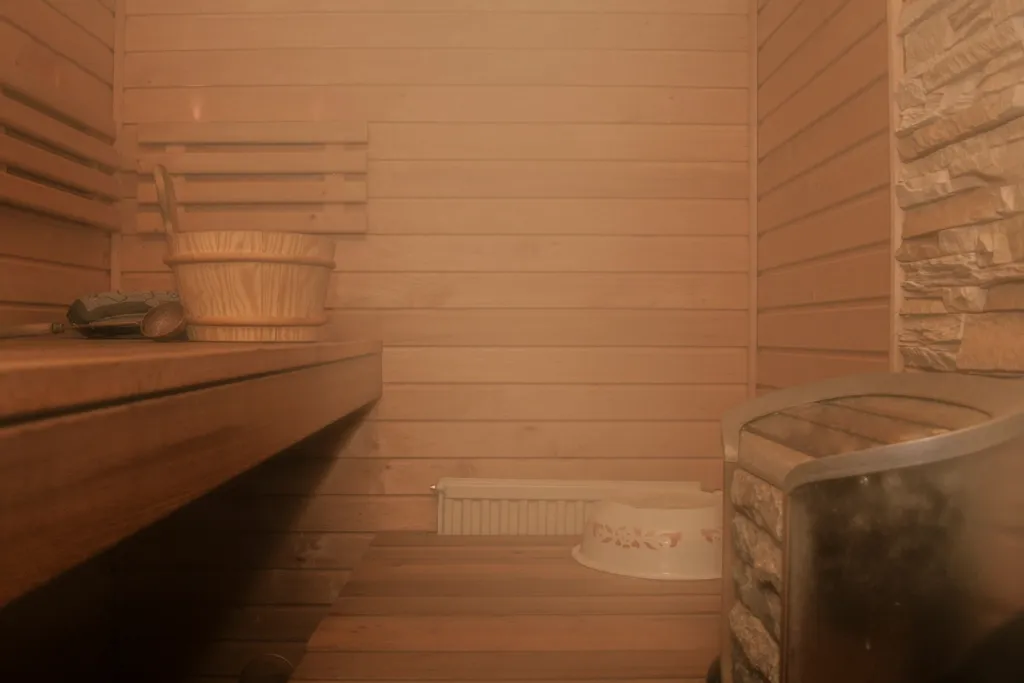
The ratio is striking, but the more meaningful figure is behavioral. The sauna is not a luxury reserved for cottages or spas. It is a room most Finns use as routinely as a kitchen. That frequency is what turns a large number of buildings into a living tradition rather than a collection of unused rooms.
With more than 3 million saunas, Finland’s sauna culture is unmatched globally, reflecting a deep connection to tradition, well-being, and community. Other nations have wellness trends that rise and fall. Finland has something more durable: a room built into the architecture of daily life, season after season, generation after generation.
The Quiet Takeaway
Finland’s sauna ratio is easy to reduce to a headline, and that headline is genuinely remarkable. Roughly one sauna for every two people, more saunas than passenger cars, a tradition recognized by UNESCO, and health data from decades of longitudinal research all pointing in the same direction. The numbers are consistent and the culture behind them is real.
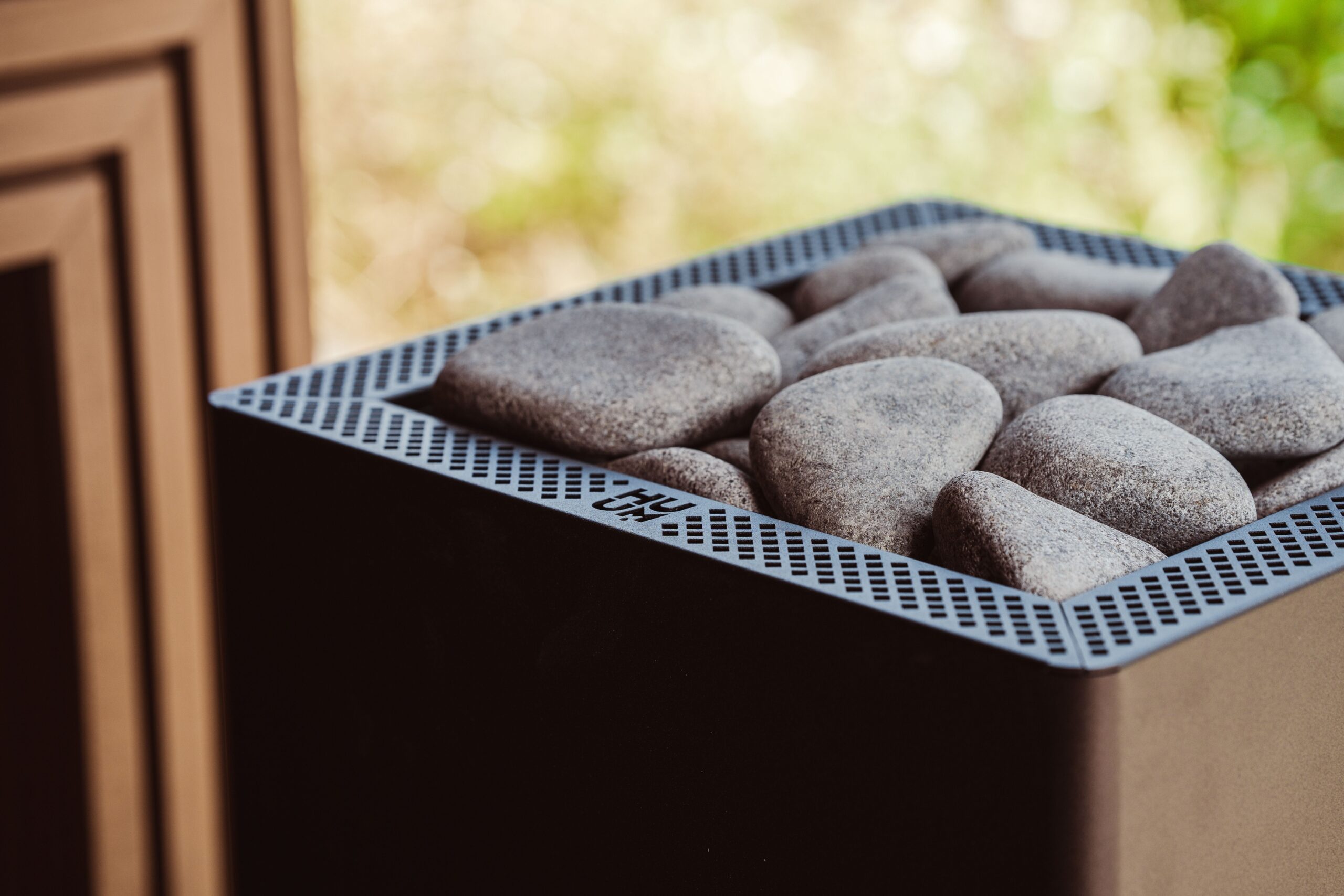
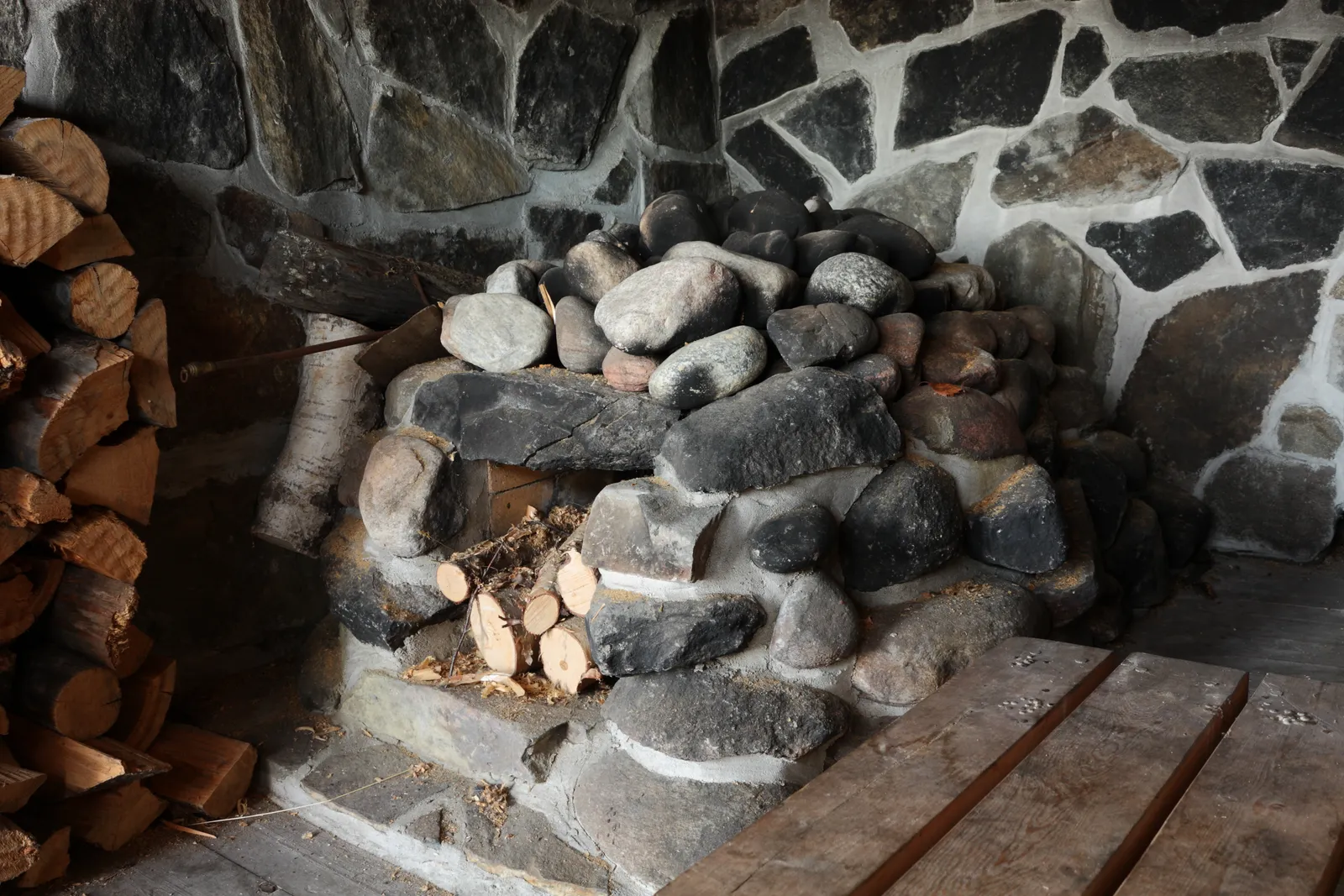
What stays with you, though, is not the statistics. It’s the image of a small wooden room, stones glowing in the dark, steam rising slowly. In Finland, that room is everywhere. It has been everywhere for centuries. And by most accounts, that is exactly how Finns intend to keep it.
AI Disclaimer: This article was created with the assistance of AI tools and reviewed by a human editor.