

Most people think of credit card rewards as a nice bonus. A little cash back here, a small discount there. Few realize that with deliberate strategy, those same everyday purchases – groceries, gas, a dinner out – can quietly accumulate into something far more substantial: a fully funded trip.
The numbers behind this are genuinely striking. Americans earned $47.5 billion in credit card rewards in 2024, nearly double what they earned in 2020. The opportunity is enormous, and yet most cardholders only scratch the surface of what’s possible. Here’s how the people who actually use points to travel for free or near-free do it.
Understanding What Your Points Are Actually Worth
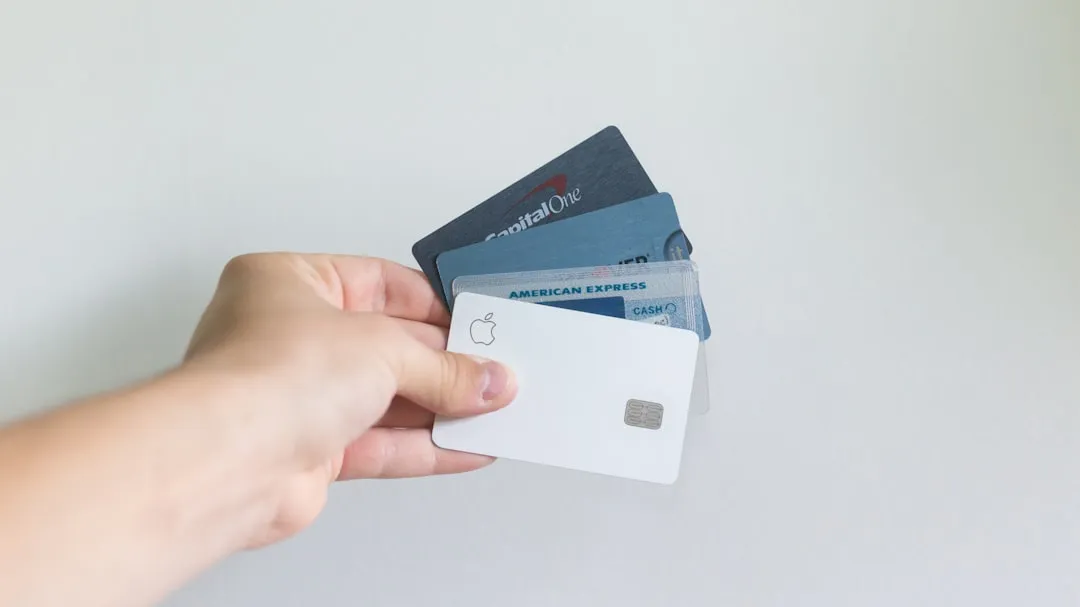
Before building any strategy, you need a clear-eyed sense of point value. Credit card points are worth an average of 1 cent each, though point values usually range from 0.5 cents to 1.5 cents, depending on the card and the redemption method. That range matters enormously. Redeeming for merchandise or gift cards often sits at the lower end, while smart travel redemptions can push well past the average.
For example, 100,000 points on one card could equal $1,000, but the same number of points on another card might be worth $1,500 toward travel. Knowing which program you’re working within is foundational. It determines every decision that follows.
Start With a Welcome Bonus – It’s the Fastest Way to Build Points
A credit card sign-up bonus, also known as a welcome offer, is a limited-time promotion on a rewards credit card. You can use a sign-up bonus to earn cash back, miles, points, or other perks by meeting a specific spending requirement within a certain time frame. The value here can be surprisingly large from day one.
The offers on some cards provide points, miles or cash-back rewards worth $1,000 or more once you reach the specified minimum spending requirements. That single bonus can cover flights, hotel nights, or both, especially when redeemed strategically through a travel portal or transfer partner. It’s worth looking into the best sign-up bonuses if you have large upcoming purchases. This strategy lets you earn valuable rewards without overspending.
The Transfer Partner Advantage

One of the most powerful moves in the points world is transferring your credit card points into airline or hotel loyalty programs. The best transferable points currencies can be earned by spending on certain credit cards issued by American Express, Capital One, Chase, or Citi, or earning points on rent payments and credit card purchases with Bilt Rewards.
Transfer bonuses can significantly boost the value of your points, typically offering 10% to 40% more miles when you transfer points to certain airline or hotel partners. Timing these transfers during a promotional bonus window is an advanced move that dramatically raises the value of what you already hold. It’s best to keep your points in a transferable account – like Amex, Capital One, Chase, Citi, or Marriott Bonvoy – until you have a specific redemption in mind.
Which Points Programs Lead the Pack in 2026

Chase Ultimate Rewards is NerdWallet’s 2026 winner for best credit card points for travel. The transferable currency offers an impressive roster of airline and hotel partners, as well as plenty of ways to rack up points. One of Chase’s most compelling transfer relationships is with World of Hyatt, a hotel program that still uses fixed award pricing – making it one of the more predictable and high-value redemptions available.
According to The Points Guy’s July 2025 valuations, Amex Membership Rewards points and Chase Ultimate Rewards points are valued at 2 cents and 2.05 cents per point, respectively. American Express partners with an impressive 17 different airline programs and three hotel chains, giving cardholders enormous flexibility in where and how they redeem. Both ecosystems are capable of funding a serious trip when used thoughtfully.
Maximizing Everyday Spending Through Bonus Categories
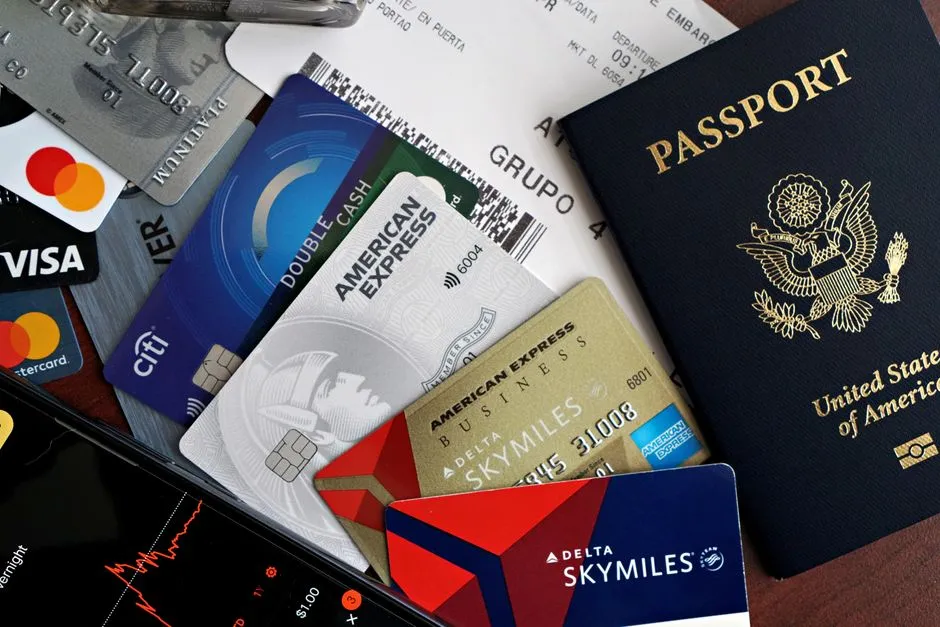
You don’t need to spend more to earn more – you need to spend smarter. Most rewards cards offer bonus multipliers on categories like dining, groceries, and travel. The Chase Sapphire Preferred’s bonus categories include travel, dining, online grocery purchases, gas, EV charging, vacation homes, and streaming services, which gives cardholders the opportunity to earn lots of bonus points on these purchases.
The logic is simple: route every eligible purchase through the card that pays the highest rate in that category. Grocery runs, subscription services, and restaurant meals all become quiet contributors to the vacation fund. Over months, it adds up faster than most people expect.
The Real Scale of Points-Funded Travel

Points-funded travel isn’t a niche hobby anymore. More than 15 million domestic visitor trips were awarded and earned for “free” through airline credit card points alone in 2024, according to Airlines for America. That’s a remarkable figure, and it only reflects airline card points – not the broader ecosystem of hotel programs, flexible currencies, and transferable miles.
It’s more likely a consumer will have multiple trips in one calendar year if they’re also using miles and points to fund them. Miles and points help keep cash in your pockets, which is why people use them – as long as you have the income to earn points consistently. That last caveat matters: the strategy works when spending stays within your actual budget.
Don’t Let Points Expire or Go to Waste

Americans earned $47 billion in credit card rewards in 2024 and redeemed $43 billion, predominantly in points. The gap between what was earned and what was actually used represents billions of dollars left on the table. Americans forfeit billions in points, cash back, and miles every year.
The pattern tracks closely with credit scores. Cardholders with prime or superprime scores redeemed 81.6% of all rewards, while subprime and deep subprime cardholders forfeited 7.1% of their rewards, more than double the overall average. Active redemption isn’t just a good habit – it’s the entire point of the strategy. Points sitting idle are points fading in value.
Timing Transfers to Catch Bonus Windows

Several times a year, banks will offer a promotional bonus when you transfer points to a specific airline or hotel partner. This is essentially free points and miles. A 30% transfer bonus means that if you transfer 100,000 points, you’ll receive 130,000 miles in your airline account.
Timing your transfers to coincide with these bonuses is an advanced strategy that can make a great redemption truly legendary. The catch is that it’s best to transfer points only when you’re ready to book an award, since transfers are irreversible and award availability can change quickly. Patience and preparation both matter here.
Using Credit Cards the Right Way – No Debt, No Fees

The entire strategy falls apart if you carry a balance. Cards assessing interest carried an average interest rate of 22.3%, as of November 2025, according to the Federal Reserve Bank of St. Louis. That rate will erase every point you’ve earned and then some. Most 2025 summer travelers said they’ll use credit cards to cover some of their travel expenses, and three-quarters of them planned to pay off all expenses with the first billing statement, meaning they shouldn’t have to pay any interest charges.
Paying your balance in full each month is not optional advice – it’s the bedrock of the whole approach. When you do that, the annual fee on a premium travel card often pays for itself through travel credits, lounge access, and accelerated earning alone.
How Travelers Are Actually Using Points Right Now
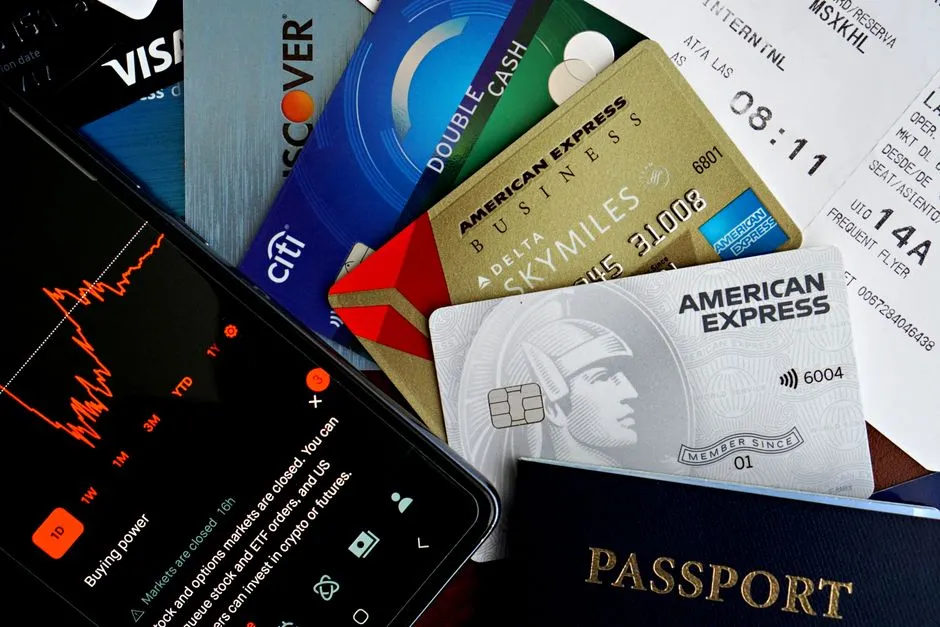
The majority of 2026 summer travelers – roughly 84% – will use credit cards to pay for at least some of their vacation travel expenses, making cards the most popular payment method for these costs, by far. Interest in rewards redemption has grown alongside that broader usage. Most summer travelers say they’ll take action to save money on their travel expenses, and using credit card points and miles to cover expenses is among the top strategies.
More than three-quarters – 76% – of cards now offer point redemption or a statement credit for tours and activities, an increase of more than 20 percentage points over 2023. The ecosystem keeps expanding. More categories, more partners, more ways to get somewhere for less. The window to take advantage is wide open.
The Takeaway

A fully funded vacation through credit card points is not a fantasy reserved for finance obsessives. It’s a disciplined, repeatable system built on three things: choosing the right cards for your spending habits, paying the balance in full every month, and being intentional about when and how you redeem.
The infrastructure is already there. Credit card rewards can be valuable, but only if you redeem them. The biggest difference between someone who pays cash for every trip and someone who travels on points is usually not luck or income – it’s knowing the rules of the game well enough to play them.
AI Disclaimer: This article was created with the assistance of AI tools and reviewed by a human editor.