


Most people spend months dreaming about their first Disney World trip. They research hotels, pack the right shoes, and map out their favorite rides. Yet somehow, a surprisingly large number of first-timers arrive at the gate only to realize that the real planning work should have started weeks, or even months, earlier than it did.
The overlooked step isn’t a single mistake. It’s a layered failure to understand how deeply Disney World’s experience now depends on advance preparation: its booking windows, digital systems, and reservation timelines. Getting that foundation right changes everything about how the trip actually feels.
You’re Planning Too Late – Disney’s Windows Are Already Closing

Experienced visitors recommend starting the planning process six to twelve months in advance, because that window gives you enough time to research and make informed decisions while also securing the hotel, tickets, and dining reservations you actually want. Most first-timers assume a few weeks is plenty. It isn’t.
Dining reservations open sixty days before your arrival date, and for the most popular restaurants, slots disappear within hours of that window opening. If you’ve ever wanted to dine at a table-service restaurant inside the parks, that sixty-day mark is your starting gun – not your research phase.
Staying at a Disney World resort gives you a significant advantage, allowing you to book dining for your entire stay at once, which is crucial for hard-to-get experiences like Cinderella’s Royal Table and Bibbidi Bobbidi Boutique. Off-site guests have to chip away at it one day at a time.
The My Disney Experience App Is Not Optional
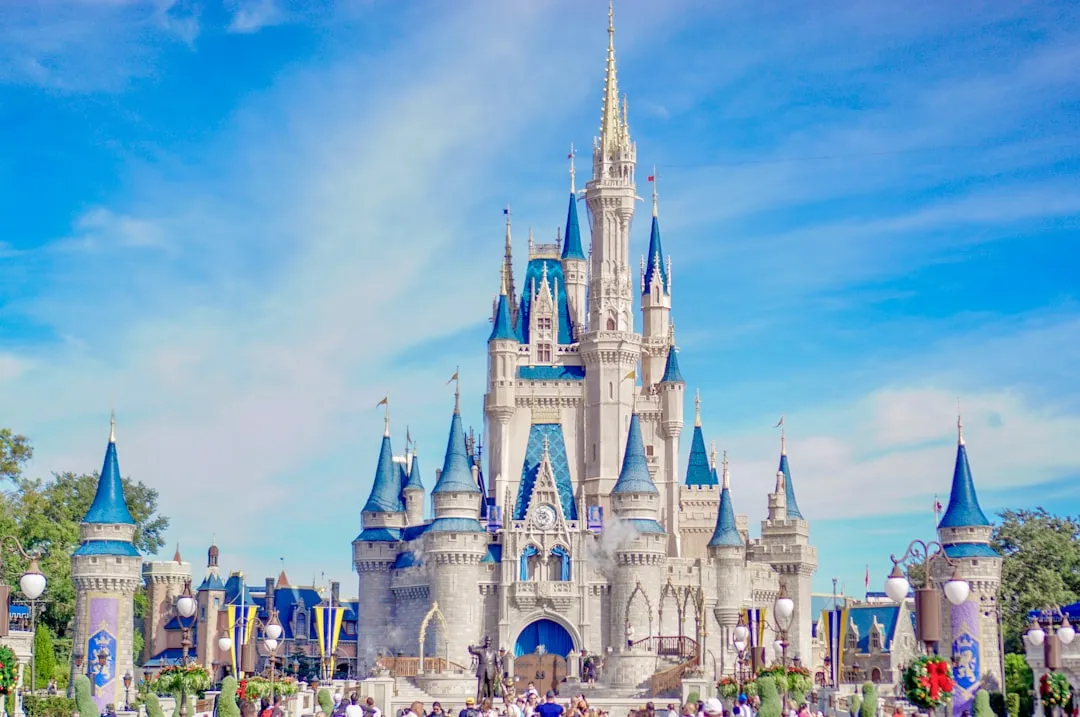
For many visitors, the magic begins before they ever scan into a theme park, because much of the modern Disney vacation now runs through a single digital gateway: the My Disney Experience app. Over the years, it has become the backbone of a Disney trip, with guests relying on it to book Lightning Lane selections, check attraction wait times, find character meet-and-greets, and navigate the sprawling resort property.
In 2026, the My Disney Experience app is not just something nice to have – it is one of the main ways you actually do Disney World now. The app handles the practical logistics, the planning details, the paid features that shorten lines, and a surprising number of small quality-of-life tools that keep your day moving.
Through the app, guests can secure Lightning Lane passes, manage tickets, check into their hotel, and mobile order food. Waiting until you’re standing in a park to figure out how any of that works is a recipe for a frustrating morning.
Disney’s New Lightning Lane System Demands Early Action

Lightning Lane Multi Pass and Lightning Lane Single Pass represent Disney’s current skip-the-line system at Walt Disney World, having replaced the Disney Genie+ service in July 2024. It’s newer, more structured, and more time-sensitive than most first-timers realize.
Disney Resort hotel guests can book Lightning Lane selections seven days before check-in, while all other guests can book three days in advance. Booking opens at 7:00 AM Eastern each day. That three-to-seven-day head start is not just a perk – it’s the difference between riding your most-wanted attractions or watching them sell out.
The on-site advantage is significant: a large share of the most desirable Lightning Lanes get claimed before off-site guests can even begin booking. If you’re staying off-property, that reality should shape both your resort decision and your morning alarm clock.
Understanding the Three Lightning Lane Tiers Changes How You Budget
Lightning Lane is Disney World’s paid system for skipping standby lines. It replaced the free FastPass+ system with a structure that now operates across three separate tiers: Multi Pass, Single Pass, and Premier Pass. Each tier serves a different purpose, covers different attractions, and costs a different amount – and the right choice depends on your park day, your budget, and how much time you’re willing to spend in line.
Lightning Lane Multi Pass pricing typically ranges from roughly $15 to $39 per person per day at Walt Disney World, with prices lowest during off-peak periods and highest during holidays and peak seasons. That’s per person, per day – a family of four in peak summer can spend significantly more than expected if they haven’t budgeted for this.
Disney introduced Lightning Lane Premier Pass as a premium option providing one-time access to all Lightning Lane attractions in a single park for one day, with prices ranging from $119 at Animal Kingdom to $449 at Magic Kingdom per person depending on the park and date. For most families, Multi Pass delivers solid value without that level of spend.
Dining Reservations Are Not Just Convenient – They’re Structural
With four theme parks, two water parks, Disney Springs, and over 200 restaurants, there’s a lot of information to sift through – and the more time you have to plan, the better. Choosing where to eat isn’t a day-of decision at Disney World. The better table-service spots book out weeks in advance.
Making dining reservations sixty days before arrival is one of the most consistently recommended strategies among experienced park visitors. Treating this window casually is one of the costliest and most common first-timer mistakes. You won’t necessarily go hungry without a reservation, but you will likely miss the experiences that make the trip feel exceptional.
The best advice is simple: set a calendar reminder for your sixty-day mark and treat it like a ticket booking. First-come, first-served is the reality at the most sought-after dining rooms, regardless of how magical the park feels once you’re inside.
Underestimating the Physical Scale of the Resort

Disney World is absolutely massive in size and scope, so much so that first-time visitors are often shocked by just how big it is. Covering roughly 43 square miles, the property is more than twice the size of Manhattan. That’s a staggering amount of ground to cover, especially when you’re walking through the theme parks.
The property is enormous, and simply getting from place to place takes far more time than many people realize. Transportation between parks, long walks through resorts, security checkpoints, and even navigating crowds can eat up huge chunks of the day without you noticing.
Experienced visitors recommend allowing sixty to ninety minutes for transportation during peak times, with the biggest rushes occurring one hour before parks open and immediately after fireworks. Building that buffer into your day prevents a cascade of delays that derail a carefully planned itinerary.
Arriving Early Matters More Than Almost Any Other Strategy
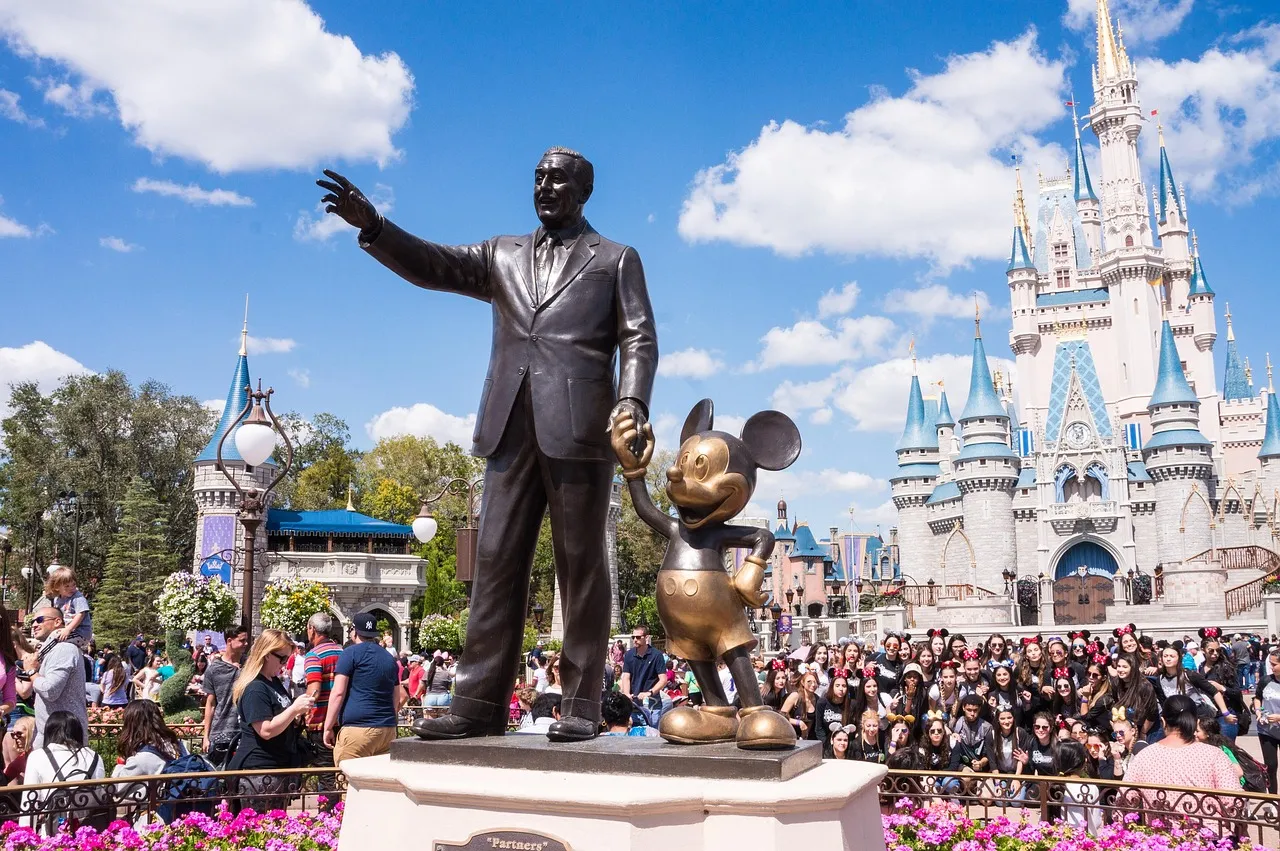
The early hours of a park day are when the biggest gains happen – experienced visitors have managed seven rides before 11:00 AM on a visit to Magic Kingdom simply by arriving at opening. That’s not an outlier. That’s what rope drop consistently delivers.
Getting to the parks right when they open lets you avoid the crowds and long lines that form later in the day, while also giving you more time to explore and enjoy the attractions. The math is straightforward: the same ride that takes fifteen minutes at 9 AM can take ninety minutes by noon.
Disney World Resort guests currently have access to early theme park entry, which allows entry to any of the four theme parks before general opening. This perk alone is reason enough for many families to carefully weigh an on-site hotel against a comparable off-property stay.
Not Knowing Which Ticket Type You Actually Need
As of January 2024, guests with date-based theme park tickets do not need a separate park pass reservation, though Disney World Annual Passholders and guests with non-date-based tickets do still need to make a park pass reservation online before arriving. This distinction catches a surprising number of first-timers off guard.
Base tickets allow entry to one park per day, while Park Hopper tickets offer the flexibility to visit multiple parks. Starting in 2025, Park Hopper access became available throughout the entire day, making it a more versatile option than before.
A one-day ticket starts from $119 plus tax, with multi-day tickets offering meaningfully better value per day – a seven-day ticket averages around $72 per day. For a first trip where you want to see everything, multi-day tickets aren’t just economical. They’re almost essential for any meaningful coverage of the resort.
Overpacking the Itinerary Turns the Trip Into a Sprint
Disney World vacations are expensive, and when you’ve spent months planning a trip, there’s a lot of pressure to “do it all” – but trying to accomplish too much in one massive theme park destination is the most consistent mistake first-time guests make. That pressure tends to transform a vacation into an endurance event.
Some of the best Disney World moments happen when you slow down enough to notice them – exploring the details of Main Street, making time for character meet-and-greets, or sitting in one of the parks’ quieter corners. When every minute is tightly planned, there’s very little room left for spontaneity.
Instead of trying to cram every possible experience into your vacation, focusing on a handful of priorities each day and allowing the rest of the day to unfold more naturally is advice that consistently separates a memorable trip from an exhausting one. Restraint in planning is, counterintuitively, the thing that makes Disney World feel magical.
Skipping the New App Trip Checklist Feature in 2026

One of the most useful recent additions to the My Disney Experience app is the Trip Checklist, designed specifically to reduce the planning anxiety that first-time visitors and families with young children often feel. The checklist surfaces key milestones in the order guests need to complete them, including booking dining reservations, making Lightning Lane selections, checking in online, and adding tickets to your digital wallet.
Critically, the checklist also shows guests exactly when their Lightning Lane booking window opens – something that has historically been harder to locate within the app. For a first-timer navigating Disney’s systems for the first time, this feature is genuinely worth using.
Disney has been steadily improving the app over the past year, including a My Plans update that launched in October 2025 and a map functionality overhaul earlier that same year, with the redesign rolling out in 2026 giving the app a more coherent, trip-first structure than it’s ever had before. It rewards guests who engage with it early and learn it before the trip begins.
A Final Thought on Getting It Right
Disney World rewards preparation without punishing wonder. The families who tend to have the best first trips are the ones who handled the logistics weeks before they landed in Orlando, then gave themselves permission to be genuinely surprised once they were there. The booking windows, the Lightning Lane tiers, the dining clocks – none of it is as complicated as it first appears, and all of it becomes second nature quickly.
The real overlooked step was never about one single task. It was about understanding, early enough, that Disney World in 2026 operates less like a theme park you just show up to and more like a destination that rewards those who treat planning as part of the experience itself.
Start early, stay curious, and leave some breathing room in your days. The best moments in those parks have always happened in the space between the plans.
AI Disclaimer: This article was created with the assistance of AI tools and reviewed by a human editor.