


Most people spend months planning a cruise. They compare cabins, research ports, bookmark shore excursions. Then, a week before departure, they grab the first insurance policy they find, or worse, skip the whole thing entirely. That single decision can turn a dream vacation into a financial disaster that takes years to recover from.
Cruise travel is uniquely exposed to risk. You’re visiting multiple countries, spending days far from any hospital, and prepaying thousands of dollars for a trip that a ship will take without you if you’re five minutes late. The stakes are higher than almost any other type of vacation, which makes getting the insurance wrong especially costly.
Skipping Trip Cancellation Coverage Entirely
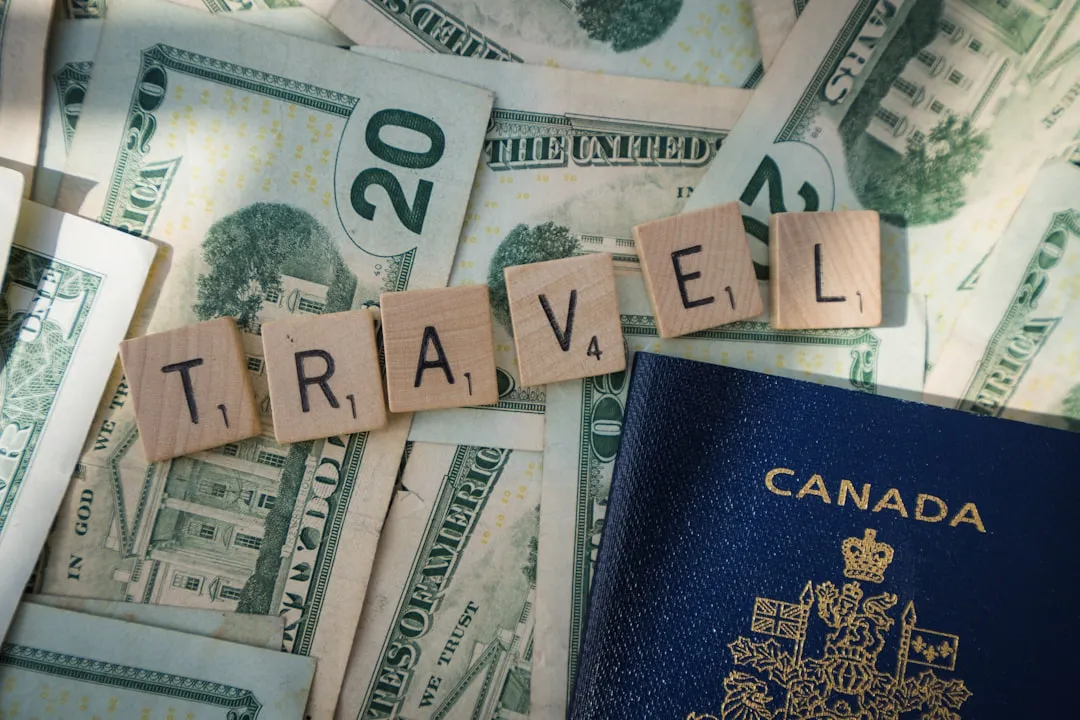
The most widespread mistake cruisers make isn’t buying bad insurance. It’s buying no meaningful protection at all. In 2024, more than roughly four in ten paid travel insurance claims were due to trips that were canceled or cut short, with travelers receiving an average payout of over $2,000. That’s real money walking out the door for every uninsured traveler who had to cancel.
With 2025 trip costs up roughly a quarter over the prior year, it’s even more important for travelers with prepaid expenses to protect their financial investment in their trip. A cruise is largely a prepaid expense by design, which makes cancellation coverage especially critical compared to other types of travel.
Skipping trip cancellation coverage could leave you with big financial losses if something unexpected happens, like getting sick, bad weather, or a delay with your travel provider, that stops you from going on your trip. The scenarios that trigger cancellations are rarely ones people predict in advance.
Assuming Your Credit Card Coverage Is Enough
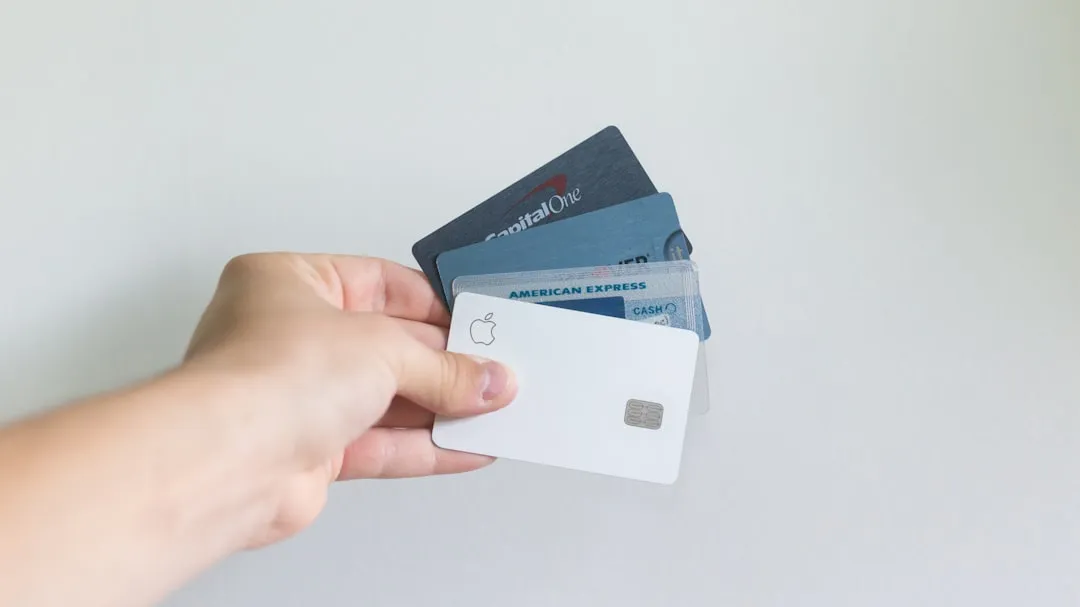
This is one of the most dangerous myths in all of cruising, and it costs passengers dearly every year. Premium travel credit cards advertise “travel protection” prominently, and millions of cardholders read that phrase and assume they’re covered for a cruise the way they’d be covered for a canceled flight. They are not.
Nearly every credit card travel benefit lacks meaningful medical coverage, which is precisely the most critical protection when you’re at sea, far from any hospital, or facing an emergency evacuation. A credit card might reimburse a canceled trip under limited conditions. It almost certainly will not cover a medical evacuation, with costs running from $15,000 for a ship-to-shore transfer all the way to $200,000 or more for an air ambulance from international waters.
Even if you have credit card insurance, it might not be enough. An analysis of what credit cards have to offer found they have some major shortcomings when it comes to protecting your trip. The gap between what people assume credit cards cover and what they actually pay out is where most surprise bills are born.
Buying the Cruise Line’s Own Insurance Without Comparing
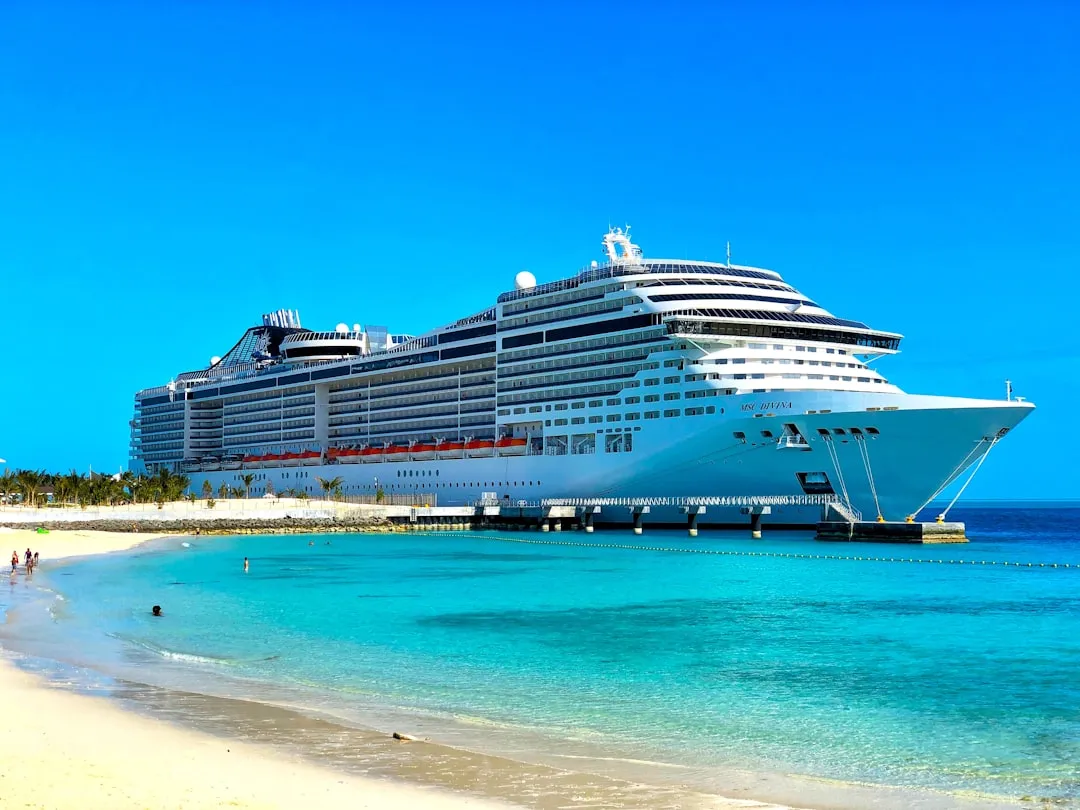
Cruise line insurance usually focuses only on the cruise itself and offers lower coverage limits. Third-party travel insurance protects your entire trip, including flights and hotels, with higher medical coverage and cash reimbursements instead of cruise credits. That distinction matters enormously when a real emergency hits.
Cruise line insurance often offers limited benefits. Third-party travel insurance usually includes stronger medical, evacuation, and cancellation coverage, often for a better price. Third-party cruise travel insurance usually offers more robust and more flexible coverage than the trip protection sold by cruise lines.
Many cruisers assume the cruise line’s insurance provides as broad a level of protection as third-party provider trip protection plans, only to learn later that it may not. Learning that lesson at the claims stage is an expensive way to find out.
Waiting Too Long to Buy Your Policy
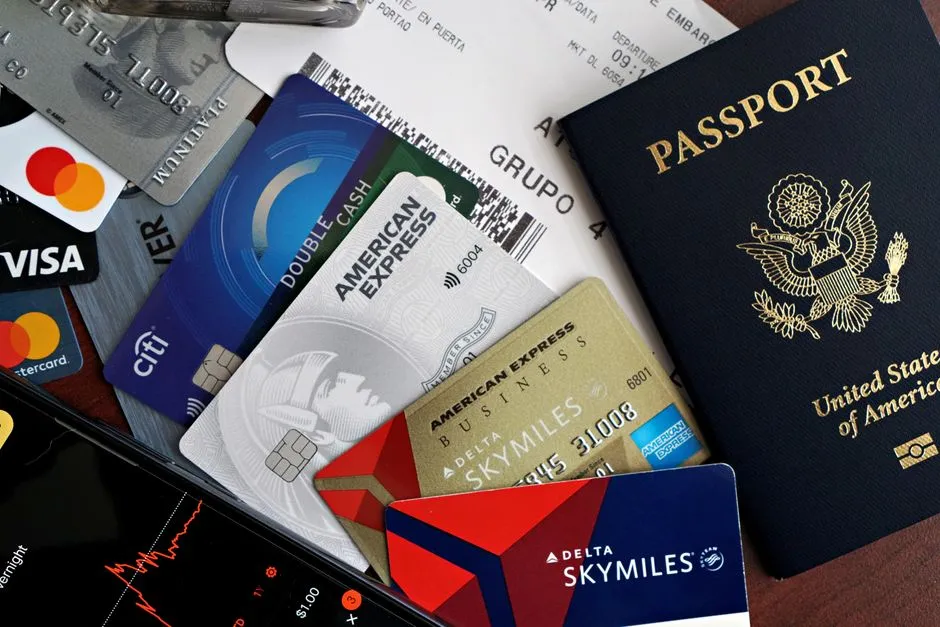
Timing is everything with cruise insurance, and most travelers get it wrong. Pre-existing condition coverage is a time-sensitive benefit, and you must purchase your plan within a specified timeframe to qualify. Depending on your plan, this window typically lasts 14 to 21 days after your initial trip deposit date, which is the day you make your first payment towards your trip, such as the purchase of your airfare or hotel booking.
Buying within 21 days of your first trip payment can preserve eligibility for a pre-existing condition waiver. Buying early can also maximize protection for hurricanes or other time-sensitive events. Once a named storm forms, it’s generally too late to add hurricane cancellation coverage.
Travel insurance must typically be purchased before a named storm forms to include hurricane cancellation coverage. For anyone sailing during peak Atlantic hurricane season, delaying that purchase by even a few days can strip out one of the most relevant protections available.
Ignoring Pre-Existing Condition Coverage

Most standard travel insurance policies exclude coverage for pre-existing conditions. That means any trip cancellations, interruptions, or emergency medical expenses related to those conditions may not be reimbursed unless you’ve qualified for a waiver. Many travelers don’t realize this until they try to file a claim.
Travel insurers typically define pre-existing conditions as ones that were diagnosed, treated, or noticeable during a policy’s lookback period. A pre-existing condition is any illness, injury, or health condition that you, a family member, or a traveling companion has been diagnosed with, treated for, or shown symptoms of before your trip. This includes undiagnosed symptoms that were noticeable and would have led a reasonable person to seek medical attention.
Any medical condition, no matter how minor, existing in the 60 to 180 day lookback period is defined as a pre-existing condition if you’ve had symptoms, it’s been treated, consulted on, or had a change of medication during that window. A routine medication adjustment before your trip could be enough to trigger an exclusion if you’re not protected.
Underestimating the True Cost of Medical Evacuation at Sea
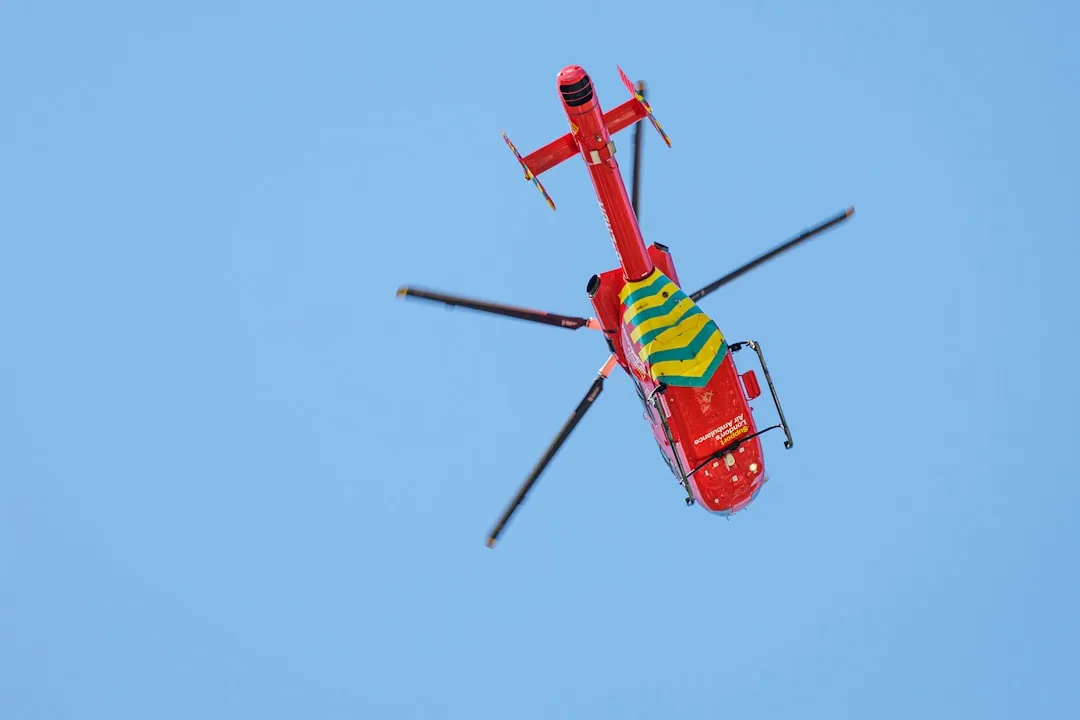
Nothing shocks cruisers more than learning what a medical evacuation actually costs. According to Allianz Travel Insurance, medical evacuation costs can range from $15,000 to over $200,000, depending on the distance and medical equipment required. That’s not a figure most people can absorb out of pocket.
Estimated costs for a ship-to-shore evacuation via small boat run from $5,000 to $20,000. A helicopter airlift within the U.S. runs $20,000 to over $50,000. An international helicopter airlift can reach $40,000 to over $100,000, and an air ambulance to a home country with ICU care can run $50,000 to over $200,000.
The financial responsibility for evacuation transport rests with the passenger, not the cruise line. You or a family member may be asked to authorize charges or agree to billing arrangements before a flight is arranged. Most travelers pay out of pocket and then file for reimbursement through their travel insurance. This means you need either a credit card with sufficient available credit or another mechanism to cover costs upfront in an emergency.
Relying on U.S. Health Insurance or Medicare Abroad
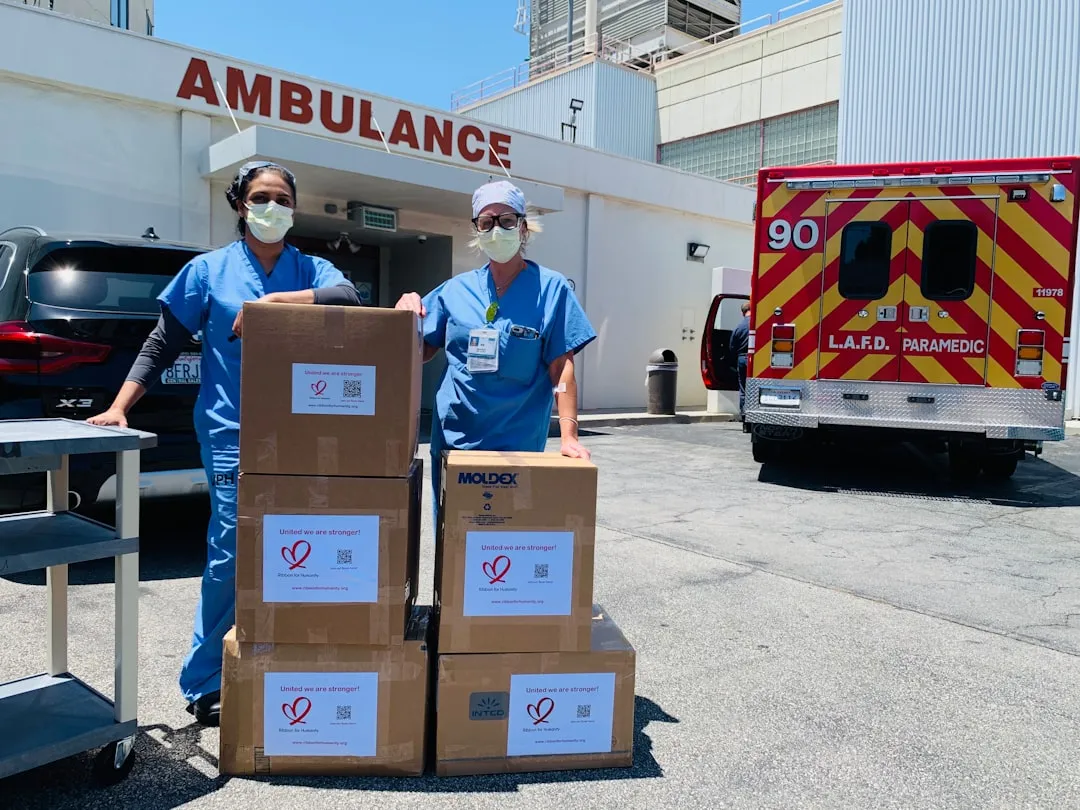
Many U.S. health insurance policies do not cover care outside the country or medical evacuation. That applies to many employer-sponsored plans as well, not just Medicare. Passengers who sail internationally with only their domestic health coverage are essentially sailing uninsured for anything serious.
Ships are “typically equipped to manage the first few hours of any emergency,” according to the chair of the American College of Emergency Physicians cruise ship medicine section. Furthermore, most cruise ships don’t accept health insurance. That means bills go directly to your onboard account, in real time, before any insurer is involved.
As the U.S. State Department notes, “many foreign medical facilities and providers require cash payment up front and do not accept U.S. insurance plans.” Medicare does not provide coverage outside of the United States. For retirees cruising internationally, that gap is particularly acute.
Choosing Inadequate Medical Evacuation Limits

Buying a policy is one thing. Buying one with realistic coverage limits is another. Cruise line insurance often caps evacuation benefits below $50,000, which is far short of real-world costs. For remote itineraries, that shortfall can be enormous.
Key features to look for include an evacuation coverage limit of at least $100,000, with $250,000 to $500,000 being better for long-haul or expedition itineraries. Medical coverage should be separate from evacuation limits and should cover both onboard treatment and destination hospital care.
To put the coverage limits in context, a Caribbean cruise stroke requiring ship-to-shore transport to a Florida hospital averages $20,000. A helicopter rescue in remote Alaska or South Pacific waters runs $50,000 to $150,000 before treatment. A policy with a $25,000 evacuation cap isn’t covering that scenario.
Not Insuring the Full Cost of the Trip

About two out of three travelers purchase comprehensive plans that include trip cancellation and trip interruption coverage for their cruises. What many of that group get wrong is only insuring part of the trip cost, leaving the rest of their investment exposed without realizing it.
A cruise vacation often includes flights or travel to your port, hotel stays before or after the voyage, and multiple international destinations, all of which can increase your risk of unexpected disruptions. If you only insure the cruise fare but leave flights and pre-cruise hotels uncovered, a major disruption could still cost you thousands.
While you may think of things like airfare, cruise fare, rentals, and the like as being independent from one another, in the eyes of travel insurance companies, it’s all part of the trip you’re going on. Insuring everything under one comprehensive policy is both cleaner and more complete.
Buying Too Late and Missing Key Windows for Coverage
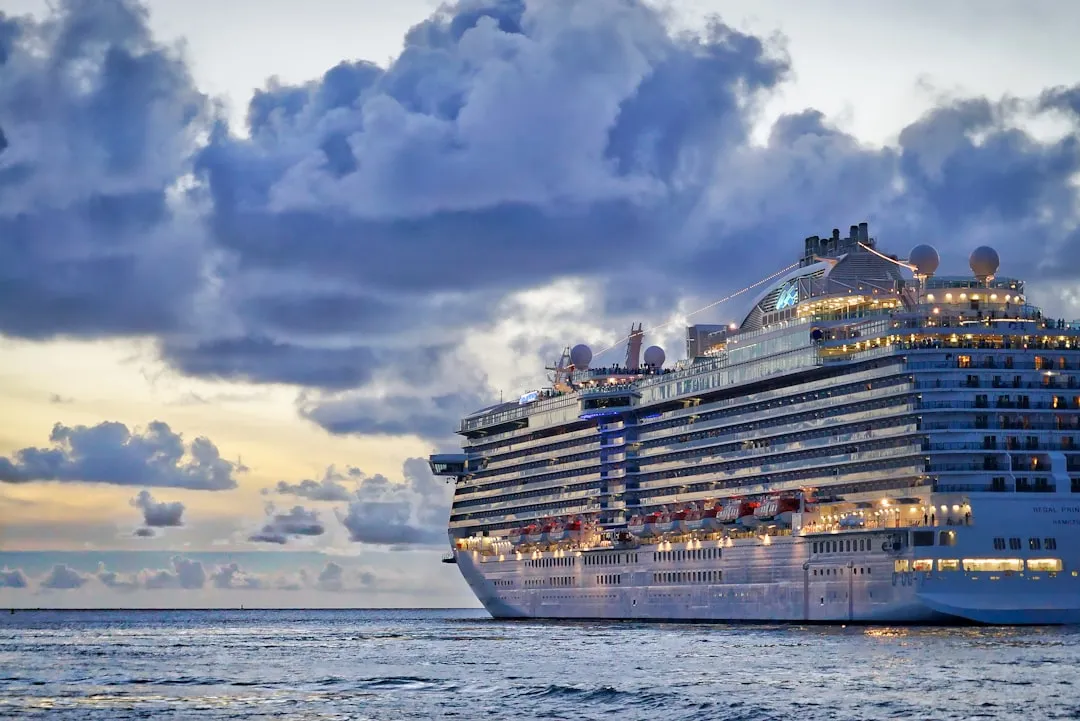
In 2025, an estimated eight to twelve percent of cruise departures experienced delays of three or more hours due to weather, port congestion, or mechanical issues. Delays are not rare. They’re a routine part of cruising, and the downstream costs can mount fast.
A delayed inbound flight means a missed embarkation, which means rebooking flights to the next port, hotel stays, and new transportation, easily $1,500 to $4,000 in unexpected costs for a family of four. Policies purchased the week before a trip often carry exclusions or waiting periods that limit the payout in exactly these scenarios.
The compounding effect of poor timing is real. The majority of cruisers are spending between $100 and $790 on their policies, and that amount varies significantly by coverage type, age, trip length, and optional upgrades like Cancel for Any Reason. The cost of doing this properly is modest relative to what’s at stake. The cost of doing it wrong can follow you home long after the tan has faded.
Conclusion: The Mistake Is Usually About Timing and Assumptions

The central pattern across all ten mistakes is the same. People assume coverage exists where it doesn’t, buy too late to qualify for the protections that matter most, or settle for limits that look adequate on paper but collapse under real-world costs. None of these mistakes are complicated to avoid.
A CLIA report revealed that over 30 million passengers cruised in a recent year, with an estimated one in fourteen seeking medical attention onboard. That’s a significant proportion of people who could face a medical bill at sea. The question isn’t really whether you’ll need insurance. It’s whether the policy you bought will actually cover what happens when you do.
Buy early, insure the full trip cost, check evacuation limits carefully, and compare third-party options against whatever the cruise line offers at checkout. Those four steps take less than an hour and can be the difference between a minor inconvenience and a debt that outlasts the vacation by years.
AI Disclaimer: This article was created with the assistance of AI tools and reviewed by a human editor.