
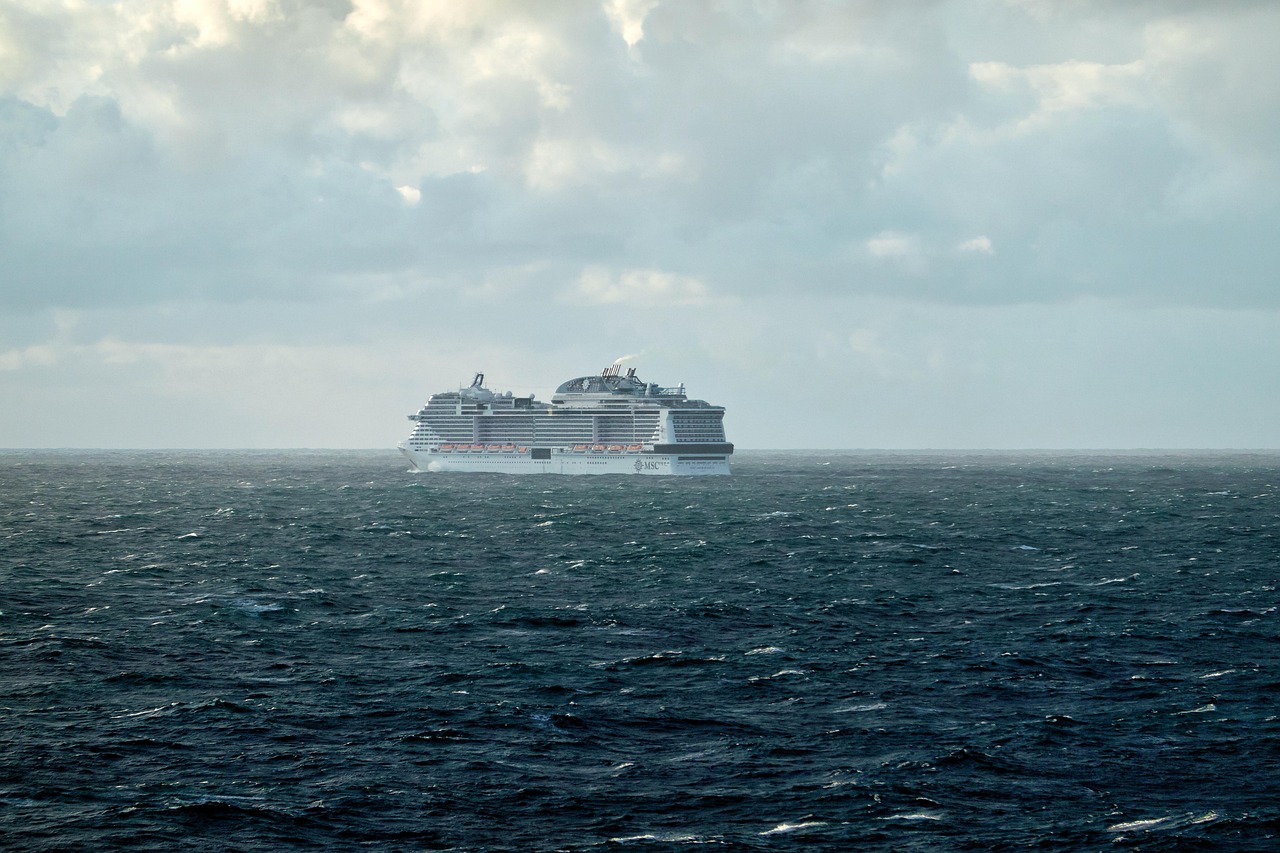
Every year, cruise passengers stand on a pier watching their ship slowly grow smaller on the horizon. It’s a scene that feels almost comically dramatic – until it happens to you. The mistake that leads to this moment is almost always preventable, and it almost always comes down to time.
What’s surprising is that missing a cruise ship rarely involves recklessness or indifference. More often, it’s one quiet misunderstanding about how cruise ship timing works that sets the whole chain of events in motion. Knowing what that looks like is half the battle.
The Most Common Mistake: Confusing “All-Aboard” Time with “Departure” Time
In cruise itineraries, the end of any port day is usually listed with two different times: the “All-Aboard Time” and the “Departure Time.” The All-Aboard Time is when all passengers are required to be back on board the vessel, while the Departure Time is when the ship is scheduled to leave port and set sail for its next destination.
One of the most common mistakes new cruisers make is confusing “All-Aboard Time” with “Departure Time.” While they sound similar, mixing them up could mean watching your ship sail away without you.
The all-aboard time is the absolute cut-off for being back on board a cruise ship, usually 30 to 60 minutes before departure. If you miss this time, the ship will leave without you – and you become personally responsible for the costs of rejoining the cruise at the next port.
Ship Time vs. Local Time: The Hidden Tripwire
One cruise expert has described forgetting about “ship time” as a “tripwire” that’s easily triggered. Some passengers forget that their phones automatically switch the displayed time to the local port time, which can be different from the ship’s operating clock.
Carnival Cruise Line has publicly reminded travelers that while they may be on vacation, the clock is still ticking – and it’s not always ticking in sync with the shore. The cruise line has specifically addressed the common but costly mistake of guests missing excursion return times because they failed to account for the difference between “ship time” and local port time.
Making matters even more confusing, some countries in the Caribbean don’t follow daylight saving time, so the difference between the ship’s time and a port of call’s time could be two hours – more than enough time to miss your departure.
When Your Smartphone Becomes the Enemy
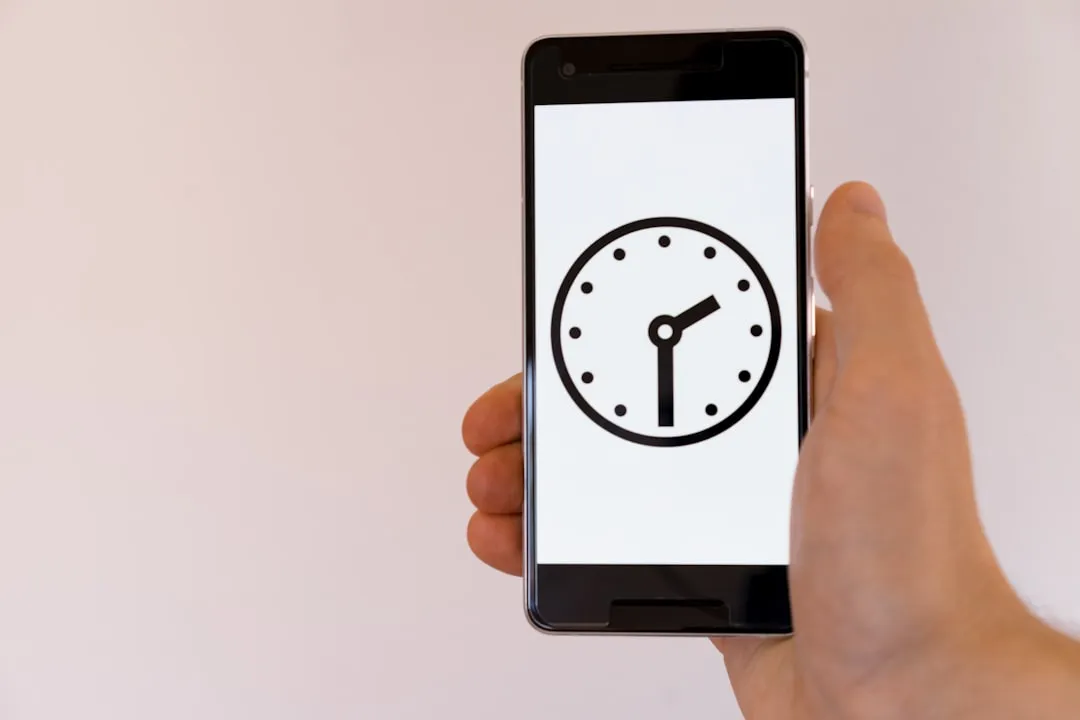
Many popular Caribbean destinations, including Mexico, Jamaica, and Roatan, do not observe Daylight Saving Time, so guests often step off the gangway into a different time zone without realizing it. While smartphones are designed to automatically update to local time, that “convenience” can be a disaster for cruisers. If your phone jumps to local port time but the ship is still operating on its homeport schedule, you could find yourself an hour late for a tour – or worse, an hour late for the all-aboard call.
Set your watch to the ship’s time. Sometimes cruise ships don’t change their clocks to match the different time zones in port. The all-aboard time is always set to the ship’s clock, not the time in port. Make sure your smartwatch, fitness tracker, or cell phone remains on ship time to avoid confusion.
The Ship Will Not Wait – Even If It’s Still Sitting There
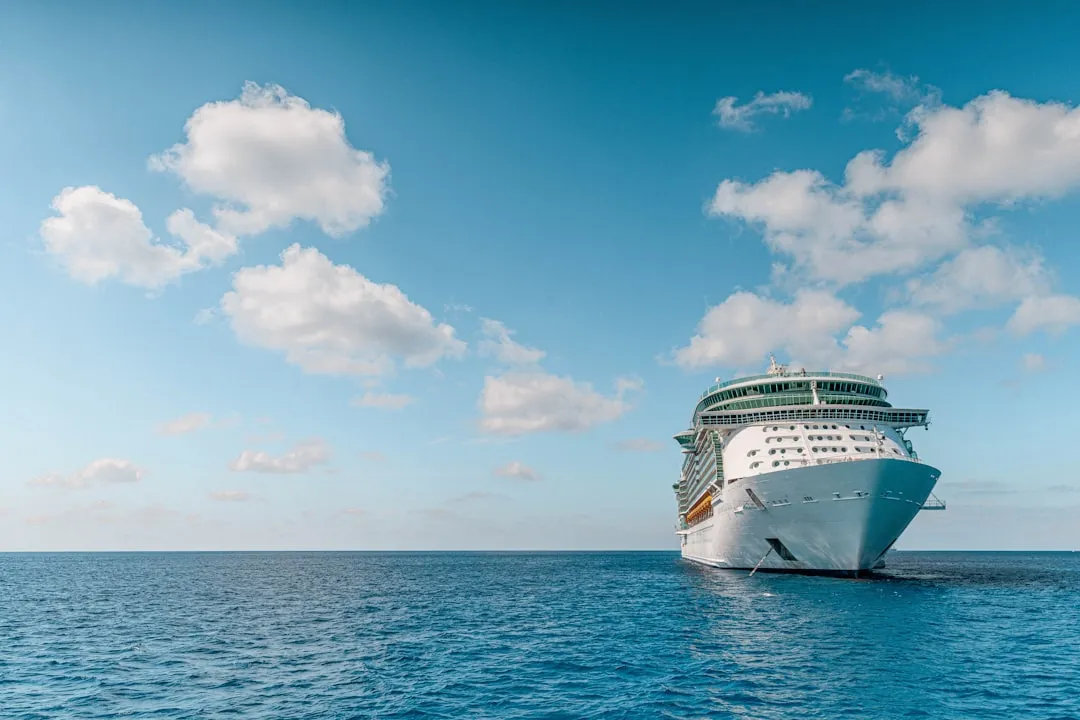
Because cruise ships operate on a strict schedule, all guests are required to be onboard by a specific time. Unless you are on a cruise-ship-sponsored excursion, the ship is not required to wait for any late passengers. If you aren’t onboard for the all-aboard time, the cruise ship can and will leave you behind.
Eight guests missed the last tender back to Norwegian Dawn while the ship was visiting the island nation of São Tomé and Príncipe. They were on a tour not organized through Norwegian. Two guests told South Carolina’s ABC 15 News their tour went longer than expected, and when they returned, the captain declined to let them board despite numerous attempts to reach Norwegian.
Whether or not your ship will wait for late passengers depends on a number of factors, including port regulations and schedules, the number of passengers who are late, and the whims of the captain.
Independent Excursions Carry Real Risk
The group of travelers stranded in São Tomé had booked a daytime excursion through an independent company rather than booking directly through their ship. While independent tours can be a great way to save money and have a more unique adventure, they come with one major downside: ships won’t wait for passengers who are late. If you book an excursion through your cruise company, the ship is guaranteed to wait for you – but no such offer is made if you book an independent tour.
The “return to ship” time at various ports is often an hour or two earlier than the actual departure time, giving the crew and captain time to ready for departure. This buffer is real and intentional, and independent tour operators don’t always factor it in correctly when building their schedules.
The Real Cost of Missing the Ship

Missing the ship’s departure is the last thing you ever want to happen on a cruise vacation. Quickly your relaxing cruise turns into a nightmare, as you’re stranded in an unfamiliar port, possibly without money, clothes, medication, or your passport.
In 2024, a family of nine, including six small children and their 78-year-old grandmother, was left behind in a small Alaskan town when they didn’t make it back to the ship in time. The cruise line hit them with a $971 per passenger charge for missing the boat, since they’d violated the US Customs and Border Protection’s Passenger Vessel Services Act. In addition to that nearly $9,000 fine, the family had to foot the bill for hotels, meals, and other expenses before they were finally able to get home.
What Happens to Your Passport When You’re Left Behind
When guests did not return to Norwegian Cruise Line’s vessel at the all-aboard time, their passports were delivered to the local port agents for retrieval when they returned to port, as per regular protocol. The ship’s team then worked closely with local authorities to understand the requirements and necessary visas needed for the guests to rejoin the ship at the next available port of call.
When passengers miss their ships, the answer is pretty straightforward across all lines and sailings: they have to pay their own way to the next port. This can mean flights, ferries, overnight accommodation, and in some regions, visa considerations that add layers of complexity and cost to an already stressful situation.
The Security Screening Buffer That Most People Forget
You’ll need to go through security screening to re-board the ship. During busy return times, this can take 10 to 15 minutes. Calculate what time you need to leave your furthest point to make it back comfortably, then stick to it.
A gangway walk is simpler than a tender queue, but traffic, trains, and long terminal distances can still destroy a lazy return plan. Any port that adds a transfer boat, a cable car, a shuttle, or a long train ride back should push your personal turnaround time earlier than feels necessary. Read the all-aboard time as the hard deadline, then create your own earlier return target based on the slowest part of the route back.
Smart Habits That Experienced Cruisers Swear By
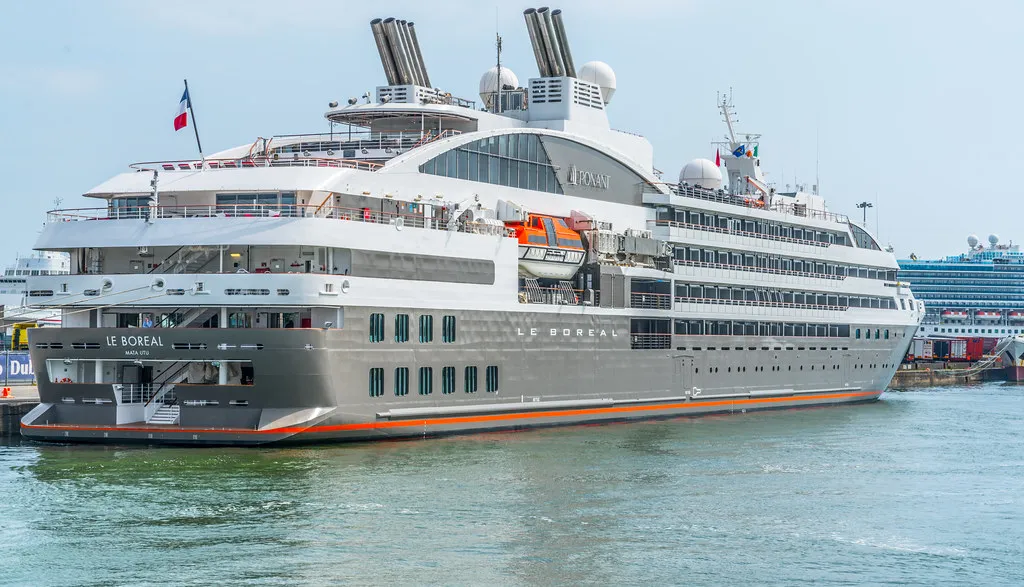
Smart cruisers aim to be back at least an hour before the set all-aboard time, just in case they encounter traffic delays or any other issues returning to the pier. If you wander far, add in extra time.
The time you’ll be expected to be back on board will be posted in the daily schedule, along with a phone number to call in case of an emergency. It’s a good idea to snap a photo of that information. The cruise director also makes announcements about the all-aboard time, and a sign noting it will be posted as you exit the ship.
Travel experts consistently advise passengers to manually set their phones to ship time before leaving the vessel and keep it there for the duration of their time ashore – one habit that alone eliminates much of the time-related confusion.
What to Do If You Realize You’re Running Late
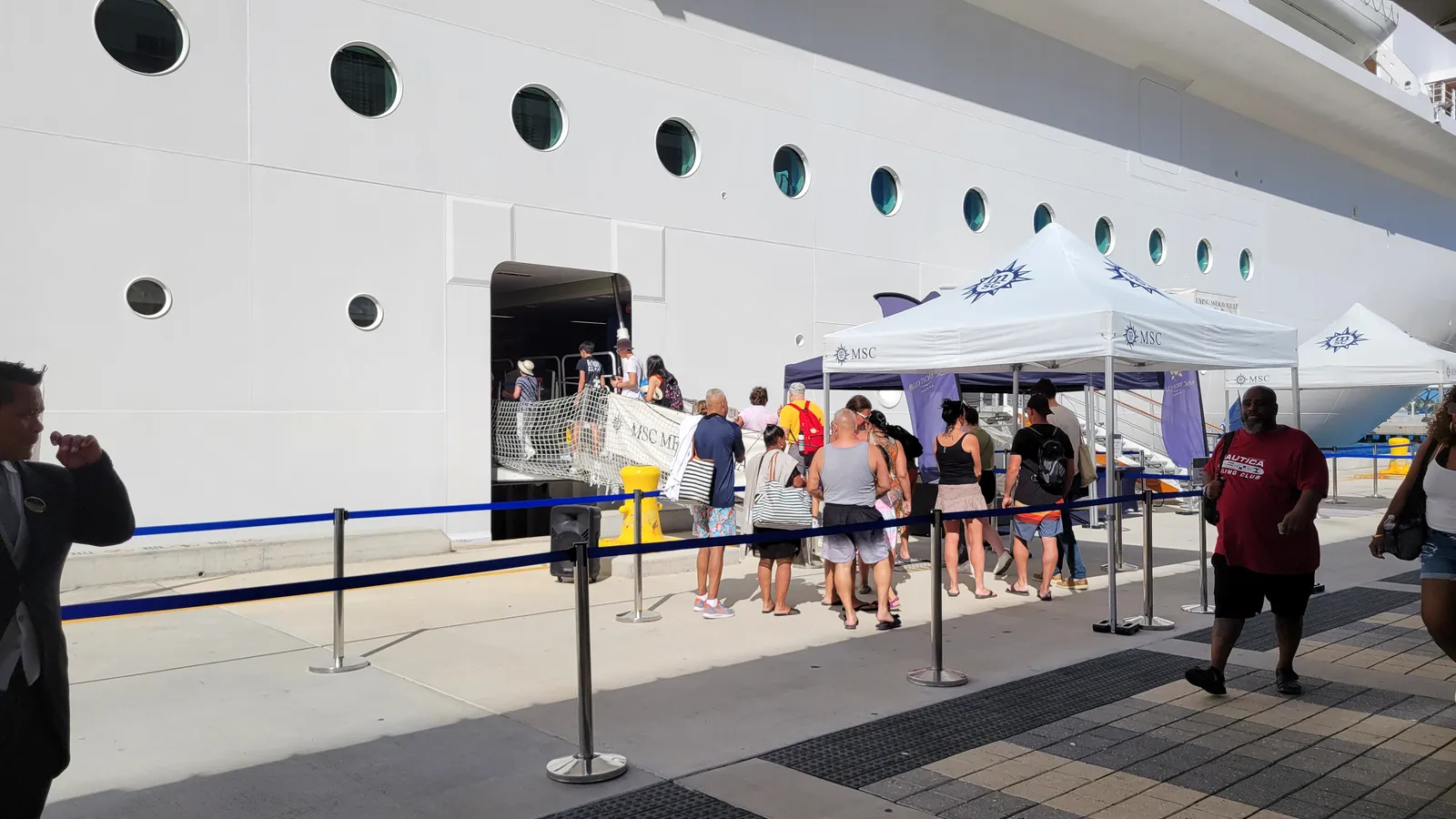
If you realize you might not make the all-aboard time, call the ship immediately so that guest services can alert the gangway staff, and take the fastest transport available. The crew at the gangway will often watch for late passengers up until the very last moment, but they cannot delay departure.
If you haven’t been in touch with anyone onboard, guest services will typically make multiple announcements via the ship-wide loudspeaker hoping to reach any passenger who might know your whereabouts. The window closes fast, though – just as the boarding crew packs up and readies for departure, so does your chance of making it back.
The Takeaway
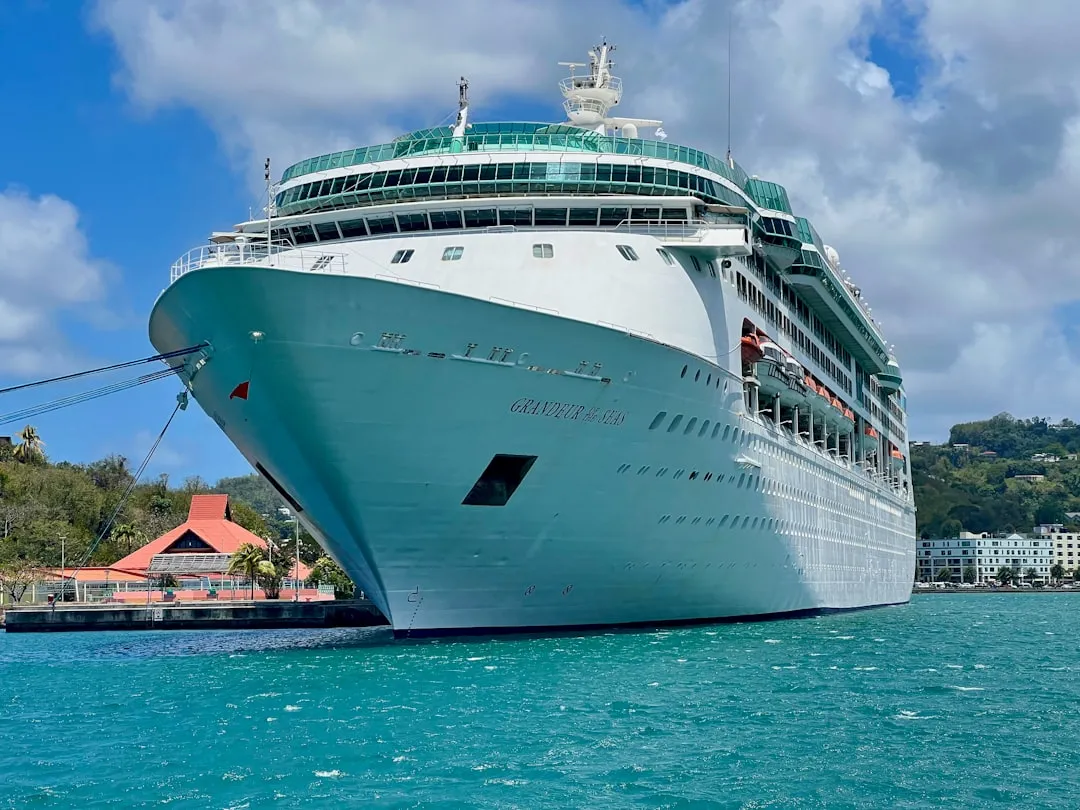
The cruise port return time mistake isn’t really about carelessness. It’s about a surprisingly easy set of overlapping confusions: two different times on your itinerary, a phone that quietly switched time zones the moment you stepped onto the pier, and a tour guide who didn’t account for the ship’s security queue. Each one alone is manageable. Together, they can end your vacation early.
The fix is genuinely simple. Know the difference between all-aboard time and departure time. Lock your phone to ship time before you disembark. Give yourself a personal return deadline at least an hour earlier than required, and always keep the ship’s emergency contact number in your pocket. Cruise lines use firm deadlines that leave no room for interpretation, and being late has immediate and often costly consequences.
That pier, viewed from the right side of the gangway, is a genuinely beautiful thing. Keep it that way.
AI Disclaimer: This article was created with the assistance of AI tools and reviewed by a human editor.