
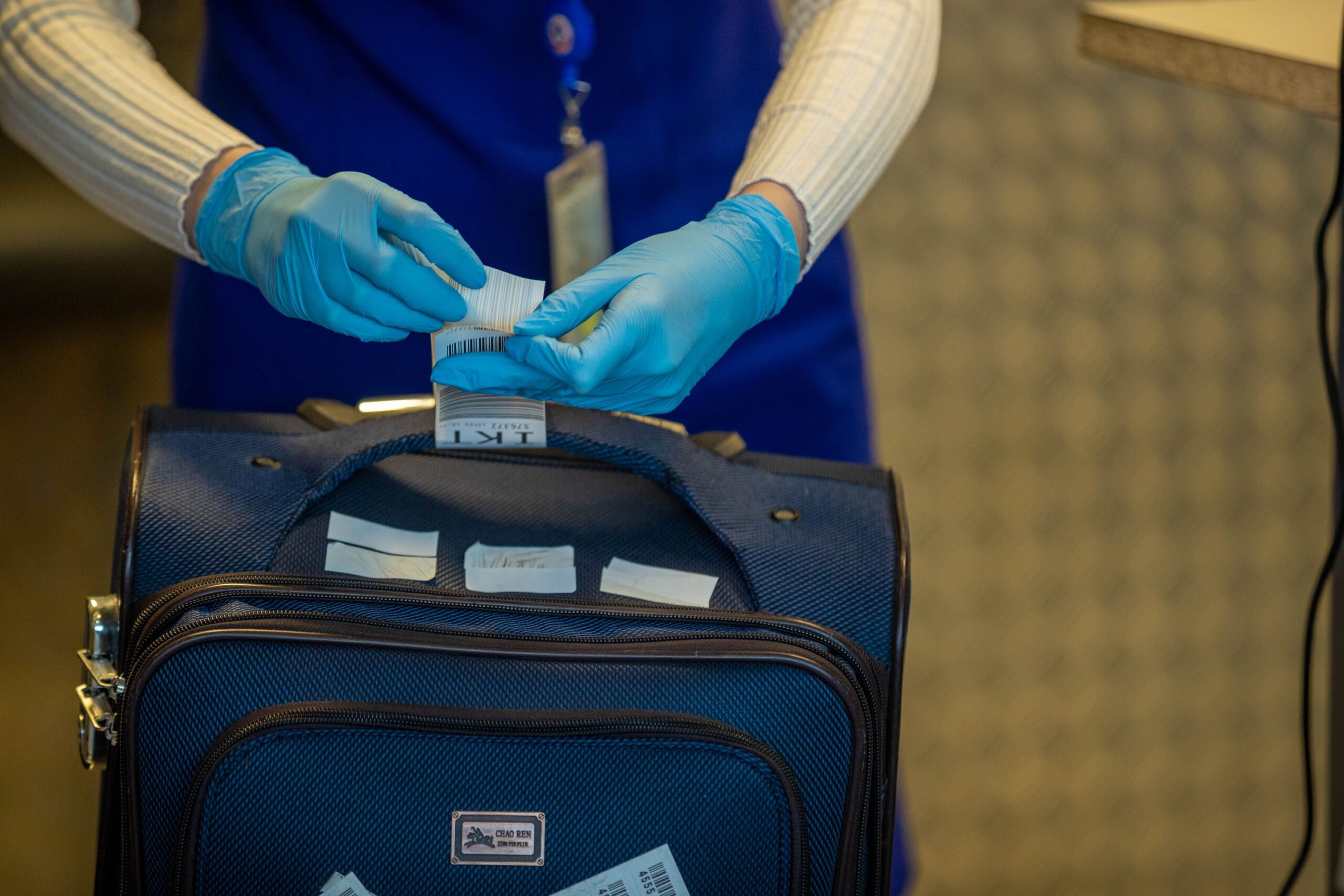

There’s a moment most international travelers know well. You’ve just landed after a long flight, your legs are stiff, and you’re shuffling through the terminal hoping customs will be quick. Then the line stalls. Nobody moves. Somewhere ahead, a single passenger is being pulled aside, and the ripple effect is already underway.
What many people don’t realize is that the delay often traces back to something remarkably simple: a customs declaration form filled out incorrectly. It’s one of the most overlooked friction points in international travel, and it affects far more people than just the traveler who made the mistake.
Why the Customs Declaration Form Matters More Than You Think

Every person entering the United States must fill out a customs declaration, and CBP officers treat omissions seriously whether they look intentional or not. That form is not a formality. It is the legal basis on which an officer decides how to process you, what to inspect, and how quickly to let you go.
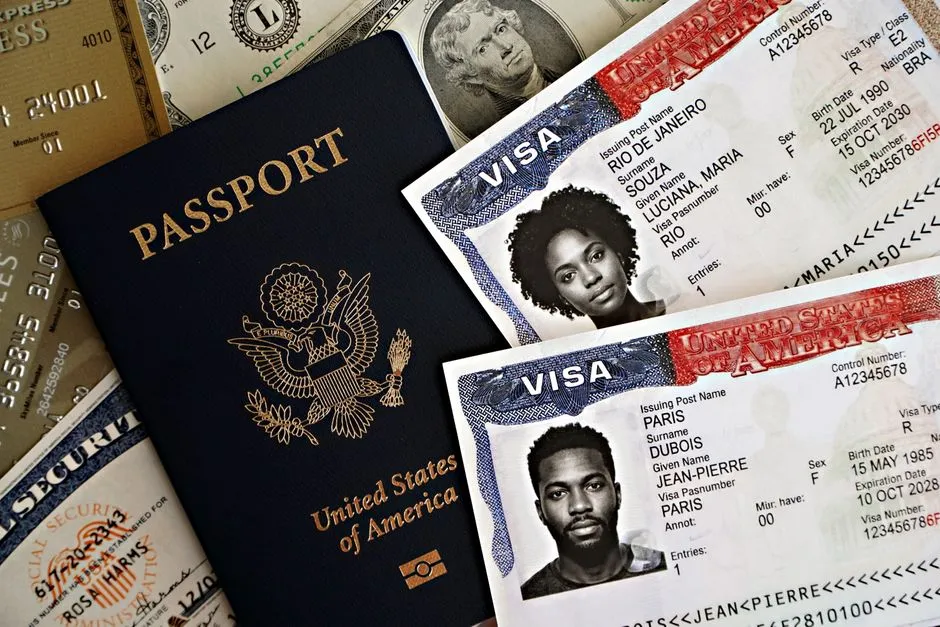
CBP requires every traveler to complete Declaration Form 6059B listing what they are bringing into the country. The form covers everything from food items and commercial goods to cash amounts and recently purchased merchandise. A single field left blank or filled in vaguely can be enough to trigger a secondary inspection, not just for you, but for others around you.
Missing or Incorrect Paperwork: The Single Biggest Cause

Missing information or paperwork errors are the biggest causes of cargo delays at customs. While that finding applies broadly to freight and cargo, the same logic holds true in the passenger context. Officers are trained to flag inconsistencies immediately, and an incomplete form is an inconsistency by definition.
Missing invoice signatures, vague product descriptions like “goods” or “samples,” or mismatched quantities between the bill of lading and commercial invoice will flag your shipment instantly. For individual travelers, the equivalent errors include leaving the value of purchased goods blank, describing purchases in vague terms, or forgetting to list food items brought from abroad. This is the single biggest cause of customs delays.
The Cascade Effect: One Mistake, Hundreds of People Waiting
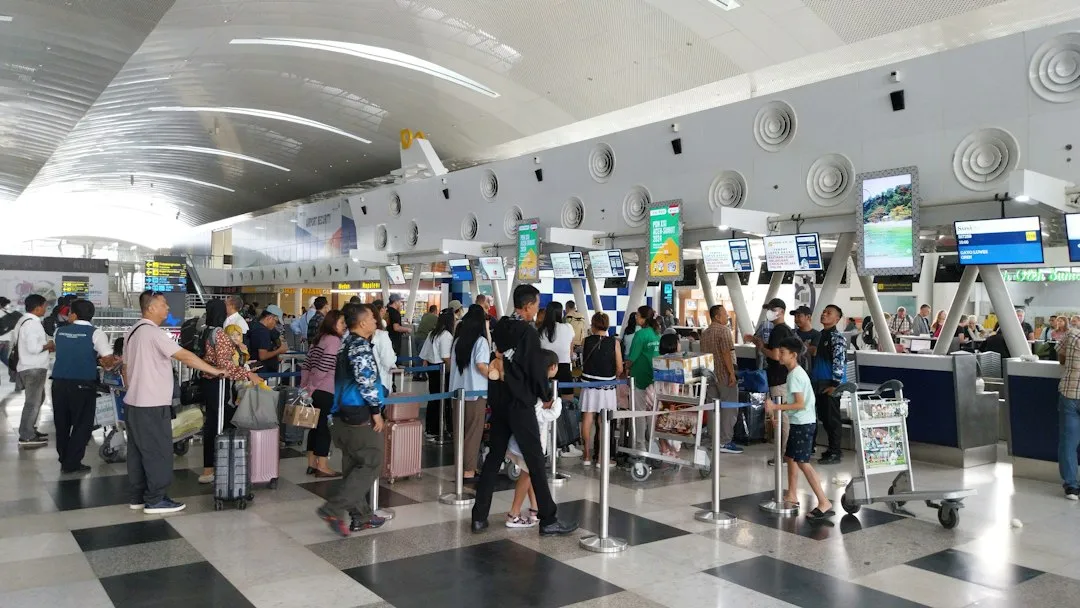
International flights often arrive in waves. When a widebody aircraft lands with three hundred or more passengers, they all funnel through the same finite number of customs lanes. An officer who has to pull one traveler aside for a secondary inspection does not simply disappear from the primary lane; the entire flow slows to accommodate the interruption.
A slight delay in one flight can grow into multiple disruptions at several airports because flight schedules are designed to maximize revenue. When a customs bottleneck delays even a portion of a planeload, the domino effect reaches connecting flights, baggage carousels, and ground transportation queues. The math is unforgiving at busy hubs.
The Food Declaration Error That Catches Travelers Off Guard
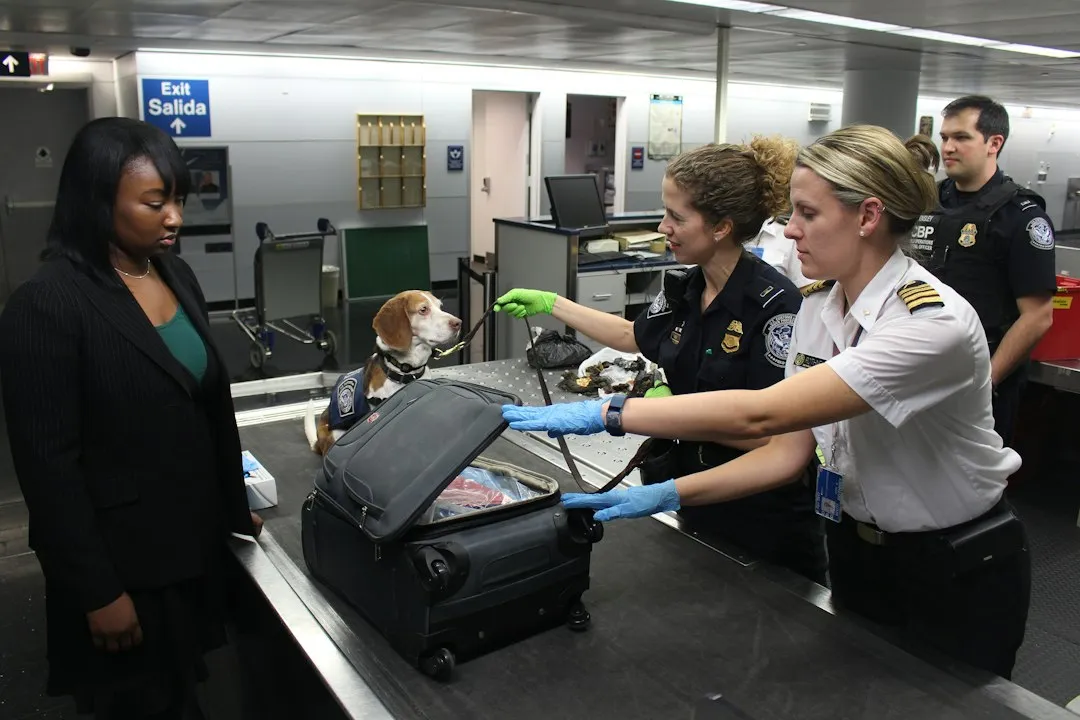
Agricultural items are among the most commonly misdeclared categories on customs forms. Travelers routinely forget about the apple packed for the flight, the wrapped cheese brought as a gift, or the seeds tucked into a coat pocket. These items may seem trivial, but to CBP, they represent potential agricultural threats requiring scrutiny.
A single undeclared apple could result in a $500 fine. That is not a hypothetical. CBP agricultural inspections are specifically designed to intercept pests and diseases that could devastate U.S. crops, and the penalties reflect the seriousness with which the agency treats even minor omissions. Civil penalties reach up to $1,000 or more for undeclared food, along with loss of duty-free privileges.
Undervaluing Purchases: A Common and Costly Shortcut
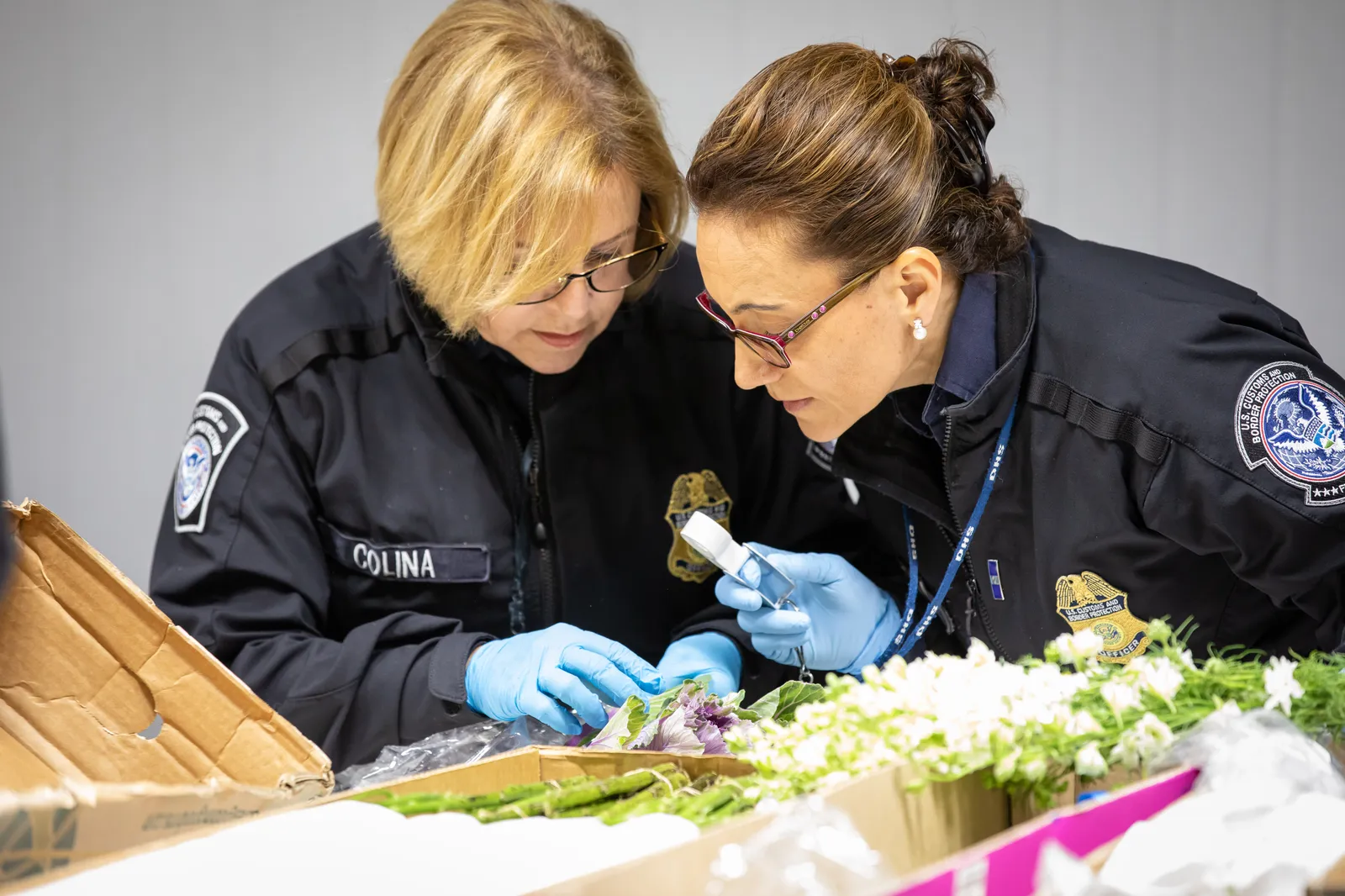
One of the most frequent errors travelers make is understating the value of goods purchased abroad, sometimes out of genuine uncertainty, sometimes hoping to stay under the duty-free threshold. Both the intent and the outcome matter to CBP officers, who are trained to assess whether declared values seem plausible.
Undervaluation, where the declared value looks too low for the goods, is a common trigger for a full review. A full review means a secondary inspection, which means time. The consequences scale with how much you failed to declare, what the items are, and whether CBP believes you were trying to get away with something. Even a traveler acting in good faith can find themselves in a slow, uncomfortable process if the numbers on their form raise questions.
Vague Descriptions That Force Manual Inspections

Vague product descriptions raise security concerns, forcing manual inspections. On the commercial freight side, writing “goods” or “parts” on a declaration achieves nothing except suspicion. The same principle applies to individual passenger forms when travelers describe new electronics as “personal items” or list a bag of spices as simply “food.”
Documents with missing originating or destination addresses and incorrect merchandise descriptions force customs officers to seek clarification. That clarification process is not instantaneous. It involves pulling the passenger out of line, verifying documents, potentially searching luggage, and completing additional paperwork before the traveler can proceed. Everyone behind them waits.
Undeclared Cash: A Surprisingly Common Oversight

Carrying more than $10,000? You must declare it. This includes U.S. or foreign cash, traveler’s checks, money orders, and certain negotiable instruments. This rule catches many travelers off guard, particularly those who have been combining currencies from multiple countries or carrying funds on behalf of family members. The threshold is not a suggestion; it is federal law.
Failure to declare can result in seizure and civil or criminal penalties. When a traveler is found with undeclared currency above the threshold, the resulting process is lengthy. When goods go undeclared, CBP seizes them on the spot and assesses a penalty that can equal the full value of the merchandise. These cases move quickly, and the clock on your response deadline starts immediately.
How Incorrect HS Codes and Classifications Create Holdups
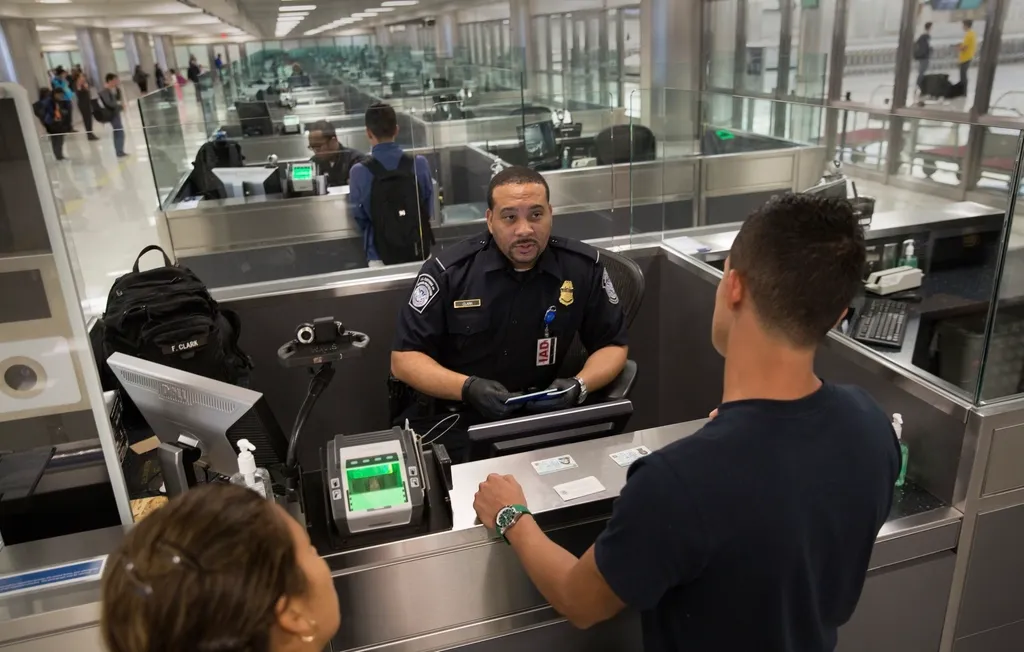
While individual passengers interact with a simpler declaration form, frequent travelers carrying commercial samples, business equipment, or items for resale may encounter classification requirements that mirror those applied to formal cargo shipments. Getting the category wrong is enough to trigger a hold.
Using the wrong Harmonized Tariff Schedule code means the wrong duty rate. CBP holds the shipment until the classification is corrected, which can take days if the importer and broker have to research the right code. For business travelers who assumed a quick wave-through, this can mean missing onward meetings while an officer resolves the discrepancy. U.S. Customs distinguishes between minor clerical mistakes and serious compliance issues. Repeated or significant errors increase the risk of fines.
The Secondary Inspection Room and What Happens There
Secondary inspection is where a customs declaration problem becomes a visible, measurable delay for everyone on your flight. When an officer flags a form at the primary booth, the affected traveler is directed to a secondary area where a more thorough check takes place. This room operates independently of the main queue but draws resources from the same limited pool of officers.
When an officer spots something that should have been on your declaration, the process starts with questions: what is this, where did you get it, and why didn’t you list it? From there, officers can conduct a thorough inspection of your luggage, belongings, and person. This process rarely lasts less than twenty minutes, and during peak arrival times, multiple passengers being held in secondary creates a compounding bottleneck that spills back into primary inspection lanes.
The Trusted Traveler Programs That Help Avoid the Bottleneck
CBP has long acknowledged that not every traveler poses the same level of documentation risk. Trusted traveler programs like Global Entry exist precisely to separate pre-vetted, lower-risk travelers from the general queue, allowing faster processing for those whose declarations are completed in advance and digitally reviewed.
U.S. Customs and Border Protection is transitioning Japan from a limited Global Entry pilot arrangement to a full partnership, a move that reflects the agency’s ongoing effort to expand trusted traveler coverage internationally. CBP uses historical data in its targeting system. Importers with a clean track record on import compliance get flagged less often than importers with past errors. The same logic applies to individual travelers: a history of accurate, complete declarations makes every future arrival faster.
What Travelers Can Do to Keep the Line Moving

The most effective way to avoid becoming the person who slows down a planeload is preparation before landing. Fill out the form carefully, list every item of value, declare all food, and never estimate cash amounts. When in doubt, declare the item. When in doubt, declare and bring supporting documentation.
Any errors or omissions in your customs declaration forms can trigger questions from customs authorities, leading to delays or even holds. Double-checking all paperwork before your shipment arrives is essential for successful customs clearance. For travelers, that means reviewing the form on the plane while the details are fresh, not rushing through it in the last five minutes before landing. U.S. Customs and Border Protection expects import declarations to be accurate, complete, and consistent. Meeting that expectation is genuinely straightforward; it just requires paying attention.
The Bigger Picture: Accuracy as a Form of Courtesy
There’s a quiet civic dimension to the customs form that rarely gets acknowledged. When hundreds of passengers fill out their declarations carefully, the entire arrival hall moves with a kind of collective efficiency. When even a small number cut corners, the cost is distributed across everyone in line: families with young children, elderly travelers, people with tight connections.
The customs declaration is one of the few moments in modern travel where individual accuracy has an immediate and measurable effect on the people around you. The form takes about three minutes to complete properly. The secondary inspection it prevents can take thirty. That trade-off, considered plainly, makes the choice an easy one.
AI Disclaimer: This article was created with the assistance of AI tools and reviewed by a human editor.