


Every summer, millions of visitors arrive at beaches around the world with little more than sunscreen and a good attitude. Most come home fine. Some don’t. And in a growing number of cases, the problem isn’t bad luck or freak conditions. It’s a very specific, avoidable behavior that lifeguards keep watching play out in front of them, season after season.
The trend is swimming outside lifeguarded zones and ignoring posted warnings. It sounds almost too simple to be alarming. Yet the data behind it is sobering, and the people who spend their careers watching the water say it remains the single most preventable source of beach tragedy they witness.
The Numbers That Should Stop You in Your Tracks
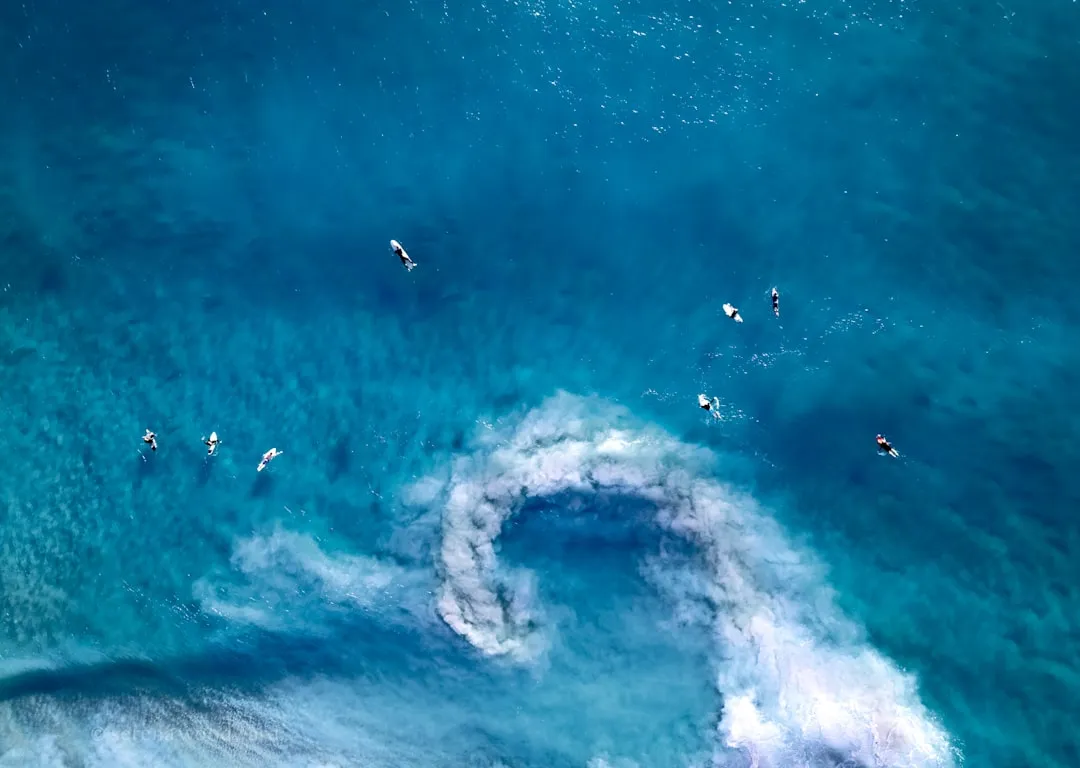
Rip currents kill over 100 beachgoers in the United States each year. That figure comes directly from the National Weather Service and has remained stubbornly consistent for years. Rip currents are the number one weather-related killer along the beaches of the northern Gulf Coast, with 213 rip current fatalities from 2002 to 2024 in beaches covered by NWS offices in Tallahassee and Mobile alone. That is more than fatalities caused by flooding, tornadoes, lightning, and tropical storms combined.
Overall, rip currents were the third-leading cause of weather-related deaths from 2015 to 2024, behind only heat and flooding, according to the National Weather Service. These are not extreme sport statistics. Most of the victims were ordinary tourists simply trying to cool off.
Tourists Are Disproportionately at Risk
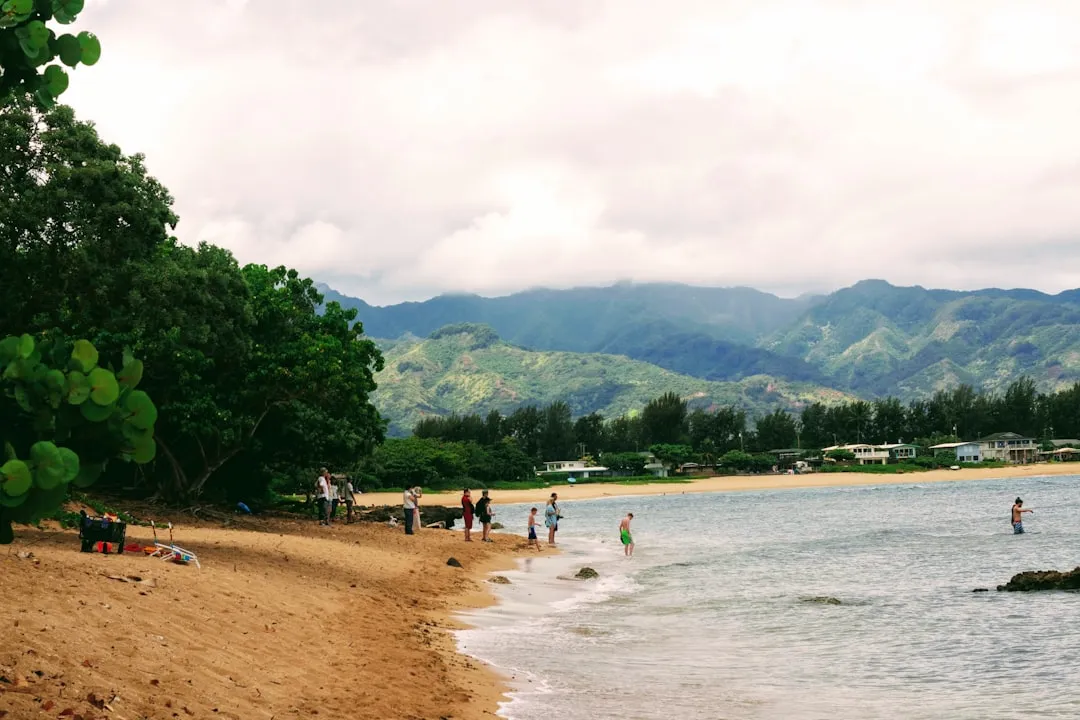
In 2024 alone, 40 people drowned while visiting Hawaii. The state holds the second-highest per-capita rate of resident drownings in the entire United States. What makes the situation even more troubling is who is dying. According to the 2025 Hawaii Water Safety Plan, 69 percent of all ocean drowning victims are visitors.
In the Carolinas, roughly half of rip current fatalities since 2000 were out-of-state residents, with only about one in five living in the coastal Carolinas. The pattern is consistent across the country: tourists are far more likely to enter unfamiliar water without understanding local hazards.
Swimming Outside the Flags: The Core of the Problem
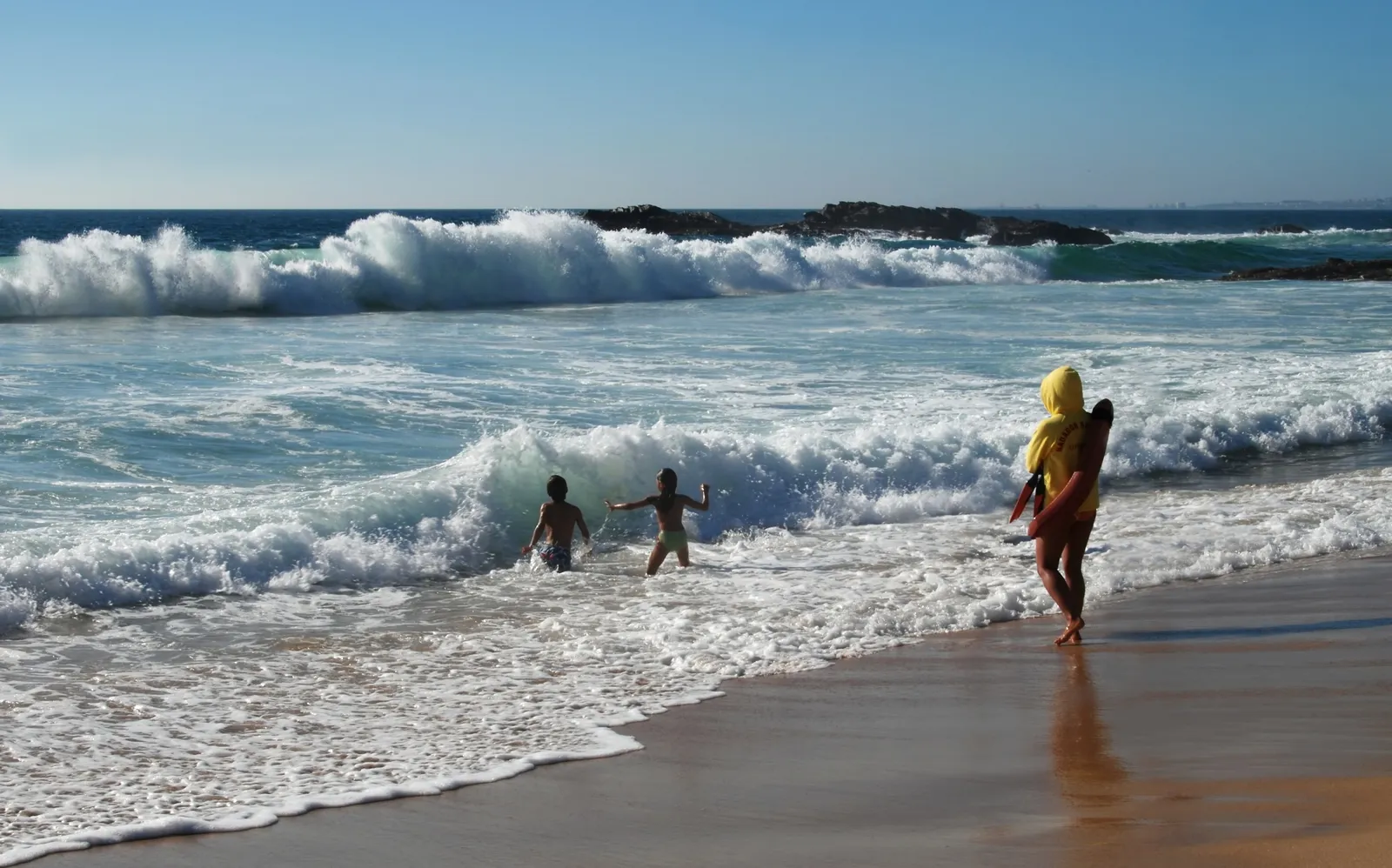
According to NOAA, rip currents are responsible for more than 80 percent of rescues performed by beach lifeguards. Lifeguards position themselves precisely where the water is most hazardous, and the flags they post define a zone they can actually watch. The chances of drowning at a beach with lifeguards are one in 18 million, according to the U.S. Lifesaving Association.
Still, tourists routinely wander outside those zones to find quieter spots or avoid crowds. USLA statistics over a ten-year period show that the chance of drowning at a beach without lifeguard protection is almost five times as great as drowning at a beach with lifeguards. That gap is enormous and entirely avoidable.
Ignoring Warning Flags Is Not a Minor Infraction
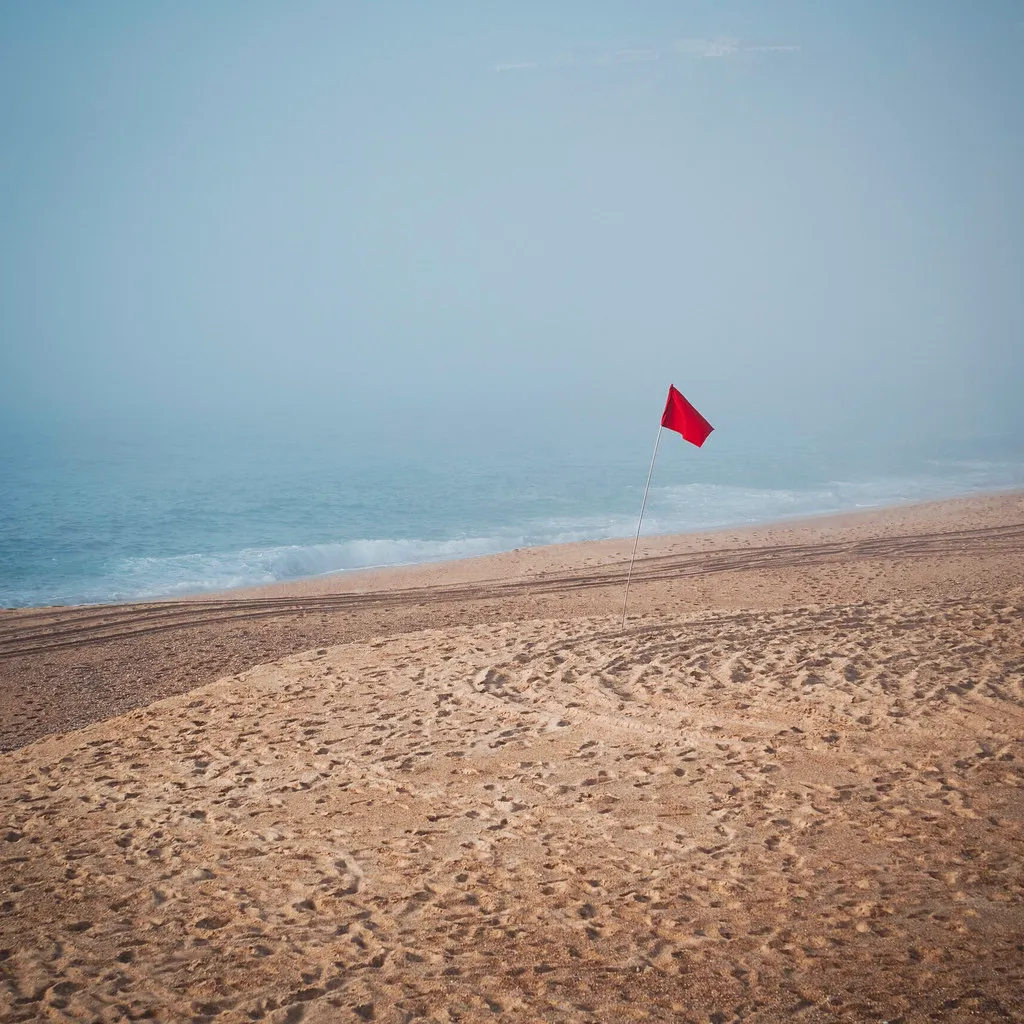
Lifeguards fly flags of different colors to notify beachgoers of dangers that may be present. A day at the beach is usually fun and relaxing, but beachgoers should always keep in mind that conditions can change quickly and might not be as safe as they appear. The flag system is standardized. The United States Lifesaving Association and the International Lifesaving Federation have developed a flag warning system, used worldwide, that helps notify swimmers of changes in conditions along the beach and in the ocean.
Swimmers are strongly discouraged from entering the water while a red flag is up. In some countries, you can even be fined for entering the water under red flag conditions. Yet every weekend at beaches across the U.S., tourists wade into red-flag surf because the water looks inviting from the shore.
The Shorebreak Danger Most Visitors Never See Coming
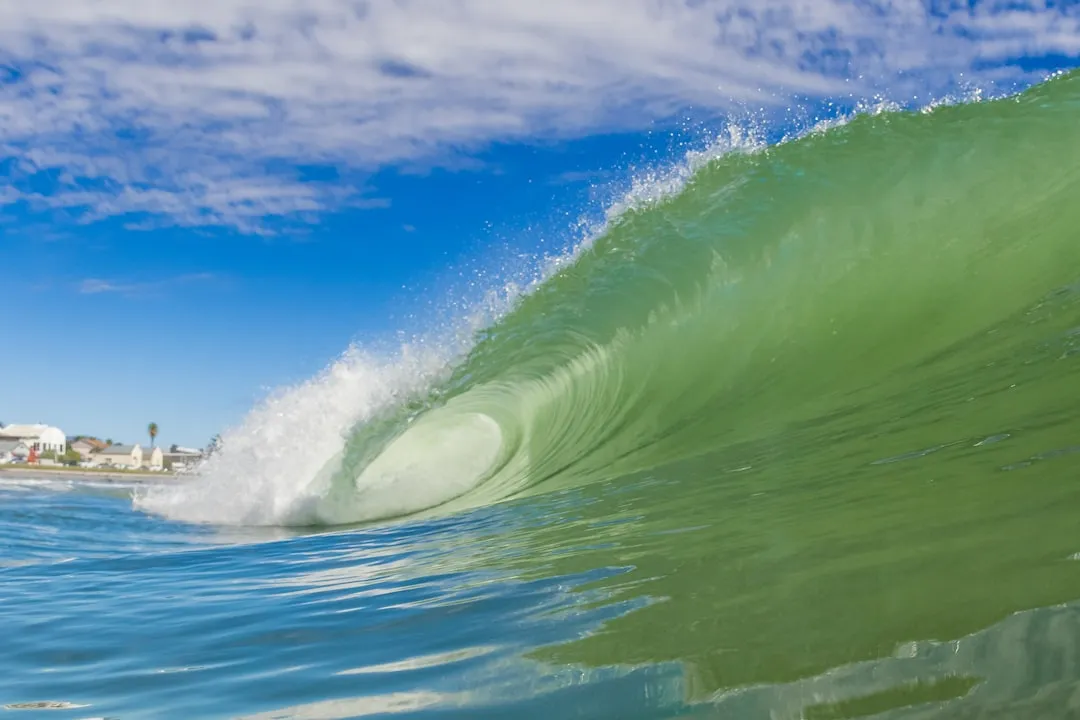
The first few feet of the ocean may look harmless, but that is the zone where the greatest number of visitors to Maui are injured every year. Many people assume shallow water near the shoreline is safe, especially when they can still stand. The ocean, however, is not a lake, a river, or a swimming pool.
A shorebreak occurs when waves break directly on the shore. Both small and high waves can be equally unpredictable and dangerous, typically forming when there is a rapid transition from deep to shallow water. The power of a shorebreak can cause injuries to extremities and the cervical spine. Spinal cord injuries most often occur when diving headfirst into the water or being tumbled by the force of the waves. The average wave height when a spinal cord injury occurs in Hawaii shorebreak is just three feet.
The Deadly Instinct to Fight the Current
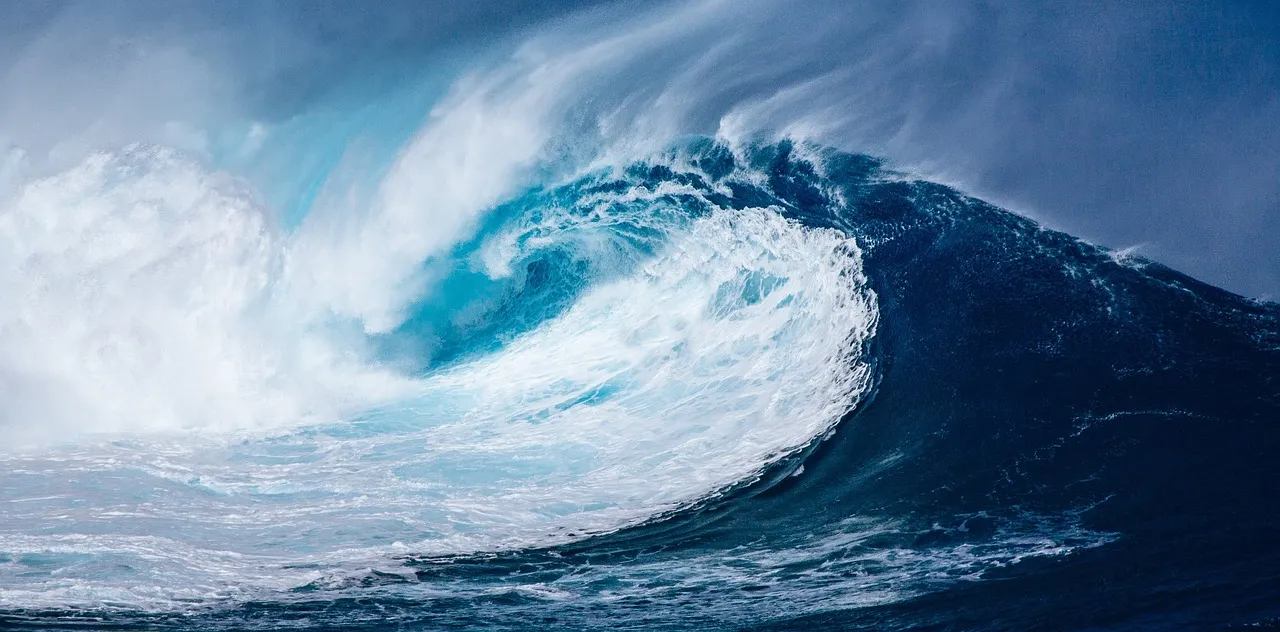
Rip currents are narrow, fast-moving channels of water that can pull even strong swimmers away from shore. Often mistaken for undertow, a rip current is far more powerful and dangerous. The moment most people get into trouble is the moment they panic and do exactly the wrong thing.
Swimmers caught in a rip current may panic and try to swim directly back to shore, quickly becoming exhausted. Experts advise instead to swim parallel to the shore to escape the current’s grip before heading back toward land. Many swimmers who get in trouble tire themselves out trying to get back to the beach, lifeguards say. That exhaustion is what kills.
Bystanders Who Jump In Without Thinking
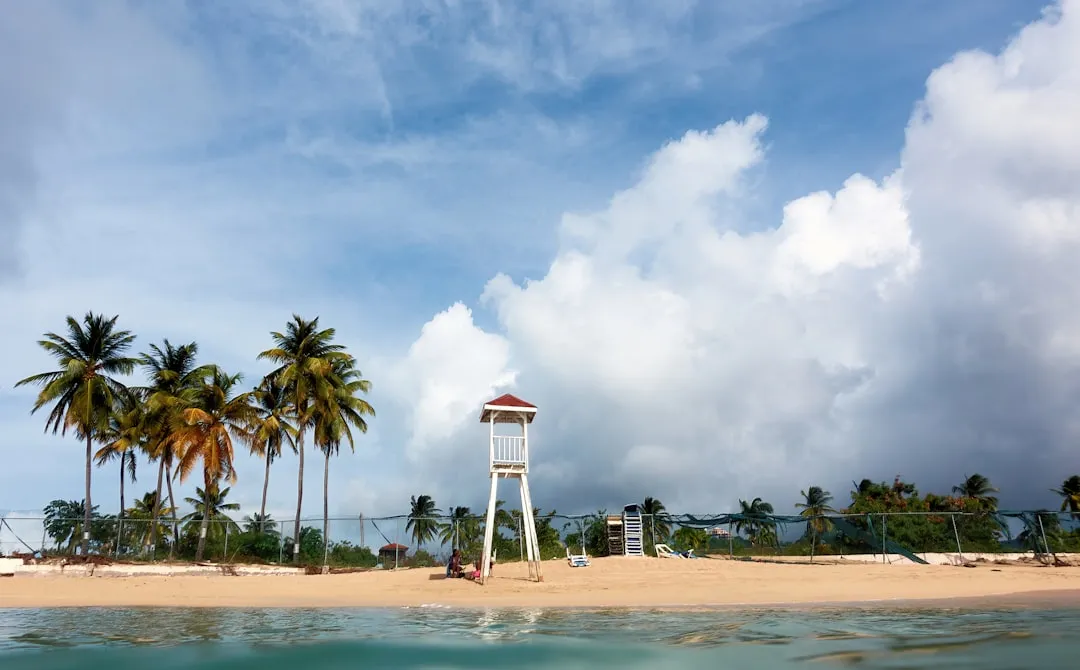
One of the most heartbreaking patterns in beach drowning data involves people who were never in the water to begin with. Bystander rescue attempts represent the second-highest proportion of rip current drowning deaths, with just over 15 percent of all rip-related drowning deaths occurring when a bystander, most often a family member, died while trying to rescue someone caught in a rip.
A common myth is that human chains are an effective rescue technique. They can be extremely dangerous because a rip current can pull the people in the chain into its grip, creating a multi-victim situation that overwhelms trained rescuers. The safer move is always to throw something that floats and call for help immediately.
Unguarded Beaches: The Hidden Danger Zones
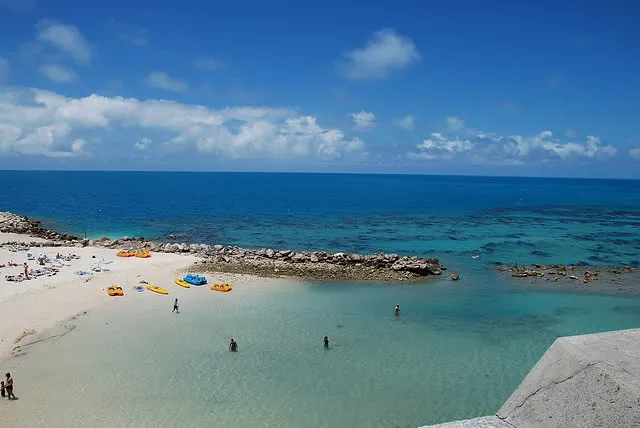
Tourists often assume any beach open to the public has been deemed safe. That’s a costly misunderstanding. Some massive shorelines are known for unpredictable weather, strong currents, and rogue waves, making them potentially dangerous for swimmers and surfers. The Pacific Ocean is notorious for its cold water temperatures and powerful waves, and remote locations with no lifeguards further increase the risk.
With only 6 percent of Australia’s more than 11,000 beaches patrolled at the height of summer, beach safety researchers widely recognize the link between rip current drowning and unpatrolled beaches. The U.S. faces a similar problem. Even when beaches are closed due to a lack of lifeguards, people swim anyway, and fewer lifeguards means nobody to provide free, accessible swim lessons either.
The Problem of Overconfidence in the Water
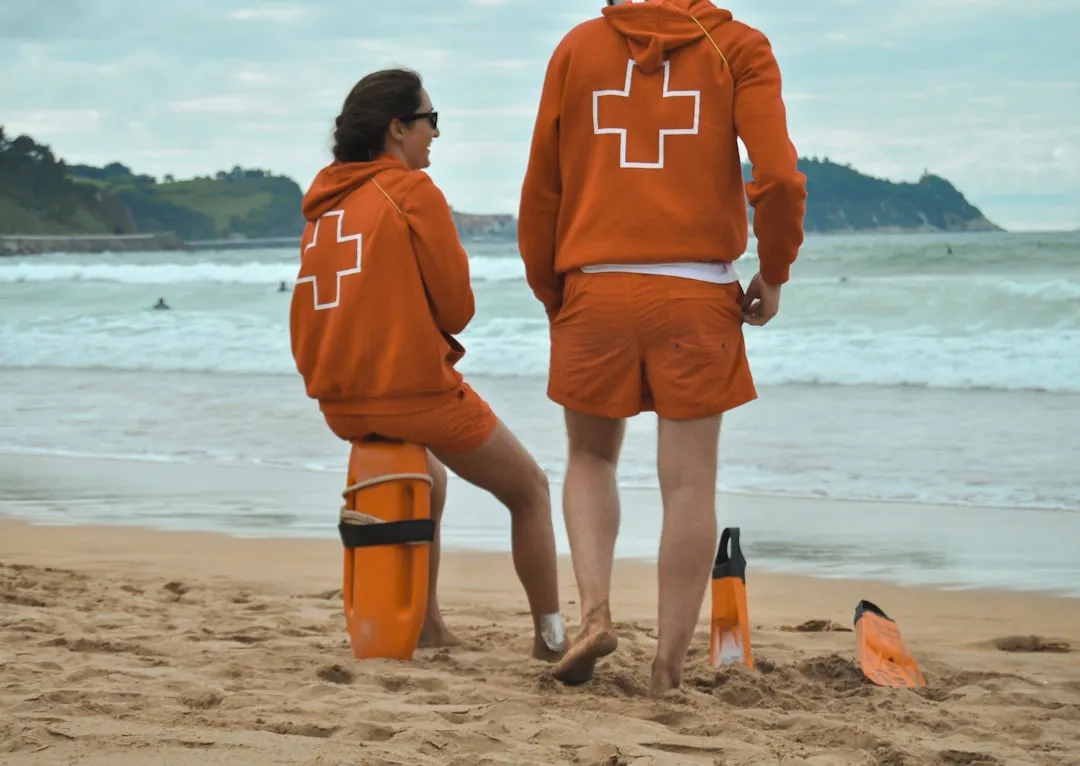
Many people who visit beaches are not adequately prepared for ocean conditions. They may know how to swim, but their only experience is in swimming pools, ponds, and lakes, and the beach presents a whole set of hidden hazards they’ve never encountered before. Pool swimming and ocean swimming are genuinely different skills.
Being water competent in the ocean requires stronger and different skills than in a pool. Swimming at a surf beach with crashing waves, winds, and dangerous currents is not the same as swimming in a pool. Changing ocean currents and winds can quickly exhaust your energy and strength. Overestimating your abilities near the ocean is not a small error in judgment. It can be a fatal one.
What Lifeguards Actually Want You to Do
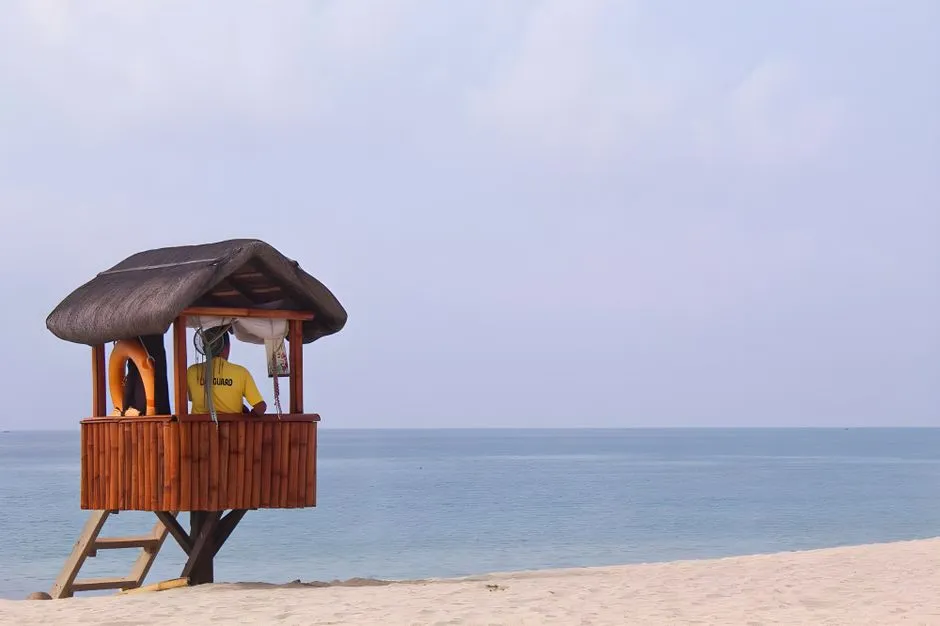
Before entering the water, talk with a lifeguard or beach patrol. No one will know the current water conditions better than they will. This costs nothing and takes about two minutes. Beach warning signs are posted by safety officials at lifeguard-protected beaches to alert beachgoers of hazardous conditions. Always read and obey any posted signs. Ocean conditions can change quickly, and the absence of a sign does not mean there is no threat. Ask a lifeguard if you have questions before entering the water.
The best way to survive a rip current is to proactively avoid it by checking rip current forecasts posted regularly in coastal areas by the National Weather Service. Swimming close to the lifeguard station keeps risks as low as one in 18 million, according to the United States Lifesaving Association. Those odds speak for themselves. No photo opportunity, uncrowded cove, or shortcut past the flags is worth trading them in.
The Trend Won’t Stop Until Tourists Treat the Ocean Differently
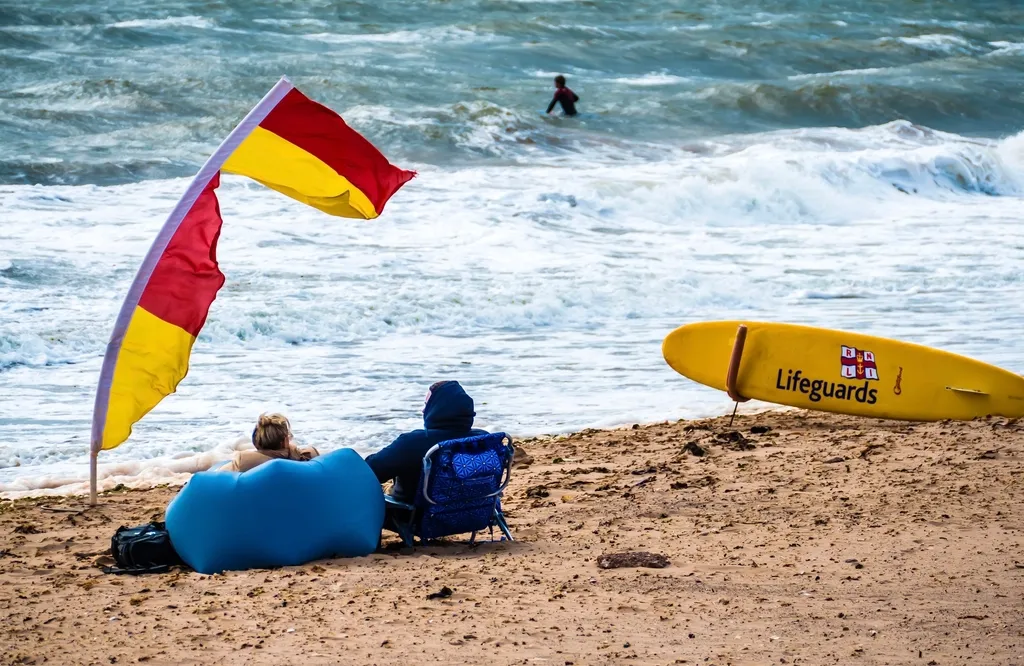
Ocean safety officials say that reducing fatalities further will take more education on the dangers of the ocean and more lifeguards in towers and patrolling beaches. The infrastructure side of that equation takes time and money. The education side starts the moment a visitor steps onto the sand.
In Hawaii, drowning has quietly passed car accidents as a cause of death. That’s a remarkable shift, and it reflects a gap between how tourists perceive ocean risk and how real that risk actually is. The ocean doesn’t care how good a swimmer you are at the pool, how calm it looks from the shore, or how short a distance you planned to go in. Lifeguards know this. The data confirms it. The only question is whether visitors will start listening before the water makes the point for them.
AI Disclaimer: This article was created with the assistance of AI tools and reviewed by a human editor.