
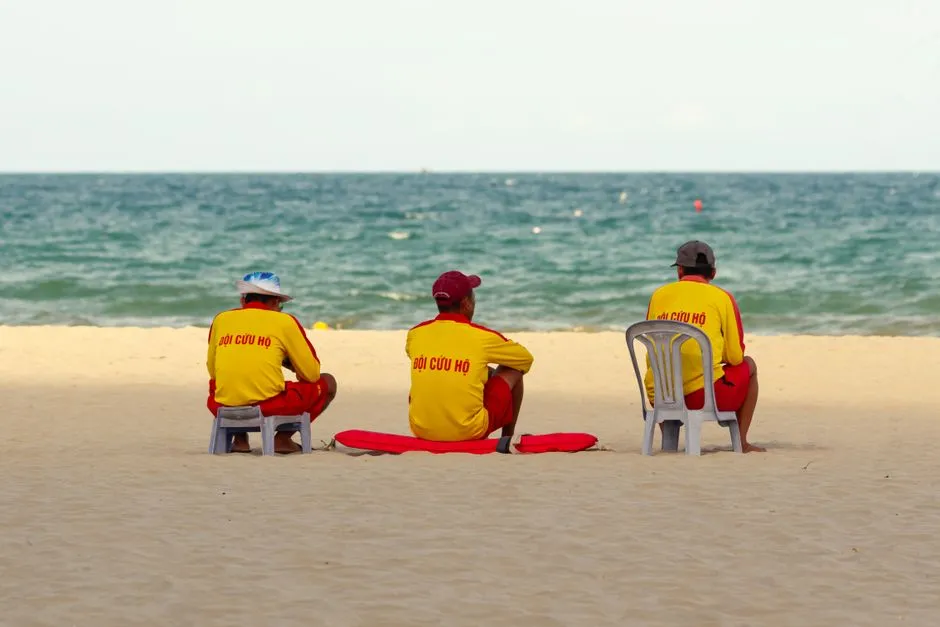

Every summer, the same scene plays out on beaches across the United States and around the world. Tourists arrive excited, underestimate the water, and within hours lifeguards are sprinting toward someone in trouble. The incidents are rarely freak accidents. They follow patterns that safety officials have been trying to break for years.
The most urgent problem isn’t a single rogue wave or an unusually powerful storm. It’s a collection of risky behaviors that tourists repeat season after season, despite clear warnings and visible danger signs. The numbers behind these deaths are sobering enough to demand attention.
Ignoring Rip Currents: The Number One Killer at the Beach
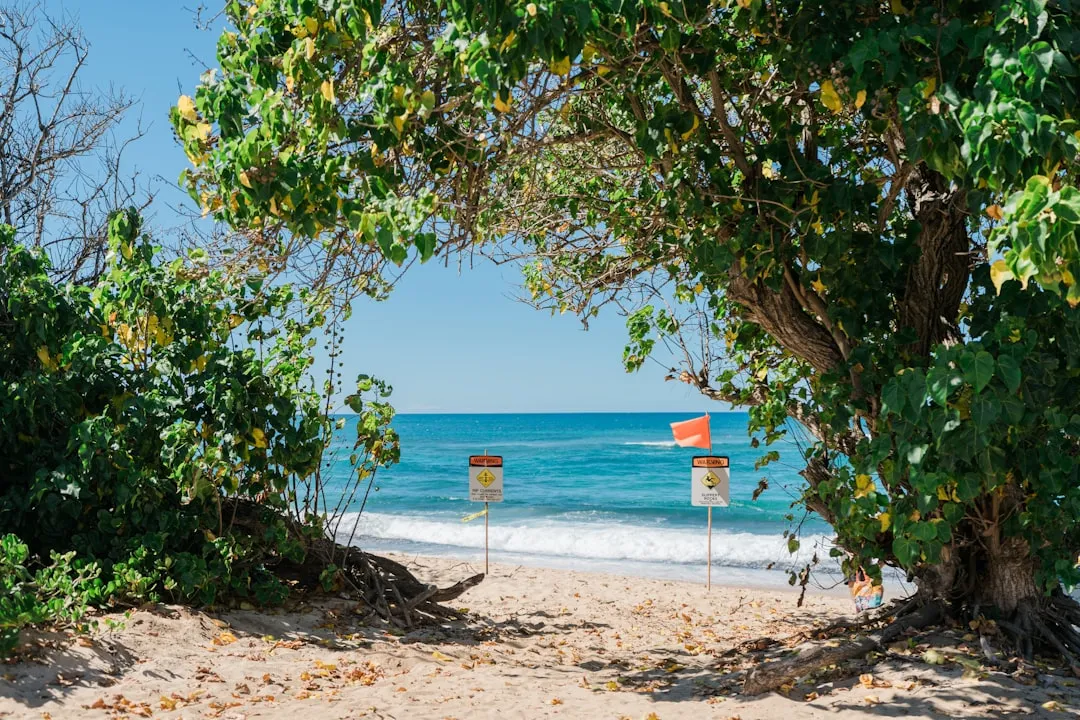
Rip currents are not just a common hazard. They are the defining threat of coastal swimming in the United States. Rip currents are the deadliest and most common hazard people face at beaches, and the United States Lifesaving Association estimates they are responsible for roughly 100 drownings each year in the United States and account for more than four out of five lifeguard rescues. That last figure is what makes the trend so frustrating for lifeguards: the rescues are happening over and over.
Lifeguards perform about 80,000 rip current rescues a year, despite a plethora of warnings. The sheer volume of those rescues reflects how consistently tourists underestimate what they’re walking into. Overall, rip currents were the third-leading cause of weather-related deaths from 2015 to 2024, behind only heat and flooding, according to the National Weather Service.
Swimming Past the Warning Flags
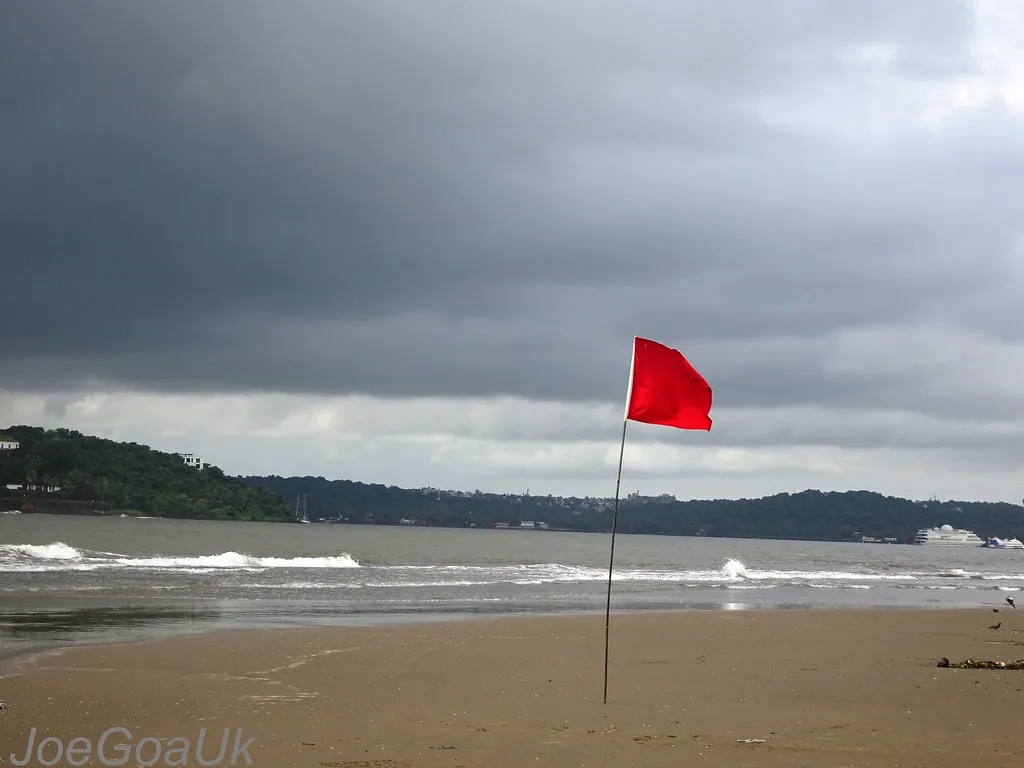
Colored beach flags exist for one reason: to communicate real-time danger. Yet tourists frequently walk past them as if they are decorative. When double red flags are posted on beaches, the water is closed to the public, and entering the water during those conditions can result in a fine and possible jail time. Still, people ignore the warnings, either out of ignorance or defiance.
In Cancun, the head of Civil Protection confirmed that a majority of incidents were due to swimmers ignoring lifeguard and flag safety warnings, noting that some people become annoyed by lifeguards who warn them and instead seek out unsupervised areas despite red flag beach warnings. This pattern repeats globally, from Florida to Mexico to Australia, every single season.
Drinking Alcohol Before or While Swimming

The combination of alcohol and open water is one of the most consistently documented causes of drowning death, yet beach drinking culture tends to normalize the risk. According to studies from the Centers for Disease Control and Prevention and the National Institute on Alcohol and Alcoholism, alcohol use is involved in up to roughly seven in ten deaths associated with water recreation. That figure is astonishing, and it rarely makes headline news.
At the beach specifically, intoxication due to alcohol and drugs is involved in nearly a quarter of drowning deaths, with an average blood alcohol concentration well above legal driving limits. Alcohol impairs judgment, coordination, and reaction times, making activities like swimming or boating far more dangerous than most people assume when they crack open a cold drink on the sand.
Overestimating Swimming Ability in the Open Ocean
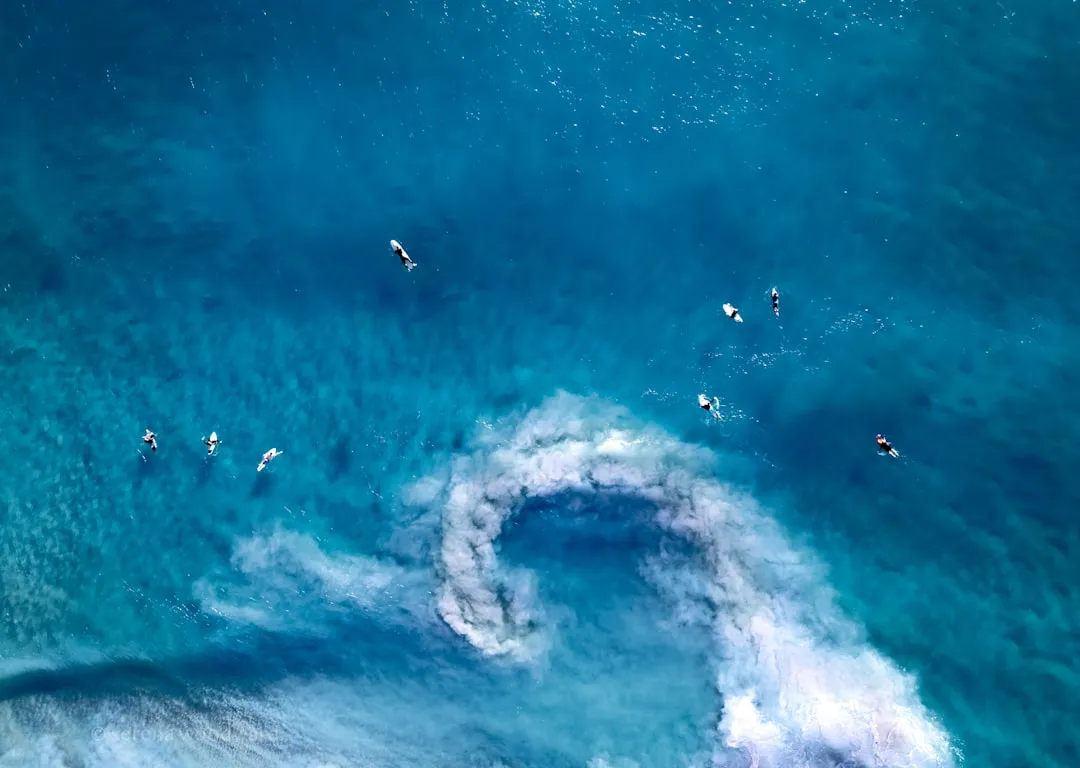
A swimming pool and the open ocean are not remotely comparable environments. Tourists who are confident, competent pool swimmers often discover this too late once they’re in moving salt water with waves, currents, and no lane lines to grab. Rip currents are capable of sweeping even the strongest swimmers out to sea, which is why they are often called “killer currents.”
Rip currents are the deadliest of surf-zone dangers, making up the majority of deaths among beach swimmers every year, and since 2010, more than 800 people have died in rip current drownings in the United States. Many of those victims were not weak swimmers. Strength in the water means little when the ocean is pulling you away from shore faster than you can fight it.
Swimming Alone or Away From Lifeguarded Areas
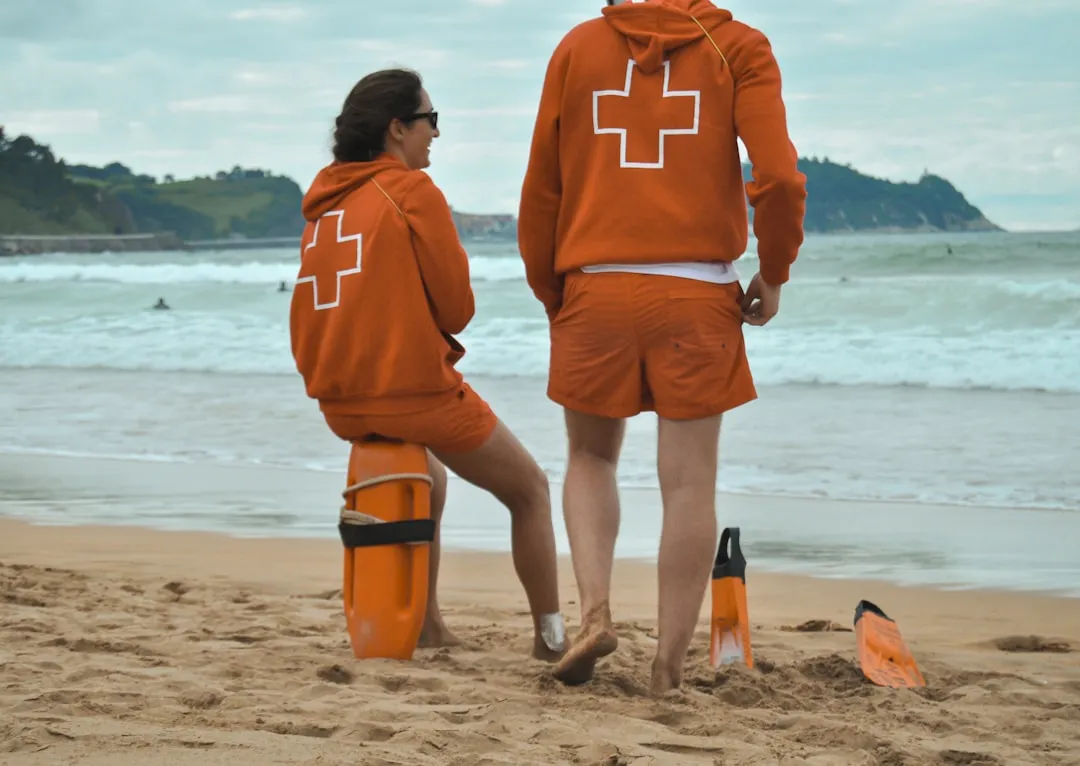
Tourists frequently wander to quieter stretches of beach, away from crowds and lifeguard towers, looking for privacy or a better view. The problem is that those unguarded zones are where the most lethal incidents occur. In East Hampton in 2024, lifeguards performed a record 226 rescues during the beach season, with 24 of those occurring at unprotected beaches, and both figures doubled from the previous year’s totals.
Virtually every one of the drowning victims from one recent summer season was a non-resident. That pattern holds true across coastal communities worldwide. Tourists who don’t know the local conditions, sandbars, or current patterns are far more vulnerable than locals, and swimming without a lifeguard nearby removes the last line of defense.
Entering the Water During Storm or Hurricane Swells
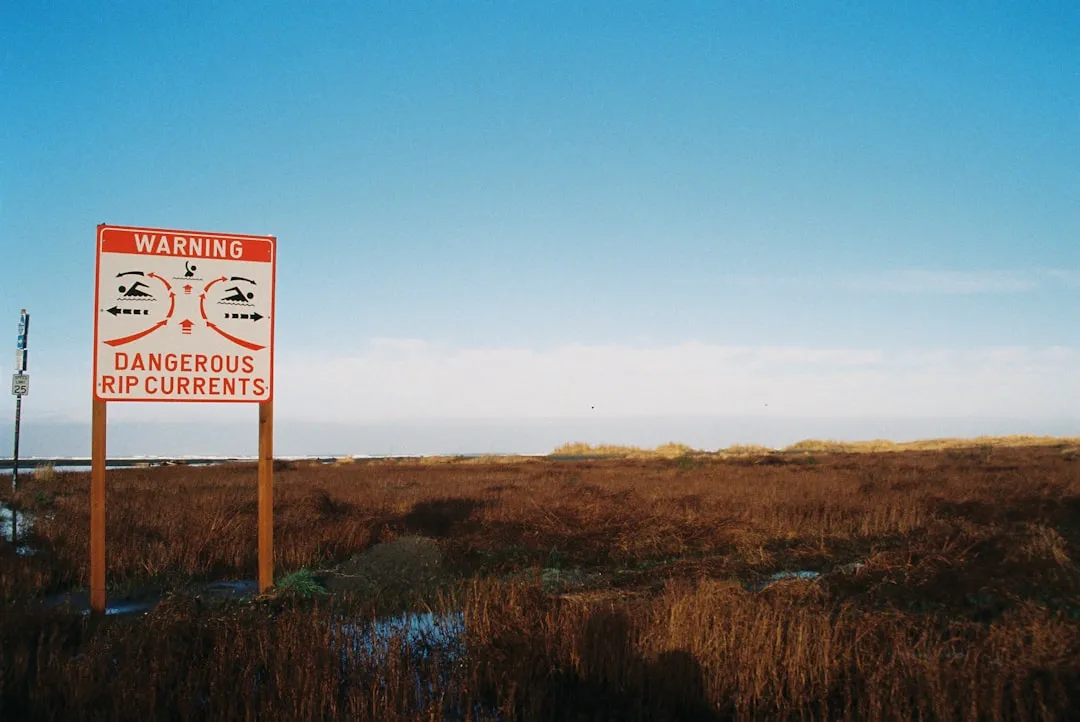
One of the more dangerous misconceptions tourists carry is that calm, sunny weather means safe water. Swells generated by distant storms can reach coastlines days later, producing powerful rip currents on what looks like a perfectly pleasant afternoon. Long period swells from distant storms can lead to strong rip currents forming along exposed beaches, and large waves from nearby storms can create rough surf. Meanwhile, nice local weather may increase beach populations and put more people at risk.
Earlier in 2025, NOAA had already tracked 29 deaths attributed to deadly hazards like rip currents and sneaker waves in the United States alone. More rip current warnings are likely to be issued each summer as hurricane season gets underway, causing unsettled waters closer to shore. Checking forecasts before entering the water is a step most tourists simply skip.
Trying to Rescue Others Without Training
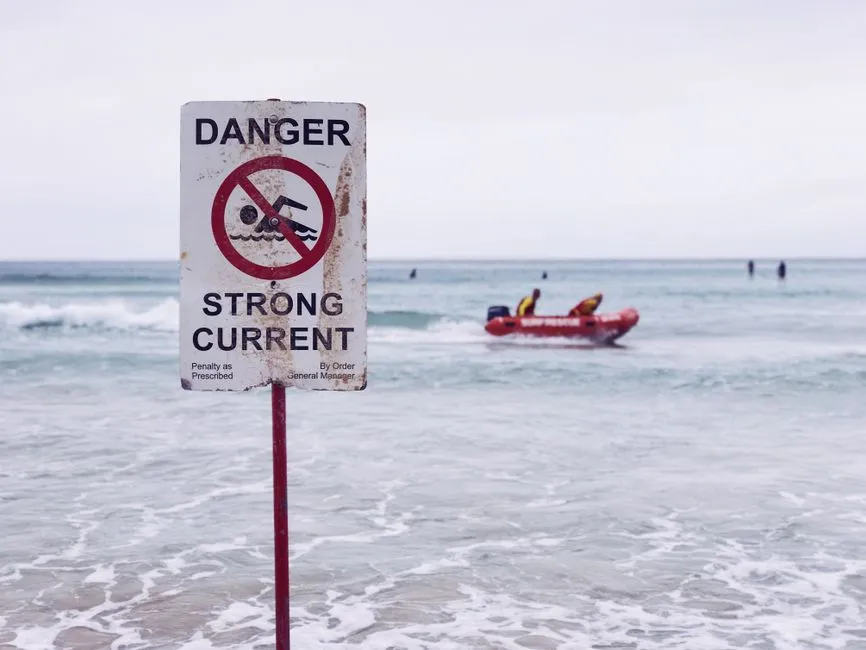
When someone is caught in a rip current, bystanders and fellow tourists instinctively want to jump in and help. It’s a deeply human impulse. It is also one of the most dangerous things a person can do. Untrained rescuers frequently become victims themselves, doubling or even tripling the tragedy.
In the summer of 2025, a decorated former police officer tragically drowned attempting to save a family in Pawleys Island, South Carolina. He heroically dove into the water after witnessing four people struggling, but was swept away by the rip current himself. Similarly, a Border Patrol agent drowned at South Padre Island, Texas, while rescuing his children from a current and was pulled under himself. Lifeguards urge bystanders to throw a flotation device and call for help rather than entering the water.
Ignoring Beach Closures at Night or Off-Season
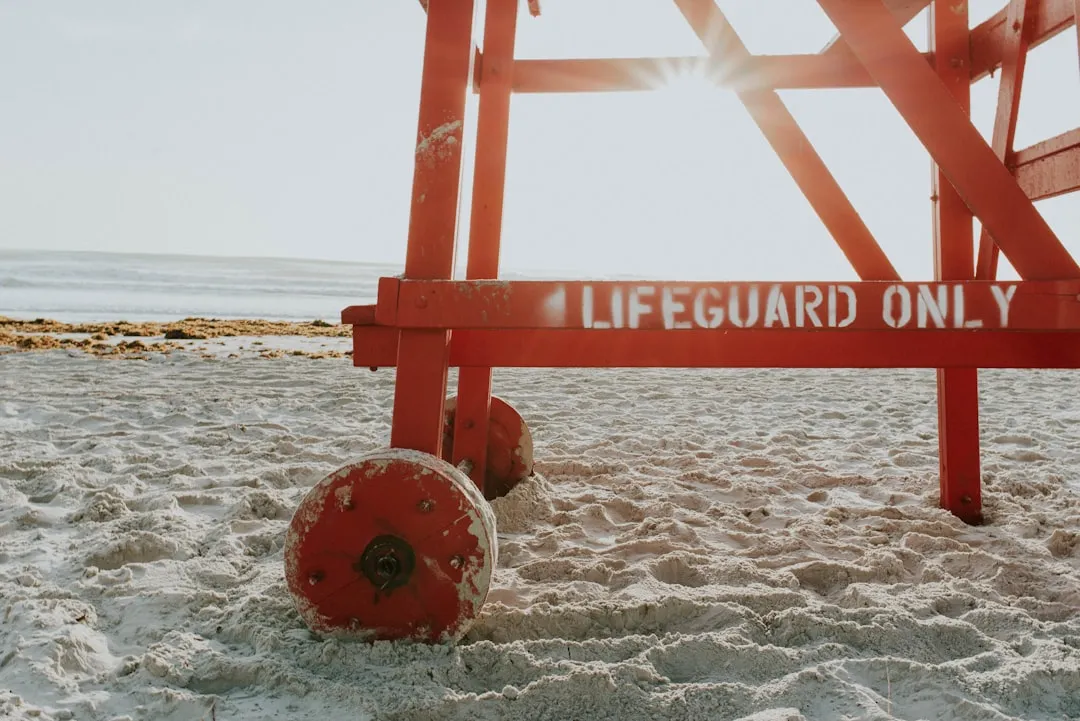
Beach closures after lifeguard hours are not formalities. They reflect a genuine shift in safety conditions once trained personnel are no longer present to monitor the water. The presence of lifeguards can give the public a false sense of security, leading some to underestimate danger and take unnecessary risks. People are expected to heed warnings for everyone’s safety, yet tragic drownings happen every year when people don’t follow the rules on red flag days or outside of beach hours.
Night swimming in the ocean is particularly dangerous because visibility is nearly zero, rip currents cannot be spotted, and the response time for any rescue dramatically increases. Many beach communities have made after-hours ocean entry a ticketable offense, though enforcement varies widely and tourists frequently aren’t aware of the rules until it’s too late.
Misreading or Not Knowing the Beach Flag System
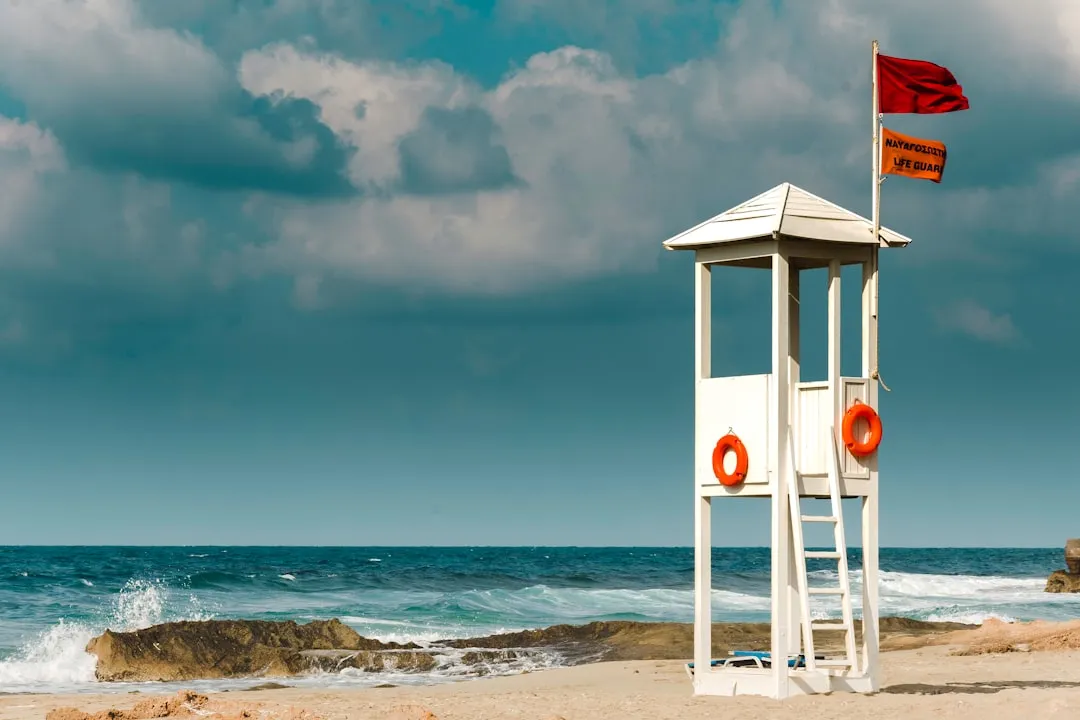
The beach flag color system is not universal, and not every tourist has ever seen one before. Green, yellow, red, double red, purple: each flag communicates something specific about water conditions and marine life threats. The problem is that most tourists don’t arrive with that knowledge. A colored flag may be fluttering in the wind at the beach, and it was put there by lifeguards for a specific reason, but far too many visitors don’t know what it means.
Existing beach safety signage is not as effective as authorities assume, partly due to linguistic and translation challenges. Some terms are improperly translated in common tools, and such linguistic issues must be addressed to improve the delivery of coastal safety messages. For international tourists especially, flag meanings need to be communicated clearly at hotels, rental properties, and beach entry points.
Underestimating Sneaker Waves Along Rocky Coastlines
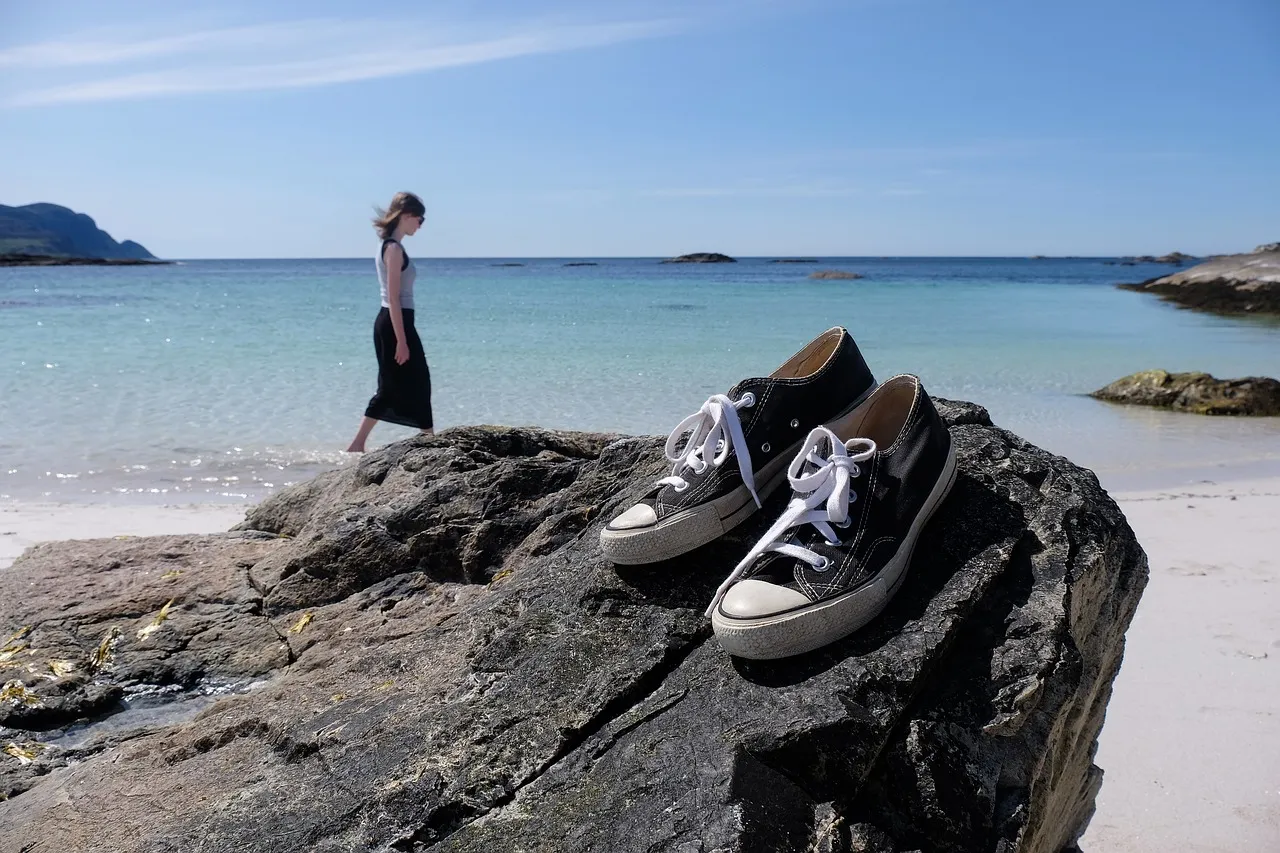
Sneaker waves are one of the most unpredictable and underappreciated hazards on coastlines, particularly along the Pacific Coast of the United States. A sneaker wave is a large wave that suddenly swamps a beach or coast and takes people by surprise, sweeping them into the water. Tourists standing on rocks to take photographs or walking along the shoreline in areas marked as hazardous are the most common victims.
The National Weather Service has repeatedly issued beach hazard statements for the Oregon and Washington coasts, emphasizing the need for caution even at beaches that appear calm, particularly during periods commonly assumed to be safe. Sneaker waves are unpredictable, large waves that can suddenly surge much farther up the shore than usual, and because they arrive without warning, even a brief moment of distraction can be fatal.
Conclusion

Lifeguards don’t issue warnings to be cautious or to ruin anyone’s vacation. They issue them because the patterns leading to death are well documented, consistent year after year, and almost entirely preventable. At least 18 people had already died in 2025 while swimming in rip currents, described by safety professionals as “drowning machines,” with these powerful and often hidden currents accounting for the majority of beach rescues every year.
The trend that lifeguards most urgently need tourists to stop is not any single act. It’s the broader habit of treating the ocean like a swimming pool with prettier scenery. The sea doesn’t adjust to your confidence level, your swimming medals, or how sunny the afternoon looks. Respecting warning systems, staying near lifeguards, and knowing your limits aren’t signs of timidity. They’re what separate a memorable summer from a permanent tragedy.
AI Disclaimer: This article was created with the assistance of AI tools and reviewed by a human editor.